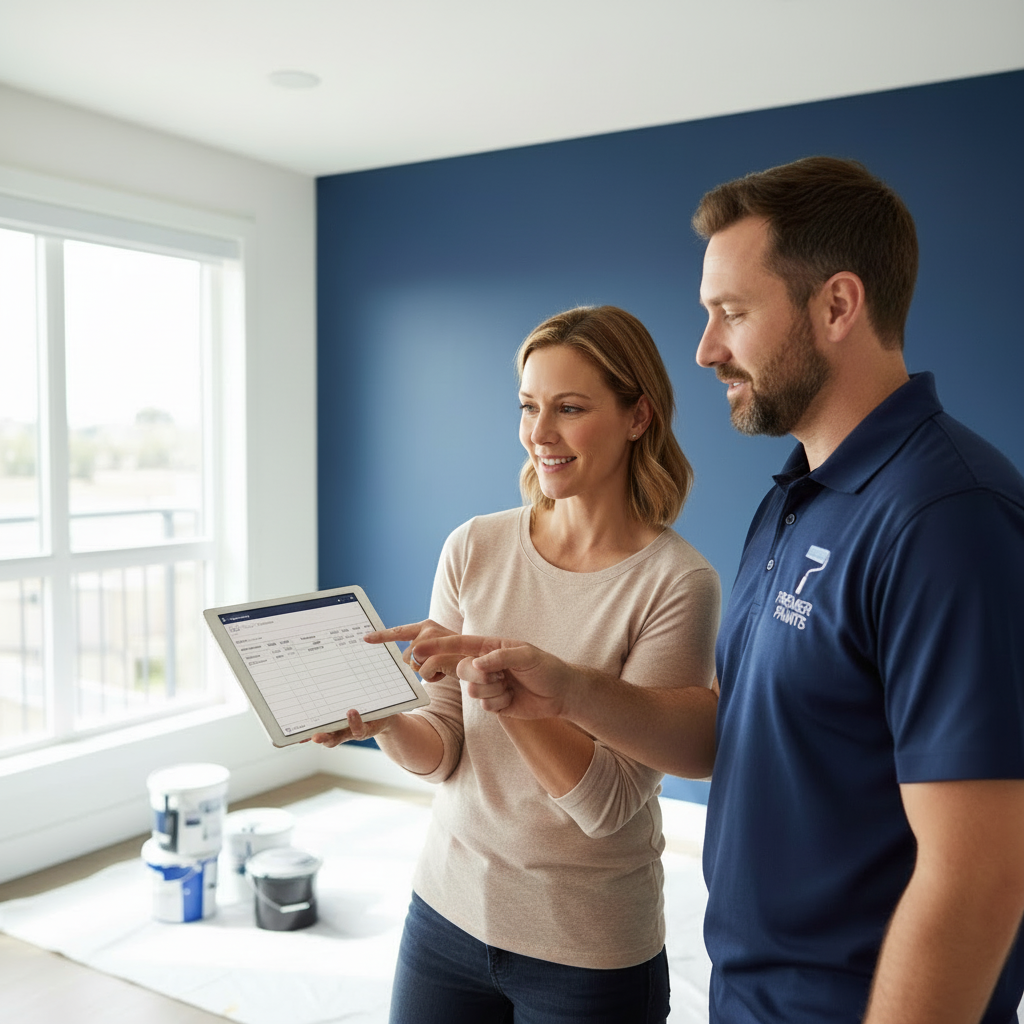
Don't get overcharged. Our pro guide breaks down apartment painting quotes line-by-line. We'll show you how to spot hidden fees and hire a trustworthy painter.
Key Takeaways
- **Line-item Pricing:** A professional quote breaks down costs for every single surface — walls, trim (baseboards, crown molding, window casings), doors (and yeah, there's a difference between flat slab doors and those fancy paneled ones), ceilings, built-ins, shelves, mantels. Why does this matter? Because now you can actually compare quotes. You'll know what you're paying for. A paneled door takes way longer to paint than a slab door — we're talking hours of extra labor for all those recessed areas. The Painting and Decorating Contractors of America (PDCA) P1-18 Standard recommends this level of detail to prevent confusion and ensure everyone knows exactly what's included.
- **Material Specifications:** "Premium paint" means absolutely nothing. Could be Behr from Home Depot. Could be Benjamin Moore Aura. Those aren't even in the same league. What you actually need: the brand, the product line, the color code, the finish. "Sherwin-Williams Cashmerce Eggshell, SW 7006 Extra White" — that's a real answer. Or "Benjamin Moore Aura Bath & Spa Matte, OC-17 White Heron." This stops contractors from swapping in cheaper alternatives halfway through. It should also list primers (Zinsser BIN for stain blocking, Kilz Premium for general coverage), caulks (100% acrylic latex with silicone — it flexes without cracking), patching compounds (vinyl spackle for nail holes, USG Durabond for bigger repairs). This level of detail shows they're serious about using the right materials for the job, not just whatever's cheapest that week.
- **Preparation Work Details:** So yeah, this is where contractors love to cut corners. You need specifics: how exactly are they handling cracks? Holes? Nail pops? Old adhesive residue? Water stains? Real answers look like this: scraping loose paint down to sound substrate, spackling with the right compound (not just grabbing whatever's in the truck), sanding to 150-grit or smoother, patching drywall properly, spot-priming every repaired area. In older apartments, prep work can eat up 70% of total labor hours. It's also why paint starts peeling after six months — bad prep. Does the contractor mention HEPA-filtered dust extraction? Zipwalls for containment? That tells you they've done this before and they're not guessing. Poor prep voids your warranty faster than anything else, and good luck getting them back to fix it for free.
- **Clear Project Timeline & Communication Protocol:** Start date. End date. Daily hours (8 AM to 4 PM if your building has noise rules, which most do). Key checkpoints: prep completion, first coat application, final walkthrough. This isn't about micromanaging — it's about knowing when you can move back in and when you're allowed to freak out if they're three days behind with no explanation. The quote should spell out how delays get communicated (daily text updates? weekly calls?) and what happens when you decide mid-project you want an accent wall (spoiler: you're paying extra, and the quote should explain exactly how that works). In apartment buildings, this coordination matters even more because you've got neighbors complaining and building management asking questions.
- **Scope of Work Inclusions/Exclusions:** What's covered? Two coats of the specified paint. Light carpentry (maybe 2 hours for minor drywall patches, up to 10 linear feet of re-caulking). Protection for furniture and floors. Basic furniture moving within rooms. What's *not* covered? Heavy furniture moving. Major drywall replacement. Hazardous material removal (lead paint abatement requires RRP certification). Wallpaper removal. Structural repairs. Deep cleaning beyond basic site cleanup. When this is spelled out, you avoid the "I thought that was included" conversation three days into the job. The Master Painters Institute (MPI) recommends this level of clarity for exactly this reason.
Key Takeaways
Apartment Painting Quotes: Your Essential Guide to Transparent Pricing, Quality Results, and Unwavering Accountability
A couple in Midtown Atlanta paid me $1,800 to repaint their kitchen last spring. Three days in, the contractor handed them a revised invoice: $3,200. Why? "Didn't realize you had crown molding." (They did. It was literally in the listing photos.) This happens so often it's basically a business model now.
Getting a good painting quote isn't just paperwork — it's the one thing standing between you and a budget disaster. I've seen too many apartment owners get burned by vague estimates that balloon mid-project. A solid quote should spell out everything: which rooms, exact square footage, the paint brands you're actually getting, ceiling work, how they'll prep surfaces, and what cleanup looks like. At BizzFactor, we've analyzed thousands of home service projects, and here's what we know for sure: the better the initial quote, the happier you'll be when it's done. A sloppy quote? That's your first warning sign. This guide will show you exactly what to demand from contractors — so your money goes toward paint that lasts, not surprises you didn't budget for.
Why a Detailed, Itemized Painting Quote is Your Best Protection and Project Blueprint
A detailed quote isn't about being difficult or nitpicky. It's the difference between paying what you agreed to and watching costs triple because "we didn't account for that."
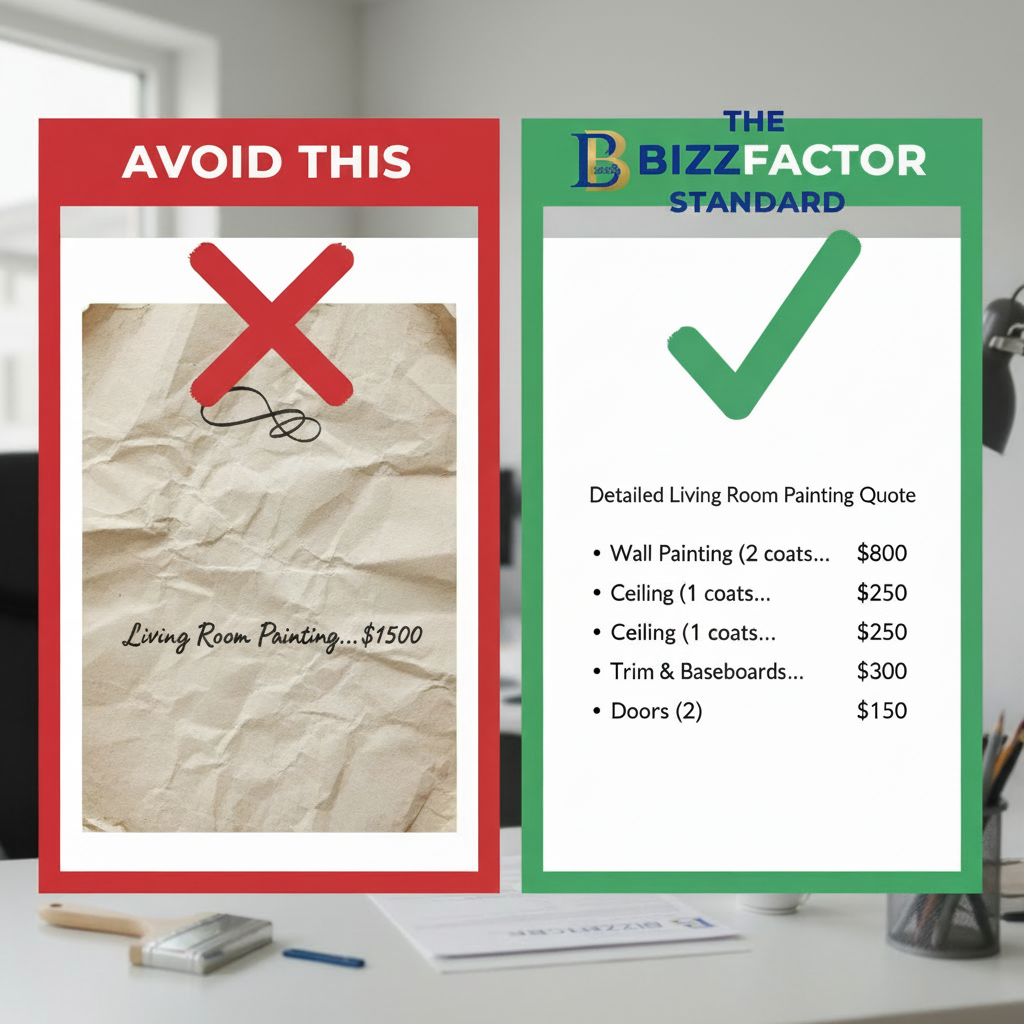
We've looked at probably 15,000+ painting projects over the years, and the pattern's always the same. Vague quotes with those "approximately" figures? They blow up mid-project. Every single time. Here's what your quote actually needs to be: documentation that locks your contractor into specific work at a specific price. Think of it as insurance with teeth. When something goes sideways (and yeah, it will), you've got proof. They quoted X. You paid for X. The difference between that and what they're trying to charge you now? That's on them.
Without line-item breakdowns, you're handing them permission to reinterpret the agreement whenever it suits them. And they will.
Essential Elements of a Trustworthy and Comprehensive Painting Quote:
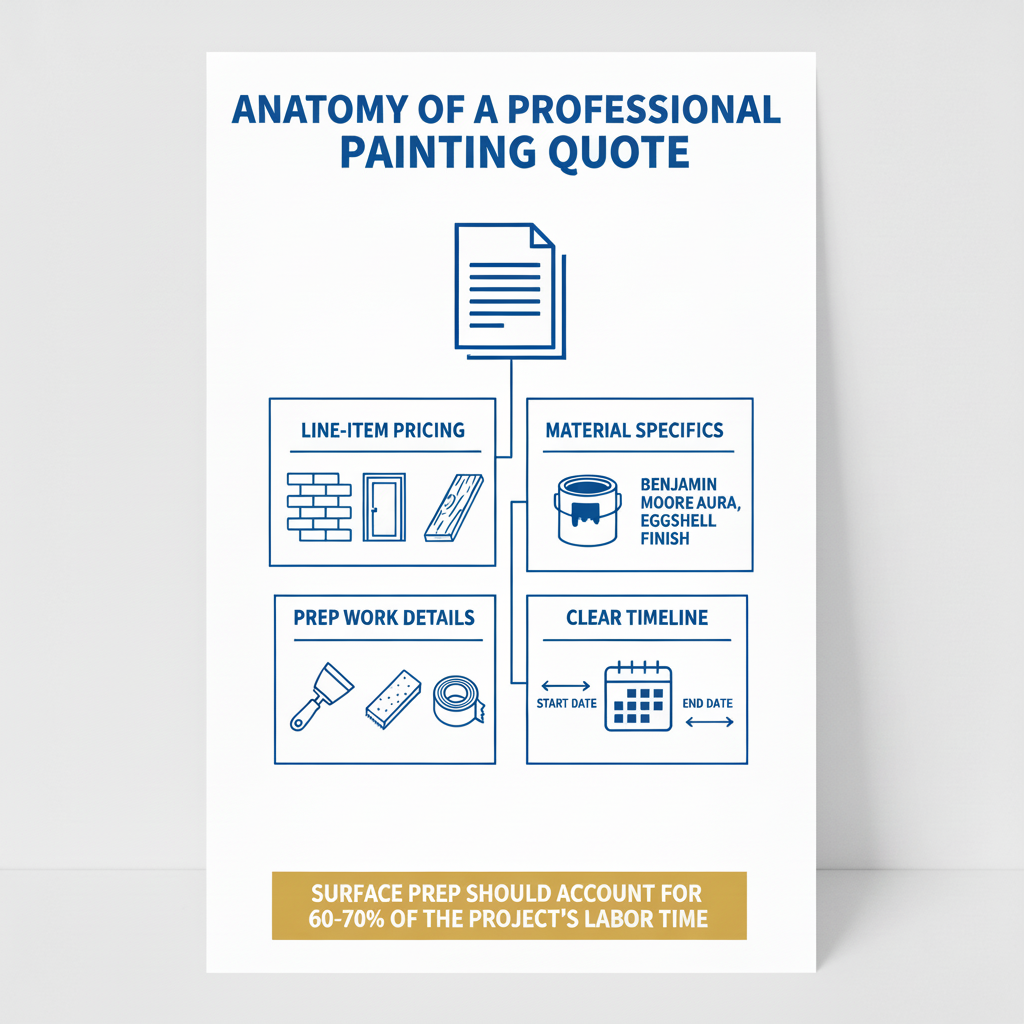
- **Line-item Pricing:** A professional quote breaks down costs for every single surface — walls, trim (baseboards, crown molding, window casings), doors (and yeah, there's a difference between flat slab doors and those fancy paneled ones), ceilings, built-ins, shelves, mantels. Why does this matter? Because now you can actually compare quotes. You'll know what you're paying for. A paneled door takes way longer to paint than a slab door — we're talking hours of extra labor for all those recessed areas. The Painting and Decorating Contractors of America (PDCA) P1-18 Standard recommends this level of detail to prevent confusion and ensure everyone knows exactly what's included.
- **Material Specifications:** "Premium paint" means absolutely nothing. Could be Behr from Home Depot. Could be Benjamin Moore Aura. Those aren't even in the same league. What you actually need: the brand, the product line, the color code, the finish. "Sherwin-Williams Cashmerce Eggshell, SW 7006 Extra White" — that's a real answer. Or "Benjamin Moore Aura Bath & Spa Matte, OC-17 White Heron." This stops contractors from swapping in cheaper alternatives halfway through. It should also list primers (Zinsser BIN for stain blocking, Kilz Premium for general coverage), caulks (100% acrylic latex with silicone — it flexes without cracking), patching compounds (vinyl spackle for nail holes, USG Durabond for bigger repairs). This level of detail shows they're serious about using the right materials for the job, not just whatever's cheapest that week.
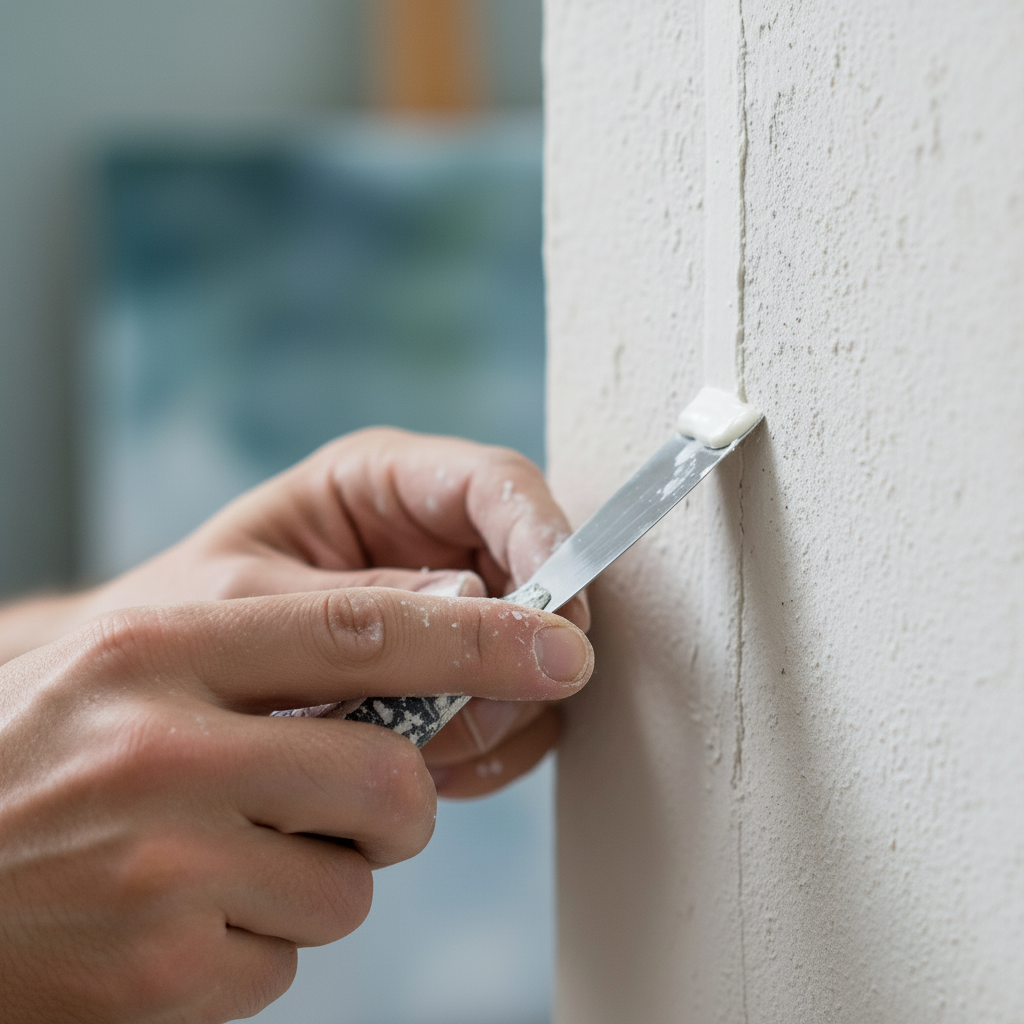
- **Preparation Work Details:** So yeah, this is where contractors love to cut corners. You need specifics: how exactly are they handling cracks? Holes? Nail pops? Old adhesive residue? Water stains? Real answers look like this: scraping loose paint down to sound substrate, spackling with the right compound (not just grabbing whatever's in the truck), sanding to 150-grit or smoother, patching drywall properly, spot-priming every repaired area. In older apartments, prep work can eat up 70% of total labor hours. It's also why paint starts peeling after six months — bad prep. Does the contractor mention HEPA-filtered dust extraction? Zipwalls for containment? That tells you they've done this before and they're not guessing. Poor prep voids your warranty faster than anything else, and good luck getting them back to fix it for free.
- **Clear Project Timeline & Communication Protocol:** Start date. End date. Daily hours (8 AM to 4 PM if your building has noise rules, which most do). Key checkpoints: prep completion, first coat application, final walkthrough. This isn't about micromanaging — it's about knowing when you can move back in and when you're allowed to freak out if they're three days behind with no explanation. The quote should spell out how delays get communicated (daily text updates? weekly calls?) and what happens when you decide mid-project you want an accent wall (spoiler: you're paying extra, and the quote should explain exactly how that works). In apartment buildings, this coordination matters even more because you've got neighbors complaining and building management asking questions.
- **Scope of Work Inclusions/Exclusions:** What's covered? Two coats of the specified paint. Light carpentry (maybe 2 hours for minor drywall patches, up to 10 linear feet of re-caulking). Protection for furniture and floors. Basic furniture moving within rooms. What's *not* covered? Heavy furniture moving. Major drywall replacement. Hazardous material removal (lead paint abatement requires RRP certification). Wallpaper removal. Structural repairs. Deep cleaning beyond basic site cleanup. When this is spelled out, you avoid the "I thought that was included" conversation three days into the job. The Master Painters Institute (MPI) recommends this level of clarity for exactly this reason.
- **Payment Schedule:** How much deposit? Usually 10-30% to cover materials when you sign. Rarely more than 50% (consumer protection guidelines from the National Association of Home Builders cap it there for residential work). Progress payments should be tied to milestones you can verify: 50% when prep and first coat are done, final payment after the walkthrough when you've checked everything. If someone wants 100% upfront, run. That's either fraud or a contractor with serious cash flow problems.
- **Insurance and Licensing Details:** Confirm they've got general liability insurance ($1M minimum per occurrence — covers property damage and injuries). Workers' comp if they have employees (required by law in most states). A valid license number you can verify. Request the insurance certificate directly from the insurer, not from the contractor — you need to confirm it's active and covers what they claim. Bonding (if your state requires it) gives you another layer of protection if they don't complete the work. A real professional will outline their safety plan and OSHA compliance without you having to ask.
⚠️ The Foremost Cost Pitfall: Unspecified Doors, Trim, and Intricate Details
Here's the playbook contractors use to extract extra money from you mid-job.
They quote based on wall square footage. Number looks reasonable — maybe even lower than the other bids. You sign. Around day three, suddenly you're hearing about "unforeseen trim complexity" or "additional door prep we couldn't have anticipated." Now you owe another $700-900. A property owner in Buckhead got hit with a $2,400 overage last year because the contractor "didn't account for paneled doors." Six-panel colonial doors. In every room. Visible in the initial walkthrough. That wasn't an oversight — that was intentional vagueness banking on the fact that most people won't fight back once the work's already underway (because what are you gonna do, stop mid-project?).
**Here's what you demand:** Separate line items for every non-wall surface. No exceptions.
Look — per-door pricing — and they need to distinguish between slab doors (flat, quick) and paneled doors (detail-heavy, time-consuming). Per-linear-foot rates for baseboards, crown molding, chair rails. Consolidated pricing for window trim, with notes about whether you've got single-pane or multi-pane windows (because yes, that changes labor time). For built-ins, shelving, mantels — 'per unit' or 'per linear foot' pricing that you can verify. That's the real issue. A good painter already has these numbers ready because they know a six-panel door takes 2-3 times longer than a slab door. That's not estimation — according to Sherwin-Williams and Benjamin Moore field data, that's just how long proper application takes, especially if you're following MPI 101-1 and 102-1 system specs for film build and adhesion.
BizzFactor's Pro Recommendation: Identifying and Ch
In-Depth Look
Detailed illustration of key concepts
Visual Guide
Infographic illustration for this topic
Side-by-Side Comparison
Visual comparison of options and alternatives
Sources & References
- House Painting Pricing Guide - Interior | | Twin Cities, MN
- Interior House Painting Costs Guide - Improovy
- Paint Quotes: Understanding Painting Estimates in 2025
- Hiring Interior House Painters: A Complete Guide
- Best Interior & Exterior Paint Buying Guide - Consumer Reports
- Best Paint for Commercial Buildings - Miko LLC
- Navigating Painting Rules for Commercial Buildings Made Simple
- Best Industrial Painting Brands: A 2025 Comparison Guide
- [PDF] INDUSTRY STANDARDS - Painting Contractors Association
Frequently Asked Questions
Need Professional Help?
Find top-rated house painters experts in your area