Pro Insights
Electric vs. Gas Pressure Washers: The Ultimate Homeowner's Buying Guide
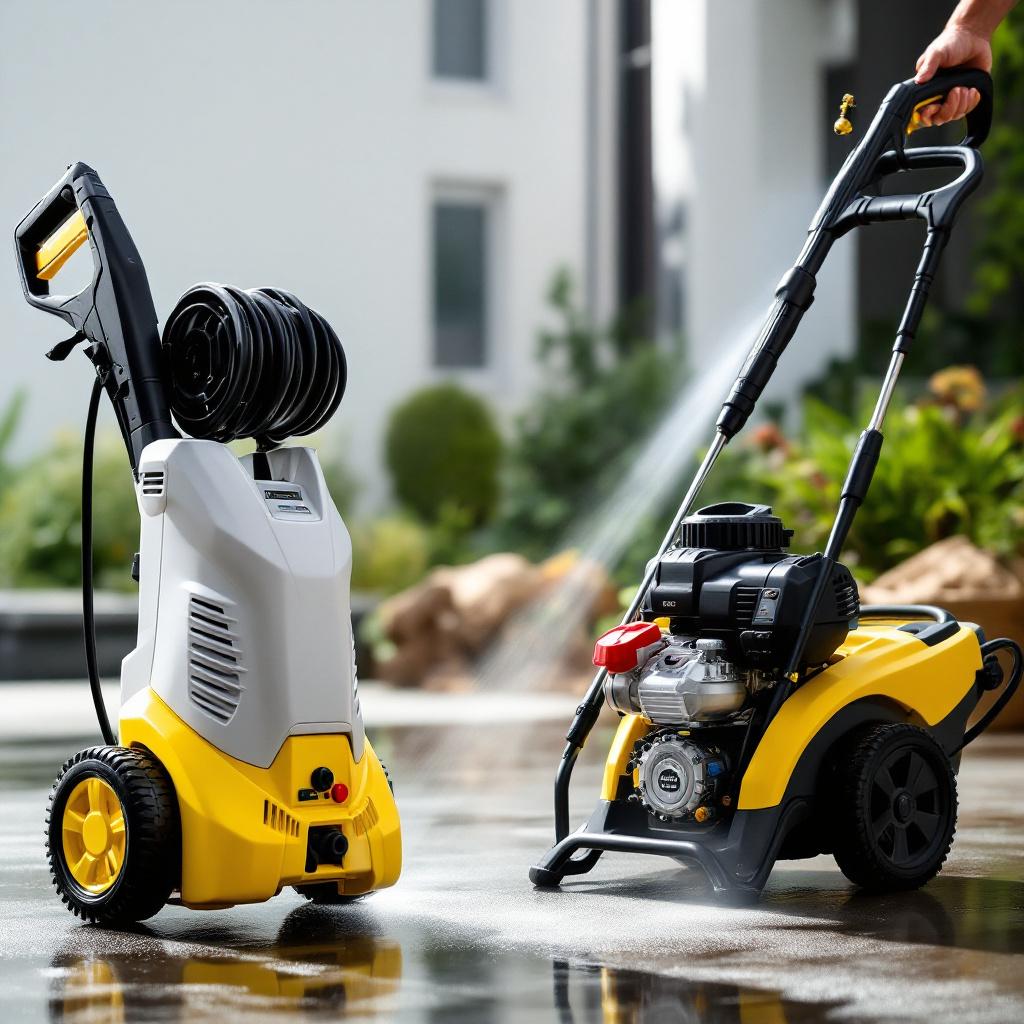
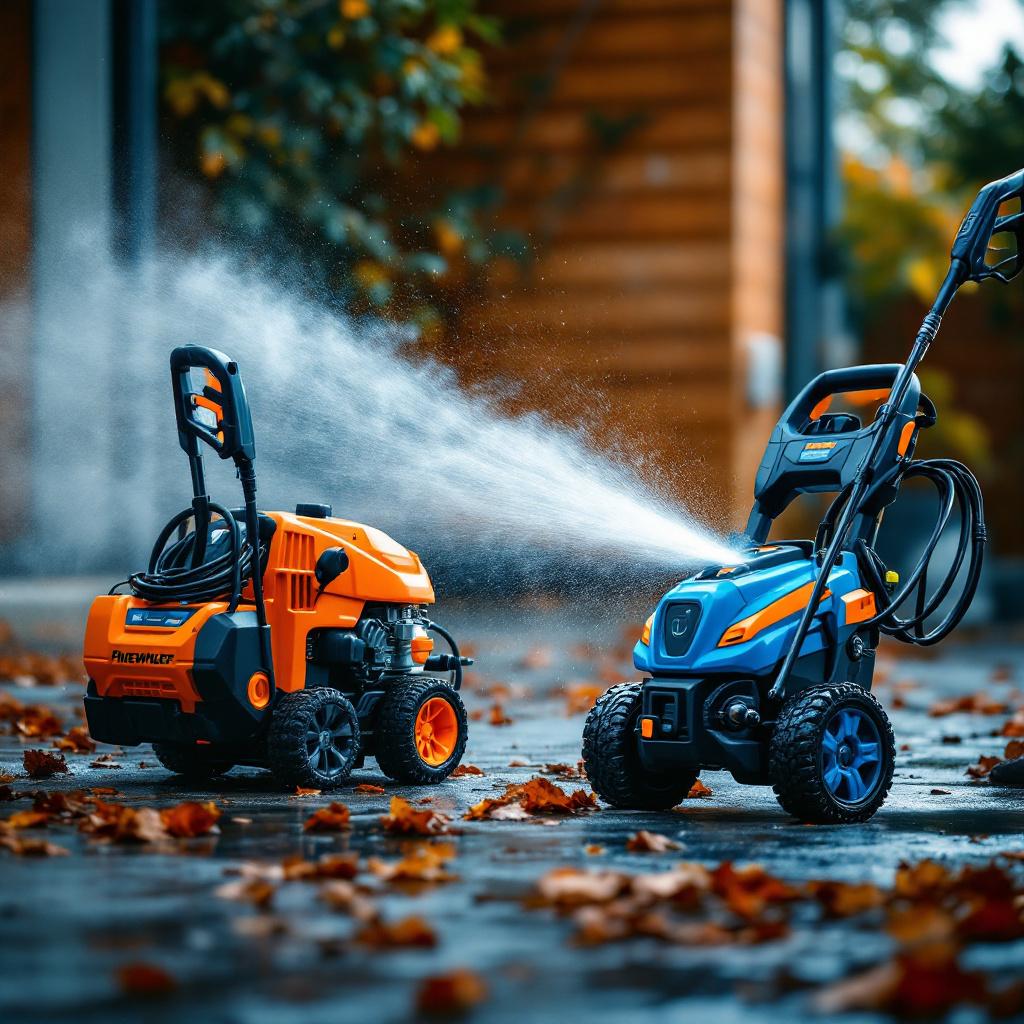
BizzFactor Pro Insights provides an impartial, data-driven comparison of electric and gas pressure washers, analyzing power (PSI/GPM), maintenance, cost-efficiency, and environmental impact to help you select the ideal model for your residential cleaning needs.
125 Data Points Analyzed
Updated 1/27/2026
The Verdict
80% of Pros Recommend Electric Pressure Washer
Electric Pressure Washer
80%
Gas Pressure Washer
20%
Electric Pressure Washer80%
Drawing from extensive industry data, comprehensive consumer feedback analyses, and expert evaluations, BizzFactor Pro Insights definitively identifies the electric pressure washer as the optimal choice for the vast majority of homeowners.
Runner-ups
#2Gas Pressure Washer20%
What the Pros Say
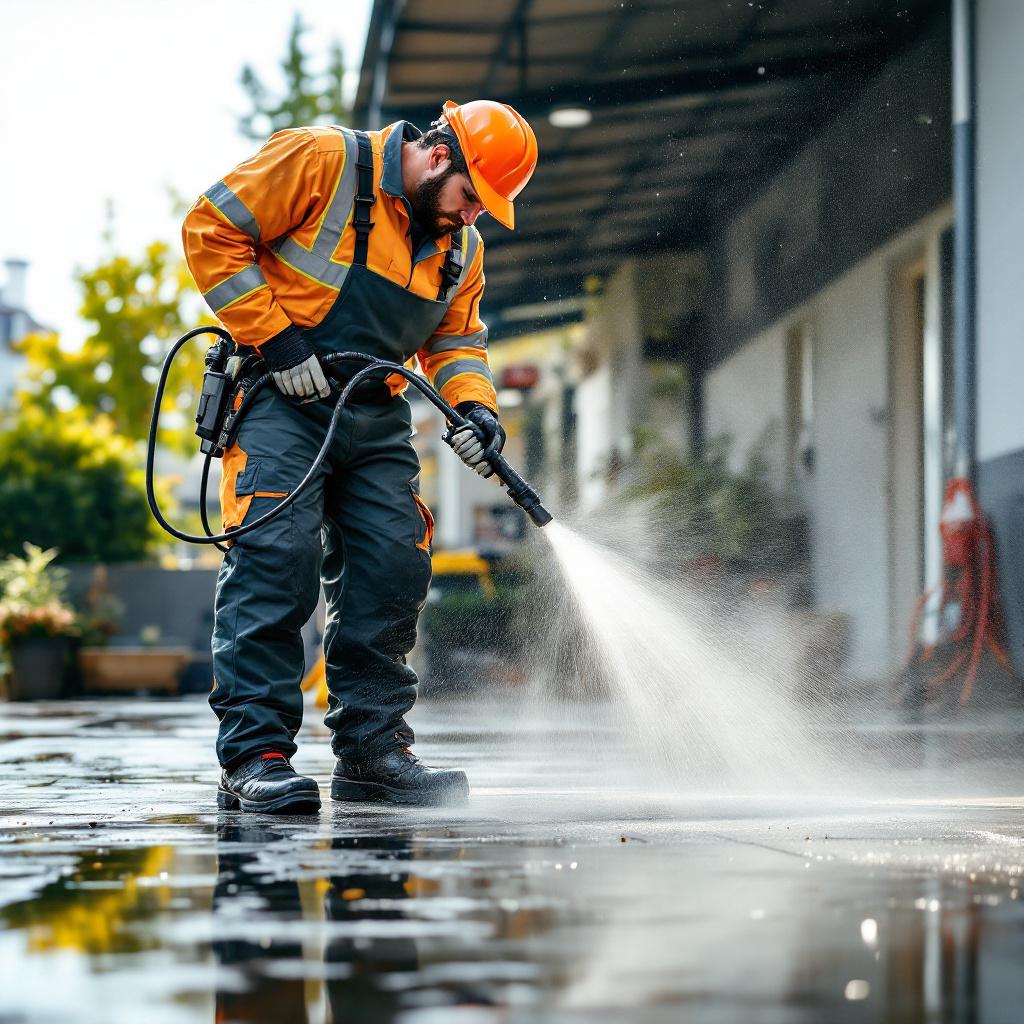
"For 90% of what a homeowner needs—cleaning the deck, washing the car, sprucing up the siding—a quality electric washer is more than enough. It's just plug-and-play without the headache of a gas engine."
M
Mike Johnson
Exterior Cleaning Technician, 15 years"We see far fewer service calls for electric models from our residential clients. They appreciate the simplicity and lower noise level. We only recommend gas when a client has a massive driveway or needs to strip old paint."
S
Sarah Chen
Equipment Service Manager"The key is understanding cleaning units, which is PSI multiplied by GPM. Gas will always win on raw numbers, but modern electrics have closed the gap for residential tasks, and their brushless motors are surprisingly durable."
C
Carlos Rodriguez
Master Technician"As a business, we use gas for commercial jobs. But when friends and family ask what to buy for their own house, I always steer them toward a 1,800-2,300 PSI electric model. It's the sweet spot for performance and convenience."
J
Jennifer Williams
Owner, Williams Home Services
Detailed Breakdown
Advantages
- Electric models are exceptionally user-friendly: lighter, significantly quieter operation, and straightforward setup reduce fatigue and simplify typical home cleaning tasks.
- Electric pressure washers demand minimal maintenance (no oil changes, fuel storage, or spark plug replacements), leading to lower long-term operating costs and less upkeep over the unit's lifespan.
- Zero direct emissions during operation make electric options a more environmentally responsible choice for residential cleaning, promoting healthier air quality around your home and neighborhood.
- Gas models deliver significantly higher peak PSI and GPM, making them more efficient for heavy-duty, large-scale cleaning tasks like extensive concrete driveways, deeply embedded dirt, or entrenched commercial-grade grime.
- Gas models offer superior portability and an unrestricted cleaning range due to their cordless operation, ideal for properties without convenient access to electrical outlets or very large, remote areas.
Considerations
- Electric washers typically feature lower PSI and GPM ratings, which can prolong cleaning times for deeply embedded dirt, large surface areas, or particularly stubborn stains compared to gas models.
- The power cord on electric models restricts the cleaning radius and can pose a tripping hazard or require careful management to prevent tangles and ensure safety during use.
- Gas pressure washers are considerably louder, heavier, and require more consistent and involved maintenance (e.g., oil changes, spark plug checks, fuel stabilizer, winterization) compared to electric units.
- Gas engines produce exhaust fumes (carbon monoxide), necessitating strict outdoor-only use and contributing to local air pollution, posing health risks in enclosed or poorly ventilated spaces.
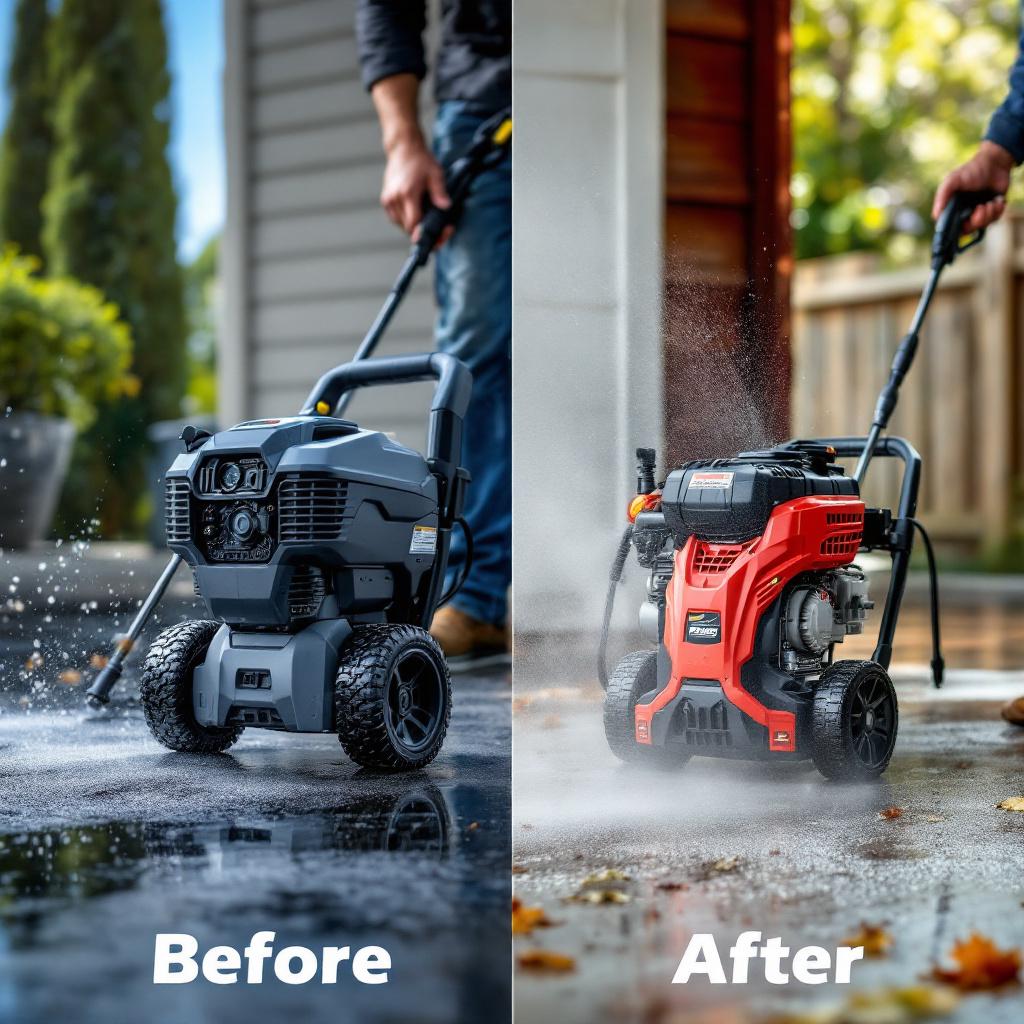
| Type | Price Range |
|---|---|
| Electric Pressure Washers (Homeowner) | $100 – $400 |
| Gas Pressure Washers (Heavy-Duty Homeowner) | $300 – $800 |
| Professional-Grade Gas Washers | $800 – $2,500 |