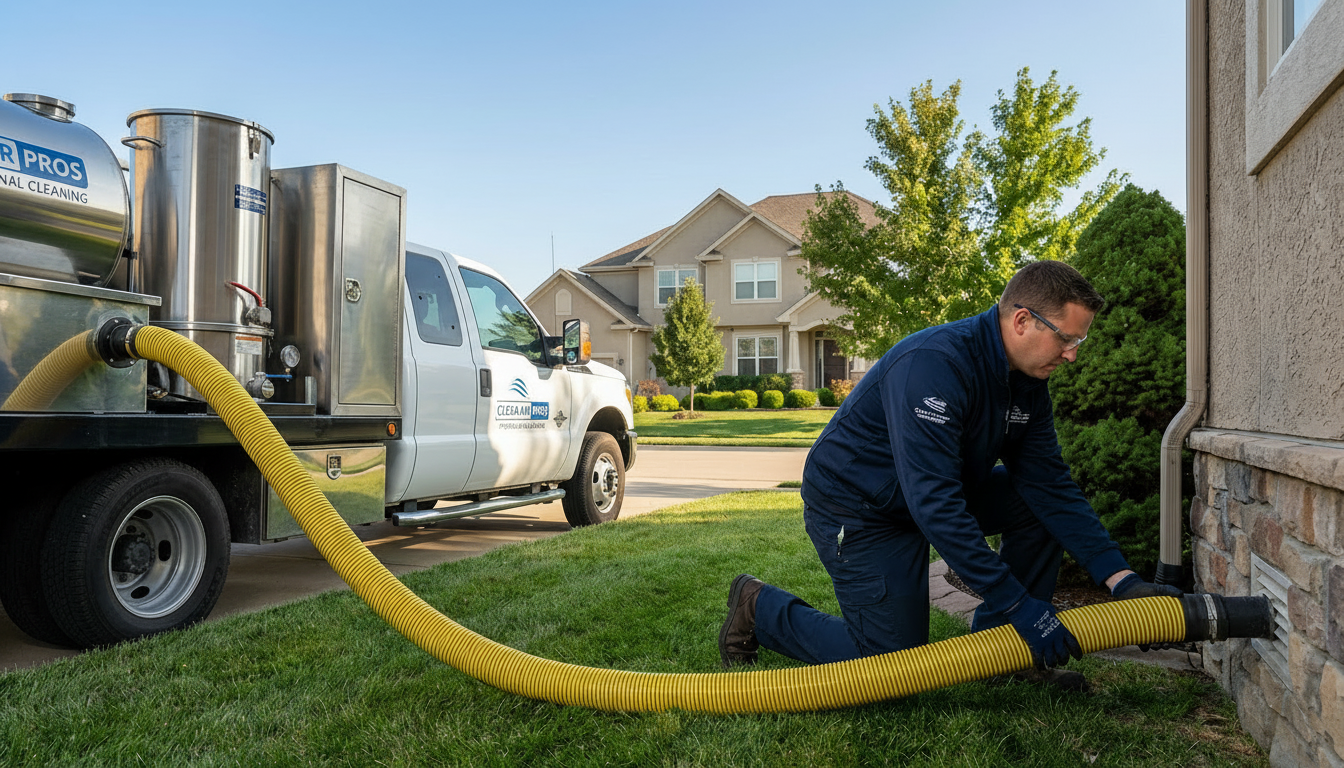
Professional air duct cleaning cuts energy bills 20% & improves indoor air quality. Expert tips from certified pros with 20+ years experience.
Key Takeaways
- Clean ducts aren't some luxury upgrade
- They're the difference between breathing recirculated dog hair for a decade and actually smelling fresh air in your own living room
- Better air quality, obviously
- But also genuine energy savings, usually around 15-20% on utility bills when the job's done right
Key Takeaways
Air Duct Cleaning: Cut Bills 20% & Breathe Cleaner Air – Your Comprehensive Guide to HVAC Hygiene
You know what nobody talks about at dinner parties? Their air ducts.
But after twenty years crawling through attics across North Texas, I promise you — those hidden metal tunnels running through your walls deserve way more attention than they get. Clean ducts aren't some luxury upgrade. They're the difference between breathing recirculated dog hair for a decade and actually smelling fresh air in your own living room.
Look — look — here's what actually happens when professionals clean your HVAC system: we remove the accumulated crap (technical term) — dust, allergens, construction debris, and sometimes things I can't unsee — from your heating and cooling equipment. The payoff? Better air quality, obviously. But also genuine energy savings, usually around 15-20% on utility bills when the job's done right. Not the fake "up to" savings you see in ads. Real money back in your pocket.
This guide covers what matters: protecting your family's health, stopping the financial bleeding from an overworked HVAC system, and avoiding the scams that plague this industry.
Why Clean Ductwork Actually Matters (Beyond the Sales Pitch)
Think about it for a second.
Every time your system kicks on — probably 8-12 times an hour in summer — it's pulling air through those ducts and pushing it into your bedroom, your kid's room, wherever you're sitting right now. If those ducts are filthy? Congratulations, you've got a distribution network for every nasty particle that's settled in there over the years.
So your expensive MERV-13 filter costs what, $25? And you're changing it every three months like the package says. Good for you. Except when your ducts are coated in five years of buildup, that filter's basically screaming into the void. It can't catch particles that are already caked onto the ductwork behind it. The whole system chokes. Your filter does its job when air actually moves through it properly — not when it's gasping through layers of blockage like some kind of respiratory patient.
I've spent two decades doing this work. Seen things that would make you never want to turn your AC on again. (Kidding. Mostly.) Neglected ductwork transforms from a simple air pathway into a biological experiment you definitely didn't sign up for. Pollen, dust mites, pet dander, mold spores — they don't just pass through. They set up camp in the dark, sometimes damp environment of your ductwork and multiply like they're getting paid for it.
Then they recirculate. Into your lungs. Your kids' lungs.
This hits hardest for anyone with allergies or asthma. We see it constantly in Dallas homes — families medicating symptoms that could be solved with a Shop-Vac and some professional equipment.
Your indoor air's probably dirtier than what's outside your window right now.
Like, five times dirtier. I know that sounds like the setup to a sales pitch, but the EPA's actually been tracking this since the '80s. Trane did their own studies, came to the same conclusion. Your house traps pollutants. No matter how clean you keep things, that HVAC system becomes a recycling center for everything floating around — and not the good kind of recycling. If you're dealing with allergies, asthma, or just feeling generally crappy at home, there's a decent chance your ductwork's working against you. For more on this, check out our article on [understanding indoor air pollution](link-to-indoor-air-pollution-article).
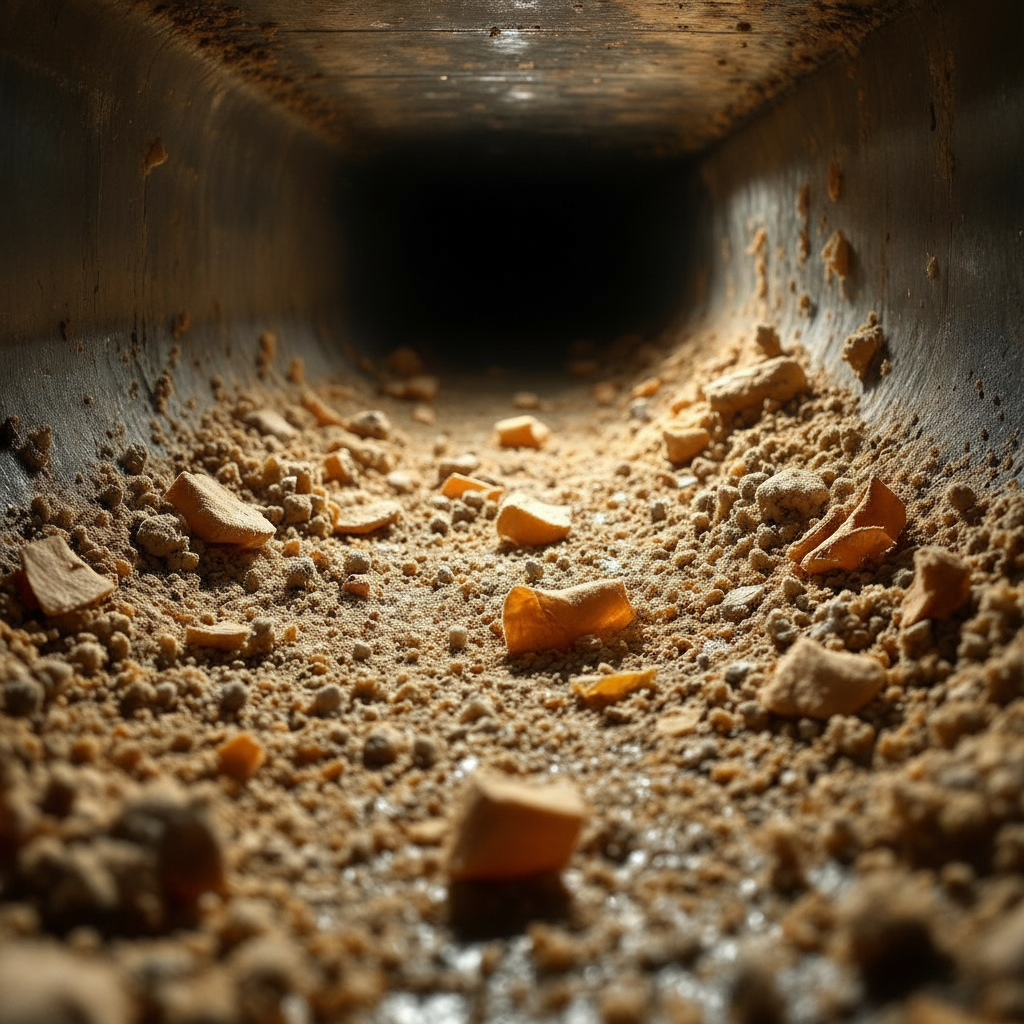
We crack open these systems every week. What's waiting inside? A guy in Richardson last month had what looked like a shag carpet in his return duct — turned out to be two years' worth of Golden Retriever fur matted together with enough dust to fill a grocery bag. That mess was choking his blower motor, creating resistance you could feel when you stood next to a register. One dog can shed enough in eighteen months to reduce your airflow by a third.
Then there's insulation breakdown. Older homes especially — that duct lining just deteriorates into tiny fibers that float around like the world's worst snow globe. You don't want fiberglass in your lungs (I've coughed up enough of it myself to know).
Construction debris though? That's my least favorite. Drywall dust from when your house was built in 2003. Wood particles and metal shavings from that bathroom remodel. It doesn't evaporate. Just circulates forever, grinding away at your system like sandpaper. And if you renovated without sealing your vents first? You're basically running a cement mixer through your ductwork.
Sometimes we find pest situations. Rodent droppings, wasp nests, or — this is always fun — the dried-out corpse of whatever decided your air handler was a good place to die. That's a biohazard requiring specialized cleanup, and yeah, it costs more. But hantavirus isn't really negotiable.
Mold's the sneaky one. Humid climates (I'm looking at you, Houston) or anywhere you had a roof leak that went unnoticed for a couple weeks. That musty smell you've gotten used to? Probably mold colonies throwing a party in your ductwork. And they're probably making you sick in ways you haven't connected yet. More on [preventing mold in your HVAC system](link-to-mold-prevention-article).
Here's the thing: yeah, the EPA talks about ventilation maintenance in their guidelines. But here's what actually matters — I've watched families transform their homes just by dealing with this one thing. Not because some government agency recommended it. Because their kids stopped waking up congested. Because somebody's persistent cough finally went away after six months of doctor visits that went nowhere. You maintain your ductwork because living in your own house shouldn't make you feel worse than being outside. It's really that simple.
Get it done.
What You're Actually Breathing (Spoiler: It's Worse Than Dust)
So yeah — there's the dust bunnies you can see. Then there's everything else hiding underneath that layer.
Those cleaning products you use? Windex, Lysol, whatever's under your sink — the VOCs don't just disappear into thin air like you'd hope. They hang around. Settle into stagnant pockets of ductwork where air barely moves. And that section above your master bathroom, the one that gets humid every July when the AC's running full blast? I've pulled moldy insulation from spots exactly like that in probably forty houses this year alone. Dark corners. Moisture. Bacteria doesn't need an invitation — it just shows up and makes itself at home.
This is why your kid's asthma gets worse specifically when the AC kicks on. Not a coincidence. Why your allergies are mysteriously worse at home than at the office. That's contaminated air getting pushed into every room, every cycle.
When you actually remove these contaminants, something shifts. Families stop fighting mystery symptoms. The air just... feels different. Cleaner. [Learn more about the health benefits of improved indoor air quality](link-to-indoor-air-quality-article).
Real talk — even FEMA's emergency prep guidelines mention checking your ventilation systems regularly. They're not talking about office buildings and hospitals. They mean homes. Your home. Because when disaster hits and you're sealed inside for days, you don't want to be breathing contaminated air on top of everything else. Same logic applies every single day, not just during emergencies.
Now, last month in Plano, we worked with a family who'd been fighting chronic allergies and sinus infections for three years. Doctors, medications, air purifiers — nothing worked. We cleaned their ducts and found literal inches of accumulated pet dander coating every surface. Their symptoms improved within a week.
That's not a miracle. That's just removing the irritant they'd been breathing 24/7. Your family deserves to breathe without fighting invisible pollutants.
⚠️ The "Ducts-Only" Scam You Need to Avoid
Here's where homeowners get burned constantly.
Those $99 specials you see plastered on service trucks and Facebook ads? Here's how that works: they show up, run a vacuum through your registers for maybe 45 minutes, take a few photos to prove they were there, and bounce. What they're not telling you is that the real contamination — the stuff actually making you sick and costing you money — isn't sitting in the ductwork itself. It's caked onto your blower fan. Your evaporator coils. The components that actually move and condition air.
Why? Because that's where moisture collects. Where temperature transitions happen. Where everything sticky and gross naturally accumulates.
Cleaning ducts while ignoring the air handler is like mopping around a pile of dirt instead of sweeping it up first. You've just redistributed the problem and charged somebody for the privilege.
They skip the air handler because it requires actual work. You've gotta pull panels. Sometimes disconnect electrical. Get in there and scrub coils from both sides, not just hit the visible surface and call it good. The cheap guys don't want to spend that time. Easier to vacuum a few registers and move to the next address.
So — so we don't do that. Never have. We pull apart your air handler, clean the evaporator coils properly (both sides), hit the condenser coils outside, scrub down the blower assembly because that's where half the buildup lives. You're paying for a cleaning? You should get an actual cleaning. The whole system. Otherwise you're just rearranging dirt and pretending it's gone. Learn more about [full HVAC system maintenance](link-to-hvac-maintenance-guide).
How to Actually Choose a Service Provider
Forget the brand name.
Ask for their Certificate of Insurance first. Before anything else. Not a business card. Not references (though those matter). Insurance — specifically liability coverage that protects you when something goes wrong. Damaged ductwork. Disturbed asbestos in a 1970s house. The tech who accidentally puts his boot through your hallway ceiling trying to reach the air handler (it's happened, it'll happen again). A company carrying proper insurance is telling you they're professional enough to plan for problems.
A company that stutters or changes the subject when you ask?
They're cutting corners everywhere else too. Walk away. For more tips, see our guide on [how to choose a reliable HVAC contractor](link-to-choosing-hvac-contractor-article).
The Truth About Cleaning Frequency (It's Not What You Think)
That "every 3-5 years" advice you hear everywhere? Pretty much worthless without context.
Look — here's what actually matters: What kind of filters are you using? If you're running quality pleated filters — MERV 11 or better — and changing them every 1-3 months instead of waiting until they look like a dryer lint trap, you might go a decade without needing professional cleaning. Your filter's doing the heavy lifting. But if you had a kitchen fire last year that filled your ducts with smoke residue? You need cleaning now. Burst pipe soaked your attic insulation? Now. Contractor finished that sunroom addition and swears he sealed off your vents (spoiler: he probably didn't, and now there's sawdust coming through your bedroom registers)? Yeah, now.
A woman in McKinney called us last spring because she could smell something weird every time her heat ran. Turns out a squirrel had died in her return duct sometime over the winter. She didn't need to wait for her "scheduled cleaning" — she needed that carcass removed yesterday.
Your filter does 90% of the work if you actually maintain it. Professional cleaning handles the 10% that accumulates despite your best efforts, or it addresses catastrophic contamination from specific events. [Discover more about choosing the right HVAC filters](link-to-hvac-filter-guide).
Don't go by the calendar. Go by what's actually happening in your house.
The Financial Case for Clean Ducts (Real Numbers, Not Marketing BS)
Alright, so here's what nobody wants to admit: dirty ducts are costing you money right now.
Right now. This month's bill sitting on your counter.
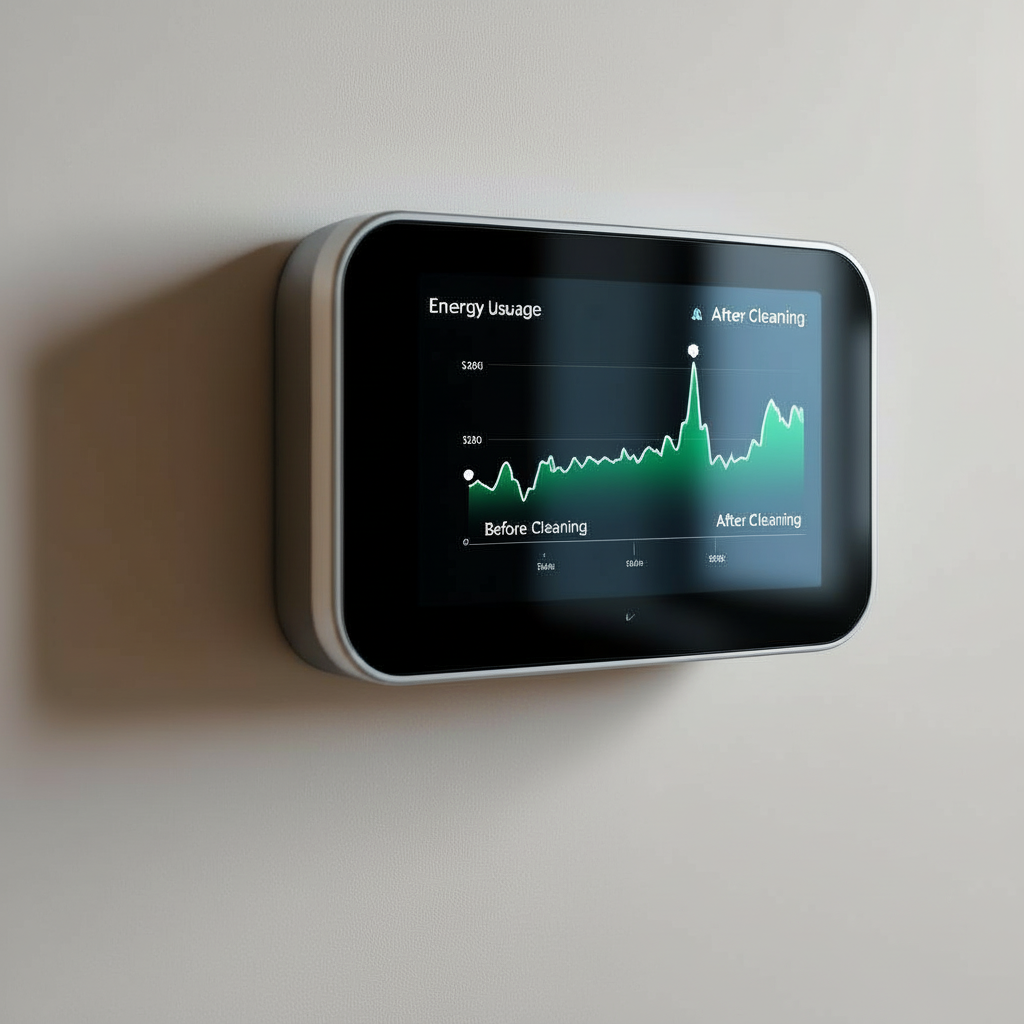
When your system's fighting through layers of dust and debris just to move air, it's working harder than it should. Longer cycles. More electricity. Higher gas consumption in winter. And it shows up in your utility costs — usually somewhere between $15 and $35 extra per month, depending on how bad things are. Remove what's blocking the airflow, and your bills drop. Not because of some efficiency gimmick. Because physics.
Here's the thing: now, I had a guy in Frisco — nice house, probably 2,800 square feet — who was paying around $340 in summer electric bills. We cleaned his system (it was bad, years of neglect), and two months later he texted me a photo of his bill: $267. That's $73 saved. Monthly. His cleaning cost him $520. You do the math on payback time. And yeah, bonus: he's also not burning through as much coal-fired electricity, so his carbon footprint shrunk too. But honestly, he was just happy to keep more money. [Explore other ways to save on energy costs](link-to-energy-saving-tips-article).
Here's what's happening inside your ductwork when it's filthy: you've got d
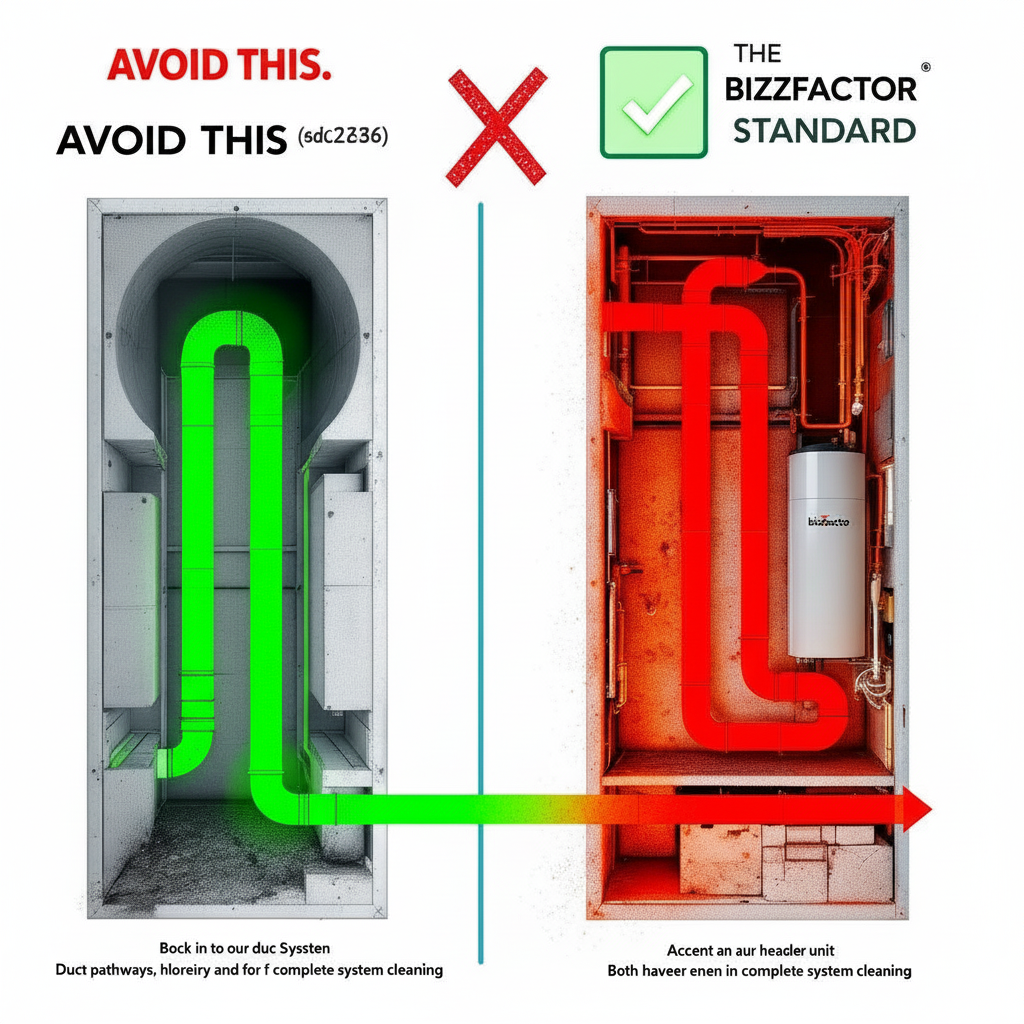
In-Depth Look
Detailed illustration of key concepts
Visual Guide
Infographic illustration for this topic
Side-by-Side Comparison
Visual comparison of options and alternatives
Sources & References
- Should You Have the Air Ducts in Your Home Cleaned? | US EPA
- Top 3 Benefits of Air Duct Cleaning - Trane®
- Duct Cleaning and Indoor Air Quality: A Comprehensive Guide
- How Clean Air Ducts Improve Energy Efficiency and Lower Bills
- Building Codes, Standards, and Regulations: Frequently Asked ...
- Building Codes and Standards - 101 Guide | ROCKWOOL Blog
- [PDF] Building Codes Toolkit for Homeowners and Occupants - FEMA
- ICC - International Code Council - ICC
- Building Standards and Codes - New York State Department of State
Frequently Asked Questions
Need Professional Help?
Find top-rated air duct cleaning experts in your area