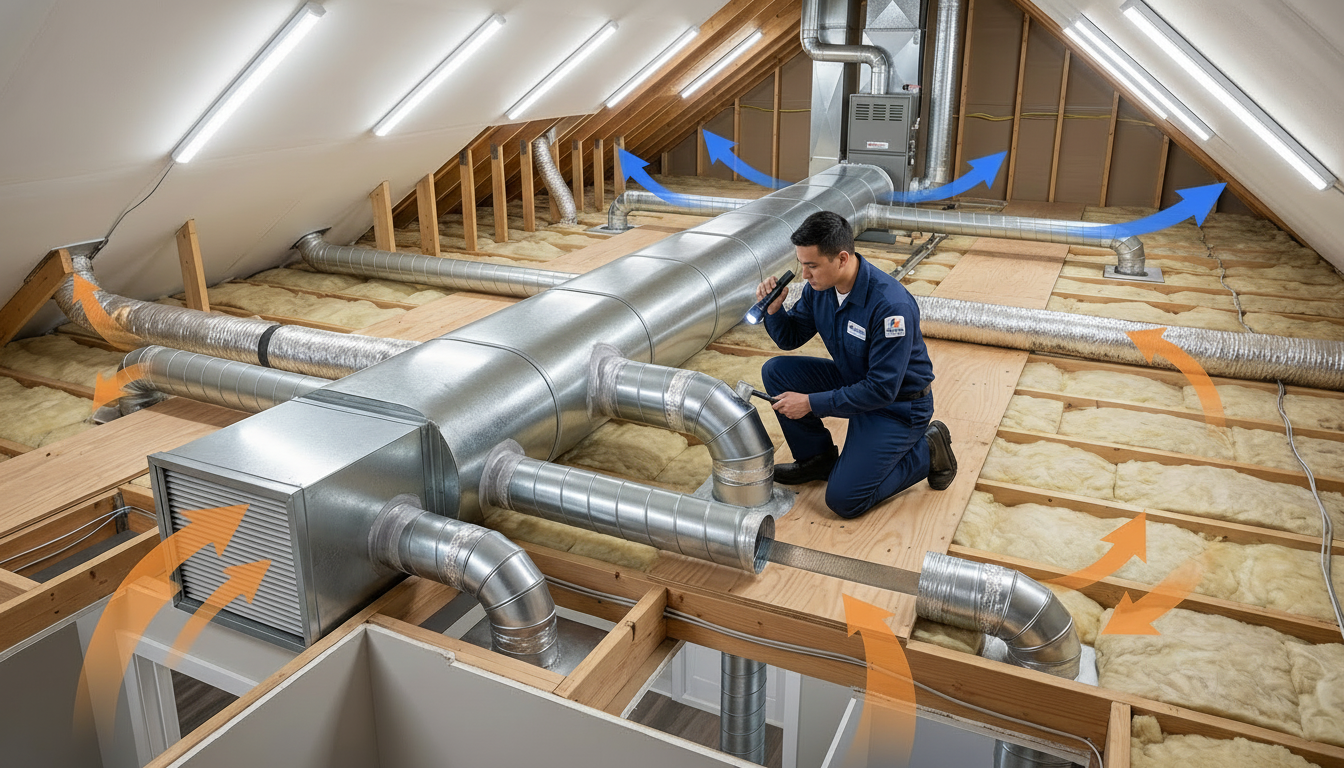
Explore how HVAC ducts work as your home's air distribution system. Learn about supply and return ducts, common mistakes, and expert tips for optimal comfort.
Key Takeaways
- **Trunk Lines:** The big kahuna ducts — usually 12-20 inches in diameter — that carry most of your conditioned air from the HVAC unit. These are your main highways.
- **Branch Ducts:** Smaller feeder lines (typically 6-10 inches) that split off from trunk lines to reach individual rooms. Think of these as exit ramps.
- **Registers and Grilles:** The visible parts you actually see in your walls, floors, or ceilings. Supply registers blow air into rooms; return grilles suck it back out.
- **Sheet Metal Ducts:** The gold standard. **Galvanized steel ducts** cost more upfront (usually $12-18 per linear foot installed), but they'll outlast everything else. They don't kink. They don't tear. Mold hates them. I've seen 40-year-old metal ducts that look almost new — can't say that about the alternatives.
- **Flexible Ducts:** Wire coil wrapped in plastic and insulation. Cheap ($3-5 per linear foot) and easy to snake through tight spots, which is why builders love them. The problem? They're fragile. One wrong move during an attic inspection and you've got a tear. They kink if you look at them wrong. We probably replace damaged flex ducts on 60% of our service calls — usually because someone stepped on them or they were stretched too tight during installation.
Key Takeaways
How HVAC Ducts Work: Your Complete Air System Guide for Optimal Home Comfort
A guy in Buckhead called us last month because his master bedroom was 82 degrees while his kitchen stayed at 71. Same thermostat. Same HVAC unit. Turns out? His ducts were basically designed by someone who'd never heard of physics.
Your home's **HVAC ducts** move conditioned air from point A to point B. That's the simple version. The complicated version involves pressure balancing, airflow calculations, and about seventeen ways contractors cut corners that'll cost you hundreds every summer.
Understanding Your Home's Air Distribution Network
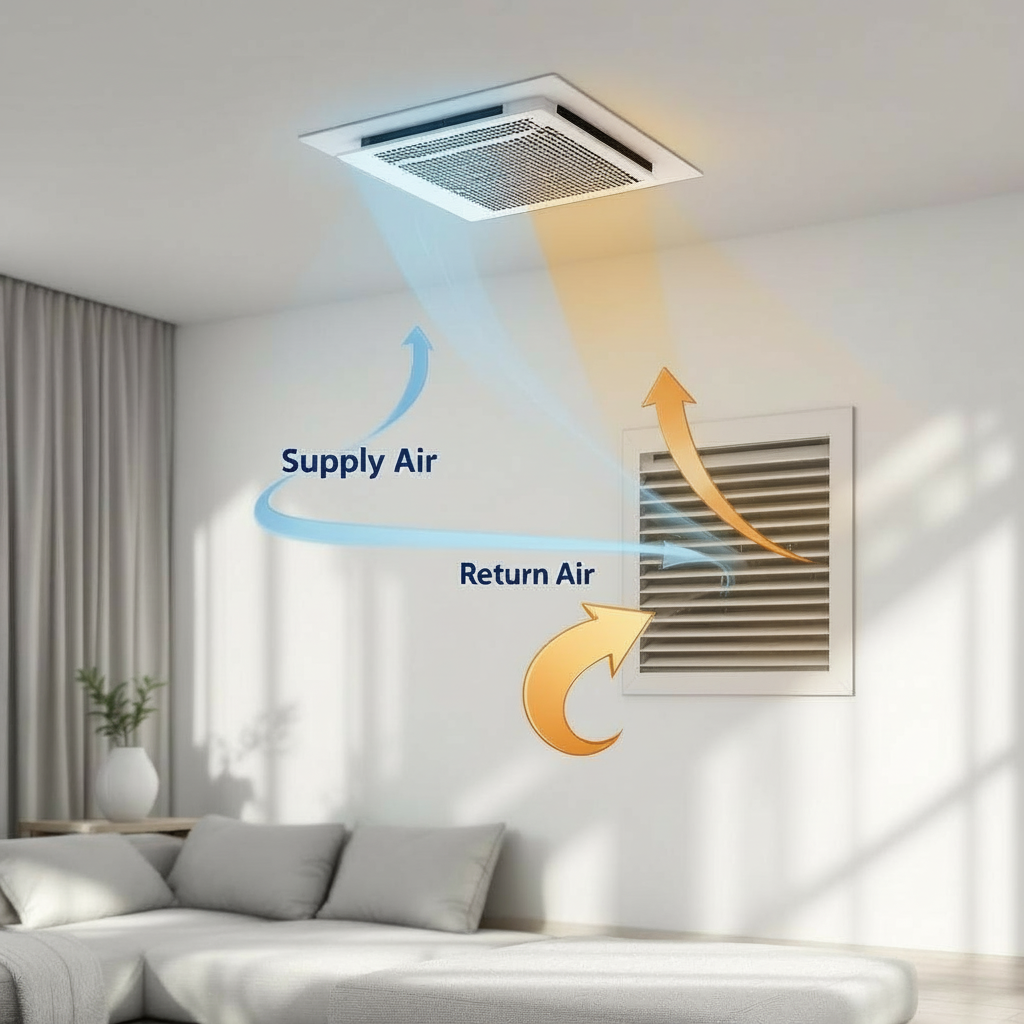
Think of your ductwork like your home's respiratory system — constantly breathing in and out. **Supply ducts** push treated air (heated or cooled) from your HVAC unit into each room. **Return ducts** pull stale air back. This cycle never stops when your system's running.
When your blower fan kicks on, it creates pressure that shoves air through the supply network. At the same time, return ducts are actively sucking air back from your rooms. If either side of this equation gets messed up — undersized returns, leaky supplies, closed vents — the whole thing falls apart. That's the real issue. You'll get temperature swings, humidity problems, and air quality issues that no amount of filter changes will fix.
Our certified technicians follow **International Mechanical Code (IMC) standards** to the letter — that's the actual blueprint for duct sizing, placement, and sealing. Get these fundamentals right and you'll see better efficiency. Get them wrong and you're burning money every month. Your family stays comfortable, your equipment lasts longer, and nobody's calling us in August because their upstairs feels like a sauna.
⚠️ Common Mistake to Avoid: Overlooking Register Quality
It's a common misconception that duct sizing is the sole determinant of airflow efficiency. Reality check: cheap registers will sabotage even a perfectly designed duct system.
I've seen $8,000 HVAC installations ruined by $4 registers from the big-box store. The louvers create weird drafts. They whistle when air moves through. They can't be adjusted properly, so you get hot spots in corners and cold zones near windows.
The solution? Prioritize high-quality, adjustable registers. We're talking $25-40 per register instead of $8. Yeah, it adds up — but spending $300 extra on registers beats explaining to your spouse why the $8,000 system doesn't work.
BizzFactor's Pro Recommendation: Upgrade Your Duct Insulation
We frequently recommend moving beyond standard fiberglass batt insulation for ducts. Our top suggestion is **ROCKWOOL mineral wool insulation**.
Why ROCKWOOL? First, it deadens noise like crazy — your system runs maybe 30% quieter compared to standard fiberglass. Second, it won't catch fire (contractors working in attics appreciate this). The big advantage, though, is that ROCKWOOL doesn't compress or turn into a soggy mess in humid Georgia attics. Fiberglass soaks up moisture and loses R-value. ROCKWOOL just keeps working.
What Most Guides Won't Tell You: The Peril of Closed Vents
Here's the deal: **never close vents in unused rooms**. I know it seems logical — why heat or cool a room nobody's using? But your HVAC system doesn't work that way.
Your system was designed to move a specific volume of air. When you close vents, you're not reducing the work it does — you're forcing it to push the same amount of air through fewer openings. That creates pressure buildup (called static pressure) that'll crack heat exchangers, burn out compressor motors, and generally destroy expensive components. A $15,000 lesson for the price of closing three vents. Don't do it.
Instead, maintain all vents in an open position and leverage the benefits of a programmable or smart thermostat for efficient temperature management.
The Essential Components of Your Ductwork System
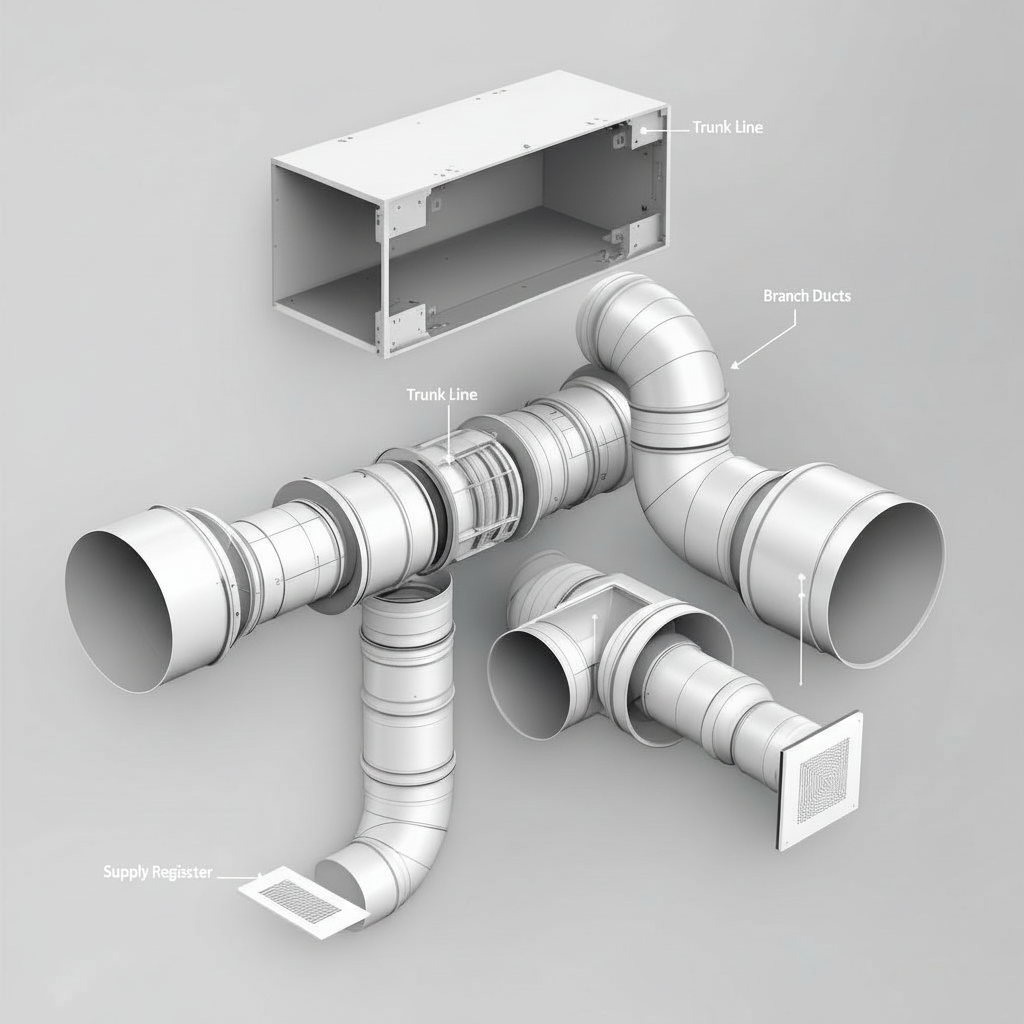
Your ductwork breaks down into three main parts:
- **Trunk Lines:** The big kahuna ducts — usually 12-20 inches in diameter — that carry most of your conditioned air from the HVAC unit. These are your main highways.
- **Branch Ducts:** Smaller feeder lines (typically 6-10 inches) that split off from trunk lines to reach individual rooms. Think of these as exit ramps.
- **Registers and Grilles:** The visible parts you actually see in your walls, floors, or ceilings. Supply registers blow air into rooms; return grilles suck it back out.
The trunk lines are your distribution backbone — everything branches off from these. Getting the register placement right matters more than most people realize. We've fixed systems where the supply register was blowing directly onto the return grille (basically short-circuiting the whole room), and others where bedroom returns were placed so poorly that conditioned air never actually circulated properly.
When we install systems, we run **Manual D calculations** for every single room — that's the engineering standard that tells us exactly what size ducts you need based on room volume, window placement, insulation levels, and about twelve other variables. The **IRC** (International Residential Code) backs this up with specific requirements. Not suggestions. Requirements.
**Duct insulation** isn't merely an add-on; it's a critical component for energy efficiency. In unconditioned areas like attics or crawl spaces, an uninsulated duct can lose or gain a significant amount of heat, effectively wasting conditioned air before it ever reaches your living spaces. ["Learn more about the importance of proper attic insulation."](https://www.bizzfactor.com/attic-insulation-benefits)
Types of Ductwork Materials and Their Performance
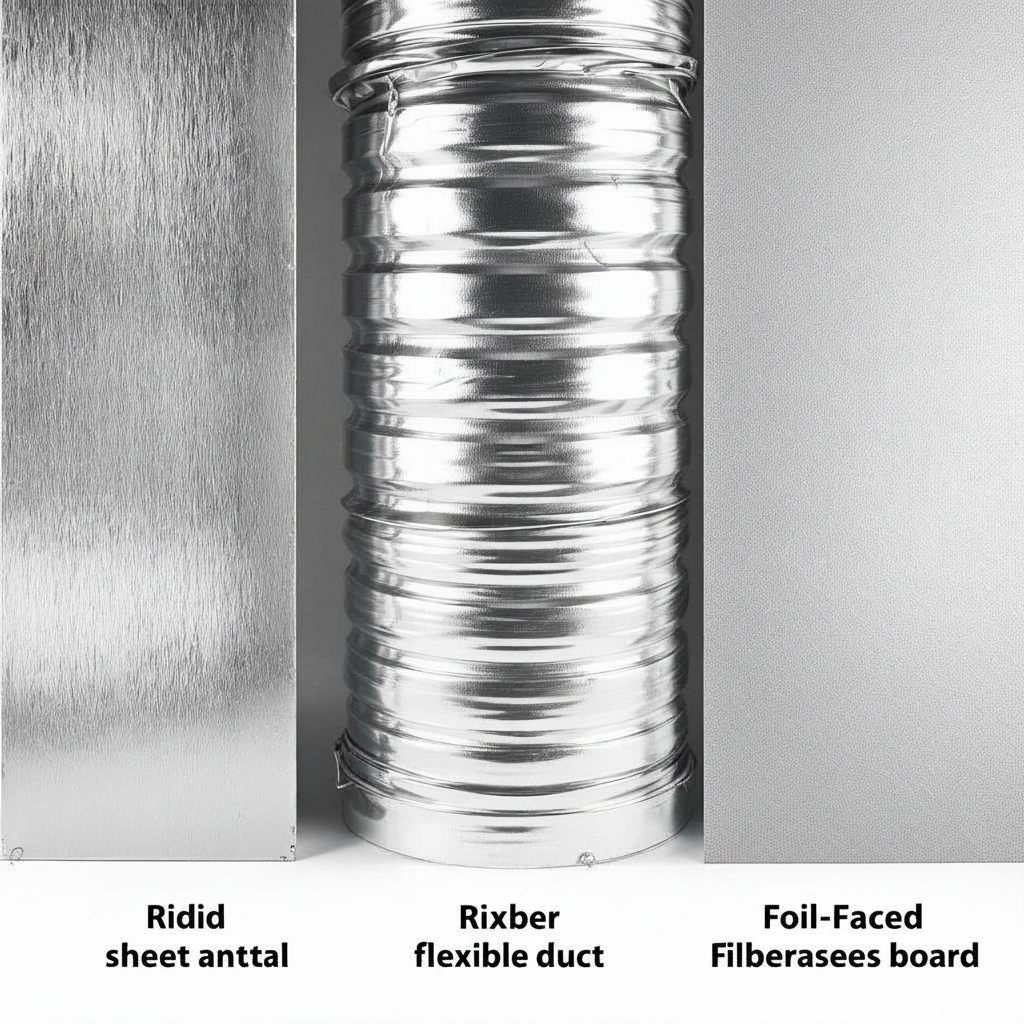
Here's what you'll find in most homes, and what actually holds up:
- **Sheet Metal Ducts:** The gold standard. **Galvanized steel ducts** cost more upfront (usually $12-18 per linear foot installed), but they'll outlast everything else. They don't kink. They don't tear. Mold hates them. I've seen 40-year-old metal ducts that look almost new — can't say that about the alternatives.
- **Flexible Ducts:** Wire coil wrapped in plastic and insulation. Cheap ($3-5 per linear foot) and easy to snake through tight spots, which is why builders love them. The problem? They're fragile. One wrong move during an attic inspection and you've got a tear. They kink if you look at them wrong. We probably replace damaged flex ducts on 60% of our service calls — usually because someone stepped on them or they were stretched too tight during installation.
- **Fiberboard Ducts:** Compressed fiberglass with foil backing. The insulation's built-in, which sounds great until you realize these things basically disintegrate in humid environments. We've pulled out fiberboard ducts that were only 12 years old and crumbling like stale bread. Plus, there's always the concern about fiberglass particles entering your air supply as they age. Not a fan.
Case Study: Diagnosing a Comfort Problem Through Ductwork Analysis
Here's the thing: real talk — we just wrapped a project in Sandy Springs where the second floor stayed 8-10 degrees warmer than downstairs all summer. Homeowners had tried everything: new filters, thermostat recalibration, even called another company that quoted them $7,200 for a new HVAC unit.
We found the real culprit in about 20 minutes.
The main **trunk line was undersized by 30%** — someone had originally installed a 14-inch trunk when the Manual D calculations called for 18 inches. Plus, the previous roofers had crushed three flex ducts during a 2019 repair and never mentioned it. The system was basically choking on itself.
We redesigned the trunk system with properly sized metal ducts, replaced all the damaged flex runs, and wrapped everything in ROCKWOOL insulation. Total investment: $4,800.
Result? Even temperatures throughout the house and their August power bill dropped from $380 to $320. That's a $720/year savings, meaning the ductwork paid for itself in less than seven years.
**Warning signs that your ductwork may need professional attention include:**
- Noticeable hot and cold spots throughout your home.
- Unexplained increases in energy bills.
- Unusual noises originating from your vents or ductwork.
- Excessive dust accumulation in your rooms.
- Persistent issues with indoor air quality.
Recognizing Signs Your Ductwork Needs Professional Attention

**Uneven room temperatures** usually mean one of three things: leaky connections, blocked airflow, or someone installed ducts without doing the math first. If your bedroom's a meat locker while your living room feels like July in Phoenix, your ductwork's the problem nine times out of ten.
**Strange noises** need attention immediately. Rattling? Loose connections or hardware. Whistling? Air's squeezing through gaps or restrictions it shouldn't be. Banging? Something's seriously wrong — probably ducts expanding and contracting against framing because they weren't secured properly.
Don't ignore weird sounds coming from your vents. That rattling you've been hearing for three months? It's probably getting worse, and what starts as a $200 fix can turn into a $2,000 nightmare if you wait long enough (ask me how I know).
Your energy bill shoots up with no obvious reason? **FEMA** figures show that leaky ducts waste **20-30% of your conditioned air**. That's not a small leak — that's literally throwing money out into your attic or crawl space. A house in Marietta we inspected last month had duct leaks so bad the homeowner was essentially air conditioning their attic to 68 degrees while their living room stayed at 76. Their monthly bill was running $420 in July. After we sealed everything properly, it dropped to $280. ["Discover more about energy-saving tips."](https://www.bizzfactor.com/energy-saving-tips)
Professional Installation Standards That Matter
Look — proper duct installation isn't about eyeballing measurements and hoping for the best. It's engineering. Our process includes:
Look — 1. **Detailed Load Calculations:** We use specialized software (Wrightsoft is our go-to) to figure out exactly how much heating and cooling each room actually needs.
2. **Proper Sizing Software:** Manual D calculations determine the right duct dimensions. Not guesses. Math.
3. **IMC Standards Compliance:** Every joint, every seal, every support hanger meets code. Non-negotiable.
Look — our certified team utilizes industry-leading software to eliminate guesswork, tailoring duct dimensions to your home's unique specifications. Incorrectly sized ducts, whether too small or too large, can lead to pressure imbalances, reduced efficiency, and poor humidity control.
We seal everything with mastic (it's basically indestructible goop) and metal-backed tape. Never cloth duct tape — that stuff fails in about six months once it gets hot. And all our installations are backed by comprehensive warranties, reflecting our commitment to quality and customer satisfaction.
Maintenance Practices That Extend System Life
Proactive maintenance is crucial for maximizing the lifespan and efficiency of your ductwork and HVAC system.
- **Regular Filter Changes:** This is your primary defense against particulate buildup and restricted airflow. Most systems require monthly filter changes during peak heating and cooling seasons, especially in homes with pets or occupants with allergies. ["Find out how often you should change your air filter."](https://www.bizzfactor.com/when-to-change-air-filter)
- **Professional Duct Cleaning:** While not required annually, professional duct cleaning every **3-5 years** can remove accumulated dust, allergens, and debris. Over-cleaning can potentially damage certain duct types, particularly flexible ducts. Our background-checked technicians perform thorough inspections before any cleaning to ensure the appropriate and safest method is used.
- **Annual Visual Inspections:** Periodically inspect accessible ductwork for loose connections, damaged insulation, or signs of pest intrusion. Addressing these issues promptly can prevent minor problems from escalating into major repairs.
Energy Efficiency Considerations and Modern Upgrades
For enhanced energy efficiency and personalized comfort, consider modern HVAC upgrade
In-Depth Look
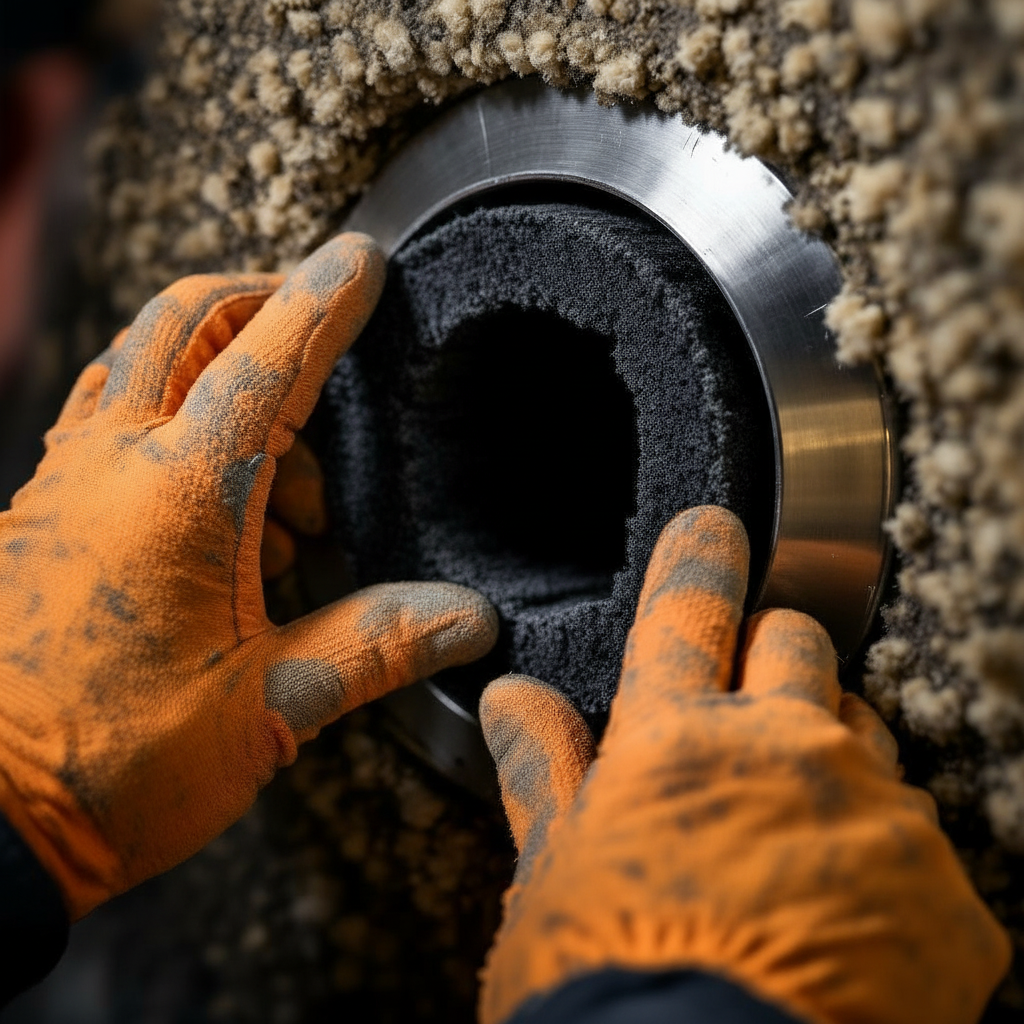
Detailed illustration of key concepts
Visual Guide
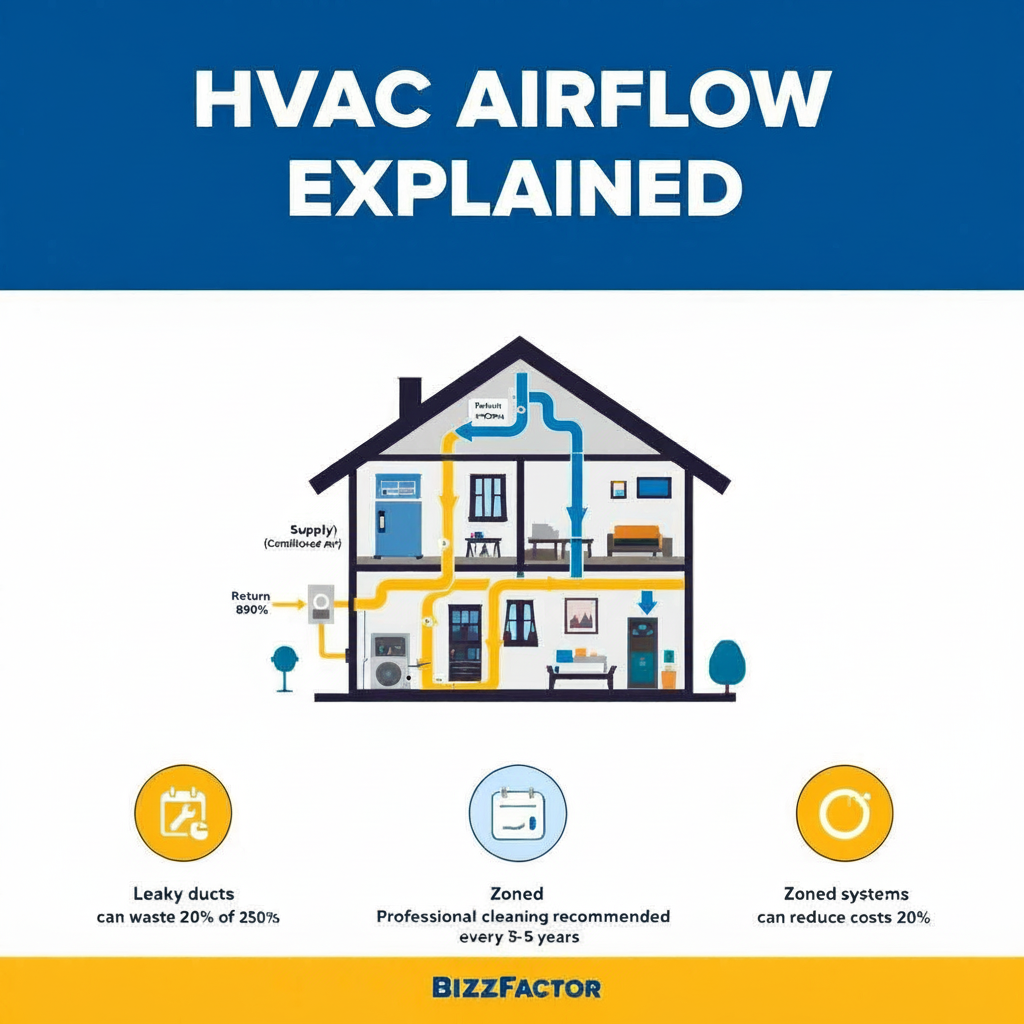
Infographic illustration for this topic
Side-by-Side Comparison
Visual comparison of options and alternatives

Sources & References
- Your Ultimate Guide to HVAC Ductwork | Maintenance & Issues
- A Complete Guide to Home Ductwork Design | Stack Heating
- HVAC Ducts Guide: Common Issues & Maintenance Tips
- What Are Air Ducts? The Homeowner's Guide To HVAC Ductwork
- Ductwork 101: Complete Guide to Air Duct Systems
- Building Codes, Standards, and Regulations: Frequently Asked ...
- Building Codes and Standards - 101 Guide | ROCKWOOL Blog
- [PDF] Building Codes Toolkit for Homeowners and Occupants - FEMA
- Navigating California Building Codes: Best Practices for Facilities ...
- Codes - DGS (ca.gov)
Frequently Asked Questions
Need Professional Help?
Find top-rated home services experts in your area