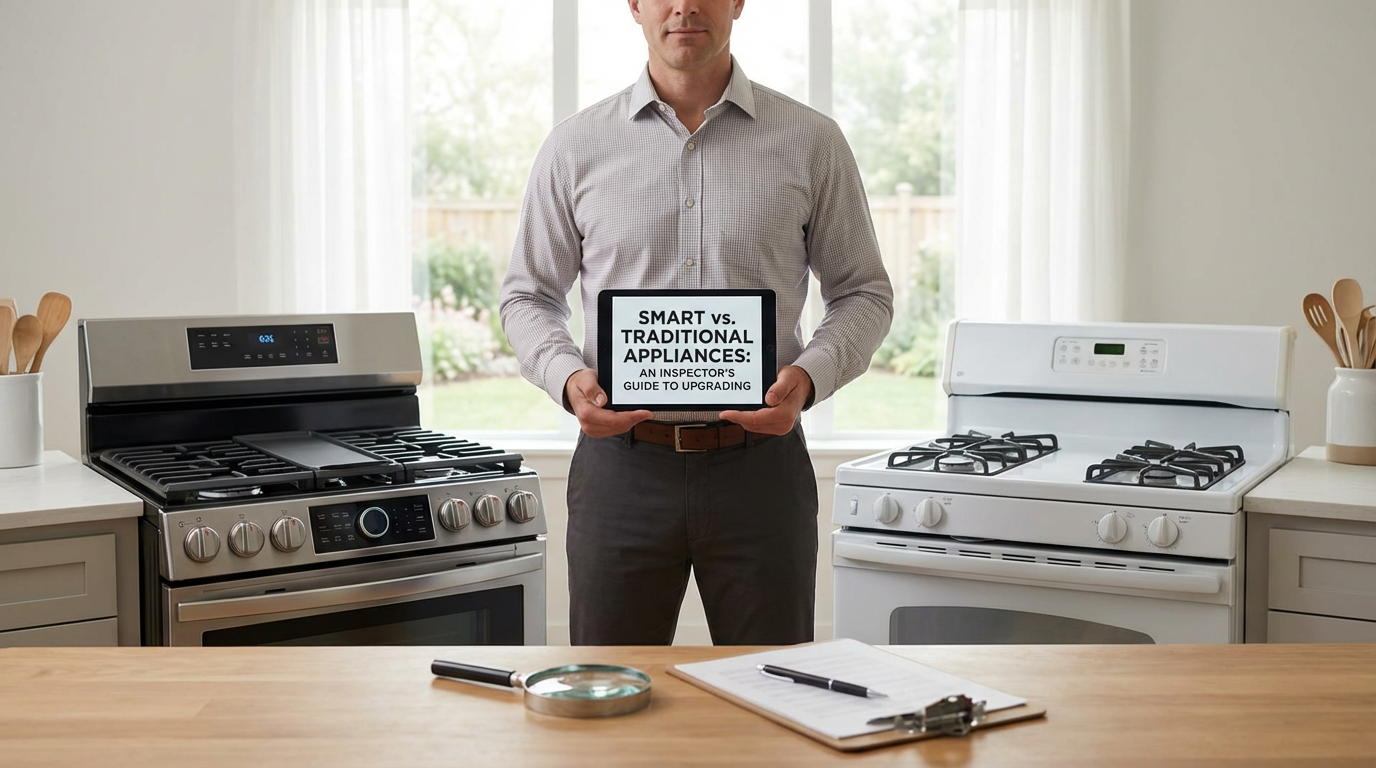
Is upgrading to smart appliances worth the cost? Our experts compare smart vs. traditional models on convenience, energy savings, lifespan, and home value.
Key Takeaways
- Smart appliances provide unmatched convenience and monitoring but introduce technological complexity and higher costs.
- Traditional appliances offer proven reliability and a longer lifespan due to simpler, less failure-prone mechanics.
- Your best choice depends on your budget, desire for features, and comfort level with managing connected technology.
BizzFactor Quick Guide
The BizzFactor Standard: Always verify that smart appliance installations comply with the National Electrical Code (NEC) for safety.
Key Takeaways
The BizzFactor Standard
3 Non-Negotiable Requirements for Elite Workmanship
Manual Overrides for Core Functions
All smart appliances must have physical buttons or dials for essential operations (e.g., bake, start wash) to ensure functionality during a Wi-Fi outage or app failure.
Transparent Software Support Policy
The manufacturer must provide a clear written policy detailing the minimum number of years they will provide security updates and app support for the product.
Professional Code-Compliant Installation
Installation must be performed by a qualified professional who adheres to all relevant NEC (electrical) and IPC (plumbing) codes to ensure safety and performance.
Smart vs. Traditional Appliances: An Inspector's Guide to Upgrading Your Home's Core Systems
A contractor buddy in Buckhead just spent $2,400 replacing a smart refrigerator's motherboard. The fridge was three years old. His old GE from 1998? Still running in his garage.
That pretty much sums up the smart appliance debate.
Look — look — as home inspectors, we see both the wins and the faceplants. We've crawled under houses where smart washers sent maintenance alerts that prevented $800 floods. We've also seen homeowners locked out of their own ovens because the Wi-Fi went down during Thanksgiving prep.
This guide cuts through the marketing noise to help you decide what actually makes sense for your home.
What Truly Defines a "Smart" Appliance? Beyond the Digital Display
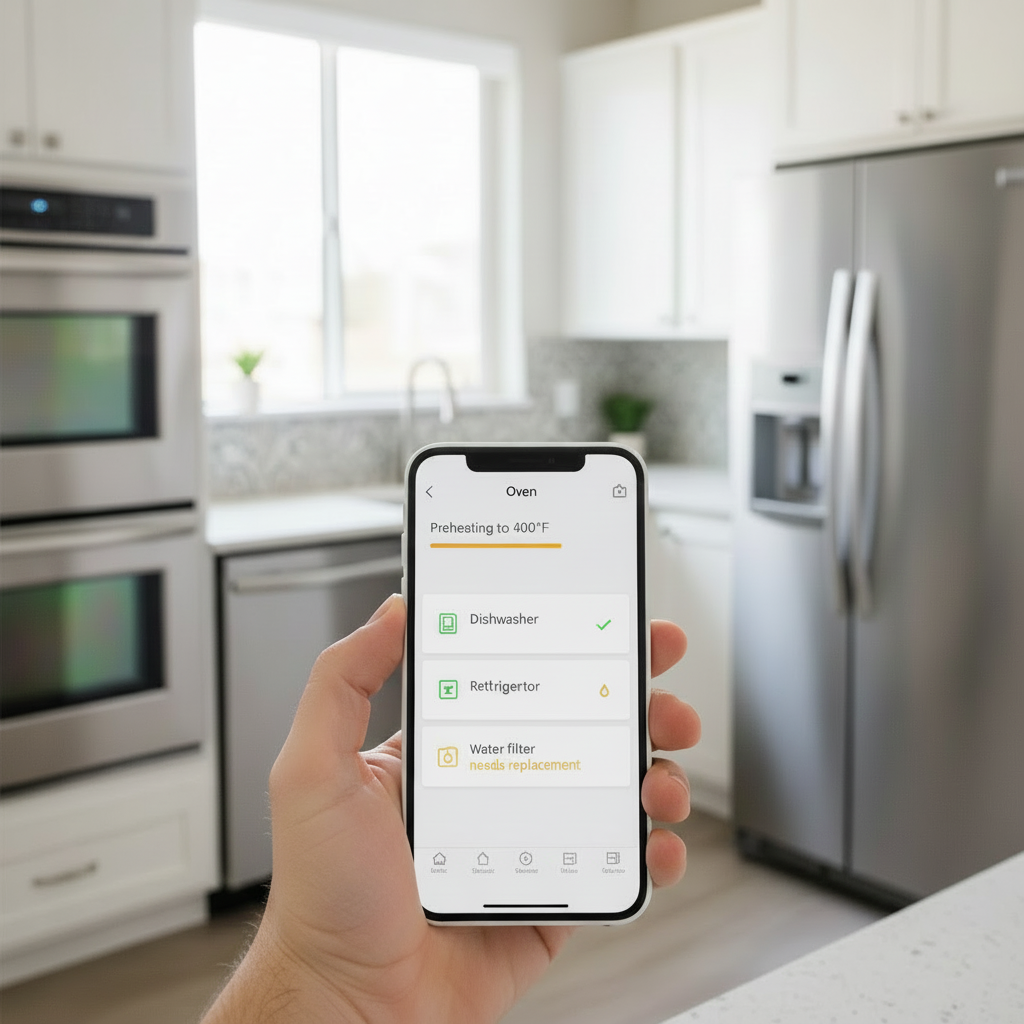
Most people think "smart" just means it has a touchscreen.
Nope.
The difference? Internet connection. Your fridge, your oven — they're talking to servers somewhere, pulling data, sending status updates. Usually Wi-Fi. Sometimes Bluetooth for the smaller stuff. The new models (especially refrigerators and washers) are starting to use Thread or Matter protocols, which — look, I won't bore you with the technical details, but basically it means everything talks to everything else without you having to install seventeen different apps.
The connection is the whole game. Control from your phone. Alerts when cycles finish. Integration with Alexa or Google or whatever voice assistant you've already committed to.
A traditional oven? Walk to the kitchen. Turn the dial. Set a timer. Done.
Smart oven? You're stuck in Portland rush hour and you preheat the thing from your car so dinner's ready when you walk in.
That's not a gimmick when you're doing it three times a week.
You're basically having a conversation with your house now, not just pushing buttons. It changes the whole dynamic — you're getting information back, making adjustments remotely, catching problems before they spiral.
Here's what actually happens when you use this stuff:
- **Remote Operation:** You're at the office. You realize you forgot to start the dishwasher after breakfast. Pull out your phone — boom, cycle started. (There's some back-end tech stuff happening with cloud servers and encryption, but honestly, you just tap a button.) No more coming home to crusty dishes.
- **Real-Time Notifications:** Washer pings you when the cycle finishes. Oven tells you the roast is ready. No more forgotten wet loads or charred dinners. And here's where it gets genuinely useful — many smart washers have water sensors that detect leaks and trigger an automatic shut-off. A homeowner in Hillsboro avoided a $3,000 flood because her washer caught a hose failure and shut down before she even got the alert. That kind of thing pays for itself once.
- **Voice Commands:** "Hey Google, preheat the oven to 400." "Alexa, is the dryer done?" Incredibly convenient when your hands are covered in raw chicken. The voice assistant translates what you say into commands the appliance understands — it's pretty seamless once you get used to it.
- **Automated Maintenance & Diagnostics:** Here's where smart appliances really shine. A smart fridge monitors its own compressor, fans, and temperature sensors. It'll flag potential issues *before* everything breaks. One contractor in Vancouver, WA told me about a smart fridge that detected a minor refrigerant leak weeks before the food started spoiling. That heads-up saved thousands in emergency repairs and food replacement. The appliance runs self-checks in the background and sends you alerts when something's trending wrong.
- **System Integration:** Your smart washer finishes a load and automatically signals your smart dryer to prepare, pre-setting the optimal cycle based on fabric type and moisture level. This interoperability (when it works — big "when") makes your home feel genuinely connected rather than just cluttered with gadgets. Many of these integrations rely on manufacturer APIs, allowing third-party smart home hubs to coordinate actions.
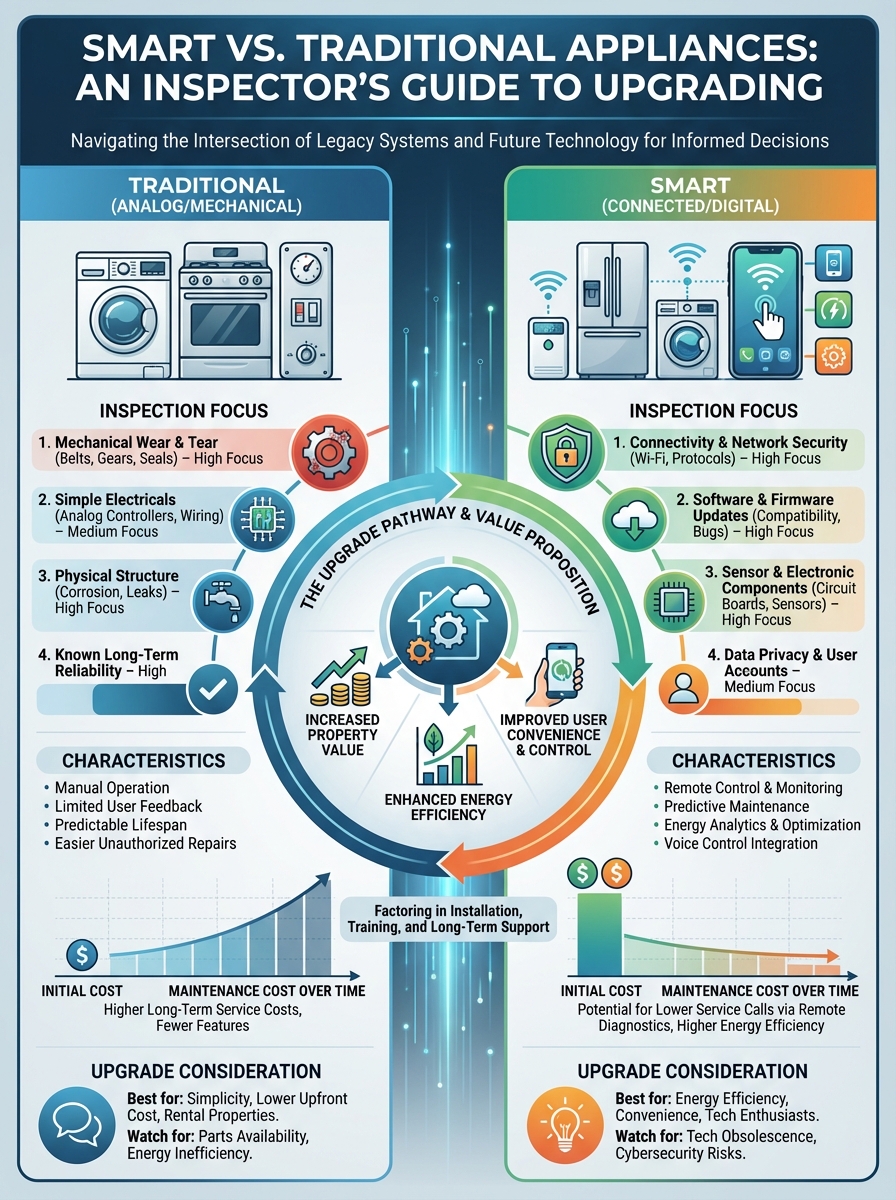
Traditional appliances? They do their jobs using mechanical switches, basic dials, and straightforward electronic controls. No network required. They work, they work reliably, and they don't care if your router reboots. The wiring follows standard NEC requirements — you know, Article 422 covers appliance circuits, making sure you've got proper overcurrent protection and grounding. A traditional dishwasher needs a dedicated 15- or 20-amp circuit, while an electric range requires an individual branch circuit rated for the appliance's load — usually 40 or 50 amps.
The Cost-Benefit Analysis: Is Going Smart Actually Smart for *You*?
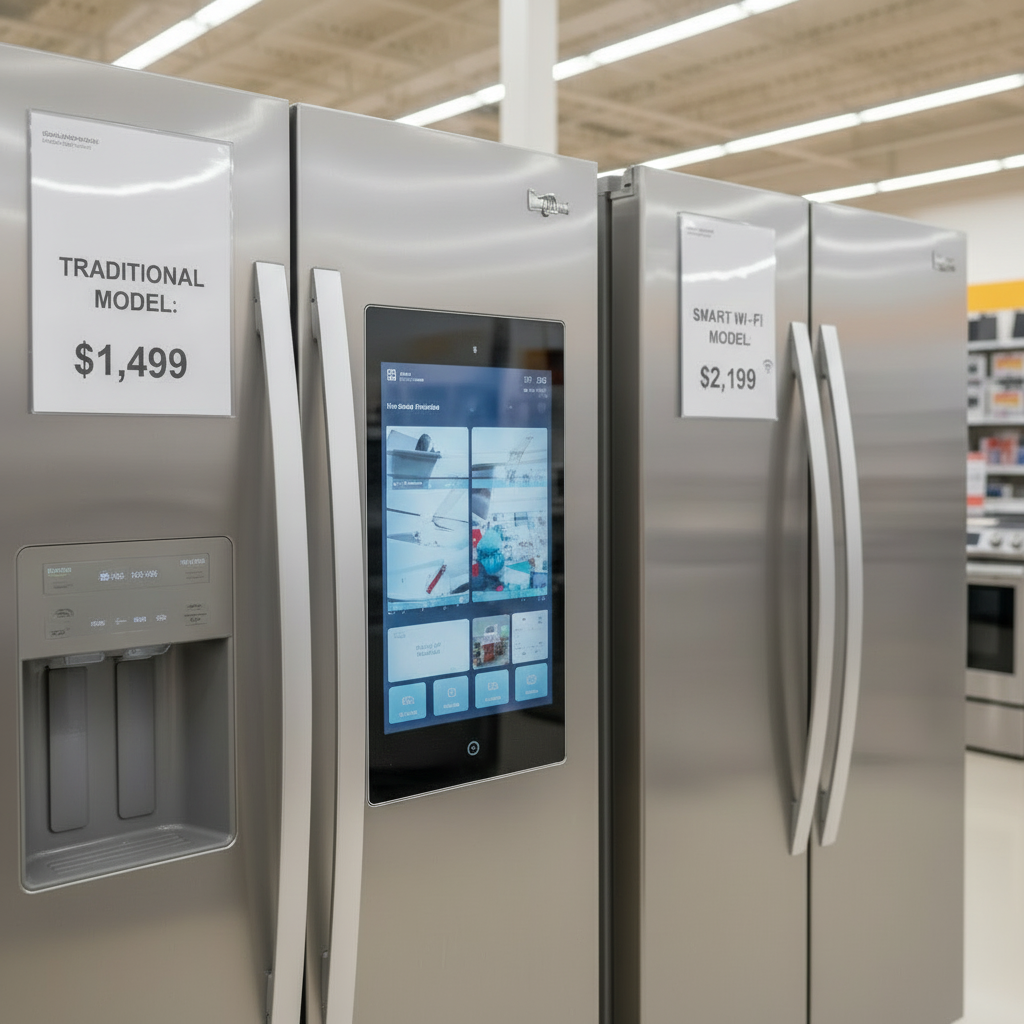
So you're staring at two refrigerators. One connects to Wi-Fi. One doesn't. The smart one costs $800 more.
Worth it?
Depends entirely on your situation. Some of this is math — actual energy savings you can calculate. Some of it's lifestyle stuff that either matters to you or it doesn't. Let me break down what we're actually seeing in the field.
**1. Upfront Cost: The Premium Tax**
Yeah, they're expensive. A Wi-Fi fridge with the touchscreen? Convection oven you can control from Costco? We're talking 25-50% more than the equivalent dumb appliance. Sometimes way more. I've seen basic 30-inch electric ranges for $700-1000. Same cooking power with smart features? $1500-2000, easy.
That upfront hit has to make sense against whatever you're getting back in savings and convenience. Do the math before you swipe the card.
**2. Energy Efficiency & Savings: Playing the Long Game**
Okay, so these appliances definitely pack some clever energy management. Smart dishwashers auto-run at 2am when electricity's cheaper (if you've got time-of-use rates). ENERGY STAR smart fridges do adaptive defrost cycles, adjust cooling based on how often you open the door, track temperature patterns with internal sensors.
What's that actually worth?
Here's the thing: an ENERGY STAR smart fridge with adaptive features probably saves you 10-20% compared to older non-certified models. Maybe $5-15 a month, depending on your rates and whether you're the type who stands there with the door open contemplating life choices. (Don't lie, we all do it.)
Sounds great. Except you just spent $800 extra upfront. Break-even is five to ten years out, assuming nothing fails. And spoiler alert: things fail.
Also? If you really want to cut utility costs, get a proper home energy audit. That'll find way bigger problems than your fridge — like the 40-year-old insulation in your attic or the HVAC system that's been wheezing since 2009.
**3. Repair & Maintenance: The Complexity Tax**
This is where it gets expensive and annoying.
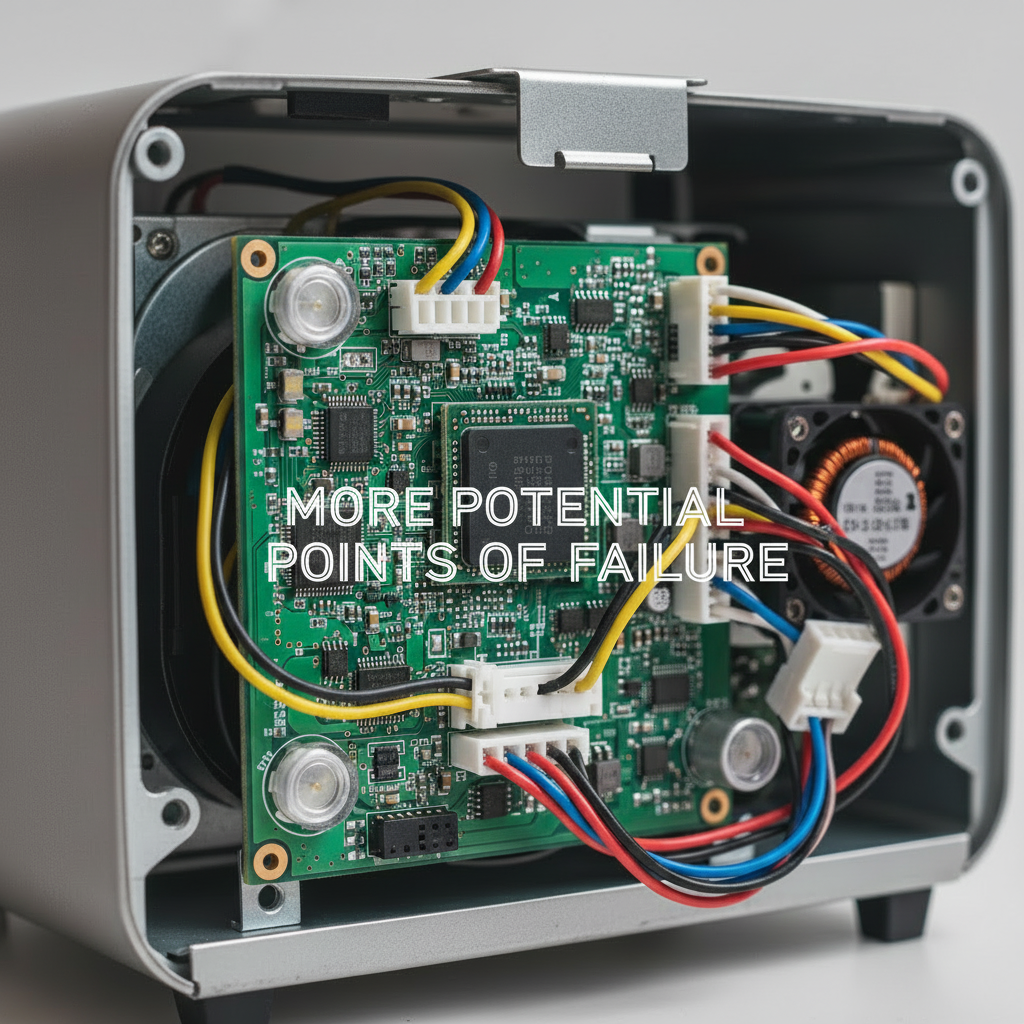
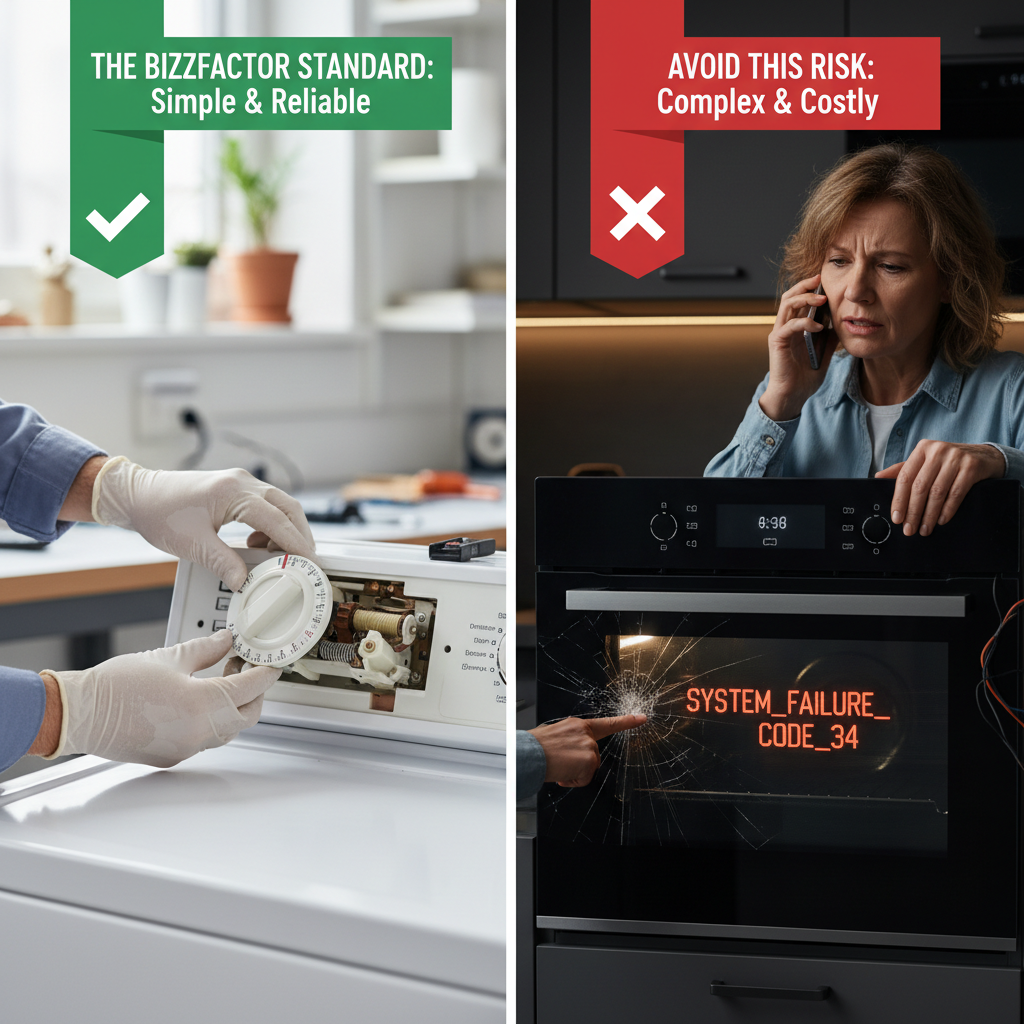
More sensors. More circuit boards. More proprietary software that only the manufacturer's certified techs understand. A simple repair on a traditional appliance might be $150 for a mechanical timer. Same problem on a smart appliance? You're replacing a $600 motherboard that controls temperature regulation, network connectivity, self-diagnostics, everything. And those boards don't come cheap — I've seen them quoted at $300-800 each.
Finding techs who can even work on this stuff is harder now. Your average appliance repair guy can diagnose a traditional washer with a multimeter and three decades of experience. Smart appliances? You need specialized software. Proprietary diagnostic dongles. Manufacturer platforms. Sometimes you need cloud-based tools just to access service mode. The tech's updating firmware, running diagnostic routines that communicate with the appliance's embedded OS — stuff that straight-up didn't exist ten years ago.
A guy in Alpharetta paid $440 for a service call because the tech had to download firmware updates to reset the smart washer's motherboard. The actual problem? Faulty door sensor. $80 part. The labor and diagnostic time for the software troubleshooting ate up the rest.
Ask me how I know this stuff matters.
**4. Resale Value: The Modern Edge**
The upside, though? A kitchen that's got everything talking to each other — smart fridge, smart oven, smart dishwasher all running through one app — can absolutely move the needle when you're trying to sell. Same way a professionally poured foundation (like what you'd get from [A-1 Concrete Leveling](https://www.bizzfactor.com/a-1-concrete-leveling)) tells buyers the bones are solid, a cohesive smart system signals "this house is modern, this owner gave a damn."
Buyers in competitive markets notice. Seattle, Austin, San Jose — places where people expect their homes to keep up with their tech. Especially younger buyers who grew up expecting everything to connect to their phone. That's the real issue. It sets your listing apart when fifteen other homes on the block have identical granite countertops and stainless appliances.
Real-World Performance: Convenience vs. The Frustration Factor
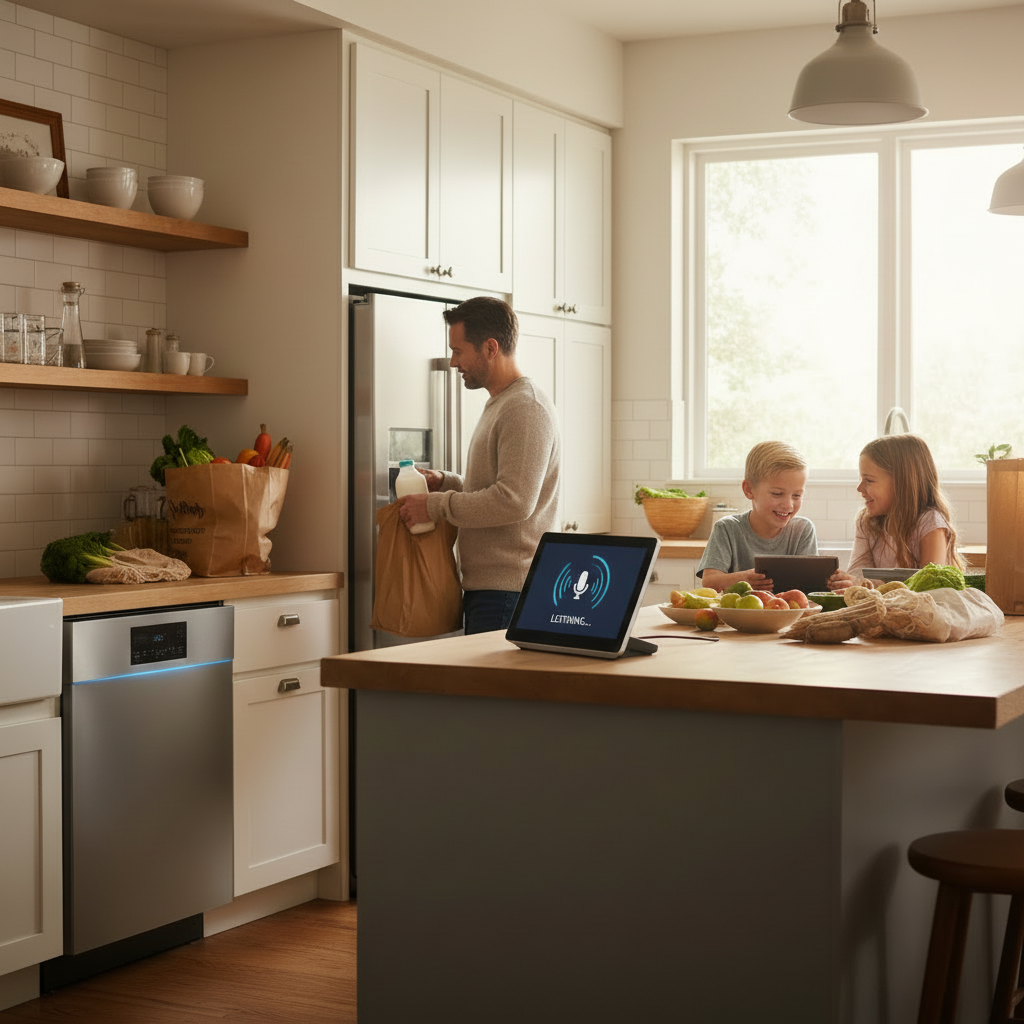
Yeah, the convenience is legit. Checking what's in your fridge from the grocery store? Preheating your oven from the car? That stuff genuinely improves your day-to-day.
But here's what nobody tells you in the Best Buy showroom.
You're juggling proprietary apps. LG ThinQ. Samsung SmartThings. GE Appliances. Each one demanding updates, passwords, permissions. You're troubleshooting connectivity issues — wrong passwords, router conflicts, DNS problems. Who needs another app cluttering up their phone?
Now, what actually happens: Everything's great for six months. You feel like you're living in the Jetsons. Then one random Tuesday your smart oven won't preheat because the app crashed mid-update. Or your dishwasher drops its Wi-Fi connection for the third time this month. (And no, it's not always your router — could be a cheap Wi-Fi module in the appliance or interference on the 2.4 GHz band.) Or Samsung discontinues support for your three-year-old fridge's OS and now half the features don't work.
It's not always smooth sailing.
Inspector's Case Study: A Tale of Two Kitchens in Boise, Idaho
We recently inspected two nearly identical homes in a growing Boise neighborhood.
Home A had traditional appliances, about five years old, all functioning perfectly. No drama. The dishwasher was properly plumbed with an air gap as per code, and the
In-Depth Look
Detailed illustration of key concepts
Visual Guide
Infographic illustration for this topic
Side-by-Side Comparison
Visual comparison of options and alternatives
Sources & References
- Smart vs. Traditional: Which Appliances Are Best for Your Home?
- Smart vs Traditional Appliances: Energy Savings in 2025
- Do New Appliances Increase a Home's Value? - KitchenAid
- Upgrade Your Home with Smart Kitchen & Home Appliances
- Are Smart Appliances Better Than Traditional Ones - Reno Roots
- Building Codes and Standards - 101 Guide | ROCKWOOL Blog
- Building Codes, Standards, and Regulations: Frequently Asked ...
- [PDF] Building Codes Toolkit for Homeowners and Occupants - FEMA
- ICC - International Code Council - ICC
- [PDF] Introduction to Model Codes
Frequently Asked Questions
Need Professional Help?
Find top-rated appliance repair experts in your area