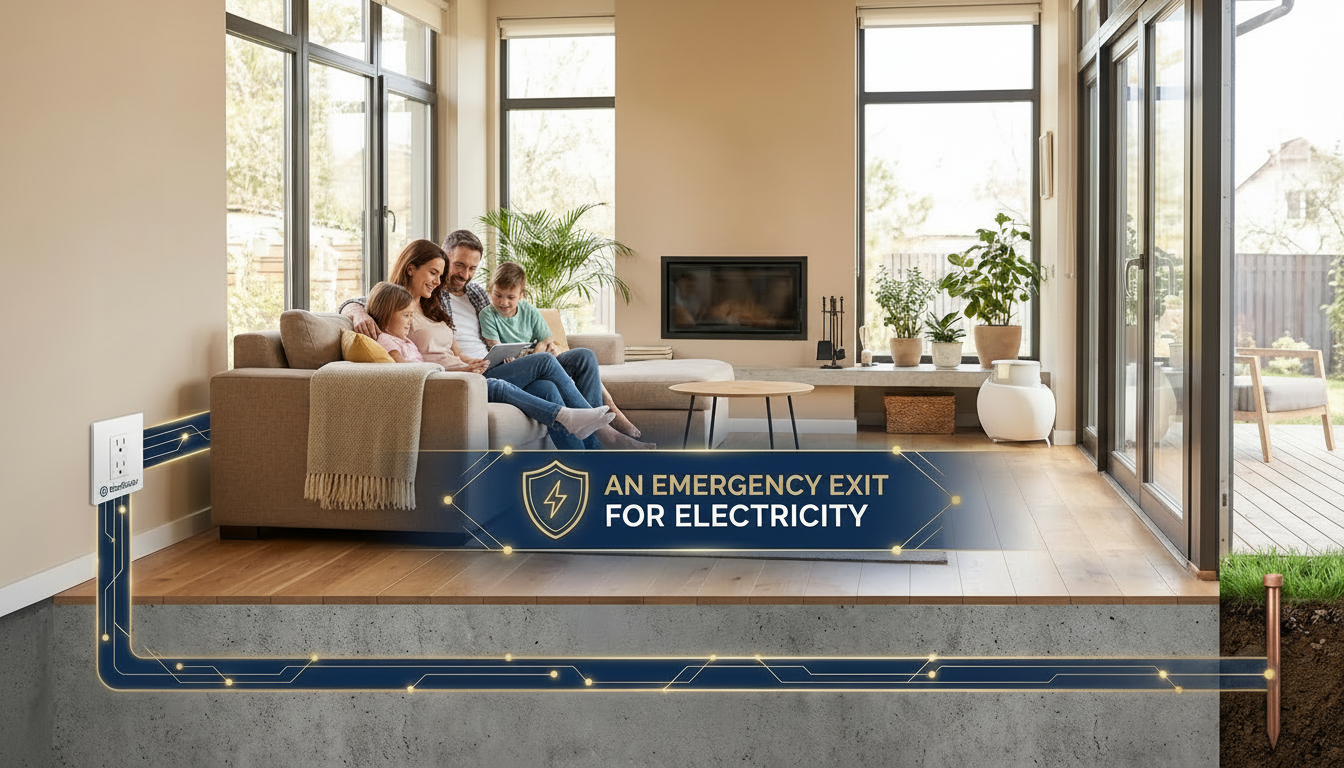
Licensed electricians explain home electrical grounding systems: safety warnings, upgrade tips, code requirements, and professional inspection advice from 20+ years experience.
Key Takeaways
Home Electrical Grounding Guide: Essential Safety Tips from Licensed Electricians
Your home's electrical grounding system is a silent guardian, working tirelessly behind the scenes to ensure your safety. While often overlooked, its proper function is paramount. Most homeowners simply flip switches, plug in appliances, and assume all is well. However, understanding the critical role of grounding reveals its importance in preventing electrical hazards and protecting your family.
What Is Electrical Grounding and Why Is It Crucial?
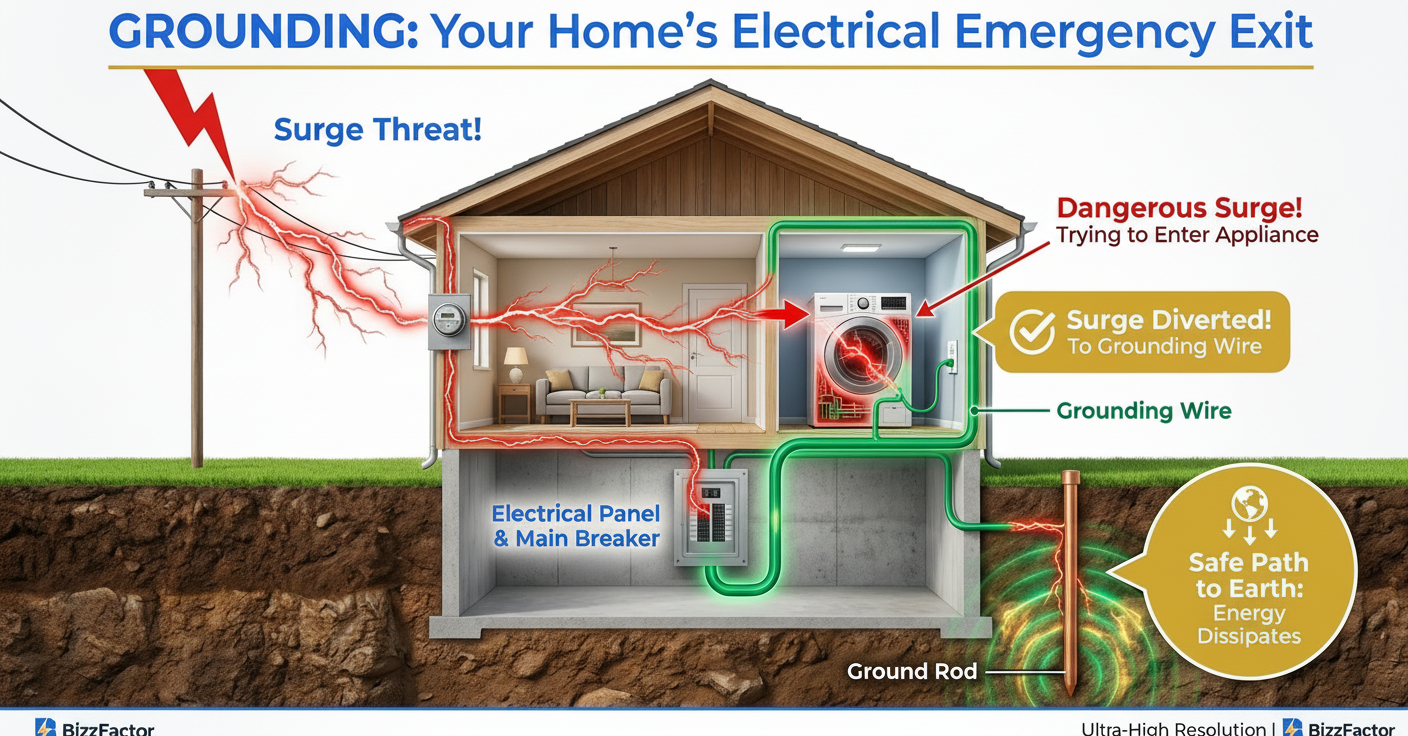
Think of electrical grounding as your home's emergency exit for electricity. When an electrical fault occurs – perhaps due to aging wiring, a lightning strike, or an appliance malfunction – a well-designed grounding system provides a safe, direct path for excess electrical current to dissipate into the earth. This diverts dangerous energy away from people and valuable property.
Live electrical current constantly flows through your home's wiring. If a fault causes this current to deviate from its intended path, it seeks the easiest route to ground. Without proper grounding, this path could tragically be through a person touching a faulty appliance or light switch. Building codes meticulously address grounding requirements in new construction, renovations, remodels, repairs, and even demolition, ensuring fundamental safety standards are met. These regulations, though sometimes perceived as cumbersome, are vital safeguards against electrical fires and shocks, detailing specific requirements for installation, materials, and maintenance to pass inspection.
Critical Grounding Considerations for Homeowners
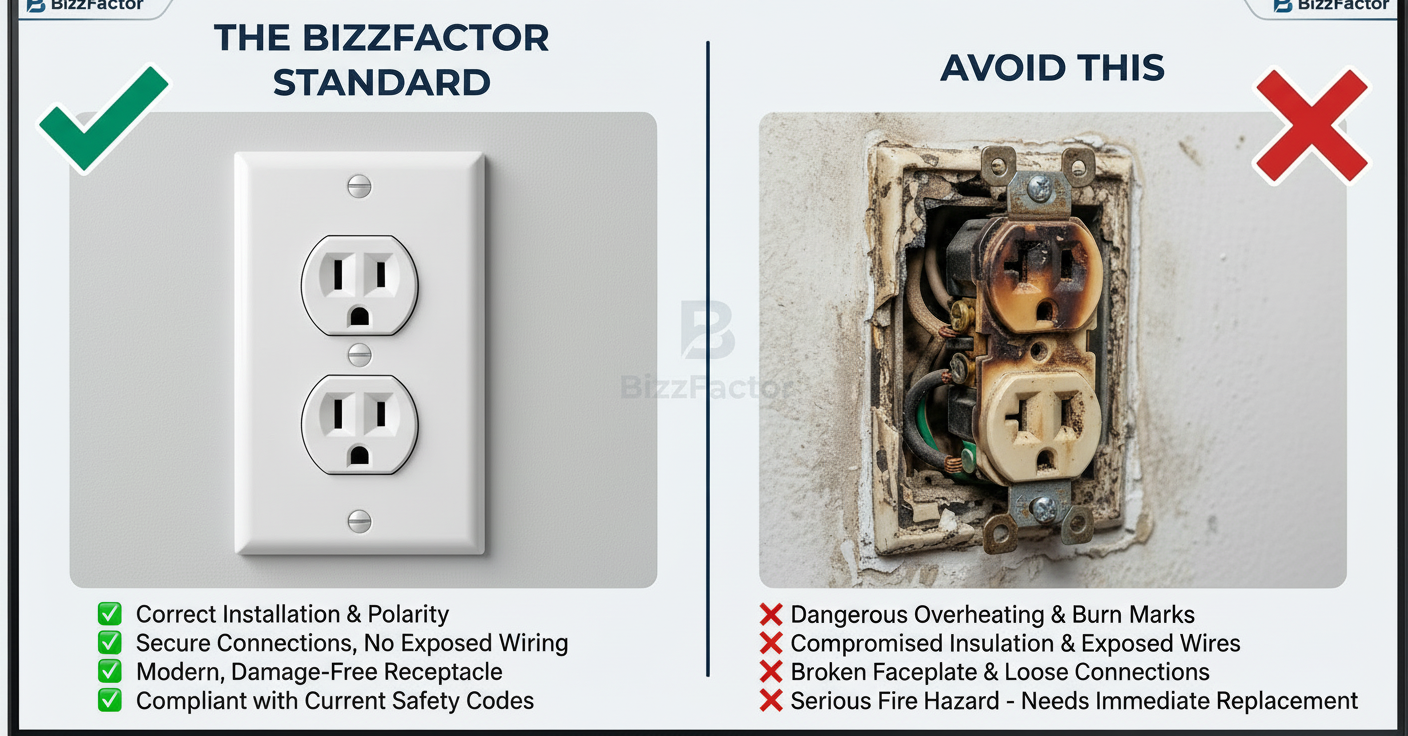
Regular inspections are key to identifying potential problems before they escalate into dangerous situations. During these checks, look for warning signs such as frayed wires, flickering lights, or outlets that appear discolored or warm to the touch – particularly a brownish tint, which can indicate overheating. Trust your instincts; if something feels "off," it likely is.
Proactive homeowner checks of electrical systems, including outlets, power cords, and appliances, are advisable. Watch for wear and tear, and any changes in component color. These are often your home's way of signaling that an electrical issue is developing. For a comprehensive understanding, explore our guide on "[Understanding Common Electrical Problems](https://www.bizzfactor.com/understanding-common-electrical-problems)".
Adhering to Code Requirements and Industry Standards
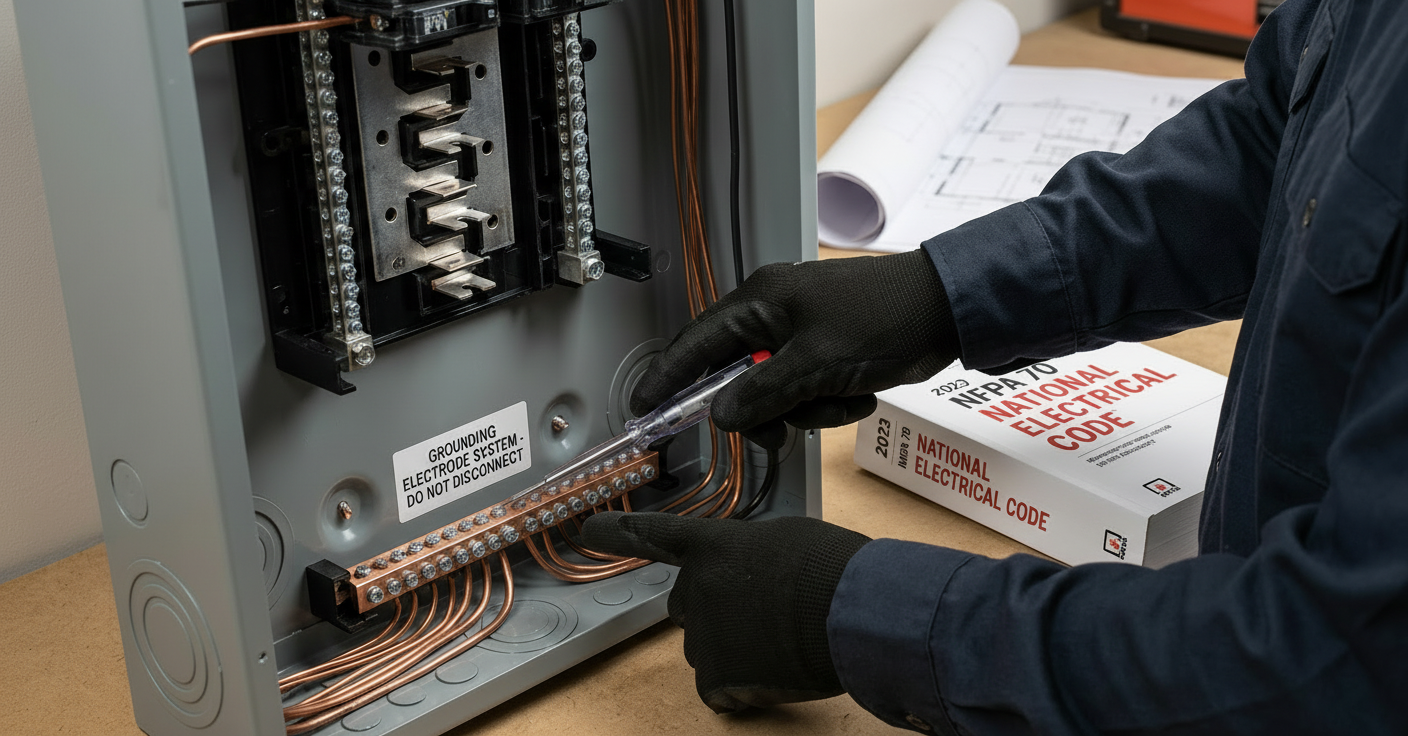
The National Electrical Code (NEC) sets the minimum requirements for electrical grounding in residential panels and throughout the home. Non-compliance with these codes significantly increases the risk of electrical fires and shocks. These regulations are not arbitrary; they are the result of extensive research and real-world incident analysis, designed to protect lives and property. They provide clear standards for the design, construction, modification, maintenance, and inspection of electrical systems, specifying acceptable materials and installation practices.
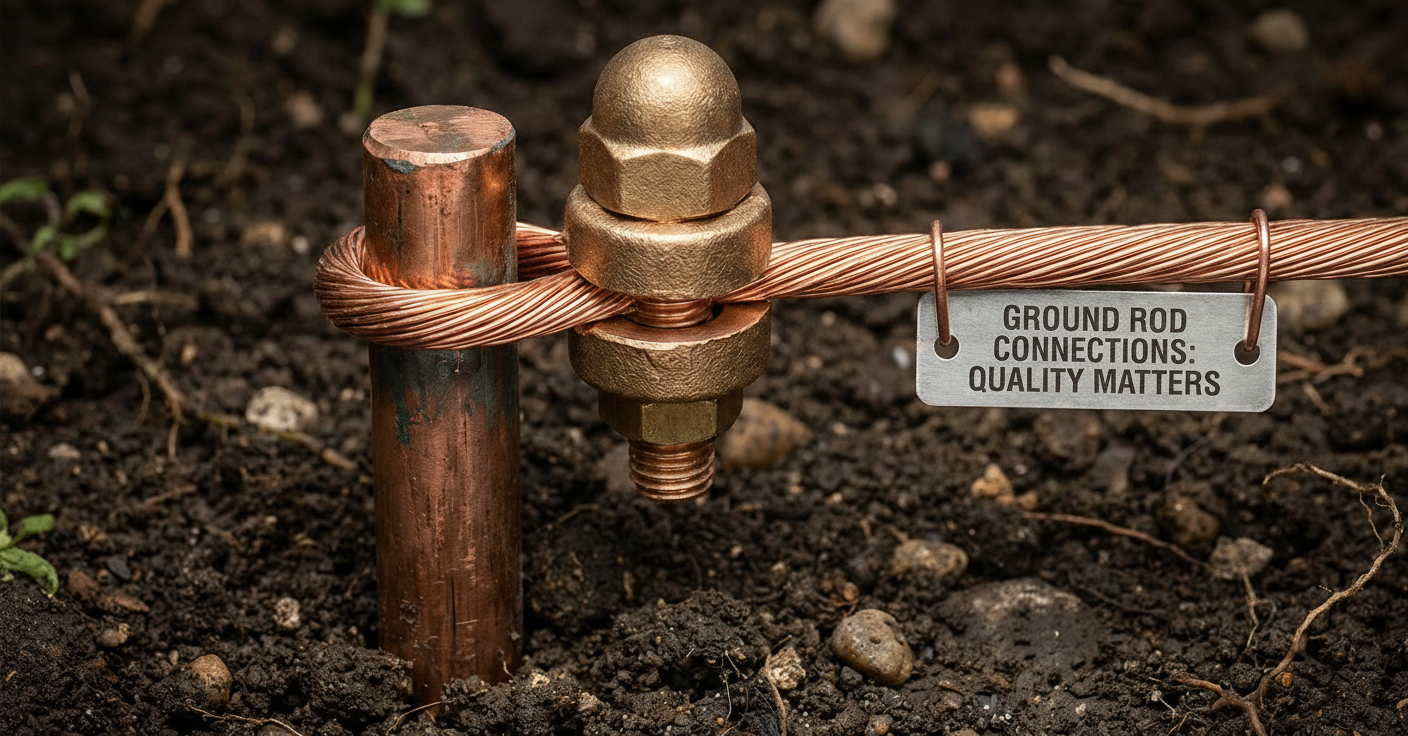
The Importance of Quality Ground Rod Connections
The integrity of the connection between your grounding wire and the ground rod is paramount. A solid, properly installed grounding connection is fundamental to your home's electrical safety, protecting against surges and ensuring appliance longevity. Furthermore, it often safeguards your appliance warranties. Professional electricians possess the expertise to ensure circuits are properly bonded and grounded, achieving code-compliant installations that offer reliable, long-term performance, not just superficial appearence.
The Invaluable Role of Professional Electrical Inspections
Periodic professional electrical inspections are an investment in your home's safety and value. Licensed electricians can thoroughly assess the condition of your grounding system and overall electrical infrastructure. Their extensive experience allows them to quickly identify issues that might go unnoticed by an untrained eye, addressing problems before they become critical. For more information on what a professional inspection entails, see our article on "[What to Expect During a Home Electrical Inspection](https://www.bizzfactor.com/what-to-expect-during-a-home-electrical-inspection)".
An electrical inspection checklist guides the process, offering a clear understanding of your system's health. This proactive approach not only protects your family but also maintains the long-term safety and functionality of your home's electrical system, extending beyond immediate concerns. Electricians will verify wear, ensure code compliance, and confirm that your grounding system is fully functional and performing its crucial protective duties, rather than merely existing decoratively.
In-Depth Look
Detailed illustration of key concepts
Visual Guide
Infographic illustration for this topic
Side-by-Side Comparison
Visual comparison of options and alternatives
Sources & References
- A Guide to Residential Wiring Standards and Best Practices
- 5+ Home Electrical Safety: Essential Tips And Guidelines
- Home Electrical Grounding: Essential Safety and Warranty Guide
- Your Ultimate 10-Point Home Electrical Inspection Checklist for 2026
- Building Codes, Standards, and Regulations: Frequently Asked ...
- Building Codes and Standards - 101 Guide | ROCKWOOL Blog
- [PDF] Building Codes Toolkit for Homeowners and Occupants - FEMA
- Amazon Best Sellers: Best Architectural Codes & Standards
- ICC - International Code Council - ICC
Frequently Asked Questions
Need Professional Help?
Find top-rated electrical experts in your area