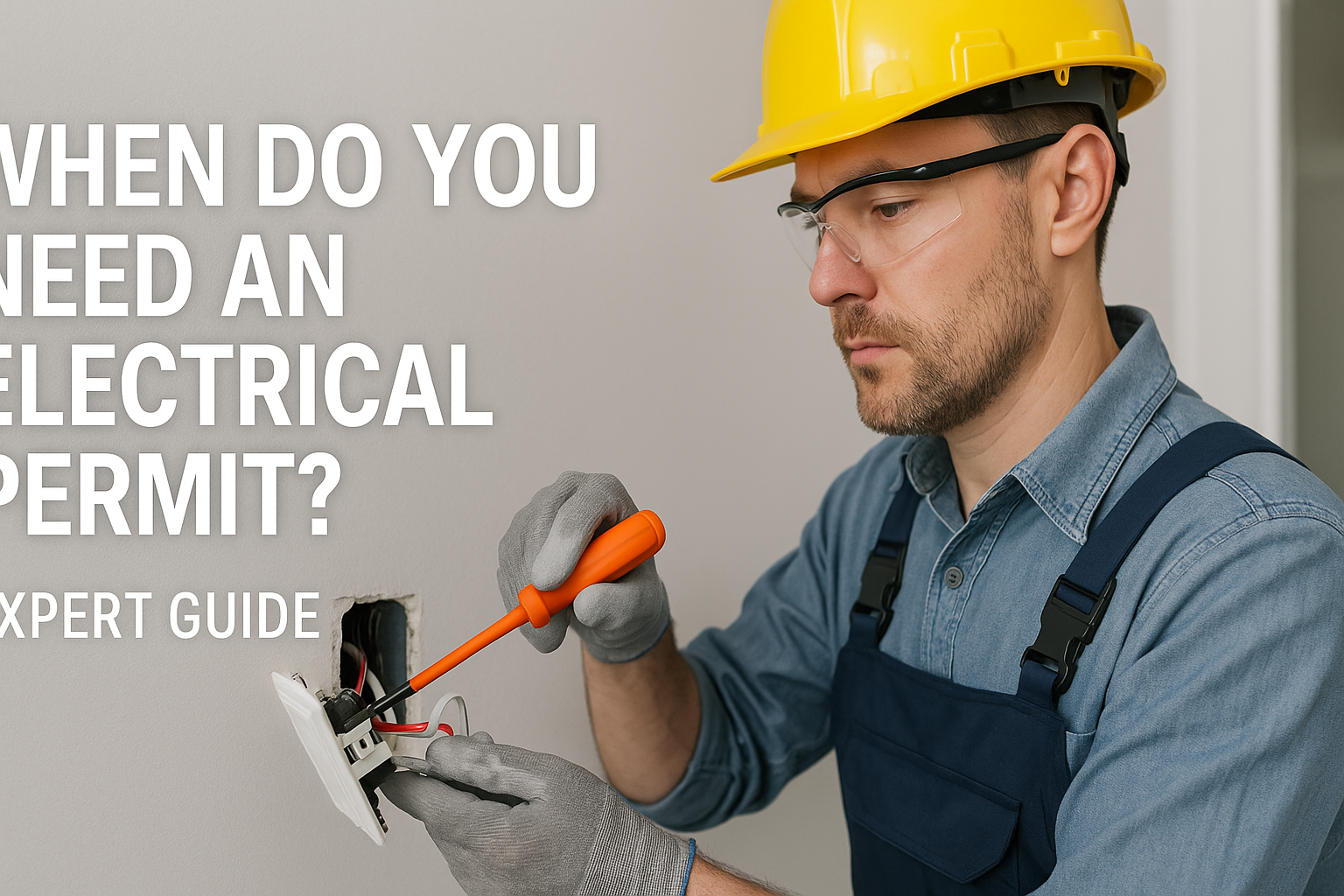
Learn when electrical permits are required. Licensed electricians explain permit requirements, costs, and application process for 2024 home projects.
Key Takeaways
When Do You Need an Electrical Permit? Your Expert Guide to Safety & Compliance
Facing an electrical project? Understanding when an electrical permit is required is crucial for ensuring safety, compliance, and even protecting your home's value. While minor electrical repairs might not necessitate a permit, major changes like installing new circuits, extensive rewiring, or upgrading your electrical panel almost always do.
Permits are a homeowner's safeguard, guaranteeing that all electrical work adheres to stringent safety standards and local building codes. This guide will walk you through the essentials of electrical permits, helping you navigate the requirements with confidence.
Understanding Electrical Permit Requirements
Permit requirements are not universal; they vary significantly by municipality and local jurisdiction. What's permissible in one town might be a violation in another. Always consult your **local building department** for precise details before commencing any electrical work.
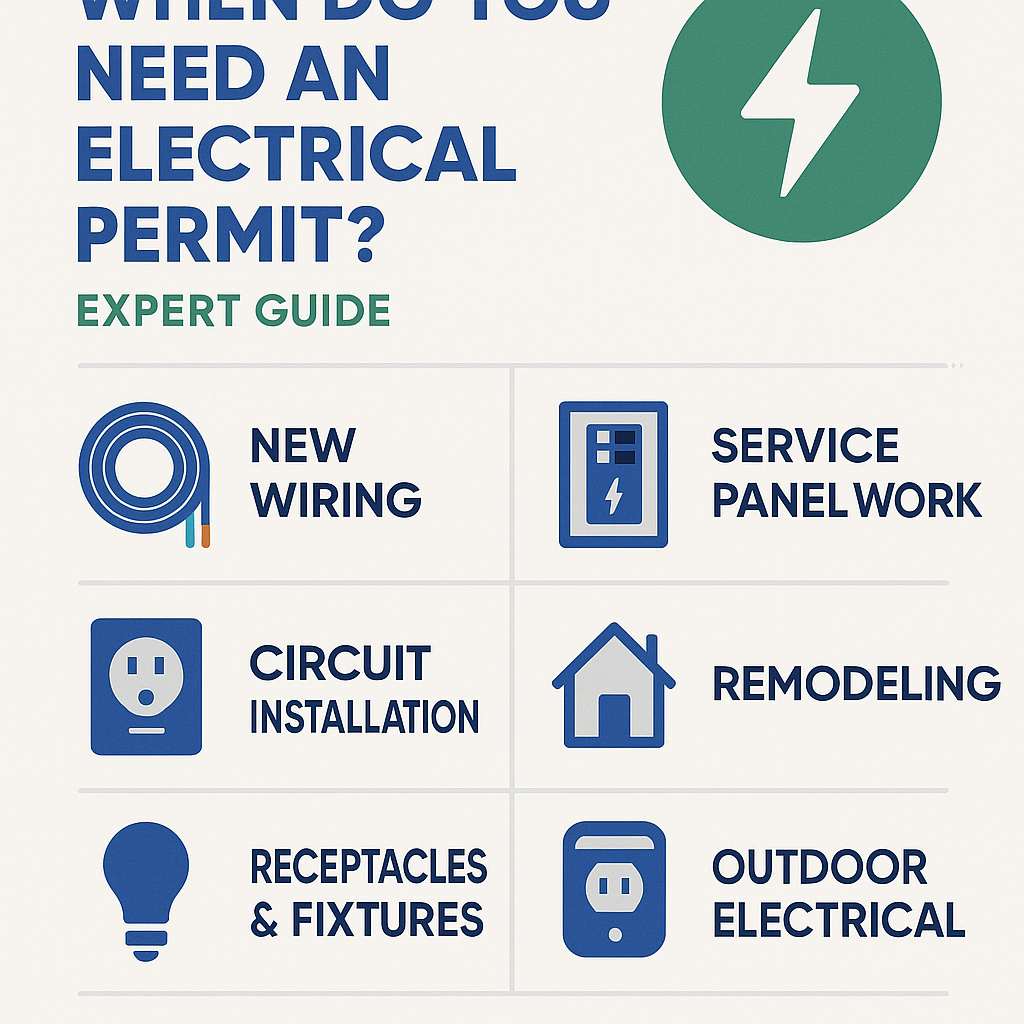
Major electrical projects that almost invariably require permits include:
- **Installing new circuits:** Adding dedicated lines for appliances or extending power to new areas.
- **Rewiring projects:** Undertaking partial or full home rewires.
- **Upgrading electrical panels:** Increasing amperage capacity or replacing an outdated panel.
- **Adding new outlets or switches:** If it involves extending significant new wiring, not just replacing an existing fixture.
- **Service entrance repairs:** Work on the main power lines entering your home.
- **Permanent fixture installations:** Such as hot tubs, central air conditioning, or built-in heating systems that require new electrical connections.
⚠️ Common Mistake to Avoid: Separating Permits
A frequent misconception is that electrical permits are covered under a general building permit. This is rarely the case. **Electrical permits are typically filed separately** from broader building permits. Always confirm the specific permit types required for your project with your local authorities.
Furthermore, always check with your building department about **inspection requirements** *before* starting your project. Failing to secure the necessary inspections can lead to significant headaches, delays, and potential fines down the line.
The Value of Working With Permits
Obtaining the necessary permits and ensuring inspections are completed protects your investment, whether you're performing the work yourself or hiring qualified professionals. It provides an official record that the work was done to code, which can be invaluable when selling your home or making an insurance claim.
Building codes are a foundational set of rules and standards governing the design, [construction](/guides/home-services/new-home-duct-cleaning-guide), alteration, materials, maintenance, and performance of buildings. These are legally mandated requirements adopted by governmental legislative authorities to ensure the safety and structural integrity of properties.
Navigating Permit Requirements by Location
As highlighted, what triggers a permit requirement is highly localized. It's not enough to assume; you must verify.
**Always contact your local building department** *before* planning or executing any electrical work to understand their specific requirements. This proactive step can save you from costly rework, fines, and potential safety hazards.
Essential Electrical Safety Inspections
Many homeowners are unaware of the optimal frequency for electrical inspections. Under normal circumstances, annual electrical inspections are generally not necessary for residential properties, especially those less than 50 years old. An inspection **every few years is often sufficient** to ensure continued safety and efficiency.
Regular inspections, whether permit-related or routine maintenance, help identify potential issues like outdated wiring, overloaded circuits, or faulty components *before* they escalate into dangerous situations, such as electrical fires or power outages.
Implementing Building Codes for Your Project
Building codes represent a comprehensive and interconnected set of regulations designed to govern new [construction](/guides/home-services/new-home-duct-cleaning-guide), renovations, remodels, repairs, and demolitions. They specify the minimum standards to which buildings must be constructed and maintained to ensure public health, safety, and welfare. Adhering to these codes ensures:
- **Structural integrity:** Making sure your home can withstand environmental stressors.
- **Fire safety:** Minimizing risks of electrical fires.
- **Energy efficiency:** Promoting sustainable building practices.
- **Accessibility:** Ensuring buildings are usable by everyone.
Understanding and applying code requirements helps ensure your electrical work meets both critical safety standards and legal obligations in your area. This diligence protects not only your property but also its occupants.
In-Depth Look
Detailed illustration of key concepts

Visual Guide
Infographic illustration for this topic
Side-by-Side Comparison
Visual comparison of options and alternatives
Sources & References
- When you need an electrical permit and how to get one - YouTube
- DIY vs. Professional: When to Call an Electrician for Electrical Repairs
- Electrical Permits 101: A Guide for Contractors and Electricians
- Essential Guide to Electrical Service for Homes & Businesses
- Keep the Home Safe in 2024 With Electrical Safety Checks
- Building Codes, Standards, and Regulations: Frequently Asked ...
- Building Codes and Standards - 101 Guide | ROCKWOOL Blog
- [PDF] Building Codes Toolkit for Homeowners and Occupants - FEMA
- How Building Codes Work in the US - by Brian Potter
- [PDF] Introduction to Model Codes
Frequently Asked Questions
Need Professional Help?
Find top-rated electrical experts in your area