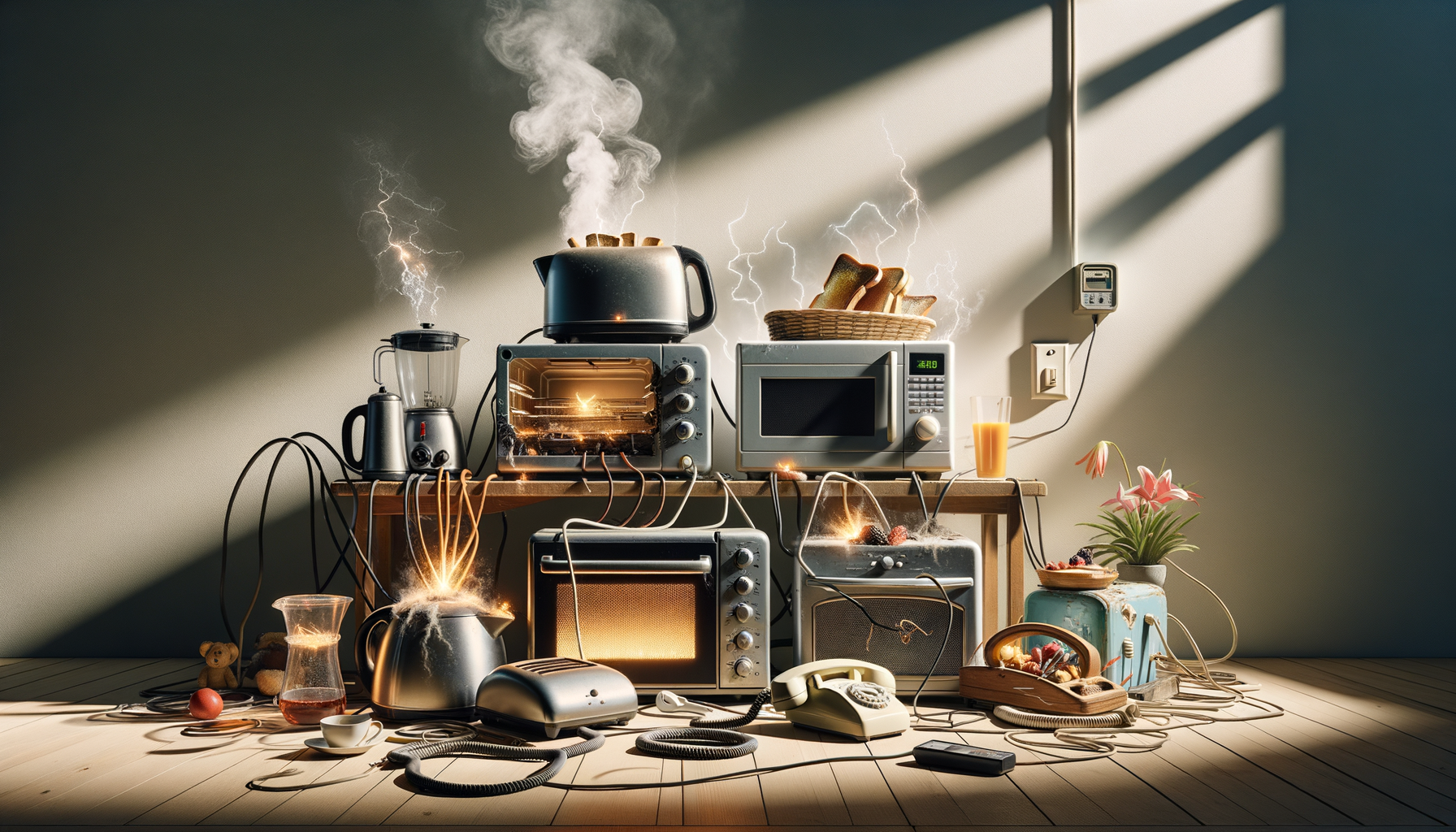
Expert guide: diagnose appliance electrical issues & know when to call electricians vs. technicians. Save money with proper professional selection.
Key Takeaways
- **Burning smell near outlets or the appliance itself:** Stop everything. This is serious. Could be wiring, could be internal components. Either way, it's a fire hazard. Don't touch it. [[Link to article about electrical fire signs]]
- **Lights dimming when an appliance starts up:** That's your electrical system struggling. Voltage drop. Overloaded circuit. Not the appliance's fault.
- **Multiple appliances going haywire on different circuits:** Something's wrong with your whole electrical system. Panel issue, main service, something systemic.
- **Just one appliance acting weird, everything else on that circuit works fine:** Probably the appliance itself. Internal problem.
- **Circuit breaker only trips for one specific appliance, nothing else running:** Could go either way. Might be the appliance, might be its circuit.
Key Takeaways
Appliance Electrical Issues: When to Call Pros for Expert Diagnosis
Is your fridge on the fritz? Water heater tripping breakers like it's a competitive sport? Maybe your HVAC system just decided to start making noises you've never heard before? Here's what most people don't realize — what looks like a dead appliance is probably just an electrical problem messing with you. And honestly? Figuring out which one you're dealing with is the difference between a $150 fix and a $2,000 replacement.
What's Causing Your Appliance Power Problems? Tackling Common Electrical Malfunctions
Look — so here's what we see constantly: about 80% of those panicked "my appliance died" calls? Turns out they're wiring issues, overloaded circuits, or wonky voltage. That's it. I can't tell you how many times we've shown up at someone's house where they're ready to haul a perfectly good dishwasher to the curb, and we find the real problem in five minutes. Bad outlet. Loose connection. Something stupid simple.
Your fancy modern appliances — especially the ones with electronic control boards — are ridiculously sensitive to power quality. Even a tiny voltage hiccup? Those delicate circuits just can't handle it. We're talking premature failure and repair bills that'll ruin your week.
And get this. Most homeowners never think about whether their electrical system can actually handle their new appliances. You buy a massive new refrigerator with ice makers and touchscreens and WiFi (because apparently your fridge needs internet now), and you just plug it in. Why would you question it?
A family over in North Atlanta called us last spring. Three different appliances acting up. The husband was convinced they'd bought lemons. Nope. We found loose connections in their main panel causing voltage drops across the whole house. Fixed it in an afternoon. The National Electrical Code (Article 422, if you want to get technical about it) is pretty clear that stable power isn't optional. It's required.
Spotting Electrical vs. Appliance Problems: Your Quick Diagnostic Checklist
Okay, so how do you know if you need an electrician or an appliance repair person? This is where people waste money calling the wrong person. Here's what to look for:
- **Burning smell near outlets or the appliance itself:** Stop everything. This is serious. Could be wiring, could be internal components. Either way, it's a fire hazard. Don't touch it. [[Link to article about electrical fire signs]]
- **Lights dimming when an appliance starts up:** That's your electrical system struggling. Voltage drop. Overloaded circuit. Not the appliance's fault.
- **Multiple appliances going haywire on different circuits:** Something's wrong with your whole electrical system. Panel issue, main service, something systemic.
- **Just one appliance acting weird, everything else on that circuit works fine:** Probably the appliance itself. Internal problem.
- **Circuit breaker only trips for one specific appliance, nothing else running:** Could go either way. Might be the appliance, might be its circuit.
We don't guess at this stuff. Our electricians use Fluke 87V multimeters — these things measure voltage, current, and resistance down to the decimal point. Real data beats hunches every single time.
Refrigerator and HVAC Electrical Issues: Big-Power Appliances, Big Vulnerabilities
Let's talk about the heavy hitters. Refrigerators, freezers, air conditioners. These things don't just need power — they need *consistent* power. Their compressors and motors are running constantly, and any voltage instability? Control boards get fried. That's the real killer.
How Do We Professionally Diagnose Appliance Electrical Problems? Our Step-by-Step Approach
Our process? Pretty straightforward, actually. We isolate the appliance and test it on a different circuit that we know is good. We use Milwaukee testing gear for this. If that "broken" appliance suddenly works perfectly? Then we know. It's not the appliance. It's the circuit, the outlet, the wiring, or the breaker.
I remember this older couple in Decatur — their LG refrigerator kept shutting down randomly. They'd already called the appliance company twice. We plugged their fridge into the garage outlet. Worked perfectly. Found loose wire connections in their kitchen circuit causing intermittent drops. Tightened everything, problem solved. Saved them probably $800 in unnecessary appliance repairs.
Protection That Actually Works: Whole-Home Surge Protection
Real talk: whole-home surge protection isn't optional anymore. We recommend Eaton or Siemens units to most clients. These systems monitor your incoming voltage constantly, and if they detect a surge, they disconnect your equipment before it gets fried. Matters more than people think.
And during power outages? Unplug everything sensitive. Wait at least five minutes after power comes back before plugging things in. Those voltage spikes during grid stabilization? They wreck electronics. Too many people just leave everything plugged in. Big mistake. Think of whole-home protection like insurance for your appliances. [[Link to article about whole home surge protectors]]
Water Heater Electrical Troubleshooting: Common Faults & Expert Solutions
Electric water heaters are probably our most common service call for electrical failures. Makes sense — they pull massive amperage and cycle constantly. All that stress hammers the internal components and your wiring.
Water Heater Diagnostic Steps from a Professional Electrician: Pinpointing the Problem
When a water heater keeps tripping its breaker, here's what we do:
1. **Disconnect everything else from that circuit.**
2. **Watch the water heater run by itself. Does it still trip?**
3. **If yes, the problem's inside the unit — heating elements, thermostats, internal wiring. If no, something else on that circuit is causing overload.** [[Link to article about dedicated circuits]]
Thermostat failures? Super common. These control the heating elements and just wear out over time, especially if your voltage isn't stable. We even use Fluke thermal cameras sometimes to spot connections that are overheating. Catches problems before they become emergencies.
Case Study: Dangerous Shared Neutral – A Code Violation Nightmare
Had a call in Sandy Springs last year. Rheem water heater kept tripping the main breaker. The homeowner had been resetting it for weeks, thinking it was no big deal. We showed up with our DeWalt diagnostic kit and found something scary: the water heater was sharing neutral wires with other circuits. Massive code violation. Every time she ran the dishwasher and the water heater at the same time? Overload.
We installed a dedicated 40-amp circuit with proper GFCI protection. Problem gone. Permanently.
This is why professional diagnosis matters. And here's something nobody tells you — mineral buildup on heating elements increases electrical resistance. That draws more current. Even a good breaker can get overwhelmed. Annual electrical inspections catch this stuff early.
Electric Blind Control Diagnostics: Low-Voltage, High-Impact Solutions
Motorized blinds have sensitive electronics. That means electrical interference and power issues mess with them just like bigger appliances. Even low-voltage systems need proper troubleshooting. One tiny fault can stop the whole system.
Control vs. Power Supply Problems in Electric Blinds: Expert Troubleshooting
If your electric blinds are acting possessed, we start with the power supply voltage. Then we test control switches, transformers, and motors individually. Nine times out of ten? Loose connections in the wall control boxes. These degrade from heat and vibration over time.
Here's what most DIY guides completely miss: humidity. We fixed some Hunter Douglas blinds in a Buckhead bathroom last summer that only worked sometimes. Cleaned and tightened corroded connections in the wall switch caused by bathroom humidity. Took twenty minutes. [[Link to article about bathroom electrical safety]]
Pro Installation Standards for Electric Blinds: Ensuring Reliability
Properly installed electric blind systems aren't just about aesthetics. They need:
- **Dedicated control circuits** separate from general lighting
- **Manual override capabilities** for emergencies
- **Code-compliant junction boxes** with no exposed wires
- **Proper low-voltage wiring standards** for long-term performance
DIY installations? They usually create safety hazards or early failures. Licensed electricians know the codes. They ensure your system works reliably and meets regulations, protecting both your investment and your family.
Advanced Protection Systems for Your Home and Appliances: Proactive Solutions
Smart electrical monitoring lets you see problems before they kill your appliances. These systems watch your power quality 24/7 and alert you when something's developing. Think of it as preventive maintenance.
Smart Monitoring Technology: Your Home's Electrical Health Tracker
Devices like Sense or Emporia smart monitors track individual appliance consumption in real-time. They catch voltage inconsistencies, frequency issues, harmonic distortion — all the stuff that slowly degrades electronics and appliance components. You get alerts on your phone before anything actually breaks. Worth every penny.
In-Depth Look
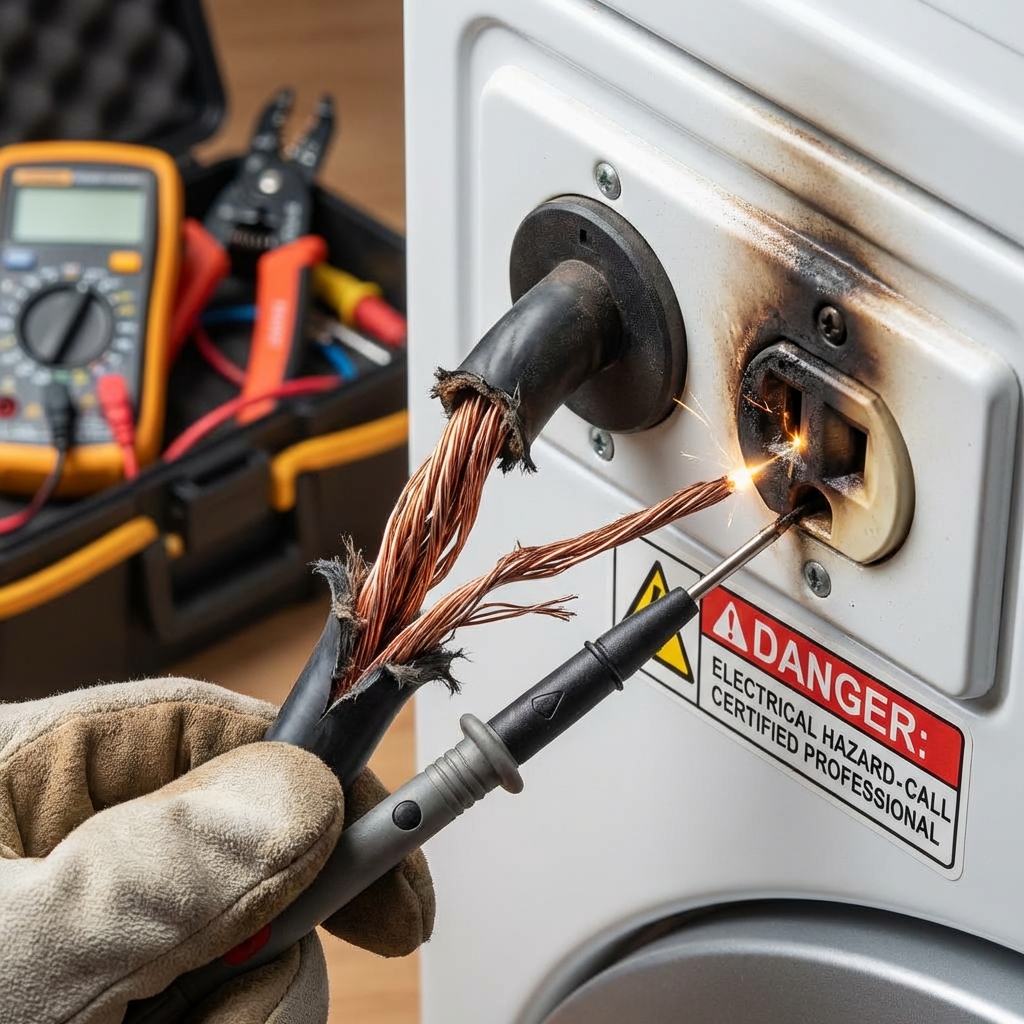
Detailed illustration of key concepts
Visual Guide
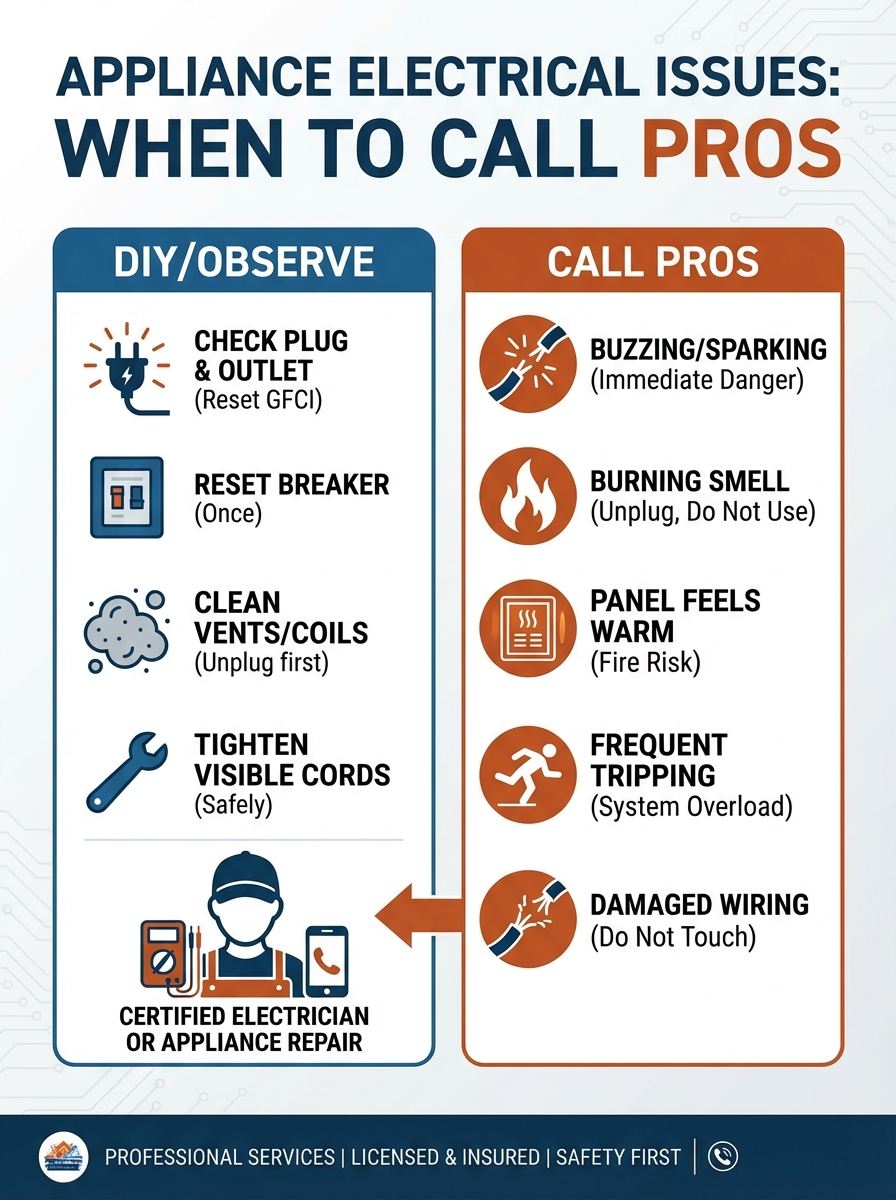
Infographic illustration for this topic
Sources & References
- Electrical Troubleshooting: A Complete Guide - SkillCat
- Comprehensive Guide to Electrical Troubleshooting and Repairs
- [PDF] The Complete Idiot's Guide to Electrical Repair
- 2025 Guide: Professional Home Electrical Repair Solutions
- Understanding Electrical Services: A Comprehensive Guide
- Best Tool Brand for Electricians 2025: Expert Rankings - Wood Guide
- 35 Essential Electrician Tools Every Pro Needs in 2025
- Top 20 Essential Electrician Tools for Pros (2026 List) - Workiz
- Best Electrician Tools Brand Guide
- Essential 2025 Electrician Tools & Safety Warnings (New & Pro Tips!)
Frequently Asked Questions
Need Professional Help?
Find top-rated electricians experts in your area