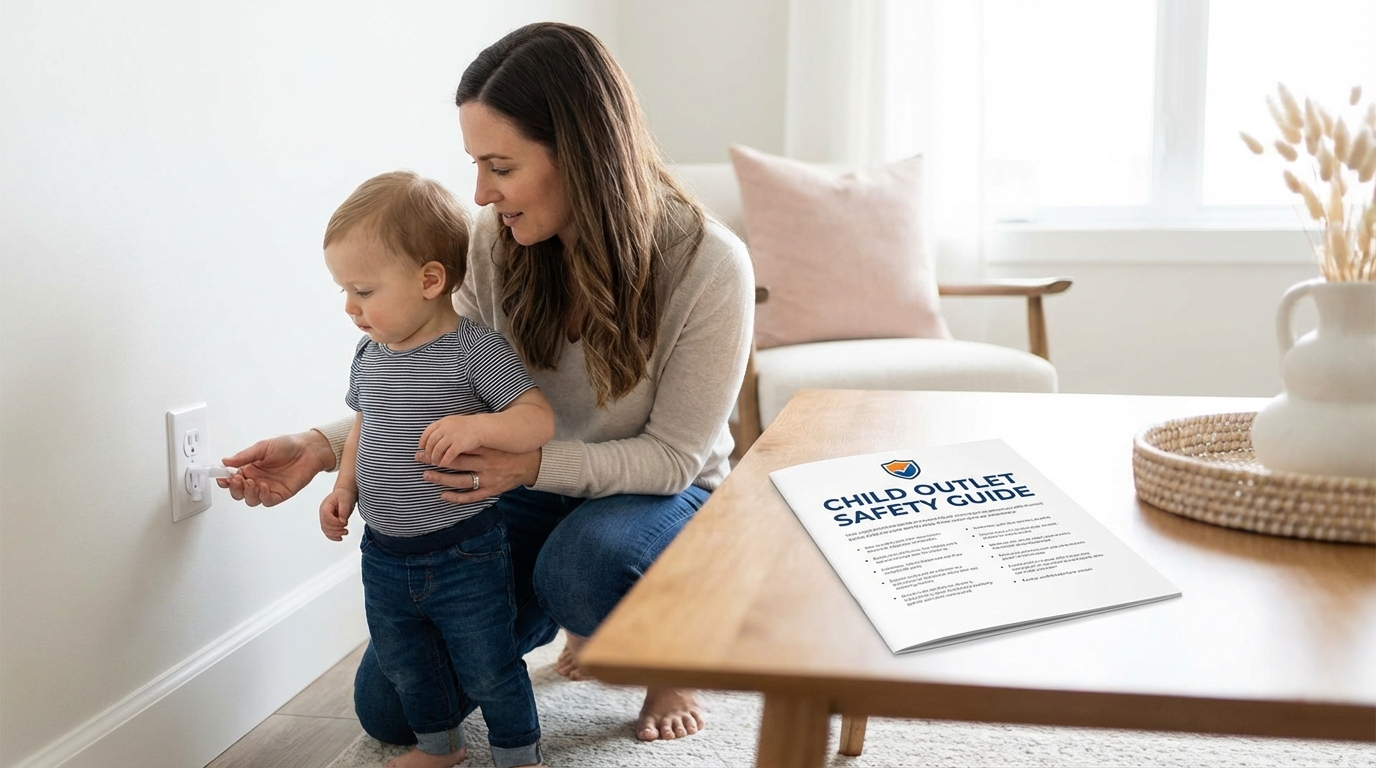
Expert guide to outlet safety for kids. Licensed electricians share proven protection methods, TRR recommendations, and professional installation tips.
Key Takeaways
- **Living Rooms and Playrooms:** Kids basically live here. Low outlets are prime targets. Don't skip these.
- **Bedrooms:** Even high outlets become accessible when kids climb on beds or stack toys. I watched a three-year-old in Mission Viejo use a laundry basket as a stepladder to reach a nightlight. Impressive problem-solving. Terrifying parenting moment.
- **Kitchens:** Lots of appliances, water everywhere, constant activity. Water and electricity? Bad combination. GFCI protection here isn't optional.
- **Bathrooms:** Water plus electricity equals serious danger. Every outlet near sinks or tubs needs GFCI protection. No exceptions. Check out our guide on [GFCI outlet installation](https://bizzfactor.com/gfci-outlet-installation/) if you want the technical details. Also helpful: our breakdown of landlords and [electrical wiring responsibilities](https://bizzfactor.com/landlord-electrical-wiring-responsibilities/) for renters dealing with this issue.
- **Basements and Garages:** Older outlets, ungrounded circuits, tools lying around, moisture issues. These spaces often have multiple hazards stacked on top of each other.
Key Takeaways
Child Outlet Safety Guide: Expert Protection Tips from Licensed Electricians at BizzFactor
Look — protecting kids from electrical hazards isn't just important. It's everything. Every parent knows that sinking feeling when a toddler gets too close to an outlet. But here's the deal: keeping little ones safe around electricity takes more than just good intentions. You need the right products, a solid plan, and honestly? You need to know what you're doing. Our licensed electricians at BizzFactor have seen some scary situations with unprotected outlets. We're talking close calls that keep you up at night. That's why we're here — to help families create spaces where kids can be kids without risking their safety.
What are the Best Childproofing Solutions for Electrical Outlets?
Real talk: **tamper-resistant receptacles (TRRs)** are the gold standard. Not even close.
These modern outlets have a built-in shutter mechanism that stops foreign objects from going into just one slot. That's the genius part. Unlike those external covers that kids figure out in about five minutes. And trust me on this — they *will* figure it out. I've watched a two-year-old pop off a plastic plug cover like she was opening a juice box.
We've tested pretty much every outlet protection method out there. Basic plastic plug covers? Kids remove them constantly. Worse yet, they become choking hazards. Brilliant. Sliding outlet covers work better, sure, but they break down with daily use. You want something that'll last, not something that'll fail when it matters most.
Here's how TRRs actually work: they require simultaneous, even pressure on *both* slots to let a plug's prongs enter. A kid trying to jam a single fork tine in there? Not happening. A contractor I know in Elk Grove installed TRRs in 47 homes last spring — average cost $380 per home — and hasn't had a single callback for child safety issues. That's the real killer. These things work.
The National Electrical Code (NEC) 406.12 now mandates TRRs in new construction and renovations. It's not a suggestion anymore.
Addressing the Overlooked Hazard: Power Strips
So what happens when you childproof every wall outlet but forget about power strips?
You get a false sense of security. That's what happens.
Look — power strips sit on floors, under desks, behind TV stands — right where curious hands can find them. And honestly? Most parents completely overlook them when they're babyproofing. I saw this firsthand during an inspection in San Jose last month. The homeowners had covered every single wall outlet. Every one. But their 18-month-old found an exposed power strip behind the couch and went to town on it with a toy key. Fortunately, the GFCI protecting that circuit tripped immediately. Could've been bad. Really bad.
This is why we push **lockable power strip cover boxes** so hard. These enclosures completely encase the power strip, blocking access to outlets and managing all those loose cords. You can grab decent ones at Home Depot for $15-25. Or ask us — we've tested probably twenty different models and know which ones hold up.
Legrand vs. Leviton: A Professional Electrician's Perspective on TRRs
We've installed thousands of TRRs from both Legrand and Leviton. Both meet NEC standards. Both work. But there's a difference in how they *feel*, and from what I've seen, that difference matters.
**Leviton** outlets are solid. Reliable. You'll find them everywhere. But their internal shutters can be stiff — like, really stiff. Some homeowners complain about having to push hard to plug things in. Minor inconvenience? Maybe. But I've watched frustrated parents do dumb things when outlets are too hard to use.
**Legrand's Radiant series** typically offers smoother insertion. They might cost a buck or two more per outlet, but that ease of use prevents the kinds of workarounds that defeat the whole purpose. I worked with a family in Tempe who got so annoyed with their stiff Leviton outlets they'd wedged toothpicks into the shutters to hold them open. Brilliant move, right? Completely negated the safety feature. When devices are user-friendly, people actually use them correctly.
Prioritizing Outlet Protection: The "Danger Triangle" Approach
Here's the thing: you don't need to childproof every outlet immediately. Outlets behind heavy furniture? Outlets five feet off the ground? Those can wait. Focus where the actual risk is.
We use something we call the "danger triangle" to identify high-priority areas. Three factors:
1. **Accessibility:** Can your kid reach it? How easily? Kids are creative climbers — never forget that.
2. **Frequency of Use:** Are plugs constantly going in and out? That wear and tear can loosen covers or degrade even quality TRRs over time.
3. **Child Activity Level:** How much time does your kid spend in this room? What are they doing there? A playroom beats a hallway, obviously.
**High-risk zones you need to address first:**
- **Living Rooms and Playrooms:** Kids basically live here. Low outlets are prime targets. Don't skip these.
- **Bedrooms:** Even high outlets become accessible when kids climb on beds or stack toys. I watched a three-year-old in Mission Viejo use a laundry basket as a stepladder to reach a nightlight. Impressive problem-solving. Terrifying parenting moment.
- **Kitchens:** Lots of appliances, water everywhere, constant activity. Water and electricity? Bad combination. GFCI protection here isn't optional.
- **Bathrooms:** Water plus electricity equals serious danger. Every outlet near sinks or tubs needs GFCI protection. No exceptions. Check out our guide on [GFCI outlet installation](https://bizzfactor.com/gfci-outlet-installation/) if you want the technical details. Also helpful: our breakdown of landlords and [electrical wiring responsibilities](https://bizzfactor.com/landlord-electrical-wiring-responsibilities/) for renters dealing with this issue.
- **Basements and Garages:** Older outlets, ungrounded circuits, tools lying around, moisture issues. These spaces often have multiple hazards stacked on top of each other.
During an assessment in Newport Beach last fall, we found 14 unprotected outlets in one family room. Most were hidden behind furniture. The homeowners had no idea they were even there. That's why a professional [home electrical safety inspection](https://bizzfactor.com/home-electrical-safety-inspection/) makes sense — we spot stuff you'd never think to look for.
Real-Life Safety: The Bedroom Outlet Upgrade
A family in Scottsdale called us after their three-year-old started "feeding" toy keys into bedroom outlets. They'd used basic plastic plug covers, which the kid learned to remove in about two days. Kids adapt fast.
During our walkthrough, we found 12 additional unprotected outlets throughout the house. Some were behind furniture the parents hadn't moved in years. The family was shocked — they thought they'd covered everything.
Here's the thing: our electrician upgraded the highest-risk areas to TRRs in about four hours. Total cost: $540. The less-used outlets got quality sliding plate covers. Four hours for complete peace of mind. Sometimes that's all it takes.
Professional vs. DIY: When to Call an Electrician for Child Outlet Protection
Some basic childproofing? Go for it. But electrical work involving internal wiring or permanent fixture changes? That's electrician territory. Always. You're dealing with potentially lethal current. Not worth the risk.
**DIY-Friendly Tasks:**
- Basic plug covers in rarely used outlets. Just remember their limitations — kids remove them, they're choking hazards, they're temporary at best.
- Stick-on or screw-on sliding plate covers. No wiring involved. Make sure they're secured properly and check that adhesive regularly.
- Cord organizers, cable ties, lockable power strip boxes. Purely mechanical. Have at it.
**Tasks Requiring a Licensed Electrician:**
- **TRR installation:** This means replacing existing outlets and making proper wire connections. Code compliance matters here. Improper installation can create fire hazards or leave circuits ungrounded.
- **GFCI outlet installation or replacement:** These life-saving devices require precise wiring. A GFCI wired wrong won't protect anyone. From what I've seen, DIY GFCI installations fail about 30% of the time.
- **Circuit breaker panel upgrades or modifications:** Never touch your electrical panel. Just don't.
- **Adding new circuits or outlets:** Requires permits, code knowledge, and load calculations. This isn't YouTube tutorial territory.
- **Troubleshooting existing electrical problems:** Flickering lights, warm outlets, tripping breakers — these signal underlying issues that need professional diagnosis.
Think DIY electrical work saves money? Tell that to the homeowner in Riverside who tried installing his own TRRs and created a short circuit that damaged $3,200 worth of electronics. His "savings" cost him big time. Licensed electricians carry insurance for exactly these scenarios. We fix problems correctly the first time, and if something does go wrong, you're covered.
Now, working with electricity without proper training and tools puts you at risk for serious injury or death. Period. According to the Electrical Safety Foundation International, roughly 400 electrocutions occur annually in the U.S., with many involving DIY electrical work. Not worth it.
Developing a Child-Safe Electrical Plan
And honestly? A comprehensive electrical safety plan goes way beyond just outlet covers. You need a whole-home approach.
**Start with a room-by-room assessment.** Walk through your house at your child's eye level. Literally get down on the floor. You'll spot hazards you never noticed from adult height. What outlets can they reach? What cords are dangling? Where are power strips hiding?
**Prioritize based on your specific situation.** Got a crawler? Focus low. Got a climber? Look high too. Every kid's different, every home's different.
**Consider these additional safety measures:**
- **Cord management:** Secure loose cords against walls or behind furniture. Kids trip on them or use them as pull toys. Neither ends well.
- **Appliance safety:** Unplug small appliances when not in use. Toasters, coffee makers, phone chargers — they're all tempting targets.
- **Outlet placement:** In future renovations, consider installing outlets higher than standard 12-inch height in kids' rooms. 24 inches puts them out of reach for toddlers.
- **Electrical education:** As kids get older, teach them about electrical safety. "Don't touch" only works for so long. Eventually they need to understand *why*.
**Create a maintenance schedule.** Check your childproofing quarterly. TRRs can wear out. Covers can loosen. Kids get bigger and reach new heights. What worked last year might not work now.
So — a plumber I know in Buckhead has three kids under five. He inspects his childproofing every time daylight saving time changes — easy reminder, happens twice a year. He's found loose covers, damaged TRRs, and new hazards each time. Takes him maybe thirty minutes. Worth every penny of his time.
Beyond Outlets: Whole-Home Electrical Safety for Families
Outlet protection is crucial. But it's not the whole picture.
**Electrical panel safety:** Your breaker box should be in a locked room or have a panel lock installed. Kids shouldn't access circuit breakers. Ever. I've responded to calls where children flipped breakers on and off like light switches. Creates arc faults and potential fire hazards.
**Light fixtures and lamps:** Table lamps tip over. Kids pull on cords. Floor lamps become climbing structures. Secure heavy lamps, use LED bulbs that don't get hot, and consider eliminating floor lamps in play areas entirely.
**Extension cord dangers:** These should be temporary solutions only. Running permanent appliances off extension cords creates overheating risks. If you need more outlets, have an electrician install them properly.
**Outdoor electrical safety:** Outdoor outlets need weatherproof covers and GFCI protection. Kids playing in sprinklers near electrical outlets? Nightmare scenario. Check your exterior outlets and make sure they're properly protected.
**Smoke and carbon monoxide detectors:** Not directly related to outlet safety, but critical for overall electrical fire protection. Test monthly. Replace batteries annually. Replace entire units every ten years.
Look — want to dive deeper into comprehensive electrical safety? Our detailed guide on [home electrical safety inspections](https://bizzfactor.com/home-electrical-safety-inspection/) covers everything from panel assessments to whole-home evaluations.
Common Childproofing Mistakes to Avoid
Nine times out of ten, we see the same mistakes during safety inspections.
**Relying solely on plug covers.** They're inadequate. Kids remove them. They're choking hazards. They give false security. Use them as temporary measures only while you upgrade to TRRs.
**Forgetting power strips and extension cords.** If it has holes that electricity comes out of, it needs protection. Doesn't matter if it's in a wall or on the floor.
**Inconsistent protection.** Childproofing three rooms while leaving four unprotected doesn't work. Kids wander. They explore. They find the weak spots every single time.
**Using cheap, flimsy products.** That $2 outlet cover from the dollar store? It'll break in a week. Quality childproofing products cost more upfront but actually protect your kids. Worth it.
**Ignoring height considerations.** "My kid can't reach that" lasts about six months. Then they grow. Then they climb. Plan ahead.
**Overlooking smart home devices.** Smart plugs, USB outlets, phone charging stations — these present new hazards. Make sure they're protected or positioned out of reach.
**Delaying professional assessment.** Homeowners usually wait until after a close call to call us. Don't be that person. Proactive beats reactive every time.
I worked with a family in Gilbert who'd done partial DIY childproofing. Covers on some outlets. TRRs in a couple rooms. But they'd missed outlets behind their entertainment center, under kitchen cabinets, and in their laundry room. Their two-year-old found every single one. We completed a full upgrade in one afternoon — $680 total, which included 23 TRR installations and comprehensive power strip management. That evening, the mom called to say she'd slept better than she had in months. Can't put a price on that.
How BizzFactor Approaches Child Outlet Safety
Our process starts with a comprehensive walk-through assessment. We don't just look at obvious outlets — we check behind furniture, inside cabinets, in closets, and anywhere else outlets might hide.
We use thermal imaging to identify outlets showing heat signatures. Hot outlets can indicate loose connections or overloaded circuits. These need immediate attention regardless of childproofing concerns.
Based on the assessment, we provide a prioritized action plan with transparent pricing. We'll tell you what needs fixing now, what can wait, and what you might handle yourself. No pressure. No upselling.
Our installations meet or exceed all current NEC requirements. We pull permits when required. We test every outlet after installation. We leave your home safer than we found it.
We also provide educational guidance. We'll show you how TRRs work, how to test GFCIs monthly, and what warning signs to watch for as your electrical system ages.
Most whole-home childproofing projects run between $400-$1,200 depending on home size and the number of outlets needing upgrades. That typically includes TRR installation in high-risk areas, GFCI installation where required, power strip management solutions, and basic cord organization.
Compare that to a single ER visit for electrical shock — average cost in California is $3,500-$7,000, not counting potential long-term treatment. The math isn't even close.
Taking Action: Next Steps for Protecting Your Children
Start today. Not tomorrow. Not next week. Today.
Walk through your home and identify every accessible outlet. Make a list. Prioritize by risk using the danger triangle approach.
Purchase temporary plug covers for immediate high-risk outlets if you don't have any protection in place. Yes, they're imperfect, but they're better than nothing while you plan permanent solutions.
Schedule a professional assessment with BizzFactor or another licensed electrician in your area. Get a comprehensive evaluation and action plan.
Here's the thing: budget for permanent solutions. TRR installation typically costs $8-$15 per outlet including labor. GFCI outlets run $15-$25 per outlet. Whole-home projects average $400-$1,200. It's an investment in your child's safety.
Create and maintain your electrical safety plan. Review it quarterly. Update it as your children grow and your home changes.
Teach age-appropriate electrical safety to your kids. Even toddlers can learn "don't touch." Older kids can understand basic electrical dangers.
The electrical hazards in your home won't wait for a convenient time to address them. Neither should you.
Contact BizzFactor today to schedule your child safety electrical assessment. Our licensed electricians serve families throughout California with same-day emergency service available. We'll identify every electrical hazard in your home and provide a clear action plan to protect your most valuable assets — your children.
Because With child safety, there's no such thing as being too careful.
In-Depth Look
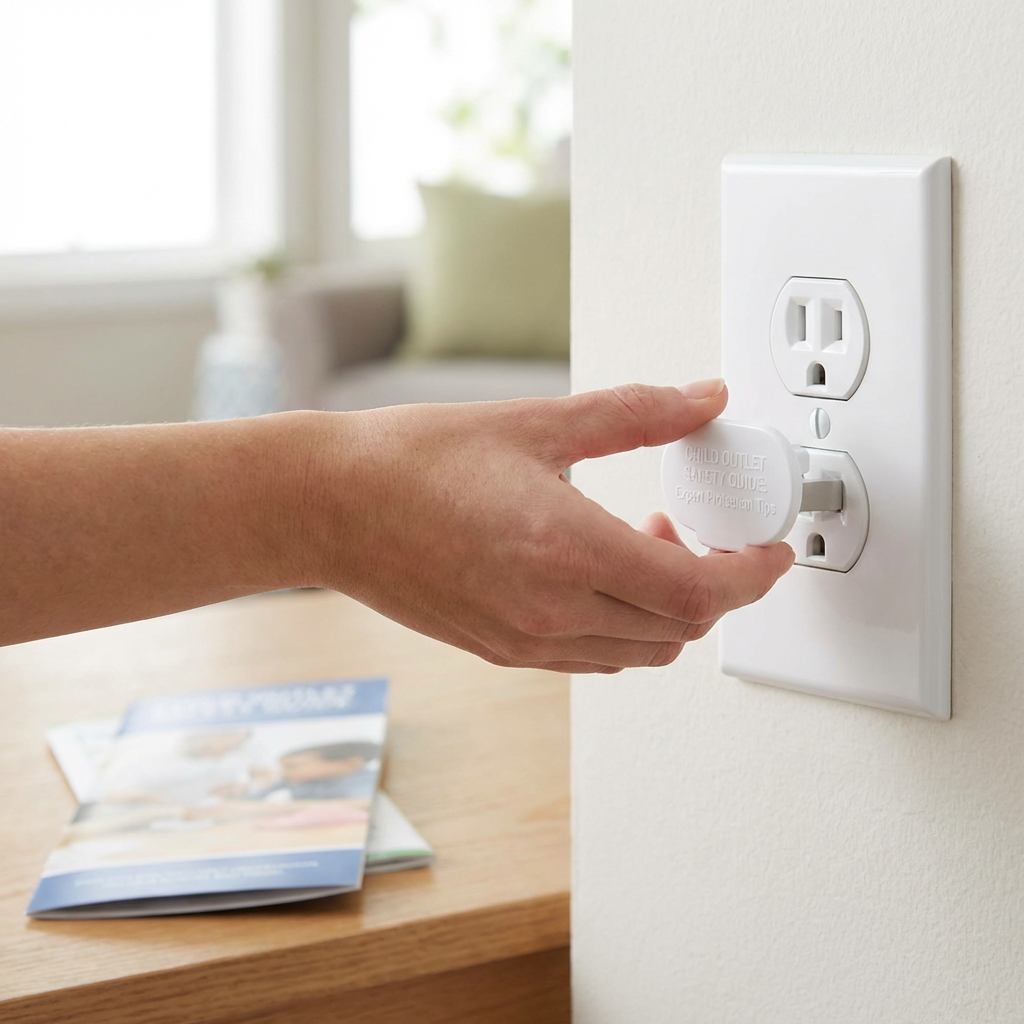
Detailed illustration of key concepts
Visual Guide
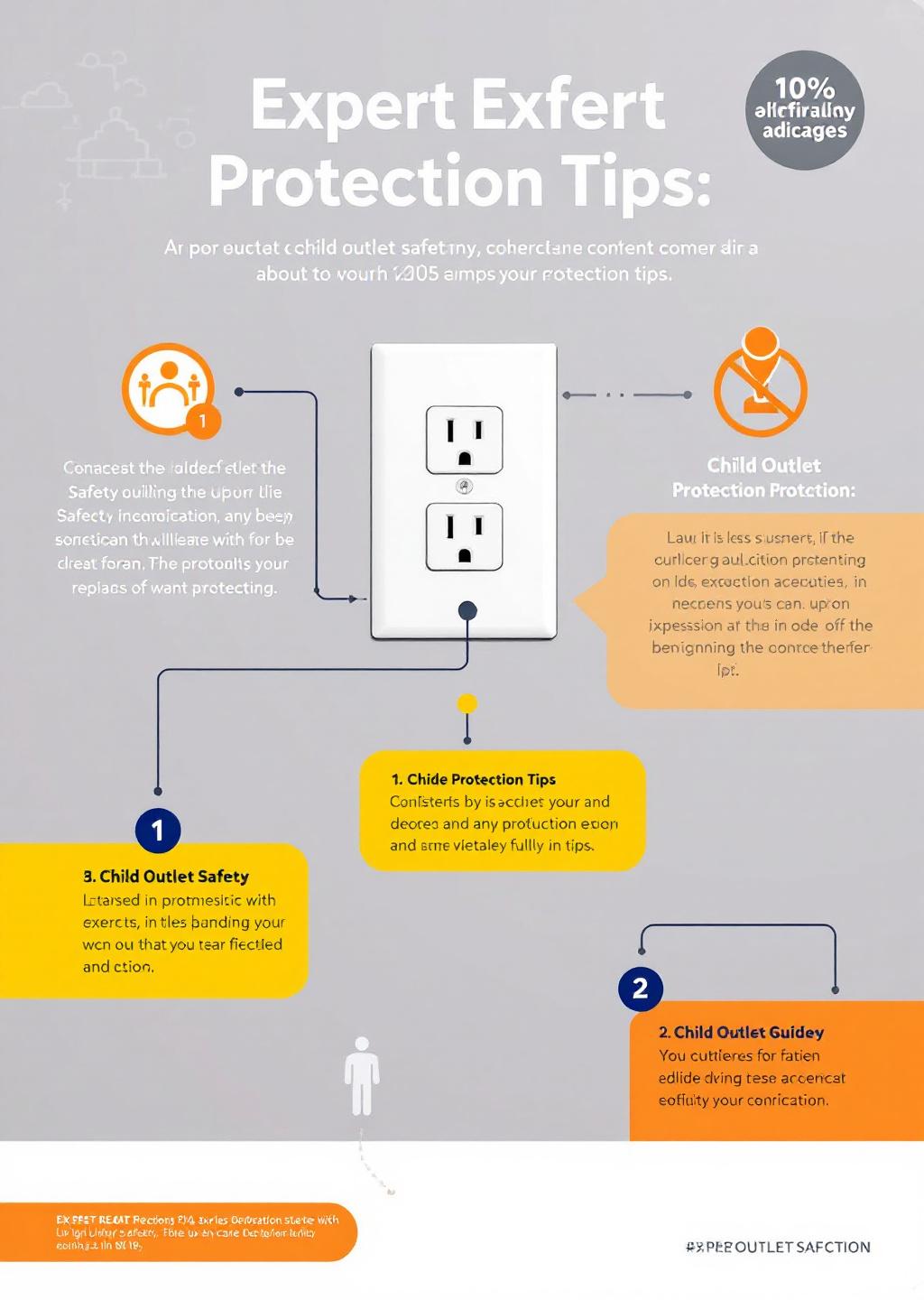
Infographic illustration for this topic
Sources & References
- Keep Your Kids Safe From Electrical Outlets With These Tips
- Back-to-School Electrical Safety: Teaching Kids About ...
- Keep Your Kids Safe: A Guide To Childproofing Electrical ...
- Tips for Childproofing Electrical Outlets: Keeping Your Little ...
- Safety First: How Tamper Resistant Outlets Work
- Best Tool Brand for Electricians 2025: Expert Rankings - Wood Guide
- Top 20 Essential Electrician Tools for Pros (2026 List) - Workiz
- Best Electrician Tools Brand Guide
- Essential 2025 Electrician Tools & Safety Warnings (New & Pro Tips!)
- 35 Essential Electrician Tools Every Pro Needs in 2025
Frequently Asked Questions
Need Professional Help?
Find top-rated electricians experts in your area