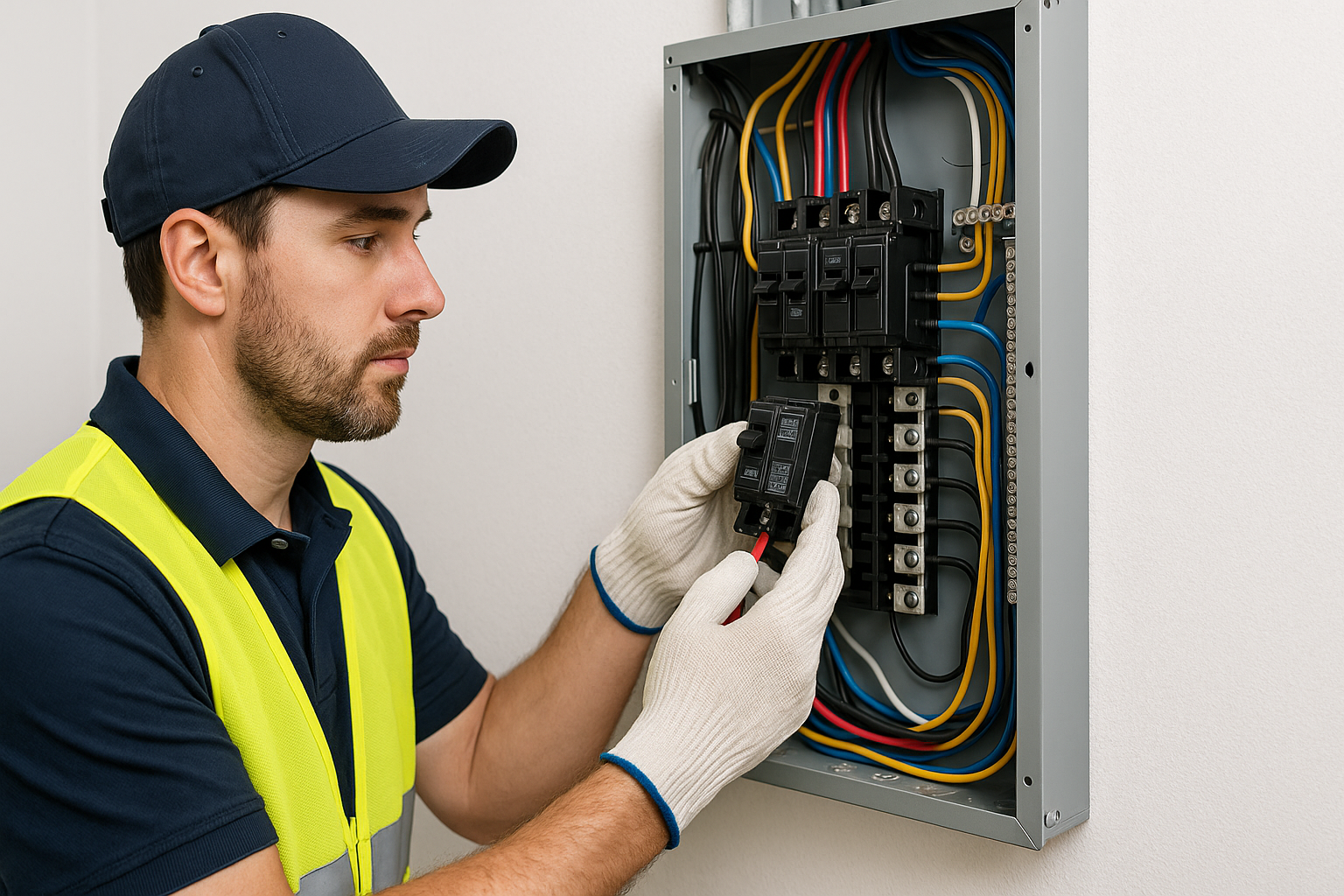
Learn when circuit breakers need replacement, warning signs to watch for, and why our licensed pros ensure safe installation. Expert guide with real case studies.
Key Takeaways
Circuit Breaker Replacement Guide: When to Upgrade Your Electrical Panel for Safety and Efficiency
Is your circuit breaker refusing to reset? Dealing with persistent power outages or flickering lights? These aren't just minor annoyances; they're critical indicators that your home's electrical system might be struggling. When your **circuit breaker** trips repeatedly, or you notice unusual signs like buzzing sounds or scorching, it's your home's way of signaling a potential issue that could range from a faulty breaker to an overloaded electrical panel. Understanding when and why to consider **circuit breaker replacement** or an **electrical panel upgrade** is paramount for ensuring the safety and efficiency of your entire electrical infrastructure.
While the idea of replacing a breaker might seem straightforward, working with your home's electrical system carries significant risks. Even seemingly simple tasks require a deep understanding of electrical principles and stringent safety protocols to prevent serious injury, electrical fires, or property damage. This comprehensive guide will help you identify the critical signs that indicate a problem and explain why professional intervention from a licensed electrician is almost always the safest and most reliable solution.
Understanding Circuit Breakers and Their Vital Role in Your Home's Electrical System
Think of your circuit breaker as the vigilant, silent protector of your home's electrical grid. Its primary function is to constantly monitor the flow of electricity, acting as a crucial automatic safety device. The moment it detects an anomaly—whether it's an **overcurrent** from too many appliances drawing power simultaneously or a dangerous **short circuit**—it instantly cuts off the power to prevent overheating wires, appliance damage, and potential electrical fires. Without these essential guardians, your home would be vulnerable to severe and dangerous electrical hazards.
Your main electrical panel, often found in a utility room, garage, or finished basement, is the central command center for your home's electricity. Within it, individual circuit breakers are assigned to specific circuits that power different areas or appliances. Smaller, single-pole breakers typically manage lighting, standard outlets, and minor appliances, while larger, double-pole breakers are dedicated to high-demand appliances like electric stoves, central air conditioning units, clothes dryers, and water heaters, ensuring they receive adequate and safe power without overloading smaller circuits.
Recognizing the Critical Need for Circuit Breaker Replacement
A persistently tripping breaker isn't just an inconvenience; it's a diagnostic symptom demanding attention. Here are key indicators that suggest your individual circuit breaker might need attention or replacement:
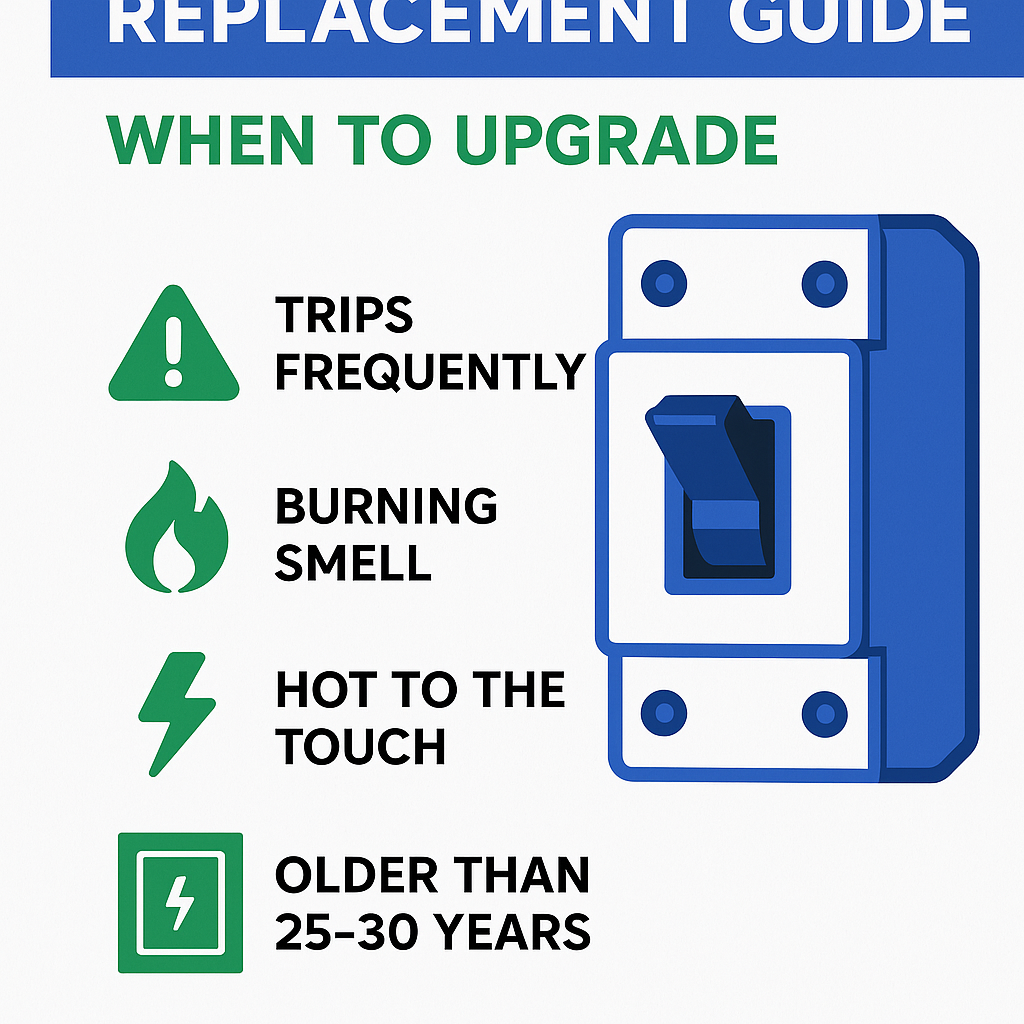
- **Frequent Tripping:** If a specific breaker trips regularly, even after you've unplugged appliances or used fewer devices, it's a clear sign of an underlying issue. This could mean the breaker itself is failing, or the circuit is consistently overloaded, potentially due to changing power demands.
- **Flickering or Dimming Lights:** When your lights dim, flicker, or brown out, especially when an appliance kicks on, it often points to an overloaded circuit, inadequate wiring, or aging breakers, which can stress your entire electrical system.
- **Burning Smells or Discoloration:** Any strange, burning odors (often described as ozone or plastic burning), smoke, or visible scorch marks, charring, or discoloration around your electrical panel or outlets are immediate and serious red flags. These indicate excessive heat buildup and a significant fire risk, demanding immediate professional electrical attention.
- **Breaker Won't Reset:** If a breaker trips and refuses to stay in the 'On' position after being toggled firmly to 'Off' first, it suggests either a continuous short circuit on the line or a faulty breaker that has internally worn out and can no longer hold its position.
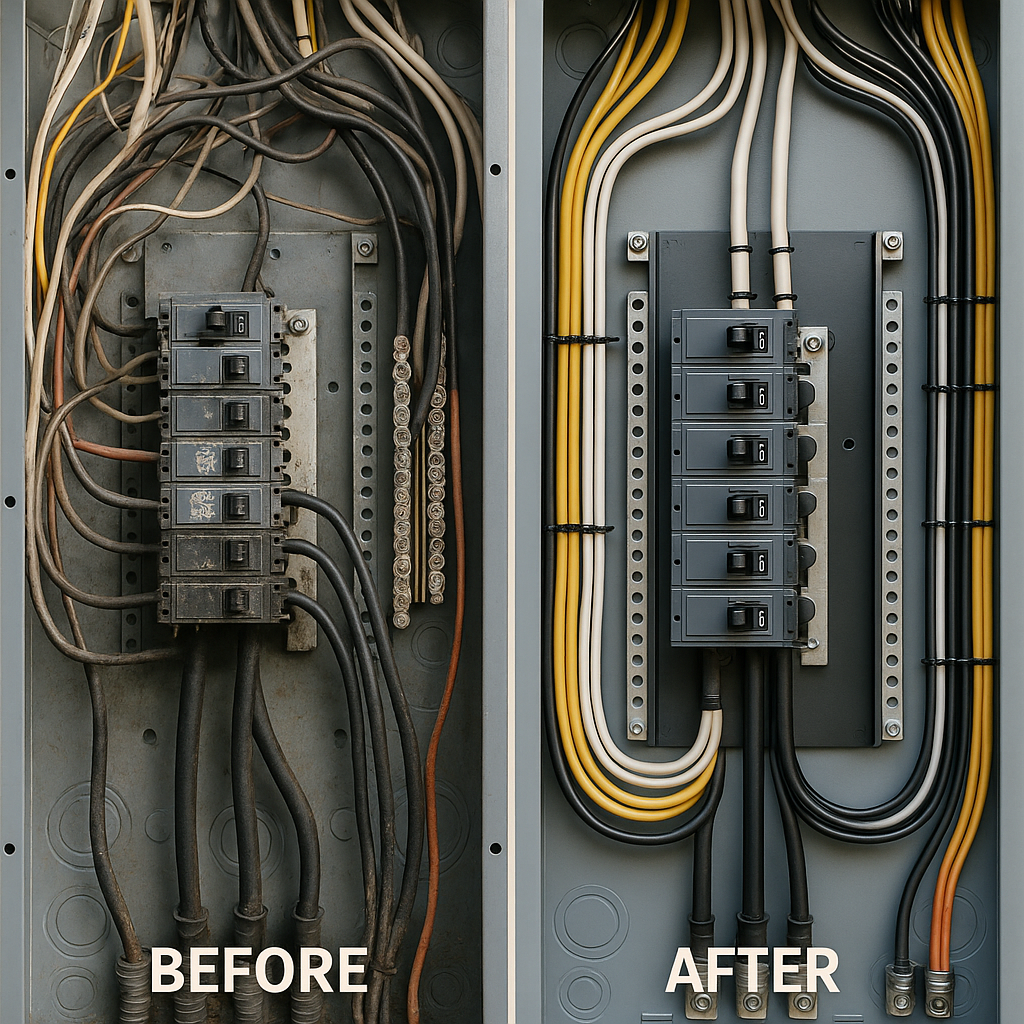
- **Age of Panel and Breakers:** Older homes often feature outdated electrical panels or fuse boxes that simply can't safely handle modern electrical demands. If your panel is 25+ years old, an inspection for an upgrade is highly recommended for safety and functionality. Discover more about [electrical panel upgrade costs](/blog/electrical-panel-upgrade-cost) here.
- **Audible Buzzing or Hissing:** Any unusual electrical sounds emanating from your breaker panel are warning signs of loose connections or internal damage within a breaker.
Ignoring these crucial warnings can lead to more severe problems, including dangerous electrical fires, costly damage to expensive appliances, and compromised electrical safety for your entire household.
Why Professional Electrical Service is Essential: Adhering to Installation Standards
Entrusting your circuit breaker replacement or a full electrical panel upgrade to a qualified professional isn't just about convenience; it's about adhering to rigorous safety and modern building codes. Licensed electricians operate under strict guidelines, such as those outlined by the **NFPA 70E (Standard for Electrical Safety in the Workplace)** and the **National Electrical Code (NEC)**. This ensures that every connection is secure, wire gauges are appropriate for the anticipated load, and all electrical calculations are verified, effectively preventing potential hazards like overloads or fire.
Furthermore, professional electricians carry comprehensive insurance, offering vital protection and peace of mind should any unforeseen issues arise during or after the service. This level of accountability and safety is virtually impossible to replicate with DIY solutions.
Safety Precautions: Why DIY Electrical Work is Inherently Risky
Working with electricity, especially within your main electrical panel, is inherently dangerous and carries life-threatening risks. A single mistake can lead to severe electric shock, debilitating burns, or even fatal consequences. Professional electricians employ specialized lockout/tagout procedures, utilize insulated tools, and wear appropriate personal protective equipment (PPE) specifically designed for electrical work to mitigate these extreme risks. For homeowners, the potential risks associated with attempting a DIY circuit breaker replacement or panel work far outweigh any perceived cost savings. Remember, ensuring your home's [electrical grounding test](/guides/electricians/electrical-grounding-test-guide) is up to par is also critical for overall safety.
Troubleshooting a Tripped Breaker: A Step-by-Step Guide
When a breaker trips, remember it's performing its intended safety function. To safely troubleshoot a tripped breaker:
1. **Safety First:** Ensure your hands are dry and you're standing on a non-conductive surface.
2. **Unplug Appliances:** Disconnect all devices, especially high-wattage ones, from outlets on the affected circuit.
3. **Reset the Breaker:** Locate the tripped breaker (it will typically be in the middle position). Firmly push the breaker completely to the 'Off' position, then firmly toggle it back to 'On'. It should click into place.
4. **Identify the Cause:** If the breaker holds, plug in appliances one by one to identify which device or combination of devices is causing the overload. If it trips immediately with nothing plugged in, or continues to trip even after reducing the load, the problem is likely internal wiring or the breaker itself, requiring professional diagnosis.
While occasional trips might be attributed to temporary overloads from multiple devices, persistent tripping signals a deeper electrical issue that warrants professional assessment by a licensed electrician.
Professional Tools and Trusted Brands for Electrical Work
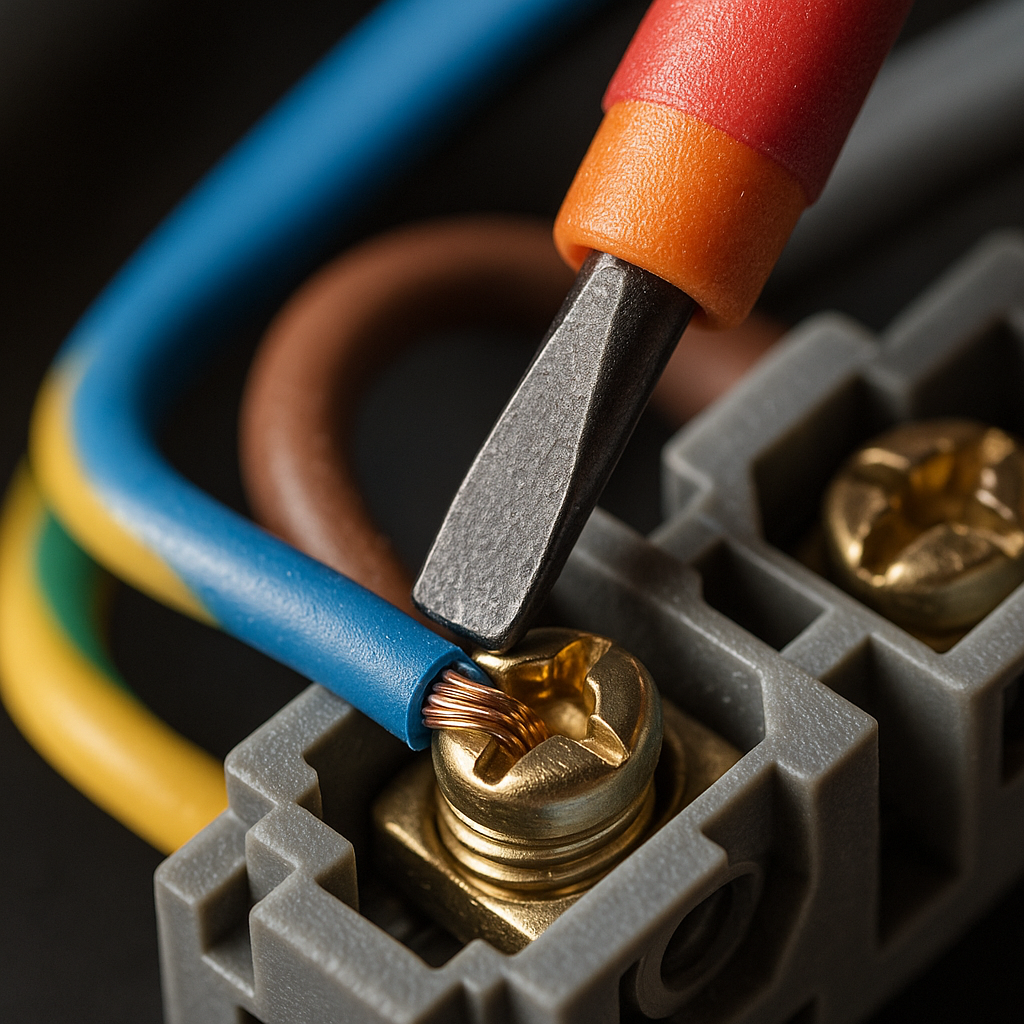
Professional electricians rely on high-quality, specialized tools from trusted brands like Klein Tools, Fluke, Milwaukee, and DeWalt. These aren't merely fancy gadgets; they are precision instruments designed for accuracy, durability, and most importantly, safety. Insulated screwdrivers, accurate multimeters, circuit testers, and robust personal protective equipment are absolutely essential for safe and effective electrical work. Attempting electrical repairs with cheap, inappropriate, or non-insulated tools significantly increases the risk of error, electrical faults, and personal injury.
When to Call a Professional Electrician for Electrical Services
It's time to call a licensed electrician when:
- Your circuit breaker constantly trips, won't reset, or feels hot to the touch.
- You observe any physical damage to your electrical panel, such as scorch marks, melted plastic, rust, or hear buzzing/hissing sounds.
- You're experiencing flickering lights, power surges, frequent blown fuses (in older panels), or any unexplained power interruptions.
- Your home's electrical system is old (25+ years) and struggling to meet modern power demands of new appliances or technology.
- You're planning major appliance installations (like an EV charger) or home renovations that will significantly increase your electrical load. Refer to our [EV Charger Installation Guide](/guides/electricians/ev-charger-installation-guide) for related requirements.
- You're adding new circuits or outlets.
While the mechanical process of swapping a breaker might appear simple, the underlying diagnostics, adherence to strict safety codes, and comprehensive risk mitigation require the specialized expertise of a trained professional. Investing in professional circuit breaker replacement or an essential electrical panel upgrade ensures the long-term safety, efficiency, and reliability of your home's entire electrical system, protecting both your property and your loved ones. Some things should always be left to the experts, and your home's electricity is definitively one of them.
In-Depth Look
Detailed illustration of key concepts
Visual Guide
Infographic illustration for this topic
Side-by-Side Comparison
Visual comparison of options and alternatives
Sources & References
- The Expert's Guide to Circuit Breaker Replacement - Mister Sparky
- A Helpful Guide to Circuit Breaker Replacement
- Things Beginners Need to Know Before Replacing a Circuit Breaker
- Best Tool Brand for Electricians 2025: Expert Rankings
- Top 15 Essential Electrician Tools for Pros - 2026 List
- Best Electrician Tools Brand Guide
- Essential 2025 Electrician Tools & Safety Warnings (New ...
- 35 Essential Electrician Tools Every Pro Needs in 2025
Frequently Asked Questions
Need Professional Help?
Find top-rated electricians experts in your area