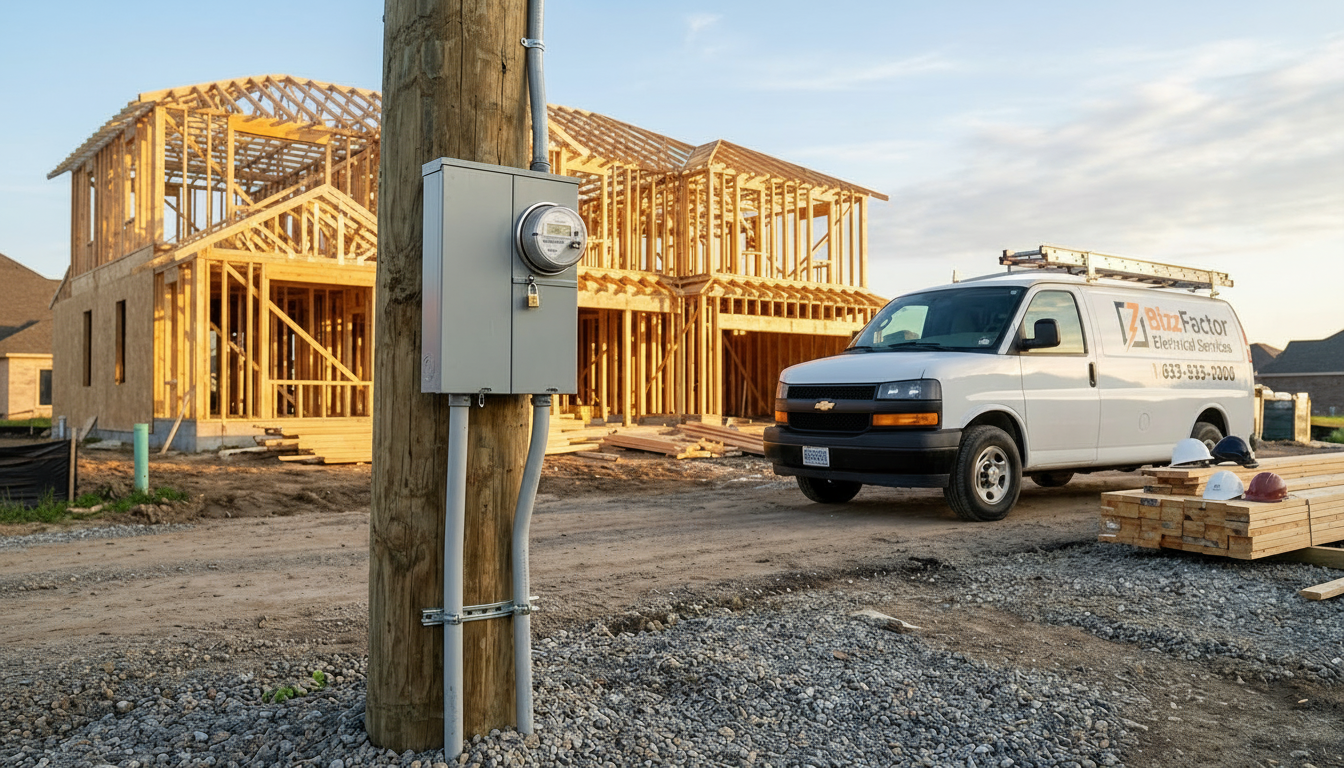
Professional construction power pole installation costs $800-2500. Get safe, code-compliant temporary electrical service with licensed pros.
Key Takeaways
- **Weather-Resistant Service Panels:** NEMA 3R or 4X rated enclosures, lockable to prevent tampering (copper theft is real). Galvannealed steel or thermoset polyester construction — materials that laugh at UV exposure, moisture, and the occasional impact from a forklift. These aren't Home Depot special boxes.
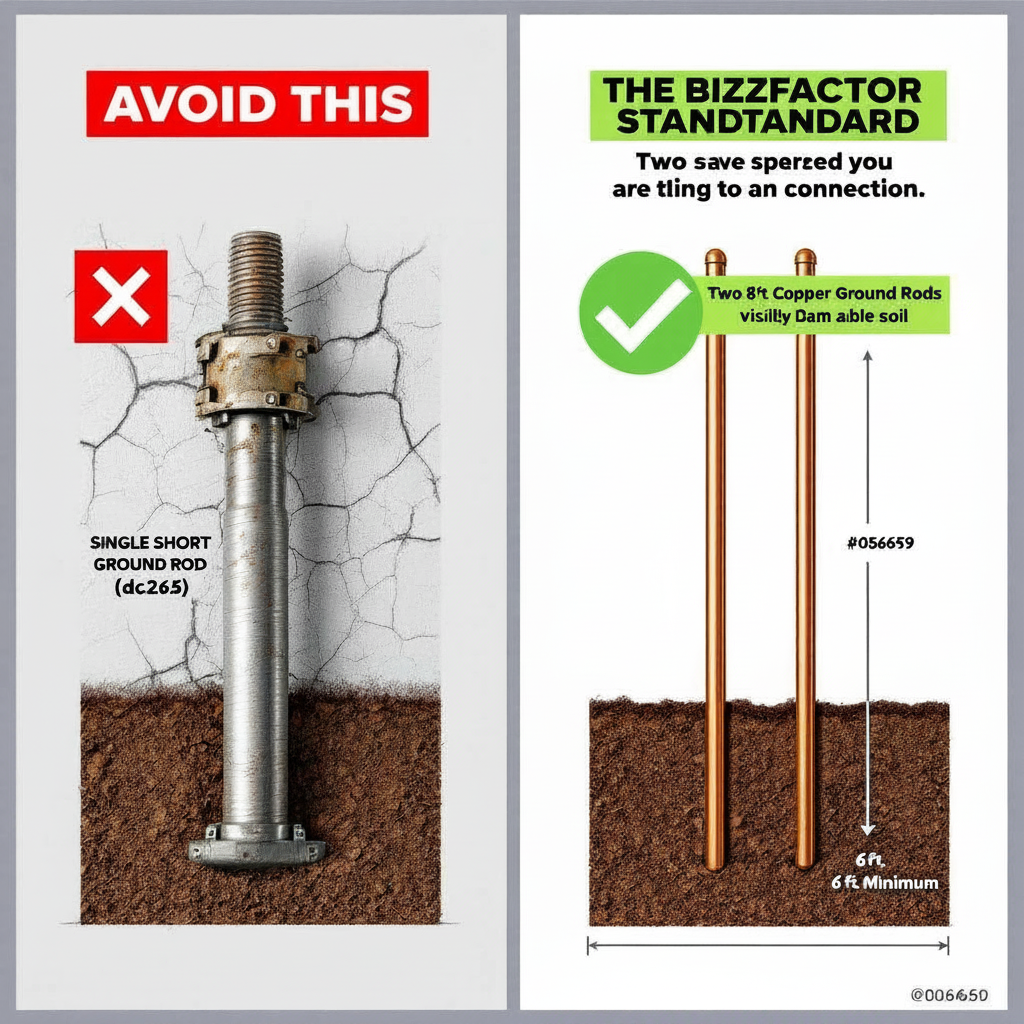
- **ANSI-Compliant Grounding Systems:** Two 8-foot copper-clad steel ground rods minimum, spaced at least six feet apart. This isn't negotiable under <a href="/blog/understanding-the-national-electrical-code-nec" title="Understanding the National Electrical Code">NEC Article 250</a>. We also tie into metal water piping where available. Proper grounding creates a low-impedance path for fault current — the thing that keeps metal enclosures from becoming live during a short. We test impedance after installation. Should read under 25 ohms.
- **GFCI-Protected Outlets:** Every 120-volt, 15- and 20-amp receptacle gets industrial-grade GFCI protection. Trip time under 25 milliseconds. These aren't the residential GFCIs that fail after 50 trips — we're using devices rated for constant use in harsh conditions. They prevent electrocution. Pretty straightforward.
- **Utility-Approved Metering Equipment:** Revenue-grade meters, inspected and sealed by the utility company. No guesswork on billing. The meter socket has to be UL-listed and utility-approved for your specific voltage and current — typically single-phase 120/240V for residential, three-phase for commercial.
- **Service Connections (Underground or Overhead):** This choice isn't arbitrary. We evaluate site layout, existing utility infrastructure, safety concerns, and future development plans. Underground requires trenching (depth varies by code), proper conduit (Schedule 80 PVC for burial), and correctly sized conductors (sometimes paralleling 4/0 AWG copper for higher ampacity). Overhead is faster but has clearance requirements and aesthetic considerations.
Key Takeaways
Construction Power Pole Setup: The Blueprint for Reliable Jobsite Power
A contractor in Buckhead paid $2,400 last summer because he waited too long to get temporary power. His crew sat idle for three weeks while the utility company processed paperwork that should've been filed before groundbreaking.
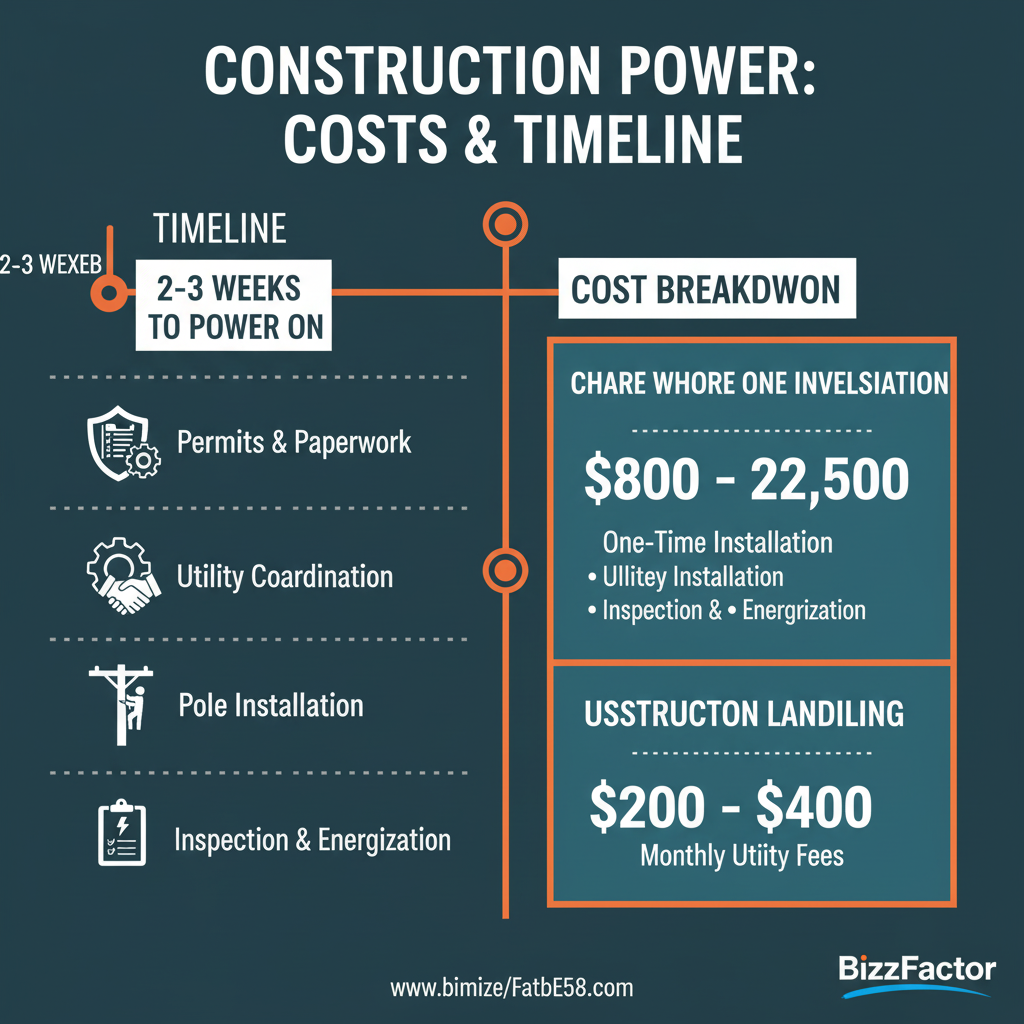
**Temporary construction power poles?** You need one. Period. From day one — literally from the moment equipment rolls onto dirt — through final punch list, you're running saws, compressors, lifts, and every tool that plugs in. Our crews install these systems following NEC and OSHA standards, usually for **$800 to $2,500** upfront, then expect **$200-$400 monthly** in utility fees. We handle the whole thing — installation, utility coordination (which is a bureaucratic nightmare, honestly), permits, inspections. The goal is simple: safe, <a href="/blog/electrical-code-compliance" title="Understanding Electrical Code Compliance">code-compliant power delivery</a> exactly when you break ground, not three weeks later when your schedule's already blown.
Anatomy of Jobsite Power: Essential Components for Construction Site Power Pole Installation
Think about what your electrical system faces on a jobsite. Rain. Dust. Impact from moving equipment. UV exposure that cooks plastic housings. Tools getting dropped, materials getting stacked against boxes.
Standard residential components last maybe a week in that environment. Weatherproof, purpose-built systems aren't optional — they're survival. We size service panels anywhere from **100 amps** (smaller residential remodels) up to **400 amps** for commercial work. Every single one gets **GFCI (Ground Fault Circuit Interrupter) protection** because codes require it, yeah, but mainly because electric shock is unforgiving. I've seen the aftermath when contractors skip this. It's bad.
*(Quick story: Last month in Glendale, Arizona, we got called to inspect a DIY setup. The homeowner had used residential-grade extension cords — the orange kind you buy at Home Depot — as permanent wiring. Monsoon season turned every connection into corroded, arcing hazards. One outlet was literally smoking when we arrived. Project stopped dead until we ripped it all out and started over. This is why commercial-grade components aren't negotiable.)*
The component list looks long. But there's a reason for every piece:
- **Weather-Resistant Service Panels:** NEMA 3R or 4X rated enclosures, lockable to prevent tampering (copper theft is real). Galvannealed steel or thermoset polyester construction — materials that laugh at UV exposure, moisture, and the occasional impact from a forklift. These aren't Home Depot special boxes.
- **ANSI-Compliant Grounding Systems:** Two 8-foot copper-clad steel ground rods minimum, spaced at least six feet apart. This isn't negotiable under <a href="/blog/understanding-the-national-electrical-code-nec" title="Understanding the National Electrical Code">NEC Article 250</a>. We also tie into metal water piping where available. Proper grounding creates a low-impedance path for fault current — the thing that keeps metal enclosures from becoming live during a short. We test impedance after installation. Should read under 25 ohms.
- **GFCI-Protected Outlets:** Every 120-volt, 15- and 20-amp receptacle gets industrial-grade GFCI protection. Trip time under 25 milliseconds. These aren't the residential GFCIs that fail after 50 trips — we're using devices rated for constant use in harsh conditions. They prevent electrocution. Pretty straightforward.
- **Utility-Approved Metering Equipment:** Revenue-grade meters, inspected and sealed by the utility company. No guesswork on billing. The meter socket has to be UL-listed and utility-approved for your specific voltage and current — typically single-phase 120/240V for residential, three-phase for commercial.
- **Service Connections (Underground or Overhead):** This choice isn't arbitrary. We evaluate site layout, existing utility infrastructure, safety concerns, and future development plans. Underground requires trenching (depth varies by code), proper conduit (Schedule 80 PVC for burial), and correctly sized conductors (sometimes paralleling 4/0 AWG copper for higher ampacity). Overhead is faster but has clearance requirements and aesthetic considerations.
Threading the Needle: Navigating Utility Coordination and Permitting for Construction Power
Here's what kills schedules: underestimating how long utilities take.
Georgia Power processes around 400 temporary service requests weekly across metro Atlanta. You're in a queue. Standard installations need **10-14 business days minimum** — assuming your paperwork is perfect. Complex setups requiring new transformers or pole extensions? A developer in Sandy Springs waited two months because he didn't factor in coordination time. His crew sat idle for six weeks. He estimated the delay cost him $18,000 in lost productivity.
We handle the documentation — site plans, load calculations, insurance certificates, engineered one-line diagrams (utilities want actual engineering stamps now). It's tedious paperwork, but we know which form goes to which department, who to call when things stall, and what to include so inspectors don't reject it.
Typical permit requirements (though your jurisdiction might add extras):
- **Electrical Permit:** From your local building department. Fulton County charges around $150, Cobb closer to $200. Check our guide on <a href="/blog/getting-electrical-permits" title="Getting Electrical Permits">Getting Electrical Permits</a> for the process. Basically proves your setup meets fire and safety codes.
- **Detailed Site Plan:** Scaled CAD drawing showing pole location, utility access routes, clearances from structures and overhead lines (NEC 230.9 requires 10 feet minimum horizontal from windows), material staging areas. Hand sketches get rejected.
- **Load Calculation Documentation:** The math proving you need 200 amps instead of 100. Prevents overloading (tripped breakers, damaged compressors) and undersizing (can't run all tools simultaneously). NEC Article 220 stuff — diversity factors, demand calculations.
- **Licensed Electrician Verification:** Our stamp saying we designed it right, we'll install it safely, and we're staking our license on compliance. That signature and license number needs to be on file.
- **Utility Company Approval Agreement:** The formal "yes, you can connect" document. Spells out metering, service terms, safety protocols. No agreement? No power.
Look — we've filed these forms thousands of times. Our applications don't sit in someone's inbox for three weeks because a box was checked wrong or a signature was missing. Your project doesn't start until power's on. Every day of delay cascades through your entire schedule.
⚠️ Critical Mistake to Avoid: The Perils of an Improper Grounding Electrode System (GES)
So there's this thing that happens more than it should.
Contractors — even experienced guys — mess up the grounding. They assume the utility's neutral conductor handles it. Wrong. Fault current needs a dedicated, low-resistance path to earth. Without proper grounding, that metal panel box becomes energized during a short. Touch it while standing on wet ground? You complete the circuit.
Look — i responded to a call in Marietta where an ungrounded temporary panel shocked a framer badly enough to send him to the ER. He spent two days hospitalized with electrical burns (thankfully recovered). The GC had skipped the ground rods entirely — just relied on the utility neutral. Classic mistake.
We install **two dedicated 8-foot ground rods** every time, spaced at least six feet apart per <a href="/blog/understanding-the-national-electrical-code-nec" title="Understanding the National Electrical Code">NEC 250.53(G)</a>. But here's something most installers skip: we water the soil around those rods before final inspection. Sounds odd, right? Moistened soil conducts better. We verify proper ground resistance with a megohmmeter — looking for under 25 ohms. Dry Georgia clay reads too high, sometimes over 100 ohms, which defeats the entire safety purpose. That's the real issue. That extra 20 minutes dramatically improves actual protection versus just checking a code compliance box.
Our Professional Recommendation: Elevate Safety & Slash Risk
We push beyond minimum standards.
First thing: verify your insurance policy includes a specific **rider for temporary utilities**. I watched a homeowner in Scottsdale whose temporary power pole got damaged by a runaway excavator. Standard policy didn't cover it. He ate the entire replacement cost plus project delays. That small rider — usually adds maybe $40-60 annually — could save you thousands.
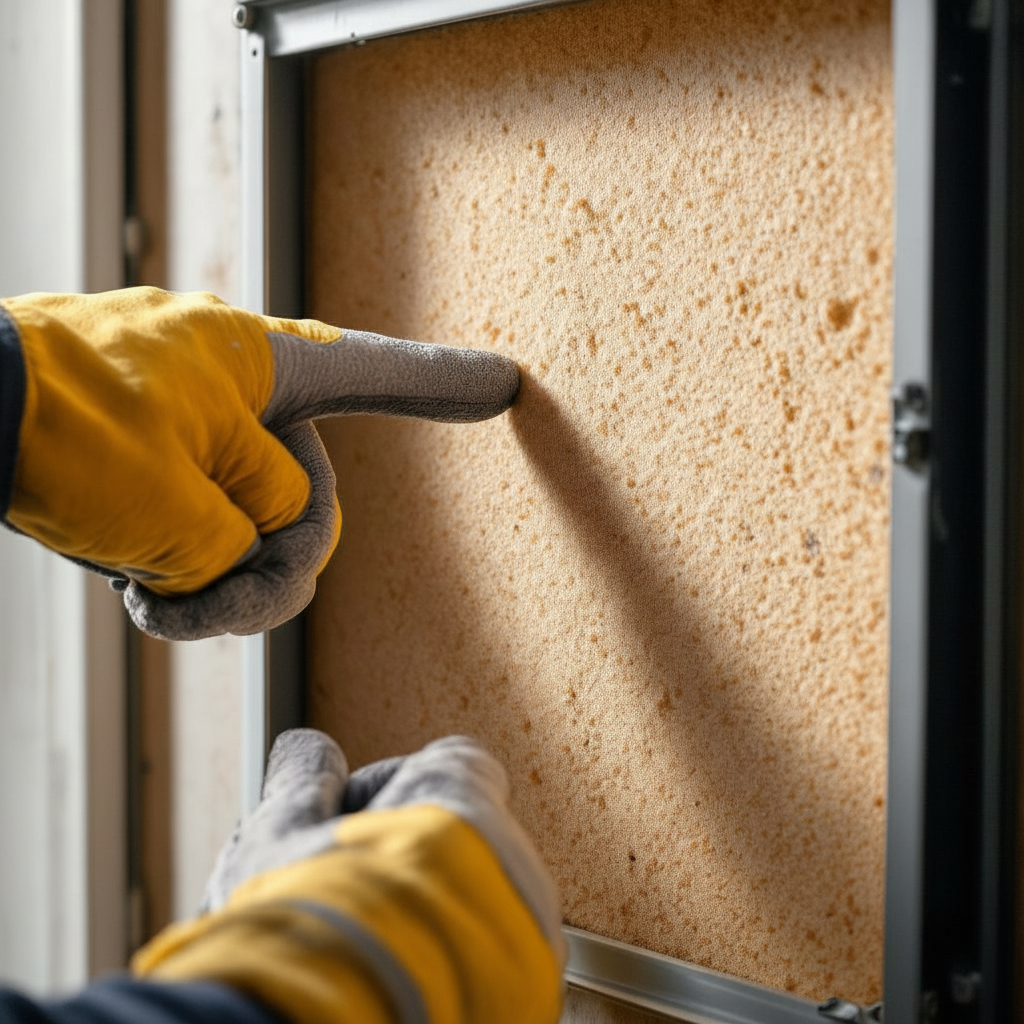
Second recommendation: **ROCKWOOL's fire-resistant insulation board** as panel backing instead of plywood. Plywood burns. Rockwool doesn't (it's rated for temperatures over 2000°F). This upgrade improves fire safety, provides superior weather resistance (doesn't rot or swell), and can potentially lower insurance premiums due to reduced fire risk. Most installers won't mention this option. We do, because it's objectively better protection.
In-Depth Look
Detailed illustration of key concepts
Visual Guide
Infographic illustration for this topic
Side-by-Side Comparison
Visual comparison of options and alternatives
Sources & References
- A Guide to Temporary Power for Construction Site Setups
- Installing Temporary Power Pole - Build Your Own Home
- Step-by-Step Guide: Temporary construction site power - Power Plus
- Temporary Power For Construction Sites: Complete Guide
- Construction Power 101: Getting Set Up the Right Way
- Building Codes, Standards, and Regulations: Frequently Asked ...
- Building Codes and Standards - 101 Guide | ROCKWOOL Blog
- [PDF] Building Codes Toolkit for Homeowners and Occupants - FEMA
- Amazon Best Sellers: Best Architectural Codes & Standards
- ICC - International Code Council - ICC
Frequently Asked Questions
Need Professional Help?
Find top-rated home services experts in your area