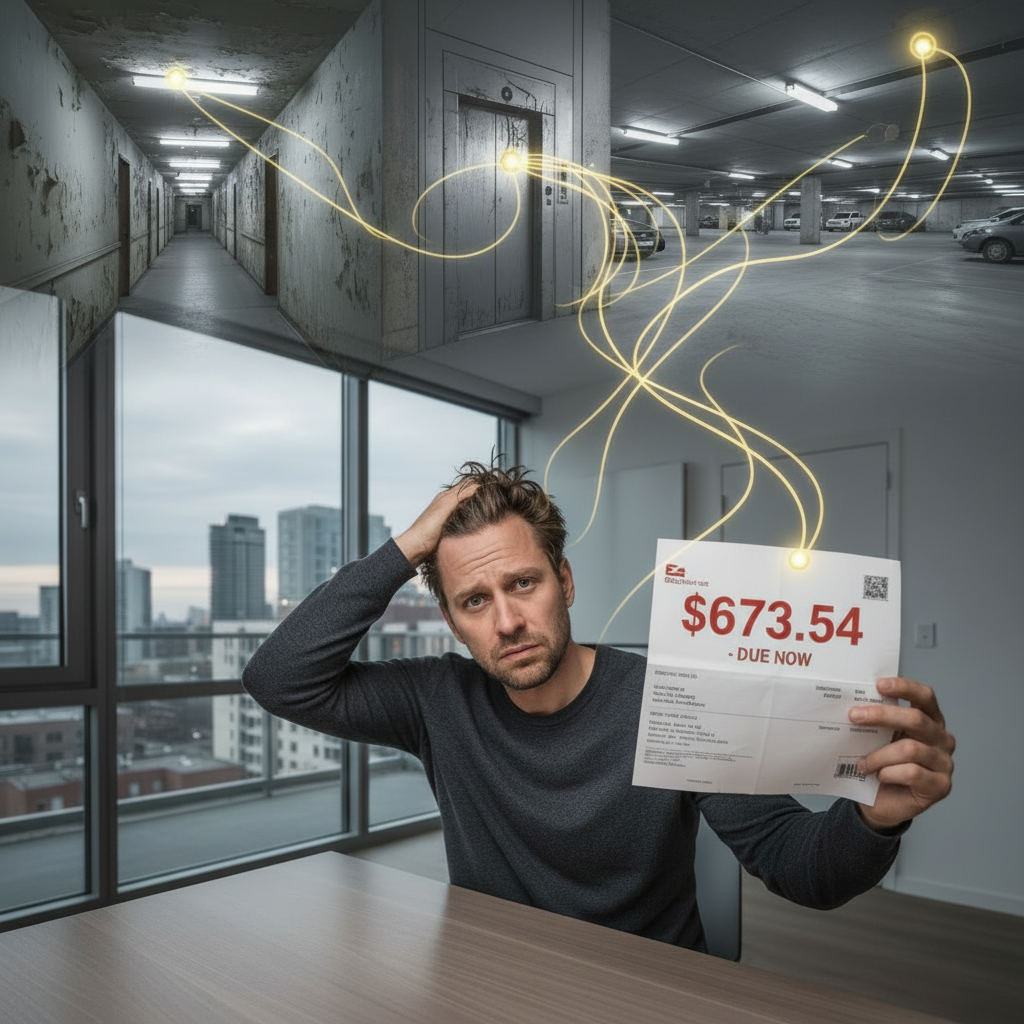
Got a shocking electric bill for your building's common areas? Our expert electrician's guide reveals the hidden energy hogs and provides actionable steps to cut costs with LED upgrades and smart controls.
Key Takeaways
- Identify energy hogs like old common area lighting and elevators to find the source of high costs.
- Upgrade to LED lights and install smart controls like motion sensors for immediate, drastic savings.
- Hire a qualified electrician to perform a professional energy audit and ensure safe, code-compliant work.
BizzFactor Quick Guide
The BizzFactor Standard: Always demand a detailed energy audit before approving major electrical upgrades for your building.
Key Takeaways
The BizzFactor Standard
3 Non-Negotiable Requirements for Elite Workmanship
Licensed & Insured for Commercial Work
Protects the HOA and residents from liability. This ensures the professional is qualified and accountable for all work performed in shared building spaces.
Provides Itemized, ROI-Focused Proposals
A pro explains the 'why' behind the cost, showing projected energy savings and payback periods, allowing for an informed financial decision.
Uses Pro-Grade Diagnostic Tools
Top electricians use tools like Fluke clamp meters to accurately measure electrical loads, not just guess. This ensures the diagnosis is based on data, not assumptions.
High Shared Electric Bills? An Inspector's Guide to Slashing Costs and Boosting Efficiency
Is your multi-unit building stuck with electric bills that make you wince? I've been crawling through electrical rooms for fifteen years now. And honestly? The real culprits usually aren't what you'd think.
Those tired common area systems are bleeding you dry.
Look — look — we're talking ancient lighting that hasn't seen an update since the Clinton administration. Elevators that sound like they're grinding their own gears into dust. Mechanicals that haven't encountered a tune-up in, what, twenty years? I walked through a building in Lincoln Park last month where the hallway fixtures still had the original bulbs from 1997. Not kidding.
At BizzFactor, our certified electrical pros don't just eyeball stuff and guess. We go forensic. A proper, in-depth **energy audit** pinpoints *exactly* where your money's vanishing — then we hit it with surgical upgrades. LED retrofits. Smart controls that actually think. These aren't feel-good greenwashing moves, okay? They're hard-nosed business decisions designed to slash your HOA's operational costs.
I've personally seen buildings cut their common area bills by 40%. That's real money back in the budget.
Look — living in a shared building means splitting expenses. But should you be bankrolling wasted energy due to archaic systems or, worse, accidental energy theft? Hell no. If your building management constantly fights skyrocketing electricity costs, you're in good company. It's a massive, soul-sucking headache that keeps board members up at night wondering where the budget went.
But here's what I tell every HOA board I work with: these costs are totally fixable. Based on years of chasing phantom loads and deciphering confusing utility statements, I've seen the same patterns over and over. With the right strategy, you can wrestle this beast to the ground.
I find savings opportunities in probably 95% of the buildings I inspect. Money that goes back to residents instead of the power company.
Unmasking the Biggest Energy Hogs in Multi-Unit Buildings: A Deep Dive
So where's your money actually going? In most buildings I audit, it's the same three or four culprits. Picture this: lights blazing in empty hallways at 3 AM – not a soul in sight. Elevators grinding away inefficiently. They sound like they're begging for mercy.
Those pressure booster pumps just running in the mechanical room, day and night? Nobody thinks about them.
Here's the deal: you can't fix what you can't see. I pull out my Fluke clamp meter and start tracing circuits, checking overnight loads when the building should be asleep. What I find? The same energy vampires in almost every property. During our inspections, we consistently nail down these usual suspects:
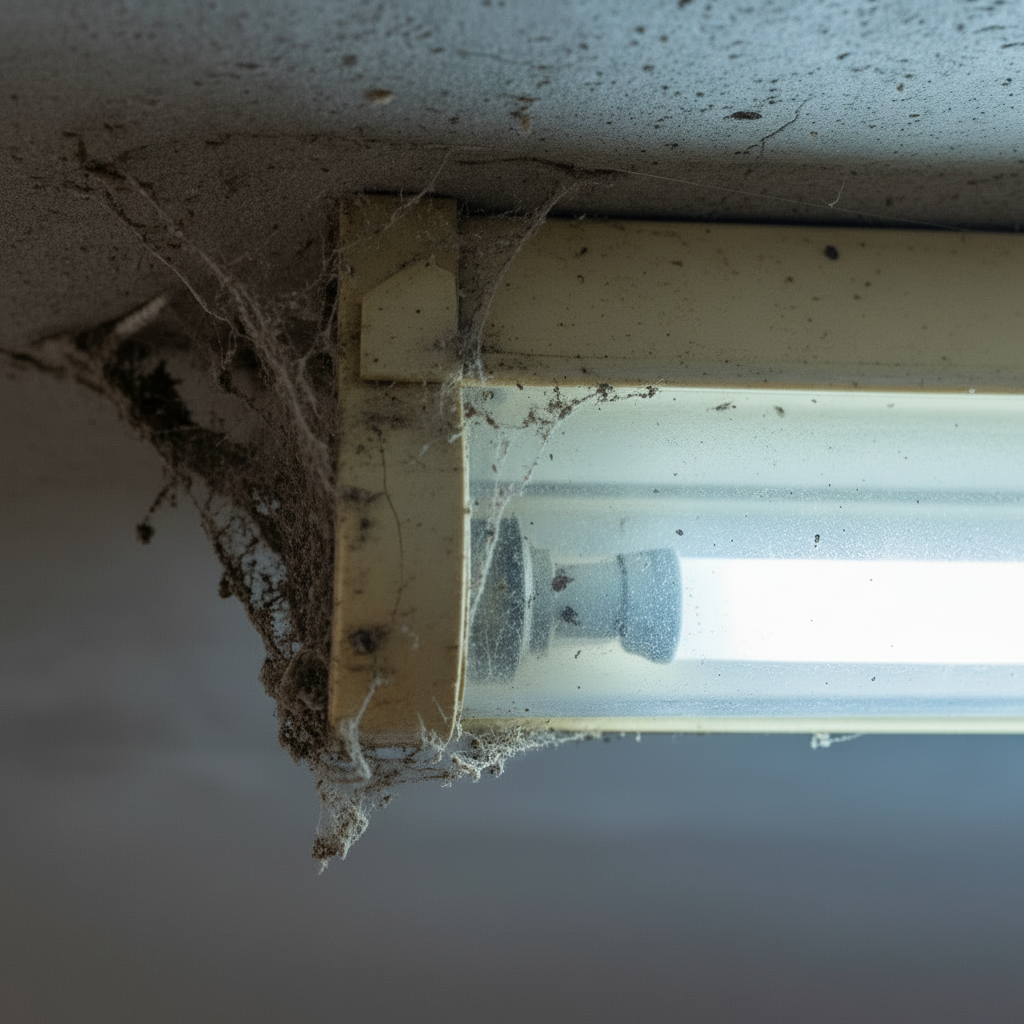
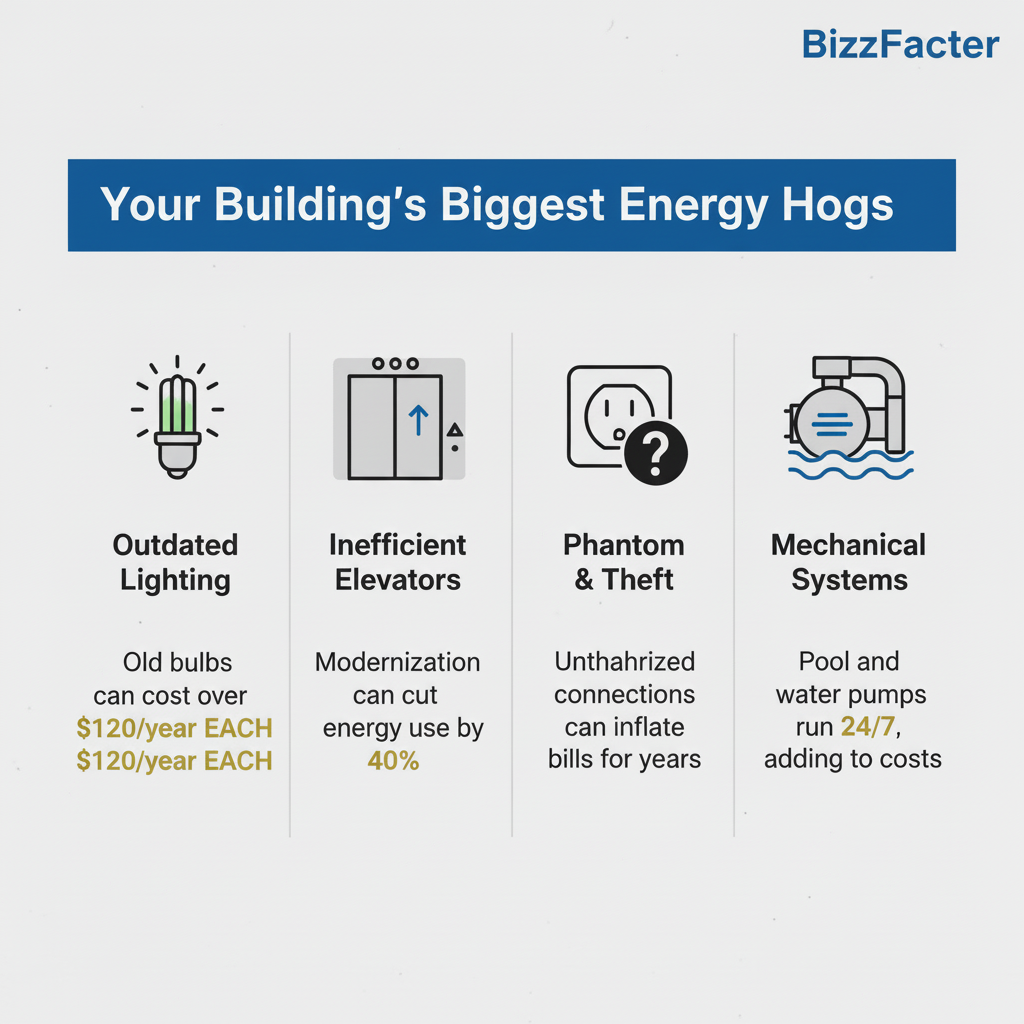
- **Outdated Lighting Systems:** Real talk? If you're still running T12 or T8 fluorescent tubes, antiquated metal halide lamps in parking garages, or incandescent bulbs anywhere in common areas, you're practically setting money on fire. I logged one building's hallway consumption last year — every floor had eight of those old 100-watt incandescents burning 24/7. Quick math: each one costs around $120 annually at Chicago's average rate (we're paying about $0.15/kWh, give or take). That's $960 per floor. This place had twelve floors. You do the math on $11,520 a year just keeping hallways lit with 1980s technology. **Recommendation:** A retrofit to high-efficiency LED fixtures, coupled with lumen rightsizing (more on that later), can cut lighting energy consumption by 60-80%. Maybe more if you're strategic about it.
- **Inefficient Elevator Systems:** Ever stood in an elevator from the '90s and felt the entire car shudder when it starts moving? That motor's working three times harder than it needs to. The old hydraulic systems and traction motors — they just gulp electricity. No VFDs, no regenerative anything, just brute-force mechanical grinding. I tested one in a Wicker Park building that was pulling 47 amps at startup. A modern system with variable frequency drives? Maybe 18 amps for the same load. You're looking at 40% savings, sometimes more. The payback period usually runs 5-7 years, which sounds like forever until you realize the elevator will run for another 30.
- **"Phantom Power" and Undetected Energy Taps:** This one's infuriating. Sometimes homeowners or commercial tenants "accidentally" wire into the common house panel. Air quotes intentional. Without a precise energy audit and circuit-by-circuit analysis using professional-grade equipment, these illicit taps can go unnoticed for *years*. We're talking real money just vanishing into someone's personal workshop, an unauthorized grow operation (yep, seen that in a Buckhead building two years ago), or even just an extra deep freezer in a storage unit. Every single resident pays for it.
- **Unoptimized Mechanical Systems:** Shared laundry rooms where the dryers run hot enough to bake cookies. Pool pumps cycling at full power even when the filter's clean and the pool's half-empty. HVAC keeping your lobby at a crisp 68 degrees in January while people walk through in winter coats. I've seen a parking garage exhaust fan in Evanston that ran continuously for probably eight years straight — didn't matter if there were two cars or twenty down there. All these systems contribute to your electrical load, especially if they haven't been meticulously maintained or equipped with modern controls. You've got to tame these beasts.
- **Exterior and Landscape Lighting:** I pulled up to a building in Evanston last fall — beautiful place, really nice landscaping. Every tree wrapped in decorative lights, pathway lighting every six feet, uplighting on the facade. Gorgeous at night. Problem was, half those lights were still on at noon. The timer was set wrong, nobody'd checked it in probably three years, and the HOA was paying to illuminate trees in broad daylight. We're not talking pocket change here — exterior lighting can run $400-600 monthly if it's poorly controlled. **My fix?** Rip out those ancient mechanical timers (they drift, they fail, nobody remembers how to program them). Install astronomical time clocks that sync with actual sunrise/sunset times and adjust automatically as seasons change. Add photocell sensors as backup. Now your lights only run when it's actually dark outside — not when some timer *thinks* it should be dark. Works perfectly. Set it once, forget about it.
⚠️ Critical Mistake to Avoid: It's Not *Always* Just Inefficient Equipment
So yeah, about those energy audits. The dirty secret? Sometimes your bill's high because somebody screwed up the wiring.
Not because your lights are old.
I once saw a condo complex in Portland's Pearl District — a really nice building, renovated about five years prior — where the main penthouse unit's entire HVAC system had been inadvertently wired into the common house panel during construction. The HOA was literally paying for one owner's year-round climate control: heating in winter, AC in summer. We're talking $180 monthly just for that one unit. For *three years*.
Nobody caught it until we did the audit. That's $6,480 straight from the HOA's budget into one person's pocket.
Before you drop serious cash on fancy new LED fixtures or smart controls, you *must* conduct a rigorous, circuit-by-circuit load test. Use professional-grade clamp meters. Verify every single connection, every breaker, every circuit. This diagnostic work can uncover what we call "accidental energy theft" or cross-wiring — and it's shockingly common, especially in older building conversions or during major renovations.
It's way more cost-effective to identify and fix these foundational electrical errors than to buy expensive upgrades that won't solve the actual problem. For more on ensuring your electrical system is properly configured and safe, check out our guide on [Electrical Safety Inspections](https://bizzfactor.com/electrical-safety-inspections).
Our Pro Recommendation: Precision Tools for Definitive Answers
Here's where I'll sound like a brand snob, but there's a reason. Those cheap plug-in energy monitors from Amazon? Fine for checking your home coffee maker. Useless for commercial diagnosis.
Here's the thing: i've tried everything. DeWalt makes fantastic tools — I've got a drill bag full of their stuff. But for tracking down mystery loads in a 50-unit building with cross-connected panels and decades of DIY "improvements"? You need forensic-grade equipment.
My truck carries three Fluke tools that pay for themselves on every audit: The 376 FC clamp meter logs amperage data I can download and analyze later (caught a maintenance guy running a space heater off the common panel for two winters straight — the amp logs didn't lie). The thermal camera spots problems you can't see — a breaker running 15°F hotter than its neighbors because it's feeding something it shouldn't, weird heat signatures on junction boxes that indicate overloaded circuits. And the T6 electrical tester? That's the one that keeps my guys alive. If it won't test safe, we don't open that panel. Period.
The data doesn't lie, and neither should your inspector.
Expert Insight: The Power of Lumen Rightsizing
Most contractors won't tell you this about LED upgrades. You don't need to match the old wattage.
I walk into common areas that are lit up like operating rooms. Why? Because the original spec probably came from an architect who figured more light equals better safety, or an HOA board member who was worried about liability. So they overbuilt.
Instead of swapping that 100-watt incandescent for a "100-watt equivalent" LED, try a 40-watt or 60-watt equivalent. Measure the existing light levels first (we use a simple lux meter — costs maybe $30). That's the real issue. Then install LEDs that meet actual code requirements, which are usually way lower than what you've got. This "lumen rightsizing" approach? I've seen it slash lighting bills by another 30-50% on top of the LED savings.
You're still code-compliant. Still safe. Just not lighting the place like a prison yard at midnight.
Learn more about optimal lighting solutions in our article on [Commercial Lighting Upgrades](https://bizzfactor.com/commercial-lighting-upgrades).
Dramatic Reductions: Strategies for Common Area Electricity Use Beyond the Audit
Okay, so you've done the audit. You know where the money's going. What now?
Two-part answer. First, rip out the stuff that's actively costing you money every single day. Ancient fixtures. Phantom loads. Cross-wired circuits. Get rid of them.
Second — and this is where most HOAs screw up — you install smart systems that actually respond to how people use the building. Not how the architect thought they'd use it back in 2003.
I can't tell you how many times I've seen brand-new LED fixtures installed with zero controls. Just on all the time. That's like buying a Prius and driving it 90 mph everywhere. You're missing the whole point.
Here's how I'd prioritize the work if you hired me tomorrow:
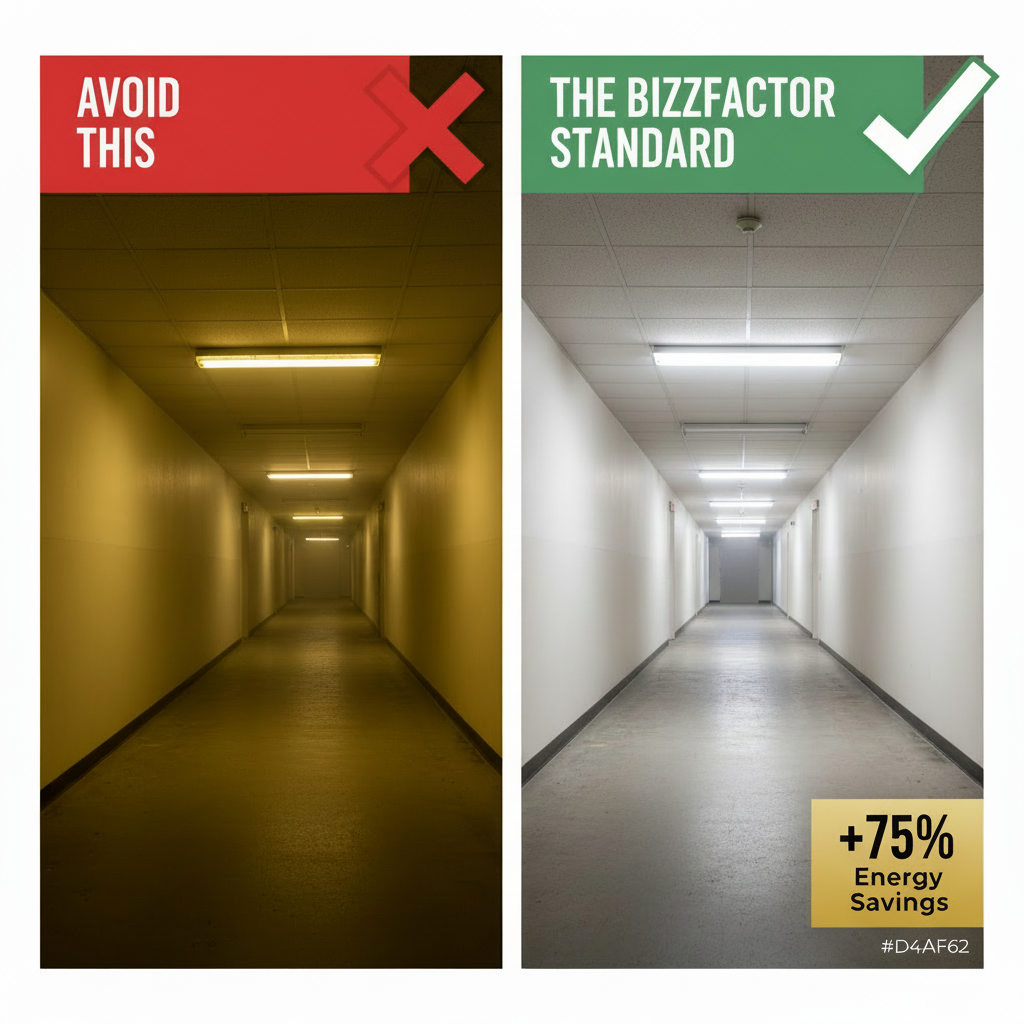
1. **Full LED Retrofit & Lumen Rightsizing:** This is almost always the fastest ROI strategy. You replace an antiquated 4-bulb fluorescent fixture — picture those old 32-watt T8 tubes, totaling 128 watts plus ballast draw. What goes in? A contemporary 40-watt LED fixture that delivers comparable illumination (or better!) using a fraction of the power. Result? Often a 70% reduction in energy usage for that specific fixture. And remember to rightsize — don't overlight.
Now, 2. **Intelligent Control System Installation:** An empty hallway doesn't need stadium lighting. Install controls that actually think:
- **Occupancy/Motion Sensors:** Perfect for stairwells, storage rooms, parking garages — anywhere with intermittent traffic. Lutron and Wattstopper make commercial-grade sensors that'll outlast your next two board presidents. Install them. Watch your bill drop.
- **Photocells and Astronomical Timers:** Your exterior lights should know when the sun's up. Sounds obvious, right? But I still find buildings where landscaping lights run 24/7 because nobody's touched the timer since installation. Astronomical timers adjust automatically for seasonal changes. Install once, forget about it.
3. **Elevator Modernization:** If your building's elevators are over 20 years old, they're probably costing you a fortune in electricity. Modern systems with VFDs and regenerative braking can recover energy during descent and feed it back into the building's electrical system. That's
In-Depth Look
Detailed illustration of key concepts
Visual Guide
Infographic illustration for this topic
Side-by-Side Comparison
Visual comparison of options and alternatives
Sources & References
- Electrician Tips for Reducing Your Home's Energy Bills
- Troubleshooting a High Electric Bill | Ask This Old House - YouTube
- 19 Tips to Lower Your Apartment Electricity Bill - BKV Energy
- How Can You Lower Your Electricity Bill? - Scott The Electrician
- Energy Efficiency Tips from Electricians: How to Lower Your ...
- Best Tool Brand for Electricians 2025: Expert Rankings - Wood Guide
- 35 Essential Electrician Tools Every Pro Needs in 2025
- Essential 2025 Electrician Tools & Safety Warnings (New & Pro Tips!)
- Top 13 Tools for the Best Electricians Tool Kit - RS
- Essential Electrician Tools List For 2025: Guide - Contractor Plus
Frequently Asked Questions
Need Professional Help?
Find top-rated electricians experts in your area