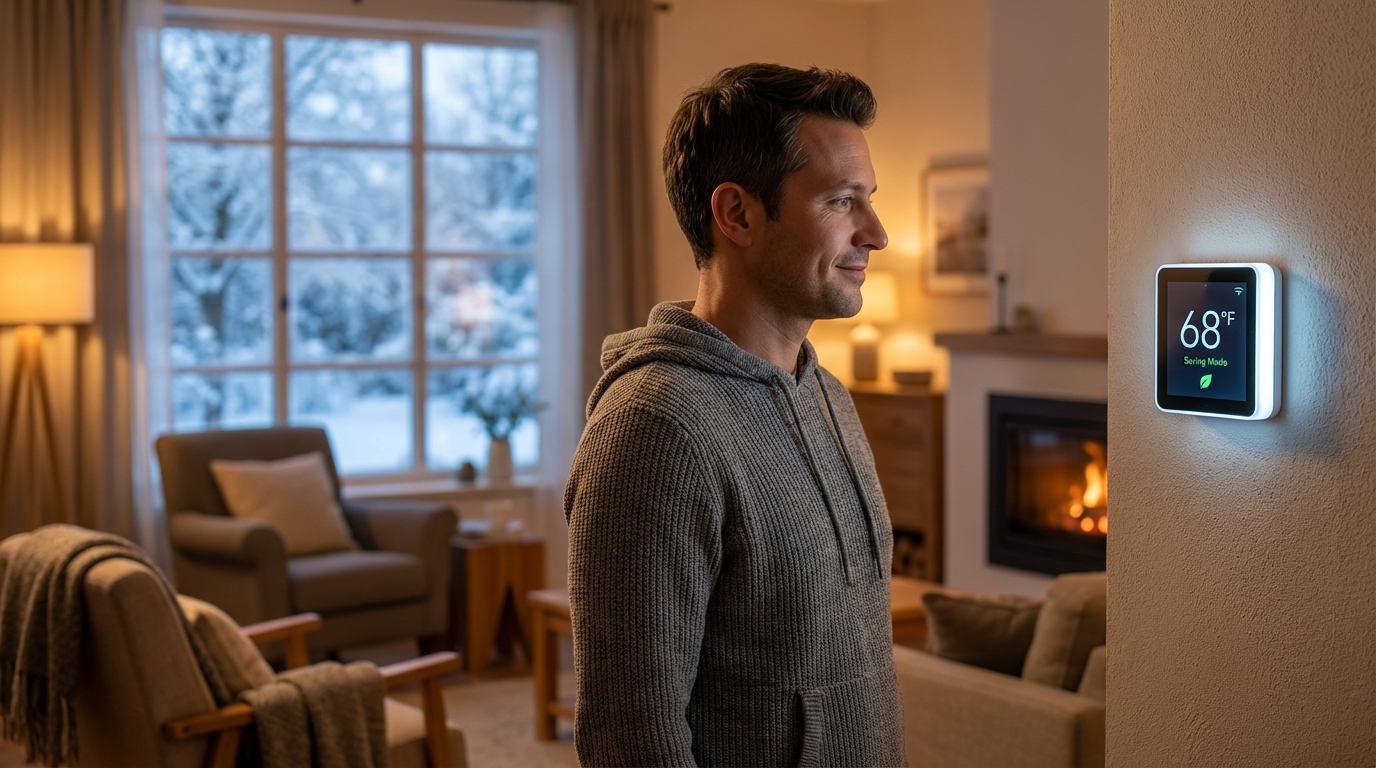
Licensed electricians show you how to cut winter electric bills 30% using proven methods: smart thermostats, LED upgrades, water heater timers & more.
Key Takeaways
Cut Winter Electric Bills 30%: 7 Pro Methods That Work
**Are you looking to significantly reduce your winter electric bills without sacrificing comfort? Discover expert-backed strategies that can slash your energy consumption by up to 30%.**
Many homeowners face the challenge of rising electricity costs during colder months. The good news is that achieving substantial savings doesn't require turning your home into an icebox. By implementing smart, practical methods, you can maintain a warm, inviting environment while keeping more money in your pocket.
This guide will walk you through seven proven techniques, from optimizing your thermostat settings to leveraging advanced home technology, all designed to make a tangible impact on your winter energy expenses. Stop dreading your utility bill and start implementing these effective solutions today.
1. Master Your Thermostat Settings for Peak Efficiency
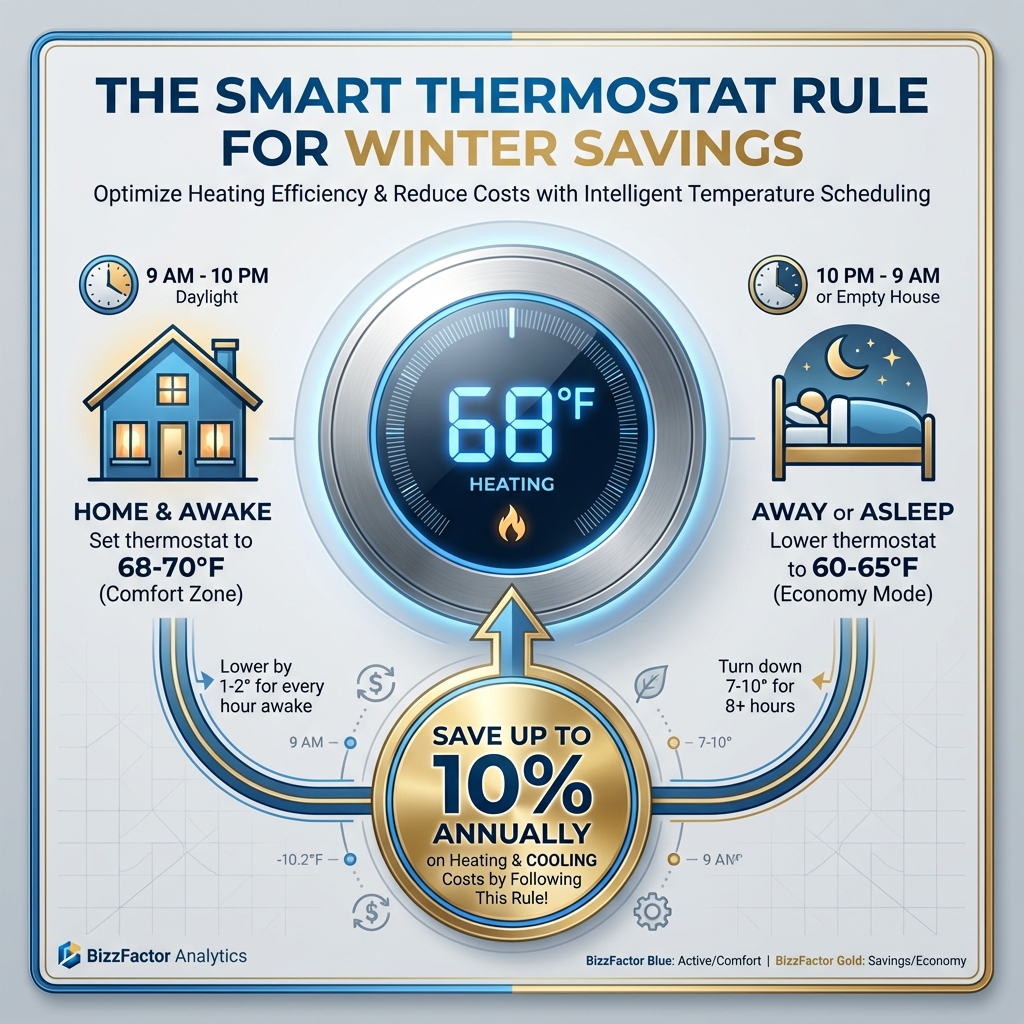
**Optimal indoor temperatures during winter are typically between 68 and 70 degrees Fahrenheit when your home is occupied and you're awake. For periods when you're sleeping or the house is empty, lowering the thermostat to around 60-62 degrees can yield significant savings.**
This seemingly simple adjustment is one of the most effective ways to reduce heating costs. According to the U.S. Department of Energy, you can save as much as 10% a year on heating by turning your thermostat back 7°-10°F for 8 hours a day from its normal setting.
Invest in a Programmable or Smart Thermostat
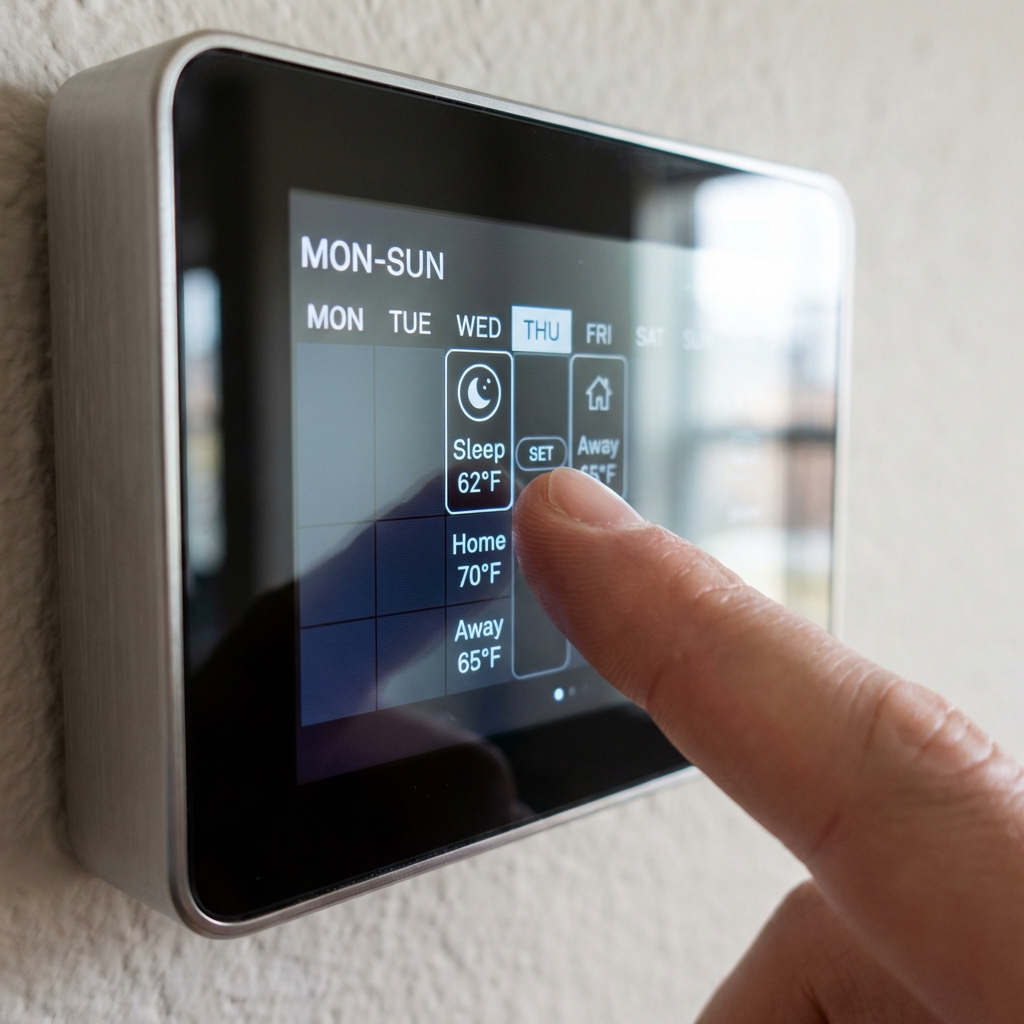
Gone are the days of constantly manually adjusting your thermostat. A [programmable thermostat](/guides/electricians/smart-thermostat-installation-cost) allows you to set a heating schedule that automatically adjusts temperatures based on your daily routine. Even better, a smart thermostat offers enhanced features like learning your preferences, remote control via a smartphone app, and integration with other smart home devices. This automation ensures optimal efficiency without constant manual intervention.
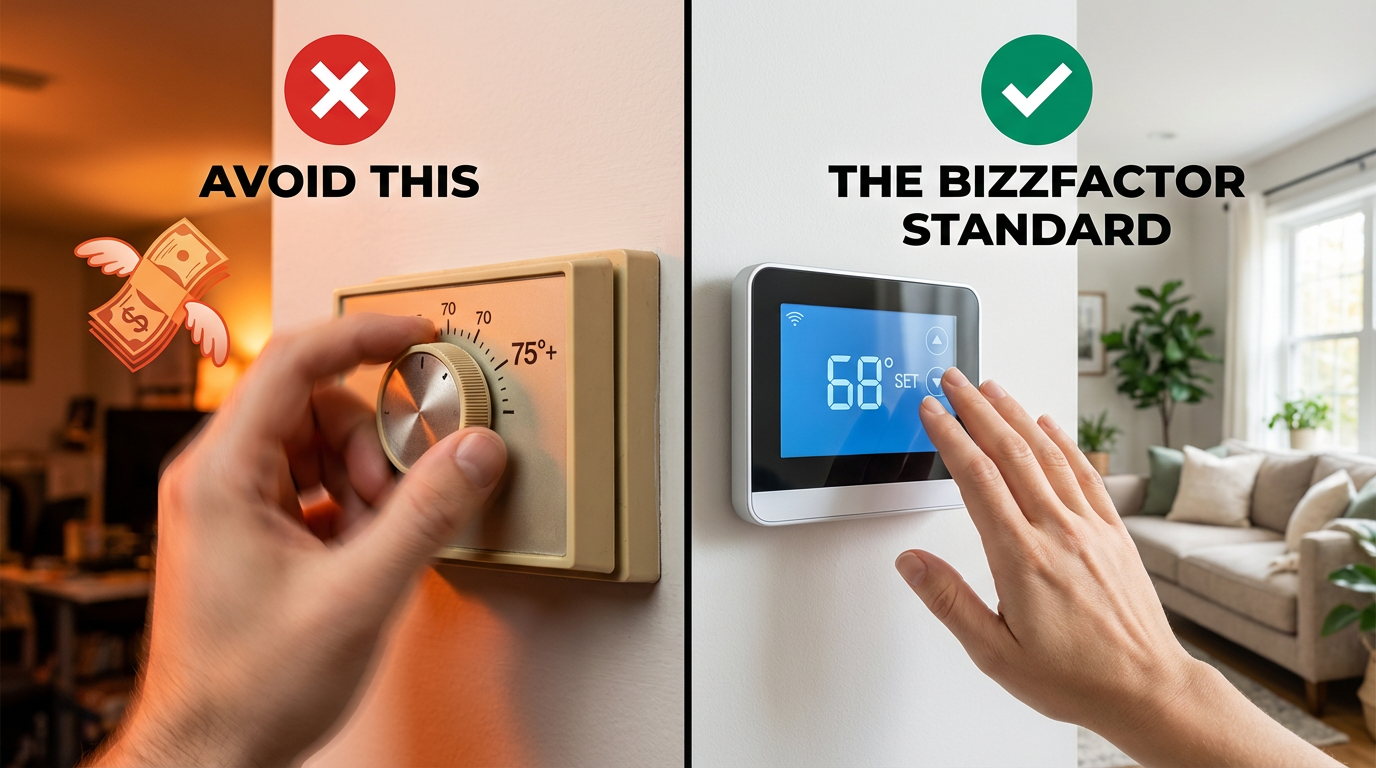
**Pro Tip:** Avoid the common mistake of cranking your thermostat to a very high setting to heat your home faster. This doesn't speed up the heating process; it only ensures your system runs longer and consumes more energy than necessary.
2. Optimize Your Water Heater Settings
Your water heater is a major energy consumer, often overlooked. Most residential water heaters are set to a default of 140°F, which is often unnecessarily high.
**Reducing your water heater's temperature setting to 120°F can cut water heating costs by 4% to 22% annually.** This temperature is still hot enough for comfort and sanitation for most households, while significantly reducing the energy needed to maintain the water temperature.
Consider a Tankless Water Heater
For those looking for a more significant upgrade, a [tankless water heater](/guides/electricians/tankless-water-heater-advantages) heats water only when it's needed, eliminating standby energy losses associated with traditional tank units. While the initial investment is higher, the long-term energy savings can be substantial.
3. Seal Air Leaks Around Your Home
Drafts are silent energy thieves. Cold air infiltration through gaps and cracks can force your heating system to work much harder. Identifying and sealing these leaks is a cost-effective way to improve your home's energy efficiency.
**Common areas for air leaks include:**
- Around windows and door frames
- Electrical outlets and switch plates
- Fireplace dampers
- Attic hatches
- Plumbing and wiring penetrations
- Baseboards and crown molding
**Solutions:**
- **Caulking:** Use for stationary cracks and openings up to 1/4-inch wide.
- **Weatherstripping:** Ideal for sealing movable components like windows and doors. Learn more about [home weatherization techniques](/guides/electricians/home-weatherization-tips).
- **Insulation:** Ensure proper insulation in attics, walls, and crawl spaces. This is crucial for preventing significant heat loss.
4. Maximize Natural Light and Solar Gain
During daylight hours, strategically open curtains and blinds on south-facing windows to allow sunlight to naturally warm your home. This passive solar heating can noticeably reduce the need for your furnace to run.
As evening approaches, close curtains and blinds, especially those with thermal backing, to create an insulating barrier that helps retain heat within your home.
5. Utilize Ceiling Fans in Reverse
Most people associate ceiling fans with cooling, but they can be just as effective in winter. Set your ceiling fan to rotate clockwise at a low speed. This re-circulates warm air that naturally rises to the ceiling, pushing it back down into the living space. This simple trick can make a room feel warmer without having to increase the thermostat setting.
6. Perform Regular HVAC Maintenance
An inefficient heating system works harder and consumes more energy. Regular maintenance is key to ensuring your furnace operates at peak efficiency.
**Key maintenance tasks include:**
- **Replacing air filters monthly:** Clogged filters restrict airflow, making your system work harder.
- **Annual professional tune-ups:** A qualified HVAC technician can clean coils, check components, and identify potential issues before they become costly breakdowns. Consider scheduling your [HVAC maintenance](/guides/electricians/ac-maintenance-tips) before the winter season begins.
7. Upgrade to Energy-Efficient Lighting
While not directly related to heating, lighting still contributes to your overall electricity bill. Replacing incandescent bulbs with LED (Light Emitting Diode) lights can significantly reduce electricity consumption. LEDs use up to 90% less energy than traditional bulbs and last much longer, leading to long-term savings.
By implementing these seven professional methods, you can gain better control over your winter electric bills and enjoy a comfortable, energy-efficient home all season long. Start with the easiest changes and gradually work towards more significant improvements for maximum impact.
In-Depth Look
Detailed illustration of key concepts
Visual Guide
Infographic illustration for this topic
Side-by-Side Comparison
Visual comparison of options and alternatives
Sources & References
- [PDF] winter wonders: staying warm and saving money - NJDEP
- Fall and Winter Energy-Saving Tips
- Top Tips for Reducing Winter Electricity Bills
- How to Conserve Energy: 10 Tips to Save Electricity - EnergySage
- Energy-saving tips to stay warm and cut heating costs this winter
- Energy Saving Tips for Your Home - PSEG
Frequently Asked Questions
Need Professional Help?
Find top-rated electricians experts in your area