Discover 5 essential fire-prevention methods for safe electric home heating. Learn about heat pumps, oil-filled radiators, and ceramic heaters to protect your home.
Key Takeaways
- **Automatic thermal shutoffs:** Prevents the unit from overheating.
- **Tip-over protection:** Automatically deactivates if accidentally knocked over.
- **GFCI compatibility:** Safe for use in areas susceptible to moisture.
- **Silent operation:** Reduces stress on electrical wiring from cycling. Learn more about [GFCI outlets](https://www.bizzfactor.com/gfci-services) and their importance.
Key Takeaways
Safe Electric Home Heating: 5 Essential Fire-Prevention Methods
Guy in Alpharetta called us last February. His daughter's bedroom was 58 degrees. Three space heaters running full blast, breakers tripping twice a night, and he's asking me which heater is "safest."
I didn't sell him a heater.
Look — look — we installed a heat pump, upgraded his panel, and he hasn't touched a space heater since. That's what we mean by *safe* electric heating — it's not about finding the least-dangerous bandaid. It's about doing it right.
What's the Safest Electric Heating Method?
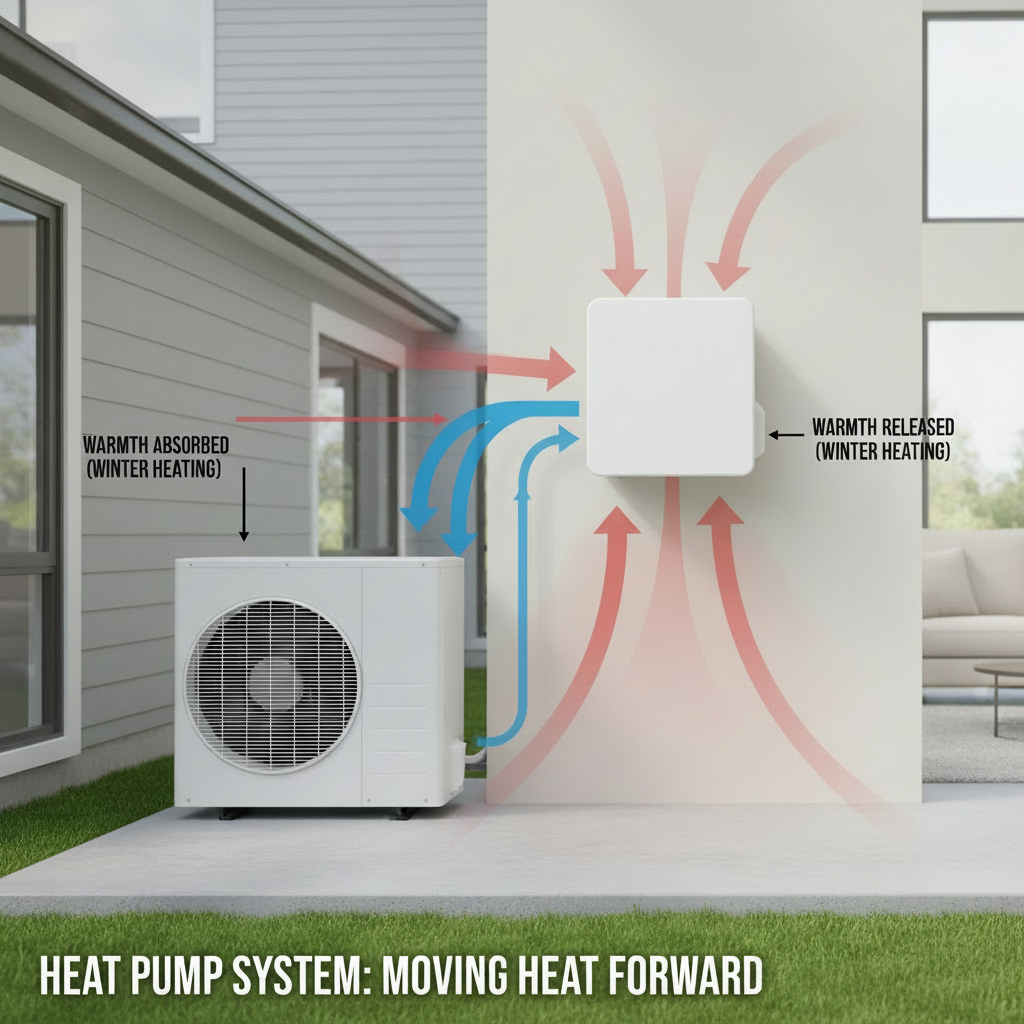
Heat pumps. Full stop.
If you're asking what won't burn your house down, that's where the conversation starts and probably ends. Here's why they're different from those coil heaters your grandma used: no glowing elements. Nothing running at insane temperatures. They just move warm air that's already out there (yeah, even when it's 20 degrees outside — refrigerant physics are weird, don't ask me to explain it).
That's the real issue with resistance heaters. They *create* heat by burning through electricity.
Heat pumps don't do that. Which is exactly why our electricians install these systems instead of telling people to buy more space heaters. For more information on installation, see our [heat pump services page](https://www.bizzfactor.com/heat-pump-installation).
We swapped out six space heaters for one heat pump last month — family in Roswell. Their panel was overheating every single night. Breakers kept tripping. Heat pumps cut power draw by 60% in most cases, which means your electrical system isn't screaming under constant load anymore.
Why Heat Pumps Outperform Other Options for Safety and Efficiency
They don't manufacture heat. That's the whole deal.
A heat pump just grabs warmth that's already floating around outside — even at 20 degrees, there's thermal energy to work with — and moves it inside. Refrigerant does the heavy lifting. It's basically your AC running backwards, which sounds dumb until you realize how efficient that actually is.
What you're NOT getting:
Nothing's glowing red-hot in your house. Your wiring isn't pulling crazy amperage for eight hours straight. And the system itself has multiple layers of shutoffs before anything dangerous happens. These things are engineered to fail safely, which is the entire point.
Also — and this matters — you can't install one yourself. You need a licensed contractor who actually follows NEC standards. That's a feature, not a bug. Means it gets done right the first time.
Pairing heat pumps with smart thermostats like Google Nest? That's where you get proactive prevention of the overheating scenarios that plague older systems.
Are Oil-Filled Radiators a Safe Portable Heating Solution?
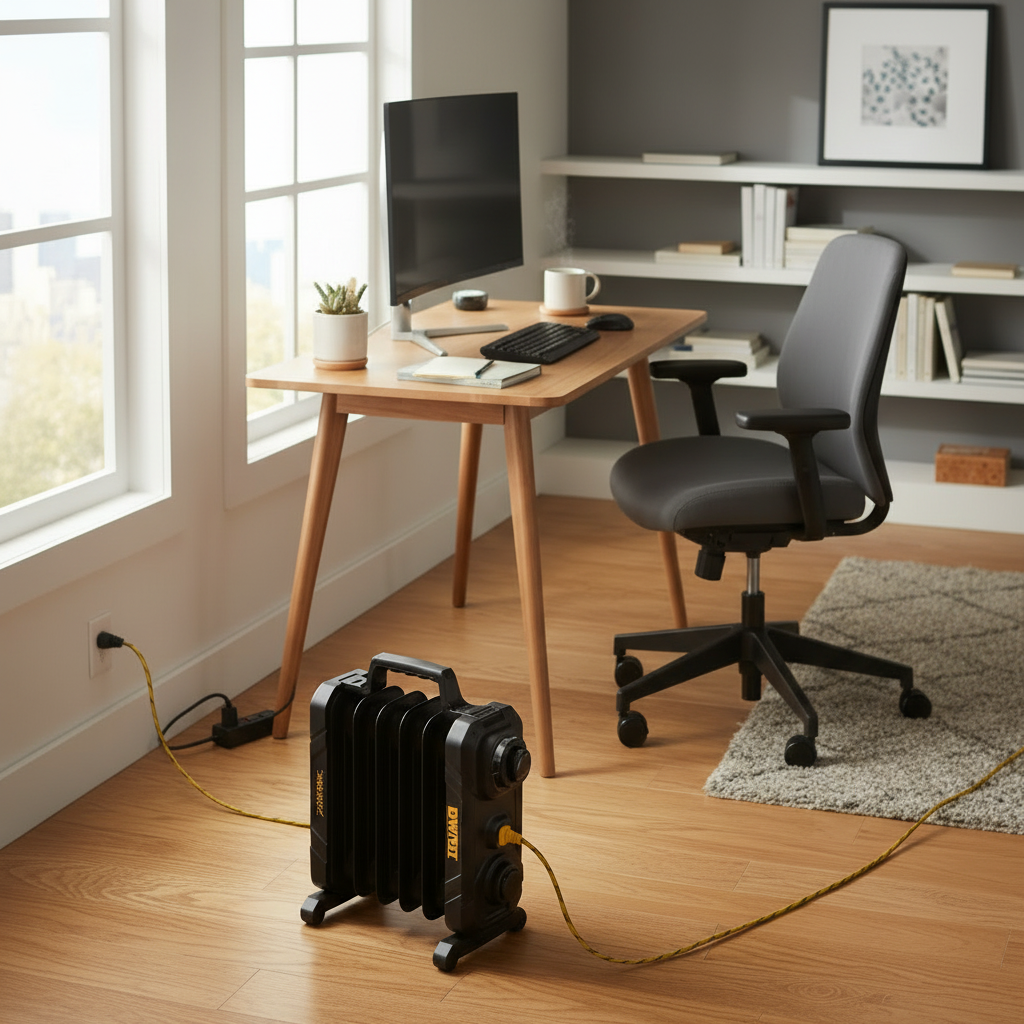
If you're stuck with portable heating — maybe you're renting, maybe you can't swing a full system upgrade right now — oil-filled radiators are probably your best bet. Not perfect. But way better than most alternatives.
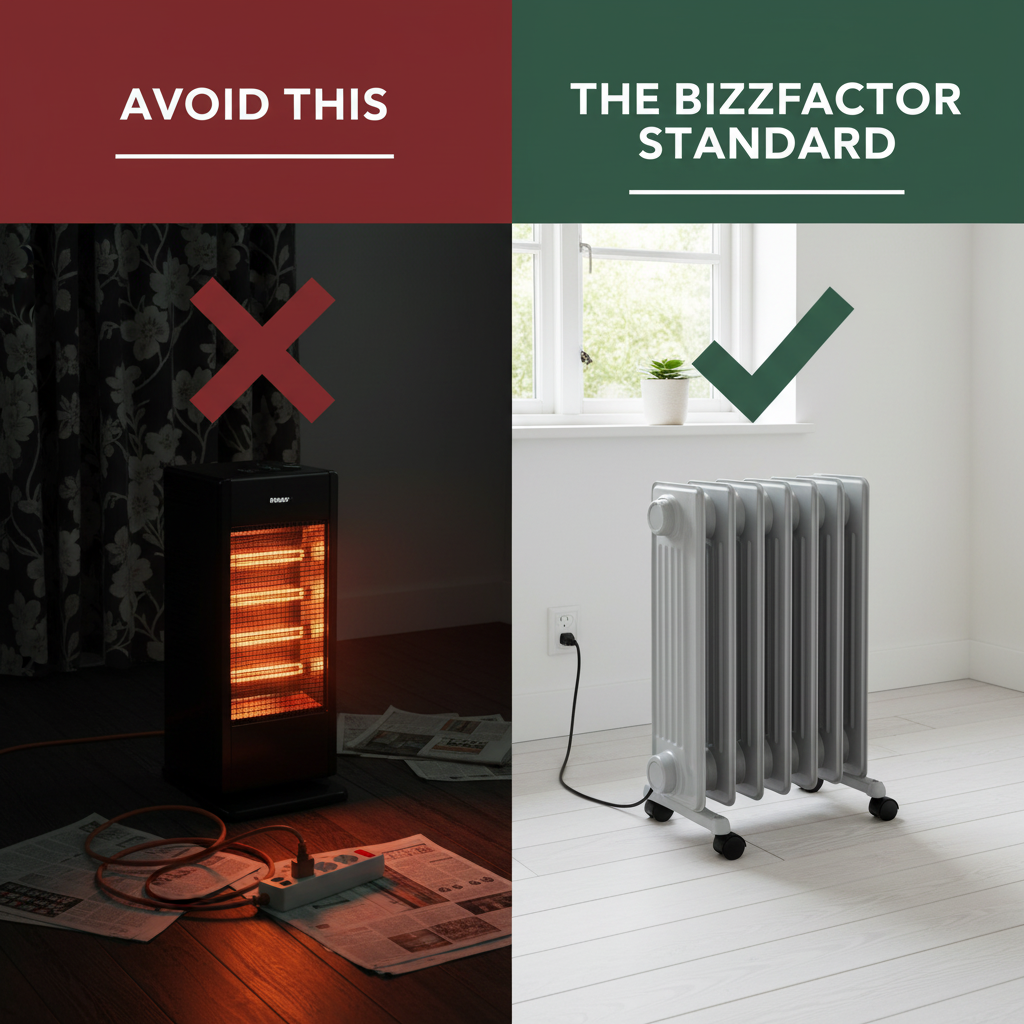
Here's the thing: the big difference? Sealed design. The heating element never touches air directly, which cuts fire risk dramatically compared to those coil heaters everyone's grandparents used. We actually recommend these for bedrooms and home offices when clients need a stopgap solution.
We had a client in Sandy Springs run an oil radiator continuously for three months last winter — checked on it during a routine inspection. Thing never overheated once. Not even warm to the touch on the outside. That's how these work when they're built right.
The Engineering Behind Oil Radiator Safety
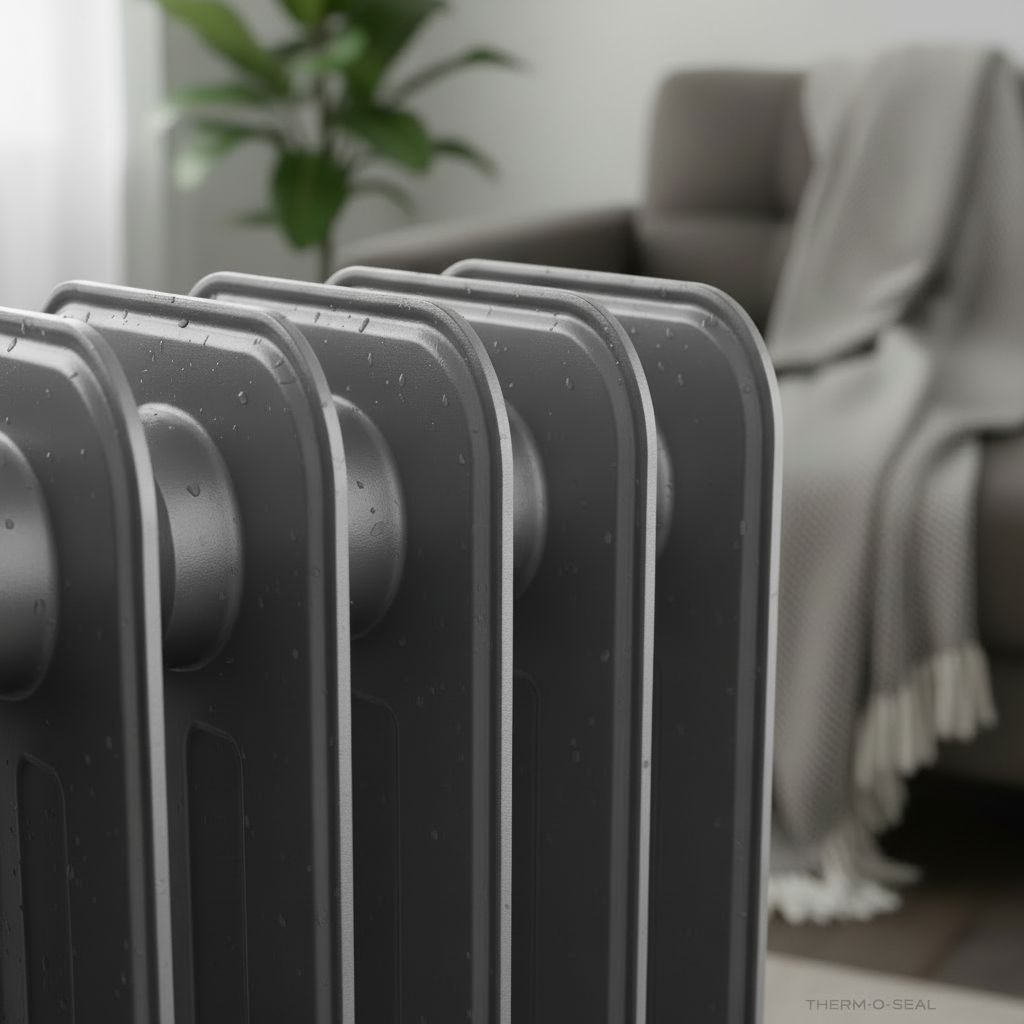
The element heats oil inside a sealed chamber. That oil circulates through metal fins — all those ribs you see on the outside.
What you end up with is even distribution across the whole unit. No single hotspot that'll ignite something three inches away. The entire surface stays warm but not dangerous. DeWalt and similar brands throw in some genuinely useful safety features:
- **Automatic thermal shutoffs:** Prevents the unit from overheating.
- **Tip-over protection:** Automatically deactivates if accidentally knocked over.
- **GFCI compatibility:** Safe for use in areas susceptible to moisture.
- **Silent operation:** Reduces stress on electrical wiring from cycling. Learn more about [GFCI outlets](https://www.bizzfactor.com/gfci-services) and their importance.
When you invest in quality brands, these heaters are remarkably foolproof.
What About Ceramic Tower Heaters: Are They Safe?
Ceramic heaters? They're tricky. Not dangerous if you use them right, but "right" is doing some heavy lifting in that sentence.
They use enclosed ceramic elements that get hot — really hot — but they're designed so the heat doesn't escape and torch whatever's nearby. Keyword: *designed*. In practice, we only give these the green light when they're on a dedicated circuit with GFCI protection and proper clearance.
Now, had a woman in Decatur whose ceramic heater kept tripping breakers. Took us about five minutes to figure out why: she was running it on the same circuit as her hairdryer and coffee maker. That's not a small problem. That's an "eventually something melts" problem. For similar electrical issues, visit our [electrical troubleshooting page](https://www.bizzfactor.com/electrical-troubleshooting).
Enhancing Ceramic Heater Safety
If you're going ceramic, here's what can't be optional:
**Get it on a dedicated circuit.** Not sharing with anything else. This prevents that constant overload situation that melts wires inside your walls.
**GFCI protection in every room you're using it.** Not just bathrooms. Everywhere. Because ground faults don't care about your floor plan.
**Keep three feet of clearance minimum** — we've seen people put these things under desks, next to curtains, behind furniture. Don't.
**Oscillating models spread heat around** instead of cooking one spot constantly, which helps. A little.
While brands like Milwaukee offer commercial-grade ceramic heaters with advanced shutoffs, their plastic housings remain a concern for us in the event of internal component failure.
Are Wall-Mounted Infrared Panels a Safe Heating Option?
Wall-mounted infrared panels are legitimately safe — probably the safest option outside of a full heat pump system — because they're permanently installed and professionally wired. No cords. No tipping over. No amateur hour.
Now, they heat objects directly instead of warming the air, which is weirdly comfortable and doesn't create the air circulation that spreads fire if something goes wrong. Our certified electricians mount these to dedicated circuits every time. Learn more about [electrical panel upgrades](https://www.bizzfactor.com/electrical-panel-upgrades) needed for such installations.
Last autumn, we put six infrared panels in a craftsman bungalow off Peachtree. The homeowners love how the air doesn't get that dried-out feeling you get with forced-air systems. No static shocks, no nosebleeds, just consistent warmth.
Installation Requirements for Infrared Panels
You can't DIY these safely. Here's what proper installation looks like:
Now, we use **Klein Tools for every connection** because loose wiring on a permanent heating system is how houses burn down in slow motion. **Fluke meters verify voltage** before, during, and after — not trusting the breaker label or "it looks fine."
**Mounting to studs, not drywall anchors.** These panels aren't picture frames. They're pulling constant power and can't be flopping around.
**Dedicated circuit every single time.** We don't care if "there's room on the kitchen circuit." There isn't.
The panels themselves stay relatively cool — maybe 200°F max on the surface, compared to 1,000°F+ on an exposed coil heater. That difference alone makes them way less likely to ignite nearby materials if someone forgets and drapes a coat over one.
Which Electric Heating Methods Should You Absolutely Avoid?
Space heaters with exposed coils.
Full stop. We've been to the fires. We've talked to the families. These things run over 1,000°F on the element surface and they'll ignite whatever's nearby — lint, paper, that blanket somebody tossed over the back of a chair — in seconds, not minutes.
Here's what makes them dangerous beyond just "they get hot":
**Exposed coils reaching 1,000°F+** are basically asking to light something on fire. That's not exaggeration — that's measured temperature.
**Plastic housings crack and fail**, especially on cheap units. Once that housing goes, there's nothing between the element and your carpet.
**Internal failures spread fast.** We've investigated fires where the heater itself was the fuel source after an electrical short.
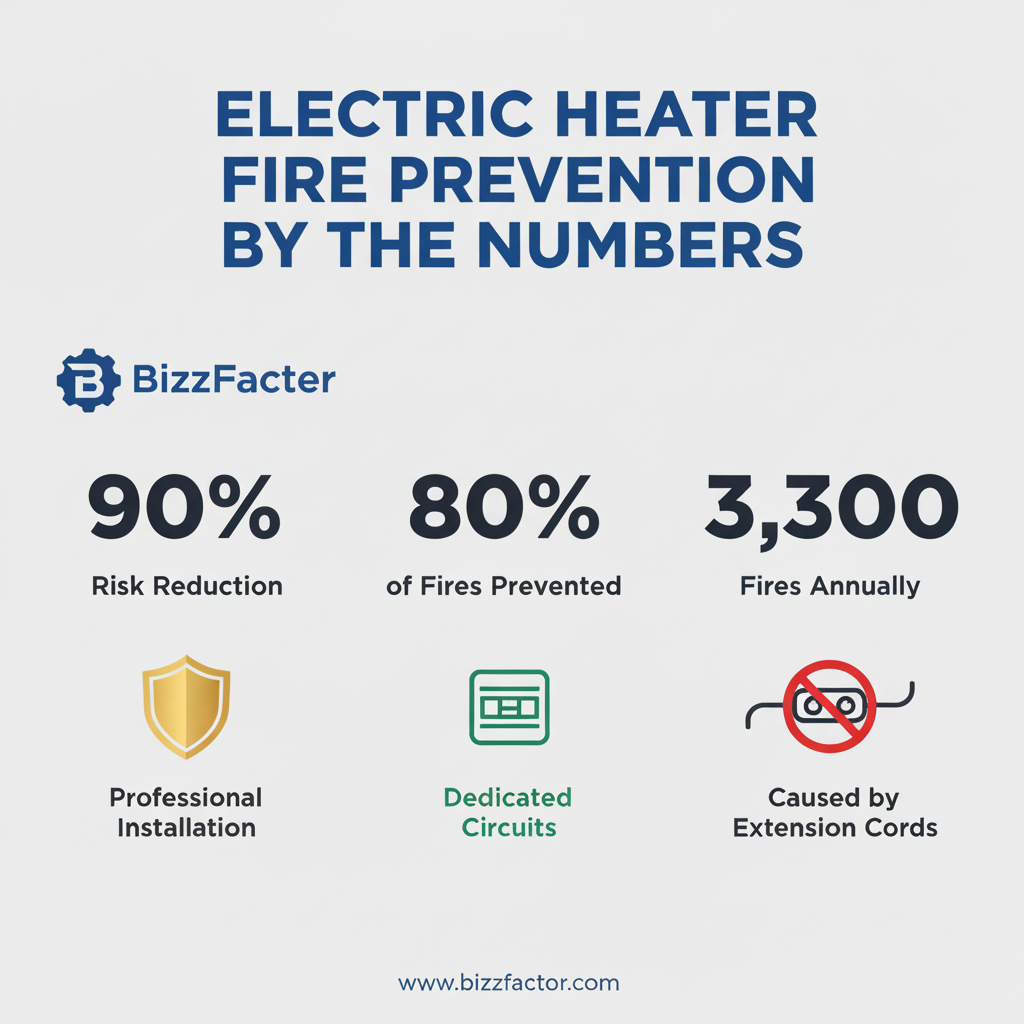
**Extension cord use with these is a code violation** and a fire starter. The cords can't handle the load. They melt. Ask me how I know.
Radiant quartz heaters are similarly risky. Last year, we investigated a fire where a quartz heater ignited curtains, resulting in the family losing their home.
Extension Cords: A Direct Path to Fire Hazards
Don't use extension cords with electric heaters. Period.
The NEC bans it outright. We've seen why. Cords melt at the plug connection when they're carrying 1,500 watts for hours. Not might melt — do melt. We find evidence of this on probably a third of our winter service calls.
The technical problem is voltage drop combined with resistance heating at connection points. The real-world problem is your house burns down. Sometimes with you in it.
How to Determine If Your Electrical System Can Handle Heating Demands?
So — real talk — your electrical system has to actually support whatever you're planning to plug in. We're not being picky here. We check your wiring and panel capacity *before* recommending anything because we'd rather walk away from a job than install something that'll trip breakers every night. Or catch fire. Mostly the fire thing.
Your electrical system from 1967 probably can't handle a modern heat pump without upgrades. That's not a sales pitch (okay, it's a little bit of a sales pitch), but it's mostly just physics. For a comprehensive check, consider our [home electrical inspection services](https://www.bizzfactor.com/electrical-inspections).
Last month, we assessed a 1960s home for a heat pump installation, only to find the electrical panel required a complete upgrade first. Safety is always our primary concern.
Professional Electrical Installation Checklist
When we show up for a heating system evaluation, here's what's actually happening (even if it looks like we're just staring at your breaker box):
**We calculate your total load capacity.** That means adding up everything already running, then seeing if there's headroom for a heating system. Math part. Boring but critical.
**Inspecting existing wiring** — looking for aluminum wiring (common in 1960s-70s homes and a problem), checking insulation condition, finding junction boxes that shouldn't exist.
**Dedicated circuits get installed for anything pulling serious power.** Your heat pump doesn't share a circuit with your microwave. Ever.
**Circuit breakers get sized for the actual load**, not just "whatever fits." Wrong breaker sizing is how you get nuisance tripping or (worse) breakers that don't trip when they should.
**GFCI protection goes in anywhere moisture's a factor** — basements, bathrooms, kitchens. Electricity and water don't mix, and GFCI protection is what keeps that combination from killing someone.
What's the Most Efficient Electric Heating Option?
Heat pumps win this one by a mile. They're hitting around 300% efficiency because they're moving heat instead of generating it from scratch. That's not marketing spin — that's how the physics works when you're transferring existing thermal energy instead of creating it with resistance coils.
What that means for your wallet: most of our clients see their heating bills drop 40-60% after we install a heat pump.
What that means for safety: less electrical strain on your system. Lower fire risk. Fewer breaker trips. Less chance something overheats inside your walls where you can't see it.
Smart Controls Optimize Both Efficiency and Safety
Smart thermostats aren't just about convenience (though being able to adjust temperature from your phone is nice). They actually make your system safer by preventing the kind of runaway heating scenarios that stress electrical components.
A Nest or Ecobee learns your patterns and adjusts automatically — which means your system isn't running full-blast unnecessarily. Less runtime equals less wear on wiring, breakers, and the heating equipment itself. These devices also alert you to potential problems before they become fires.
We installed a Nest in a Marietta home last year where the old thermostat was stuck and had been running the backup heat strips constantly for three days. The homeowner didn't even notice until their power bill arrived. A smart thermostat would've flagged that immediately.
The efficiency gains are real — usually around 10-15% just from smarter scheduling. But the safety monitoring is what makes these worth the investment for us.
In-Depth Look
Detailed illustration of key concepts
Visual Guide
Infographic illustration for this topic
Side-by-Side Comparison
Visual comparison of options and alternatives
Sources & References
- 13 Ways to Keep Your House Warm This Winter
- How to Keep Your House Warm in 2025 - Popular Mechanics
- Simple Steps to Keep Your Home Warmer This Winter
- Winter Electrical Safety Tips: Keep Your Home Safe & Warm
- Best Tool Brand for Electricians 2025: Expert Rankings - Wood Guide
- Top 20 Essential Electrician Tools for Pros (2026 List) - Workiz
- Essential 2025 Electrician Tools & Safety Warnings (New & Pro Tips!)
- 35 Essential Electrician Tools Every Pro Needs in 2025
- Top 13 Tools for the Best Electricians Tool Kit - RS
Frequently Asked Questions
Need Professional Help?
Find top-rated electricians experts in your area