Electrical failure? Our expert guide shows you what to do. Learn safety steps for outages, burned outlets, & why a tripping breaker is a warning sign. 24/7 pro help.
Key Takeaways
- Visible scorch marks or noticeably melted plastic.
- A distinct, pungent burning or acrid odor.
- Popping or sizzling sounds emanating from the outlet.
- Plugs feel loose or disconnect effortlessly.
- An inability to furnish a current, verifiable electrical license number.
Key Takeaways
Electrical Failures: Your Ultimate Safety Guide & Emergency Action Plan
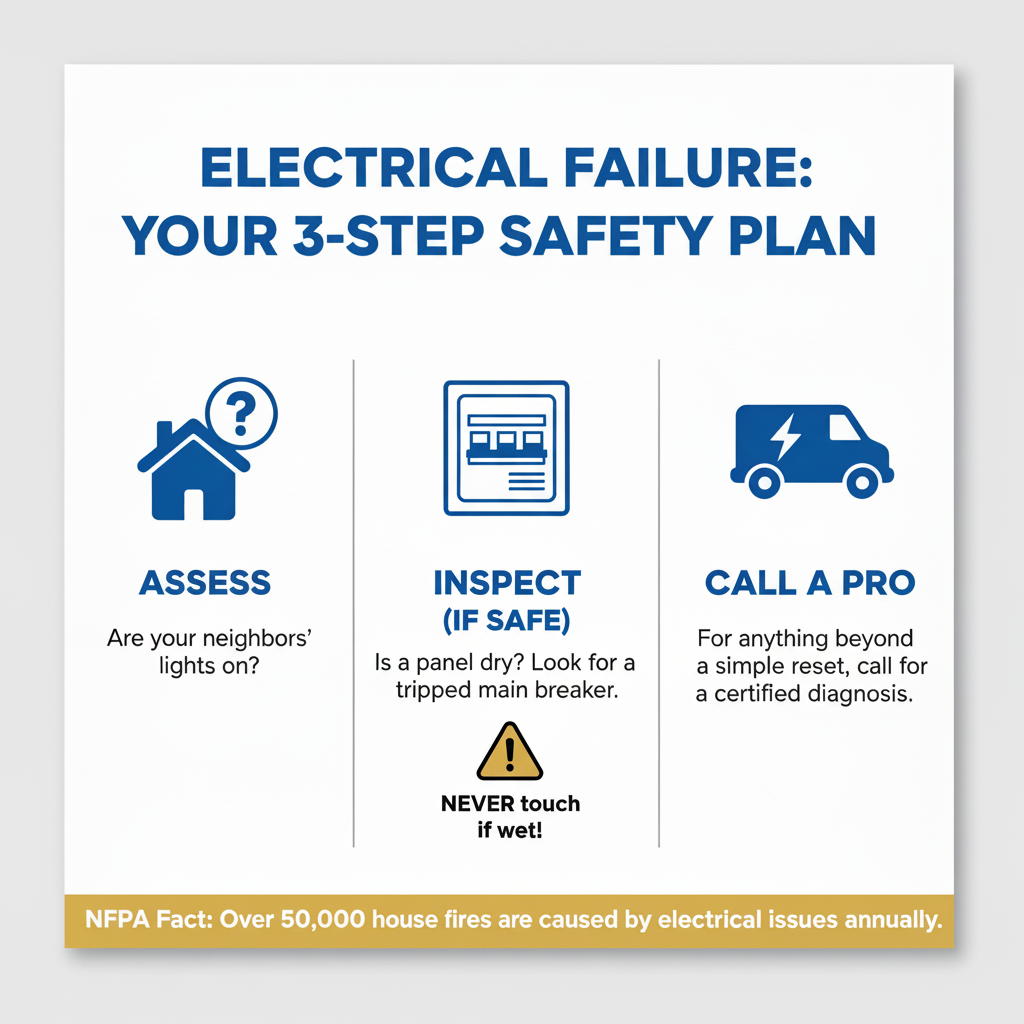
Electrical system failures can escalate into dangerous situations rapidly. It's a common反应 for homeowners to panic, often leading to critical mistakes. At BizzFactor, our certified electricians respond to over 200 emergency calls annually, giving us firsthand insight into effective responses and potential pitfalls. If your power unexpectedly goes out, prioritize these three actions: safely shut off the main breaker, attempt to identify the source if safe, and contact a licensed professional for anything beyond a simple reset.
Understanding a Tripped Circuit Breaker: More Than Just an Annoyance
A circuit breaker trip is your home's integrated safety mechanism, specifically designed to avert electrical fires or electrocution. This occurs when the breaker detects an excessive electrical overload, a short circuit, or a ground fault. It instantly interrupts the power supply to that specific circuit, safeguarding your property and its occupants.
Consider your electrical panel the central command for your home's electricity. Each breaker acts as a protective guard for a designated zone. When one of these guards senses an unmanageable power draw—such as simultaneous operation of a blender, toaster, and microwave—it cuts power before wires can overheat. This isn't an error; it's the system functioning precisely as intended.
However, persistent tripping indicates an underlying issue. We recently encountered a home where the owner habitually reset a garage breaker. The root cause was frayed wiring, chewed by a rodent, leading to a hazardous short circuit every time the lights were activated. A constantly tripping breaker is an undeniable warning sign.
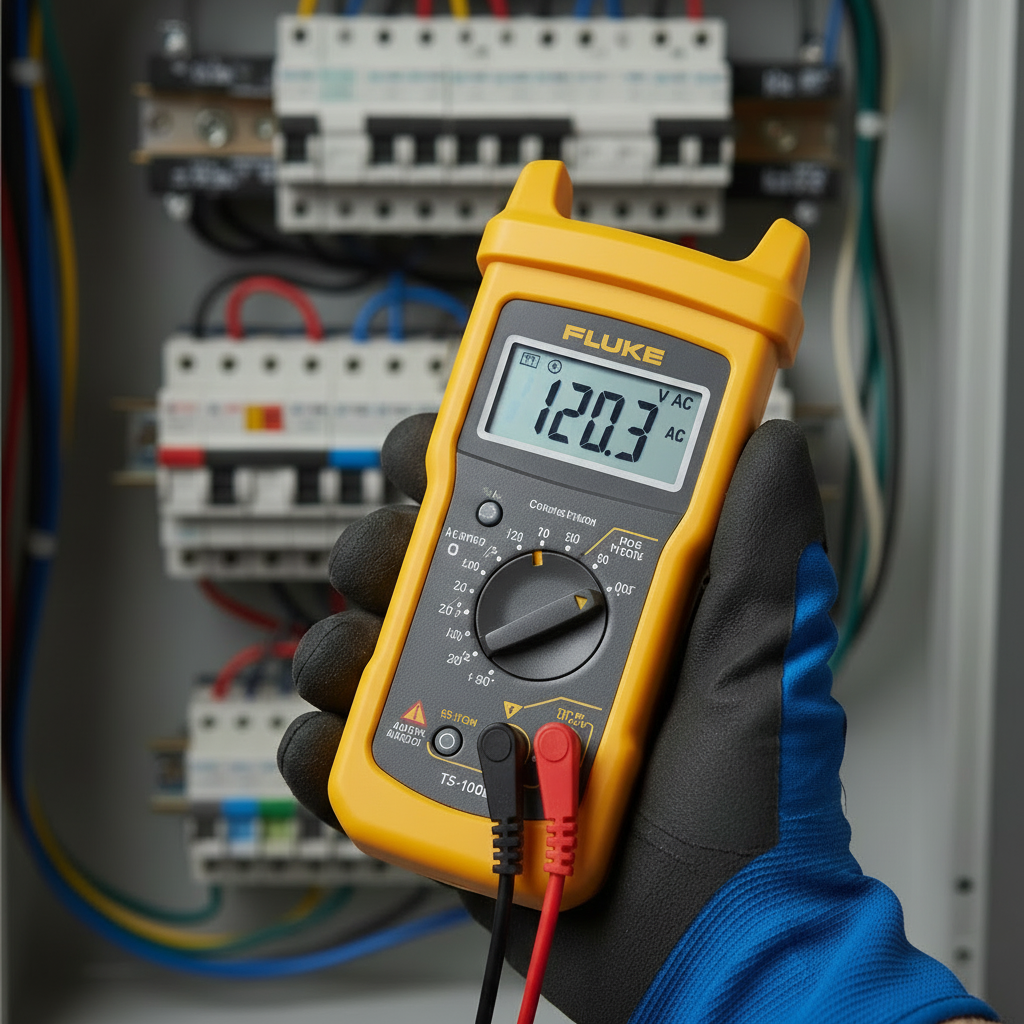
While many homeowners resort to basic hardware store multimeters, our licensed technicians exclusively utilize professional-grade tools like calibrated Fluke T5-1000 testers. Why? Because accurate readings are paramount when working with live circuits, ensuring uncompromised safety and precise diagnosis. For detailed information on electrical safety, refer to our guide on [Electrical Panel Safety](/blog/electrical-panel-safety).
Navigating a Complete Power Outage
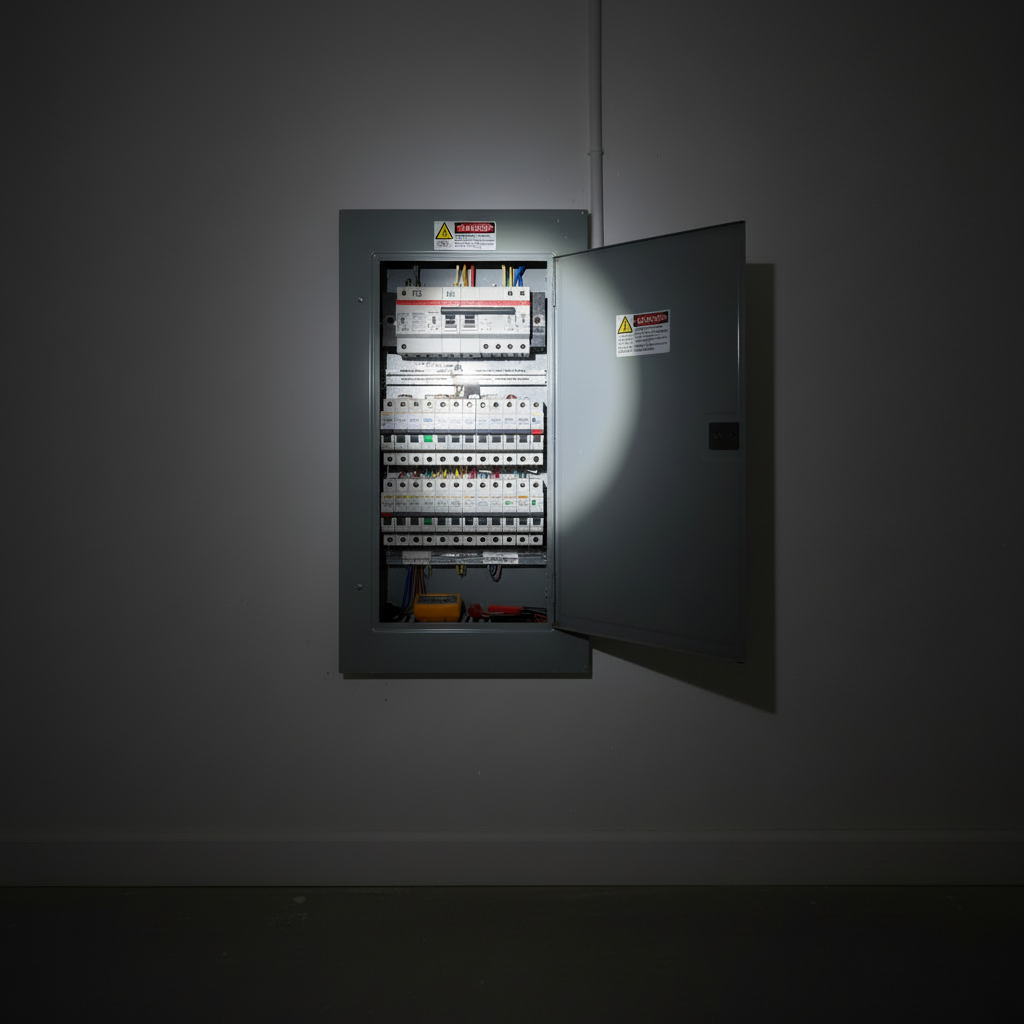
Should your entire home suddenly lose power, your initial step is to check if neighboring properties are also affected. If your neighbors retain power, the issue likely originates within your home, typically involving your main breaker. Proceed to your main electrical panel, but only if the area is completely safe and dry. **Never approach or touch an electrical panel if there's any presence of water.**
If your neighbors have power but you don't, grab a flashlight and head to your main electrical panel. Locate the main breaker—usually a larger, distinct switch positioned at the top. Is it in the "OFF" position or wedged in an intermediate state? If it has tripped, a specific reset procedure must be followed. Randomly forcing it back "ON" can be dangerous.
**Critical Point:** If you observe any moisture near your panel or are standing on a damp surface, immediately stop. Do not touch any components. First, contact your utility company to rule out any wider grid issues. If they confirm the problem is isolated to your property, contact BizzFactor's 24/7 emergency team without delay. Our professionals are equipped with insulated Klein Tools and appropriate personal protective equipment (PPE) to diagnose the issue safely, eliminating the risk of electrocution. For more on emergency services, see our [24/7 Electrician Services](/services/24-7-electrician-services).
Addressing a Partial Power Outage
A partial power outage, characterized by dead outlets or appliances in only one room or a specific area, virtually always points to a tripped individual circuit breaker. This most often stems from an overloaded circuit (too many devices drawing power) or a single faulty appliance causing a short.
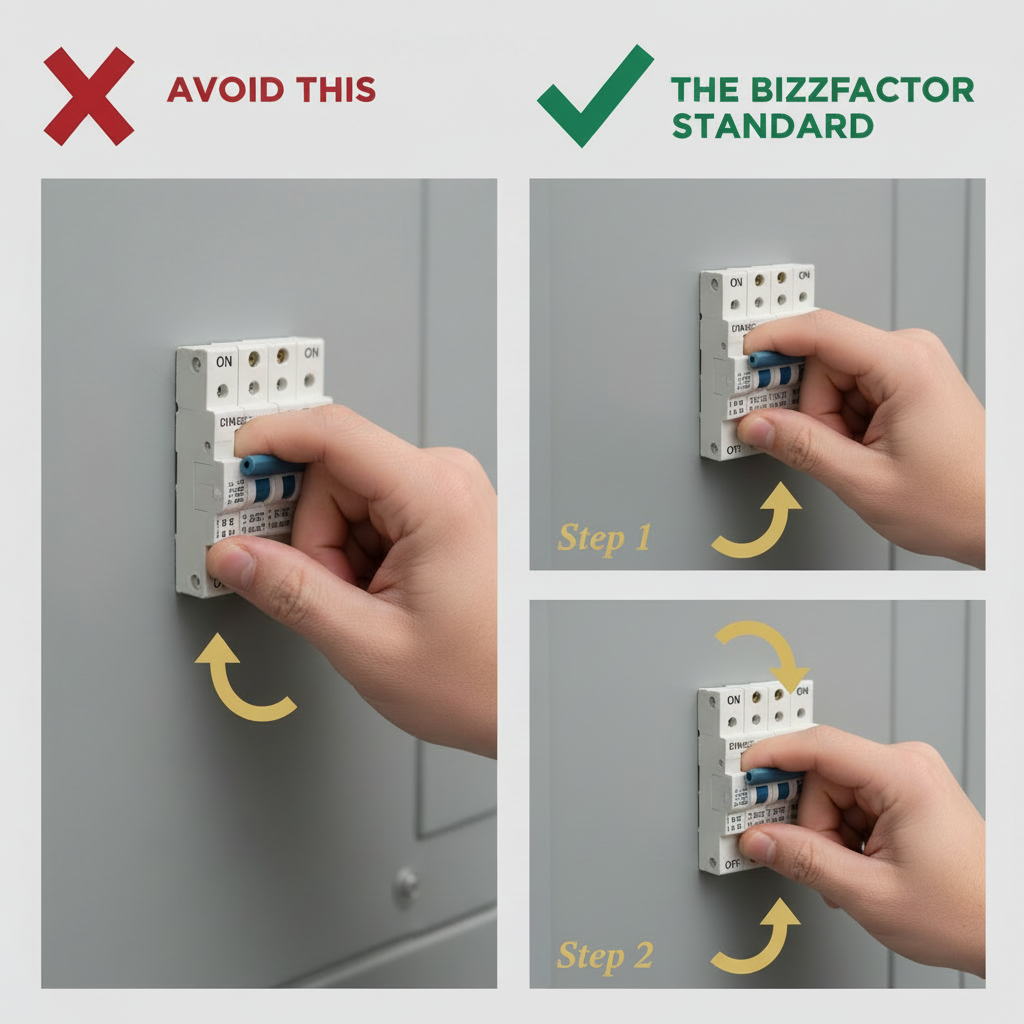
First, pinpoint which areas or devices are without power. Is it a lamp? The television? Next, proceed to your breaker panel and identify the circuit switch that is visibly out of alignment with the others. To correctly reset it, you **MUST** first push it firmly to the "OFF" position before flipping it back to "ON." Merely nudging it will not complete the reset.
If the breaker trips again immediately, you have an ongoing problem. Unplug every device on that circuit. Reset the breaker one more time. If it remains on, you can begin plugging appliances back in, one by one. Here’s what seasoned professionals understand that DIY guides often omit: a malfunctioning coffee maker or an aging power strip accounts for approximately 80% of such issues. Have you identified the problematic appliance? Great. However, if the breaker trips even with nothing plugged in, the fault lies within the circuit's wiring. This is a definitive sign to [Call a Professional Electrician](/contact-us).
⚠️ Critical Reset Protocol for Main Breakers
If your main breaker trips, **never** simply flip it back on. This action can induce a dangerous power surge or an arc flash. Our seasoned professionals meticulously follow a strict safety sequence every single time:
1. **Switch OFF every single individual circuit breaker** within the panel. Yes, all of them.
2. **Reset the main breaker** to the "ON" position. It should now remain in place.
3. **Turn the individual circuit breakers back on one by one**, pausing momentarily between each activation.
While this process requires an extra minute, this crucial step is vital for preventing potential panel fires and ensuring overall home safety.
Confronting Burned Outlets or Flickering Lights
A burned, sparking, or discolored electrical outlet is a severe fire hazard demanding immediate professional intervention. The common culprit is often a loose wire connection behind the outlet, generating intense heat that can readily ignite the surrounding structural wood of your home. **Do not touch it.**
What are the clear warning signs of a failing outlet? They are typically quite evident:
- Visible scorch marks or noticeably melted plastic.
- A distinct, pungent burning or acrid odor.
- Popping or sizzling sounds emanating from the outlet.
- Plugs feel loose or disconnect effortlessly.
Upon noticing any of these indicators, immediately go to your electrical panel and shut off power to that specific circuit. Do not under any circumstances use that outlet again until one of our background-checked, certified technicians has replaced it. We exclusively utilize high-quality, commercial-grade components from reputable brands like Leviton or Hubbell, ensuring durability and safety far superior to generic, low-cost alternatives. Learn more about [Outlet Repair and Replacement](/services/outlet-repair-replacement).
When Professional Electrical Assistance is Absolutely Essential
It is imperative to contact a licensed electrician for any electrical issues that extend beyond a straightforward breaker reset. This includes symptoms such as burning smells, visible sparks, recurring breaker trips, or any repair involving exposed wiring. Electrical work is too critical to be a DIY weekend project.
Before allowing any individual to work on your electrical system, always request verification of their license and insurance. This is a non-negotiable step. A reputable, legitimate contractor will readily provide this documentation. At BizzFactor, every technician is fully licensed, comprehensively insured, and utilizes advanced management software like ServiceTitan to meticulously document all work with photographic evidence and detailed notes, providing you with a complete, transparent record.
Be mindful of these common red flags:
- An inability to furnish a current, verifiable electrical license number.
- Demanding full cash payment upfront.
- Employing high-pressure tactics, such as offering a "today only" price.
- Arriving in an unmarked vehicle without professional branding or specialized equipment.
Always trust your instincts. A true professional will offer a clear explanation of the problem, outline a precise solution, and provide transparent, upfront pricing before any work commences.
Your Emergency Safety Checklist: Act Fast, Stay Safe
If you detect smoke or see sparks originating from an outlet or panel, or smell something burning, your absolute highest priority is safety—of yourself and your family. Not your home, not your possessions.
1. **Evacuate everyone from the house immediately.**
2. **Call 911** from a safe location, well away from the house.
3. If it is possible to do so safely and without directly approaching the danger zone, attempt to shut off the main breaker as you exit.
4. **Never use water on an electrical fire.** Only use a fire extinguisher specifically rated for Class C electrical fires.
Our emergency response team is available 24/7 because electrical emergencies do not adhere to business hours. The cost of a professional, timely repair is minuscule compared to the devastating potential cost of an electrical house fire. Never hesitate to call.
In-Depth Look
Detailed illustration of key concepts
Visual Guide
Infographic illustration for this topic
Side-by-Side Comparison
Visual comparison of options and alternatives
Sources & References
- Standards & Best Practices - Electrical Safety Foundation International
- Electrical - Overview | Occupational Safety and Health Administration
- A Comprehensive Guide to Workplace Safety for Electricians
- 10 Electrical Safety Tips for Customer & Electrician Safety
- The Ultimate Guide to Handling Electrical Failures
- Best Tool Brand for Electricians 2025: Expert Rankings
- Best Electrician Tools Brand Guide
- Top 15 Essential Electrician Tools for Pros - 2025 List
- Essential 2025 Electrician Tools & Safety Warnings (New ...
- Essential Electrician Tools List For 2025: Guide
Frequently Asked Questions
Need Professional Help?
Find top-rated electricians experts in your area