Learn electrical inspector certification requirements, credentials, and when inspections are mandatory. Expert guide to choosing qualified inspectors in 2024.
Key Takeaways
Electrical Inspector Certification & What They Check: 2024 Guide
Navigating electrical work can be complex. Understanding an electrical inspector's role and what they examine is crucial for ensuring safety, compliance, and even saving you money in the long run. This comprehensive guide, updated for 2024, demystifies the inspection process, helping homeowners and contractors prepare effectively.
The Role of an Electrical Inspector
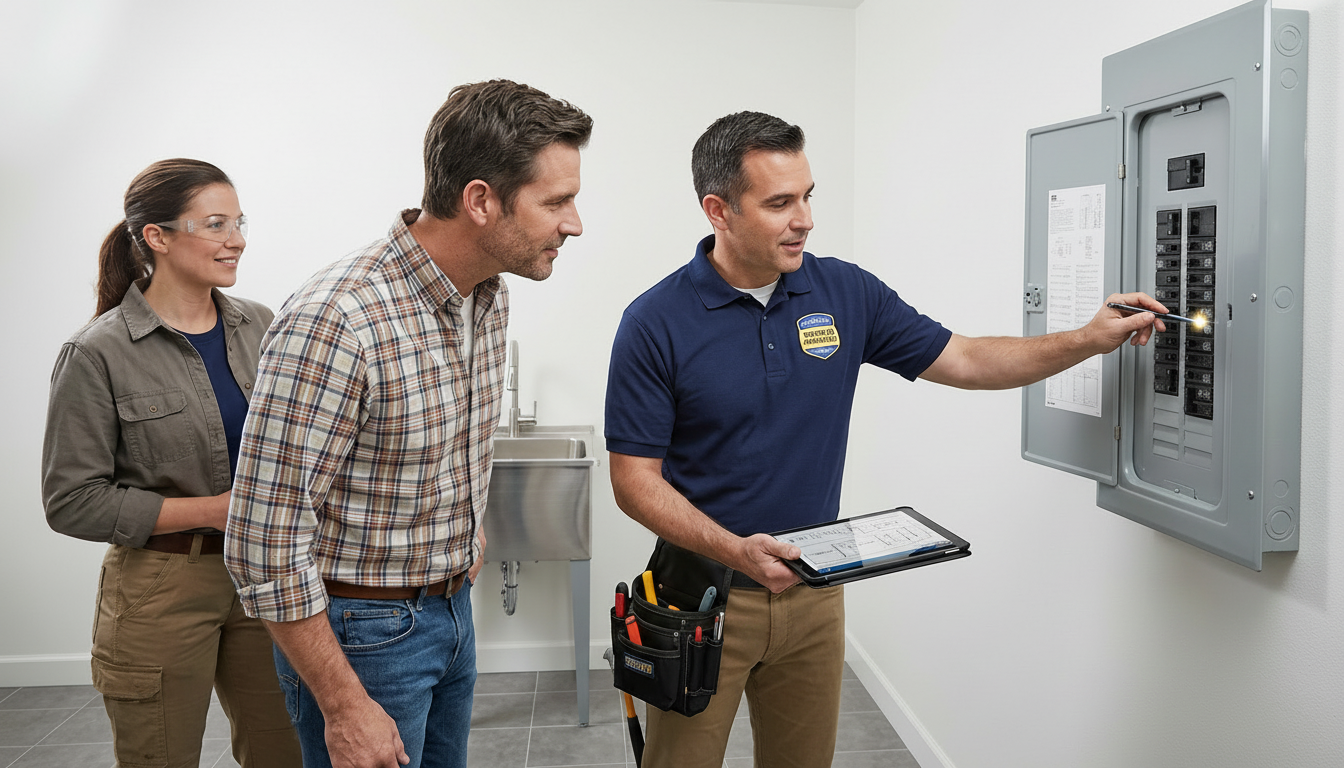
Electrical inspectors are vital guardians of safety. Their primary role is to verify that all electrical installations adhere to current local and national safety codes and standards. They ensure that your electrical systems are not only operational but also safe, minimizing risks of fire, shock, and other hazards. Inspectors typically look for code compliance, proper installation techniques, and the use of approved materials.
You'll likely encounter one of four main inspection types during a construction or renovation project:
- **Pre-construction Inspection:** An initial review of plans and site conditions before any physical electrical work begins. This helps confirm design compliance and identify potential issues early.
- **Construction Inspection:** Ongoing checks conducted at various stages of the electrical installation to ensure continuous adherence to codes.
- **Rough-in Inspection:** A critical inspection performed after all wiring, boxes, and conduits are installed but before walls and ceilings are closed up. This is the last chance to visually inspect internal wiring.
- **Final Inspection:** A comprehensive review of the completed electrical system to ensure everything is installed correctly, functioning, and meets all applicable codes before the system is energized for regular use.
⚠️ Beyond "Pass" or "Fail": The Quality Disconnect
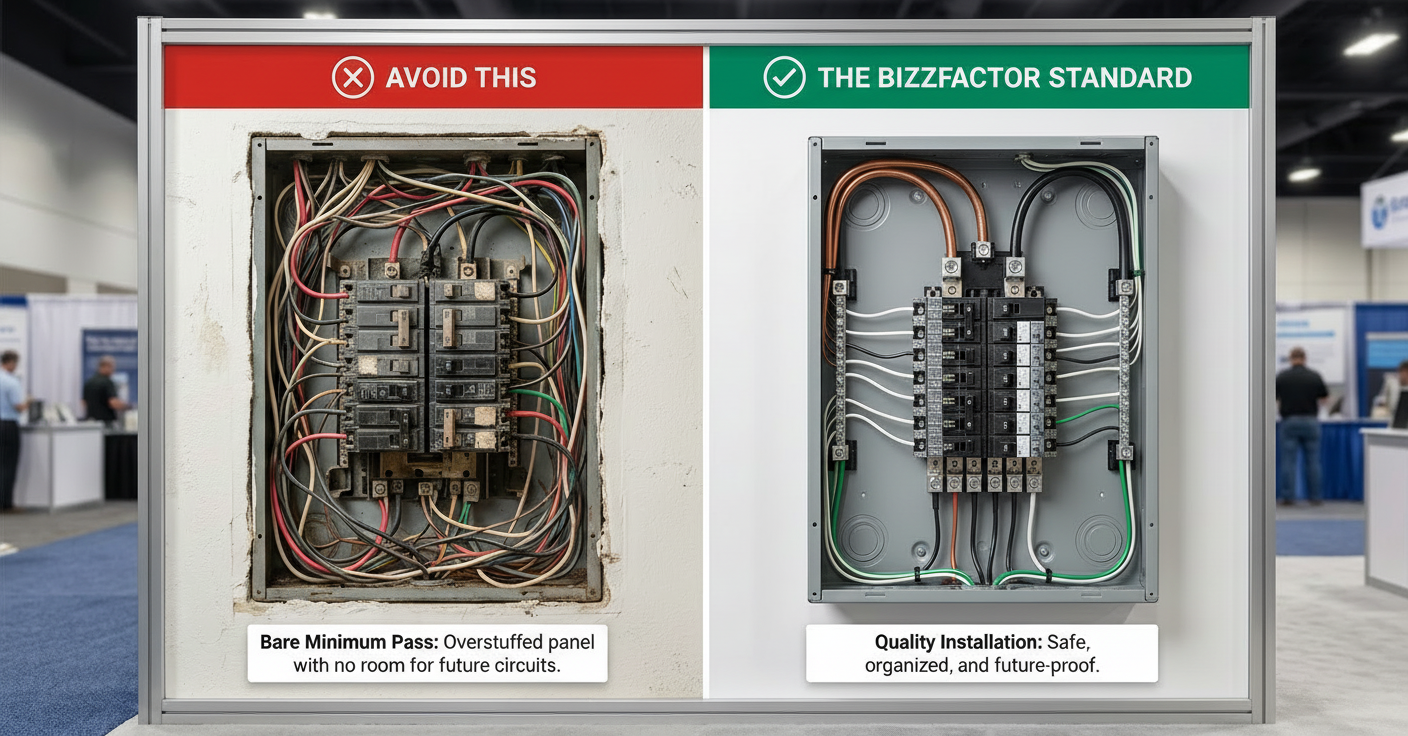
Many assume a passing inspection signifies superior workmanship. This is a common misconception. An inspection confirms *code compliance* – the absolute minimum safety standard. It does *not* inherently guarantee high-quality installation or optimal design. Some contractors may aim for just enough to pass, rather than prioritizing long-term functionality or future needs. Always discuss your long-term plans with your <a href="/blog/choosing-an-electrician">licensed electrician</a> to ensure your system is designed for durability and future expansion.
Maximize Your Presence During the Final Inspection
The final inspection is a golden opportunity. While your electrician should be present, your active participation is highly recommended. Being there allows you to hear explanations directly from the inspector, unfiltered by intermediaries. This direct communication can clarify any issues in plain language, providing invaluable insights into your home's electrical system and potential areas for improvement or concern.
⚠️ Navigating Local Electrical Codes
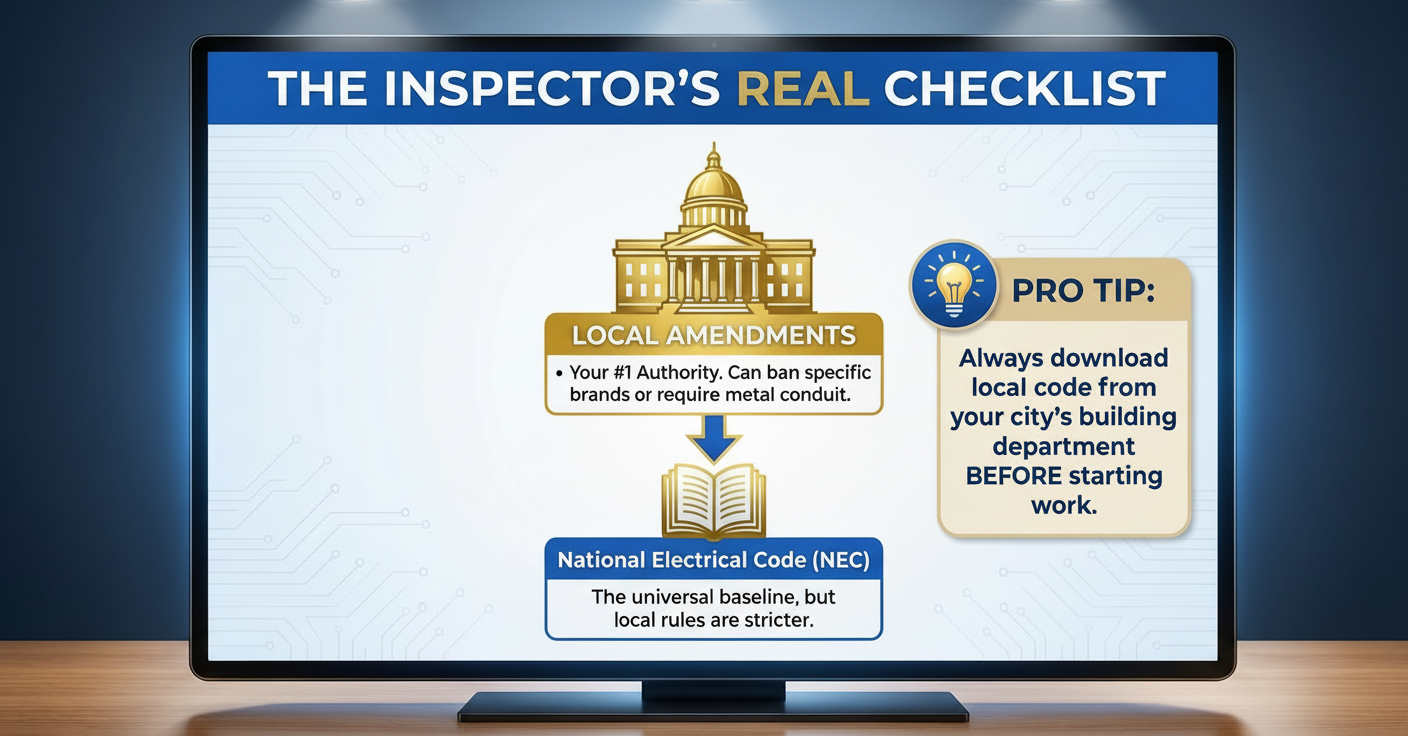
National electrical codes, such as the NFPA 70 (National Electrical Code - NEC), provide a baseline for safety. However, local jurisdictions often implement additional, more stringent requirements. It's crucial to consult your local building department *before* any work commences. Understanding these localized standards can prevent costly rework and inspection delays. Familiarize yourself with local amendments to the <a href="https://www.nfpa.org/codes-and-standards/all-codes-and-standards/list-of-codes-and-standards/detail?code=70">National Electrical Code (NFPA 70)</a> that apply in your area.
Engage with Your Inspector for Valuable Insights
Instead of passively awaiting a verdict, use the inspection as a learning opportunity. Ask questions about safety best practices, potential upgrades, and considerations that go beyond minimum code. A proactive approach can transform the interaction from an adversarial one to a collaborative effort focused on maximizing your home's electrical safety and efficiency.
⚠️ Inspectors vs. Quality Control: A Clear Distinction
It's critical to understand that an electrical inspector is not a quality control manager for your electrician. Their mandate is strictly code compliance and safety. They do not assess aesthetic appeal, long-term system design efficiency, or the overall craftsmanship beyond what is strictly required by code. Relying on an inspector to catch subtle shortcuts in quality or design that still meet minimum safety standards is a significant oversight.
Breaker Panels: An Opportunity for Enhanced Safety
While many electricians use standard breaker panels like Square D's Homeline due to cost-effectiveness, consider discussing alternatives like the Leviton Load Center with your contractor. Though not a code requirement, Leviton's smart breakers with integrated LEDs provide immediate diagnostic feedback on tripped circuits without external apps or guesswork. An inspector might recognize this as a forward-thinking installation, indicative of a professional prioritizing enhanced safety and serviceability, potentially leading to smoother reviews.
Scheduling Your Inspection: A Strategic Edge
Contrary to common advice, scheduling your final inspection for the last slot of the day can be surprisingly advantageous. Inspectors often aim to complete their routes efficiently before heading home. This can lead to a more focused, big-picture review, rather than meticulous scrutiny of minor details that wouldn't compromise core safety, potentially streamlining the process.
Key Areas of Inspection Scrutiny
Inspectors pay rigorous attention to specific components and aspects of your electrical system:
Electrical Panel Inspection: The Heart of Your System
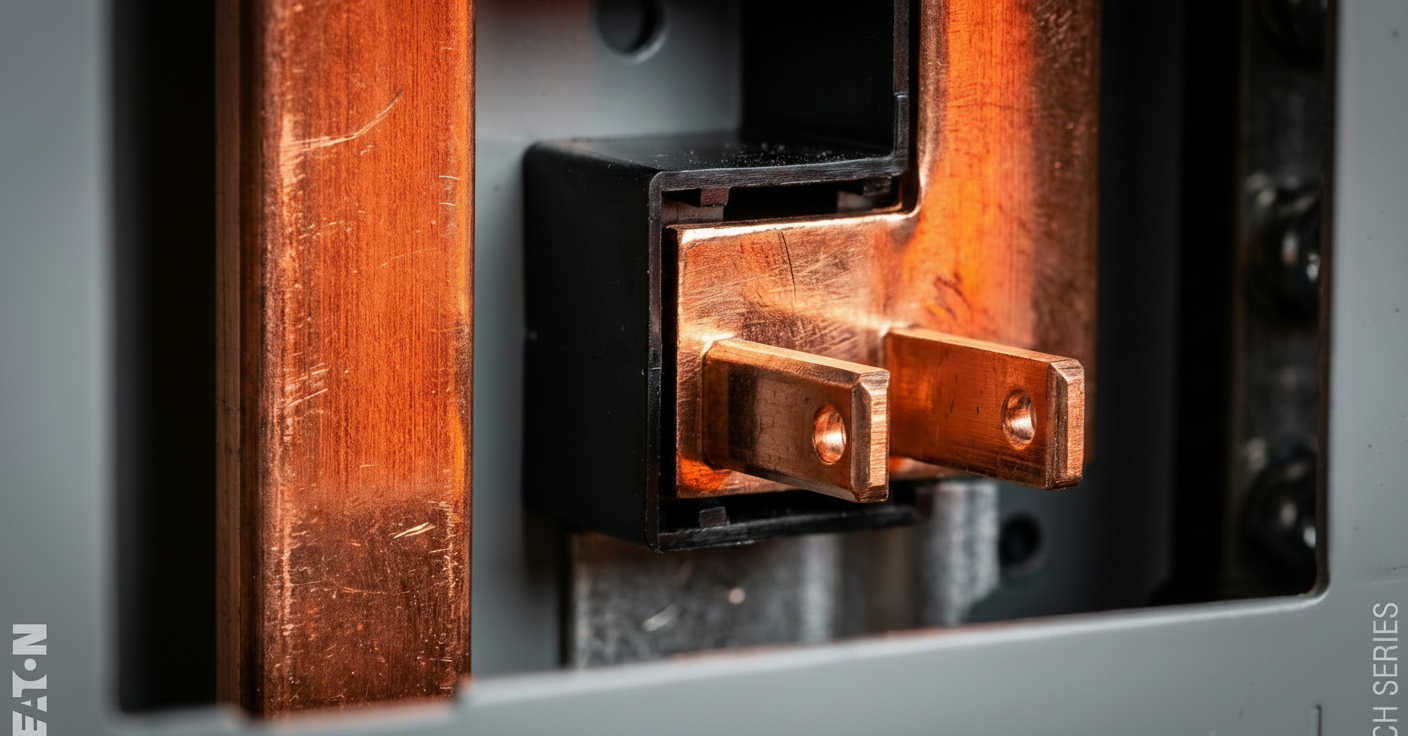
The electrical panel (or breaker box) receives the most intense scrutiny. Inspectors verify:
- **Appropriate Sizing:** The panel's capacity must match the building's electrical load requirements.
- **Proper Grounding and Bonding:** Essential for safety, ensuring fault currents are safely directed.
- **Correct Wiring and Labeling:** Wires must be terminated correctly, and circuit breakers clearly labeled.
- **Circuit Protection:** Correct breaker types and sizes for each circuit.
- **Accessibility and Clearances:** Ensuring safe access and adequate working space around the panel.
During this inspection, a valuable question to ask your electrician is about your system's total electrical capacity. Understanding current and future load capabilities (e.g., for an EV charger or hot tub) is crucial for avoiding costly upgrades later on. For more details on panel requirements, refer to the <a href="/blog/electrical-panel-upgrades">guide on electrical panel upgrades</a>.
Tools and Standards Used by Electrical Inspectors
Modern electrical inspections rely on an array of precise instruments and strict safety protocols:
- **Quality Testing Equipment:** Inspectors use professional-grade multimeters, circuit testers, and continuity testers from brands like Fluke, Klein Tools, Milwaukee, and DeWalt to ensure accurate readings and reliable diagnostics.
- **NFPA 70E Compliance:** With increasingly stringent safety standards, particularly the NFPA 70E (Standard for Electrical Safety in the Workplace), inspectors utilize advanced safety gear. This includes lockout/tagout (LOTO) kits, insulated tools, and personal protective equipment (PPE) to safely work on or around energized systems.
These rigorous standards underline the critical importance of safety in electrical work. Understanding these aspects helps you appreciate the thoroughness of the inspection process and how it contributes to your property's overall safety.
Conclusion
Electrical inspections are more than just a regulatory hurdle; they are a critical component of ensuring safety and compliance within your home or business. By understanding what inspectors look for, the different types of inspections, and how to proactively engage in the process, you can ensure a smoother project outcome and a safer electrical system for years to come. Remember, a successful inspection starts with a qualified <a href="/service/electrician-services">electrical contractor</a> who prioritizes code adherence and quality workmanship.
", "faqs": [ { "question": "What is the primary purpose of an electrical inspection?",
"answer": "The primary purpose of an electrical inspection is to ensure that all electrical installations comply with current national and local safety codes and standards, such as the National Electrical Code (NFPA 70). This minimizes risks of electrical fires, shocks, and other hazards, guaranteeing the safety of the occupants and the property."
}, { "question": "Does a 'passed' electrical inspection mean the work is high quality?",
"answer": "Not necessarily. A 'passed' inspection confirms that the electrical work meets the minimum required safety standards outlined in the applicable codes. It does not evaluate the overall quality of workmanship, the efficiency of the design beyond code requirements, or the long-term functionality. High-quality work often exceeds these minimum code requirements."
}, { "question": "Why is it important to understand local electrical codes, not just national ones?",
"answer": "While national codes like the NEC provide a baseline, local jurisdictions often have unique amendments or additional requirements that are more stringent. Failing to understand these localized rules can lead to costly rework, delays, and repeated inspections. Always consult your local building department before starting electrical work."
}, { "question": "What are the four main types of electrical inspections?", "answer": "The four main types of electrical inspections are: Pre-construction (planning review), Construction (ongoing checks during installation), Rough-in (inspection after wiring but before walls are closed), and Final (comprehensive review of the completed system). Each serves a specific purpose in ensuring compliance at different stages of a project."
}, { "question": "What is the most scrutinized component during an electrical inspection?",
"answer": "The electrical panel (or breaker box) typically receives the most intense scrutiny. Inspectors meticulously check its sizing, grounding, bonding, wiring, circuit protection, labeling, and accessibility to ensure it functions safely as the central hub of your electrical system.
In-Depth Look
Detailed illustration of key concepts
Visual Guide
Infographic illustration for this topic
Side-by-Side Comparison
Visual comparison of options and alternatives
Sources & References
- Simple Guide to Electrical Inspection Checklists
- Top Questions to Ask During an Electrical Inspection
- What to Expect During an Electrical Safety Inspection
- Guide to Home Electrical Inspections and Safety Tips - Armor Air
- Best Tool Brand for Electricians 2025: Expert Rankings - Wood Guide
- 35 Essential Electrician Tools Every Pro Needs in 2025
- Top 20 Essential Electrician Tools for Pros (2026 List) - Workiz
- Essential 2025 Electrician Tools & Safety Warnings (New & Pro Tips!)
- The List of 300+ Codes and Standards - NFPA
Frequently Asked Questions
Need Professional Help?
Find top-rated electricians experts in your area