
Licensed pros reveal emergency lighting installation secrets: NEC requirements, battery tech comparisons, self-testing fixtures, and maintenance tricks building owners miss.
Key Takeaways
Emergency Lighting: A 30-Year Pro's Master Guide to Code-Compliant Installation and Lifelong Reliability
Emergency lighting isn't merely about illuminating a path; it's a critical, often lifesaving, safety system engineered to facilitate swift, safe egress during unexpected power failures or emergency events. As a seasoned professional with three decades immersed in the electrical field, I can unequivocally state that while the foundational concept appears straightforward — battery-powered fixtures activating automatically upon main power failure and sustaining illumination for a minimum of 90 minutes — rigorous adherence to codes, meticulous planning, and diligent best practices aren't just recommendations. they're legal, ethical, and absolutely non-negotiable obligations to ensure occupant safety. We're talking lives, folks. Don't mess this up. The stakes are too high.
The Unseen Guardian: Dissecting Emergency Lighting Systems
Look — look — emergency lighting forms the absolute bedrock of any robust life safety strategy. When normal power inexplicably fails — whether due to a localized grid outage, a downed utility line, or a catastrophic building event like a fire or earthquake — these indispensable systems kick in, instantly and seamlessly. Their paramount function? To guide occupants safely, unerringly, directly to an exit. It's conceptually simple, yes, but incredibly intricate in its engineering and precise in its execution. These integrated systems typically consist of emergency luminaires (the lights themselves), clearly visible exit signs, and often, unit equipment containing self-contained batteries or connection to a larger, central battery supply or generator system. It's a synchronized dance of intricate electronics, thoughtful design, and unwavering reliability.
The Anatomy of an Emergency Light Fixture: Far More Than Just a Luminary
A standard emergency light fixture, frequently observed mounted conspicuously on walls or strategically positioned above doors, typically houses two adjustable lamp heads, a robust battery, a sophisticated multi-stage battery charger, and highly precise control circuitry. During routine operation, the charger works tirelessly, maintaining the battery at its optimal charge level, meticulously preventing both detrimental undercharging and damaging overcharging. The precise moment the normal AC power supply plummets below a predetermined threshold (customarily around 80% of nominal voltage, a critical standard as per UL 924 for emergency lighting equipment), the shrewd control circuit instantaneously detects this critical anomaly. It then, with remarkable speed, switches the lamps from AC power to the stored battery power. This critical transition is measured in milliseconds — a blink-and-you'll-miss-it event. No hesitation. You need light *now*, without delay. These highly engineered systems incorporate advanced, regulated trickle charging circuits designed specifically to prevent premature battery degradation and to significantly extend battery life — a seemingly small detail with profound implications for both longevity and guaranteed readiness. Think about it: a perpetually overcharged battery is a dead battery, and an undercharged one won't fulfill its absolute 90-minute duty. Precision in charging and discharge cycles matters immensely for these systems.
The 90-Minute Mandate: Why Every Second Matters for Evacuation Dynamics
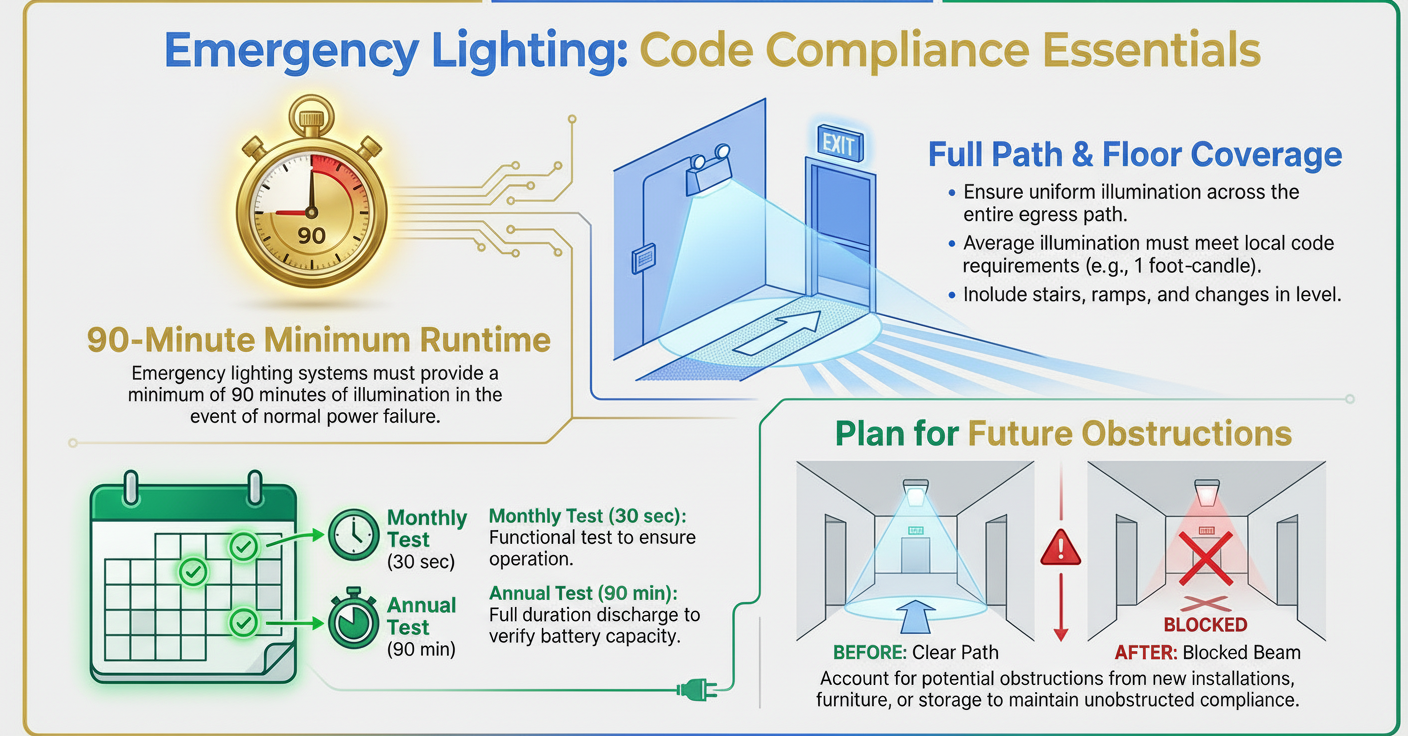
The non-negotiable 90-minute illumination requirement, often rigorously stipulated by critical safety codes such as NFPA 101 (The Life Safety Code, Section 7.9.2.1) and OSHA (29 CFR 1910.36(b)(6)), isn't some arbitrary figure plucked from thin air. It represents a meticulously considered duration, cemented by decades of exhaustive safety analysis and real-world incident reviews. This duration is purpose-built to allow for the complete, unhurried, and psychologically reassuring evacuation of virtually any building, even sprawling or architecturally complex structures, under an incredibly diverse range of stress conditions. This crucial timeframe explicitly accounts for scenarios where individuals might be disoriented, require assistance, possess mobility challenges, or encounter unexpected obstacles during a chaotic emergency. A short, fleeting burst of light simply won't cut it. Period. One time, I observed a seemingly brand-new emergency lighting unit in a North Dallas retail space sputter and fail precisely at the 45-minute mark during a routine compliance test. The client was, understandably, absolutely furious — and rightly so. Our subsequent investigation revealed a critically faulty battery, straight out of the box. This deeply underscored that even pristine, new equipment necessitates rigorous, verifiable pre-installation testing and stringent quality checks. Quality control matters. The 90-minute standard provides an invaluable, critical buffer, fundamentally acknowledging that emergencies very rarely unfold perfectly according to plan. It's about preparedness, sure, but it's more about resilience. This robust buffer ensures that even if exits become partially blocked, or if individuals require prolonged assistance, there exists ample, reassuring time for everyone to safely egress the building and reach a designated assembly point.
The Science of Emergency Illumination: Foot-Candles and Lumens — A Deeper Dive
Beyond simply staying lit, emergency lights carry the profound responsibility of providing *effective*, actionable light. This translates directly into achieving very specific illumination levels, precisely measured in foot-candles (in imperial units) or lux (in metric units), specifically designed to forge clear, unambiguous, and immediately actionable pathways of egress. For instance, the light output *must not* produce excessive glare, which could paradoxically disorient evacuees further and dangerously impede their vision. The overarching goal is clear, consistent, and uniform illumination, engineered to minimize confusing shadows and maximize the visibility of potential obstructions, critical signage, and perilous changes in elevation. The carefully designed optics of the lamp heads play an absolutely pivotal role here, directing light with uncanny efficiency onto the floor or walking surface *precisely where it's needed most*, rather than merely blasting it aimlessly into the void. NFPA 101, for example, specifies an average illumination of 1 foot-candle (10.8 lux) and a bare minimum of 0.1 foot-candle (1.1 lux) at *any* point along the designated path of egress, measured meticulously at the floor level. That's a critical, often life-saving, threshold. Crucially, these measurements are taken at the actual walking surface, not at fixture height, explicitly ensuring sufficient illumination *precisely where people are actively moving*. A profound understanding of these precise metrics is absolutely fundamental to achieving a truly compliant and genuinely safe design.
Optimizing Installation: Achieving Perfect Coverage and Code Compliance for Egress Routes
Strategic Fixture Placement: Beyond the Obvious for Maximum Safety
The fundamental, guiding principle of emergency lighting placement is unwavering utility and continuous, uninterrupted coverage. Fixtures *must* be mounted at heights and locations that effectively, not just superficially, illuminate designated exit routes. It's truly surprising how frequently installations regrettably overlook this, leading to dangerously inadequate illumination and perilous dark zones, especially within complex or evolving architectural layouts. Avoid the common, costly pitfall of arbitrary or aesthetically driven placement; every single fixture should contribute meaningfully, demonstrably, to the entire, integrated egress strategy. Think like an escape artist, not a painter. Where would *you* instinctively crave light if you suddenly couldn't see anything at all? Many authoritative codes, such as NFPA 101, explicitly specify that emergency lighting must be provided for exit access (the path to the exit), the exit itself (the doorway or passage), and the discharge from the exit (the immediate exterior area). This isn't just about the *inside* of the building; it encapsulates the entire critical journey to a verifiable safe location.
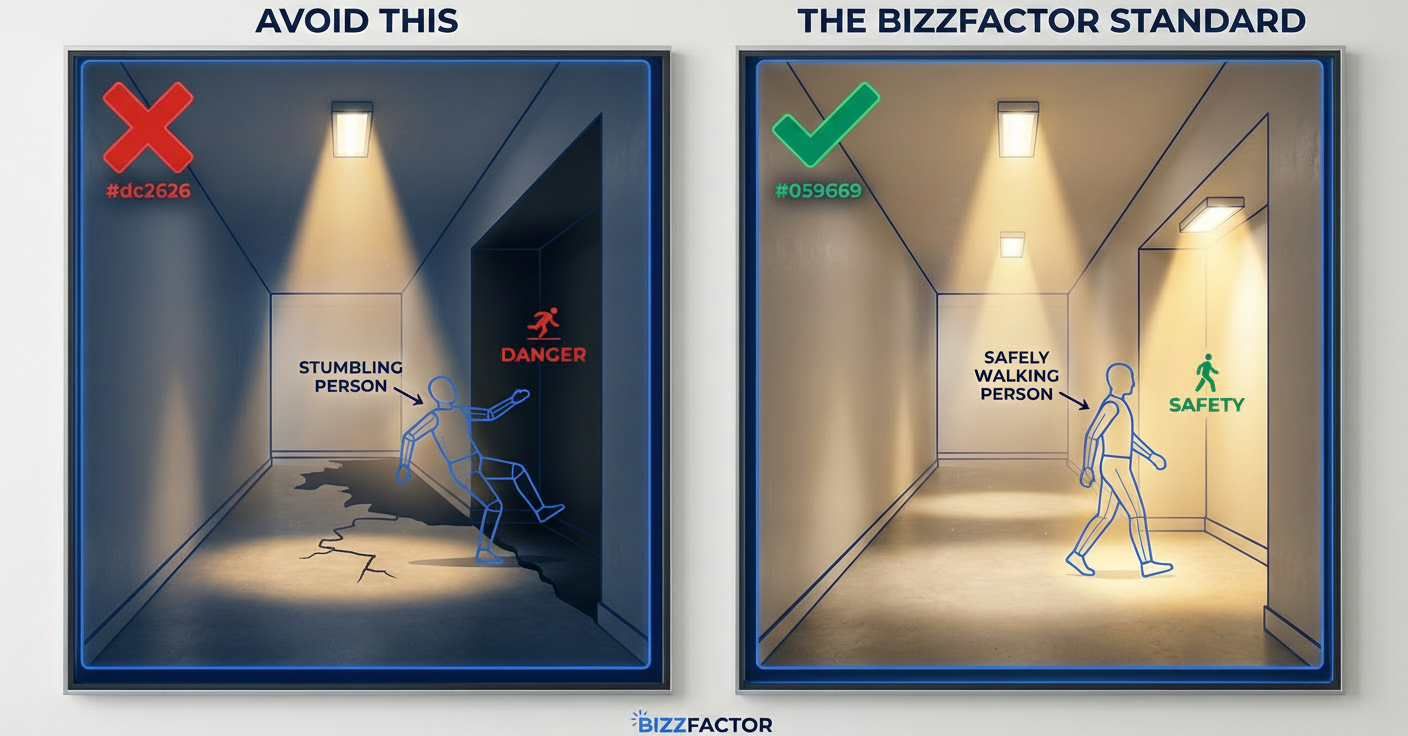
Recessed areas, sharp building corners, and often overlooked interstitial spaces — these frequently become insidious "blind spots" if not meticulously planned for and explicitly addressed. Effective light distribution *must* absolutely ensure illumination *within* these spaces, not just vaguely at their periphery, actively preventing disorientation and potential panic during an actual evacuation. This necessitates precise angling of fixture heads, careful consideration of reflective surfaces, and sometimes, the strategic addition of an extra unit where you might not initially anticipate its necessity. A steadfast rule of thumb I've always followed: if you can't *feel* the light reaching the darkest, most distant corner, it's simply not enough. Always consider architectural features like sturdy columns, imposing large machinery, robust industrial shelving, or intricately built-in cabinetry, all of which possess the insidious ability to cast unwelcome, obfuscating shadows and create dangerous trip hazards. A truly comprehensive approach involves meticulously mapping out every single square foot of the egress path, proactively anticipating any potential blockages or visual impediments. Don't assume anything. Assumptions kill.
Verifying Light Level Compliance: The Crucial Foot-Candle Factor After Install
Post-installation verification isn't merely an option; it's an absolutely non-negotiable step. The process involves systematically deactivating normal lighting and then activating the emergency system. Conduct a physical, detailed walk-through of all egress paths, meticulously simulating an actual emergency scenario. Critically assess whether the illumination *adequately* covers walking surfaces and allows for perfectly clear visibility of any obstructions, all signage, and all critical changes in elevation. Remember those NFPA 101 numbers: at least 1 foot-candle (10.8 lux) average and 0.1 foot-candle (1.1 lux) minimum at *any* point along the egress path. This isn't just a number to hit; it's quite literally the difference between a panicked stumble and a swift, panic-free, life-saving exit. Beyond mere code compliance, this rigorous verification step directly correlates with the ability to safely and confidently guide occupants — a primary, fundamental concern in any emergency scenario. For incredibly detailed guidelines, always consult the very latest editions of NFPA 101 (Life Safety Code) and your local building codes, as these frequently incorporate specific local amendments and nuances. Your local fire marshal, by the way, will invariably be checking this. Don't skip it. Employing a calibrated light meter is *absolutely essential* here; simply "eyeballing it" won't suffice for either genuine compliance or, more importantly, for authentic safety. We once had a project in Austin where the contractor swore the installed lighting "looked bright enough." The professional meter, however, told a starkly different story – barely half the required minimum illumination in several key egress areas. We had no choice but to add three more emergency lighting units. Measurement is everything. No compromises. This unwavering diligence prevents monumentally costly re-inspections and, more critically, ensures genuine, verifiable safety for all occupants.
Comprehensive Installation Planning: Anticipating Future Changes and Building Dynamics
Building environments are, by their very nature, inherently dynamic, constantly evolving. Consider a recent, illustrative scenario with a long-standing warehouse client right here in Fort Worth: merely three years following a thoroughly planned and meticulously executed emergency lighting installation, a complete, unforeseen internal rearrangement — involving the relocation of massive equipment, significant alterations in storage configurations, and the creation of entirely new access aisles — rendered significant portions of our original, compliant coverage profoundly ineffective. Pallet racking, once strategically placed in a non-obstructive manner, now directly blocked an emergency light beam. A newly constructed office cubicle farm created an unforeseen, dangerous dark zone. It happens. This unfortunately highlights a common yet avoidable pitfall.
Proactive planning *must* therefore account for potential future modifications. Design your emergency lighting system with a foundational degree of inherent flexibility, thoughtfully considering areas where layouts might predictably change, where equipment might be temporarily stored, or where new partitions could foreseeably be erected. Utilize adjustable heads with expansive coverage patterns. Consider slightly higher lumen units that possess the capability to cover a broader area if required, offering a vital buffer against future unforeseen changes. This kind of foresight prevents incredibly costly reconfigurations and ensures ongoing, uninterrupted compliance without significant operational downtime. It's truly about future-proofing your facility, not merely squeaking by code inspections. Collaborate extensively with the client and, if applicable, the architect, to gain a deep understanding of potential future uses and adaptations of the space. A little comprehensive planning now saves immense, agonizing headaches later. Seriously — it matters. A forward-thinking, adaptive design minimizes operational disruptions and demonstrably maximizes the system's longevity, reliability, and critical adaptability.
Informed Product Selection Considerations: More Than Just a Light Source
The emergency lighting market offers a vast, ever-expanding spectrum of solutions designed to meet highly diverse needs and budgetary constraints. At the foundational level, basic unit equipment reliably activates upon primary power loss and unfailingly delivers the mandated 90 minutes of illumination. These are often cost-effective for many applications, particularly for smaller businesses operating within simpler, less complex layouts. Their nickel-cadmium (NiCd) or sealed lead-acid (SLA) batteries are proven workhorses. NiCd batteries, while still common, are known to be susceptible to the "memory effect" and require occasional, complete discharge cycles to maintain their rated capacity. SLA batteries are generally more robust but possess greater weight and a more finite operational temperature range. Lithium-ion (Li-ion) batteries, though typically pricier upfront, offer superior longevity, significantly improved performance across varied temperature extremes, and dramatically faster recharge times. This combination of benefits makes them increasingly popular, trending towards becoming the industry standard.
However, higher-end fixtures featuring integrated diagnostic capabilities provide substantial, discernable long-term benefits, particularly in the critical areas of maintenance efficiency and guaranteed readiness. Systems equipped with self-testing features can drastically reduce the frequency and overall complexity of manual inspections, translating directly into significant operational savings and dramatically enhanced reliability. These sophisticated self-diagnostic units perform automated monthly 30-second functional tests and annual 90-minute full-discharge tests, automatically flagging any detected failures with a clear indicator light or even communicating them proactively to a central building management system. This means less labor-intensive intervention for maintenance staff and an immensely higher guarantee of operational readiness. When making product selections, carefully consider the specific environmental conditions, the overall allocated budget, and your long-term maintenance strategy. Always, *always* look for products explicitly listed by recognized testing laboratories such as UL (Underwriters Laboratories) or ETL (Intertek). No "bargain bin" lights here. They won't last. A UL 924 listing is absolutely non-negotiable for approval by any authority having jurisdiction (AHJ). This certification ensures the equipment meets incredibly rigorous safety and performance standards specifically engineered for emergency lighting and associated power equipment.
#### LED vs. Incandescent: A Modern Dilemma with an Undisputed Victor
While older emergency lighting installations often utilized power-hungry, inefficient incandescent bulbs, modern applications and new construction overwhelmingly favor LEDs. LEDs offer significantly extended lifespans (routinely exceeding 50,000+ operating hours), dramatically lower power consumption, and superior light output for a given wattage. This translates directly to applications requiring much smaller, lighter, and longer-lasting batteries, which consequentially reduces both installation complexities and ongoing maintenance burdens. Incandescents burn out predictably; LEDs shine on, reliably. The choice, without question, is clear. LED technology also facilitates far tighter beam control and more exquisitely even light distribution, directly impacting rigorous foot-candle compliance and effectively reducing undesirable hot spots or dangerous dark zones. They're just unequivocally better. Period. Their inherent durability, exceptional energy efficiency, and superior optics cement their position as the undisputed champion for critical emergency lighting applications.
#### Centralized vs. Distributed Systems: Which Paradigm is Right for Your Facility?
This is a big one; listen up. Decentralized systems, where each emergency light unit possesses its own self-contained battery pack, are generally simpler, quicker, and more cost-effective to install and individually maintain. Conversely, a centralized battery system (often comprising a large, robust battery bank or a powerful standby generator that energizes multiple emergency fixtures via dedicated, fire-rated circuits) offers the advantage of easier, consolidated testing and maintenance from a singular central location. And —, centralized systems frequently provide significantly longer run times — typically several hours during a prolonged outage. The optimal choice usually hinges heavily on the building's physical size, the availability of existing infrastructure, historical power reliability of the area, and, crucially, specific code requirements for larger, institutional facilities such as hospitals, high-rise office buildings, or university campuses where existing generator backup might already be a standard feature. For most commercial spaces, especially those undergoing retrofits, distributed units often represent the norm due to their inherent modularity and simplified wiring. Centralized systems, while invariably more complex to initially install and requiring specialized fire-rated wiring, offer the compelling benefit of a single point of failure (or, conversely, a single point of maintenance and testing), which can be tremendously advantageous in very large or mission-critical facilities. Each approach presents distinct pros and cons; careful consideration is key.
Effective Fixture Distribution Strategy: Layering Light for Uninterrupted Safety
Here's the thing: here's the thing: optimal emergency illumination typically demands a hybrid approach, skillfully combining various fixture types — such as traditional wall-mounted units, combo exit signs with integrated emergency lights, and perhaps even some standalone, strategically placed battery packs — meticulously distributed across the entire space. This intelligent, mixed distribution strategy almost invariably yields the most comprehensive, intrinsically redundant, and ultimately cost-effective coverage. Don't put all your eggs in one basket, or all your light in one direction. Redundancy is absolutely key. If a single unit unpredictably fails, you still possess ample, reassuring illumination from another adjacent or overlapping unit. It buys you precious time. This layering approach explicitly ensures continuous safety, even in the face of unforeseen equipment malfunctions or localized failures.
For critical egress paths and primary hallways, the paramount focus *must* be squarely on illuminating the *walking surfaces*. During an emergency, when ambient visibility is severely compromised and occupants may be under duress, clear, consistent ground-level illumination is absolutely paramount for safe and swift movement. This unequivocally means angling light heads downwards, not just straight out into the distance. Focus intently on the path directly ahead, not the ceiling. The best practice involves assiduously creating a continuous "path of light" conspicuously free from abrupt changes in illumination levels, thereby minimizing visual confusion and significantly reducing dangerous trip hazards. This smooth, predictable transition of light is inherently more intuitive and reassuring for evacuees, especially those who may be elderly or mobility-impaired.
#### Beyond the Path: Special Considerations for High-Risk Areas
- **Stairwells:** These vital conduits are notoriously dangerous during power outages. Every single landing, every individual stair tread, and all associated handrails *must* be clearly, unequivocally lit. Often, units featuring multiple, highly adjustable heads are demonstrably superior here, ensuring light reaches both the top and bottom of each flight, as well as every critical change in elevation. Any slight change in elevation, such as individual steps at a critical doorway threshold, demands specific, dedicated focus and concentrated illumination. Proper head angling minimizes deceptive shadows that could easily obscure steps and pose a falling hazard.
- **Exit Doors:** The immediate area directly surrounding exit doors, both internally and externally once you've successfully passed through, requires ample, unshakable illumination. Individuals need to clearly perceive the door hardware (exit devices, push bars), understand the door's swing direction, and transition safely and without hesitation to the outside. No fumbling in the dark. This crucially includes external pathways directly adjacent to the exit discharge point, extending for a specified distance (e.g., 10 feet) as mandated by certain codes. The transition zone from inside to out is often carelessly overlooked, but it's where panic can quickly set in. Don't let it.
- **Changes in Elevation:** Ramps, single transition steps, or sudden, unexpected changes in floor material (like from carpet to polished tile) demand extra, meticulous attention. A well-placed, focused emergency light can unequivocally prevent a nasty fall. Mark them. Light them. Make them absolutely unmistakable. These subtle, everyday hazards balloon into significant dangers in low-light conditions. Your job is to prevent that.
- **Hazardous Areas:** If a power outage possesses the potential to create additional, compounding hazards (e.g., areas containing active machinery, chemical storage enclosures, electrical panel rooms, designated first-aid stations, or fire extinguisher locations), these specific areas demand enhanced, concentrated emergency illumination. Safety first. Always. NFPA 101 specifically mandates providing illumination *where changes in direction* are required or *at intersections* of exit access corridors. This isn't optional; it's absolutely critical for clear, rapid, and unhindered navigation. Ensure all critical safety equipment remains perpetually visible. Proper labeling and increased ambient light levels here are absolutely non-negotiable.
Indispensable Maintenance and Testing Requirements: The Unsung Hero of Safety Reliability
Installation is simply the first step. Emergency lighting systems necessitate rigorous, ongoing, and persistent maintenance and systematic testing. Batteries, which are absolutely integral to their very function, possess finite lifespans (typically 3-5 years for SLA/NiCd chemistries, longer for Li-ion variants) and can degrade much faster than anticipated, especially in environments experiencing significant temperature fluctuations (e.g., unconditioned warehouses or outdoor equipment enclosures). Electrical connections can loosen, corrode, or catastrophically fail due to vibration, environmental contamination, or general wear and tear. Even highly advanced automated testing systems, while substantially beneficial, don't completely eliminate the absolute need for periodic manual inspections to physically confirm integrity, meticulously clean lenses, and visually ensure proper functionality. Someone still needs to *look* at the unit, physically. And that someone is you (or your trusted, certified contractor). No excuses. Lives depend on it. Skipping routine, scheduled maintenance is an open, dangerous invitation to disaster. Don't do it.
Adhering to Testing Protocols: NFPA 101 & Beyond for Absolute Reliability
NFPA 101 provides clear, unambiguous, and entirely prescriptive guidelines for testing emergency lighting systems. These are not mere suggestions; they're codified safety mandates specifically designed to save human lives and protect invaluable property. Ignoring them is professional negligence.
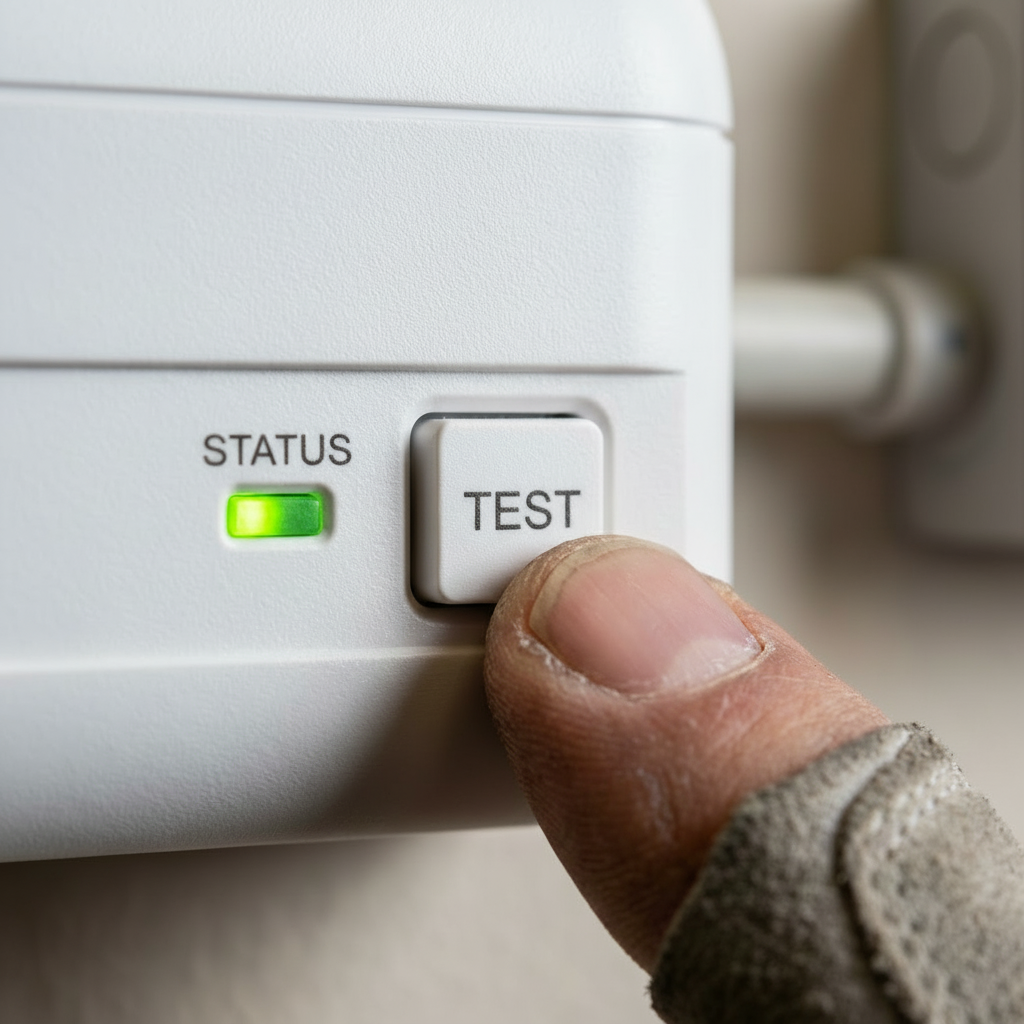
- **Monthly Testing:** A brief, prescribed functional test each month is absolutely recommended (and very frequently mandated by local enforcing authorities) to ensure that emergency lights activate instantly and remain illuminated for a minimum duration of 30 seconds. This simple yet critical test immediately verifies basic operational readiness, checks the functionality of the lamps, and confirms that the charging circuit is properly working. Press the test button. Watch the lights come on. Verify the light output. Restore AC power. It's a quick check, yes, but it confirms everything is online. Don't skip it. Ignoring this vital step makes you personally liable in the unfortunate event of an incident.
- *Procedure for Monthly Test:* Interrupt the normal AC power flow to the unit (typically via an integrated test button or a dedicated circuit breaker). Observe the lights activating immediately, without delay. Confirm continuous, effective illumination for the specified minimum duration (at least 30 seconds). Restore AC power. Verify that the charge indicator light is illuminated, clearly indicating that proper battery charging is underway. *This entire process must be meticulously documented in a logbook or a reliable digital record.* Even a simple, consistent checklist can suffice, but unparalleled consistency in record-keeping is paramount.
- **Annual Full-Discharge Testing:** Crucially, a comprehensive annual test involving a full 90-minute discharge of the battery is absolutely mandatory. This rigorous, extended test confirms beyond any doubt that the batteries can sustain continuous, effective illumination for the *entire* duration required by code, thereby ensuring they will perform robustly and effectively during an actual, prolonged emergency. Over time, all batteries inevitably lose capacity, and their internal resistance concurrently increases; this vital test precisely identifies those weakened links in the critical chain well before they can fail catastrophically. You wouldn't implicitly trust a car battery that's never been tested, would you? The exact same principle applies here, but with significantly higher stakes. This test explicitly accounts for predictable battery degradation and ensures that all components can confidently handle the full electrical load for the required period under sustained stress.
- *Procedure for Annual Test:* Interrupt the normal AC power flow to the unit for a full, uninterrupted 90 minutes. Continuously monitor *all* the lights to ensure consistent, effective illumination for the *entire* duration. If *any* unit fails to illuminate for the full 90 minutes, or if its illumination significantly diminishes below acceptable levels, it constitutes a clear failure of the test and necessitates immediate repair or, more commonly, a complete battery replacement. Restore AC power. Allow a full, uninterrupted 24 hours for the battery to fully recharge before commencing the next test cycle. Document absolutely *everything*—dates, precise times, test results, the identity of the technician performing the test, and any specific corrective actions taken. Yes, *everything*. Detailed, accurate records are your undisputed defense.
Detailed records of all tests, including precise dates, documented results, and any corrective actions undertaken (e.g., battery replacement, fixture repair, lamp head re-aiming), must be meticulously maintained for both regulatory compliance and potential, unforeseen safety audits. These comprehensive logs are your absolute proof of diligence, your legal shield. One general contractor I collaborated with in Houston learned this painful lesson the hard way during an inspection following a relatively minor incident. His records were spotty, uncertified, and utterly insufficient, which ultimately cost him a hefty fine, not to mention substantial reputational damage that took years to rebuild. Keep unimpeachable records. Period. These detailed records are routinely the very first item an inspector will request, and their absence can carry significant, punitive penalties. They're a non-negotiable, fundamental component of any robust life safety program.
Key Installation Considerations in Design: The Uncompromising Blueprint for Safety
When conceptualizing fixture placement during the critical design phase, prioritize three core, interconnected elements:
1. **Mounting Height:** Ensure fixtures are installed at an optimal, calculated height to explicitly cast light effectively onto egress paths without creating debilitating, disorienting glare or dangerous, obscuring shadows. Typically, optimal mounting heights range from 6 to 10 feet (1.8 to 3 meters) above the finished floor, but this depends critically on the fixture's specific optics, its intended beam spread, and the precise area needing coverage. Higher ceilings, for instance, might necessitate fixtures with much wider beam spreads or significantly increased lumen output to achieve the minimum foot-candle requirements at actual floor level. Precision is paramount here. Getting it wrong creates hazards.
2. **Coverage Zones:** Meticulously map out light distribution precisely to guarantee continuous and genuinely adequate illumination across all designated emergency routes. Utilize comprehensive photometric data or manufacturer's detailed templates to predict precise light levels accurately. No guesswork here. Light simulation software (such as AGI32 or Visual) can be profoundly helpful in complex layouts, allowing designers to demonstrate compliance preemptively, thereby saving invaluable time and substantial resources during actual installation and subsequent inspection. This cutting-edge technology effectively eliminates expensive, time-consuming surprises.
3. **Potential Obstructions:** Foresee and meticulously mitigate any potential physical impediments (e.g., future shelving, new or relocated equipment, architectural modifications, temporary displays for retail spaces) that could deleteriously block light distribution. Consider a complex 3D perspective, not just a simplified 2D floor plan. Work closely and collaboratively with a qualified lighting designer or a certified electrical engineer to ensure optimal placement and to proactively pre-empt any line-of-sight issues. This foresight saves profoundly significant rework.
Precision throughout the design phase fundamentally minimizes costly rework and ensures the creation of a genuinely safer and more reliable environment. Always position fixtures to directly illuminate egress paths and exit doors, not merely their vague vicinity. Pay particular, heightened attention to historically challenging areas such as building corners, excessively long corridors, and crucial stairwells. These are inherently high-risk zones where effective, code-compliant emergency lighting is most critical for preventing accidents, alleviating potential panic, and ensuring rapid, orderly, and calm evacuation. For further, incredibly detailed information on specific lumen requirements, precise spacing, and granular design criteria, refer assiduously to [NFPA 101 guidelines](https://www.nfpa.org/codes-and-standards/all-codes-and-standards/list-of-codes-and-standards/detail?codeid=101) or consult directly with a certified electrical engineer specializing in life safety systems. Ensure all installations comply unequivocally with [local electrical codes](https://www.nfpa.org/codes-and-standards/all-codes-and-standards/list-of-codes-and-standards/detail?codeid=70) (which are very often based on the National Electrical Code - NEC) as well. Your electrician *should* be well-versed in both. If they're not, find another electrician. Seriously. This isn't a DIY job for the uninitiated or the inexperienced. It's a professional undertaking requiring immense expertise and precision.
The Indispensable Role of Exit Signs: Guiding the Way to Safety, Unmistakably
Now, now, now, exit signs are an absolutely integral and highly visible component of any robust emergency egress system, working in perfect concert with emergency lighting. They're not just aesthetic decorations; they're crucial, unambiguous directional indicators. These signs, whether internally illuminated (power-fed) or externally illuminated (with a local light source directed at them), *must* be clearly visible, instantly recognizable, and unequivocally indicate the most direct, safest direction of escape. NFPA 101 dictates stringent requirements: exit signs must feature clearly legible letters at least 6 inches (15 cm) high with a 3/4 inch (1.9 cm) stroke width. They *must* also maintain a minimum luminance of 5 foot-lamberts (17 cd/m2) and be utterly unmistakable, even under the most adverse, smoky, or chaotic conditions. The contrast ratio between the legend (letters) and the background is also precisely specified, typically not less than 0.5. These are incredibly precise, detailed requirements for a very good, life-saving reason — clarity under immense stress is absolutely paramount. Every single detail counts when panic is setting in, and time is of the essence.
Photo-Luminescent vs. LED Exit Signs: A Strategically Informed Choice for Your Environment
While traditional LED exit signs are robustly powered by the emergency lighting circuit and offer consistent, bright illumination, photo-luminescent signs present a unique, inherently energy-efficient alternative. These specialized signs absorb ambient light during normal, everyday operation and then, crucially, emit a persistent glow in the dark when primary power is suddenly lost. They don't demand battery backup or dedicated electrical wiring (for the sign itself), which significantly reduces both initial installation costs and long-term maintenance burdens, making them ideal for specific applications. However, their ultimate effectiveness hinges entirely on the presence of a consistent, sufficiently bright ambient light source during normal operation to adequately "charge" them. Always meticulously assess the prevailing environmental conditions and ambient light levels before making this critical choice. You'll still invariably require proper emergency lighting *around* them to adequately illuminate the path *beyond* the sign. They function optimally when there's ample, consistent ambient light during normal operating hours to effectively energize their phosphors. Don't cheap out if the conditions aren't perfectly right. That's the real killer. it's absolutely vital to pair them with appropriate, reliable ambient light; otherwise, their efficacy is compromised. Don't skip this step. Seriously — it matters.
Combination Emergency Light/Exit Sign Units: The Synergy of Efficiency and Integration
Many common, commercially available fixtures efficiently combine an exit sign with two highly adjustable emergency light heads. These ingenious "combo units" are exceptionally efficient, serving a vital dual purpose from a single, integrated power source. They prove particularly effective in smaller spaces or at specific egress points where both clear guidance (from the exit sign) and direct, focused illumination (from the emergency lights) are simultaneously critical. Their integrated design streamlines the installation process, visually reduces clutter, and often proves significantly more cost-effective than installing separate, distinct units that necessitate multiple conduits and individual electrical connections. It's a remarkably smart, space-saving, and budget-friendly solution that optimizes both crucial function and facility aesthetics.
Advanced Monitoring and Control Systems: The Future of Life Safety Management, Today
For larger, far more complex facilities — envision multi-story office buildings, expansive hospital complexes, sprawling university campuses, or vast industrial manufacturing sites — sophisticated emergency lighting control systems offer unparalleled centralized monitoring, intelligent, automated testing, and comprehensive, granular reporting capabilities. These truly advanced systems possess the ability to communicate digitally and seamlessly with individual emergency lighting fixtures spread across an entire, vast facility, perform automated monthly and annual compliance tests, precisely identify faults (such as a critically low battery or a failed lamp) down to a specific, individual unit, and generate meticulously detailed maintenance reports without the need for labor-intensive, human-led manual walkthroughs. This dramatically improves regulatory compliance, substantially reduces burdensome labor costs, and significantly enhances the overall reliability and responsiveness of your mission-critical emergency system. Some cutting-edge systems even seamlessly integrate with a building management system (BMS) or a fire alarm control panel (FACP) for comprehensive, facility-wide oversight and a truly centralized, coordinated emergency response. This advanced level of technology is fundamentally revolutionizing how we manage and maintain vital life safety systems. It's truly a game-changer for large campuses or high-rise buildings where manual inspections become inherently impractical, incredibly time-consuming, and unfortunately, highly prone to human error. These systems offer unparalleled peace of mind for facility managers and occupants alike.
Beyond Commercial: Essential Residential Emergency Lighting for Peace of Mind at Home
So — so — while this truly comprehensive guide primarily concentrates on commercial establishments and public buildings that are rigidly governed by stringent codes and complex regulations, homeowners should absolutely not overlook the immense, undeniable benefits of strategically installed emergency lighting within their own residences. Though not generally mandated by residential building codes, installing reliable battery-backed lights in basements, crucial stairwells, main hallways, and strategically near bedrooms provides immense peace of mind during home power outages. Simple plug-in emergency lights (that remain charged in a standard outlet and automatically activate when utility power fails) or hardwired units (elegantly integrated into ceiling fixtures or wall sconces with discreet, integrated battery backups) can be incorporated easily and affordably. It's a remarkably smart, relatively inexpensive upgrade that can prevent dangerous accidents and significantly reduce anxiety and stress during unforeseen events. We had a homeowner in Plano whose basement flooded during a sudden, violent thunderstorm. The power was out, and they couldn't safely navigate the unlit, darkened stairs to check the critical sump pump. A few well-placed battery backups would have truly made all the difference in the world, allowing them to assess the harrowing situation safely and proactively. Protection at home is just as vital, just as personal.
Conclusion: Investing in Safety, Not Just Compliance – It's Your Undeniable Responsibility
Emergency lighting installations aren't simply expenses; they're absolutely indispensable investments in human safety, unwavering regulatory compliance, and crucial business continuity. A poorly designed, shoddily installed, or inadequately maintained system represents a colossal liability and, more tragically, places countless lives directly at risk. By rigorously adhering to comprehensive codes like NFPA 101 and the National Electrical Code (NEC), meticulously selecting only appropriate UL-listed equipment, planning precisely for optimal placement, and diligently implementing a robust testing and preventive maintenance schedule, you ensure that your emergency lighting system functions as a reliable, ever-vigilant guardian, ready to serve precisely when it's needed most. This isn't merely about passing a perfunctory inspection; it's fundamentally about protecting people, preventing debilitating injuries, and guaranteeing orderly, calm, and rapid evacuation. And that's what we, as safety professionals, do. That's real, tangible peace of mind. It's an incontrovertible obligation we take with the utmost seriousness. Your duty is clear. Protect your occupants. Always. A steadfast, unwavering commitment to these rigorous standards distinguishes mere superficial compliance from true, proactive safety leadership. Make the choice to lead.
In-Depth Look
Detailed illustration of key concepts
Visual Guide
Infographic illustration for this topic
Side-by-Side Comparison
Visual comparison of options and alternatives
Sources & References
- Emergency Lighting Standards & Best Practices for Industrial Safety
- An introduction to emergency lighting - Professional Electrician
- Emergency Lighting: Best Practices Guide - Van Meter Inc.
- Emergency Lighting Requirements: Compliant & Safe
- Ensuring Safety: A Complete Guide to Emergency Light Testing
- Best Tool Brand for Electricians 2025: Expert Rankings
- 35 Essential Electrician Tools Every Pro Needs in 2025
- Top 15 Essential Electrician Tools for Pros - 2026 List
- Essential 2025 Electrician Tools & Safety Warnings (New ...
- Best Residential Grade Electrical Devices Top Brands ...
Frequently Asked Questions
Need Professional Help?
Find top-rated electricians experts in your area