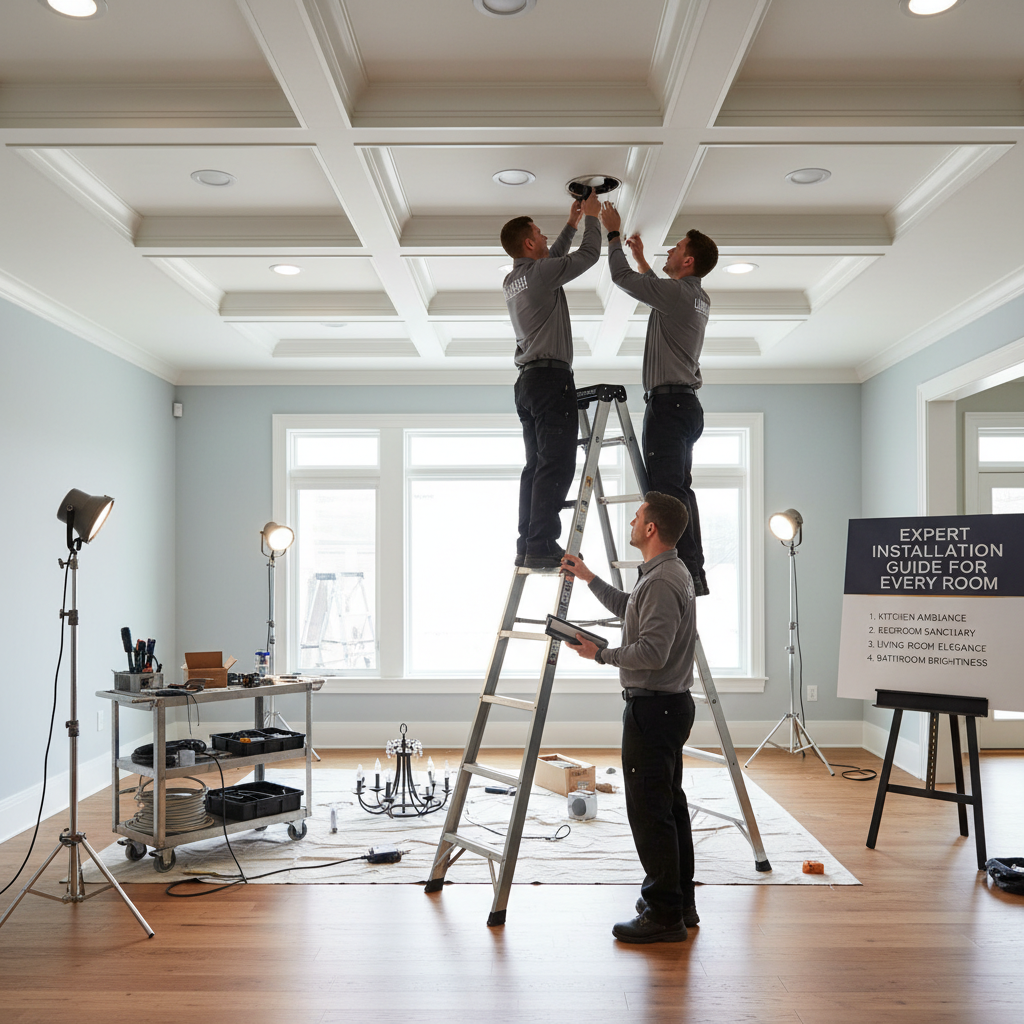
Expert guide to professional home lighting design and installation. Learn room-specific requirements, safety codes, and energy-efficient solutions from licensed electricians.
Key Takeaways
- Strategic lighting planning during design phase ensures optimal fixture placement and electrical capacity
- Room-specific requirements include moisture protection for bathrooms and task lighting for kitchens
- Professional installation by licensed electricians ensures code compliance and long-term safety
BizzFactor Quick Guide
The BizzFactor Standard: Always use licensed electricians for lighting installations with proper NFPA code compliance and quality LED fixtures
Key Takeaways
The BizzFactor Standard
3 Non-Negotiable Requirements for Elite Workmanship
Licensed Professional Installation
All electrical work performed by state-licensed electricians with current insurance and local permits for safety compliance.
NFPA Code Compliance
Complete adherence to National Fire Protection Association electrical standards including proper grounding and circuit protection.
Quality Component Guarantee
Professional-grade fixtures, LED technology, and branded electrical components with manufacturer warranties for reliable operation.
Professional Home Lighting Design: Expert Installation Guide for Every Room
Here's what nobody tells you about home lighting: it's not about buying pretty fixtures and screwing in bulbs. I learned this the hard way after watching a Dunwoody homeowner spend $4,700 fixing a lighting "upgrade" they did themselves. Real lighting design means understanding electrical capacity, matching fixtures to actual room use, and — this matters more than you think — timing everything around natural light patterns. At BizzFactor, our electricians map out electrical loads before anyone even thinks about which chandelier looks nice. We're preventing fires, not just hanging lights.
Strategic Lighting Planning: The Cornerstone of Enhanced Home Ambiance and Electrical Safety
Unlike those Pinterest boards everyone pins frantically, effective home lighting starts during the design phase. Not after the walls are up.
I can't tell you how many retrofit calls we get from people who built first, planned later. A couple in Roswell added recessed lighting to their finished basement — sounds simple, right? They paid almost double what it should've cost because we had to fish wire through closed walls, patch drywall in three rooms, and reroute a circuit that was already maxed out. Total mess.
Our team evaluates existing electrical circuits first. We determine load requirements (which sounds boring but prevents your kitchen from going dark every time you run the microwave). Then we map fixture placement based on how you'll actually use each space. This isn't just about avoiding code violations — though yeah, we follow NFPA 70 (the National Electrical Code) religiously. That's the real issue. It's about creating lighting that works for your life without burning your house down.
Successful installations depend on detailed <a href="https://www.bizzfactor.com/electrical-blueprints-for-home-renovations" target="_blank">electrical blueprints</a> that account for switch locations, dimmer compatibility, and circuit capacity. We work with architects and interior designers during planning stages. Why? Because hiding wiring inside walls is way cheaper than surface-mounting conduit later. (Trust me — you don't want exposed conduit in your living room.) We make sure everything meets NFPA electrical safety standards while keeping those clean lines you saw in the design magazines.
Modern homes work best with layered lighting — ambient, task, and accent. Different lumen outputs, different beam spreads, all serving specific purposes. LED technology and smart controls make this approach incredibly energy-efficient without sacrificing flexibility. For more on this, check out our guide on <a href="https://www.bizzfactor.com/smart-home-integration-benefits" target="_blank">smart home integration benefits</a>. Game-changer doesn't even cover it.
Understanding Electrical Load and Circuitry for Optimal Lighting
Your home's electrical panel determines what's possible. Period.
Every light fixture pulls power. Every dimmer switch, every LED strip, every decorative pendant — they all draw from circuits that have fixed capacity limits. Overload one, and you're tripping breakers at best. At worst? Fire hazard. Our electricians calculate load before recommending fixtures, analyzing whether your existing 15A or 20A circuits can handle what you want. A 6-lamp chandelier pulling 300W? We need to know what else is on that circuit. Maybe you need a dedicated 15A line. Maybe your whole panel needs upgrading to 200-amp service. We'll tell you upfront, not after we've already started work.
We use Fluke multimeters to measure voltage, current, and resistance. No guessing.
Here's a real example: standard 15-amp circuit handles about 1800 watts safely (15A x 120V). Add 10 recessed LEDs at 10W each — that's only 100W total, no problem. Seriously. But throw in three 300W pendants, a 500W ceiling fan, and a couple table lamps? You're pushing 1,500W, and that's before anyone plugs in a phone charger or vacuum. One more load and — pop — breaker trips. We prevent this by sizing circuits correctly per NEC Article 210. Your insurance company will thank you.
Room-by-Room Lighting Specifications: Tailored Illumination Solutions for a Dynamic Home
Each room has different lighting needs. (Obvious, right? You'd be surprised how many people ignore this.)
Treating every space identically because you found a fixture you love at Lowe's — that's how you end up with inadequate lighting in the kitchen and blinding glare in the bedroom. At BizzFactor, we assess each room individually. Ceiling height matters. Natural light sources matter. Existing electrical infrastructure definitely matters. We consider foot-candles for task areas and color rendering index (CRI) for spaces where color accuracy is important — like if you're displaying art or choosing paint colors. A guy in Buckhead installed cheap LEDs with a CRI of 65 throughout his gallery wall. Everything looked washed out and weird. He replaced them all within a month.
Kitchen Lighting Requirements: Where Functionality Meets Unwavering Safety Standards
Kitchens need bright, even light. This isn't negotiable — you're working with sharp knives and hot surfaces.
We install under-cabinet LED strips (usually TCPI fixtures with 90+ CRI so your chicken doesn't look grey) that deliver 50-70 foot-candles right where you're prepping food. Pendant lights over islands add style, sure, but they also provide focused task lighting. Recessed ceiling fixtures — typically 4-inch or 6-inch LED downlights with wide beam angles — handle general illumination. Don't skip this. But here's what matters most: all kitchen electrical work near water must include GFCI protection, per NEC 210.8(A)(6). Non-negotiable.
Look — a homeowner in Marietta installed under-cabinet lighting himself. Skipped the GFCI to save maybe $40. Within two weeks, water splashed from the sink, shorted the circuit, and tripped the main breaker for half the house. Lucky no one was hurt. Don't be that guy.
Beyond overhead lights, kitchens need dedicated 20-amp circuits for high-wattage appliances — microwaves, toaster ovens, stand mixers. We ensure countertop work areas get 75-100 foot-candles for detailed tasks. And dimmer controls (compatible with LEDs, rated for EMI suppression) let you adjust levels for different activities. Bright for chopping vegetables. Dim for a midnight snack. Makes sense, right? Check out more about <a href="https://www.bizzfactor.com/kitchen-electrical-upgrades" target="_blank">kitchen electrical upgrades</a>.
Bathroom Lighting Safety: Elegance in a Demanding, Moisture-Rich Environment
Water and electricity — you know where this is going.
Bathrooms require IP44-rated fixtures minimum in wet zones (near sinks, around showers). IP44 means protection against solid objects bigger than 1mm and splashing water. Inside showers? We use IP65, which handles direct water jets. And every circuit gets GFCI protection, required by NEC 210.8(A)(1). For mirror lighting, side-mounted sconces or vanity bars provide even illumination without harsh shadows. Try applying makeup or shaving in poorly lit bathrooms — it's frustrating.
We coordinate exhaust fans with lighting to maintain ventilation while keeping lights functional. Every electrical connection gets protected from water using proper wiring methods and sealed junction boxes (NEC Article 406.9). We verify grounding throughout the installation. This isn't an area to cut corners. Ever.
Living Area Ambiance: Versatility and Unrivaled Comfort
Living rooms need flexible lighting for different activities. Reading. Movie nights. Entertaining. All require different light levels.
Here's the thing: we install multiple switching options — three-way switches for larger rooms (so you don't have to walk across the dark room to turn off lights) and dimmer controls compatible with modern LEDs. Combining overhead fixtures (delivering 20-30 foot-candles of general ambient light) with table lamps and floor lamps creates layered lighting that adapts to your mood. Our installations include enough outlets (typically on 15A circuits) to support various configurations without extension cords snaking across your floor. We've all seen those disasters.
Color temperature matters here too. Usually 2700K-3000K for warm, inviting light that makes people want to stay and relax. Not the harsh 5000K fluorescent look that feels like a dentist's office.
Bedroom Lighting Comfort: A Sanctuary for Retreat and Rejuvenation
Bedrooms need balance — functional lighting for tasks, soft lighting for relaxation.
Bedside reading lights (wall-mounted sconces or pendants) provide focused light without glare. General room lighting (dimmable ceiling fixtures or cove lighting) sets the mood. It matters more than you'd think. Closet lighting (motion-activated or switched) helps you find clothes without waking your partner. Separate switching for different zones means one person can read while the other sleeps. Because waking someone with a sudden blast of overhead light is grounds for divorce.
Smart switches and programmable dimmers that adjust throughout the day support natural sleep cycles by shifting color temperature and intensity. You need 30-50 foot-candles for comfortable reading, but maybe only 5-10 foot-candles an hour before bed. Learn more about <a href="https://www.bizzfactor.com/bedroom-electrical-upgrades" target="_blank">bedroom electrical upgrades</a>. Your sleep quality will improve. We often specify circadian-friendly lighting that mimics natural daylight patterns — warmer in evening, cooler in morning. It sounds fancy, but it actually works.
In-Depth Look
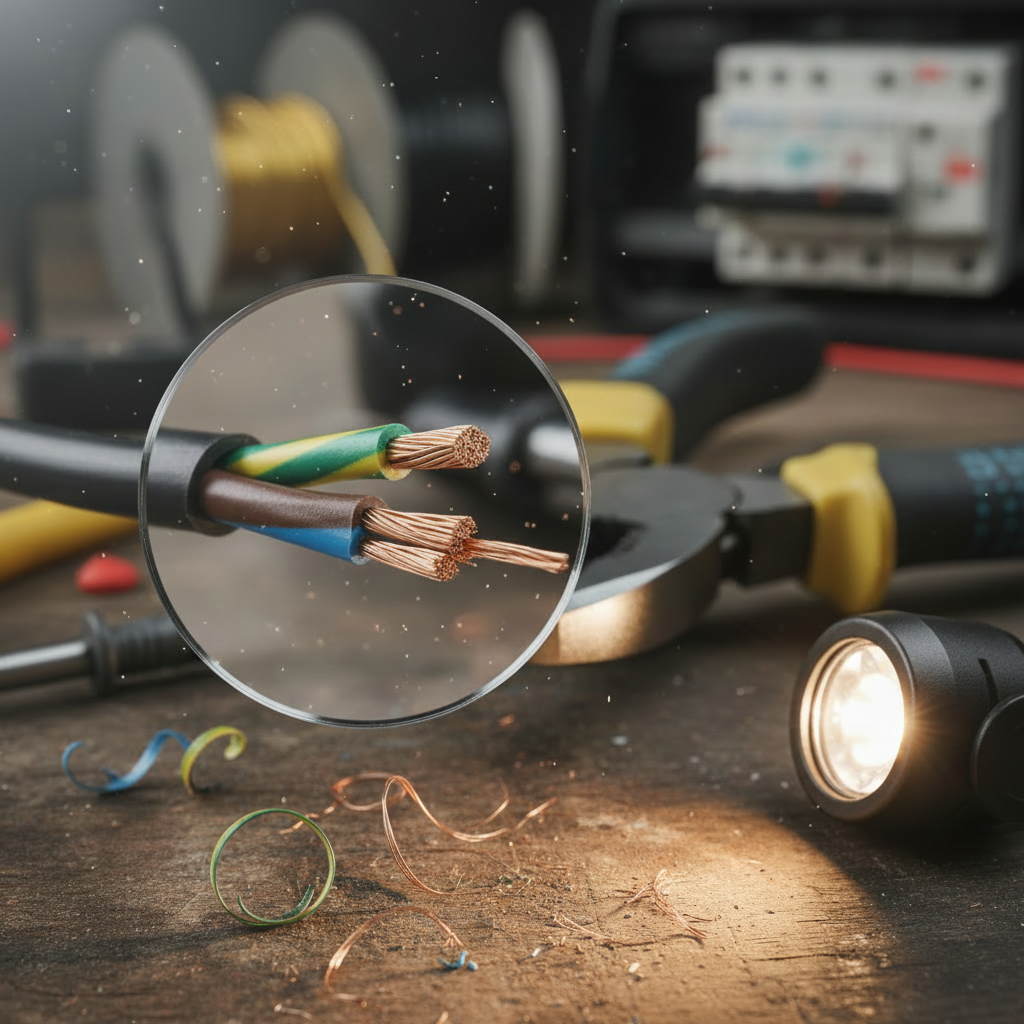
Detailed illustration of key concepts
Visual Guide
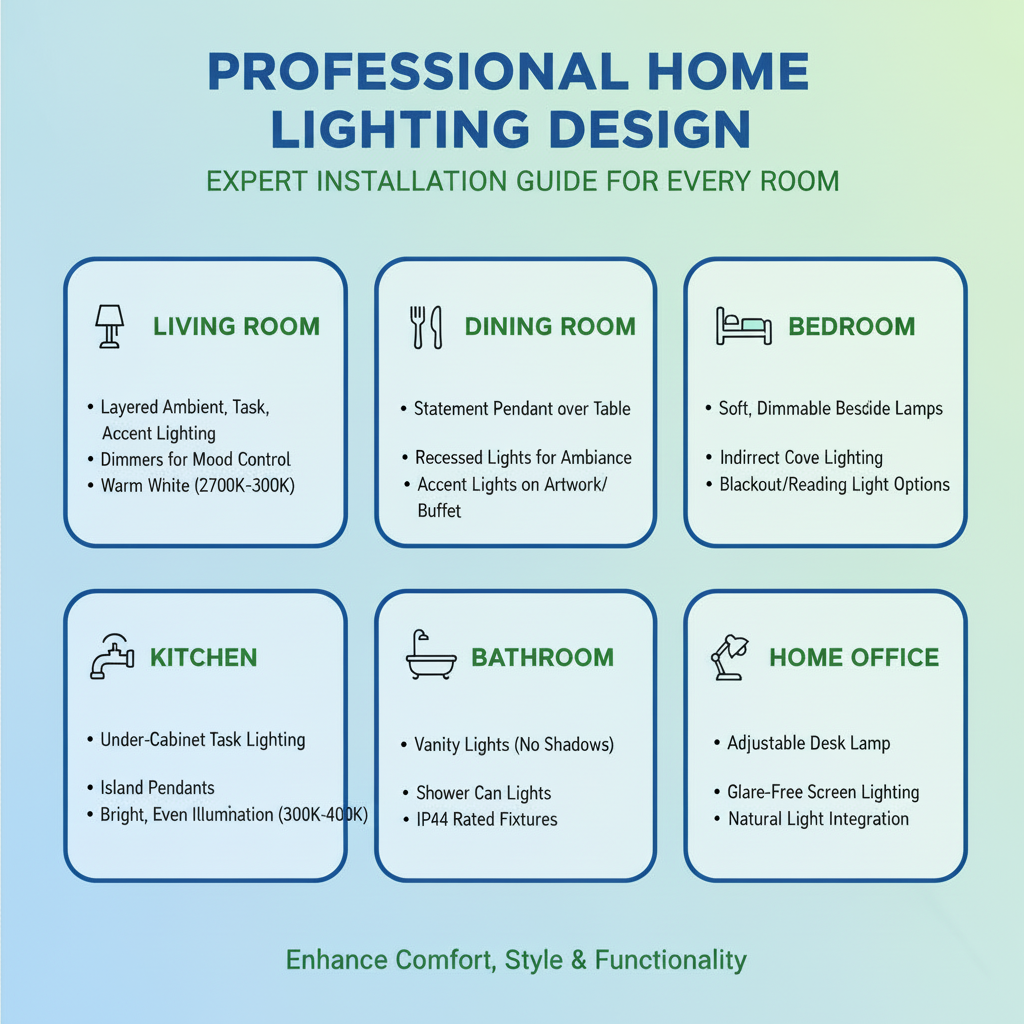
Infographic illustration for this topic
Side-by-Side Comparison
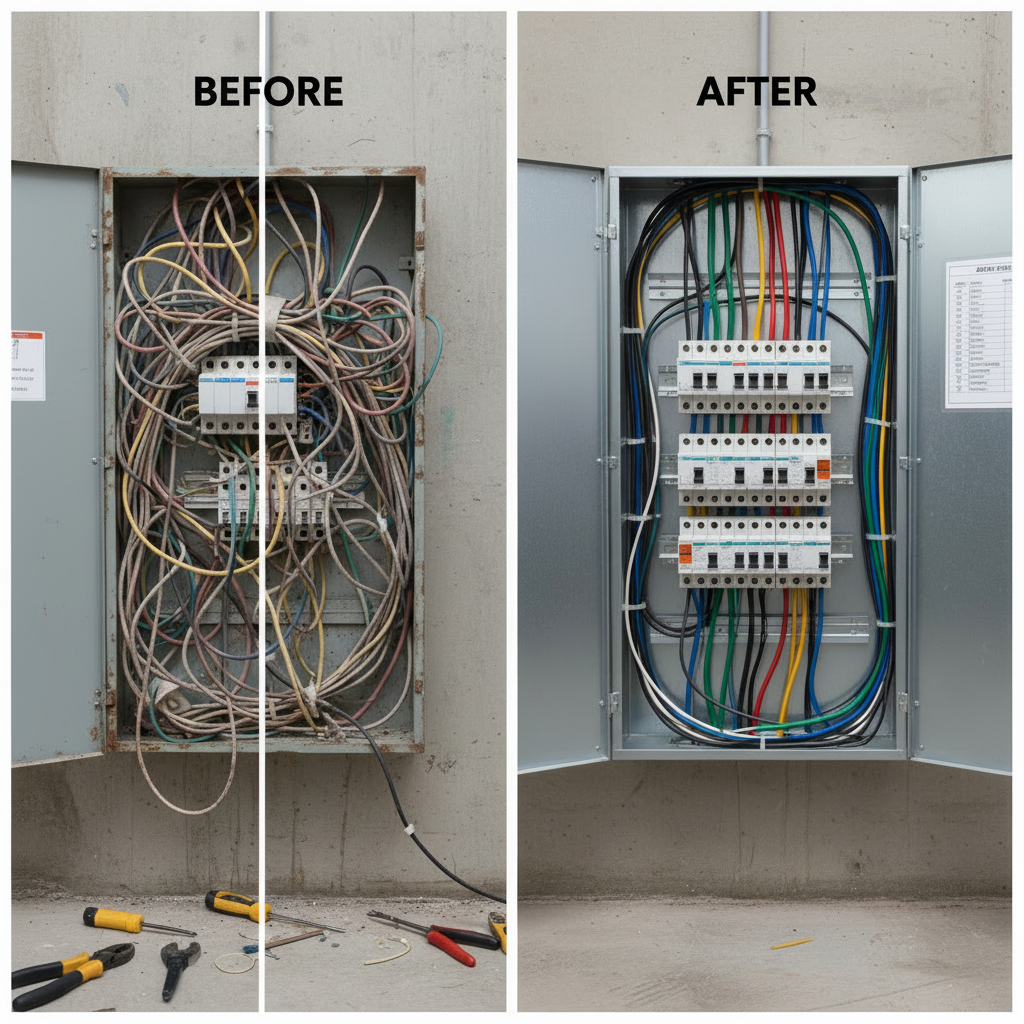
Visual comparison of options and alternatives
Sources & References
- How to Choose the Right Light Fixture for Each Room
- Guide to Choosing the Perfect Light Fittings for Homes
- A Step-by-Step Guide to Professional Lighting Installation
- The Do's and Don'ts of Installing fixture light - PacLights
- Best Tool Brand for Electricians 2025: Expert Rankings - Wood Guide
- Best Electrician Tools Brand Guide
- 35 Essential Electrician Tools Every Pro Needs in 2025
- Essential 2025 Electrician Tools & Safety Warnings (New & Pro Tips!)
- Top 20 Essential Electrician Tools for Pros (2026 List) - Workiz
Frequently Asked Questions
Need Professional Help?
Find top-rated electricians experts in your area