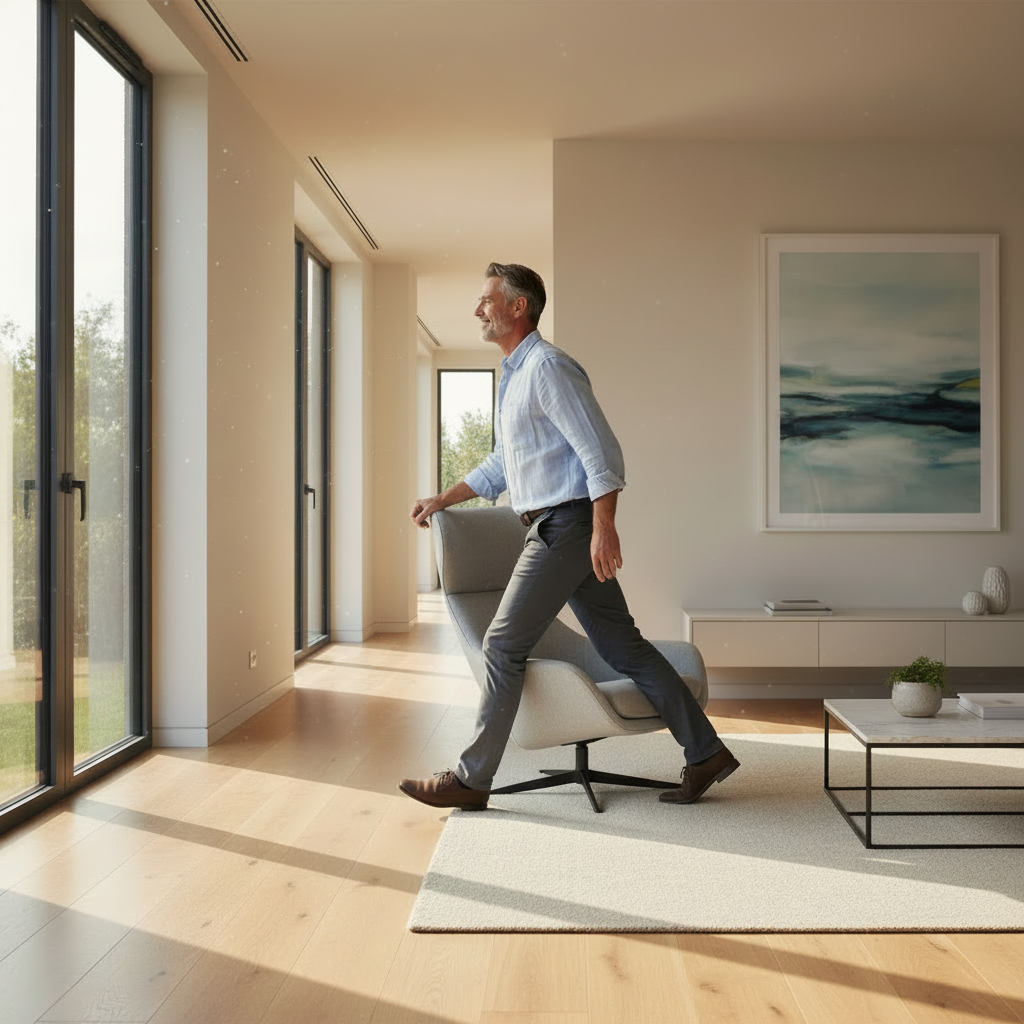
Tired of back pain? Our pros share expert tips on designing a safe, comfortable home. Learn about smart renovations, materials, and no-cost fixes for lasting relief.
Key Takeaways
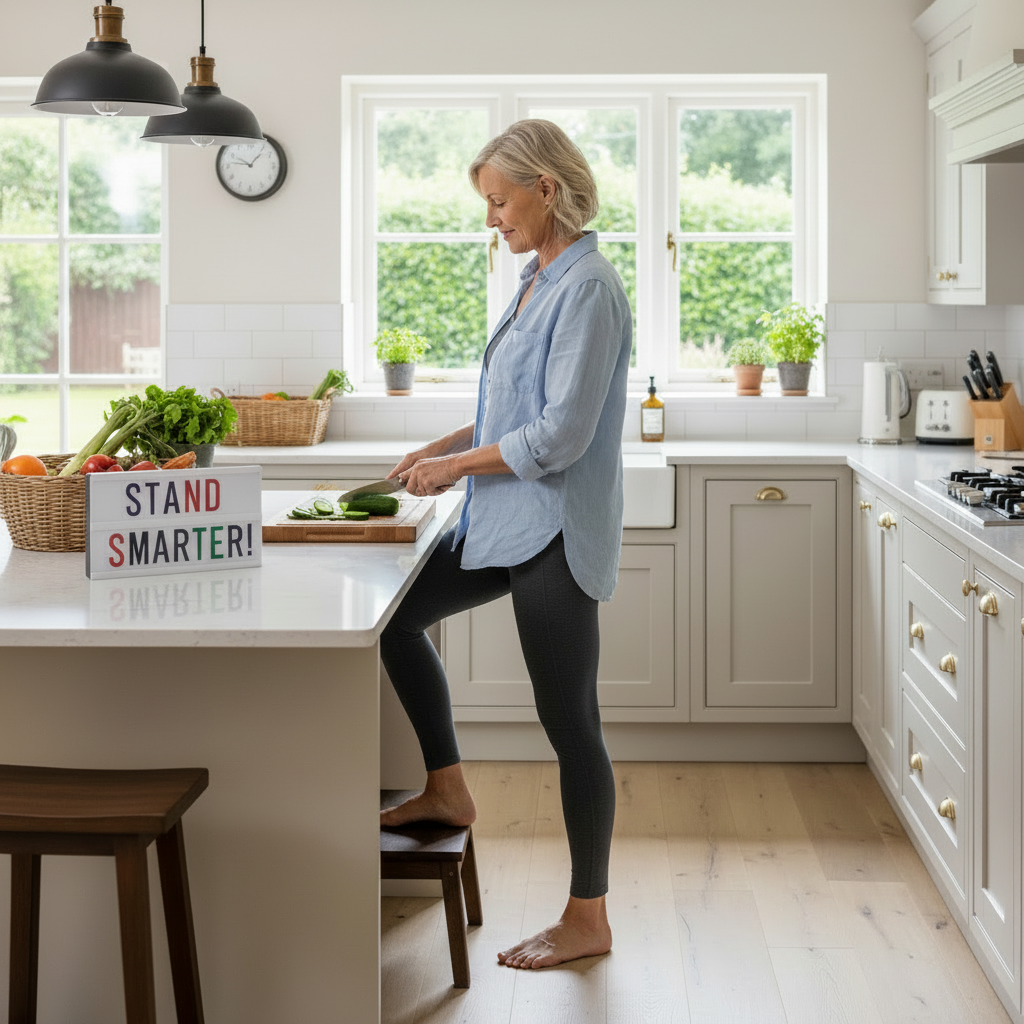
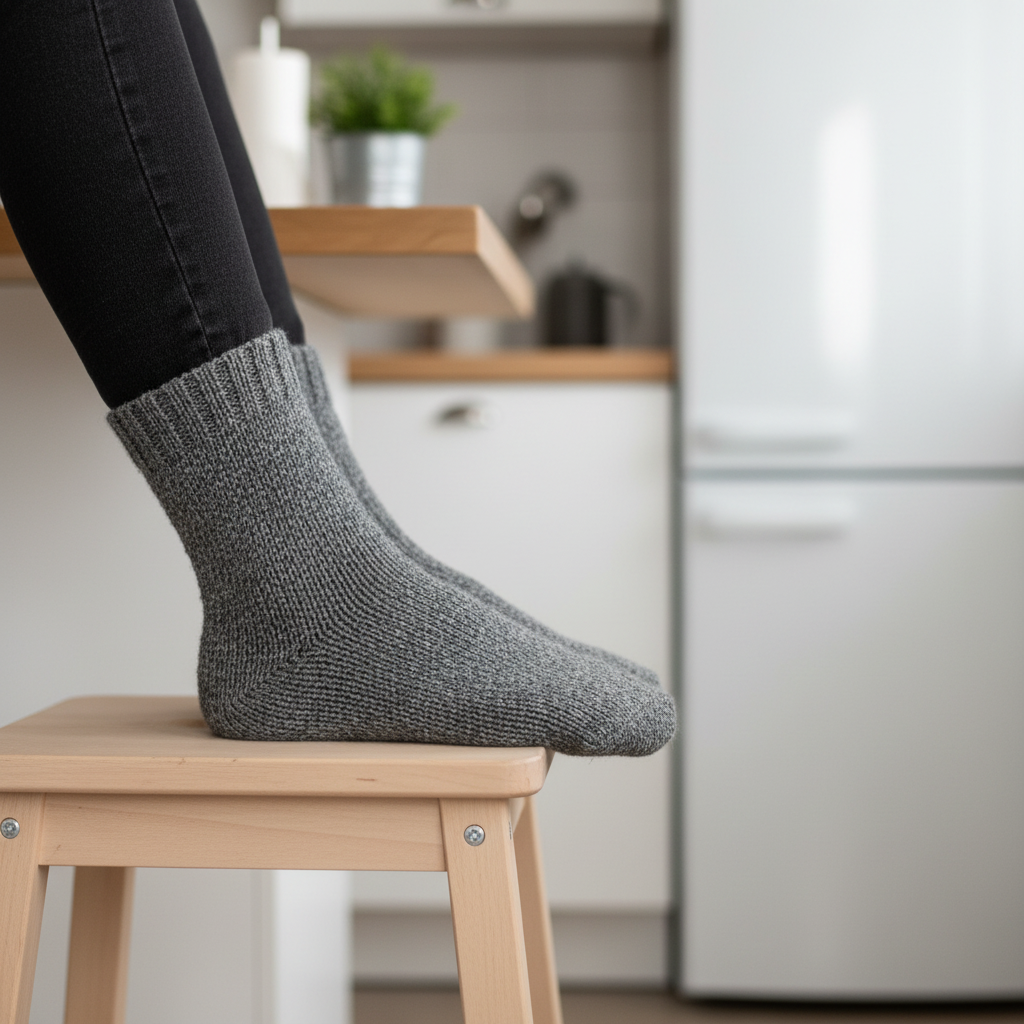
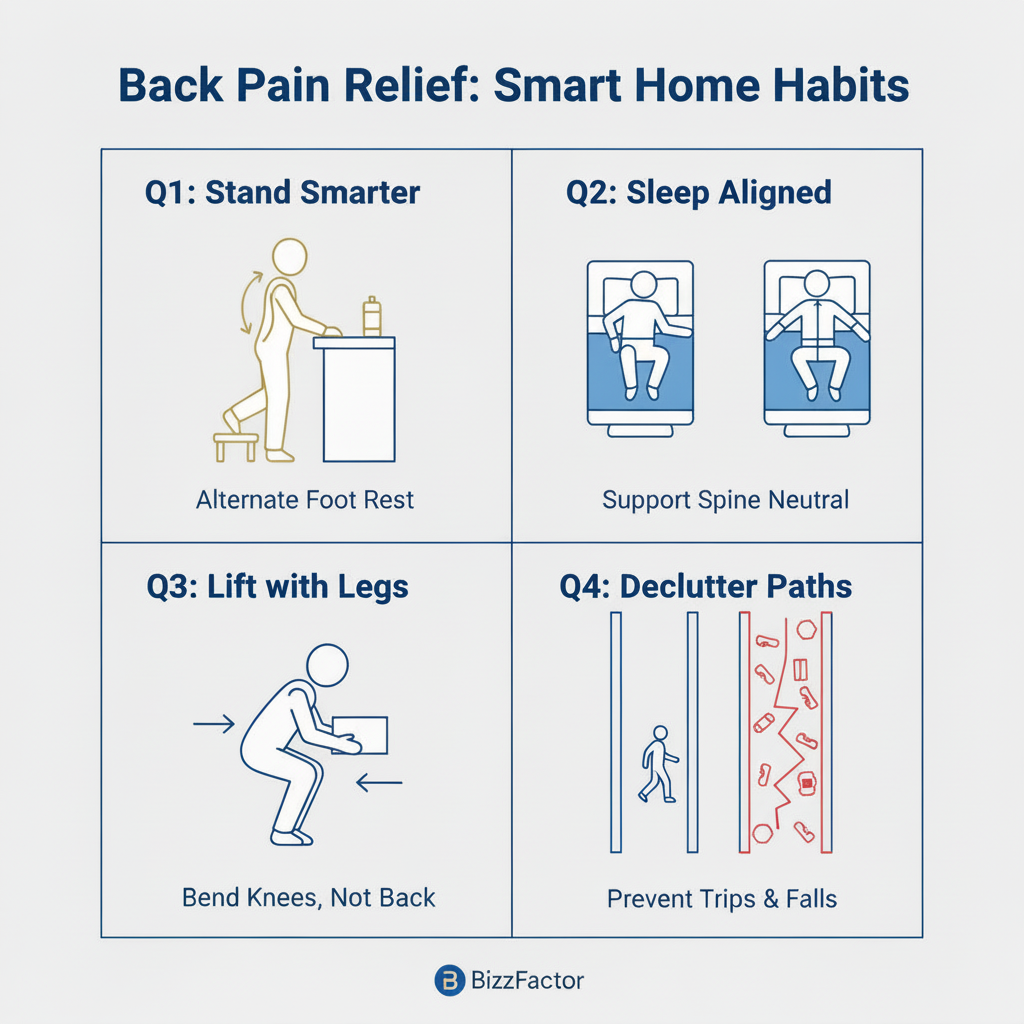
- **Stand Smarter:** When you're standing at the kitchen counter for a while, try putting one foot on a small stool. It's a simple trick our team recommends all the time. This tiny shift in your pelvis can provide huge relief for your lower back.
- **Sit with Support:** Make sure your computer monitor is right at eye level. This stops you from slouching forward. Your chair should let your feet rest flat on the floor with your knees bent at a 90-degree angle. If they don't reach, just grab a footrest. Easy fix.
- **Lift with Your Legs, Not Your Back:** This is non-negotiable. Never, ever bend at the waist to pick something up. It doesn't matter if it's a laundry basket or a pencil. You've got to squat down, keep your back straight, and let your powerful leg muscles do the work.
- **The Accessible Bathroom:** This is our specialty. We go beyond just grab bars. A comfort-height toilet is taller and easier to use. We can install a roll-in shower with a **Moen** handheld showerhead, and a floating vanity that you can use while seated. Remember, wall reinforcement for these fixtures is critical for safety and code compliance.
- **The Ergonomic Kitchen:** Standard counters are often too high. A multi-level countertop can give you a comfortable prep area, whether you're standing or seated. Our pros also move outlets lower for easy reach (always GFI-protected near sinks) and install pull-down shelves. Deep drawers are also far better than standard cabinets, as you won't have to bend down and dig for items in the back.
Key Takeaways
Back Pain Relief at Home: A Pro's Guide to Accessibility
Making your home easier to navigate with back pain means making smart changes to cut down on physical strain. It can be as simple as changing how you sit or as involved as a full renovation. But don't worry—we're here to walk you through it. These tweaks help you live safely and independently, without aggravating your pain.
Immediate Back Pain Relief Without Spending a Dime
You can dramatically reduce daily back strain for free by rethinking your posture, habits, and home layout. These simple changes are all about cutting out pointless bending and twisting. Honestly, these bad habits are often the biggest culprits behind chronic pain and slow recovery. It's the foundation for everything else.
Rethinking Your Everyday Ergonomics
Your home is full of chances to take stress off your spine. Instead of just pushing through the pain, let's make some small but powerful adjustments. Sound familiar? Here’s how to fix it:
- **Stand Smarter:** When you're standing at the kitchen counter for a while, try putting one foot on a small stool. It's a simple trick our team recommends all the time. This tiny shift in your pelvis can provide huge relief for your lower back.
- **Sit with Support:** Make sure your computer monitor is right at eye level. This stops you from slouching forward. Your chair should let your feet rest flat on the floor with your knees bent at a 90-degree angle. If they don't reach, just grab a footrest. Easy fix.
- **Lift with Your Legs, Not Your Back:** This is non-negotiable. Never, ever bend at the waist to pick something up. It doesn't matter if it's a laundry basket or a pencil. You've got to squat down, keep your back straight, and let your powerful leg muscles do the work.
How Can I Improve My Sleep to Reduce Back Pain?
Morning back pain is a huge red flag. It often means your sleeping position is throwing your spine out of alignment all night long. We're talking hours of strain. You can fix this tonight:
1. **For Back Sleepers:** Slide a pillow under your knees. This helps maintain your lower back's natural curve, taking pressure off your spine.
2. **For Side Sleepers:** Place a firm pillow between your knees. This simple move stops your top leg from falling forward and twisting your pelvis and spine. It's a game-changer.
3. **Check Your Mattress:** A firm or medium-firm mattress is a must-have. If yours sags in the middle, it’s not supporting you. Frankly, it's actively working against you, and it’s time for a replacement.
Declutter for Safety
When you're hurting, your balance and mobility aren't what they should be. A simple trip over a rug can cause a muscle spasm or a nasty fall. We need to create wide, clear pathways through your home. Get rid of loose area rugs, low ottomans, and any clutter on the floor, especially in hallways and around your bed.
When It's Time for a Professional Renovation
If back pain is a chronic daily struggle, or if your mobility is seriously limited, it's time to call in the pros for a renovation. Our licensed professionals, especially a Certified Aging-in-Place Specialist (CAPS), can redesign key areas like bathrooms and kitchens to meet crucial accessibility standards, making your life infinitely easier.
What Is a Truly Accessible Home Design?
A professional accessible design is about a whole lot more than just tacking on a few grab bars. It’s a complete rethinking of your home's flow. Our team focuses on creating wide, 36-inch passages, getting rid of annoying thresholds between rooms, and choosing the right flooring. For example, hard surfaces like tile can send shockwaves up your spine. That's why we often recommend softer, shock-absorbent materials like cork or luxury vinyl plank over brands like **PORCELANOSA**, even though their tile looks great.
Real-World Experience: The DIY vs. Pro Bathroom
Our team inspected a home last month where a well-meaning son tried a DIY accessibility remodel for his mom. It was a disaster waiting to happen. He'd mounted grab bars straight into the drywall—they would've ripped out with the slightest pressure. The shower also had a 6-inch curb, which made it useless for her walker. It was a complete waste of money and, worse, a serious safety hazard.
By contrast, a project we managed next door shows the BizzFactor difference. Our certified technicians installed reinforced blocking inside the walls *before* tiling to anchor the grab bars securely. We created a beautiful zero-entry shower with a linear drain and a wall-mounted folding seat. All of our work is guaranteed to meet or exceed the **2010 ADA Standards for Accessible Design**, ensuring long-term safety and usability. That's the peace of mind you're paying for.
Making Kitchens and Bathrooms Independent-Friendly
These two rooms are tough, but they also offer the best chances for big improvements. What's the catch? It has to be done right.
- **The Accessible Bathroom:** This is our specialty. We go beyond just grab bars. A comfort-height toilet is taller and easier to use. We can install a roll-in shower with a **Moen** handheld showerhead, and a floating vanity that you can use while seated. Remember, wall reinforcement for these fixtures is critical for safety and code compliance.
- **The Ergonomic Kitchen:** Standard counters are often too high. A multi-level countertop can give you a comfortable prep area, whether you're standing or seated. Our pros also move outlets lower for easy reach (always GFI-protected near sinks) and install pull-down shelves. Deep drawers are also far better than standard cabinets, as you won't have to bend down and dig for items in the back.
The Rules and Materials That Define Quality Work
A great accessibility project needs two things: the right materials and a contractor who follows established safety standards. This is what separates a temporary fix from a permanent solution that adds real value and safety to your home. It's about building a space that works for you, not against you.
Why Following Design Standards Matters
Private homes aren't always legally required to follow the **Fair Housing Act** or **ADA Standards**. So what? Our licensed professionals use these as our bible anyway. Why? Because they are the proven blueprints for safety. Following these guidelines ensures proper clearances for walkers, correct reach ranges for light switches, and secure placement for grab bars. According to the **National Institute on Aging**, falls are a major risk for older adults, and these standards are designed specifically to prevent them. It's a level of quality and safety we guarantee.
The Best Materials for an Accessible Home
Quality parts are the foundation of a project that lasts. Here’s what our team looks for:
- **Flooring:** Go for non-slip, low-maintenance surfaces. We've already mentioned cork and luxury vinyl plank, which are much better than hard tile or plush carpet that trips up walkers.
- **Structural Support:** Using reinforced blocking for grab bars, seats, and railings is non-negotiable. We offer a warranty on our installations because we do this right every time.
- **Lighting:** Good lighting prevents trips and falls. We use layered LED fixtures, often with smart controls, so you can easily adjust brightness without fumbling for a switch.
- **Insulation:** This is a detail others miss. For shared walls near bedrooms or bathrooms, we use high-quality sound-dampening insulation like **ROCKWOOL**. It creates a more peaceful, restorative environment (which is just as important for recovery).
In-Depth Look
Detailed illustration of key concepts
Visual Guide
Infographic illustration for this topic
Side-by-Side Comparison
Visual comparison of options and alternatives

Sources & References
- Dos and don'ts on designing for accessibility
- 2010 ADA Standards for Accessible Design
- The Complete Home Accessibility Guide
- [PDF] Fair Housing Act Design Manual - HUD User
- [PDF] A guide for interior designers - Thomas Pocklington Trust
- Building Codes and Standards - 101 Guide | ROCKWOOL Blog
- Design Standards in Interior Design - Canoa Supply
- Building Codes, Standards, and Regulations: Frequently Asked ...
- Building Standards - Standards & Publications - Products & Services
- 13 Key Interior Design Rules Every Designer Must Follow - Foyr Neo
Need Professional Help?
Find top-rated home design experts in your area