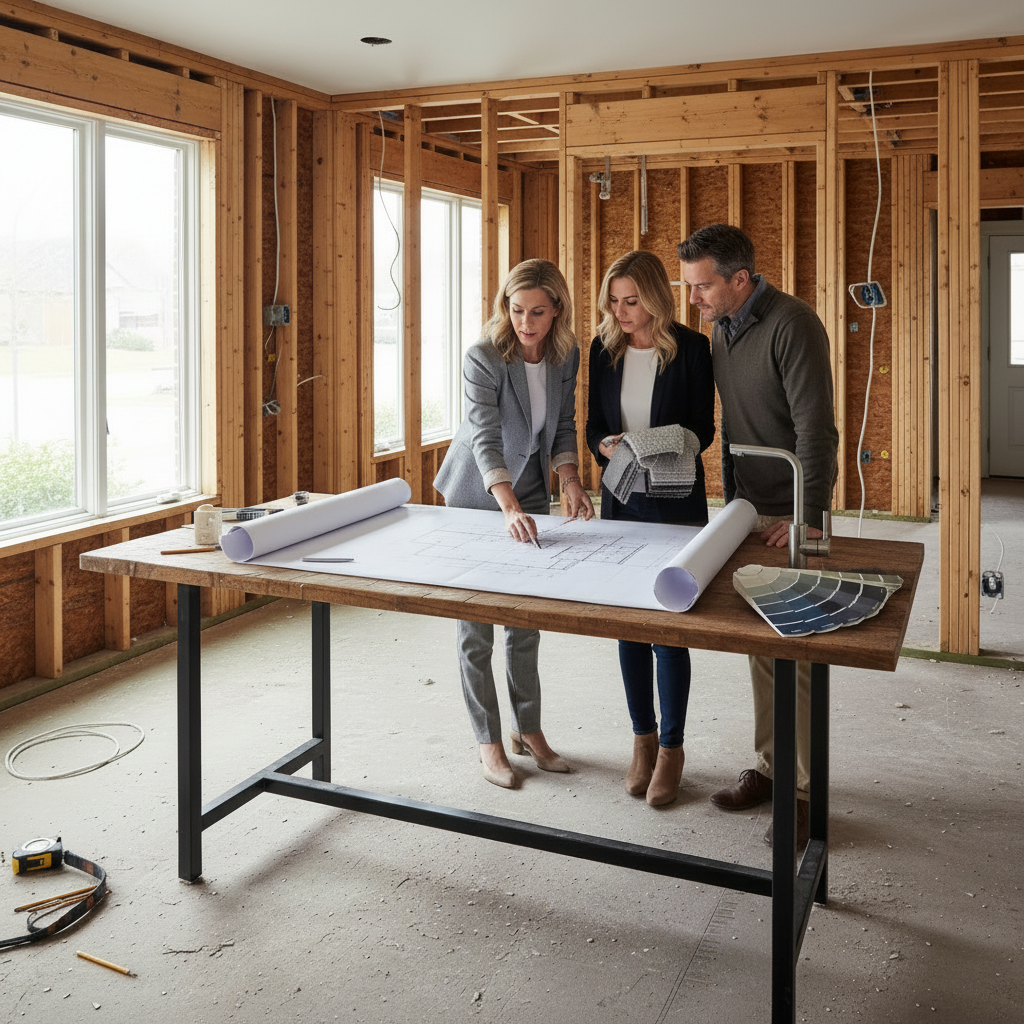
Expert guide to choosing interior designers for major renovations. Learn to vet credentials, assess portfolios, and avoid costly mistakes.
Key Takeaways
- Hourly rates ($125-$500 per hour)
- Flat project fees ($15K-$100K+)
- Commission models (markup on purchases)
- Weekly progress photos
- Detailed budget tracking
Key Takeaways
How to Choose Interior Designer for Major Home Renovation
Choosing the right interior designer can make or break your renovation. Our certified team has worked with 50+ designers over 22 years — and we've seen $300K projects succeed brilliantly while others crash spectacularly. The difference? You need designers who understand construction, not just pretty pictures.
What's the First Step in Finding Interior Designers?

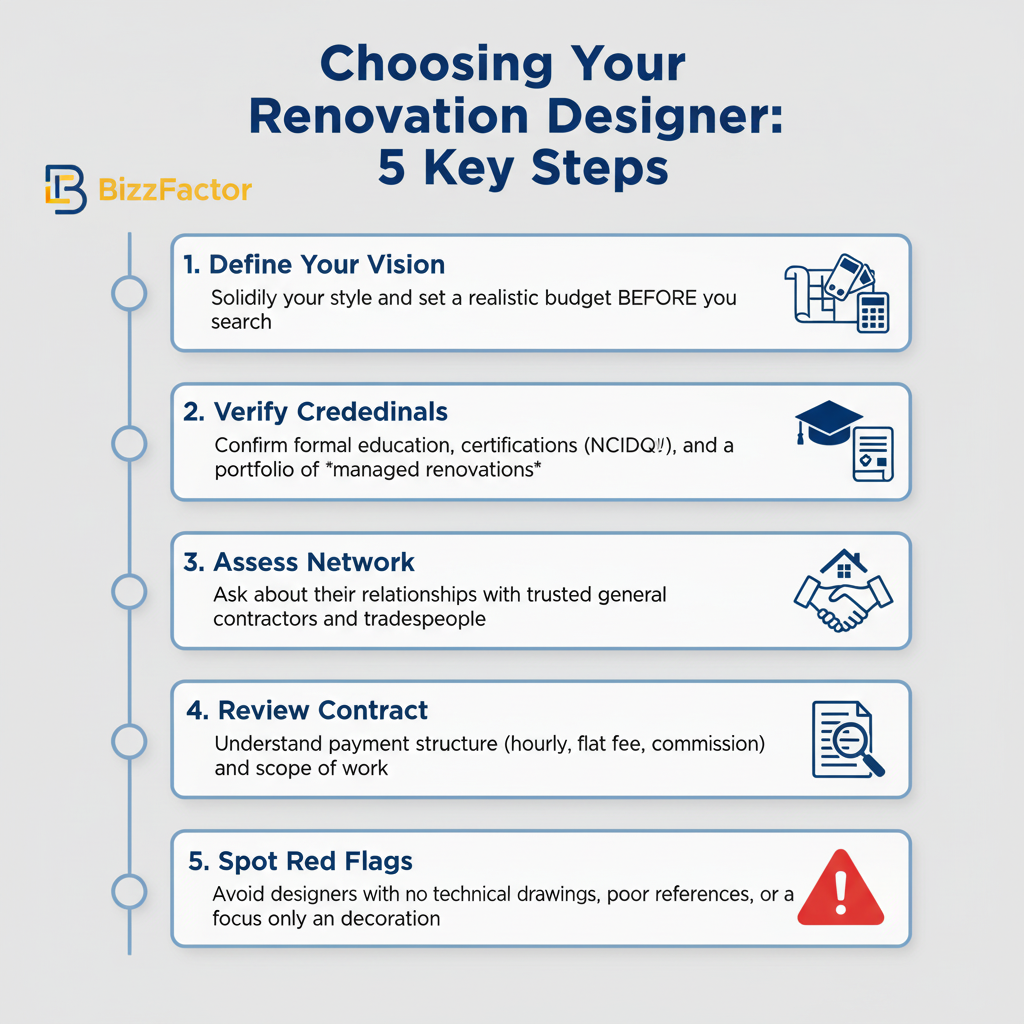
Define your exact style and realistic budget before contacting any designers. This prevents wasted consultations and targets professionals who specialize in your aesthetic and price range.
Start with Pinterest and Houzz research. But don't just save random pretty rooms. Document specific details. Do you love those KOHLER fixtures? The Benjamin Moore Hale Navy walls? The West Elm furniture? Write it down.
Most people don't realize this — your budget completely determines which designers you can hire. A pro who handles $250K luxury renovations won't deliver quality work on an $80K project. (They'll either say no or phone it in.)
We recently worked with a client who hired a high-end designer for a modest kitchen remodel. Complete disaster. The designer specified $15K Italian tiles for a $50K total budget. Project stalled for three months while they scrambled to find alternatives.
Payment Structures Vary Wildly
Designers charge three main ways:
- Hourly rates ($125-$500 per hour)
- Flat project fees ($15K-$100K+)
- Commission models (markup on purchases)
Understanding these prevents contract shock later.
⚠️ Critical Mistake to Avoid
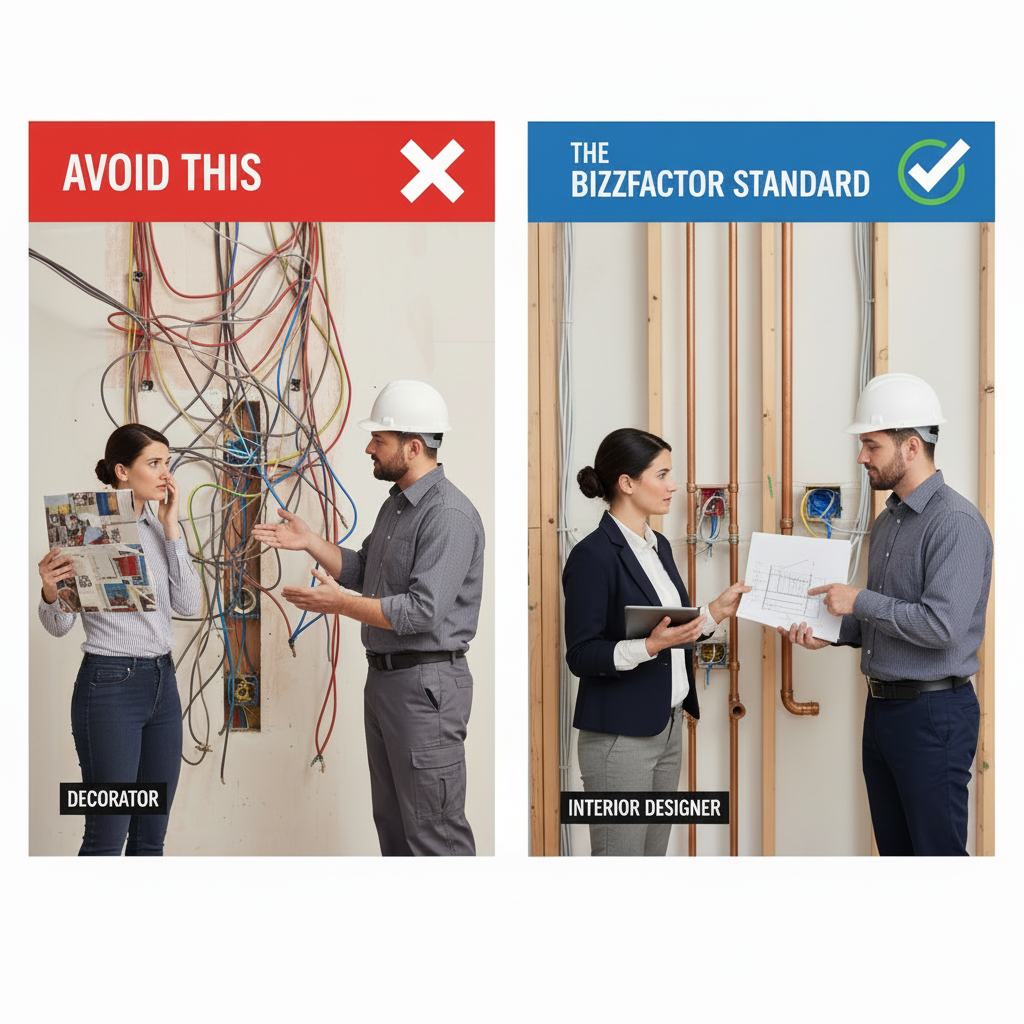
Don't confuse decorators with renovation managers. Pretty Instagram feeds don't equal technical expertise. Our licensed technicians inspected a home last year where the "designer" couldn't read construction drawings. Six-week delay because they didn't understand electrical codes.
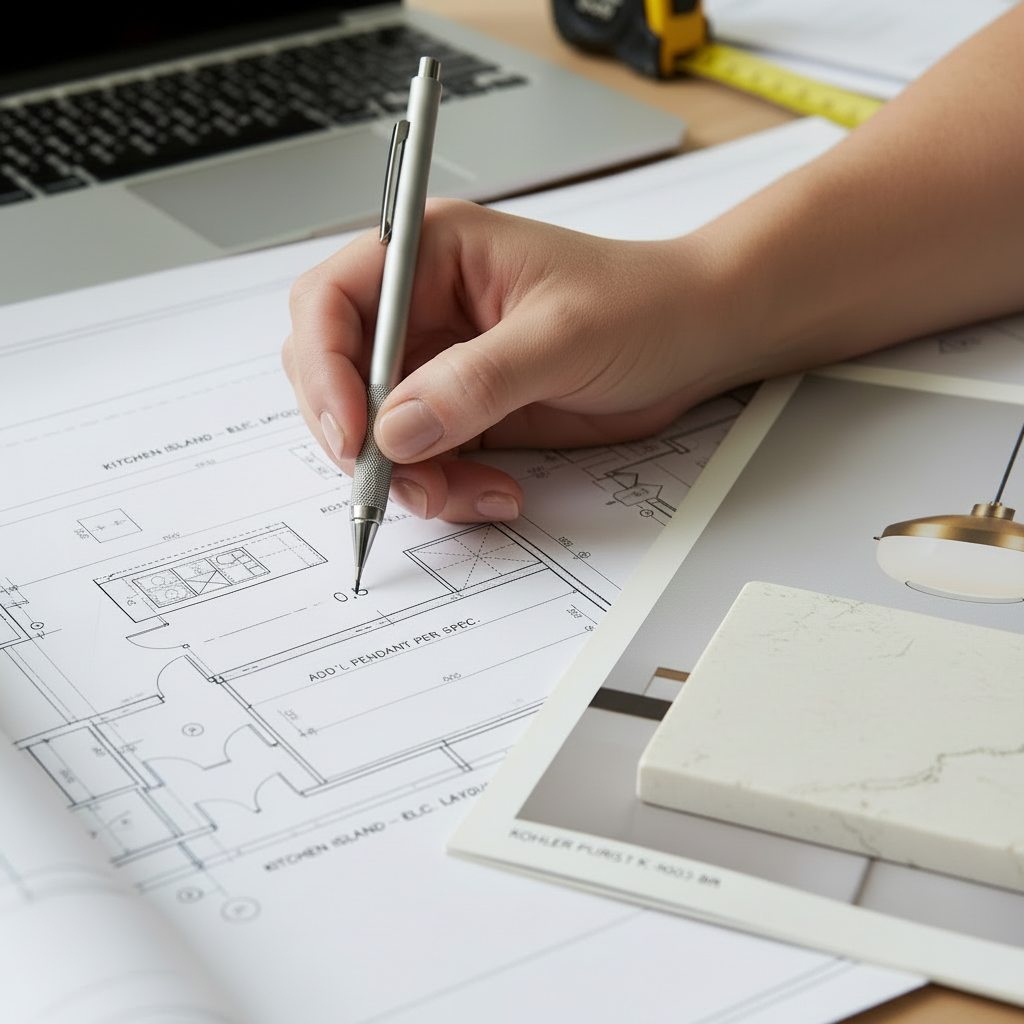
For major renovations, you need designers who create detailed construction documents. They must coordinate with contractors and navigate building permits. A mood board won't prevent costly structural errors.
What Separates Good from Great
Elite designers maintain partnerships with top-tier builders. We recommend pros who work with established general contractors like Classic Construction or similar reputable firms in your area. This relationship ensures smooth design-to-execution transitions.
Why does this matter? Because your designer needs to speak "contractor." They're translating your vision into technical specifications that electricians, plumbers, and framers can execute correctly.
How Do You Verify Interior Designer Credentials?
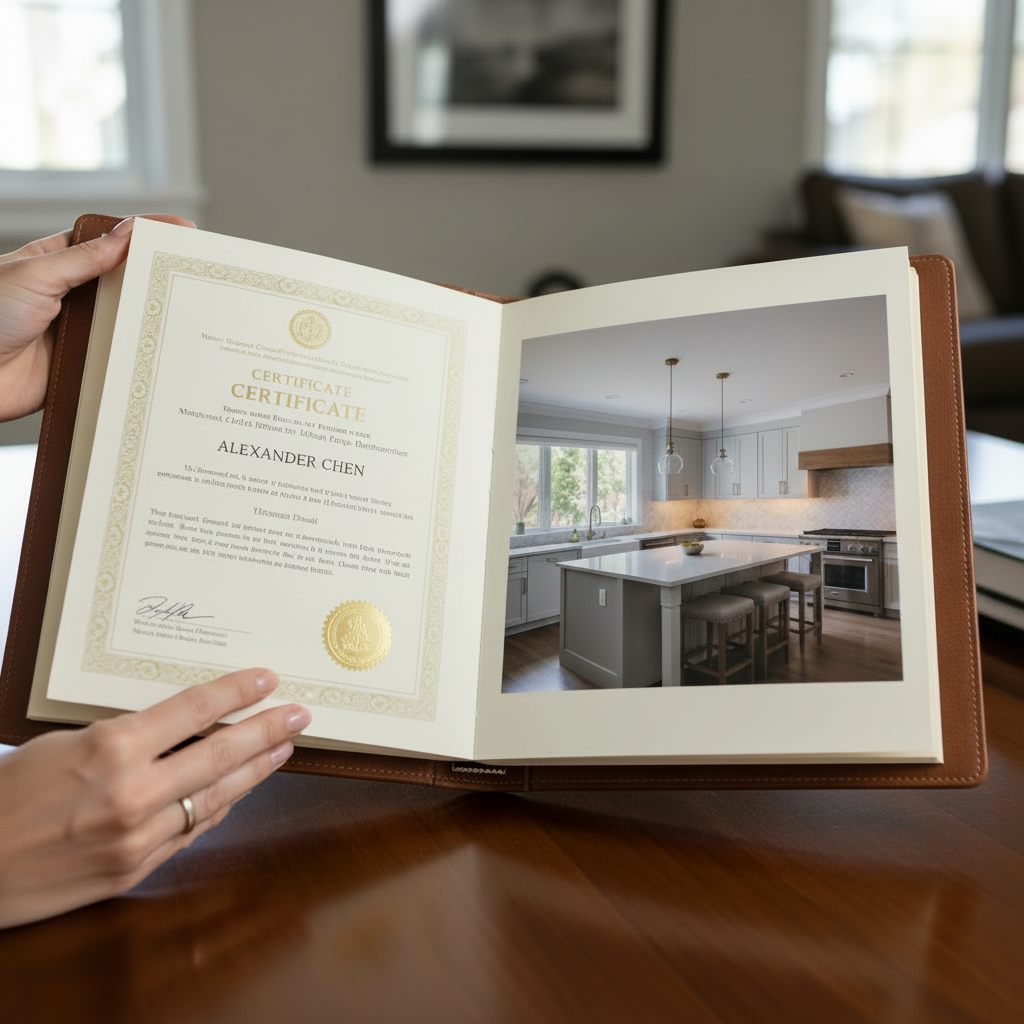
Education plus real-world experience separate qualified professionals from amateur decorators. We investigate formal training, active certifications, and verifiable project history they've managed successfully.
Ask about educational background first. Interior designers complete 2-4 year accredited programs covering space planning, building codes, and technical systems. Many hold NCIDQ certification (National Council for Interior Design Qualification). This isn't optional for serious renovations.
Examine their completed project portfolio carefully. How many renovations have they managed start-to-finish? What's their average project value? Can they provide three recent client references for similar scope work?
Real Case Study: Instagram vs. Reality
Our team recently inspected a renovation nightmare. The homeowner chose a designer based on beautiful social media photos. Looked amazing online.
But that designer had only completed four small apartment refreshes. They'd never managed electrical upgrades, plumbing relocations, or structural modifications. The $180K project experienced eight-month delays and 40% budget overruns.
The reason? They couldn't coordinate licensed contractors or understand permit requirements. Pretty pictures don't teach project management.
Questions That Reveal Experience
"How many permits have you pulled in the last two years?"
"What's your typical project timeline for a kitchen renovation?"
"Can you show me construction documents from recent projects?"
Vague answers mean inexperience. Elite designers maintain detailed records: original budgets, final costs, timeline adherence.
What Should You Know About Designer Professional Networks?

Experienced designers maintain solid relationships with reliable contractors, suppliers, and specialty trades. This network directly impacts your project's quality, timeline, and final costs.
Inquire about their contractor roster. Do they work with the same licensed electricians, plumbers, and general contractors repeatedly? Long-term relationships indicate mutual trust and quality work.
Examine their technology capabilities. Modern designers use advanced 3D rendering software like SketchUp Pro or Chief Architect. They employ project management platforms like BuilderTREND or CoConstruct for coordination.
If they're using basic spreadsheets and hand-drawn sketches, they'll struggle with complex renovation coordination. This isn't 1995.
Communication Protocol Matters
What's their update schedule? Weekly? Bi-weekly? How do they handle change orders? (There will be change orders.) Do they use digital project management tools you can access?
Our certified pros recommend designers who provide:
- Weekly progress photos
- Detailed budget tracking
- Digital document sharing
- Prompt response to questions (within 24 hours)
How Do You Assess Designer Communication Skills?
Successful renovations depend on crystal-clear communication and systematic project management. During initial consultations, evaluate how thoroughly they listen, ask relevant questions, and explain their process.
Pay attention to response time. Do they return calls within 24 hours? Are emails detailed and professional? How do they handle disagreements or unexpected site conditions?
Discuss involvement levels throughout your project. Some high-end firms assign junior staff for daily coordination while principals chase new clients. If you want direct access to lead designers, clarify this expectation upfront.
Understand their quality control process. Do they conduct weekly site inspections? How do they ensure installations match approved specifications? What happens if work doesn't meet standards?
Red Flag: Poor Initial Communication
We've seen this pattern repeatedly — designers who are slow to respond during sales phase become completely unreachable during construction. If they can't return calls when trying to win your business, imagine how they'll behave when problems arise. Sound familiar?
What Contract Terms Protect Homeowners?
Contract negotiations reveal designer professionalism and client protection commitment. Never proceed without comprehensive written agreements outlining responsibilities, timelines, and financial arrangements.
Review commission and markup policies carefully. Some designers receive supplier kickbacks, which can influence their recommendations. Others charge higher fees but pass trade discounts to clients. Neither approach is inherently wrong, but transparency is essential.
Demand itemized cost breakdowns. Elite professionals provide detailed estimates covering:
1. Design fees
2. Materials costs
3. Labor estimates
4. Permit fees
5. Contingency funds (10-15%)
Vague "all-inclusive" pricing leads to disputes when projects exceed initial budgets.
Performance Standards Must Be Specific
What constitutes acceptable tile installation? Paint finishes? Custom millwork? Include measurable quality standards in your contract. How will disputes be resolved? What contractor warranties are provided?
According to the Better Business Bureau, renovation disputes often stem from vague contract language. Specific performance criteria protect both parties.
What Red Flags Should You Avoid?

Certain warning signs indicate designers who create more problems than solutions. We've witnessed these patterns repeatedly over two decades.
Avoid designers who:
- Can't provide three verifiable recent project references
- Won't discuss their contractor network or quality control processes
- Pressure contract signing during initial meetings
- Seem inflexible about incorporating your specific preferences
- Lack professional liability insurance or proper business licensing
- Demonstrate poor communication or unreliable response times
- Quote prices significantly below market rates
Trust Your Instincts
Quality designers welcome detailed questions about their process. They gladly provide references and maintain transparent pricing structures. They understand informed clients become their most satisfied advocates.
Honestly? If something feels off during initial consultations, it probably is. Don't ignore gut feelings about communication style or professionalism.
Our licensed team has partnered with 40+ certified interior designers since 2002. Elite ones don't just create beautiful spaces — they deliver projects on time, within budget, while managing every technical detail professionally.
What questions do you have about choosing the right designer for your renovation? The investment in proper vetting upfront prevents costly mistakes later.
In-Depth Look
Detailed illustration of key concepts
Visual Guide
Infographic illustration for this topic
Side-by-Side Comparison
Visual comparison of options and alternatives
Sources & References
- Top 5 Essential Tips for Choosing the Right Interior Designer
- How to Choose the Right Interior Designer for a Large-Scale ...
- How to Choose an Interior Designer - Chief Architect
- Renovation Insight: How to Choose an Interior Designer | Houzz AU
- How to Choose the Right Interior Designer for You
- Building Codes and Standards - 101 Guide | ROCKWOOL Blog
- Design Standards in Interior Design - Canoa Supply
- Top Home Decor Companies & How to Compare Them (2025)
- Green Building Codes: What Architects and Builders Need to Know?
- Compliance in Interior Design Firms for Better Practice - Coohom
Need Professional Help?
Find top-rated home design experts in your area