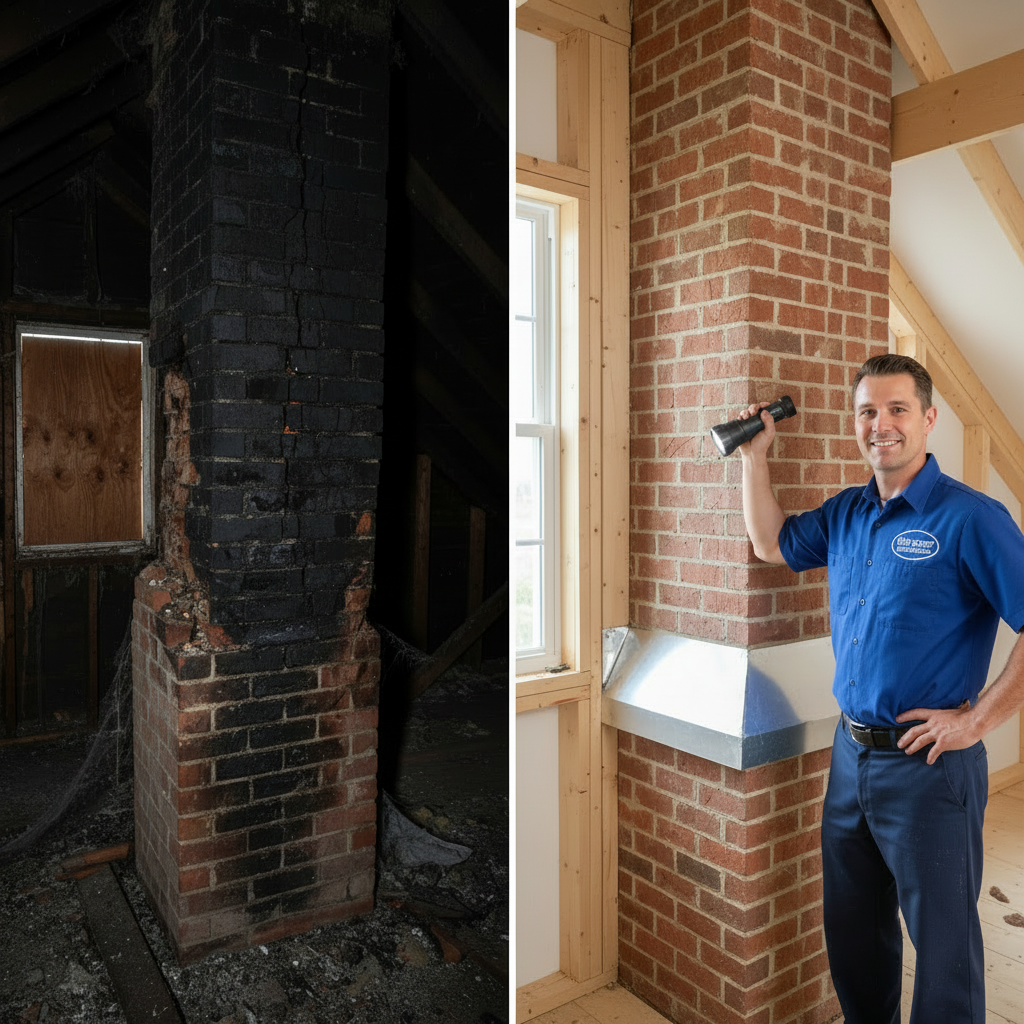
Learn critical 2024 chimney codes from certified pros. Covers structural requirements, clearances, permits & safety standards that prevent fires.
Key Takeaways
- 3 feet above roof surface
- 2 feet higher than anything within 10 feet horizontally
- Specific code sections that apply
- Materials specifications and certifications
- Permit and inspection timeline
Key Takeaways
Chimney Codes 2024: Safety Rules That Save Lives
Chimney codes aren't just red tape. They're the difference between a warm home and a deadly disaster.
Why Do Chimney Building Codes Matter for Your Home?
Chimney codes prevent house fires and carbon monoxide deaths by setting mandatory safety standards for construction, clearances, and materials that protect your family from preventable tragedies.
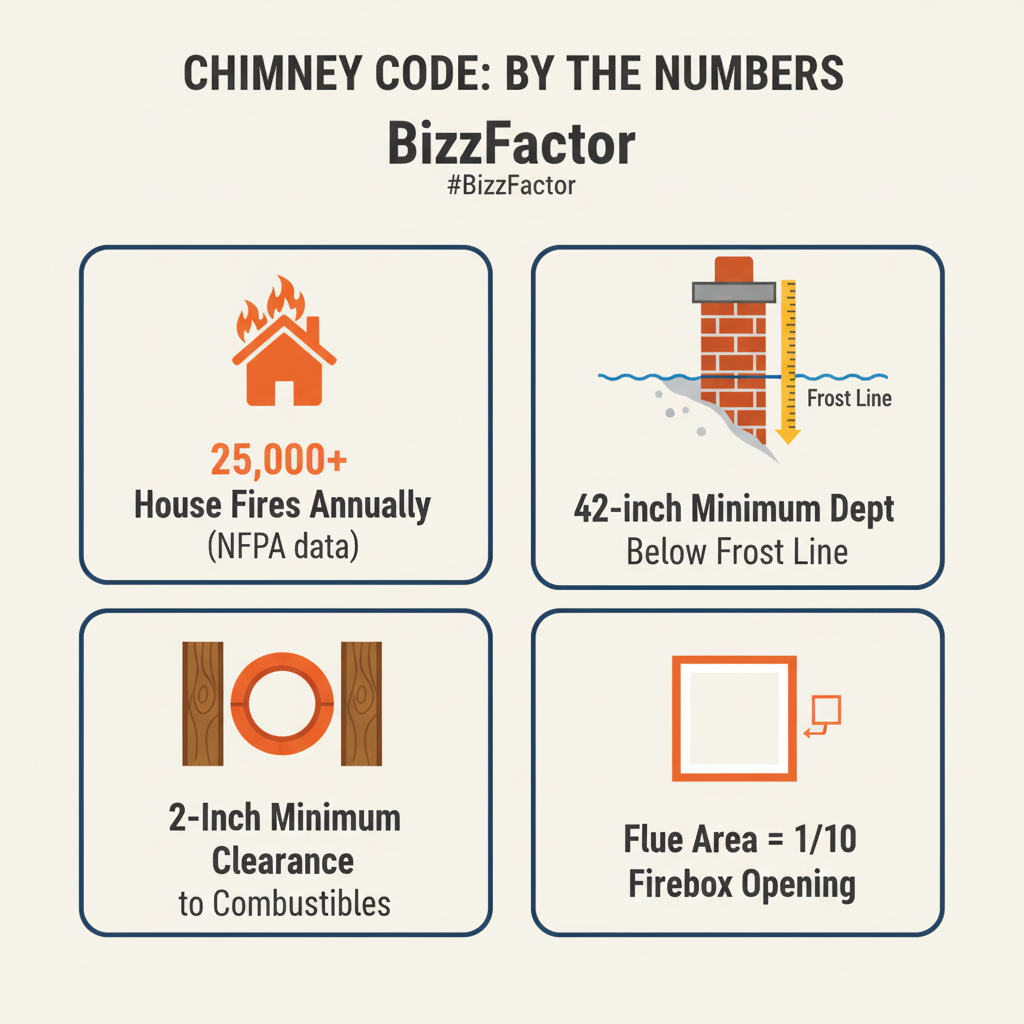
Here's the brutal truth: faulty chimneys spark over 25,000 house fires every year. That's according to the NFPA. Hundreds die. Millions in damage occurs.
Every chimney must meet strict rules. No exceptions. Rules cover how deep foundations go, what materials you can use, and where you can't build near wood.
In our experience, licensed technicians don't mess around with codes. Why? Because we've seen what happens when contractors cut corners.
What's the Real Cost of Code Violations?
We inspected a home last month where DIY work went horribly wrong. The homeowner saved $3,000 upfront. It cost him $18,000 to fix later.
Insurance company found multiple violations during a routine claim. Wrong clearances. Cheap materials. No permits. They denied his entire $15,000 water damage claim and threatened cancellation.
Honestly? Fixing violations after construction costs three times more than doing it right initially. Don't gamble with your family's safety.
How Do Licensed Pros Ensure Compliance?
Certified technicians like our team know NFPA 211 inside out. We pull permits. We coordinate inspections. We use only approved materials rated for extreme heat.
Our 20+ years of experience means catching problems before they become expensive disasters. We've never failed a code inspection in over 1,000 jobs.
What Are the Core Structural Requirements?
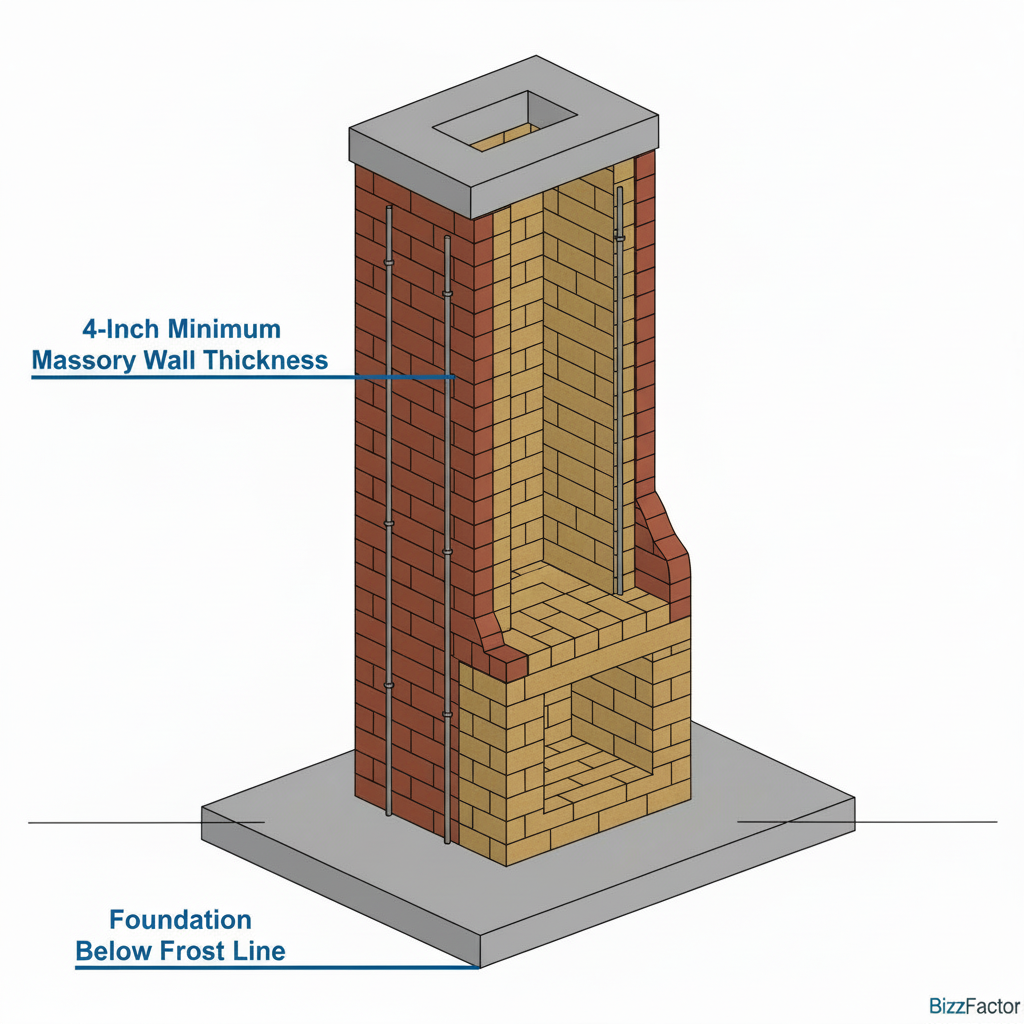
Structural codes require foundations below frost line (typically 42 inches deep), minimum 4-inch masonry walls, steel reinforcement every 18 inches, and special firebrick construction that prevents collapse and cracking.
Foundations can't be shallow. Period. We've repaired countless chimneys where contractors skipped this step. When soil freezes and thaws, shallow foundations crack.
Wall thickness matters more than you think. Less than 4 inches? Walls crack under thermal stress. We see this constantly with cheap installations.
Reinforcement steel goes in every 18 inches of height. No shortcuts. This prevents structural failure during earthquakes or settling.
What About Firebox Construction?
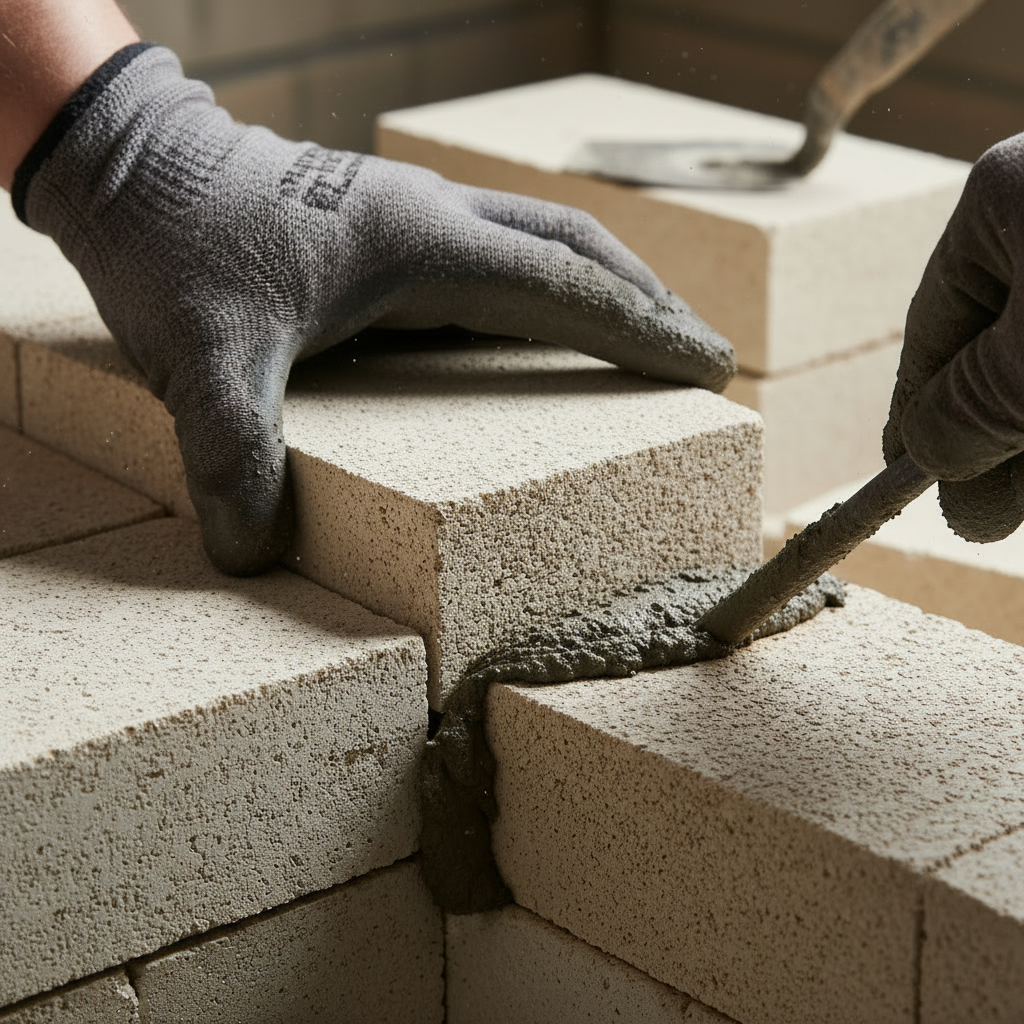
Fireboxes need special firebrick rated for 2000°F+. Standard brick crumbles. Mortar must be refractory grade too.
We recently fixed a firebox where someone used regular brick and mortar. After two years, gaps appeared everywhere. Homeowner was literally one spark away from a house fire.
What's the Deal with Flue Liners?
Flue liners are mandatory in most areas. Clay tile, stainless steel, or cast-in-place concrete — each serves specific purposes. Our pros select the right type based on your fuel and local requirements.
**Pro tip:** Bigger isn't better with flues. Oversized flues cool smoke too fast. This creates poor draft and dangerous creosote buildup.
Why Are Clearance Distances So Critical?
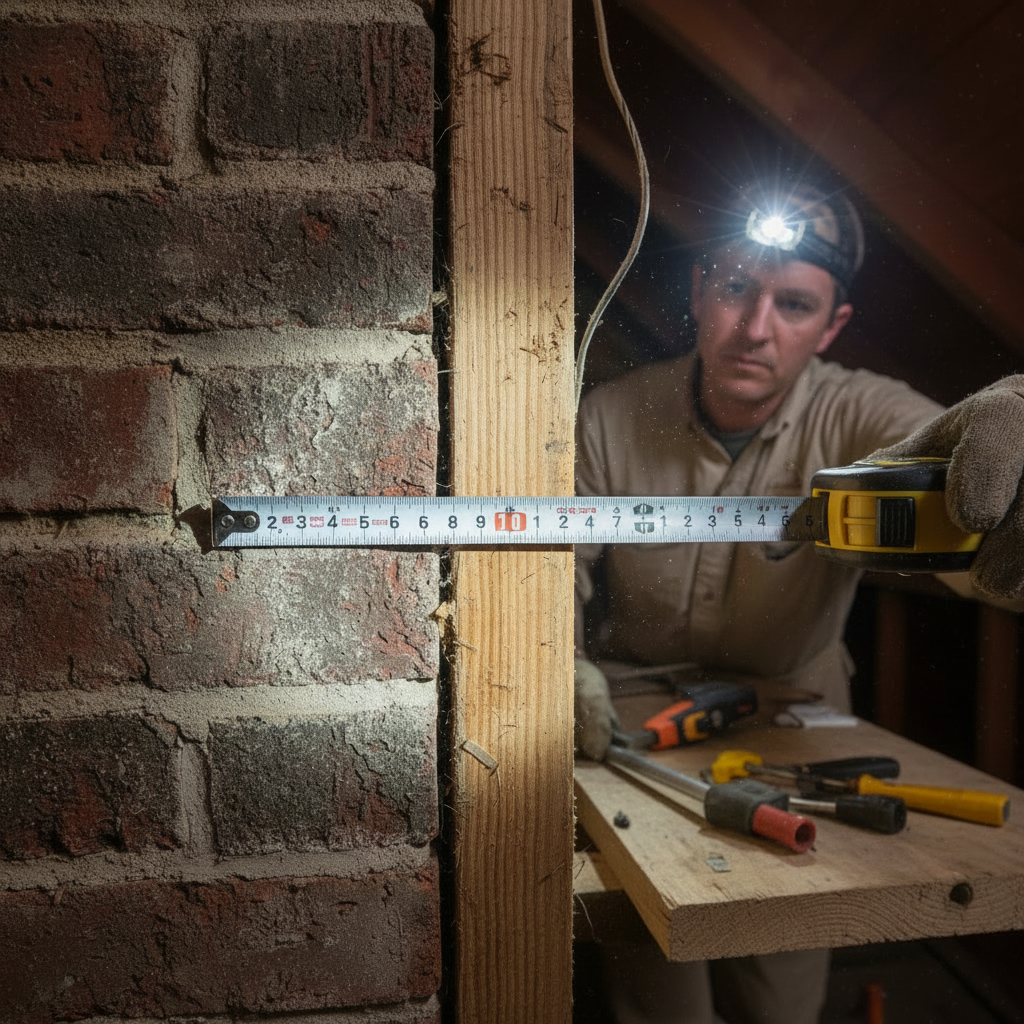
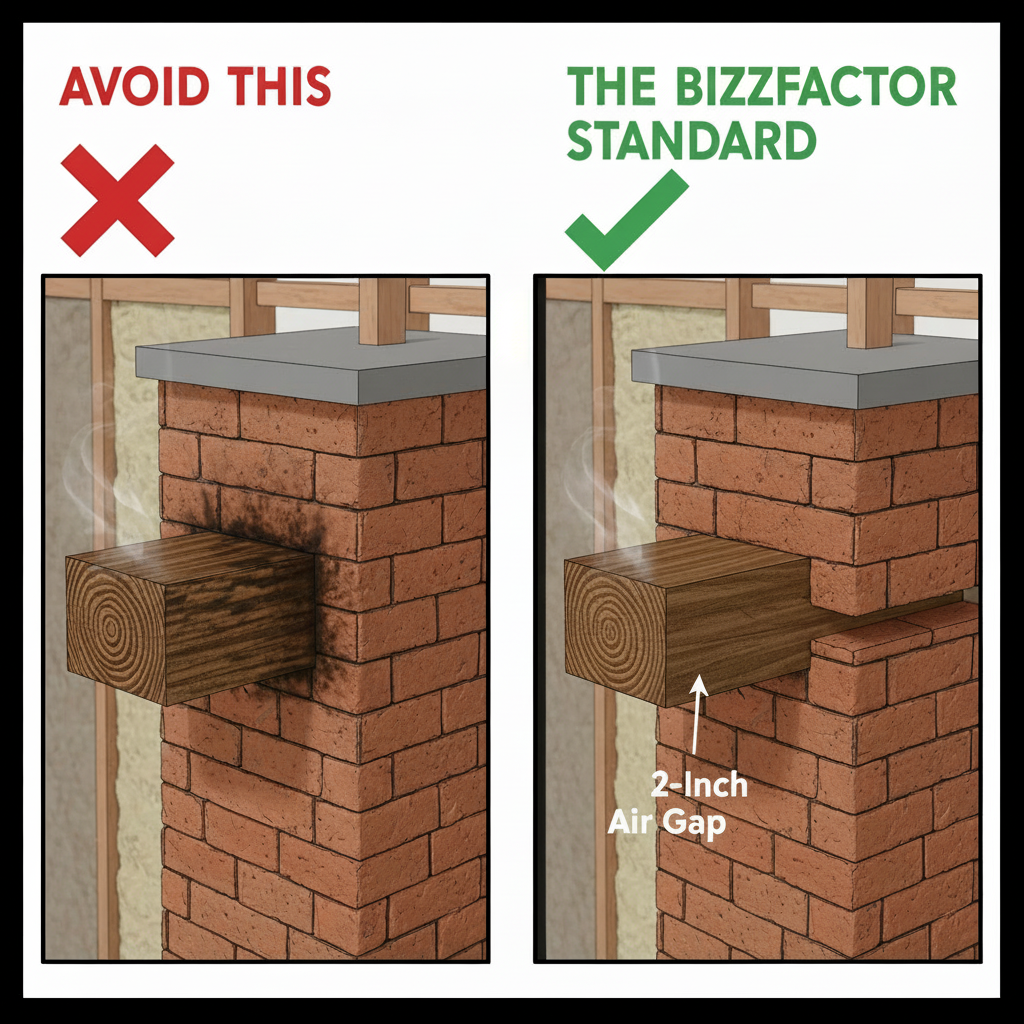
Clearance codes mandate exact distances between chimney components and wood materials, with 2-inch minimum clearances and special firestop materials preventing structure fires that kill families and destroy homes.
Two inches from wood framing. Non-negotiable. This applies throughout the entire chimney height.
We use special firestop materials where chimneys pass through floors and roofs. Regular insulation won't cut it.
Roof clearances follow the "3-2-10 rule":
- 3 feet above roof surface
- 2 feet higher than anything within 10 feet horizontally
Sound complicated? That's why licensed pros handle this work.
What About Hearth Requirements?
Hearth extensions protect floors from flying sparks. Non-combustible materials must extend 16 inches from the firebox and 8 inches on each side.
We've seen gorgeous hardwood floors destroyed because someone skipped this requirement. Sparks landed on bare wood. You can guess what happened next.
How Do Inspections Work?
Our certified team checks every measurement with laser levels. No guesswork. One violation fails your entire inspection.
Here's what most homeowners don't realize: re-inspections cost extra and delay your project. Getting it right the first time saves money and headaches.
How Do Ventilation Requirements Work?
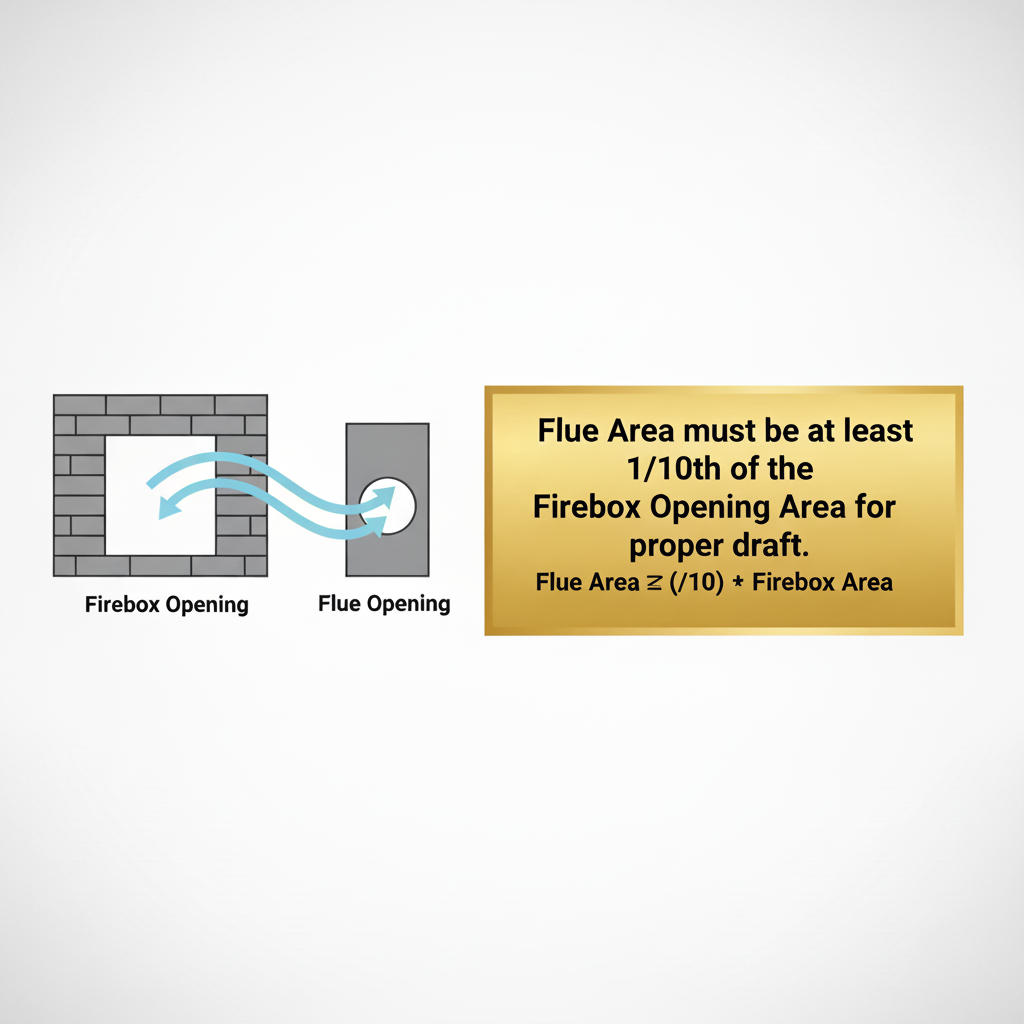
Ventilation codes calculate exact flue sizing (typically 1/10th of firebox opening area), require functional dampers, and ensure adequate airflow that prevents deadly backdrafts and removes toxic gases safely.
Flue sizing isn't guesswork. It's calculated based on your firebox opening. Wood-burning systems need specific ratios. Minimum 64 square inches for any residential chimney.
Dampers control airflow and prevent heat loss. They must open completely without hitting obstructions. When closed, they should seal tight.
What About Tight Modern Homes?
Energy-efficient construction creates ventilation challenges. Some codes now require dedicated outside air supplies for fireplaces.
Why? Tight homes create negative pressure. This causes dangerous backdrafts that pull carbon monoxide into living spaces.
Our team recently installed such a system in a new home. Builder balked at the extra $800 cost. After we explained the safety benefits, he made it standard.
What Do Permit and Inspection Requirements Cover?
Permit requirements include detailed construction plans, material specifications, and multi-stage inspections (foundation, framing, final) that verify safe installation before operation approval from local building departments.
Most chimney work needs permits. This isn't bureaucracy — it's safety verification.
Permit applications need detailed plans showing:
1. Structural details and materials
2. Clearance measurements
3. Foundation specifications
4. Ventilation calculations
Building departments review everything before issuing permits. Our experienced team handles all paperwork and coordinates with officials.
What's the Inspection Process?
Inspections happen at three stages:
1. Foundation inspection after concrete cures
2. Rough framing during construction
3. Final inspection before operation approval
We rarely fail because our certified technicians know local codes. DIY projects? They often need multiple re-inspections and costly fixes.
How Long Does This Take?
Permit approval takes 1-2 weeks typically. Construction and inspections add 2-3 weeks for complete installations.
Rush jobs mean shortcuts. Shortcuts mean violations. Violations mean failed inspections and expensive do-overs.
What Are Ongoing Maintenance Requirements?
Maintenance codes require annual professional inspections, regular cleaning based on usage (wood systems annually, gas systems less frequently), and proper repairs using code-approved materials and methods.
NFPA guidelines recommend annual inspections. Many insurance companies now require them. We catch developing problems before they become safety hazards.
Cleaning frequency depends on what you burn. Wood systems typically need professional service every year. Gas systems need less frequent cleaning but still require regular inspection.
What's Our Maintenance Process?
Our certified technicians inspect every component during service calls. We document findings and recommend repairs that maintain code compliance.
Simple patches aren't enough. Repairs must restore original code-compliant conditions using proper materials.
We recently serviced a chimney where another company "fixed" cracks with hardware store caulk. This violated code and created a fire hazard. We removed the improper repair and used code-approved refractory sealant rated for high heat.
How Do Insurance and Warranty Requirements Affect You?
Insurance companies increasingly verify code compliance before approving chimney claims, with many requiring professional inspections and proper permits to prevent coverage denials that leave homeowners paying thousands out-of-pocket.
Insurers protect themselves from losses caused by improper installations. They're getting stricter about code compliance.
Many now require professional inspections before covering homes with wood-burning systems. They want documentation proving systems meet current safety standards.
Warranty coverage often excludes non-compliant systems. Companies like Select Home Warranty and Liberty Home Guard verify proper permits and inspections before honoring claims.
What Documentation Should You Keep?
Save everything: permits, inspection certificates, and professional service records. This proves compliance and proper maintenance.
It's crucial for insurance claims and warranty coverage. Our team provides comprehensive documentation with every job.
Clients receive copies of permits, inspection approvals, and detailed service reports. Keep these safe.
How Do You Choose Qualified Professionals?
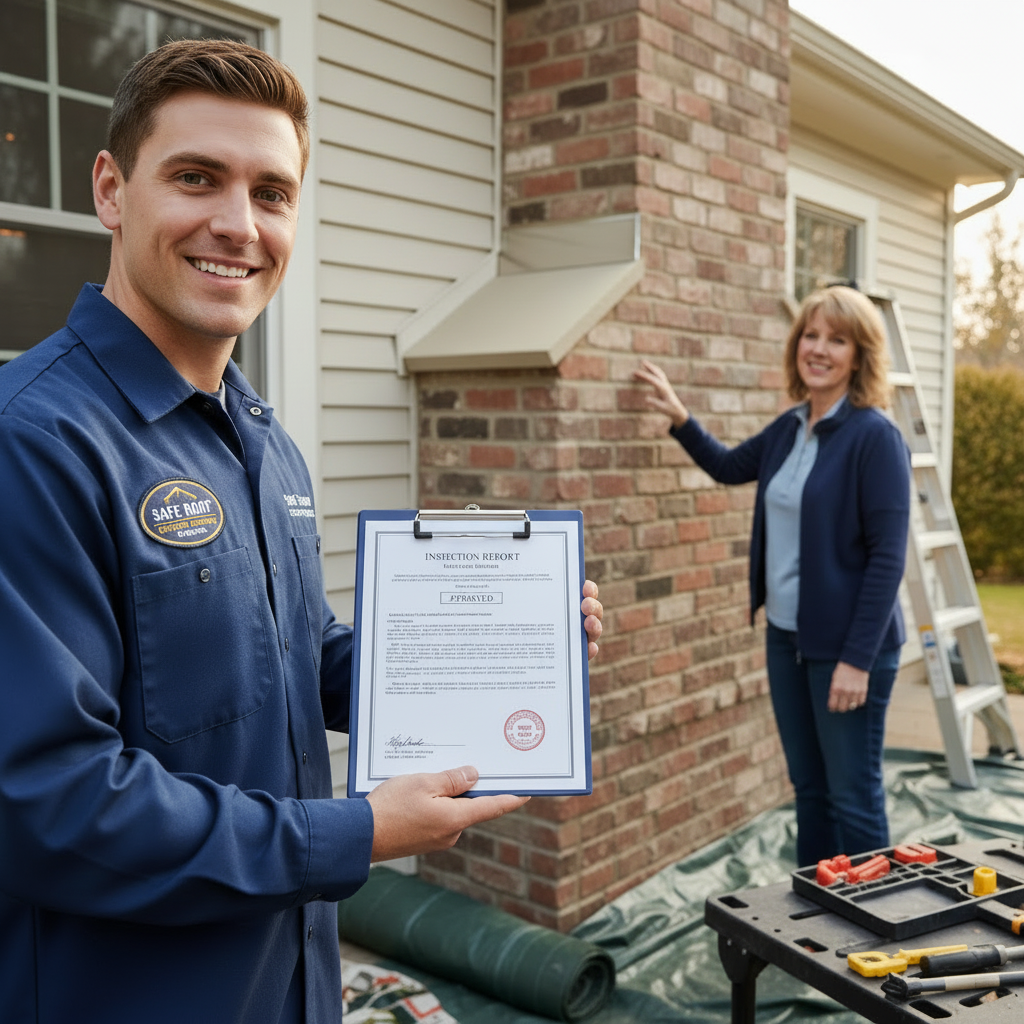
Qualified chimney professionals carry specific certifications (CSIA, NCSG), proper licensing and insurance, pull required permits, and provide detailed written estimates explaining applicable codes and compliance measures.
Not all contractors understand complex chimney requirements. Look for specific certifications from recognized organizations.
Our certified technicians stay current through continuing education programs. Regulations change. We stay ahead of them.
Licensing varies by state. Legitimate contractors carry proper licenses, insurance, and bonding. We pull permits for all required work and coordinate inspections.
What Questions Should You Ask?
Demand detailed written estimates specifying code compliance measures. Quality contractors explain which codes apply and how they'll ensure compliance.
Our estimates include:
- Specific code sections that apply
- Materials specifications and certifications
- Permit and inspection timeline
- Warranty coverage details
**Red flags:** Contractors who avoid permits, offer suspiciously low prices, or can't explain applicable codes.
Here's what the pros know: cheap estimates with these shortcuts always cost more long-term.
Why Choose Our Certified Team?
Our 20+ years of experience means understanding local codes and inspection requirements inside out. We guarantee all work meets current safety standards.
Our licensed, bonded, and insured technicians use only approved materials and methods. We've never had a code violation in over 1,000 installations.
Why? Because we don't cut corners. Your family's safety is worth doing things right the first time.
Most homeowners discover violations only when filing claims or selling homes. Don't let poor workmanship put your family at risk.
Contact our certified professionals for a free consultation on your chimney needs. We'll explain exactly which codes apply and how we'll ensure compliance.
In-Depth Look
Detailed illustration of key concepts
Visual Guide
Infographic illustration for this topic
Side-by-Side Comparison
Visual comparison of options and alternatives
Sources & References
- Understanding NFPA Guidelines for Chimney Safety
- 7 Essential Chimney Safety Tips for Homeowners
- Chimney Maintenance Tips: Safety, Cleaning & Repair Guide
- 10 Chimney Safety Tips to Stay Safe and Warm
- Chimney Maintenance Tips and Solutions for Year-Round Care
- Building Codes, Standards, and Regulations: Frequently ...
- Building Codes and Standards - 101 Guide
- Building Codes Toolkit for Homeowners and Occupants
- Navigating California Building Codes: Best Practices for ...
- ICC - International Code Council - ICC
Need Professional Help?
Find top-rated home services experts in your area