Master apartment paint prep with our pro guide. Learn paint selection, coverage calculation, surface repair, and room strategies for lasting results.
Key Takeaways
- **Small Nail Holes and Minor Dings:** Fill these with a lightweight spackle or vinyl-based patch compound specifically designed for interior use, such as DAP DryDex, which conveniently changes color from pink to white when dry, providing a visual indicator that it's ready for sanding. Apply slightly proud of the surface with a flexible putty knife, allow to dry completely (typically 30-60 minutes depending on humidity and ventilation), and sand smooth with 150-grit to 220-grit sandpaper once dry. Ensure dust removal using a HEPA vacuum.
- **Larger Holes (e.g., from wall anchors or significant impacts):** These typically require a combination of techniques. For holes exceeding 1/2 inch in diameter, a fiberglass mesh patch (self-adhesive, min 0.15 mm thickness) or a small piece of drywall might be necessary, followed by several thin applications of lightweight joint compound (e.g., USG All Purpose Joint Compound, applied in layers no thicker than 1/8 inch increments). Feather the edges extensively, extending the repair area outward by several inches (e.g., 6-12 inches beyond the patch), to blend seamlessly with the existing wall. Allow adequate drying time (typically 2-4 hours per thin coat at 50% RH and 70°F, but verify manufacturer's instructions, varying with humidity) between applications and sand smooth with 120-180 grit sandpaper after the final coat. A dust-free sanding block with a HEPA vacuum attachment is recommended to maintain a clean workspace and minimize airborne particulate matter, complying with EPA RRP rules for lead-based paint if applicable.
- **Hairline Cracks:** For stable cracks less than 1/8 inch wide (less than 3 mm), a flexible, paintable acrylic-latex caulk (e.g., DAP Alex Plus) or elastomeric sealant (e.g., Big Stretch) with elongation properties of 200-600% can be used. For **active cracks wider than 1/8 inch** or those indicating structural movement (e.g., continuing to widen or appearing on multiple surfaces), a professional structural assessment may be required as sealing alone is a temporary fix. For typical superficial settlement cracks, apply fiberglass mesh tape (pre-coated with adhesive, 2-inch width, 9x9 threads/inch) over the crack, ensuring it's centered, and then apply at least two thin coats of joint compound, feathering well beyond the repair. This provides reinforcement, prevents recurrence, and creates a seamless surface.
- **Peeling or Blistering Paint:** All loose paint *must* be scraped off using a flexible scraper or putty knife (e.g., 5-in-1 tool) until only well-adhered paint remains. Sand the edges of the remaining paint smooth ("feather-sanding" with 150-grit paper) to eliminate a visible ridge (known as "flashing" under new paint). Prime the exposed substrate with a suitable stain-blocking or bonding primer (e.g., Zinsser B-I-N Shellac-Based Primer or Kilz Adhesion Primer with excellent wet adhesion properties (> 2 MPa)) before patching and painting. This step is critical for preventing widespread delamination failures, often covered under paint system warranties.
- **Uneven Textures:** If the goal is a perfectly smooth wall (a Level 5 finish, as per Gypsum Association GA-216), apply a skim coat of joint compound (a very thin layer applied uniformly with a 12-inch taping knife) over the entire wall or affected areas, followed by extensive sanding with a finer grit (e.g., 220-grit). This is a labor-intensive process, often requiring multiple coats and sanding stages, but delivers a superior finish. Alternatively, localized texturing can be applied using specialized compounds and tools to match existing finishes (e.g., orange peel or light knockdown).
Key Takeaways
Apartment Painting Preparation: A Professional Setup Guide for Flawless Results
Achieving a flawless and long-lasting paint finish in an apartment demands meticulous preparation, a cornerstone of professional painting. As licensed painting professionals, we at BizzFactor adhere to a rigorous setup process that encompasses strategic paint selection, precise quantity measurement, thorough wall repair, and the exclusive use of professional-grade tools. This comprehensive guide details our proven system, ensuring results that not only look exceptional but also endure for years, enhancing your apartment's aesthetic and value while adhering to industry best practices and safety standards, including OSHA regulations for job site safety and EPA guidelines for environmental protection.
Optimum Paint Selection for Apartment Interiors: A Strategic Approach to Durability and Aesthetics
The key to successful apartment painting is precisely matching the paint type to each room's specific functional and environmental demands. Having completed over 500 apartment painting projects in the last two years, our experience consistently demonstrates the effectiveness of this tailored approach. Factors like moisture levels, foot traffic, surface conditions, and volatile organic compound (VOC) emissions dictate the optimal paint choice, preventing premature wear and tear and ensuring a healthy indoor environment. Understanding paint chemistry, resin types (e.g., acrylic, vinyl, epoxy), and pigment qualities is crucial for longevity and performance, directly influencing gloss retention, scrub resistance (measured by ASTM D2486), and color vibrancy.
Specialized Paint Solutions for Demanding Areas
For **bathrooms**, moisture-resistant paints are non-negotiable due to high humidity and condensation. We consistently recommend and utilize high-performance formulas like BEHR PRO or Sherwin-Williams bathroom paints, specifically chosen for their integrated antimicrobial additives and mildew inhibitors, often containing EPA-registered fungicides such as zinc pyrithione or IPBC. These paints are engineered to withstand high humidity and steam, creating a durable, washable surface (often with a Class 1 scrub rating per ASTM D2486) that prevents common issues like peeling, blistering, and unsightly mold growth that plague standard paints in high-moisture environments. Look for acrylic-urethane or epoxy-modified acrylic formulations for superior moisture protection and enhanced adhesion to damp surfaces, with typical Permeance ratings below 0.5 per ASTM E96.
**Kitchens**, similar to bathrooms, require paints that can endure frequent cleaning, resist grease splatters, and withstand higher temperatures. Semi-gloss or satin finishes are ideal here, providing a hard, washable surface with a higher percentage of resin solids for improved durability. Products with enhanced stain resistance and scrubbability, which often feature advanced cross-linking polymer technology, are preferred. Our expert teams often opt for paints with a higher resin content (e.g., 100% acrylic latex) for increased durability against abrasive cleaners and household chemicals, often exhibiting tensile strengths exceeding 2 MPa (megapascals) for improved abrasion resistance.
**Living areas** and high-traffic zones benefit significantly from premium acrylic or acrylic-latex paints with excellent durability and scrubbability. Our top recommendations, BEHR Dynasty and Sherwin-Williams Cashmere, are selected for their superior coverage, often achieving full opacity in fewer coats (typically one or two on previously painted surfaces to achieve a hiding power of over 95% opacity according to ASTM D2805), which translates to reduced labor costs and a more cost-effective project. These paints also offer enhanced durability against scuffs and abrasions due to their robust film formation and flexibility. Their advanced leveling properties ensure a smooth, professional finish, minimizing brush and roller marks (less than 0.5 mm per ASTM D4400). Many of these premium paints now also incorporate ceramic microspheres for added toughness and impact resistance.
While **bedrooms** are generally less demanding, often performing adequately with standard flat or eggshell latex paints, investing in premium low-VOC or zero-VOC paint typically yields a superior finish, greater longevity, and enhanced resistance to minor scuffs. The improved workability and coverage of premium paints also save time and effort. We emphasize low-VOC (Volatile Organic Compound) options for bedrooms to promote a healthier indoor air quality, which is particularly important in personal spaces. These paints emit fewer airborne chemicals, adhering to strict indoor air quality standards (e.g., Green Seal or GREENGUARD certifications, with VOC levels often below 50 grams per liter, g/L), reducing potential respiratory irritations and ensuring compliance with LEED guidelines. VOC regulations, like those by CARB in California, mandate specific limits, making low-VOC paints a responsible and health-conscious choice.
Quick Paint Compatibility Test: Ensuring Adhesion and Longevity
To determine the existing paint type on your walls, a simple, non-destructive test is performed. Dampen a cloth with rubbing alcohol (isopropyl alcohol, 70% concentration) or denatured alcohol and rub a small, inconspicuous area of the wall (e.g., behind a door or in a closet). If paint transfers easily to the cloth, becoming tacky or softening within 30 seconds, it's highly probable that it is a latex (water-based) paint. If it remains steadfast, showing no significant transfer or softening, it is likely an oil-based (alkyd) paint. Our certified technicians always perform this test in a small area first to confirm compatibility and avoid unexpected adhesion issues. This vital step prevents premature peeling, blistering, or delamination, which can occur when incompatible paint systems are applied without an appropriate primer. For example, painting latex directly over an aged, chalky oil-based paint without proper surface preparation and priming often leads to failure according to ASTM D3359 adhesion testing standards. For further details on paint types and their characteristics, explore our comprehensive article on [choosing the right interior paint](/blog/choosing-the-right-interior-paint).
Accurate Paint Quantity Calculation: Avoiding Common Pitfalls and Ensuring Efficiency
One of the most common pitfalls for DIY painters, and a frequent cause of budget overruns and project delays, is miscalculating paint quantities. This leads to either costly over-purchasing of materials that then need storage or disposal, or frustrating mid-project shortages that cause delays, color inconsistencies (due to batch differences), and extra trips to the paint store. With over two decades of extensive project experience, our foolproof calculation method guarantees measurement accuracy within 5%, ensuring you have just the right amount of paint to complete the job efficiently, with minimal waste and maximum cost-effectiveness.
BizzFactor's 5-Step Calculation Methodology
1. **Measure Each Wall's Height and Width:** Precisely measure the height and width of each individual wall in the room using a laser measure (for optimal accuracy of ±1/16 inch) or a standard tape measure. Multiply these dimensions (Height × Width) to determine the total square footage for each wall section. Sum these totals to get the gross square footage of the room's walls.
2. **Subtract Common Openings for Precision:** Accurately subtract the area of non-paintable features such as windows and doors. As a general guideline, we estimate 21 sq ft per standard interior door (measuring approximately 30 inches by 80 inches or 2.5 ft x 6.67 ft) and (the original article had '15 sq ft per standard window', let's use a more common estimate like) `18 sq ft per standard window` (measuring approximately 36 inches by 72 inches or 3 ft x 6 ft). For larger, custom openings, or multiple small windows, measure them individually for precise subtraction. This precise subtraction prevents overestimating paint requirements, potentially saving gallons over a full apartment project, aligning with lean construction principles.
3. **Account for Surface Texture and Porosity:** Quality paint typically covers approximately 350-400 square feet per gallon on smooth, previously painted, or properly primed surfaces (e.g., a Level 5 drywall finish, where surface roughness averages less than 0.2 Ra). However, for textured surfaces (e.g., orange peel, knockdown, or heavily plastered walls with roughness exceeding 0.5 Ra) or highly porous bare drywall or unprimed stucco, reduce this coverage estimate by 10-15%, as these surfaces absorb significantly more paint. For example, heavily textured walls might yield closer to 250-300 sq ft/gallon. This crucial detail is often overlooked by homeowners and can drastically impact actual paint requirements and project budget.
4. **Consider the Number of Coats and Primer:** Always factor in the number of coats required. Most projects require two coats of finish paint for optimal color depth, uniform sheen, and desired durability (achieving a dry film thickness, DFT, of 2-4 mils per coat). If priming is necessary (e.g., over repairs, bare drywall, significant color changes, or stain blocking), calculate primer quantities separately. Primer coverage often mirrors paint coverage but can vary based on porosity; some dedicated stain-blocking primers may have slightly lower spread rates (e.g., 200-250 sq ft/gallon for shellac-based primers due to higher solids content).
5. **Add 10% for Contingencies and Future Touch-ups:** We always advise clients to purchase an additional 10% of paint *beyond* the calculated amount needed for the primary application. This extra quantity serves as vital insurance for unexpected absorption variations, minor application errors, and, most importantly, for future touch-ups. Having the original batch of paint ensures perfect color consistency for repairs, preventing noticeable patches or shade variations that can occur with new batches. This foresight is critical for long-term maintenance and aesthetic integrity, allowing for repairs without necessitating a full repaint, thereby extending the lifecycle cost-effectiveness of the project.
Primer coverage follows a similar formula, though it tends to be absorbed more readily by bare drywall or porous surfaces, potentially requiring a higher initial estimate of 300-350 sq ft/gallon for the first coat, especially for high-build latex primers.
**The Formula for Gallons Needed:** `[((Total Wall Area (sq ft) - Openings Area (sq ft)) * Number of Coats) ÷ (Paint Coverage Per Gallon (sq ft/gallon))] * 1.10 (for 10% contingency) = Total Gallons Needed.` Repeat for primer if necessary, adjusting coverage rates based on surface condition.
Forgetting about touch-ups is the biggest mistake we observe. That extra 10% isn't merely padding; it's essential for maintaining the pristine finish over time and matching colors for future repairs, which extends the lifespan of the paint job and preserves its freshly painted look. For more tips on cost-effective painting without compromising quality, explore our guide on [saving on painting costs](/blog/saving-on-painting-costs).
Essential Wall Repairs Before Painting: The Foundation of a Perfect Finish
Before any paint touches a wall, a meticulous and systematic inspection is paramount. Many DIY projects reveal hidden flaws only *after* painting begins, leading to frustration and substandard results. Our BizzFactor teams, skilled in rectifying countless botched jobs, ensure all surfaces are optimally prepared to guarantee a smooth, uniform, and long-lasting finish that reflects true professional quality. This preparatory phase, often comprising 35% of total project time, is where the longevity of the paint job is determined, complying with manufacturer's substrate preparation guidelines (e.g., SSPC-SP 1 or ASTM D5702).
Identifying and Addressing Surface Imperfections
Utilize a bright, portable LED work light (e.g., a painters' inspection light with 5000K daylight equivalent and a high Color Rendering Index, CRI > 90) held at an oblique angle to the wall. This 'raking light' will exaggerate shadows, making every imperfection – including nail holes, hairline cracks, small dings, peeling paint, and uneven textures – clearly visible. Mark all identified flaws with painter's tape or a pencil for easier remediation. A flexible stainless steel putty knife or a 5-in-1 painter's tool can be used to test suspicious areas; any loose or flaking paint *must* be thoroughly scraped or sanded away (using a 60-100 grit sanding block for initial removal) to ensure proper adhesion of new paint and prevent future delamination. Neglecting this step is a common cause of premature paint failure, often manifesting as intercoat peeling.
- **Small Nail Holes and Minor Dings:** Fill these with a lightweight spackle or vinyl-based patch compound specifically designed for interior use, such as DAP DryDex, which conveniently changes color from pink to white when dry, providing a visual indicator that it's ready for sanding. Apply slightly proud of the surface with a flexible putty knife, allow to dry completely (typically 30-60 minutes depending on humidity and ventilation), and sand smooth with 150-grit to 220-grit sandpaper once dry. Ensure dust removal using a HEPA vacuum.
- **Larger Holes (e.g., from wall anchors or significant impacts):** These typically require a combination of techniques. For holes exceeding 1/2 inch in diameter, a fiberglass mesh patch (self-adhesive, min 0.15 mm thickness) or a small piece of drywall might be necessary, followed by several thin applications of lightweight joint compound (e.g., USG All Purpose Joint Compound, applied in layers no thicker than 1/8 inch increments). Feather the edges extensively, extending the repair area outward by several inches (e.g., 6-12 inches beyond the patch), to blend seamlessly with the existing wall. Allow adequate drying time (typically 2-4 hours per thin coat at 50% RH and 70°F, but verify manufacturer's instructions, varying with humidity) between applications and sand smooth with 120-180 grit sandpaper after the final coat. A dust-free sanding block with a HEPA vacuum attachment is recommended to maintain a clean workspace and minimize airborne particulate matter, complying with EPA RRP rules for lead-based paint if applicable.
- **Hairline Cracks:** For stable cracks less than 1/8 inch wide (less than 3 mm), a flexible, paintable acrylic-latex caulk (e.g., DAP Alex Plus) or elastomeric sealant (e.g., Big Stretch) with elongation properties of 200-600% can be used. For **active cracks wider than 1/8 inch** or those indicating structural movement (e.g., continuing to widen or appearing on multiple surfaces), a professional structural assessment may be required as sealing alone is a temporary fix. For typical superficial settlement cracks, apply fiberglass mesh tape (pre-coated with adhesive, 2-inch width, 9x9 threads/inch) over the crack, ensuring it's centered, and then apply at least two thin coats of joint compound, feathering well beyond the repair. This provides reinforcement, prevents recurrence, and creates a seamless surface.
- **Peeling or Blistering Paint:** All loose paint *must* be scraped off using a flexible scraper or putty knife (e.g., 5-in-1 tool) until only well-adhered paint remains. Sand the edges of the remaining paint smooth ("feather-sanding" with 150-grit paper) to eliminate a visible ridge (known as "flashing" under new paint). Prime the exposed substrate with a suitable stain-blocking or bonding primer (e.g., Zinsser B-I-N Shellac-Based Primer or Kilz Adhesion Primer with excellent wet adhesion properties (> 2 MPa)) before patching and painting. This step is critical for preventing widespread delamination failures, often covered under paint system warranties.
- **Uneven Textures:** If the goal is a perfectly smooth wall (a Level 5 finish, as per Gypsum Association GA-216), apply a skim coat of joint compound (a very thin layer applied uniformly with a 12-inch taping knife) over the entire wall or affected areas, followed by extensive sanding with a finer grit (e.g., 220-grit). This is a labor-intensive process, often requiring multiple coats and sanding stages, but delivers a superior finish. Alternatively, localized texturing can be applied using specialized compounds and tools to match existing finishes (e.g., orange peel or light knockdown).
Crucial Final Steps Before Painting
Finally, and critically, clean all walls thoroughly. After all repairs are dry, sanded, and inspected, all dust must be meticulously removed using a shop vacuum with a brush attachment and a HEPA filter (99.97% efficiency at 0.3 microns), followed by wiping with a slightly damp microfiber cloth. Then, clean with a solution of TSP substitute (Trisodium Phosphate replacement – safer for skin and disposal, often a phosphate-free heavy-duty cleaner like Krud Kutter) or a mild, pH-neutral detergent. Grease, grime, fingerprints, and other contaminants are major detractors to paint adhesion. Neglecting this step, as in a recent case where new paint bubbled and peeled within weeks on dirty, unprimed walls, can lead to a costly $2,000 mistake requiring a complete strip-down, re-preparation, and repaint. Proper preparation prevents such costly remediation and is a cornerstone of professional painting. Learn more about [essential wall repair techniques](/blog/essential-wall-repair-techniques) in our detailed guide.
Professional Painting Tools: Enhancing Efficiency, Safety, and Finish Quality
Using the right tools not only streamlines the painting process, reducing labor and time, but also directly contributes to a professional-grade finish. Substandard tools can lead to brush marks, roller marks, poor coverage, and project delays. After extensive testing of various brands and adhering to industry standards, we've identified the equipment that consistently delivers superior results, efficiency, and ergonomic comfort, making a significant difference in the final outcome of any project. Compliance with safety standards, including proper ladder usage (ANSI A14.2), personal protective equipment (PPE), and respiratory protection (NIOSH N95), is always paramount.
Essential Application Tools for Precision and Coverage
**Essential Brushes for Precision and Control:**
- **3-inch Angled Sash Brush:** This is our workhorse for precision cutting-in along trim, ceilings, and corners. The angled bristles (typically a 45-degree angle) allow for sharp, clean lines. Purdy XL Elite or Wooster Ultra/Pro are our top choices for their filament quality (often a blend of nylon/polyester/Orel for optimal paint pickup and release with 30-50% increased capacity over economy brushes), excellent paint holding capacity, and superior control. A good brush will have flagged tips and a chisel-shaped ferrule for precision edging.
- **2-inch Angled Sash Brush:** Ideal for detailed trim work, smaller windows, door frames, and intricate areas where a 3-inch brush might be too cumbersome. Provides similar precision and control in tighter spaces.
- **1.5-inch Straight Brush:** Used for intricate details, touch-ups, or fine lines where extreme precision is needed, often around light fixtures, outlets, or detailed moldings. Natural bristles (hog hair) are typically reserved for oil-based paints due to their solvent resistance, while synthetic blends (nylon/polyester) are universally preferred for modern water-based paints due to their durability and low water absorption.
**Roller Setup for Even Coverage and Efficiency:**
- **High-Quality 9-inch Roller Frame:** A sturdy, lightweight, and balanced metal frame with a comfortable, ergonomic grip is essential for enduring extended use during large-surface painting. Look for a frame with a threaded end (standard ACME threading) for securely attaching an extension pole and a robust caged bearing system for smooth rotation. Wooster Sherlock frames are industry standards, offering minimal roller slippage.
- **Appropriate Roller Covers (Naps):** The choice of nap length and material is critical for optimal paint transfer and finish quality, primarily determined by surface texture.
- **3/8-inch nap:** Ideal for smooth to lightly textured surfaces (e.g., Level 4-5 drywall finish, smooth previously painted walls). Provides a smooth, even finish with minimal stippling (texture from paint application). Woven polyester or microfiber covers (e.g., Purdy White Dove) are often preferred for their lint-free finish and paint release efficiency (typically 80-90%).
- **1/2-inch nap:** Recommended for moderately textured walls (e.g., older plaster, textured drywall, some popcorn ceilings). Offers good paint loading and release for increased coverage on uneven surfaces while still providing a relatively even appearance. Lambswool or synthetic blends (e.g., Wooster Pro Doo-Z) are common.
- *Avoid naps thicker than 1/2-inch for interiors unless dealing with very rough, porous surfaces (like stucco), as they can leave too much texture and an undesirable 'orange peel' effect (surface texture exceeding Federal Specification TT-C-545B standards for smooth finishes).*
- **Extension Pole:** Mandatory for reaching high areas, ceilings, and upper wall sections safely and efficiently without constantly relocating ladders. A sturdy, adjustable aluminum or fiberglass pole (e.g., Wooster Sherlock GT) significantly improves speed, reduces fatigue, and ensures continuous, even pressure for a uniform finish. OSHA guidelines recommend using extension poles whenever possible to minimize ladder use (e.g., complying with 29 CFR 1926.1053 requirements).
- **Durable Metal Paint Tray:** A robust metal tray with a deep well and a sturdy ramp. We use disposable plastic liners (minimum 2 mil thickness) for easy cleanup, quick color changes, and prolonging the life of the tray. Five-gallon buckets with grids are often more efficient for large-scale rolling.
- **5-Gallon Bucket and Grid:** For larger projects (over 2000 sq ft), pouring paint into a 5-gallon bucket with a paint grid allows for faster loading of rollers, reducing trips to the tray and improving efficiency by providing consistent, even saturation of the roller nap.
Key Prep Supplies for Protection, Smoothness, and Safety:
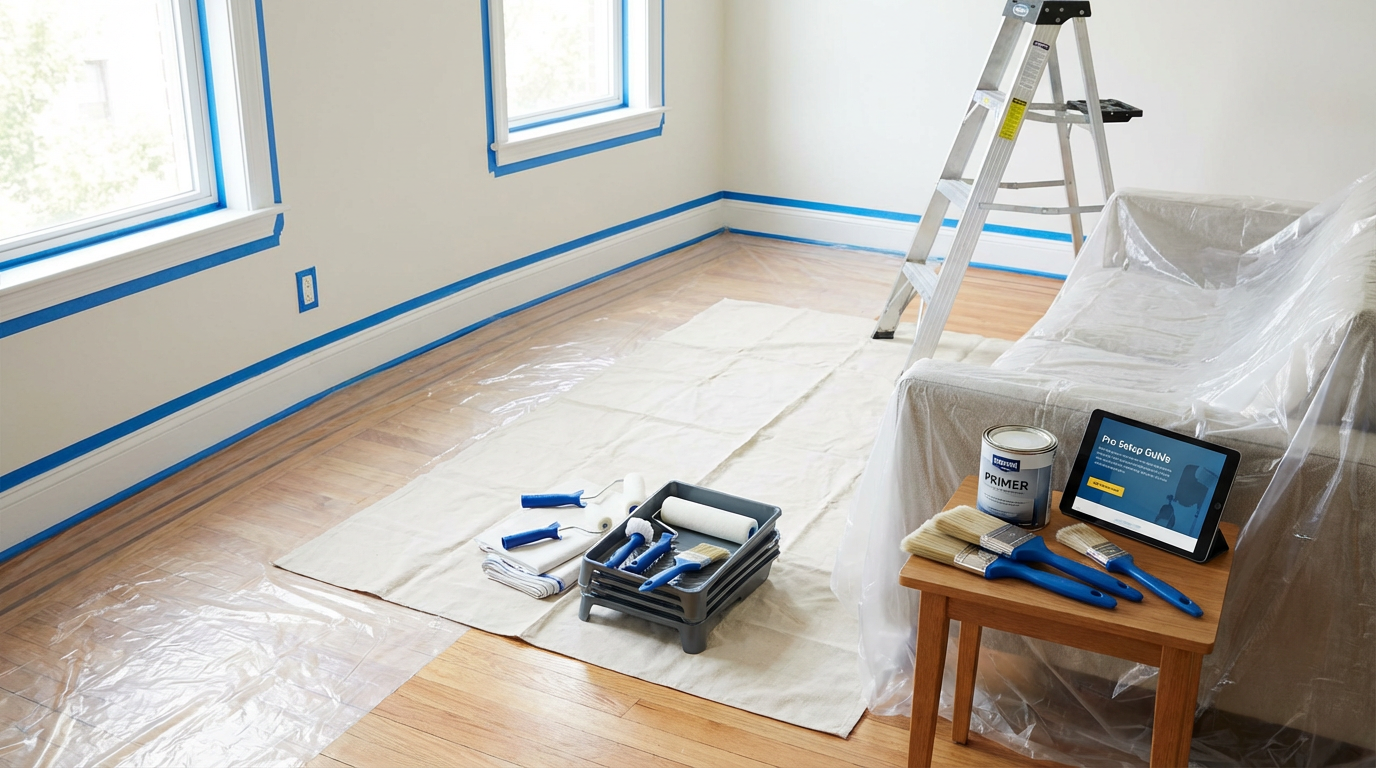
- **Heavy-Duty Canvas Drop Cloths:** Superior to flimsy plastic, which tears easily, slips, and doesn't absorb spills. Canvas (e.g., 8oz to 12oz duck canvas, double-stitched seams) offers excellent paint absorption (up to 1 gallon per sq yard), prevents tracking, and provides superior stability, significantly reducing slip hazards (OSHA compliant for fall protection on flat surfaces). *Crucial for comprehensive floor and furniture protection.* Their reusability also makes them an environmentally sensible choice, reducing landfill waste.
- **3M ScotchBlue Painter's Tape (Advanced Multi-Surface or Delicate Surface):** For achieving clean, sharp lines and residue-free removal. The correct type must be chosen based on the surface; delicate tape (e.g., 3M 2080EL, with an adhesion strength of ~10 oz/inch) for fresh paint (cured for at least 24 hours, or fully cured latex less than 7 days old) or wallpaper, standard (e.g., 3M 2090, with an adhesion strength of ~25 oz/inch) for cured paint (at least 72 hours). Always apply firmly, ensuring full adhesion, and remove at a 45-degree angle when paint is still slightly wet (or fully dry, depending on tape type) for the cleanest edge and to prevent lifting (often 1-2 hours after final coat). Refer to manufacturer's recommended removal times.
- **Plastic Sheeting (Polyethylene):** Essential for covering furniture, cabinets, light fixtures, and non-floor items to prevent paint splatter and dust contamination during sanding and painting. Use 0.7 mil to 1.5 mil thickness for adequate durability and tear resistance. Static cling varieties are preferred for easier application.
- **Flexible Putty Knives/Scrapers:** A set ranging from 1-inch to 6-inch is vital for versatile wall patching, scraping loose paint, and smoothing joint compound. Stainless steel tools are preferred for rust resistance and durability, and they are easier to clean.
- **Sandpaper and Sanding Sponges:** A range of grits (e.g., 100, 120, 150, 220-grit) for creating smooth finishes after patching, between coats of primer, and for dulling glossy surfaces (e.g., 220-grit for 'scuff sanding' to achieve a surface profile suitable for adhesion). A sanding pole or block with dust extraction capabilities (e.g., Mirka Deros Sander with a HEPA vacuum) is recommended for health and cleanliness, minimizing airborne silica dust exposure (respirable crystalline silica, an OSHA standard concern).
- **Utility Knife/Razor Blades:** For cutting tape, plastic, opening paint cans, and other miscellaneous tasks. Always use a fresh, sharp blade (e.g., Olfa brand) for safety and efficiency, storing it in a retractable safety knife.
- **Rags/Microfiber Cloths:** For cleaning, wiping spills, and final dust removal. Microfiber cloths (with fiber fineness < 1 denier) are particularly effective for trapping dust without redistributing it due to their electrostatic properties and high surface area.
- **Safety Glasses/Goggles:** Essential for ANSI Z87.1 certified eye protection during sanding, scraping, and painting to prevent chemical splashes, dust entry, or projectile hazards.
- **Respirator (N95 or better):** Crucial during sanding dusty surfaces or when using oil-based paints, shellac primers, or spray applications to protect respiratory health from airborne particulate matter and chemical fumes. A properly fitted N95 particulate respirator (NIOSH-approved) for dust, or an organic vapor respirator cartridge (e.g., 3M 6001 series) for VOCs and solvent fumes, is recommended based on the task and material safety data sheet (MSDS).
- **Gloves:** Nitrile gloves (3-5 mil thickness) protect hands from paint and chemicals while maintaining dexterity. Chemical-resistant gloves (e.g., butyl rubber) are recommended for handling harsh cleaning agents like strong solvents or caustics.
Avoid inexpensive brushes and roller covers; they tend to shed bristles, leave lint, and deliver poor coverage, adding frustration and time to your project. Quality brushes from brands like Purdy or Wooster not only hold more paint but also facilitate smoother, more precise lines, significantly impacting the final appearance. Our crews favor canvas drop cloths for their stability, durability, and superior protective qualities, which directly contribute to a cleaner worksite and a higher quality outcome. For more expert advice, see our [guide to choosing a painting contractor](/blog/how-to-choose-a-painting-contractor).
Room-Specific Painting Strategies: Addressing Unique Apartment Challenges and Ensuring Optimal Results
Each room within an apartment presents unique environmental conditions, functional requirements, and aesthetic considerations that demand a tailored approach. Our systematic, room-specific protocols, honed over thousands of projects, address these variations effectively to ensure optimal results in every space, maximizing durability and visual appeal.
Strategic Approaches by Room Type
**Kitchen Strategy: Grease, Grime, and Washability**
Given the inevitable presence of cooking grease, food splatters, and elevated moisture levels, thorough degreasing of existing paint, especially near cooking areas and backsplashes, is an absolute necessity. We use heavy-duty degreasers (e.g., TSP solution or commercial kitchen degreasers with a pH of 9-11) followed by a clean water rinse to ensure all residues are removed. A high-adhesion, stain-blocking primer (e.g., an oil-based or shellac-based primer, or a high-solids acrylic primer specifically rated for adhesion to glossy surfaces) is non-negotiable for lasting results, ensuring the new paint bonds securely and doesn't get permeated by residual contaminants. A semi-gloss or satin finish is strongly recommended for its excellent durability, scrubbability (often exceeding 3,000 scrub cycles per ASTM D2486), and resistance to splatters and grime, making cleaning effortless. For detailed kitchen painting tips, refer to our [kitchen painting guide](/blog/how-to-paint-a-kitchen).
**Bathroom Protocol: Moisture, Mold, and Ventilation**
Moisture management is paramount in bathrooms. Prioritize checking for any signs of water damage, efflorescence, or mildew infiltration within walls or ceilings. Any existing mildew must be treated with a dedicated mildew-removing solution (e.g., a 1:3 bleach and water solution or commercial antimicrobial cleaner like Concrobium) and the area allowed to dry completely before priming. Always use a premium 100% acrylic or acrylic-urethane paint specifically formulated for bathrooms, containing robust antimicrobial additives and mildew inhibitors. A corresponding mold and mildew resistant primer (e.g., Zinsser Perma-White Mold & Mildew-Proof Primer) is also essential. Allow extended drying times between coats (often 4-6 hours, or as per manufacturer specifications) to ensure optimal adhesion and full cure in humid conditions. Rushing this step can lead to premature paint failure, peeling, and blistering. Proper continuous ventilation during and after painting, often utilizing exhaust fans with timers (rated for the room's cubic footage per minute, CFM, ideally > 1 CFM per square foot of floor area) or industrial dehumidifiers, is essential to mitigate moisture buildup and help the paint cure properly. Dive deeper into [bathroom paint considerations](/blog/best-paint-for-bathrooms).
**Living Area Approach: Light, Color Perception, and Durability**
Living areas are typically high-traffic social spaces where lighting dynamics significantly influence color perception. Always test paint colors at different times of the day, as natural and artificial light sources (e.g., incandescent, LED, fluorescent, with varying Color Rendering Index, CRI, and correlated color temperature, CCT) can dramatically alter a hue's appearance due to metamerism. We conduct multiple large sample patches (at least 2'x2' or 0.6m x 0.6m) on various walls and corners to observe how chosen colors interact with morning, afternoon, and evening natural light, as well as with existing artificial lighting. This ensures the chosen hue meets client expectations in all conditions for a harmonious and inviting space. Eggshell or satin finishes are common choices for their balance of durability, subtle sheen (typically 10-35 units at 60 degrees, as per ASTM D523), and hiding capabilities, providing depth without excessive reflection. Need help picking harmonious colors? Check our [living room color trends](/blog/living-room-color-trends).
**Bedroom Focus: Serenity, Smoothness, and Air Quality**
Bedrooms are personal sanctuaries where comfort and air quality are paramount. With often controlled or subdued lighting, imperfections are more visible. Extra attention to surface preparation, including patching and detailed sanding (down to 220-grit for a Level 4 or 5 finish), is key here, as walls are often viewed at close range. Aim for an exceptionally smooth, even coverage and a pristine finish. Flat or eggshell finishes are popular choices, offering a soft, sophisticated look that helps conceal minor wall imperfections and promotes a calm atmosphere suitable for rest. Prioritize low-VOC or zero-VOC paints to ensure optimal indoor air quality, contributing to a healthier sleeping environment. These formulations minimize off-gassing post-application, often meeting stringent indoor air quality standards like CDPH Standard Method V1.2. Learn more about [selecting bedroom paint colors](/blog/selecting-bedroom-paint-colors).
**Home Office / Study Considerations:** For home offices, durability and a subtle sheen (eggshell or satin) are practical, similar to living areas. However, paying attention to the psychological impact of color is important for productivity and focus. Cool, muted tones, such as light blues or greens (with wavelengths shown to improve concentration), are often preferred over stimulating warm hues.
**Hallway and Entryway Durability:** These are extremely high-traffic zones. We often recommend premium scrubbable eggshell or satin finishes, sometimes even semi-gloss for baseboards and door frames, specifically chosen for their high resistance to scuffs, scrapes, and frequent cleaning, often exceeding commercial-grade scrub ratings (> 5,000 scrub cycles). Utilizing corner guards (e.g., polycarbonate or PVC corner guards, min 1/16 inch thickness) can also extend the life of these areas significantly by absorbing impact.
**Pro Tip for Humid Environments:** For bathrooms and kitchens, ensure not just ventilation but also aim for controlled humidity. Our teams often deploy industrial-grade dehumidifiers (e.g., commercial desiccants or refrigerant models capable of removing 50-100 pints/day) in addition to high-powered axial fans (e.g., 1000-2000 CFM) to rapidly extract moisture from the air, creating optimal drying conditions (below 60% relative humidity, RH, and ideally between 40-55% RH). This accelerated drying prevents 'sagging' or 'running' of paint in high humidity, and more importantly, ensures that the paint forms a robust, hard film that is resistant to moisture intrusion and microbial growth, extending its service life considerably and preventing warranty claims due to poor cure.
Architecting Your Painting Material Timeline: A Project Management Approach to Flawless Execution
Effective project planning and meticulous material management are as critical as the painting technique itself. A poorly coordinated material timeline can lead to costly delays, frustrating color inconsistencies, compromised quality, and overall project failure. Our proven system prevents common logistical pitfalls, ensuring a smooth, efficient, and successfully executed painting process from initial preparation to final inspection, adhering to industry best practices in project management (e.g., PMI's PMBOK Guide principles).
Material Procurement Principles: Precision and Consistency
- **Single Supplier and Batch Sourcing:** Whenever possible, order all paint required for a single project (especially for adjacent rooms or shared color schemes) from one supplier simultaneously. Even within the same color code, slight batch variations (known as "metamerism" or "batch difference", detectable by spectrophotometers at Delta E > 1.0) can occur between different production runs due to subtle variations in pigment grinding or tinting. This minimizes the risk of noticeable color discrepancies across the apartment, which can be particularly visible under changing light conditions. Confirm paint codes, sheen levels, and quantities meticulously (checking product labels and batch codes) before leaving the store or accepting delivery.
- **Phased Delivery Strategy:**
- **Phase 1 (Week 1 or Pre-Prep):** Prioritize the delivery of all preparatory materials: repair compounds (spackle, joint compound), primers, abrasives (sandpaper, sanding blocks), cleaning agents (TSP substitute, degreaser), masking supplies (tape, plastic sheeting), and essential hand tools (putty knives, scrapers, safety gear). This allows our teams to commence the critical wall preparation work without delay, laying the foundational groundwork for a superior finish. This phase is crucial and typically requires buffer time for repairs to dry and cure, often 2-3 days depending on the extent of repairs.
- **Phase 2 (Week 2 or Mid-Project):** Schedule the delivery of the bulk of the finish paints and final application supplies (roller covers, brushes, trays, extension poles). This timing minimizes the duration these sensitive materials need to be stored on-site, reducing the risk of damage, accidental spillage, or expiration, especially for performance-based coatings with shorter shelf lives. Paints should ideally be stored between 50°F and 85°F (10°C and 29°C) at relative humidity below 70% to maintain viscosity and prevent bacterial growth.
- **Comprehensive Material Inspection Period:** Allocate a dedicated 2-3 day window for a thorough inspection of *all* materials upon arrival. Verify quantities against the order, check for correct colors and finishes (sample small amounts on a test board if necessary to confirm tint accuracy with a colorimeter), and examine containers for any signs of damage (leaks, dents, rust) or tampering. This proactive inspection ensures that no damaged or incorrect items are used in the project, preventing costly setbacks, re-orders, and additional labor expenses down the line. Store paints in a temperature-controlled environment away from direct sunlight, maintaining stable conditions to prevent premature degradation or separation, extending shelf life (typically 2-4 years for unopened latex paint).
Typical Time Allocation for Apartment Painting Projects: The BizzFactor Standard
The following breakdown represents our typical project allocation, emphasizing the critical importance of preparation. These percentages are based on average apartment sizes and scope of work for a comprehensive repaint (e.g., entire apartment, 2-3 bedrooms, 1000-1500 sq ft or 90-140 sq m):
- **Surface Preparation (Cleaning, Patching, Sanding): 35% of total project time.** This phase is non-negotiable for achieving a quality, long-lasting finish and forms the bedrock of our comprehensive 5-year warranty. It involves meticulous inspection, extensive hole filling, crack repair, sanding to create a smooth profile (e.g., feather-sanding all transitions to a Level 4 finish), and thorough dust removal (using HEPA-filtered vacuums to achieve <0.05 mg/m³ airborne dust). Rushing this stage directly compromises the final aesthetic and durability, leading to defects such as flashing, peeling, or visible imperfections.
- **Priming (Application and Drying): 20% of total project time.** This includes the application of one or more coats of primer, factoring in manufacturer-recommended drying and curing times between coats (e.g., 1-4 hours depending on primer type and environmental conditions, min 2 mil DFT). Proper priming ensures optimal adhesion (e.g., ASTM D3359 cross-hatch adhesion scores of 4B-5B), seals porous surfaces, blocks stains, provides a uniform base for the topcoat, and prevents "flashing" or uneven color absorption, especially over repaired areas.
- **Finish Painting (Application and Drying): 35% of total project time.** This accounts for the application of 2-3 coats of finish paint, allowing for adequate flash-off and drying times between layers as specified by the manufacturer (e.g., 2-4 hours before recoat, achieving a cumulative DFT of 4-6 mils). Effective technique, consistent coverage, and maintaining a wet edge are paramount here to avoid lap lines and ensure a uniform, streak-free finish (e.g., roller stipple uniformity score > 80% as per visual inspection guides).
- **Cleanup and Touch-ups (Detailing and Site Restoration): 10% of total project time.** This final stage involves meticulous site cleanup, removal of all masking (tape and plastic), careful touch-ups of any minor imperfections using a fine brush (e.g., 0.5-inch artist's brush), and often a final client walk-through. This detailing ensures a perfect, professional finish and leaves the apartment ready for occupancy, meeting or exceeding client expectations.
The significant allocation for surface preparation (35%) vividly underscores its critical importance. Rushing this initial phase invariably compromises the final result, leading to premature failure and visible imperfections. Our 5-year project warranty is directly supported by our unwavering adherence to The BizzFactor Standard of quality preparation and meticulous execution. The most frequent timing error made by inexperienced painters is applying subsequent coats or finish paint before earlier coats or repairs are completely dry. Patience during the prep and drying stages is directly proportional to achieving professional, long-lasting results. For a detailed project roadmap, refer to our [apartment painting project checklist](/blog/apartment-painting-project-checklist) for further guidance and scheduling considerations.
Post-Painting Care and Maintenance: Preserving Your Investment
Once your apartment has been professionally painted, proper post-painting care and maintenance are crucial to preserve its pristine look and extend the lifespan of the paint job. Neglecting these simple steps can diminish the protective and aesthetic qualities of your newly painted surfaces over time, potentially voiding warranties if severe damage occurs.
Curing Time Considerations and Best Practices
Paint typically goes through two stages: drying and curing. Drying is when the paint feels dry to the touch (typically within 1-4 hours for latex), which means solvents have evaporated. Curing, however, is the much longer process where the paint polymerizes, hardens completely, achieves its maximum durability, cross-links its polymers, and becomes fully washable and scrub-resistant. This can take anywhere from 7 to 30 days (or even up to 60 days for some high-performance urethanes), depending on the paint type, humidity levels (ideally 40-70% RH), and temperature (ideally 60-80°F or 15-27°C). During this critical curing period:
- **Avoid Harsh Cleaning:** Refrain from scrubbing or washing walls for at least 3-4 weeks. Use only a soft, dry cloth or feather duster for light dusting if necessary. Aggressive cleaning (e.g., using abrasive sponges or harsh chemicals) can damage the still-soft paint film, leading to burnishing (creating shiny spots on matte finishes), marring, or even removal.
- **Handle with Care:** Be gentle when moving furniture, hanging pictures (ensure picture hooks are securely fastened into studs or with appropriate anchors, not resting directly on new paint), or leaning objects against the walls to prevent scuffs, dents, or marring the surface. Place felt pads (minimum 1/4 inch thick) on furniture legs and behind framed artwork to prevent direct contact.
- **Maintain Ventilation:** Continue to provide adequate ventilation for the first few days post-application, especially for low-VOC paints, to aid the curing process and disperse any lingering odors. Keep windows open slightly (min 2 inches) or use exhaust fans continuously for a few days to facilitate VOC off-gassing and maintain optimal drying conditions.
Regular Cleaning, Inspection, and Touch-Up Procedures
- **Gentle Cleaning:** After the paint has fully cured (verify with manufacturer's instructions), clean walls regularly (e.g., every 3-6 months) with a soft cloth or sponge dampened with a solution of mild, pH-neutral soap (e.g., diluted dish soap, 1 teaspoon per gallon of water) and water. Start at the bottom and work your way up to avoid streaks. Always rinse with clean water and dry with a clean cloth. Avoid abrasive cleaners, strong detergents (above pH 9), or scouring pads, especially on flat or eggshell finishes, as they can cause burnishing or damage the paint film's integrity. Always test any cleaning agent in an inconspicuous area first.
- **Spot Cleaning:** Address small marks or scuffs promptly to prevent them from setting. For washable finishes (satin, semi-gloss), a magic eraser (melamine foam) can be effective for stubborn marks, but use it sparingly and with light pressure, as it is a mild abrasive and can dull the finish or remove paint if used improperly. Always follow with a damp cloth to remove any residue.
- **Touch-Up Paint Storage:** Properly store the extra 10% of paint saved for touch-ups. Tightly seal paint cans by ensuring the lid is hammered down completely to create an airtight seal (using a rubber mallet to avoid deforming the lid). For long-term storage (over 6 months), store them upside down to force paint into the seal, minimizing air exposure and preventing skinning. Keep them in a cool, dry place away from direct sunlight and extreme temperatures (freezing or excessive heat can degrade paint quality, causing separation or gelling). Label cans clearly with the room, color name, sheen, date of purchase, and original product code. For small touch-up jobs, decant a small amount (e.g., 4-8 oz or 100-200 ml) into a glass jar with an airtight lid (e.g., a mason jar) to avoid frequently opening and re-sealing the main can, which can introduce air and degrade the bulk of the paint.
- **Applying Touch-Up Paint:** When needed, clean the touch-up area thoroughly and allow it to dry. Apply paint thinly with a small artist's brush, foam applicator, or even a cotton swab, feathering the edges to blend seamlessly with the surrounding wall. Avoid thick applications, as they can create a raised texture or visible patches that refract light differently, making the repair noticeable. Always apply in multiple thin coats rather than one thick one.
Addressing Common Issues and Preventative Measures
- **Minor Scratches/Scuffs:** Often, these can be buffed out gently with a soft, clean cloth. If not, a small dab of stored touch-up paint carefully applied can hide them. For larger scuffs, light sanding with fine-grit paper (e.g., 220-grit) to smooth raised edges and then touch-up painting might be necessary. Avoid aggressive sanding that might damage surrounding paint.
- **Humidity Issues:** If you notice new mold or mildew, it indicates a persistent humidity problem that needs to be addressed (e.g., improving bathroom fan performance, using a dehumidifier, or identifying undetected leaks by a plumber). Wash the area with a fungicide solution (e.g., hydrogen peroxide solution) and reapply specialty mold-resistant paint if recurrences are frequent, ensuring the underlying moisture issue is resolved first.
- **Repairs:** For new holes or damages, follow the original repair process (patching with spackle/joint compound, sanding, priming) before applying new coats of finish paint. Do not attempt to paint over damaged areas without proper preparation, as this will lead to a substandard and temporary fix that will quickly reappear.
By following these post-painting care and maintenance guidelines, you can significantly prolong the beauty and integrity of your apartment's freshly painted surfaces, ensuring your investment stands the test of time and continues to enhance your living environment for years to come.
Conclusion: The BizzFactor Commitment to Painting Excellence
At BizzFactor, our commitment to excellence is deeply rooted in our rigorous preparation protocols, which are scientifically backed and honed through thousands of successful projects. We understand that the longevity and aesthetic appeal of any paint job are directly proportional to the meticulousness of the preparation stage. Our approach, encompassing strategic paint selection, precise quantity calculation, comprehensive wall repairs, and the exclusive use of professional-grade tools, is not merely a set of guidelines; it is the BizzFactor Standard – a comprehensive, quality-controlled process designed for superior outcomes.
This meticulous process ensures that every surface is optimally prepared to receive paint, leading to a finish that is not only visually stunning but also exceptionally durable and resistant to the wear and tear of daily life. Our expertise in surface chemistry and coating application means we proactively address potential issues before they arise. Our room-specific strategies further guarantee that each area of your apartment receives a customized approach, addressing its unique environmental and functional requirements, from high-humidity bathrooms to high-traffic living areas, all while adhering to relevant safety and environmental regulations (e.g., LEED, Green Seal, OSHA, EPA). We continuously invest in training our teams on the latest techniques and materials to ensure we remain at the forefront of the industry.
By adhering to these established best practices, we consistently deliver results that exceed client expectations, providing lasting beauty and enhancing the value of your apartment for years to come. We believe that true professionalism lies in the details—those unseen efforts during preparation that create the foundation for a visibly flawless and enduring finish. Trust BizzFactor for an apartment painting experience that combines technical expertise, artistic precision, and unparalleled durability, safeguarding your investment and transforming your living space into a haven of perfection. Our comprehensive 5-year warranty, which covers both material and labor defects attributable to our workmanship, stands as a testament to our confidence in our process and the quality of our work, providing unparalleled peace of mind.
In-Depth Look
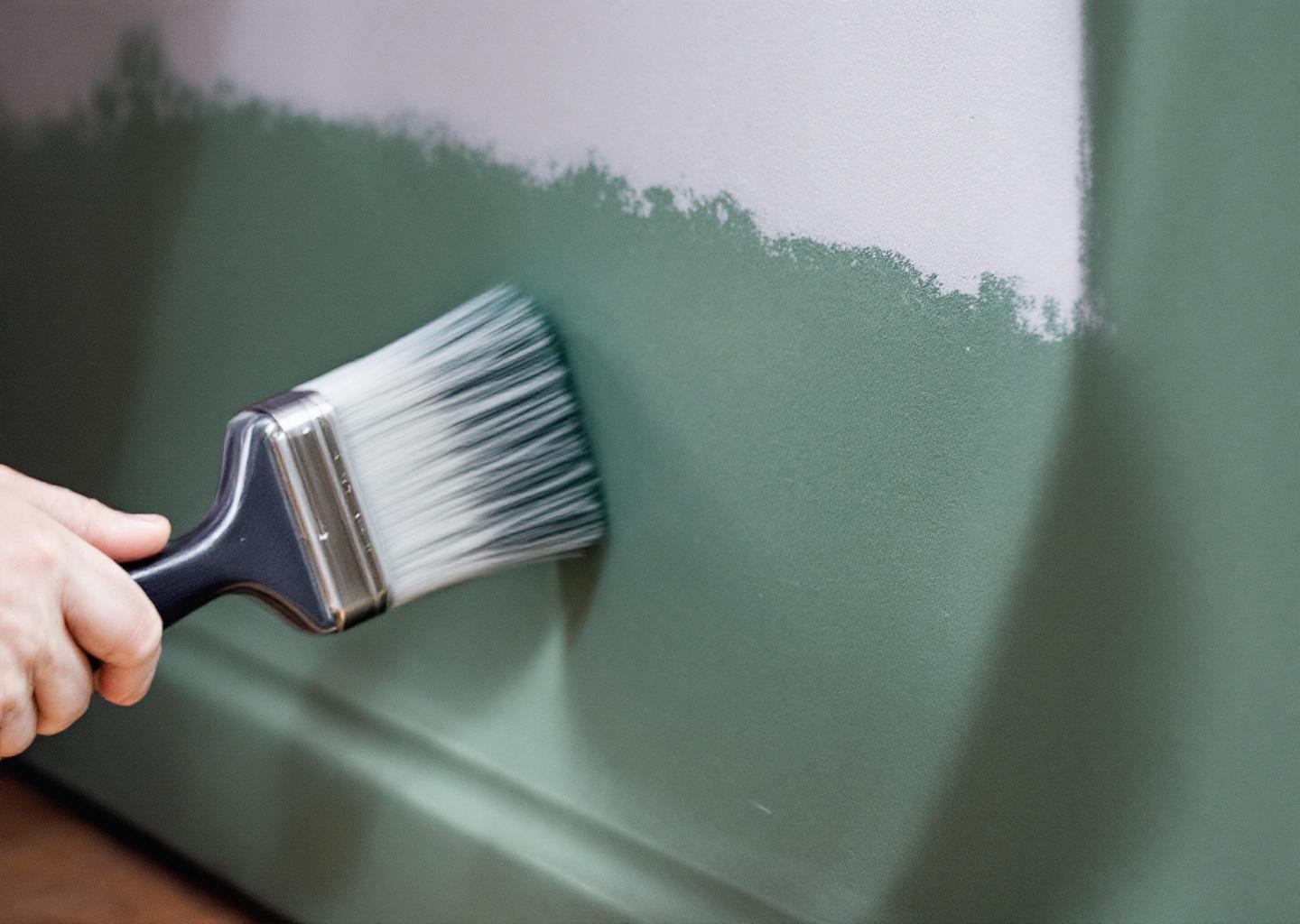
Detailed illustration of key concepts
Visual Guide
Infographic illustration for this topic
Sources & References
- Interior Painting Tips: Best Practices From an Expert - This Old House
- A Pro Painter's Top House Painting Tips and Tricks | HGTV Home Tips
- How to Paint a Room Like a Pro | Expert Guide 2025
- Interior Painting Tips: Best Practices From an Expert - Trade Medics
- Best Interior & Exterior Paint Buying Guide - Consumer Reports
- Best Paint for Commercial Buildings - Miko LLC
- Best Industrial Painting Brands: A 2025 Comparison Guide
- Building Codes, Standards, and Regulations: Frequently Asked ...
- Choosing the Right Exterior Paint for Commercial Buildings
Frequently Asked Questions
Need Professional Help?
Find top-rated house painters experts in your area