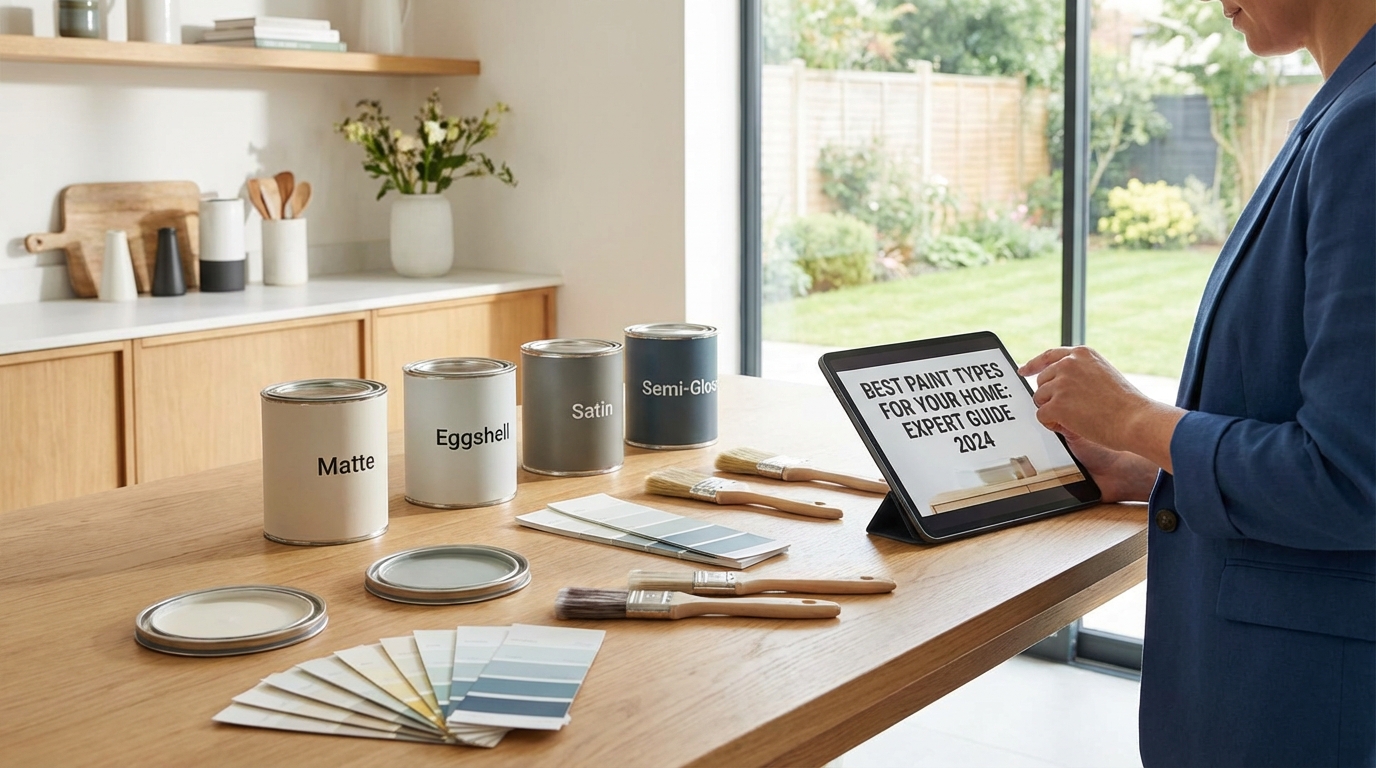
Expert guide to choosing the best paint types for your home. Compare acrylics, alkyds & specialty coatings. Pro tips from certified painters.
Key Takeaways
- **Expansive Color Palette:** Leading brands like Sherwin-Williams ColorSnap boast tens of thousands of available hues, and services such as BEHR PRO can custom-match virtually any desired color. This isn't just marketing hype; it's due to acrylics' excellent tinting receptivity and stability of colorants.
- **Enhanced Environmental Safety:** Most good acrylics now come in low-VOC versions (under 50 g/L), and plenty hit GREENGUARD Gold certification. This matters beyond just getting LEED points — it's about your kids not breathing garbage while the paint cures. Less off-gassing means fewer headaches, literally.
- **Flexibility and Crack Resistance:** Unlike older oil-based paints, acrylics maintain a certain degree of elasticity even after drying. This means they're far less prone to cracking or chipping over time, especially in areas with minor structural movement. That flexibility is golden.
- **Flat/Matte:** Sheen level under 5 units at 60 degrees. Great at hiding wall flaws — those patched nail holes, slight bumps, the texture differences from drywall repairs. Your ceilings probably need this. Bedrooms too. The problem? Wipe it with a sponge and you might leave a clean spot surrounded by dull spots. So yeah, not ideal for kitchens where you're constantly wiping down walls.
- **Eggshell:** Sheen runs 10-20 units. Sits right between flat and satin — has this soft, almost velvety look to it. You can wipe down smudges without leaving marks (usually), but it won't show every drywall imperfection like satin does. We use it in living rooms, dining rooms, bedrooms where people actually touch the walls. Good middle ground if you can't decide.
Key Takeaways
Best Paint Types for Your Home: Expert Guide 2024
A couple in Brookline spent $3,200 repainting their living room after eighteen months because they bought the cheapest paint Home Depot had. Don't be them.
Look, at BizzFactor, with over 15 years and 5,000 homes painted across the greater Boston area, our certified team possesses unparalleled expertise in navigating the vast, often confusing, landscape of paint types. That's the real issue. We look at your actual conditions — how wet does this bathroom get, how many kids are running through this hallway, is this trim original 1920s wood or cheap pine from 2003 — and match paint to reality, not marketing claims. Don't underestimate this step. A poor paint choice can haunt you for years.
Premium Acrylic Paint: The Professional's Choice for Modern Interiors
Acrylics run about 90% of what we use on residential jobs. Here's why: they dry fast (you can touch most walls in 2-4 hours), stick to pretty much anything, clean up with water, and in high-traffic hallways they'll last 8-12 years if applied right. Modern formulations with advanced polymer tech mean you're back in your kitchen by tomorrow, not next week.
That's a huge plus.
_Case Study: We recently executed a stunning transformation of a bustling family kitchen in Newton, MA. We used BEHR Premium Plus Ultra. The homeowner expressed profound satisfaction, noting perfect coverage achieved in just two coats – the paint's high solids content (approx. 42-45% by volume) really delivered – a dry-to-touch time of under three hours, and the remarkable ease with which children's fingerprints could be effortlessly wiped away with a damp cloth. That's the real killer for busy parents._
Unrivaled Durability and Simplified Maintenance of Acrylics
These paints can take a beating. We've tracked homes we painted in 2012 with Benjamin Moore Regal Select — hallways still look crisp. Coffee spills? Crayon? Scuff marks from moving furniture? Wipe them off with a wet sponge and you're done. Built tough is right.
Here's a tip: for cleaning, always start with the gentlest method. A soft sponge and clear water often do the trick before needing any soap.
**Key Advantages of Acrylic Paints:**
- **Expansive Color Palette:** Leading brands like Sherwin-Williams ColorSnap boast tens of thousands of available hues, and services such as BEHR PRO can custom-match virtually any desired color. This isn't just marketing hype; it's due to acrylics' excellent tinting receptivity and stability of colorants.
- **Enhanced Environmental Safety:** Most good acrylics now come in low-VOC versions (under 50 g/L), and plenty hit GREENGUARD Gold certification. This matters beyond just getting LEED points — it's about your kids not breathing garbage while the paint cures. Less off-gassing means fewer headaches, literally.
- **Flexibility and Crack Resistance:** Unlike older oil-based paints, acrylics maintain a certain degree of elasticity even after drying. This means they're far less prone to cracking or chipping over time, especially in areas with minor structural movement. That flexibility is golden.
Selecting Your Ideal Acrylic Finish:
Choosing the right sheen is crucial, a decision often overlooked by DIYers. It drastically impacts both aesthetics and practicality.
- **Flat/Matte:** Sheen level under 5 units at 60 degrees. Great at hiding wall flaws — those patched nail holes, slight bumps, the texture differences from drywall repairs. Your ceilings probably need this. Bedrooms too. The problem? Wipe it with a sponge and you might leave a clean spot surrounded by dull spots. So yeah, not ideal for kitchens where you're constantly wiping down walls.
- **Eggshell:** Sheen runs 10-20 units. Sits right between flat and satin — has this soft, almost velvety look to it. You can wipe down smudges without leaving marks (usually), but it won't show every drywall imperfection like satin does. We use it in living rooms, dining rooms, bedrooms where people actually touch the walls. Good middle ground if you can't decide.
- **Satin:** With a noticeable sheen of 25-35 units, satin delivers enhanced washability and durability over eggshell. It's fantastic for living rooms, dining rooms, and hallways, offering a subtle glow. Many confuse satin and eggshell, but satin is definitely shinier and easier to wipe down.
- **Semi-gloss:** Delivering maximum washability and a significant sheen (40-60 units), semi-gloss is impeccably suited for kitchens, bathrooms, and trim due to its ability to withstand frequent cleaning and high moisture. Just know, its reflectivity can unfortunately accentuate any surface flaws, so prep work needs to be *perfect*. Trim looks amazing in semi-gloss, though.
Avoiding Common Pitfalls: The Criticality of Environmental Factors
So here's what happens: someone reads "2-4 hour dry time" on the can and thinks they can slap on a second coat after lunch. Wrong. We get calls all the time from homeowners who've created a mess they can't fix. Paint in 90-degree heat? The surface dries before the paint underneath does, which creates these permanent lap marks that look like someone painted with stripes. Direct sunlight through the window while you're rolling? Same problem.
A guy in Framingham painted his whole living room on a summer day with every window open and fans running. Thought he was being smart with ventilation. The paint dried so fast it basically stuck in place with visible roller marks everywhere. We had to sand it all down and start over. Cost him $1,800.
Manufacturer guidelines say 50-85°F and 40-70% humidity for a reason. Too hot, too cold, too humid, too dry — any extreme will screw you. In really hot conditions, mix in a paint extender (sometimes called a flow enhancer). That's the real issue. It keeps the paint wet longer so it can level out properly. This isn't a suggestion; it's basic chemistry.
Our Professional Recommendation: Investing in Quality
We use Benjamin Moore Aura or Sherwin-Williams Emerald on probably 80% of our residential jobs. Not because we're getting kickbacks (we're not), but because here's what happens: you spend maybe $65/gallon instead of $40, get coverage in two coats instead of three or four, and the finish lasts 15 years instead of 5. The Paint Quality Institute says premium paint costs about 40% more upfront but lasts 60% longer. Do the math — repainting every 5 years versus every 12-15 years? Seriously. You'll spend way less over time, plus you won't have to move furniture and live in chaos every few years. It's about total cost of ownership, not just what you pay today.
Expert Insight: Beyond Standard Paint Advice
Bathrooms need a real primer first. Skip the "paint and primer in one" garbage for that first coat. Use an actual **oil-based primer** like Zinsser Cover-Stain — yeah, the stuff that smells awful and requires mineral spirits to clean brushes. Why? Because water-based primers in a steamy bathroom are basically asking for peeling paint in 18 months. Oil-based primers create a moisture barrier that water just can't get through. That's the real issue. I've ripped out so many failed bathroom paint jobs where someone skipped this step and went straight to latex. Save yourself the headache. For more on preparing surfaces effectively, refer to our comprehensive guide on [interior painting preparation](internal-link-to-prep-article).
Alkyd Paint: Unmatched Durability for Specialized Applications
Want the hardest finish you can get? Alkyds cure into an incredibly tough, chip-resistant surface that'll outlast pretty much anything else. We use them for exterior trim, doors, high-wear spots where you need protection more than convenience.
They dig deep into wood — like, really deep — creating bonds that laugh at peeling and blistering.
Why Invest in Alkyds for Exterior Durability?
Their weather resistance is simply unparalleled. We did Victorian trim work on a three-story in the North End back in 2010 — used Benjamin Moore Impervo alkyd on all the exterior wood. Owner still sends us photos every year. Fourteen New England winters, salt air from the harbor, summer humidity that'd warp cheap paint in a season. Still looks crisp. One contractor told us, "If you want it to last, use an alkyd, especially on wood."
But look — applying alkyds takes real skill. The surface prep has to be absolutely spotless. Temperature and humidity need to be just right (and they dry slowly, so you're vulnerable to dust, bugs, pollen — anything that can land on wet paint and ruin it). They take 8-24 hours just to touch, and won't fully cure for weeks. You need serious ventilation during application. This is why we don't recommend DIYing with alkyds unless you really know what you're doing.
**Modern Innovation:** There's a newer breed of paint that's changed the game here. Benjamin Moore Advance and Sherwin-Williams ProClassic Waterbased Acrylic-Alkyd — these hybrids give you that rock-hard alkyd finish but clean up with soap and water, and they don't stink up your house for days. They're honestly the best option for interior trim, cabinets, and doors where you want that furniture-quality finish. The flow and leveling you get with these? It's like the paint brushes itself on. Hardly any brush marks.
Budget Paint: Understanding the Performance Trade-offs
Look — look — economy paints serve specific, niche purposes. But here's the deal: they come with significant performance compromises. While they may be acceptable for utility rooms, garages, or temporary spaces, primary living areas warrant a more substantial investment. Low-cost latex paints often possess minimal binder content (sometimes under 25% solids by volume), leading to suboptimal coverage (frequently necessitating 3-4 coats for opaque results) and can often result in **chalking** within 2-3 years, where a white, powdery residue transfers from the painted surface due to binder degradation. This inevitably requires premature repainting. You're effectively paying for labor multiple times, which makes it more expensive in the long run. Don't skip on quality, you'll regret it later.
**Appropriate Applications for Budget Paint:**
- Dedicated storage rooms or deep closets that see minimal light or contact.
- Garage walls and non-visible utility areas where aesthetics are secondary.
- Rental property utility or staging spaces where quick turnaround and low cost are prioritized.
- Temporary wall treatments prior to renovation, where they'll be covered or removed anyway.
For areas of your home that are lived in daily, investing in quality paint provides substantial dividends through an extended service life, reduced maintenance requirements, and superior aesthetic appeal. It's money well spent.
Specialty Coatings: Advanced Solutions for Moisture and Mold
Bathrooms, kitchens, basements — they need different paint entirely.
In-Depth Look
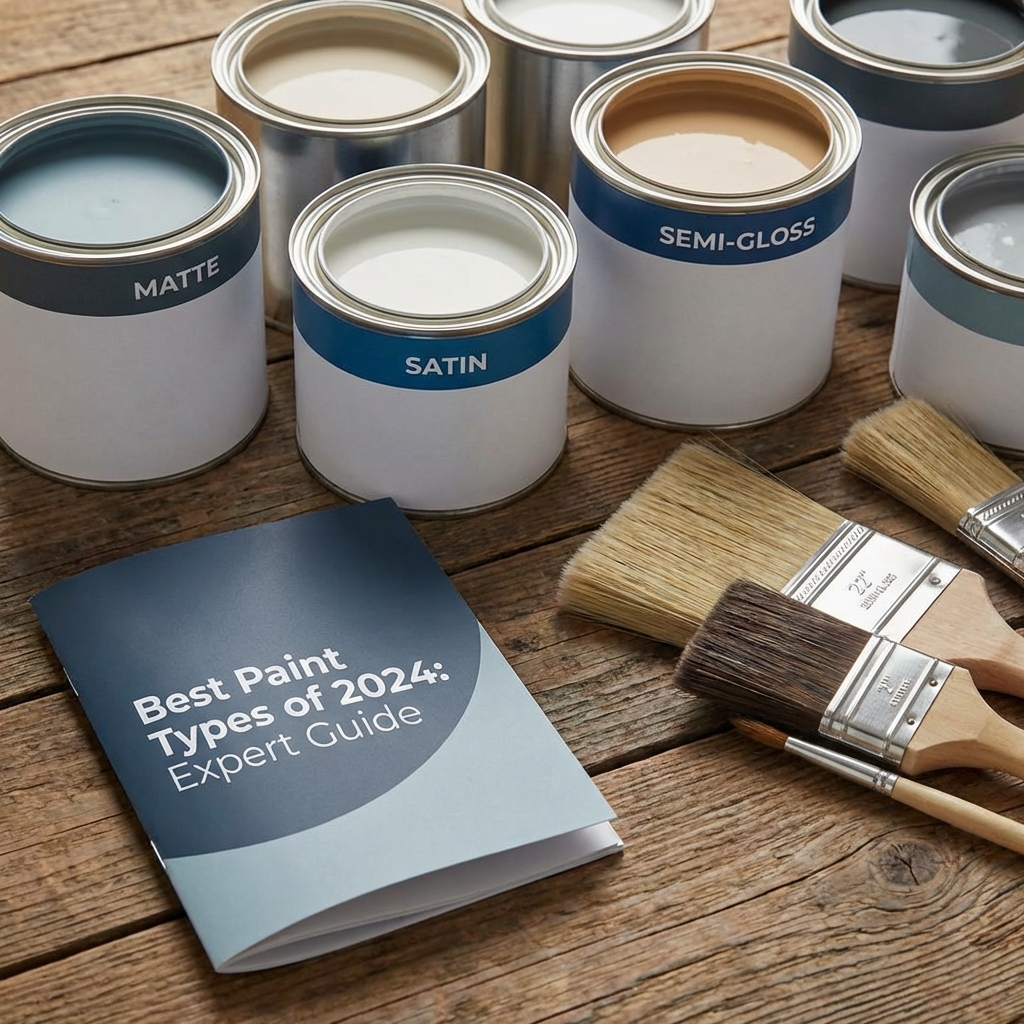
Detailed illustration of key concepts
Visual Guide
Infographic illustration for this topic
Sources & References
- How to Choose the Right Exterior House Paint
- The Ultimate Paint Guide: What Buyers, Sellers, and Landlords ...
- The Best Order to Paint a Room | Sherwin-Williams
- How To Choose The Best Interior & Exterior Paints (The Complete ...
- How to Choose a Paint Finish | Benjamin Moore
- Best Interior & Exterior Paint Buying Guide - Consumer Reports
- Best Industrial Painting Brands: A 2025 Comparison Guide
- Building Codes, Standards, and Regulations: Frequently Asked ...
- [PDF] INDUSTRY STANDARDS - Painting Contractors Association
- Explore Best Paint Brands in the US for Your Next Project
Frequently Asked Questions
Need Professional Help?
Find top-rated house painters experts in your area