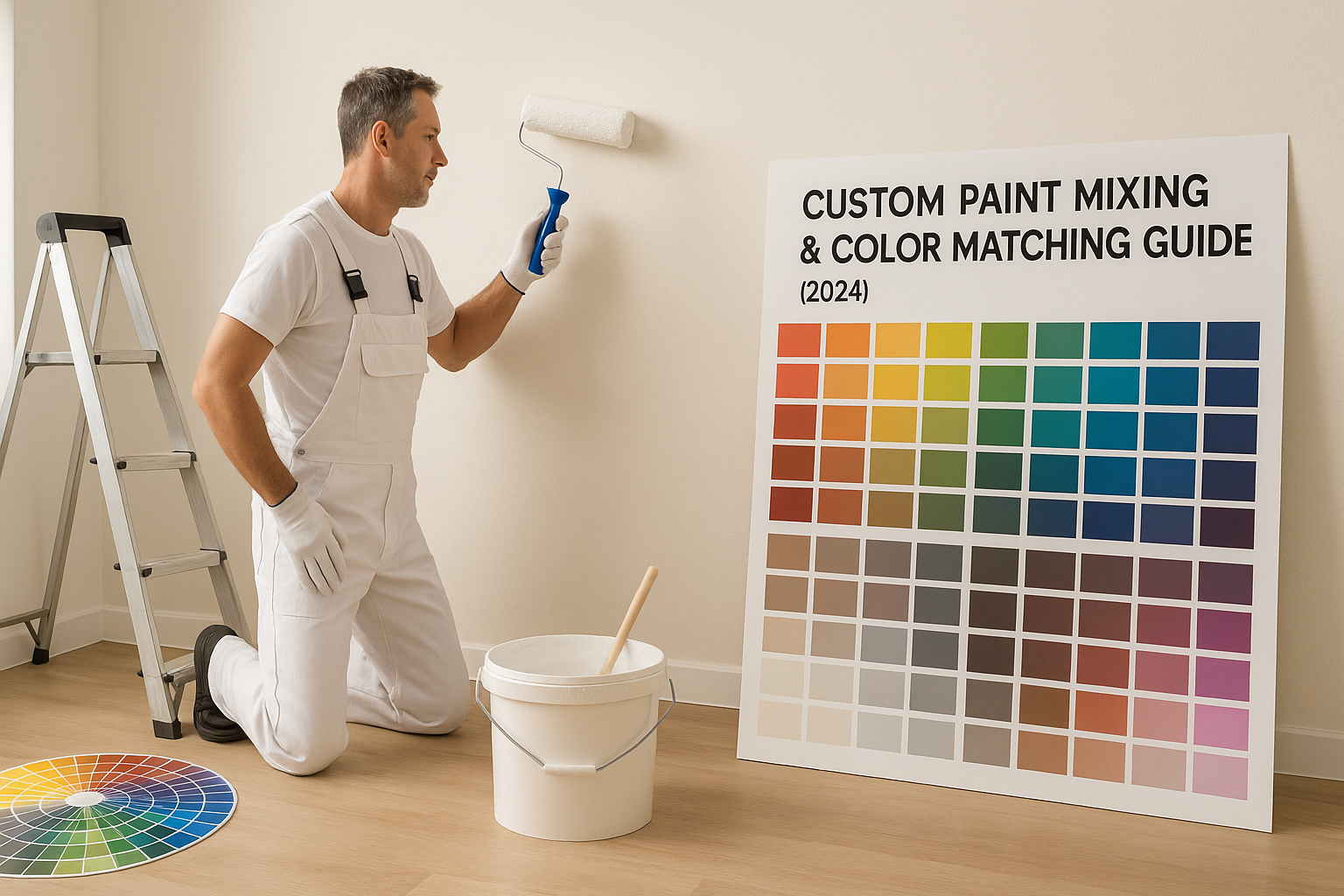
Master paint mixing & color matching with expert tips from licensed pros. Learn formula secrets, brand recommendations, and application techniques.
Key Takeaways
Custom Paint Mixing & Color Matching Guide (2024)
Navigating the intricate world of paint colors can be challenging for homeowners and design professionals alike. This comprehensive guide delves into how custom paint mixing and professional **color matching services** empower you to achieve precise, personalized aesthetics for any interior or exterior project. Discover essential insights into effective color selection, accurate color matching techniques, and best practices for successful paint application, ensuring your design vision is brought to life flawlessly.
Unlocking Perfect Paint Colors: The Selection Process
Selecting the ideal paint color extends far beyond a simple preference. It demands a thoughtful evaluation of your space, often in close collaboration with knowledgeable paint retailers. You'll typically explore their extensive manufacturer **color palettes** or provide physical reference materials for an exact match, such as fabric swatches or existing paint chips.
Essential Factors for Optimal Color Selection
**1. Paint Finish and Sheen:** The chosen paint finish dramatically influences a color's perception, durability, and washability. Different sheens—such as matte, eggshell, satin, semi-gloss, and high-gloss—reflect light distinctly, altering how a color appears. Consider the room's function, desired aesthetic, and anticipated traffic levels when making this critical decision. Learn more about choosing the right finish in our guide to [Understanding Paint Finishes and Sheens](/guides/house-painters/understanding-paint-finishes).
**2. Environmental Lighting:** Always test paint samples directly within your project space. Observe how colors react under varying lighting conditions throughout the day—natural daylight (morning, noon, evening light), incandescent, energy-efficient LED, or fluorescent. Each light source can significantly alter a color's hue, saturation, and intensity, making this indispensable step for an accurate representation.
Reordering Paint: Ensuring Future Consistency
For seamless future touch-ups or project expansions, rigorously record all purchase details: the specific paint brand, exact color name/code (e.g., Benjamin Moore OC-65 Chantilly Lace), finish, and the store location. This information is vital for maintaining color consistency, as subtle **color variations can occur between manufacturing batches** of the same paint formulation. This is especially true for custom mixed paints. Learn more about [Paint Storage and Preservation](/guides/house-painters/how-to-store-paint).
Choosing the Right Paint Retailers for Expert Advice
While large home improvement stores offer convenience and competitive pricing, **specialty paint stores** often employ staff with deeper product knowledge and color theory expertise. These experts can provide invaluable advice on complex color matching, application techniques, and specific paint formulations suitable for your project. Their proficiency is particularly beneficial for achieving precise color matches. Don't hesitate to ask detailed questions to gauge their expertise.
Working With Existing Wall Colors: Overcoming Fading Challenges
Paint colors naturally fade and subtly change over time due to UV light exposure, wear, and environmental factors. When attempting to match an existing wall color, it’s crucial to obtain samples from original, unexposed areas—such as behind light switch plates, electrical outlet covers, large artwork, or inside a closet. These preserved sections offer the true, unfaded hue for accurate color matching.
Effective Testing of Color Samples: A Crucial Step
Instead of applying samples directly to your walls (which can create a mess and optical illusions), utilize large, movable sample boards or poster paper. This method allows you to evaluate the color against different walls, in various rooms, and under diverse natural and artificial lighting conditions throughout your home. This flexibility facilitates a more informed and confident color decision, crucial for large-scale painting projects. Explore more testing tips in our [Ultimate Guide to Paint Samples](/guides/house-painters/ultimate-guide-to-paint-samples).
Preparing Samples for Accurate Matching
When providing a physical sample for professional color matching, ensure it is clean, smooth, and genuinely representative of the desired color. Surface texture, dirt, or foreign particles can impair the color-matching equipment's precision. Always allow paint samples to dry completely before evaluation, as wet paint often differs significantly from its dry state, especially with darker hues.
Paint Selection Options and Brand Considerations
Leading paint retailers and brands typically provide advanced **color matching services** leveraging sophisticated technology. Be aware that different brands utilize distinct pigment formulations, base paints, and color systems. This means a color matched by one brand might not be an exact replica when reproduced by another. Discuss these nuances with your paint professional to set realistic expectations.
Leveraging Advanced Color Evaluation Tools
Many reputable paint stores are equipped with cutting-edge tools like **spectrophotometers** or **digital color scanners**. These devices analyze a sample's exact color composition, providing highly accurate data for custom mixing. Inquire about these available color assessment options and how they can assist in achieving your desired match. For an in-depth look, read our article on [The Technology Behind Color Matching](/guides/house-painters/paint-color-matching-technology).
⚠️ Common Mistake to Avoid: The Lighting Illusion
A color that appears perfect under the artificial, often cool and bright, lighting of a retail store can look dramatically different once brought into your home's natural light or specific LED fixtures. **Always view samples in the actual room and under various lighting conditions—morning daylight, midday sun, and evening artificial light—before finalizing your paint purchase.** This critical step prevents costly color disappointments and ensures your custom mixed paint meets expectations.
The Untold Secret: Navigating Faded Walls Successfully
Many guides overlook the significant challenge of matching a wall that has faded due to sun exposure or age. The key to a true match is to **obtain a sample of the *original* color from a protected area** (e.g., inside a closet, behind a large hung picture, or a switch plate). This unexposed sample provides an accurate reference of the color before degradation, ensuring a precise match that blends seamlessly with untouched areas.
⚠️ The 'Digital Match' Limitation: Understanding Spectrophotometer Imperfections
While in-store color scanners (**spectrophotometers**) are highly advanced, they possess inherent limitations. These devices may not fully account for subtle nuances such as how colors interact with your home's specific lighting, the texture of your wall (e.g., rough stucco vs. smooth drywall), or the exact sheen of the paint. They serve as an excellent starting point, but manual verification is crucial for perfection.
**Best Practice:** After receiving a digital match, always request a physical, small painted sample (often called a 'draw-down' or 'brush-out') of the custom mix. Apply this sample onto a movable board or, if absolutely necessary, onto a small, inconspicuous section of the actual wall adjacent to the original color. Allow it to dry completely and then meticulously evaluate it in different lighting conditions throughout the day before committing to larger quantities. This crucial step is critical for ensuring complete satisfaction and a flawless result.
Test on a Board, Not Directly on the Wall
As previously emphasized, applying test samples to a large, white poster board or a dedicated paint sample board offers significant advantages. This approach **isolates the new color** from any existing wall color interference, preventing optical illusions that can occur when colors are viewed next to each other. It also allows you to easily move the board around the room, testing it against different lighting, existing furnishings, and architectural features without committing to painting on your finished walls. Once satisfied, you can proceed with confidence, minimizing potential errors. Discover more about [Choosing White Paint](/guides/house-painters/white-paint-choosing-guide) and why a neutral background for testing is key.
⚠️ Common Mistake to Avoid: Sheen Discrepancies
Accurate color matching demands meticulous consideration of both hue and sheen. The same custom mixed color can appear dramatically distinct if the new paint carries a slightly different sheen (even if nominally similar like eggshell vs. satin) compared to the aged original. The reflective qualities of paint significantly impact light perception. For truly seamless results, especially in high-traffic areas or on large walls, it may be more effective to repaint an entire section or even a full wall rather than attempting a small spot touch-up. For more on this, check out our guide on [Repairing Damaged Drywall Before Painting](/guides/house-painters/repairing-drywall-before-painting).
Expert Tip: Harnessing the Power of a Paint Fandeck
Instead of relying solely on individual color swatches, consider utilizing a comprehensive **paint fandeck** (a booklet containing hundreds of various color chips from a specific brand). Many paint stores allow you to borrow or purchase these. Take the fandeck home and compare countless colors directly within the room's specific lighting conditions and against your existing furnishings, flooring, and decor. This enables a broader, more accurate comparison and helps you make a confident, well-informed decision.
⚠️ The Spectrophotometer's Limitations Revisited
While incredibly helpful, color-matching equipment can be influenced by various factors, including the sheen, texture (e.g., rough stucco vs. smooth drywall), and the age/condition of the sample itself. A worn, faded, or dirty sample can lead to an inaccurate reading by even the most advanced spectrophotometer.
**Recommendation:** When using a spectrophotometer for custom paint mixing, always request a small painted sample card based on the machine's reading. Allow this sample to fully dry. Then, meticulously compare it to your original sample under both the store's lighting and, critically, under the natural and artificial light in your own home before committing to a larger paint purchase. This dual-check minimizes errors and ensures a perfect match, saving you significant time, effort, and potential rework. Always consider consulting with a [professional house painter](/house-painters) for complex projects or if you need guaranteed results. They often possess an experienced eye for color and lighting nuances.
Further Reading: [Choosing the Right Interior Paint Colors for Your Home](/guides/house-painters/choosing-interior-paint-colors). For exterior projects, see our guide on [Selecting Exterior Paint Colors](/guides/house-painters/selecting-exterior-paint-colors).
In-Depth Look
Detailed illustration of key concepts
Visual Guide
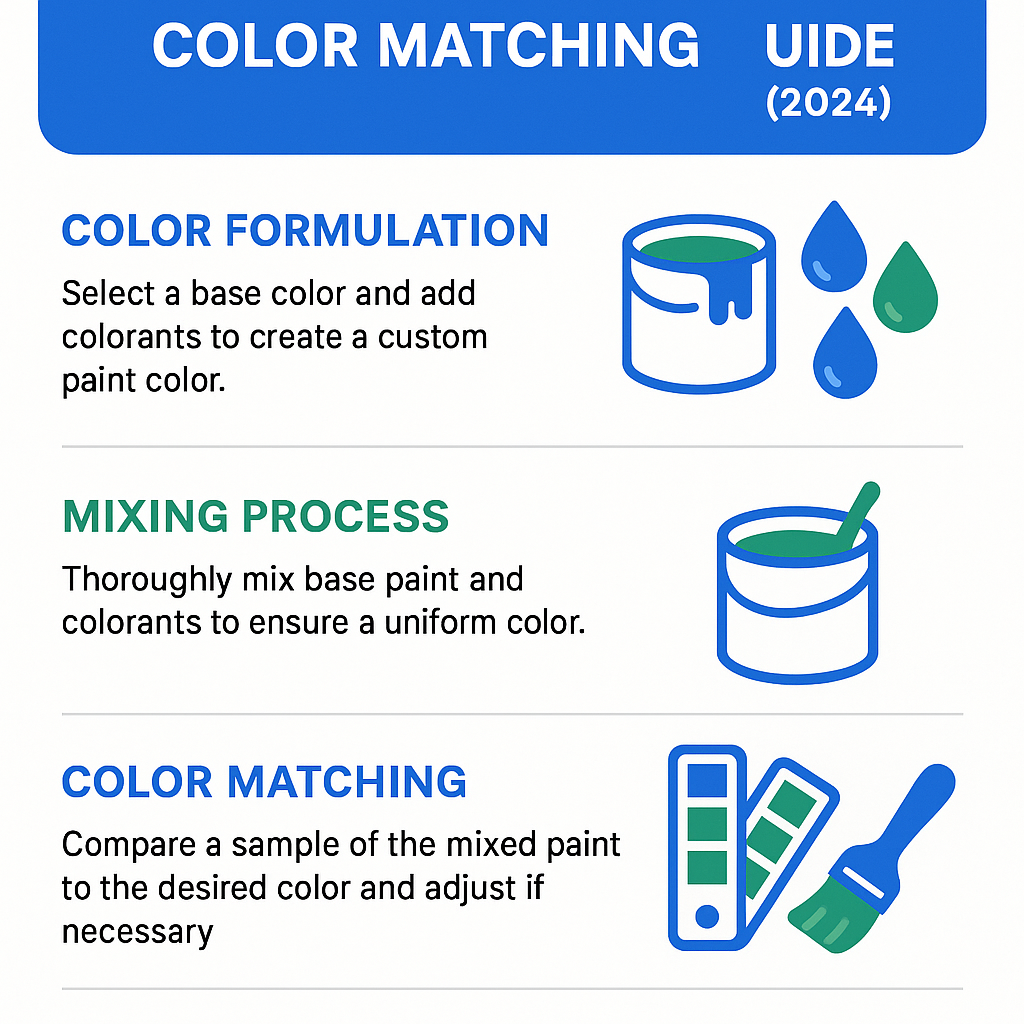
Infographic illustration for this topic
Side-by-Side Comparison
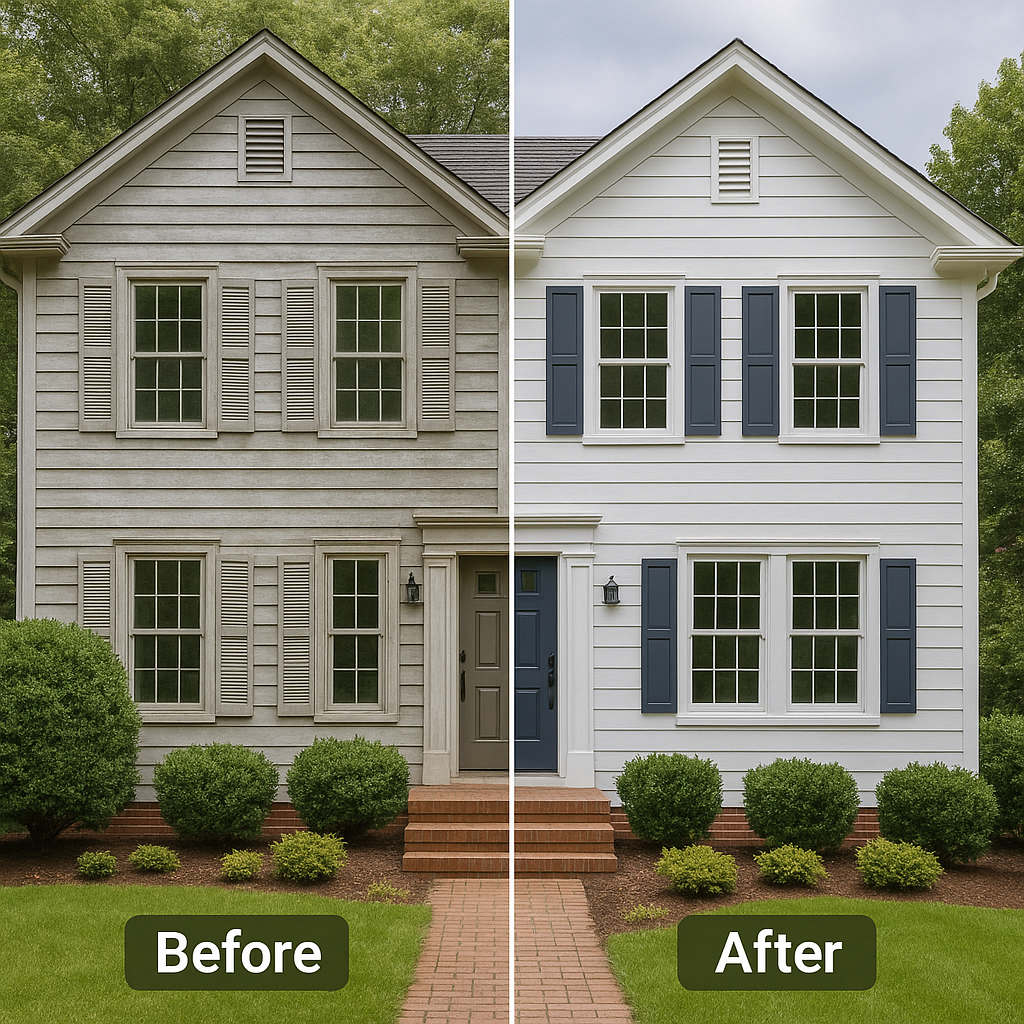
Visual comparison of options and alternatives
Sources & References
- How to Paint a Rainbow Wall - YouTube
- Rainbow Wall Painting, Wallpaper & Murals for your Interiors
- Bringing Color to Your Home: A Rainbow Painting Guide
- Painting a Colorful Sunburst Rainbow Accent Wall - in a corner
- Best Interior & Exterior Paint Buying Guide - Consumer Reports
- Best Paint for Commercial Buildings - Miko LLC
- Building Codes, Standards, and Regulations: Frequently Asked ...
- Choosing the Right Exterior Paint for Commercial Buildings
Frequently Asked Questions
Need Professional Help?
Find top-rated house painters experts in your area