
Learn how to hire professional painters with our 2024 expert guide. Verify licenses, spot quality work, avoid costly mistakes. Licensed pros share insider tips.
Key Takeaways
How to Hire Professional Painters: The Ultimate 2024 Expert Guide to a Lasting Finish
Looking to refresh your home's aesthetic with a flawless, durable paint job? This comprehensive guide cuts through the complexities, empowering you to make informed decisions. We focus on critical elements: rigorously *verifying painter credentials*, ensuring *ironclad insurance coverage*, and understanding the fundamental disparities between **quality craftsmanship that endures** versus paint applications prone to *premature failure*.
The longevity and success of your painting project are unequivocally determined long before the first brushstroke is applied. A superior finish hinges on **meticulous preparation** and **expert application techniques**—these are the true architects of how well your [interior or exterior painting](/guides/house-painters/painting-bad-work-guide) withstands the test of time and environment.
What Truly Distinguishes Professional Painters from Amateurs?
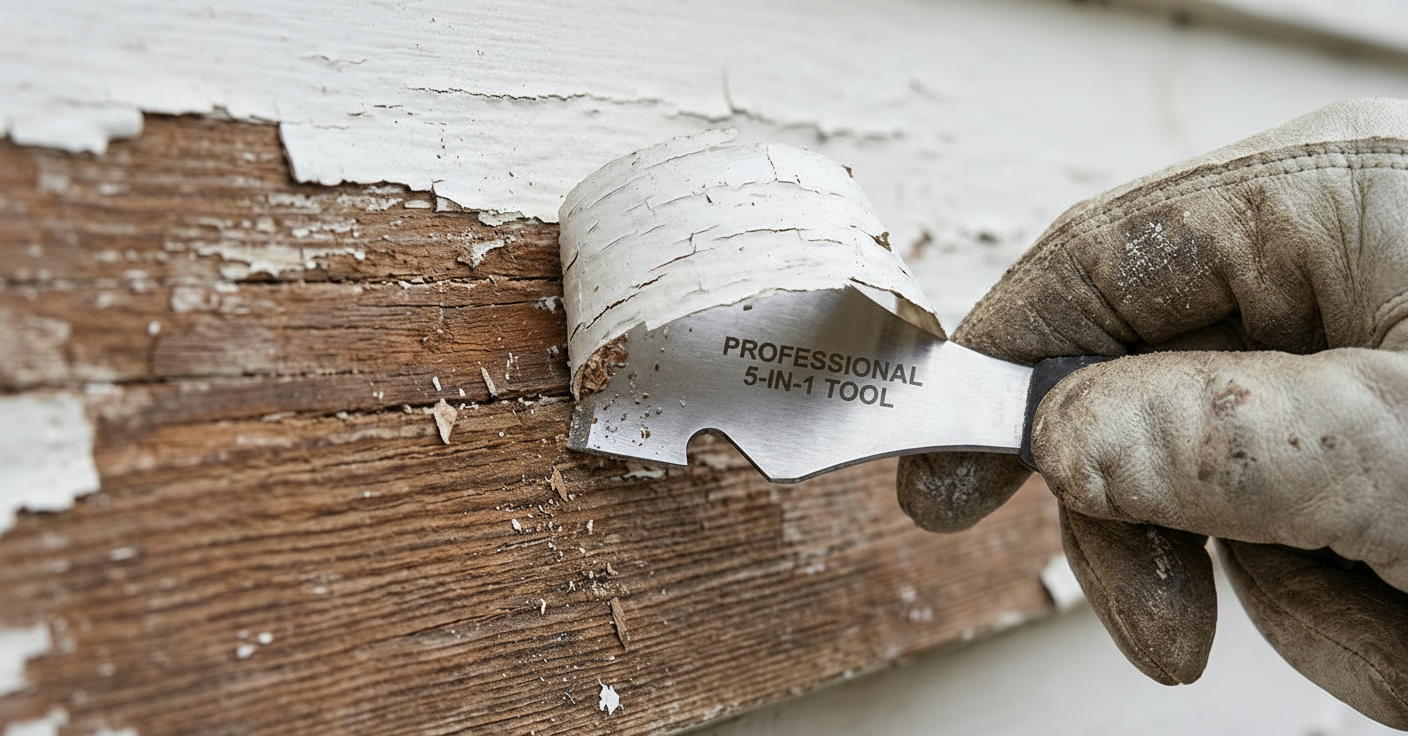
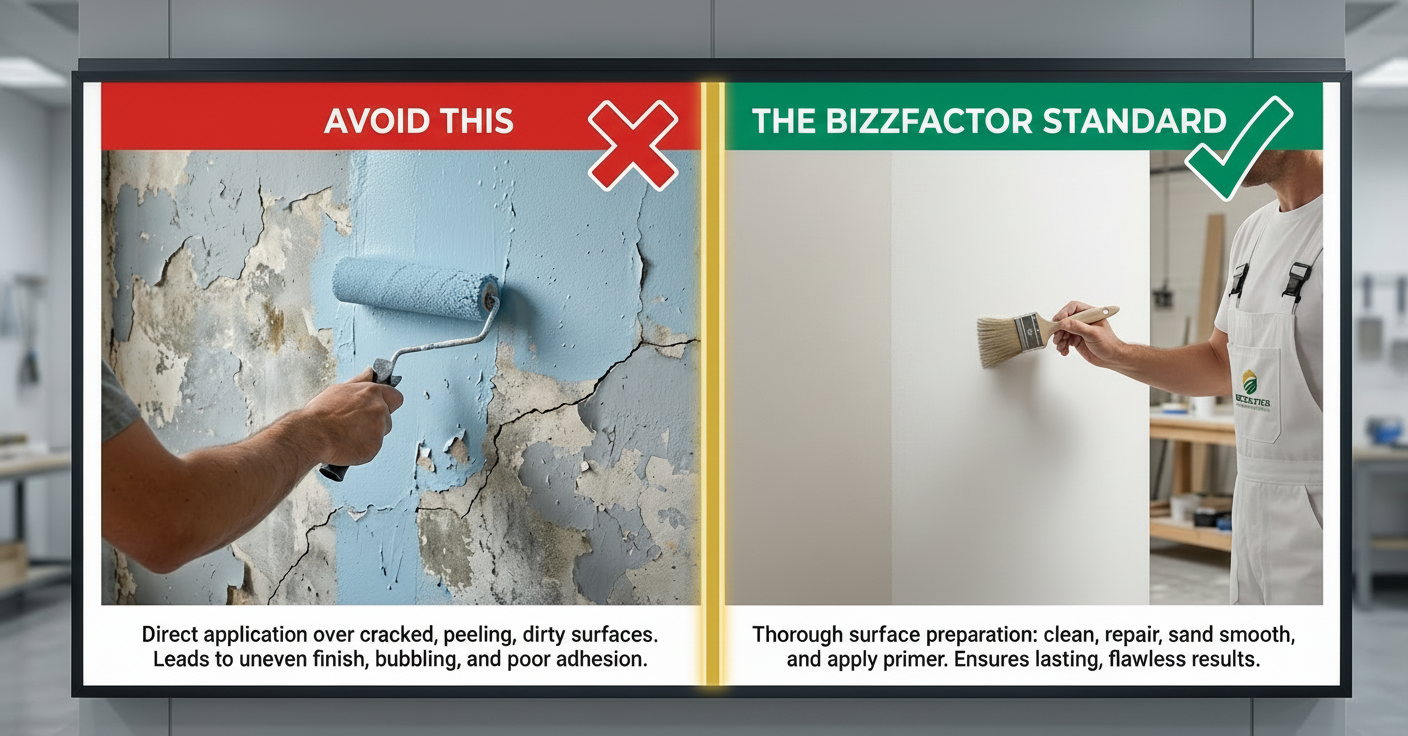
Exceptional [professional painters](/guides/house-painters/wall-painting-guide-tips) inherently grasp that **preparation is not merely important, it is paramount**. This foundational work encompasses exhaustive scraping, precision sanding, appropriate priming, and diligent caulking—steps often unseen yet absolutely indispensable for optimal paint adhesion, durability, and a consistently smooth finish. Overlooking these vital preparatory stages is a direct pathway to compromised adhesion and inevitable premature paint failure.
What constitutes genuine, high-quality preparation?
**1. Thorough Surface Diagnosis and Repair:**
- Proactively identifying and expertly addressing all underlying substrate deficiencies *before* any paint application.
- Committing to genuinely fixing problems rather than merely masking them.
- Executing a comprehensive evaluation of existing surfaces to ensure optimal readiness for [painting](/guides/house-painters/painting-bad-work-guide).
**2. Strategic, Performance-Driven Material Selection:**
- Selecting and applying the precise primers tailored to specific surface types and conditions.
- Employing manufacturer-recommended application methods for all products to maximize performance.
- Utilizing products specifically engineered for the unique demands and environmental challenges of each project.
- Choosing [paint finishes](/guides/house-painters/white-paint-choosing-guide) based on both the functional requirements (e.g., washability) and aesthetic goals of every room or exterior surface.
The Indispensable Role of Professional Equipment and Specialized Tools
A professional painter's toolkit extends far beyond rudimentary brushes and rollers. Their investment in industry certifications and specialized training provides tangible proof of their refined expertise and capability.
Reputable contractors consistently invest in high-grade equipment engineered to deliver professional-grade results—a difference that is tangibly evident in the superior final finish and efficiency of the project.
Paint material selection is equally critical, demanding a precise alignment between product specifications and environmental conditions. Exterior projects, for example, necessitate products rigorously formulated to resist local climatic factors; a generic, off-the-shelf paint will simply not suffice. Quality contractors base their material recommendations on real-world performance data specific to your building's construction, exposure, and geographical location.
Verifying Insurance Coverage: A Non-Negotiable Imperative
**Never merely accept a verbal affirmation that a painter is "insured." You are obligated to actively request and meticulously verify their current licensing, comprehensive general liability insurance, and worker's compensation bonding.** Our extensive experience consistently demonstrates that overlooking this absolutely critical step is the leading cause of significant regret and potential financial disaster for homeowners.
Established [painting companies](/guides/house-painters/painting-bad-work-guide) meticulously maintain proper licensing, robust comprehensive insurance policies, and bonding to safeguard both you (the homeowner) and their entire workforce throughout the project's duration. Engaging a contractor without adequate coverage exposes you to severe liability if an accident or injury occurs on your property—a legal and financial nightmare that is entirely preventable.
Ensure you verify the following:
- **Current General Liability Insurance Coverage:** This protects you against potential property damage.
- **Relevant Licensing Requirements:** Confirm adherence to all local and state regulations governing contractors.
- **Worker's Compensation Insurance:** This is absolutely critical for protecting their employees and, crucially, for significantly limiting your liability as the property owner.
The Undeniable Importance of Surface Compatibility and Advanced Preparation
Even for repainting projects, the criticality of preparation remains undiminished. Over time, old paint surfaces degrade, oxidize, and chemically change, thereby altering their adhesion characteristics. Attempting to [paint](/guides/house-painters/painting-bad-work-guide) over aged, unprepared surfaces will inevitably lead to poor adhesion, premature peeling, and short-lived, unsatisfactory results.
High-quality primers are fundamental for establishing a robust, durable bond between the new paint layers and existing substrates. Without their proper application, you dramatically increase the risk of premature paint failure and costly re-work.
Articulating Your Specific Needs for Optimal Solutions
Instead of prematurely specifying a particular product, clearly articulate your unique situation, concerns, and performance expectations. For instance, clearly state: "This hallway endures heavy foot traffic and requires exceptional scuff resistance," or "This bathroom often lacks proper ventilation and experiences high humidity levels." This detailed information helps the [painting contractor](/guides/house-painters/residential-painting-cost) offer the best solutions.
Professional painters will then leverage this crucial information to accurately identify potential substrate issues, determine the necessary preparatory steps, and specify the optimal product system for your unique [painting](/guides/house-painters/painting-bad-work-guide) requirements. They often achieve their most reliable and lasting results using product systems with which they have extensive, successful, and field-tested experience.
Consider their recommendations diligently, as they are grounded in hands-on insights into product performance, long-term durability, and aesthetic outcomes. They have likely observed countless instances of what unequivocally works and what consistently fails.
Demand Comprehensive, Detailed Estimates Upfront
Expert painters consistently provide thorough, itemized estimates during their initial on-site walkthrough, distinctly *not* generic ballpark figures over the phone. A truly comprehensive [painting estimate](/guides/house-painters/painting-quotes-apartment-guide) should meticulously itemize:
- All specific preparatory work to be performed (e.g., type of scraping, number of sanding passes, caulking specifics).
- Their precise strategy for addressing potential unforeseen issues that may arise during the project.
- Clear, transparent pricing for all labor and materials *before* any work commences.
Actively avoid contracts riddled with ambiguous terms or vague descriptions. Insist on detailed estimates that explicitly define the entire scope of work, thereby preventing unwelcome surprises, change orders, or disputes later in the project lifecycle.
Understanding Specialized Primer Requirements
Professional painters possess the advanced knowledge to precisely identify situations where specialized primers are absolutely essential. Different surface types (e.g., stained wood, glossy surfaces, water-damaged drywall) demand specific primers to ensure proper adhesion, optimal coverage, and superior long-term durability—it is never a one-size-fits-all solution.
Quality contractors understand precisely when and where to apply specialized primers for unique conditions (e.g., shellac-based for knot-bleeding, bonding primer for glossy surfaces). Always ensure that proper primer specifications and applications are explicitly written into contracts for all areas requiring them.
Collaborating on Optimal Paint Recommendations
A skilled contractor can provide invaluable, data-driven advice on the most suitable paint products for your specific building, its unique exposure, and local environmental conditions. Professional painters often possess extensive, real-world experience with particular product lines, thoroughly understanding their performance characteristics over time and under various stresses.
For areas where aesthetics are paramount—such as formal living rooms, dining rooms, and prominent entryways—engage in a detailed discussion regarding finish quality, sheen consistency, and coverage properties. For high-traffic zones like hallways, kitchens, and children's rooms, prioritize exceptional durability, superior scuff resistance, and ease of washability. Discussing these specific areas can help your [house painting contractor](/guides/house-painters/residential-painting-cost) select the right products.
⚠️ The Insurance Deception That Could Cost You Thousands
Never accept a simplistic "we're insured" declaration. **You absolutely must request a Certificate of Insurance (COI) that specifically indemnifies you and explicitly lists Workers' Compensation coverage.** Many unscrupulous contractors only carry General Liability, which leaves you dangerously exposed if one of their employees sustains an injury on their property. Without valid Workers' Comp, you could be held solely liable for their medical expenses, lost wages, and potentially devastating legal fees. A generic "we're insured" is a flashing red flag. **No valid COI with Workers' Comp coverage means no contract, no work, and no liability exposure for you.**
Paint Battle: Sherwin-Williams Emerald vs. Benjamin Moore Aura vs. The Pro's Choice
Sherwin-Williams Emerald and Benjamin Moore Aura represent top-tier, ultra-premium paints, priced accordingly for their advanced formulations. While undeniably excellent, they are often considered overkill for a significant number of residential projects.
**The Seasoned Pro's Secret:** Benjamin Moore's Regal Select. This industry workhorse consistently delivers arguably 95% of Aura's performance—superb coverage, outstanding durability, and a consistently beautiful finish—at approximately 30% less cost. For the vast majority of interior projects, Regal Select represents a smarter, more cost-effective investment without compromising on lasting quality. Avoid paying a premium for advanced features or marginal performance gains you likely won't perceptibly notice. Trust the paint line professional contractors have reliably utilized for decades. This decision impacts your overall [residential painting cost](/guides/house-painters/residential-painting-cost).
Discard the Conventional 'Three Quotes' Rule
Conventional wisdom frequently suggests obtaining three distinct quotes. Instead, strategically focus your efforts on securing **one exceptionally detailed and transparent quote from a highly vetted and strongly recommended painter.**
The most reputable painters meticulously outline every single step of their process: the specific preparatory tasks, the precise brands and types of caulk and primer to be used, and the exact number of paint coats for each surface. This unparalleled level of transparency is a far more reliable indicator of true quality and professionalism than a collection of disparate price points. A low-detail, low-price quote almost invariably signals corners cut on vital prep work, leading directly to future headaches and premature failure. Always understand what is included in your [house painting quote](/guides/house-painters/painting-quotes-apartment-guide).
⚠️ Critical Mistake to Avoid: Focusing Solely on Total Price
Honestly, this is precisely where most homeowners make their inaugural critical error. A deceptively low bid often conceals the intentional use of cheaper, contractor-grade paint (e.g., Sherwin-Williams ProMar 400 or Behr Premium Plus) instead of a premium, highly durable architectural finish (like Emerald or Duration). **Always demand that the exact product name, product line, and specific sheen be explicitly written into your painting agreement or contract.** This singular detail can be the difference between a high-performance paint job that looks pristine for 10+ years and one that visibly degrades in three.
Our Expert Pro Recommendation: Regal Select vs. Duration Home
For high-traffic interior walls, the informed debate frequently narrows down to Benjamin Moore Regal Select and Sherwin-Williams Duration Home. Both are undeniably excellent premium paints, but our consistent recommendation leans toward **Benjamin Moore Regal Select**.
Its key advantage resides in its superior scuff resistance, exceptional washability over time, and remarkable ability to facilitate touch-ups without causing flashing (uneven sheen appearance). While Duration offers impressive stain-blocking capabilities, Regal Select's inherent resilience to daily wear, tear, and frequent cleaning makes it the demonstrably smarter long-term choice for active, busy households. This ensures a finish that maintains its fresh, uniform appearance significantly longer, reducing the need for premature re-painting.
What Most Guides Won't Tell You: Observe the Process, Not Just the Portfolio
Dismiss the painter whose only evidence of quality is a slick, curated portfolio comprised solely of finished 'after' photos. **Instead, make it an absolute requirement to ask to see a job *currently in progress*.** A visibly clean, meticulously organized worksite, demonstrably showcasing exacting prep work (precision taping, thorough sanding, comprehensive drop cloth covering, and proper ventilation), is a far more reliable, concrete indicator of true quality, attention to detail, and professional standards than any perfectly staged 'after' snapshot could ever convey. The actual process itself reveals exponentially more about a painter's integrity and quality standards than any static final product photograph.
⚠️ The Mistake Even Pros Can Make: Ignoring Substrate Moisture
Focusing exclusively on visible prep elements like sanding and patching is a colossal oversight. Many painters neglect to competently use a moisture meter on interior drywall, particularly in moisture-prone areas like basements, bathrooms, or kitchens. **Critical fact: If the wall's moisture content exceeds 15-18%, even the most expensive, highest-quality paint system and primer will likely delaminate or fail prematurely**, resulting in unsightly bubbling, peeling, or mildew growth within a remarkably short period—often less than a year. Insist on a moisture content check for any wall with a history of humidity, dampness, or unknown conditions—it is a quick, 10-second diagnostic test that can prevent a financially ruinous total repaint.
The Definitive Stain-Blocking Primer: Zinsser B-I-N vs. Kilz 2
When confronting serious stain-blocking challenges, do not permit your painter to default to an easy, water-based primer like Kilz 2 or similar products. While Kilz 2 may be marginally acceptable for very light scuffs or minor uniform color changes, it is notoriously ineffective and structurally weak against serious water stains, tannin bleed from wood, heavy smoke damage, or persistent pet odors.
We universally recommend and strongly advise insisting on a **shellac-based primer like Zinsser B-I-N (pigmented shellac)**. Its alcohol-based formulation creates a permanent, impenetrable barrier that water-based products simply cannot replicate in terms of stain-killing power and adhesion. While there is a stronger odor during application and the need for solvent cleanup, these are minimal, temporary trade-offs for ensuring stubborn, challenging stains never bleed through the finish again.
Counter-Intuitive Tip: The Case Against Painter's Tape for Superior Lines
Conventional wisdom frequently dictates 'always use tape for clean lines.' For truly professional, razor-sharp results, this advice is often misguided and counterproductive.
Superior, consistently crisp lines are expertly achieved by mastering the freehand 'cutting-in' technique with a high-quality, angled sash brush and a steady, practiced hand. Painter's tape is inherently slow to apply, prone to paint bleeding underneath its edge (resulting in a fuzzy, irregular line), and can even lift fresh, cured paint upon removal, marring the finish. A truly skilled painter with exceptional brush control is faster, demonstrably more efficient, and delivers a consistently sharper, more precise line than any tape can reliably achieve.
Key Factors to Consider When Selecting and Hiring Professional Painters
When meticulously selecting a residential house painter, prioritize these critical, performance-driving aspects to ensure a successful outcome:
**1. Demonstrated Experience and Verifiable Reputation:**
Look for painters with established track records, verifiable credentials, and extensive experience on projects directly similar to yours. Always request multiple references and diligently review comprehensive online testimonials and reviews on platforms like BizzFactor to find reliable [house painters](/guides/house-painters/residential-painting-cost).
**2. Fully Detailed and Transparent Estimates:**
Quality contractors consistently provide comprehensive, line-item breakdowns of all proposed work, materials, specific product types, and associated costs. Actively avoid contractors who provide vague, generalized, or opaque quotes that lack specific details. Ensure your [painting quote](/guides/house-painters/painting-quotes-apartment-guide) is thorough.
**3. Exceptional Communication and Client Engagement:**
Professional painters actively listen to your specific needs, provide clear, concise explanations of their proposed approach, articulate potential challenges, and maintain open, proactive communication throughout all phases of the project, from initial consultation to final walkthrough.
Ensuring Enduring Quality Results That Last for Years
Here’s the fundamental, irrefutable difference between paint jobs that gracefully endure for a decade and those that visibly deteriorate within a few short years:
1. **Meticulous, Diagnostic Surface Preparation:** Proactively identifying and expertly addressing all substrate concerns and deficiencies *before* the application of any primer or paint.
2. **Appropriate, Performance-Driven Material Selection:** Precisely matching high-quality, architectural-grade products to your specific surface conditions, functional requirements, and local environmental factors.
3. **Professional, Expert Application Techniques:** Consistently employing industry-best practices, skilled craftsmanship, and utilizing advanced, well-maintained quality equipment.
4. **Verified, Documented Credentials:** Ensuring the painter holds proper, current licensing, comprehensive general liability, and crucial worker's compensation insurance, along with appropriate bonding.
Investing upfront time and diligence to verify credentials, secure exceptionally detailed estimates, and ensuring your chosen painter fully comprehends your specific requirements will invariably pay significant dividends over time. While superior quality work typically commands a higher initial upfront cost, it ultimately saves substantial money by lasting significantly longer, requiring far fewer touch-ups, and delaying the need for a full repaint for many years. Choosing the right professional painter means identifying an expert in diagnostic surface preparation, intelligent material selection, and masterful application techniques—these are the true, decisive determinants of whether your paint job will look stunning for years to come or suffer from premature, costly failure.
In-Depth Look
Detailed illustration of key concepts
Visual Guide
Infographic illustration for this topic

Side-by-Side Comparison
Visual comparison of options and alternatives
Sources & References
- How to Choose a Professional Painter: Essential Questions to Ask
- Choosing the Right Residential House Painter - Tech Painting Co.
- The Ultimate Guide to Choosing Professional Painters for Your Home
- A Guide to Choosing the Right Paint Contractor - No Drip Painting
- The Ultimate Guide to Finding a Reliable Local House Painter
- Best Interior & Exterior Paint Buying Guide
- Best Paint for Commercial Buildings
- Building Codes, Standards, and Regulations: Frequently ...
- Best Industrial Painting Brands: A 2025 Comparison Guide
- Choosing the Right Exterior Paint for Commercial Buildings
Frequently Asked Questions
Need Professional Help?
Find top-rated house painters experts in your area