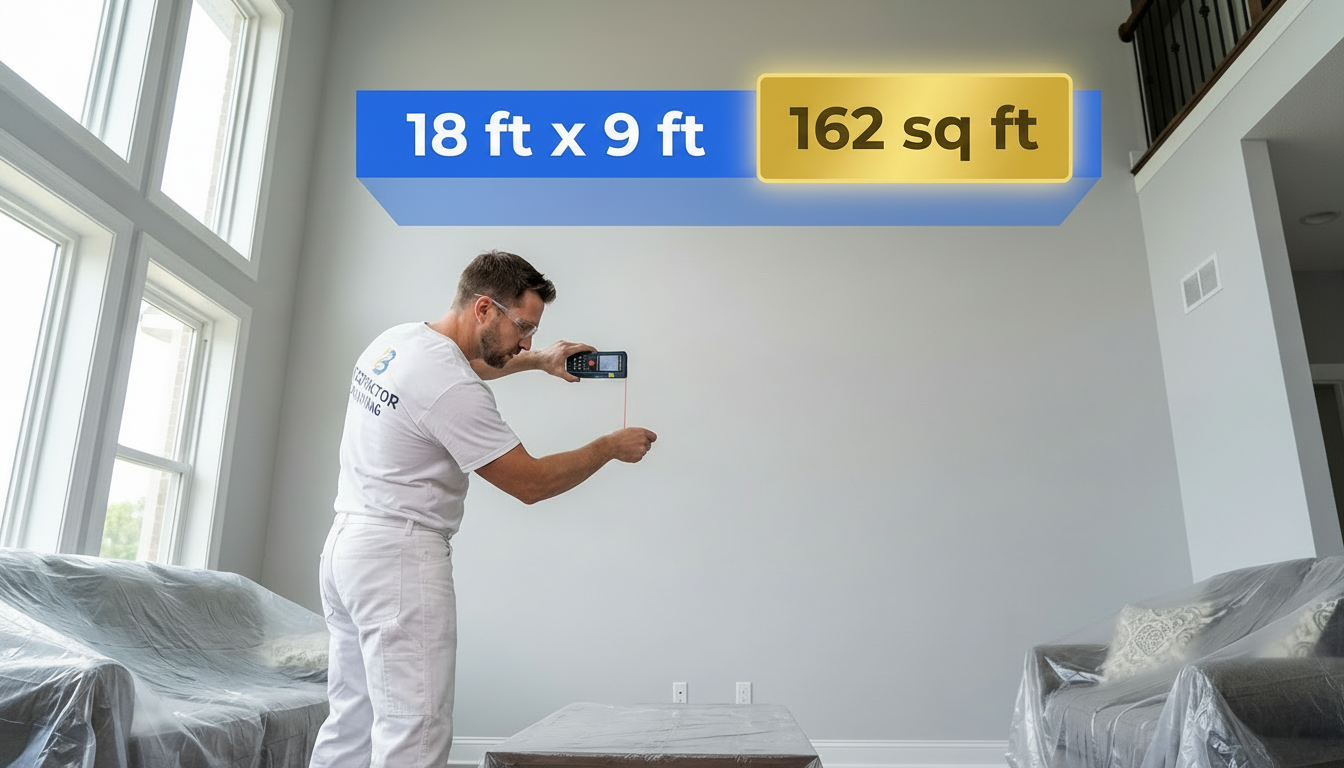
Interior painting costs explained by licensed pros. Learn what you'll really pay based on room size, prep work, paint quality & 5 other key factors.
Key Takeaways
Interior Painting Costs: What You'll Actually End Up Paying
Interior painting costs can vary significantly between contractors, making it crucial to understand the factors that influence pricing. This guide will help you evaluate quotes more effectively, ensuring you get the best value for your investment in a refreshed living space.
The Core Driver: Room Size and Square Footage
Square footage is undeniably the primary factor determining interior painting costs. Logically, the more surface area that needs painting, the higher your overall expenditure will be.
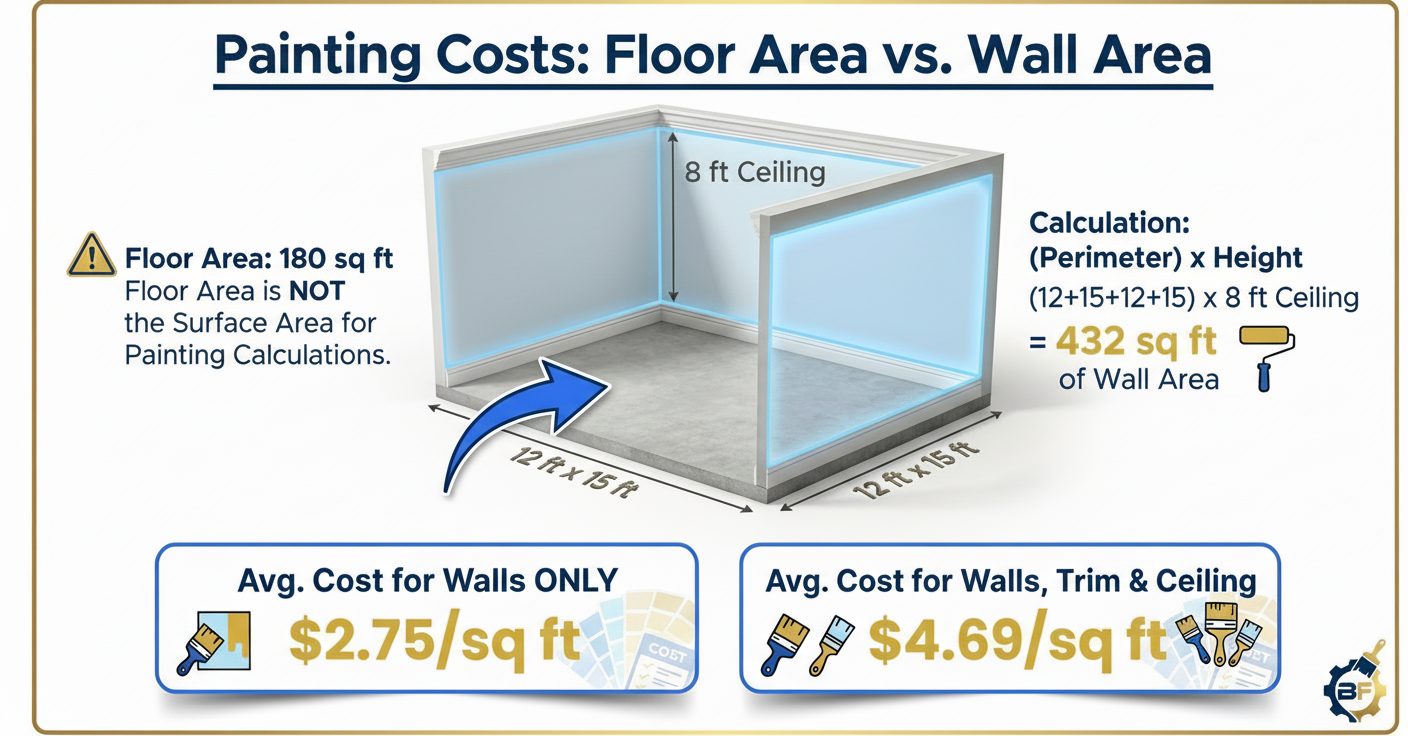
Industry data suggests that painting walls alone averages around $2.75 per square foot. However, when you factor in walls, trim, and ceilings, this cost can rise to approximately $4.69 per square foot.
Consider a bedroom measuring 12x15 feet, which equates to 180 square feet of floor space.
It's vital to recognize a common misconception here:
Floor measurements do not directly translate to paintable wall area. Your actual wall surface area is substantially larger, comprising four walls extending vertically to your ceiling height.
⚠️ Common Mistake: Miscalculating Paintable Area
Relying solely on floor measurements for cost estimation is a significant oversight. Professional painters calculate costs based on the exact wall and ceiling surface area they will be painting, not just the room's footprint.
The discrepancy between floor area and actual paintable surface can be substantial, leading to inaccurate DIY estimates.
💡 Smart Tip: Getting Accurate Painting Quotes
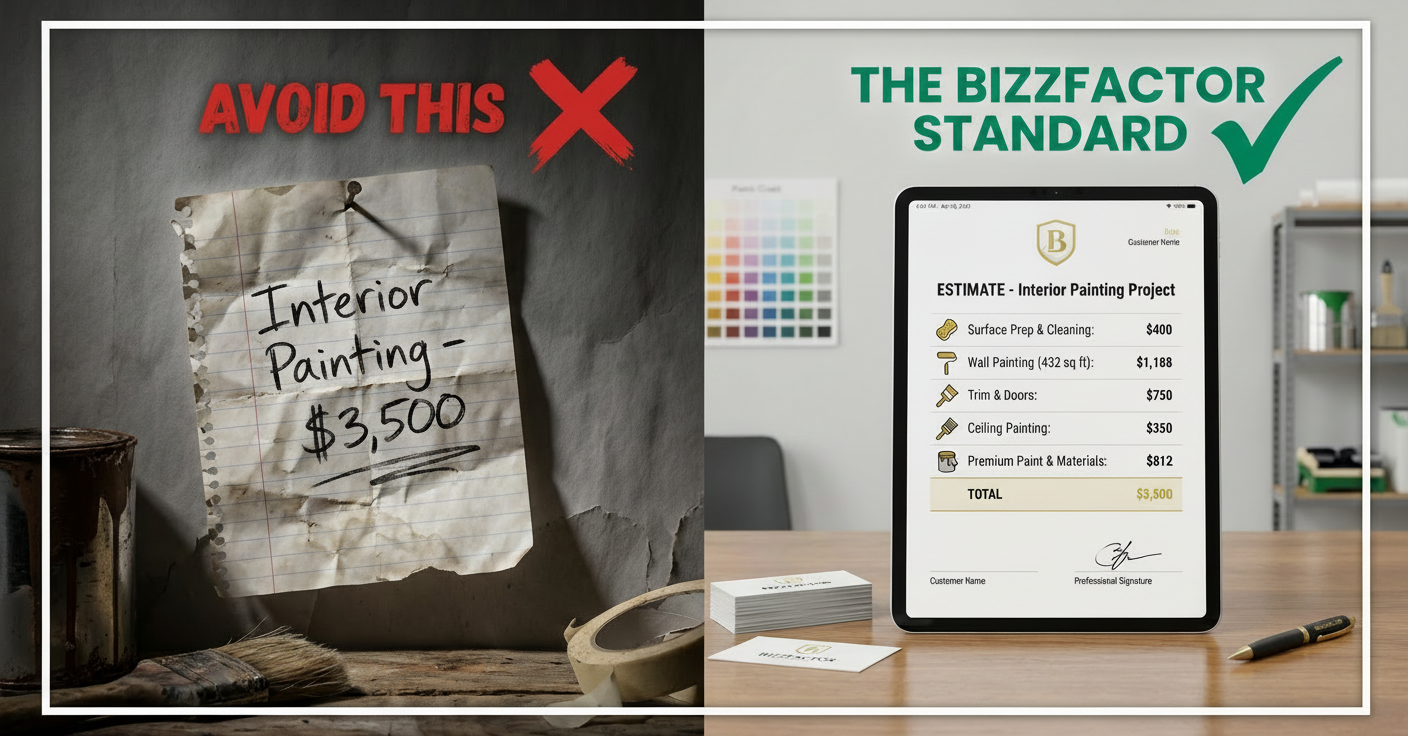
When soliciting quotes from contractors, always inquire about what is specifically included in their per-square-foot pricing. Does it cover walls only, or does it also include ceilings, trim, and doors? This clarity is essential for an apples-to-apples comparison.
Obtaining multiple, detailed quotes from different painting services will provide a comprehensive understanding of pricing structures. Request itemized breakdowns that list each component separately, rather than bundled line items, for maximum transparency. For more on selecting the right pro, see our guide on [hiring a painter](/house-painters/how-to-hire-a-painter).
Understanding Your Space's Nuances
A 1,500 square foot home with towering 12-foot ceilings presents a different challenge (and cost) than a 1,500 square foot home divided into numerous rooms with standard 8-foot ceilings. While the floor area might be identical, the sheer volume of paintable surface varies considerably. This is why in-person consultations are invaluable.
In-person quotes enable contractors to accurately assess the unique characteristics of your space, including ceiling height, wall conditions, and architectural details, leading to more precise estimates.
Beyond the Brush: Surface Preparation Requirements
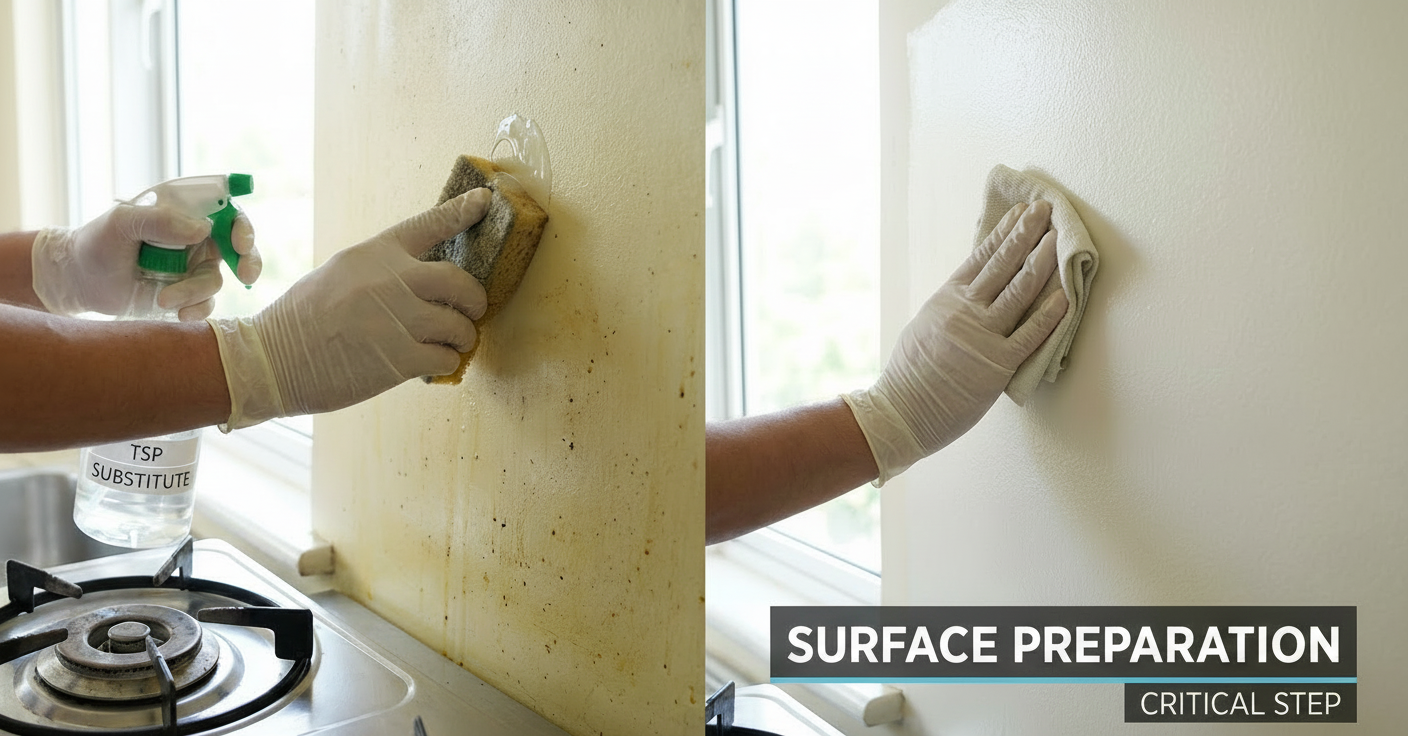
Surface preparation is a critical, yet often underestimated, component that significantly impacts the longevity and finish of your paint job. Different room types and wall conditions necessitate varying levels of prep work.
For instance, kitchens and bathrooms frequently require extensive cleaning to remove grease, grime, and mildew, all of which can compromise paint adhesion. The thoroughness of the preparation included in your quote directly correlates with the durability and aesthetic appeal of the finished work. Neglecting proper prep can lead to premature peeling or bubbling.
Paint Quality: Understanding the Investment
Paint quality directly affects both your initial costs and the long-term performance and appearance of your freshly painted surfaces.
Reputable sources like Consumer Reports offer paint ratings that evaluate product performance, durability, and coverage. While higher-quality paints typically come with a higher price tag per gallon, they often provide superior coverage, durability, and washability. This can potentially reduce the number of coats required and extend the time before your next repaint, offering better value over time.
Evaluating Multiple Quotes: A Strategic Approach
When gathering estimates, consider obtaining quotes from contractors across different price points. This strategy helps you understand the range of services and quality available.
A more comprehensive or higher-priced proposal can illuminate what constitutes quality work – including specific preparation methods, premium material specifications, and warranty details. This insight empowers you to better evaluate what other, perhaps lower-priced, quotes may include or omit.
⚠️ The Importance of Primer Considerations
Certain surfaces absolutely require dedicated primers for optimal adhesion and to prevent common issues such as bleed-through (when stains show through the topcoat) or peeling. It's crucial to understand that "paint and primer in one" products, while convenient, do not perform equally well on all surfaces, especially those susceptible to stains or significant color changes.
Your painting quote should explicitly detail the type of primer to be used for different areas, particularly for problematic surfaces that demand specialized treatment (e.g., bare drywall, wood stained with knot bleed, water-damaged walls).
Comparing Paint Products: Making Informed Choices
When evaluating paint options, compare different product lines even within the same brand. Paint products vary widely in coverage capabilities, durability, finish options, and price points.
A knowledgeable and experienced contractor can provide invaluable advice on the best paint products tailored to your specific building, local climate, and the intended use of each room. They can help you select options that perfectly balance your project requirements with your budget. For more on paint types, see [understanding paint finishes](/house-painters/understanding-paint-finishes).
Design Considerations: Beyond Just Color
Color selection is merely one facet of your interior painting project. Consider the overall design aesthetic and functional requirements you aim to achieve in each space.
⚠️ Sheen Selection Matters Significantly
The paint sheen you choose impacts both the visual appeal and the amount of surface preparation required. Higher-sheen finishes, such as eggshell, satin, or semi-gloss, tend to magnify surface imperfections more than flatter paints. This means that achieving a flawless look with a higher sheen necessitates more thorough wall preparation, including meticulous sanding, patching, and cleaning.
Always specify your desired sheen in your quote and confirm the level of surface preparation included to achieve an optimal finish for that particular sheen.
Understanding Building Requirements & Health
While interior painting generally has fewer strict building codes compared to structural work, understanding applicable regulations and best practices is still important. A good contractor stays informed on industry standards.
⚠️ The Hidden Cost in 'Low-VOC' Paint: A Critical Warning
Be wary of contractors who tout 'low-VOC' or 'zero-VOC' topcoats but plan to use a cheap, high-VOC primer underneath. This is a significant corner-cutting tactic that negates the air quality benefits you're paying for. High-VOC primers can off-gas harmful chemicals into your home for months.
Always demand – and get in writing – that a zero-VOC primer will be used for your project, particularly for living spaces and bedrooms. Your health is worth the peace of mind.
Our Pro Recommendation: Sherwin-Williams vs. Benjamin Moore
While Benjamin Moore Aura is often lauded as a top-tier paint, its premium price point can be an extravagance for many projects. For exceptional quality and value, we confidently recommend **Sherwin-Williams Cashmere**.
Cashmere delivers a superior, self-leveling finish that excels at hiding minor wall imperfections, often outperforming the comparable Benjamin Moore Regal Select. Critically, it does so at a more practical price. When purchased during Sherwin-Williams' frequent 40% off sales, Cashmere offers unparalleled value, easily outclassing offerings from brands like Behr or Valspar for truly professional, lasting results.
What Most Guides Won't Tell You: The One-Coat Myth
Many painting guides insist on two coats of wall paint as a standard. However, we advocate for a different perspective: if your contractor uses a high-quality, high-solids paint (like our recommendations above) and employs proper application techniques, a single coat is often entirely sufficient for similar color changes and even some moderate color shifts. A mandatory second coat can sometimes be a way to unnecessarily inflate labor and material costs. Discuss this possibility with your painter if you're looking for savings without compromising quality.
Key Factors Affecting Interior Painting Costs
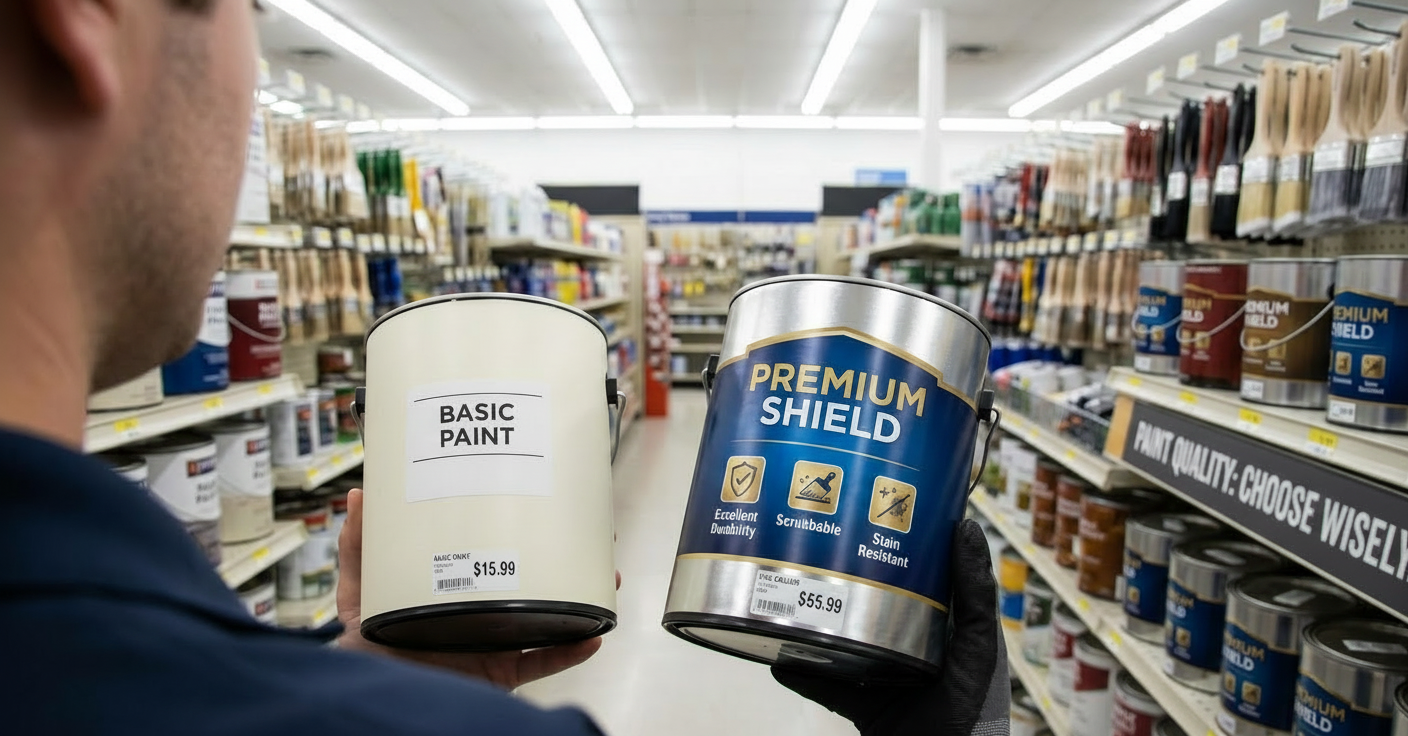
Based on comprehensive analysis, these are the primary cost drivers for interior painting:
1. **Square footage/Paintable Surface Area:** The most significant factor, encompassing walls, ceilings, and trim.
2. **Number of Coats Required:** Influenced by existing color, new color choice, and paint quality.
3. **Paint Quality and Product Selection:** Higher-grade paints offer better durability and finish, impacting upfront costs but providing long-term value.
4. **Preparation Level Needed:** Varies significantly based on wall condition (e.g., holes, cracks, stains, texture).
5. **Home Size and Layout:** Larger homes and complex architectural layouts (e.g., vaulted ceilings, intricate trim) increase labor.
6. **Wall Condition:** Extensive repairs, patching, or sanding due to damaged surfaces will add to the cost.
7. **Number of Rooms and Ceiling Height:** More individual rooms and higher ceilings mean more edge work, detailed cutting, and ladder work.
8. **Type of Finish/Sheen:** Higher sheens demand more meticulous surface preparation.
Understanding these factors is essential for evaluating quotes effectively, making informed decisions, and ensuring your interior painting project meets both your aesthetic desires and budgetary constraints.
", "faqs": [ { "question": "How do painters calculate interior painting costs?",
"answer": "Painters primarily calculate costs based on the actual paintable surface area, which includes walls, ceilings, and trim, not just the floor square footage of a room. Factors like ceiling height, wall condition, number of doors and windows, and the level of surface preparation required all contribute to the final estimate. It's best to get an in-person quote for accuracy."
}, { "question": "Is surface preparation included in a typical painting quote?", "answer": "Surface preparation is a crucial part of any quality painting job, but the extent of inclusion can vary. A good quote should detail what preparation steps are covered (e.g., cleaning, patching small holes, light sanding). Extensive repairs, wallpaper removal, or significant surface damage may incur additional costs, so always clarify this with your contractor."
}, { "question": "Does paint quality really make a difference in cost and results?", "answer": "Yes, paint quality significantly impacts both upfront costs and long-term results. Higher-quality paints generally offer better coverage, durability, and a more uniform finish. While they cost more per gallon, they often require fewer coats, provide a longer-lasting finish, and are more washable, potentially saving money and effort in the long run. Cheap paints can lead to more work and a less satisfactory outcome."
}, { "question": "Can I save money by only doing one coat of paint?", "answer": "While many projects suggest two coats, a single coat of high-quality, high-solids paint, applied by an experienced professional using proper techniques, can be sufficient for similar color changes. This can potentially save on both labor and material costs. Discuss this option with your painter to see if it's viable for your specific project and color choices, ensuring they guarantee the finish with one coat."
}, { "question": "Why is it important to ask about VOCs in primer, not just topcoats?",
"answer": "It's critical to ask about VOCs (Volatile Organic Compounds) in primers because even if a contractor uses a low-VOC topcoat, a high-VOC primer underneath can off-gas harmful chemicals into your home for months. This negates the air quality benefits of the low-VOC topcoat. Always specify and confirm in writing that a zero-VOC primer will be used, especially in areas like bedrooms and living spaces.
In-Depth Look
Detailed illustration of key concepts
Visual Guide
Infographic illustration for this topic
Side-by-Side Comparison
Visual comparison of options and alternatives
Sources & References
- 7 Factors that Affect the Cost of Interior Painting
- Interior House Painting Costs Explained: What Affects Your Final Price
- Factors That Increase Interior Painting Costs
- Interior House Painting Costs Guide - Improovy
- How Much Does It Cost to Paint the Interior of a House in 2025?
- Best Interior & Exterior Paint Buying Guide - Consumer Reports
- Best Paint for Commercial Buildings - Miko LLC
- Choosing the Right Exterior Paint for Commercial Buildings
- Best Industrial Painting Brands: A 2025 Comparison Guide
- Building Codes, Standards, and Regulations: Frequently Asked ...
Frequently Asked Questions
Need Professional Help?
Find top-rated house painters experts in your area