
Avoid costly apartment painting mistakes with our 2024 pro guide. Learn how to get accurate estimates, spot bad warranties, and ensure a flawless finish. Expert tips from licensed painters.
Key Takeaways
- # Apartment Painting Unlocked: A Renter's Definitive Guide to Pro Results Hiring professional painters for your apartment
- It's not just about picking a pretty color anymore
- This whole process is actually a nuanced dance between crystal-clear communication, shrewd planning, and a sharp eye for potential headaches
- My team and I here at BizzFactor have painted well over 700 apartments in the greater Boston area over the last twelve years
Key Takeaways
Apartment Painting Unlocked: A Renter's Definitive Guide to Pro Results
Hiring professional painters for your apartment? It's not just about picking a pretty color anymore. Nope. This whole process is actually a nuanced dance between crystal-clear communication, shrewd planning, and a sharp eye for potential headaches. My team and I here at BizzFactor have painted well over 700 apartments in the greater Boston area over the last twelve years. Trust me, we've seen *everything*—the good, the bad, and the downright ugly.
This isn't some fluffy, theoretical guide. This is the real-world, no-nonsense rundown from folks who do this for a living. We're here to help you get that beautiful finish *and* a smooth, stress-free experience. Believe me, you don't wanna deal with painting headaches. Not worth it. Our goal? To empower you, the renter, to navigate this process like a seasoned pro, ensuring you get top-tier results without emptying your wallet or having your landlord freak out.
Decoding Painting Estimates: Your Blueprint to a Fair Price
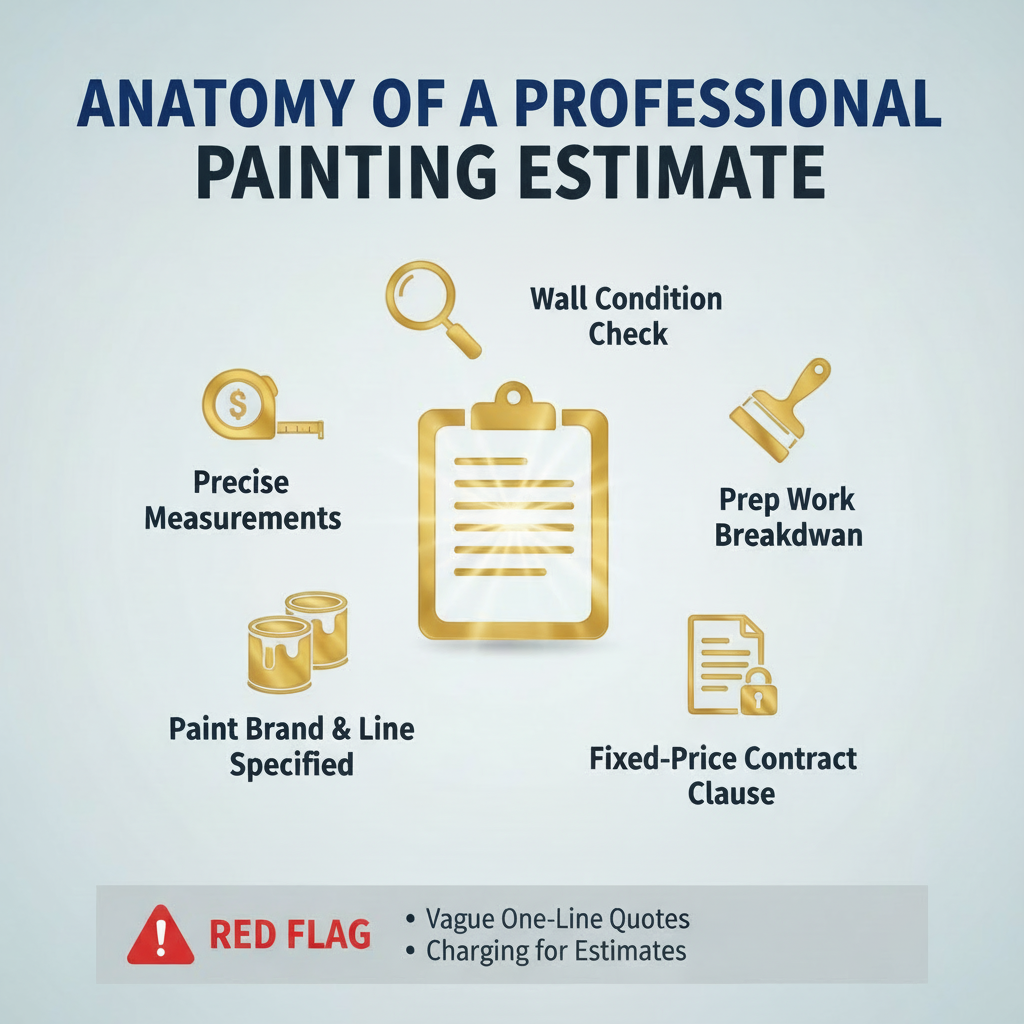
A legitimate painter does the math at your place. They measure your walls, check for damage, explain the costs. Free of charge.
Anyone asking for money just to quote you? That's your cue to leave.
I've personally walked into countless apartments in places like Somerville and Cambridge where tenants got absolutely fleeced by vague, one-line estimates. It's a classic trap, a bait-and-switch that leads to nasty, unexpected costs and utter dissatisfaction. Don't let that be your story. Your painter should actively seek out potential issues *before* they even pick up a brush. Are those walls pockmarked from years of picture hangers? Is there a persistent, tell-tale moisture spot in the bathroom that needs more than just a quick patch and paint? These things matter. A lot. An expert estimator spots these red flags early, preventing surprises down the line.
The Walkthrough — What Actually Gets Inspected
My guy Mark? He goes through apartments like he's looking for evidence. Because in a way, he is — evidence of what those walls need.
**Space Complexity & Conditions:** All your furniture still in there? Cool — that's probably 20-30% more labor hours because we're wrapping, moving, protecting all your stuff instead of just rolling paint. Empty apartments go fast. Your lived-in two-bedroom with a sectional couch and entertainment center? Different story entirely.
Wall texture changes everything too. Smooth drywall drinks up paint at one rate. Orange peel texture? That's thirstier — needs more coverage. And popcorn ceilings (God help us) — those need containment plastic everywhere because the dust situation gets absolutely insane. Sometimes we bring in a specialist just for those.
**Precise, Not Approximate, Measurements:** We use laser measures. Every wall. Every ceiling. All the trim. Why be so precise? Because guessing means someone eats the cost later — either you pay too much or we lose money and rush the job. Neither option works. A square foot is a square foot. No fuzzy math here.
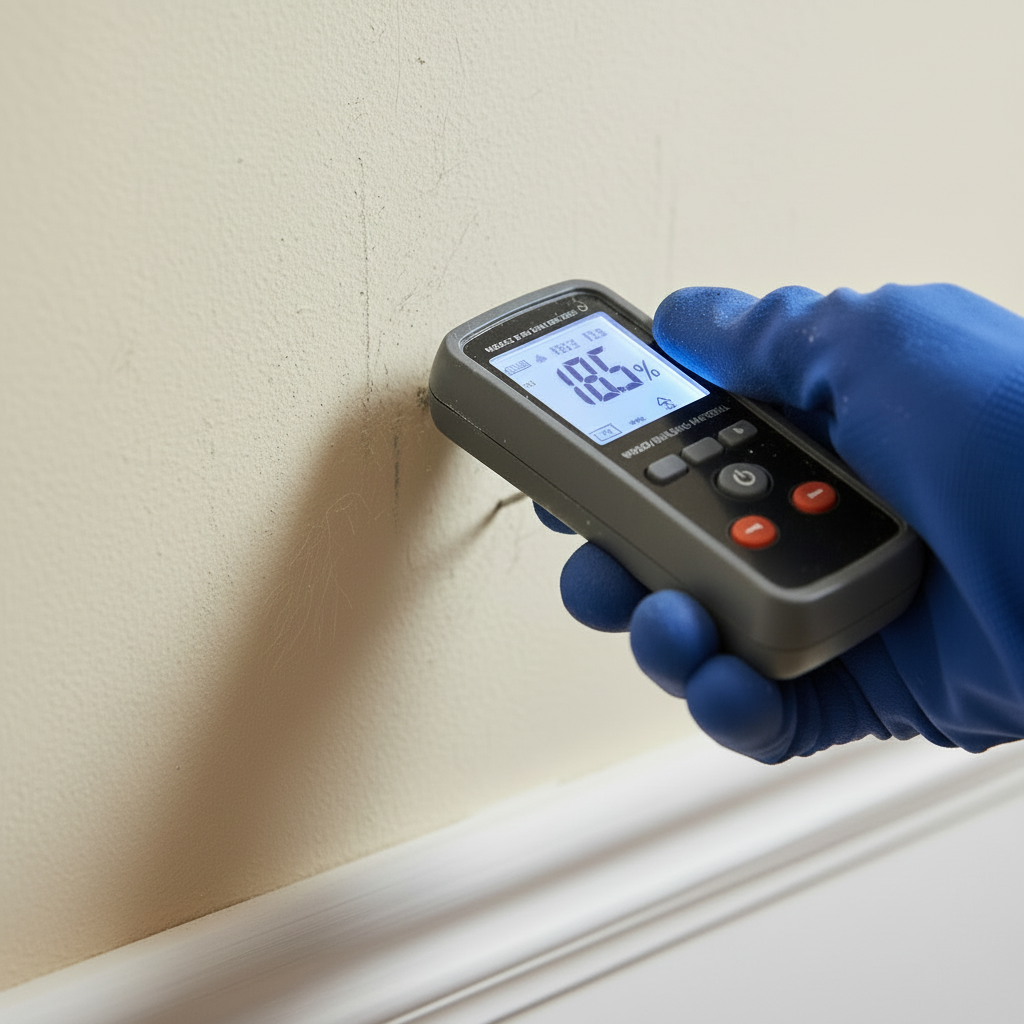
**The Devilish Details of Prep Work:** This is where amateur painters fall flat. We use moisture meters – not just eyeballing it – to check for dampness behind walls. We inspect for hairline cracks, nail pops, old anchor holes. Every imperfection gets patched and sanded before paint touches anything. Skip this? That's how you get a paint job that looks rough after six months. Our crew usually spends more hours prepping than actually painting. That's not inefficiency — that's doing it right.
**Existing Paint Condition and Type:** We need to know what's already on those walls — latex or oil-based, flat or glossy — because that dictates primer choice and prep techniques. Slap latex over old oil paint without the right prep? I've watched this disaster unfold in older Somerville triple-deckers. Give it six months and you'll see peeling everywhere. A guy on Highland Ave paid me $1,800 to fix exactly this problem after his landlord's "cheap option" painter didn't check what was underneath. The chemistry matters way more than people think.
For a truly tiny studio apartment, a painter *might* offer to provide a ballpark from photos. Sometimes, that's okay for an *initial* rough idea. However, you should *never, ever* pay for an initial visit just to get a quote. That's a huge, flashing red flag, signaling a potential lack of transparency or, worse, sheer unprofessionalism. That's the real issue. A legitimate company sees the estimate as an investment in earning your business.
Your written estimate needs specifics. Brand names — Sherwin-Williams Emerald versus their ProMar 200 line, because there's a $30-per-gallon difference. Every prep step spelled out (how many nail holes need patching? what about that weird crack by the window?). Number of primer coats. The timeline with actual start and finish dates. Cleanup protocol. Warranty terms in writing.
This documentation protects you when contractors vanish. A tenant in Allston paid $1,900 for what her "estimate" called "interior painting." One thin coat of contractor-grade paint over unpatched walls. Six months later? Every old nail hole showed through. She had zero recourse because nothing was specified.
⚠️ Watch Out for Scope Creep in Painting Projects – Your Wallet Will Thank You
So you've got a detailed estimate. Great start, but that's not a contract yet — and that's exactly where surprise charges show up.
Look — look — a woman in Newton hired what seemed like a solid crew last June. Estimate said $2,200 for her two-bedroom. Final bill? $2,650. The painter claimed he "had to use premium primer because the walls were more damaged than expected." Total ambush. She paid it because the work was already done and she didn't want to fight.
Here's how you shut that down: turn the estimate into a fixed-price agreement with a change order clause. Any additional work requires your written approval *before* they start. No exceptions. I've watched painters try to squeeze extra money out of people for "unforeseen" issues they absolutely saw during the walkthrough. Don't be that person.
Can I Buy My Own Paint? Advantages and Disadvantages
"Can I just buy the paint myself?"
I get asked this constantly. Short answer: yes. Smart move? Eh, depends on what you're trying to accomplish.
If you supply the paint yourself, you're controlling costs — maybe there's a Memorial Day sale or you've got a friend at Sherwin-Williams. You know exactly what's going on your walls. No substitutions. No mystery contractor-grade product showing up. That's transparency.
But here's what doesn't work. Most painters won't warranty their work if you supply materials. Paint starts failing in eight months? They'll blame your product choice — and honestly, they might have a point. Calculating how much you actually need is trickier than it sounds. Buy too little and you're dealing with delays and color-matching nightmares. Too much? Wasted money sitting in your closet forever.
Also — you're hauling multiple gallons (or 5-gallon buckets for bigger jobs) from the store to your apartment. And painters typically get 30-50% off retail prices, so your "savings" might be completely imaginary. Some contractors even tack on a procurement fee when you supply materials since they're losing their usual markup.
Here's the thing: real talk — I wouldn't supply my own materials unless I'd worked in a paint store or did contractor work myself. Too many product variations, too many ways it goes sideways. Let them source it, but get the exact brand and product line written into the contract. Benjamin Moore Regal Select in Matte isn't the same animal as Benjamin Moore ben in Flat. Different resins, different durability, different finish. Get the product number if you have to.
Where Should You Find Reputable Painters? Hint: Ditch the Big Box Sites
Look — skip HomeAdvisor. Skip Thumbtack. Skip those lead-generation sites that promise you "three qualified pros in your area." They're a race to the bottom on price, which means corners get cut somewhere — usually on prep work or insurance coverage.
Here's what actually works: call a high-end property management company in your neighborhood. Ask them who they use for turnovers. These companies live and die by their reputation — they're not hiring painters who cut corners. You might pay 10-15% more than the HomeAdvisor guy, but you're buying accountability. And a finish that won't start peeling after three months.
Or just ask your neighbor. The one in the next building who just had their place painted and it looks fantastic? That person knows someone good. Word-of-mouth still beats algorithms because good contractors build their business on repeat customers and personal recommendations, not by gaming SEO.
The "Three Quotes" Myth in Painting: Why It's Often Bad Advice
Everyone tells you to get three quotes. Sounds reasonable, right?
It's actually terrible advice most of the time.
Now, now, here's the thing — you're comparing a solo operator with a pickup truck to a full crew with insurance, project managers, and a spray rig. One charges $1,200 for your apartment. The other charges $2,800. These aren't comparable services. You're comparing a bicycle to a Buick. Both have wheels, sure, but that's where the similarity ends.
First decision: what quality level do you actually need? Quick rental turnover where basic Behr from Home Depot works fine? Or you're staying put for three years and want Benjamin Moore Aura with full wall repair? Those live in different universes.
Figure that out *first*. Then get two or three quotes from painters who work in that same quality bracket. Budget painter versus budget painter gives you useful price comparison. Premium crew versus premium crew — same deal. Mixing a $1,400 budget guy with a $3,200 premium company just wastes everyone's time and leaves you more confused than when you started.
In-Depth Look
Detailed illustration of key concepts
Visual Guide
Infographic illustration for this topic
Side-by-Side Comparison
Visual comparison of options and alternatives

Sources & References
- Efficient Apartment Complex Painting: Best Practices
- The Secrets of Pro Painters: Mastering Interior Painting Techniques
- Interior Painting Tips: Best Practices From an Expert
- Painting Project: Expert Tips for a Picture-Perfect Finish
- A Pro Painter's Top House Painting Tips and Tricks | HGTV Home Tips
- Best Interior & Exterior Paint Buying Guide - Consumer Reports
- Best Paint for Commercial Buildings - Miko LLC
- Building Codes, Standards, and Regulations: Frequently Asked ...
- Best Industrial Painting Brands: A 2025 Comparison Guide
- Choosing the Right Exterior Paint for Commercial Buildings
Frequently Asked Questions
Need Professional Help?
Find top-rated house painters experts in your area