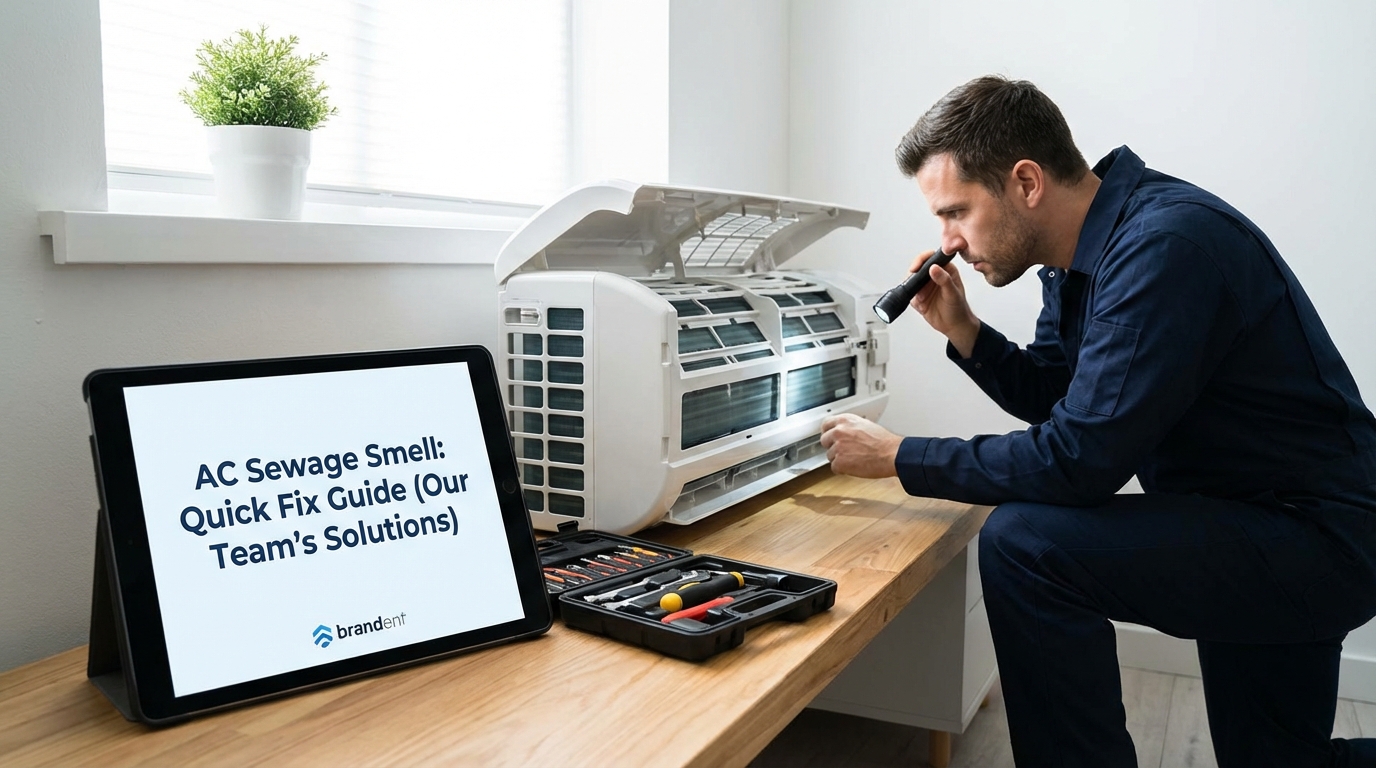
Fix AC sewage smells fast! Our certified technicians install P-traps, seal drains & eliminate odors. Same-day service with 30-day guarantee.
Key Takeaways
- **Dry P-trap:** The most common issue. If the AC unit isn't used for extended periods (e.g., during cooler months, or during extended vacations), the water in the trap can evaporate, breaking the water seal. This is particularly prevalent in dry climates. Regular running of the AC or manually pouring water into the cleanout can prevent this.
- **Siphonage:** Improper or inadequate venting of the AC condensate line can lead to negative pressure that siphons water out of the P-trap, similar to how a straw works. IPC Section 901.2 states that plumbing vents must terminate through the roof, providing critical atmospheric pressure equalization.
- **Blockages:** Accumulations of algae, sludge, dirt, and biological growth can partially or completely block the P-trap or the drain line, causing water to bypass the trap or preventing proper drainage, leading to standing water and odors. These blockages can also cause irregular pressure differentials, breaking the water seal.
- **Improper Installation:** Failure to install a P-trap where required, or incorrect installation (e.g., wrong size, insufficient water seal depth, lack of proper cleanouts) will compromise its functionality from the outset.
- **Damaged P-trap:** Cracks or leaks in the P-trap itself, often due to physical impact or material degradation, can cause the water seal to be lost.
Key Takeaways
AC Sewage Smell: Your Comprehensive Fix & Expert Solutions Guide from BizzFactor
Experiencing a persistent or intermittent sewage smell emanating from your AC unit? This concerning issue, often indicative of an underlying problem with your **HVAC system's condensate drainage**, demands immediate attention. At BizzFactor, our certified technicians specialize in methodically diagnosing and expertly resolving these potentially hazardous situations. We ensure proper drainage installation, meticulous system cleaning, and lasting solutions for your home's air quality and your family's peace of mind. Ignoring a sewage smell from your AC is not just an inconvenience; it can pose significant health risks and lead to costly repairs if left unaddressed. Prolonged exposure to sewer gases can lead to various health complaints, reinforcing the urgency of professional intervention. The characteristic rotten-egg smell often signals the presence of hydrogen sulfide (H2S), while other accompanying gases like methane (CH4) contribute to the overall noxious odor and potential health hazards. Immediate action is critical to safeguard both health and property.
Unpacking the Causes: Why Your AC Smells Like Sewage and What It Means
The most frequent and concerning culprit we encounter is improper AC drain line connections, which unfortunately allow noxious sewer gases to infiltrate your home's ductwork and living spaces. This typically occurs when original installers bypass the essential P-trap mechanism, utilize subpar materials during installation, or due to environmental factors that cause a P-trap to dry out. This isn't merely an unpleasant odor; it exposes occupants to contaminated air that can pose significant health risks due to the presence of methane (CH4), hydrogen sulfide (H2S), ammonia (NH3), carbon dioxide (CO2), nitrogen (N2), and various bacteria and viruses commonly found in sewage systems. The specific composition and concentration of these gases can vary, but the potential for harm remains constant. According to the U.S. Environmental Protection Agency (EPA), exposure to high levels of hydrogen sulfide can cause nausea, headaches, and respiratory issues, highlighting the inherent dangers of such an infiltration. Furthermore, long-term exposure to these gases has been linked to chronic health problems, making remediation an urgent matter.
The Critical Role of the P-Trap: Your First Line of Defense
A **P-trap** is a critical, U-shaped section of plumbing pipe designed to retain a small amount of water. This retained water acts as a crucial barrier or "water seal," effectively preventing unpleasant and potentially hazardous sewer gases (like methane, hydrogen sulfide, and other volatile organic compounds - VOCs) from entering your home through the drainage system. It operates on the same fundamental principle as the trap located beneath your kitchen or bathroom sink. Without a properly installed and functioning P-trap, your AC's condensate drain path becomes a direct siphon for sewer gases into your carefully conditioned indoor air, compromising both comfort and health. The water seal, typically 2-4 inches deep, creates a physical block against the atmospheric pressure differential that would otherwise allow gases to rise. IPC Section 1002.1 mandates that every plumbing fixture and indirect waste receptor shall be protected by a trap.
**Real-world scenario:** Our team recently assisted a family experiencing recurrent headaches, chronic respiratory issues, and a pervasive, sickening odor. The root cause was traced to their AC drain line being directly connected to the main sewer system without a P-trap, providing no barrier against gas intrusion. This critical oversight is more common than many homeowners realize and highlights the importance of professional HVAC installation and maintenance adhering to plumbing codes such as the Uniform Plumbing Code (UPC) and International Plumbing Code (IPC), which mandate proper trap installation for indirect waste receptors, specifically IPC Section 801.2. The water seal in a P-trap must be maintained to prevent atmospheric pressure changes from pushing sewer gases into the conditioned space. For instance, IPC Section 308.1 requires protection of the trap seal from siphonage or backpressure, emphasizing the need for proper venting. Furthermore, the trap must be self-scouring and of uniform bore to prevent accumulations.
Why P-traps Fail: Common Issues Leading to Gas Intrusion
Even a properly installed P-trap can fail due to several factors, leading to the dreaded sewer gas smell:
- **Dry P-trap:** The most common issue. If the AC unit isn't used for extended periods (e.g., during cooler months, or during extended vacations), the water in the trap can evaporate, breaking the water seal. This is particularly prevalent in dry climates. Regular running of the AC or manually pouring water into the cleanout can prevent this.
- **Siphonage:** Improper or inadequate venting of the AC condensate line can lead to negative pressure that siphons water out of the P-trap, similar to how a straw works. IPC Section 901.2 states that plumbing vents must terminate through the roof, providing critical atmospheric pressure equalization.
- **Blockages:** Accumulations of algae, sludge, dirt, and biological growth can partially or completely block the P-trap or the drain line, causing water to bypass the trap or preventing proper drainage, leading to standing water and odors. These blockages can also cause irregular pressure differentials, breaking the water seal.
- **Improper Installation:** Failure to install a P-trap where required, or incorrect installation (e.g., wrong size, insufficient water seal depth, lack of proper cleanouts) will compromise its functionality from the outset.
- **Damaged P-trap:** Cracks or leaks in the P-trap itself, often due to physical impact or material degradation, can cause the water seal to be lost.
Mini-Split and Wall-Mounted Units: Specific Drainage Considerations
For **mini-split AC systems**, such as popular models from leading manufacturers like Rheem, Mitsubishi, and Daikin, built-in P-traps are often standard. However, like all components, these have a finite lifespan, typically requiring inspection and potential replacement every 5-7 years – a critical maintenance detail often overlooked. These internal traps can also dry out if the unit is not used for extended periods, such as during winter months, or become clogged with biofilm and algae, thereby compromising their water seal. The internal diameter of mini-split drain lines (often 1/2 to 5/8 inch) is often smaller, exacerbating issues with blockages due to microbial growth. Regular maintenance, including flushing the condensate line with an appropriate biocide or mild cleaning solution (e.g., 1 cup of distilled white vinegar followed by 1 gallon of water), is vital for these systems to prevent microbial growth and maintain the integrity of the water seal. Manufacturers like Mitsubishi Electric specify annual cleaning of condensate drain lines for optimal performance and odor prevention. It is also crucial to ensure the flexible drain hose has a continuous downward slope of at least 1/8 inch per foot (2%).
**Wall-mounted units** necessitate dedicated plumbing connections for proper drainage, often requiring integration into existing plumbing systems or a dedicated condensate pump if gravity drainage isn't feasible. We frequently find cost-cutting shortcuts like flexible corrugated tubing used instead of rigid materials. This practice almost invariably leads to future problems including leaks, mold growth, and compromised odor control. Flexible tubing is more susceptible to sagging, creating multiple low points where stagnant water can accumulate, becoming a breeding ground for bacteria, algae, and mold which significantly contribute to odors. Furthermore, the ribbed interior of corrugated lines provides an ideal surface for biofilm adhesion, increasing the likelihood of blockages. For a deeper dive into preventive measures for all AC types, explore our comprehensive [guide to seasonal HVAC care](/hvac-maintenance-tips).
A Real-World Solution: Eliminating a Family's Sewage Odor Nightmare in a Northern Virginia Home
Last month, our rapid response team was dispatched to a suburban home in Fairfax, Virginia, where an unbearable sewage odor permeated the property whenever their central air conditioning activated. This classic indicator points directly to the drainage issues detailed above, specifically a direct connection to the sewer system allowing gas ingress.
Our licensed technicians swiftly identified the problem: the original installer, during a new construction project five years prior, had connected the main AC unit's condensate drain directly to the sewer stack in the basement, completely bypassing any P-trap mechanism. This created an open conduit for sewer gases – methane (CH4), hydrogen sulfide (H2S), and ammonia (NH3) – to enter the home. The homeowner reported a faint rotten-egg smell (indicative of H2S) that had recently intensified, consistent with increased AC usage during a hotter-than-average summer. Hydrogen sulfide, even at low concentrations (e.g., 0.5-5 ppm), is highly detectable by the human nose and can cause fatigue and headaches, as reported by the family.
Specifically, a 1-inch AC drain PVC pipe was crudely inserted into a 4-inch PVC sewer stack through an unsealed opening. This glaring error allowed these hazardous gases to readily enter the living space, creating an unhealthy and potentially dangerous environment. Prolonged exposure to hydrogen sulfide, even at low concentrations (e.g., 0.5-5 ppm), can cause respiratory irritation, headaches, and fatigue, aligning with the family's reported symptoms. Higher concentrations (e.g., exceeding 100 ppm) can cause olfactory fatigue (loss of smell) and at 500-1000 ppm, can cause rapid unconsciousness and death, underscoring the severe health risks defined by OSHA's Permissible Exposure Limits (PELs) for H2S, which are 20 ppm for a 10-minute maximum duration. The lack of a proper air gap also presented a critical cross-contamination risk, whereby sewage could potentially backflow into the AC system.
**Our comprehensive solution involved a multi-step approach, strictly adhering to IPC Section 801.3.1 (Indirect Waste Piping Size) and Section 1002.1 (Traps Required) for safe and compliant plumbing practices:**
1. **Professional P-trap Installation:** We meticulously installed a proper P-trap assembly using rigid Schedule 40 PVC piping and appropriate fittings (e.g., a union trap for ease of future cleaning) to create the necessary, permanent water barrier. The P-trap was properly vented to ensure its water seal would not be siphoned dry due to pressure fluctuations in the drain system, a crucial detail often overlooked in DIY attempts. We measured the water seal depth, ensuring it met code requirements, typically 2-4 inches, as stipulated by IRC P3201.2. The vent connection was made downstream from the P-trap, in accordance with IPC 905.2, preventing siphonage. We also ensured the P-trap was installed at a location that is readily accessible for inspection and future maintenance, as per IRC P3201.5.
2. **Sealing All Connections:** Every connection point, especially where the 1-inch condensate line met the 4-inch sewer line, was sealed rigorously using approved plumbing sealants (e.g., PVC primer and solvent cement conforming to ASTM D2564 standards) and proper reducers, adhering to stringent industry standards to prevent any future gas or water leaks. We built an air gap of at least two pipe diameters or 1 inch, whichever is greater, between the condensate line outlet and the waste receptor to prevent back-siphonage and cross-contamination, as per plumbing code (e.g., IPC Section 801.2.3).
3. **System Diagnostics and Disinfection:** The entire AC system, including the condensate pan and coils, underwent a thorough diagnostic evaluation. We found a significant biofilm buildup in the condensate pan, a common occurrence with sewer gas backflow. It was then treated with an EPA-approved biocide and disinfectant (e.g., quaternary ammonium compounds, typically a 1:10 bleach solution or specialized HVAC coil cleaner compliant with ASMA AHR/ASRAE standards) to eliminate residual contaminants, bacteria, and mold spores that had accumulated due to the damp environment and sewer gas exposure, which can often contain airborne pathogens. This also involved ensuring the condensate drain had a continuous slope of at least 1/8 inch per foot (2%) to ensure complete drainage.
4. **Air Quality Assessment and Filter Replacement:** Utilizing a calibrated indoor air quality monitor, we confirmed elevated levels of hydrogen sulfide and analyzed for other common sewer gases. All contaminated fiberglass air filters were immediately replaced with high-quality, MERV 11-rated alternatives (capable of capturing 65-79% of particles between 0.3 and 1.0 microns) to ensure optimal indoor air quality and capture airborne particulates that may have absorbed foul odors. We educated the homeowners on regular filter replacement schedules (e.g., every 1-3 months), emphasizing the importance of MERV ratings for particle capture efficiency.
5. **Ductwork Inspection and Cleaning:** We performed an extensive visual inspection of the accessible ductwork for any signs of contamination from the sewer gases using specialized cameras (e.g., fiber optic borescopes). While no overt signs of sewage were found, we recommended and performed a comprehensive duct cleaning service, employing HEPA-filtered vacuum systems (at least 99.97% effective at 0.3 microns) and antimicrobial treatments, to remove any lingering odors or microbial growth that might have settled in the ventilation system during the period of gas infiltration, ensuring fresh, clean air circulation. NADCA (National Air Duct Cleaners Association) guidelines were strictly followed for this process.
The outcome? Immediate and complete odor elimination, backed by our robust 30-day satisfaction guarantee. Post-remediation air quality tests confirmed that all hazardous gas levels had returned to safe, ambient outdoor levels (e.g., H2S < 0.03 ppm, methane < 500 ppm). The family expressed immense relief, having their home’s air quality and comfort restored after months of discomfort and concern, and avoiding potential long-term health complications. This case exemplifies the critical importance of professional HVAC installation and adherence to building codes.
Understanding Key P-trap Installation Standards & Materials
**Key P-trap installation standards, which our BizzFactor technicians always adhere to, include:**
- **Proper Venting:** Incorporating appropriate venting (e.g., an individual vent, common vent, or connection to the main vent stack downstream from the trap via an air admittance valve (AAV) as permitted by code, such as ASPE/ANSI Standard 45) to prevent siphonage of the water seal due to pressure differentials in the plumbing system. An unvented trap is a dry trap waiting to happen, rendering it ineffective against gas intrusion. Vent pipes must meet specific sizing and distance requirements (e.g., IPC Section 901), with the vent pipe typically required to be not less than one-half the diameter of the drain pipe served, but never less than 1 1/4 inches (32 mm). This ensures effective pressure equalization.
- **Inspection Boxes and Cleanouts:** Integrating cleanout access points (inspection boxes or cleanouts) into the condensate line and P-trap assembly for easy access for future maintenance, debris removal, and inspection, as required by IPC Section 804.1. This facilitates routine flushing and blockage clearing without disassembling whole sections of pipe, making maintenance efficient and less intrusive. Cleanouts must be sized to the pipe diameter and should be located where they are readily accessible.
- **Adequate Water Barrier:** Ensuring an adequate and consistent water barrier (typically 2-4 inches deep, as per code, e.g., IPC 1002.1) at the lowest point of the trap to maintain the seal against gas intrusion. Factors such as evaporation (especially in dry climates or during long periods of non-use), siphoning, or back-pressure can compromise this seal, underscoring the need for proper installation and maintenance. The trap seal must be protected from siphonage and back pressure, as per IPC Section 308.1.
- **Rigid Piping for Durability:** Utilizing **rigid piping** (never flexible corrugated materials) for superior durability, structural integrity, and a reliable, long-lasting seal. Flexible hoses, while easy to install, are notoriously prone to kinks, sagging, and accumulation of sludge and biofilm, all of which compromise drainage efficiency and increase the risk of blockages, leaks, and odor production. PVC (Polyvinyl Chloride) or ABS (Acrylonitrile Butadiene Styrene) Schedule 40 pipes are industry standards due to their chemical resistance, durability, and smooth interior surface, minimizing friction losses and biofilm accumulation. PVC pipes should meet ASTM D1785 standards and be joined with solvent cement conforming to ASTM D2564.
- **Airtight Connections:** Achieving proper and airtight sealing at all connections, which is especially vital when transitioning between different pipe sizes and materials. This involves using appropriate primers, solvent cements (for PVC/ABS, conforming to ASTM D2564 or D2235), and thread sealants or gaskets to prevent any gas or water leakage. All solvent-welded joints must be clean, dry, and cured properly according to manufacturer specifications to ensure bond strength and leak integrity. Slip joints, while permitted, must be accessible and used sparingly.
- **Slope and Gradient:** Ensuring the condensate line leading to and from the P-trap has a continuous downward slope of at least 1/8 inch per foot (or 1/4 inch per foot for smaller lines, referenced in IPC Section 801.3) to facilitate proper gravity drainage and prevent standing water in the lines, which can lead to microbial growth. Proper support for the piping at regular intervals (e.g., every 4 feet for horizontal PVC pipes) is also essential to maintain this slope and prevent sagging. Insufficient slope is a primary cause of condensate issues.
Our certified professionals never compromise on these essential standards. We insist on rigid piping because flexible alternatives are notoriously prone to creating leak risks that can cause significant damage to walls, ceilings, electrical systems, and foster mold growth. Reputable companies like Strada Services also strongly advocate for these stringent installation standards and materials, aligning with best practices outlined by ACCA (Air Conditioning Contractors of America) Standard 2 (Manual D) for duct design and Manual T for air distribution. These standards emphasize the importance of ensuring the entire HVAC system, including drain lines, operates as a sealed, clean environment, upholding indoor air quality parameters set by ASHRAE Standard 62.1.
Effective sealing is paramount when connecting disparate pipe sizes. For instance, AC condensate lines are typically 3/4-inch to 1-inch in diameter, while main sewer connections are often 3 to 4 inches or more. Unsealed gaps between these differing sizes create a hazardous and direct pathway for contamination and sewer gas intrusion. We utilize specialized reducers, gaskets, and sealing compounds to ensure a hermetic seal against gas and water migration, preventing the chimney effect of gases rising through the drain.
Beyond the Drain: Exploring Other Causes of AC Odors and Comprehensive Solutions
While a missing or dry P-trap is a primary suspect, a "sewage" or similarly foul smell might sometimes originate from other, equally concerning sources that require a different diagnostic approach and remediation strategy. Understanding these various potential origins is key to effective and lasting odor elimination. This multidisciplinary troubleshooting approach often distinguishes expert HVAC technicians from general handymen.
Biological Contamination: Beyond the P-Trap
We've regrettably discovered deceased rodents, birds, or other small animals within ductwork, internal air handler cabinets, or outdoor condenser units more often than we'd like – a source of truly foul odors that requires immediate and professional remediation. These decomposing organic materials release putrid gases, bacteria, and allergens that are then circulated throughout the home. Furthermore, animal droppings and nesting materials can harbor pathogens like Hantavirus or Salmonella, and parasites. In particularly severe cases, maggots or other insect larvae may be present, indicating a significant biohazard that demands immediate and cautious handling. The decomposition process generates compounds like cadaverine and putrescine, known for their intensely offensive smells, along with methane from anaerobic decomposition.
**Our comprehensive remediation process for biological contamination includes:**
1. **Safe Removal:** Thorough and safe removal of all biological contaminants, carcasses, nesting materials, and associated waste, utilizing appropriate personal protective equipment (PPE), including respirators (e.g., N95 or P100 with OV/AG cartridges), chemical-resistant gloves, and protective suits (e.g., Tyvek), to prevent cross-contamination and exposure to pathogens. All waste is double-bagged and disposed of according to local hazardous waste guidelines, adhering to OSHA guidelines for biological hazard cleanup (29 CFR 1910.1030).
2. **Disinfection and Deodorization:** Comprehensive disinfection of the affected areas within the ductwork, AC unit, and condensate pan using hospital-grade, broad-spectrum, EPA-approved disinfectants and deodorizers (e.g., enzymatic cleaners, hydrogen peroxide-based solutions, or quaternary ammonium compounds designed for HVAC use) to eliminate lingering bacteria, viruses, and odors at their source. This often involves saturating affected surfaces and allowing appropriate dwell time (typically 10-20 minutes) as specified by the product manufacturer, followed by thorough rinsing where applicable.
3. **System Sanitization:** Full sanitization of the entire AC and ductwork system, potentially including antimicrobial treatment of coils and duct surfaces by fogging or misting, to eliminate lingering odors and microbial growth. This often involves specialized fogging techniques using equipment designed for HVAC systems to ensure even distribution of cleaning agents throughout the entire length of the ductwork, adhering to NADCA ACR (Assessment, Cleaning, and Restoration) standards.
4. **Entry Point Sealing:** Identifying and sealing all potential entry points for pests to prevent recurrence, such as gaps in ductwork, uncapped vents, loose access panels, or foundation cracks. This may involve collaboration with trusted pest control specialists if an ongoing infestation is indicated to ensure a holistic solution that addresses both the immediate problem and long-term prevention. Sealing methods may include mesh screens (1/4 inch maximum opening), sheet metal patches, or expanding foam sealants compliant with fire codes.
5. **Air Filter Upgrade:** Recommending and installing high-efficiency particulate air (HEPA) filters (MERV 13 or higher, capable of capturing particles down to 0.3 microns with at least 85% efficiency) to capture any remaining airborne contaminants (e.g., dander, dust, microbial spores) and allergens, improving overall indoor air quality after remediation. Filters should be replaced according to manufacturer's recommendations or more frequently if odors persist, typically every 1-3 months, especially after such an event.
Stagnant Water and Microbial Growth (Mold/Mildew)
Another common source of musty or sewage-like odors is the pervasive growth of mold, mildew, and bacteria in stagnant water. This can occur in the condensate pan if it's not draining properly, within the ductwork if it's poorly sealed, improperly insulated, or located in high-humidity areas, or on the evaporator coil if it remains constantly wet. This problem is exacerbated by high humidity levels (above 60% relative humidity), infrequent system operation, and poor airflow. According to the Centers for Disease Control and Prevention (CDC), mold exposure can trigger allergic reactions and respiratory problems, and prolonged exposure can lead to more serious health issues and structural damage.
- **Clogged Condensate Drain Lines:** Algae, slime, dust, and debris can form blockages in the condensate drain line, causing water to back up into the primary and auxiliary condensate pans, or even overflow, leading to stagnant water and extensive mold growth. Regular flushing with a mild bleach solution (1 cup unscented household bleach per gallon of water, flushed annually or biannually into the cleanout) or distilled white vinegar (undiluted) is an essential preventative maintenance task that homeowners can perform monthly or bi-monthly during cooling seasons. Alternatively, specialized condensate line cleaners designed for HVAC systems (e.g., hydrogen peroxide-based) can be used. It is vital to use proper PPE and ensure good ventilation during this process.
- **Dirty Evaporator Coils:** A neglected evaporator coil covered in dirt, dust, and pet dander can trap moisture, providing an ideal substrate for mold and bacterial colonies. This not only causes unpleasant musty or sewage-like odors but also significantly reduces the system's heat exchange efficiency (up to 30%), cooling capacity, and can contribute to premature compressor failure due to increased workload. Professional coil cleaning with specialized detergents (e.g., no-rinse alkaline or acidic coil cleaners, like those from Nu-Calgon or Rectorseal) and brushes is required periodically, typically every 1-2 years, depending on environmental conditions and usage. Coils should be cleaned from the upstream side to push debris through, not into, the fins.
- **Ductwork Leaks and Insulation Issues:** Leaky or poorly insulated ductwork in unconditioned spaces (like attics, crawl spaces, or basements) can lead to condensation forming on the exterior or interior surfaces of the ducts during operation. This dampness encourages pervasive mold growth, which then infuses musty or earthy odors into the circulating conditioned air. Duct sealing (using mastic sealant conforming to UL 181B or aerosolized sealant like Aeroseal, which can seal leaks up to 5/8 inch) and insulation improvements (adding R-values of 6 to 8 or more for supply and return ducts in unconditioned spaces, according to ASHRAE standards) are crucial for addressing this. A professional duct inspection may include a “duct blaster” test to measure leakage conforming to ACCA Manual J and D standards.
Improper Thermostat Settings and High Humidity
Could **improper thermostat settings** contribute to sewage-like or musty odors? Absolutely. When your cooling temperature closely matches the ambient room temperature during periods of high humidity, it can lead to short-cycling of the compressor. This means the AC doesn't run long enough (at least 15-20 minutes per cycle) to effectively remove humidity from the air or adequately drain accumulated condensate. The result is stagnant moisture and persistent high humidity within the HVAC system and conditioned space, creating an ideal breeding ground for mold, mildew, and bacteria, which can produce musty or even sewage-like smells. Indoor relative humidity (RH) should ideally be maintained between 30% and 50% for comfort and mold prevention, as recommended by ASHRAE Standard 62.1.
The solution? **Adjusting your thermostat to a slightly lower temperature** (e.g., 72-75°F) to ensure adequate run time for effective condensate drainage and, crucially, utilizing your system's **dehumidification or "dry" modes**. Most modern AC units and smart thermostats have settings specifically designed to remove moisture from the air without excessive cooling. Brands like Aire Serv recommend leveraging these features, especially during humid seasons, to prevent odor development, inhibit microbial growth, and significantly improve indoor air quality. Programmable smart thermostats can be configured to manage humidity levels automatically through integrated sensors. Further reading on maintaining optimal indoor air quality can be found in our detailed [HVAC air quality tips](/hvac-air-quality-tips).
Other Potential Odor Sources External to the AC System
In some rare but critical instances, a sewage smell might not originate directly from the AC unit or its drainage, but rather be drawn into the system from an external source or cross-contamination. These scenarios often require a broader investigation beyond just the HVAC system, sometimes involving collaboration with plumbing or building envelope specialists.
- **Compromised Plumbing Vents:** A cracked, improperly installed, or clogged plumbing vent stack on your roof, designed to allow sewer gases to escape and equalize pressure, can prevent proper ventilation. This leads to pressure buildups in the plumbing system, which can force gases back through inadequately sealed drain connections, or even through small cracks in your home's foundation or walls, which can then be drawn into the AC's return air vents due to negative pressure within the ductwork. Plant roots infiltrating vent pipes or animal nesting in uncovered vents are common causes of blockages. A smoke test on the plumbing vent system can diagnose this issue, typically performed by a licensed plumber adhering to IPC Chapter 9.
- **Dry Floor Drains:** Uncommon but highly possible, a rarely used floor drain in a basement, utility room, or laundry room might have a dry P-trap (similar to the AC's issue), allowing sewer gases to enter the ambient air, which is then pulled into the HVAC system's return air pathways. Periodically pouring a gallon of water down these drains (e.g., monthly) can replenish the water seal and prevent this issue. Manufacturers like Zurn recommend regular maintenance for floor drain P-traps, especially in boiler rooms or mechanical equipment rooms that might only drain occasionally.
- **Sewer Line Breaks or Leaks:** A break or leak in an underground sewer line near your home's foundation can allow gases and even raw sewage to seep into the surrounding soil. These gases can then permeate into your home through cracks in the slab, basement walls, or foundation, especially if the house is built on expansive clays. The AC system can then draw these diffuse odors indoors. This requires specialized plumbing inspection (e.g., camera inspection of sewer lines using a video scope compliant with ASTM F1216) and excavation for repair. Soil gas testing may also be necessary.
- **Anaerobic Bacteria in Water Heater:** Odors resembling rotten eggs can also emanate from a hot water heater if sulfate-reducing bacteria are present in the water supply and react with the magnesium or aluminum anode rod. While not directly an AC issue, these odors can be drawn into the home's air circulation. Flushing the water heater and replacing the anode rod (often with an aluminum-zinc anode) can resolve this. This is more common in homes with well water or water softened by ion exchange. Such issues are typically remedied by periodic chlorination of the hot water heater by a plumbing professional.
- **Gas Leaks (Misidentified):** While distinctly different and generally more acute, some natural gas leaks can be mistaken for sewage smells, especially by individuals with a less sensitive sense of smell. Natural gas is typically odorized with mercaptan, which has a strong, pungent, rotten-egg or sulfur-like smell. **If there's any doubt, immediately evacuate all occupants from the premises, do not operate any electrical switches or devices, and contact your gas utility company's emergency line (e.g., 911 or local gas company emergency number) from a safe distance outside.** This is a critical safety instruction as natural gas is highly combustible and can cause explosions. Odor fades at concentrations below 1% in air, but the danger of explosion remains, as the lower explosive limit for natural gas is 5%.
How Our Professionals Diagnose and Resolve AC Odors: The BizzFactor Standard
Accurately pinpointing the precise source of AC odors requires a systematic, expert evaluation. Our qualified BizzFactor technicians follow a comprehensive diagnostic protocol that leverages years of experience, specialized tools, and adherence to industry best practices, ensuring a definitive and lasting resolution.
Our Systematic Diagnostic Process:
1. **Initial Client Interview:** We begin by thoroughly discussing the client's observations: when the smell started, its intensity, specific locations where it's strongest, any associated symptoms (e.g., headaches, respiratory irritation), and any recent home repairs, plumbing work, or changes in occupancy/usage patterns. This contextual information is invaluable for narrowing down potential causes and informs our targeted investigative approach.
2. **Visual Inspection (External & Internal):**
- **External Unit (Condenser):** Inspection for any unusual odors (e.g., burning, chemical), leaks (e.g., refrigerant, oil), obstructions (e.g., overgrown vegetation), or signs of biological activity (e.g., rodent nests, insect infestations) that could be drawn into the system or generate odors near outdoor air intakes. We check for proper condensate disposal at the outdoor unit if connected to an external drain system and verify adequate clearances around the unit (typically 2-3 feet).
- **Internal Unit (Evaporator & Furnace/Air Handler):** Careful examination of the evaporator coil for dirt, dust, mold, or blockages. Inspection of the primary condensate pan for stagnant water, algae, slime, and proper draining. Assessment of secondary/emergency drain pans for water accumulation and activation of float switches (which shut off the unit if the primary drain overflows), indicating a primary drain overflow. We also check the blower motor and housing for cleanliness and unusual sounds, and inspect the integrity of the insulation and vapor barrier within the air handler cabinet.
3. **Drainage System Integrity Check:**
- **P-trap Verification:** Thorough assessment of the **drainage connection integrity** and seals, specifically for the presence, proper installation, and water level of the P-trap. We check for dry traps due to infrequent use or evaporation, collapsed traps, or traps installed without a proper vent, which can lead to siphoning. We verify the P-trap is installed at the correct location relative to the air handler, typically a few inches below the condensate pan outlet, adhering to manufacturer specifications and code requirements, ensuring a minimum 2-inch continuous water seal.
- **Drain Line Patency:** Verification of **P-trap water levels** and overall operational functionality. We use pressure, vacuum, or water testing methods (e.g., flushing with clean water) to ensure the condensate line is clear, free of blockages (e.g., algae, sludge), and drains efficiently and continuously without pooling. A slow-draining line is a precursor to blockages and odors. We confirm that the drain line maintains a minimum slope of 1/8 inch per foot (2%) and is properly supported at 4-foot intervals.
- **Sewer Connection Evaluation:** If the condensate line is connected to a sewer line or indirect waste receptor, we confirm the presence of an air gap (typically 1-2 inches above the flood rim of the receptor as specified by IPC 801.2.3 and ANSI A112.1.2) and proper sealing to prevent back-siphonage of sewer gases and to eliminate cross-contamination potential as per plumbing codes. We verify that the indirect waste receptor is located in a position that does not create a nuisance or hazard.
4. **Ductwork Inspection:**
- Detailed inspection for **ductwork contamination**, including biological matter (e.g., rodent droppings, urine, carcasses), excessive dust, mold, or mildew growth, particularly in return air plenums. We use boroscopes and specialized inspection cameras for inaccessible areas within the ductwork to identify hidden issues and assess the extent of contamination. We check for condensation on interior duct surfaces.
- Checking for leaky ductwork that could draw odors from unconditioned spaces (e.g., attic, crawl space, garage) into the conditioned air stream. A duct leakage test (e.g., using a duct blaster) can quantify air loss and identify specific leak locations, per ACCA Manual D recommendations.
5. **Air Filter Condition & Placement:** Evaluation of **air filter condition** (cleanliness, blockage, signs of moisture/mold) and proper installation (correct size, no bypass). A dirty, clogged filter can harbor mold and bacteria, or severely restrict airflow, exacerbating odor issues. Filters must be seated correctly to prevent unfiltered air bypass, which allows contaminants to enter the system and living space. We recommend MERV 8 as a minimum, and MERV 11 for improved air quality.
6. **Overall System Cleanliness Assessment:** Comprehensive assessment of all internal components, including evaporator coils, condensate pans, blower motor, and housing for dirt, debris, microbial growth, or any foreign objects that could contribute to odors or restrict airflow. Special attention is paid to standing water in the pan and the condition of the insulation lining inside the air handler unit.
7. **HVAC Performance Metrics:** Checking system pressures (suction and liquid lines), temperatures (supply and return air), and airflow (static pressure, CFM) to ensure optimal operational efficiency and effective dehumidification, which directly impacts moisture control and odor prevention. Inefficient operation can lead to excessive moisture and energy waste. We utilize digital manifold gauges and anemometers for precision measurements.
8. **Professional Tools:** Utilizing specialized tools such as:
- **Combustible Gas Detectors:** For detecting methane or other explosive gases (e.g., natural gas), particularly when a sewage smell is present, as methane is a primary component of sewer gas. These provide LEL (Lower Explosive Limit) readings. Models like the Bacharach H25-IR PRO offer high sensitivity.
- **Hydrogen Sulfide Detectors:** Specifically calibrated for the rotten-egg smell component of sewer gas, providing quantitative measurements of H2S concentrations in parts per million (ppm). These are crucial for confirming sewer gas presence.
- **Moisture Meters:** To identify hidden water leaks, saturated building materials (e.g., drywall, insulation), or areas of excessive humidity within walls, ceilings, or flooring that might be breeding mold. Pinless meters are often used to avoid damage. Flir MR160 is a common integrated thermal imager and moisture meter.
- **Infrared Cameras (Thermal Imagers):** To detect temperature differences that might indicate air leaks in ductwork, insulation deficiencies, or moisture behind walls that aren't visible to the naked eye. Cooler spots during AC operation can indicate moisture or compromised thermal envelopes. Flir C3-X provides good thermal resolution for this.
- **Borescopes/Inspection Cameras:** For internal inspection of ductwork, evaporator coils, and concealed areas of the air handler without major disassembly. These tools prevent invasive investigative methods and allow visual access to hard-to-reach areas.
- **Smoke Pens/Foggers:** To trace air pathways and identify leaks in ductwork, pressure imbalances, or infiltration points for external odors. Non-toxic smoke generators are used to visualize airflow patterns.
For mini-split systems, our HVAC specialists are equipped to handle all aspects, including assessing and repairing integrated drainage features and internal components. Wall-mounted units, however, might necessitate coordination with plumbing professionals for modifications to sewer connections, especially to ensure full compliance with local codes (e.g., IPC, UPC) and maximum effectiveness, as intricate plumbing work often falls outside the HVAC technician's scope of license. We ensure all repairs conform to manufacturer specifications and relevant safety standards.
Our extensive experience, spanning over two decades in the field, shows that many homeowners attempt temporary fixes that only mask underlying problems, leading to recurrent and often escalating issues. Our approach guarantees a lasting resolution by addressing the root cause, backed by our commitment to quality, warranty, and adherence to all relevant building codes (e.g., International Residential Code - IRC, International Mechanical Code - IMC) and industry standards (e.g., ACCA). We never simply clean and move on; we implement preventative measures and educate homeowners on long-term solutions.
Remember — if you're smelling sewage from your AC, do not ignore it. This is a potential health and safety concern that can lead to respiratory problems, headaches, nausea, central nervous system depression, and even fire hazards (due to methane accumulation, especially in confined spaces). Continued use circulates these hazardous gases throughout your home. It's crucial to contact our certified BizzFactor technicians for prompt, same-day service. Your family's health, comfort, and safety are our absolute top priority. We provide transparent pricing and detailed explanations of all recommended repairs.
Long-Term Prevention Strategies
After resolving the immediate issue, BizzFactor offers comprehensive advice and services for long-term prevention:
- **Regular HVAC Maintenance:** Scheduling annual or bi-annual professional maintenance checks, including thorough condensate line flushing (e.g., using a wet-vac or pressurized water to clear biological growth), coil cleaning, blower motor inspection, and filter replacement. Preventive maintenance often reduces energy consumption by 10-15% and is significantly cheaper than emergency repairs, extending the system's lifespan by several years.
- **Condensate Pan Tablets:** Using EPA-registered algaecide tablets (e.g., containing quaternary ammonium compounds such as those from Nu-Calgon or Rectorseal) in the condensate pan every 1-3 months to inhibit the growth of slime, algae, and bacteria, which are common causes of blockages and odors. These tablets slowly dissolve, releasing biocides without corrosive effects on the pan.
- **Smart Thermostat Utilization:** Properly programming smart thermostats to manage humidity levels by utilizing "dry" modes or by setting appropriate cooling cycles to ensure adequate system run times for effective dehumidification. Many smart thermostats also offer maintenance reminders and provide humidity readings, integrating with weather patterns for predictive control.
- **Duct Sealing and Insulation:** Investing in professional duct sealing and insulation to prevent air leaks and condensation issues within the ductwork. Leaky ducts can draw in contaminated air from unconditioned spaces, while uninsulated ducts can cause condensation on their exterior during humid conditions, leading to mold. The Department of Energy estimates duct sealing can improve system efficiency by 20-30% and reduce outdoor air infiltration by up to 50%.
- **Air Purifiers:** Considering whole-home air purification systems (e.g., UV-C lights in the air handler to kill mold and bacteria on coils, MERV 11+ filtration, HEPA bypass systems, or activated carbon filters to absorb odors) for enhanced indoor air quality, which can also help address residual odors and airborne contaminants effectively, compliant with ASHRAE standards for air cleaning devices.
- **Humidity Control:** Maintaining indoor relative humidity levels below 60% (ideally 30-50%) through proper HVAC operation, the use of dedicated whole-home dehumidifiers (especially in basements or other damp areas), or vapor barriers in crawl spaces. Lower humidity inhibits mold and bacterial growth as well as dust mite populations and supports structural integrity.
- **Periodic P-trap Filling:** For AC units (or any rarely used drains) during extended periods of non-use (e.g., winter offseason), periodically pour a cup of water into the condensate drain access point or floor drain to ensure the P-trap water seal does not evaporate completely. This simple act can prevent gas intrusion. Homeowners should do this monthly during non-cooling seasons.
- **Inspect Plumbing Vents:** Ensure all household plumbing vent stacks are clear and unobstructed on the roof, preventing negative pressure issues that can pull P-trap seals dry and allow sewer gas ingress. Regular roof inspections, especially after storms, can identify blockages from leaves, bird nests, or ice. Maintaining proper vent functionality is crucial for the entire plumbing system's integrity.
Trust BizzFactor to restore your home's air quality and your peace of mind. We are committed to upholding the highest standards of service, ensuring every repair is not just a fix, but a lasting solution crafted with precision and care, protecting your home and family.
In-Depth Look
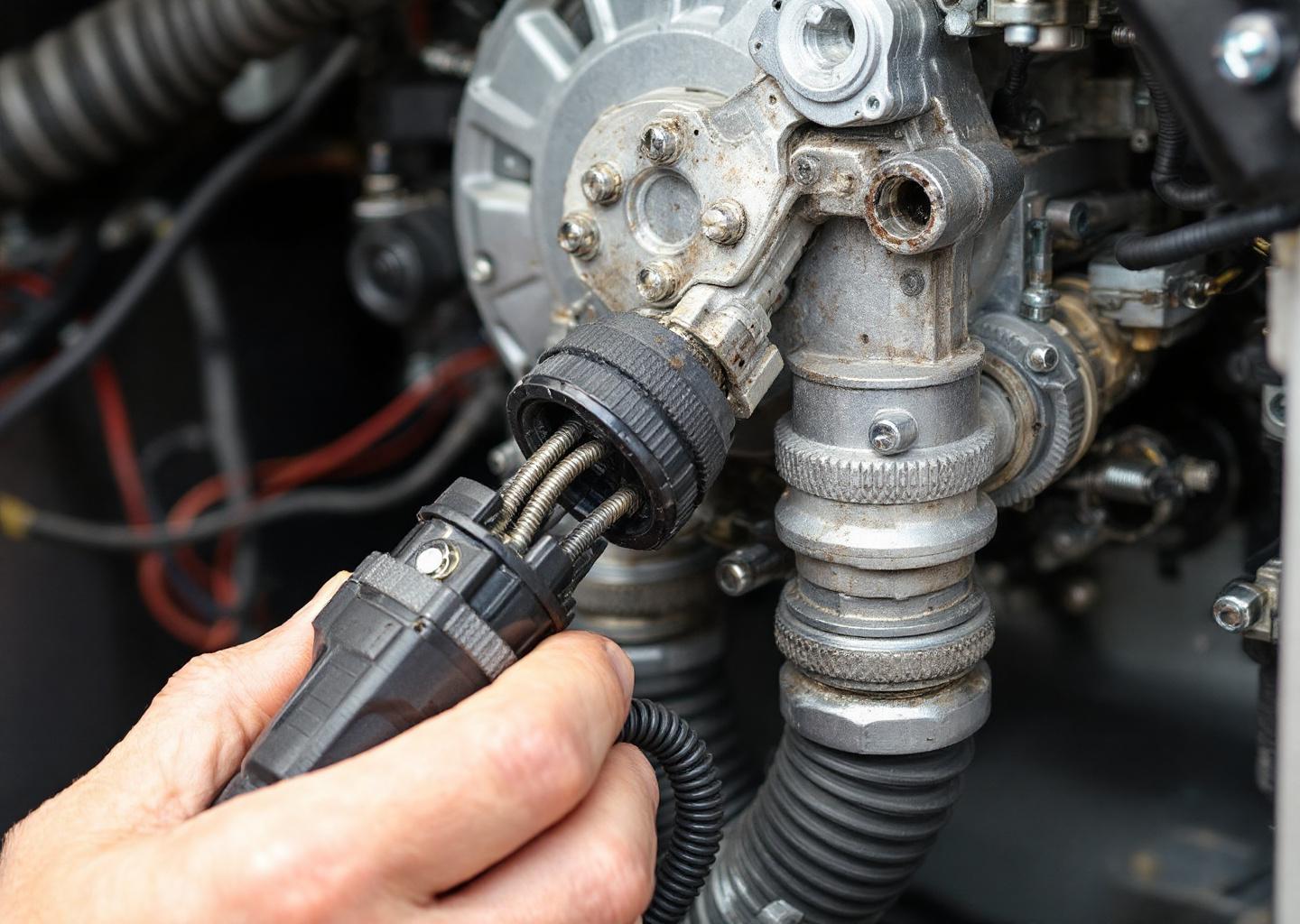
Detailed illustration of key concepts
Visual Guide
Infographic illustration for this topic
Sources & References
- Guide to Dealing with Foul Air Conditioner Smells in Dallas - Aire Serv
- My Vents Smell Like Sewage! - YouTube
- Ultimate Guide to HVAC Odor Source Detection - Ozonated Cleaning
- Nine Strange AC Smells and What They Mean - Service Experts
- Top 23 Commercial HVAC Manufacturers - Metalphoto of Cincinnati
- Full List: Top HVAC Manufacturers and Suppliers in 2026 - FieldPulse
- 6 Best HVAC Companies | Money
- 8 Best Commercial HVAC Brands for Large Buildings (Reviewed)
- Best Air Conditioner Brands in 2025
Frequently Asked Questions
Need Professional Help?
Find top-rated hvac businesses experts in your area