
Expert guide to buying the right air conditioner in 2025. Learn about BTU sizing, SEER ratings, inverter technology, and professional installation standards.
Key Takeaways
- Choose SEER 18+ systems with proper BTU sizing for optimal efficiency and comfort
- Inverter technology provides superior energy savings and temperature control consistency
- Professional installation by licensed contractors ensures warranty coverage and peak performance
BizzFactor Quick Guide
The BizzFactor Standard: Always choose licensed contractors with manufacturer certifications for installation
Key Takeaways
The BizzFactor Standard
3 Non-Negotiable Requirements for Elite Workmanship
Licensed & EPA Certified
Contractors must hold active HVAC licenses and EPA Section 608 certification for legal refrigerant handling and warranty compliance.
Manufacturer Certified
Installers should have current certifications from your chosen brand to ensure proper installation techniques and warranty coverage.
Performance Verification
Quality contractors perform commissioning tests including airflow measurement, refrigerant charging verification, and efficiency validation after installation.
Your Ultimate Air Conditioner Buying Guide: Choosing the Right HVAC System for 2025
Picking an air conditioner? It's way more complicated than walking into Home Depot and pointing at a box.
You've got BTUs to calculate. Efficiency ratings to decode. Installation nightmares to avoid. And here's what nobody tells you upfront — the guy installing it matters more than the brand name on the condenser. I've watched this play out hundreds of times. Some homeowners nail it and enjoy perfect comfort for 15 years while barely touching their thermostats. Others? They're bleeding money every summer and still sweating through their shirts.
Get this decision right and you're comfortable. You're also saving serious cash long-term.
A properly chosen **HVAC system** literally pays you back. That's not sales talk — it's just math.
BTU Breakdown: How to Size Your AC Like a Pro (Sizing Guide)
Cooling capacity comes first. Everything else builds from here.
Buy too small and you'll spend every July afternoon cursing yourself. Too big? You're wasting electricity *and* dealing with that clammy, never-quite-comfortable feeling because the system cycles off before it can dehumidify properly. We measure cooling power in British Thermal Units (BTU). Not watts, not horsepower, not "tonnage" unless we're talking to HVAC nerds.
BTU is the number that actually matters.
Here's a basic sizing chart, but don't treat this like the final word:
- **Small bedrooms** (150-250 sq ft): 5,000-6,000 BTU. Think home offices, guest rooms, that weird bonus space over the garage.
- **Average rooms** (250-400 sq ft): 7,000-10,000 BTU. Most living rooms, standard master bedrooms, eat-in kitchens.
- **Large spaces** (400-650 sq ft): 11,000-14,000 BTU. Open-plan living areas, great rooms, combined dining/living layouts.
- **Big zones** (650-1,000 sq ft): 18,000-24,000 BTU. Now we're talking serious square footage and serious cooling demands.
Square footage is just your starting point, though.
Which direction do your windows face? South-facing windows in Phoenix are a completely different animal than north-facing windows in Seattle. How much direct sun hammers your house between 2-5 PM? Does your kitchen generate heat all day because someone's always cooking? What's your insulation situation — actually working or just stapled up there for code compliance twenty years ago? Cathedral ceilings? A contractor friend in Scottsdale told me about a homeowner who tried cooling 950 square feet with a 12,000 BTU window unit because "the internet calculator said it'd work."
Total disaster.
The system ran non-stop from May through September. The house never dropped below 78 degrees. And the electric bills? Absolutely brutal. Don't be that person who trusts a free online calculator over actual building science.
Brands like [Rheem](https://www.rheem.com/) offer sizing calculators that'll get you in the ballpark. But the final number? That needs someone who's actually sized a few hundred systems and knows how to account for your specific situation. They'll factor in stuff you haven't even considered yet. And once you've got the right system installed, our [HVAC Maintenance Tips](/hvac-maintenance-tips) will help you keep it running properly.
Decoding Efficiency: SEER, EER, and the All-Important Energy Star
Energy efficiency hits your bank account every single month. Not once, not occasionally — every month.
We're talking about SEER (Seasonal Energy Efficiency Ratio), EER (Energy Efficiency Ratio), and that Energy Star certification everyone mentions but nobody really explains. These aren't just marketing buzzwords invented to confuse you. They're your actual operating costs translated into numbers you can compare.
Higher ratings equal lower bills. Pretty straightforward.
The Current Standards (2023 DOE Rules):
- **Northern states:** SEER2 14 minimum. That's the legal floor as of January 2023.
- **Southern states:** SEER2 15 minimum. Hotter climate means higher baseline efficiency requirements.
- **Energy Star certified:** Usually SEER2 16 or better. This is where you start seeing real monthly savings.
From what I've seen across different climates? Aim for SEER2 18 or higher if your budget can handle it. Yeah, you'll pay more upfront. Sometimes 15-20% more than a minimum-efficiency unit. But that premium typically pays for itself within 3 to 5 years just through lower electric bills.
After that break-even point? Pure profit in your pocket every single month.
Contractors at companies like [AC's Heating & Air](https://www.acsheatingandair.com/) push SEER2 20+ systems to clients who'll listen. They're reporting 30-40% lower cooling costs compared to those minimum-efficiency baseline units. During a brutal August in Georgia or Texas, that's not theoretical savings — that's real money staying in your checking account instead of going to the power company. And if you're comparing different system types entirely, check out our [Guide to Different Types of HVAC Systems](/types-of-hvac-systems) for a broader perspective.
What SEER and EER Actually Tell You
SEER measures efficiency across an entire cooling season. Real-world performance, basically — accounting for mild days, brutal days, everything in between. EER measures efficiency at one specific condition: 95°F outside, 80°F inside, 50% humidity. SEER2 is the main residential metric now (it's a bit more realistic than the old SEER calculation), but EER still matters when you're comparing peak performance.
Think of it this way: SEER tells you how the car performs on your daily commute. EER tells you how it performs when you floor it on the highway.
Both numbers matter, but in different ways.
Inverter Technology: Smooth Sailing to Perfect Comfort
Traditional air conditioners work exactly like a light switch. They're either blasting at 100% capacity or they're completely off. There's no middle ground, no modulation, no adjustment to what you actually need right now.
Inverter technology? Totally different animal.
It's like a dimmer switch for your AC. The system continuously adjusts its compressor speed to match your actual cooling demand. No more arctic blasts followed by humid warmth when it cycles off. Just steady, even cooling that maintains your target temperature without the dramatic swings.
The difference is genuinely noticeable.
Why Inverter Tech Actually Matters:
- **Energy savings:** 30-50% less electricity in most applications. The system isn't constantly cycling on and off, which means it's not constantly spiking your usage with startup surges.
- **Faster initial cooling:** Hits your target temperature quicker when you first turn it on. You walk in from a hot car, and the house is comfortable within 10 minutes instead of 30.
- **Quieter operation:** The compressor isn't screaming at full speed constantly. Your bedroom stays peaceful at night. So does your backyard when you're trying to enjoy evenings outside.
- **Even temperatures throughout:** No weird hot spots near the thermostat or freezing cold zones under the vents. Just consistent comfort room to room.
- **Longer equipment life:** Less wear and tear on mechanical components means fewer service calls and repairs. These systems just last longer when they're not constantly cycling.
An inverter system will probably cost you 25-40% more up front compared to a traditional single-stage unit. That's a big jump, I get it. But for homes that run AC heavily — especially in places like Florida, Arizona, Southern California, or Texas — the payback math works. [Strada Services](https://www.stradaservices.com/) operates throughout Florida, and they've told me they see faster ROI on inverter systems because those things run basically nine months a year down there.
The energy savings compound quickly when the system's running that much.
Real Talk: Inverter System Payback
Look — I understand sticker shock. Homeowners see that price difference and freeze up completely. "Why am I paying $2,000 more for the same cooling capacity?"
Here's what actually happens in the real world: in warm climates or homes with heavy AC usage, you're typically breaking even within 3-5 years just from energy savings. Factor in any local utility rebates or tax credits? Even faster. Some people in Phoenix or Miami break even in under three years because their systems run constantly and electricity costs are brutal.
After you hit that break-even point, you're just pocketing the difference every month for the next 10-12 years.
The math works if you run the numbers honestly instead of just reacting to the upfront cost. And honestly? The comfort improvement alone is worth something. That's harder to quantify, but it's real.
COP Ratings: Heat Pumps Have a Secret Weapon
For systems that both cool *and* heat — we're talking heat pumps here — the Coefficient of Performance (COP) tells you how efficiently the system converts electricity into temperature control. Both directions, heating and cooling.
It's a different metric than SEER.
Higher COP equals better performance year-round. This matters most if you're in a climate where you'll actually use the heating function regularly.
COP Guidelines for Heat Pumps:
- **Absolute minimum:** 3.0 COP. Below this and you're better off with a traditional split system and separate furnace.
- **Solid performance:** 3.5-4.0 COP. Good for most climates and usage patterns. This is the sweet spot for value.
- **Top tier:** 4.5+ COP. This is where you see seriously impressive efficiency gains that show up immediately in your bills.
Premium inverter heat pumps from manufacturers like Rheem routinely hit COP ratings above 5.0. That's exceptional efficiency twelve months a year, not just during cooling season. From what I've seen analyzing utility bills, even a half-point improvement in COP can cut your annual heating and cooling costs by 12-15%.
Those percentages compound over a decade into real money.
Look — if you're seriously considering going the heat pump route, our [Heat Pump Installation](/heat-pump-installation-guide) guide covers everything you need to know about the process, costs, and what to expect.
Shhh! It's an Air Conditioner (Noise Levels)
An AC that sounds like Logan Airport during takeoff? No thanks.
Noise levels impact your quality of life way more than people realize until they're trying to sleep through it. We measure sound in decibels (dB) for both indoor units (the air handler in your attic or closet) and outdoor units (the condenser sitting outside your bedroom window).
Your peace and quiet actually matters here.
Acceptable Noise Ranges:
- **Indoor units:** Aim for under 30 dB max. That's legitimately whisper-quiet. You shouldn't really notice it running at all.
- **Outdoor units:** Under 55 dB for residential neighborhoods. That's about as loud as a normal conversation. Your neighbors won't passive-aggressively mention it every time you see them.
- **Premium systems:** Often hit 25-28 dB inside and 48-52 dB outside. These are seriously quiet machines that you'll barely hear even when standing right next to them.
Contractors at [Aire Serv](https://www.aireserv.com/) tell me quiet operation has become one of the top three client requests over the past five years. People are home more, they're working from home, and they've realized that a constantly droning AC is genuinely annoying. Good manufacturers invest real engineering dollars here — variable-speed compressors, specially designed fan blade geometries, sound-dampening insulation throughout the cabinets.
Brands like Rheem and Carrier treat this seriously instead of just slapping "quiet" on the marketing materials and calling it a day.
Silent cooling isn't marketing fluff. It's a genuine quality-of-life upgrade that you'll appreciate every single day.
Installation: The Make-or-Break Moment
You can buy the most efficient, highest-rated, most expensive air conditioner on the market.
But if the installation is botched? You've just bought an expensive lawn ornament that'll underperform for its entire lifespan. Professional installation isn't a nice-to-have or a place to save a few hundred bucks. It's literally everything. The difference between a system that delivers on its promises and one that disappoints you for the next decade.
I can't stress this enough.
Installation Requirements That Can't Be Skipped:
- **Precise refrigerant charge:** Digital gauges and proper measurement ensure the exact amount your system needs. Too much or too little absolutely destroys your efficiency and can damage components. This isn't a guessing game.
- **Code-compliant electrical:** Every connection must meet NEC standards. No shortcuts, no "close enough," no maybes. This is about safety as much as performance.
- **Proper clearances:** Your outdoor unit needs adequate breathing room on all sides. Manufacturer specs exist for very good reasons. Ignore them and the unit overheats, cycles constantly, and dies early.
- **Sealed ductwork:** Leaky ducts dump your expensive cooled air into your attic where it does exactly nothing useful. We're aiming for under 5% leakage. Get them properly sealed with mastic, not just duct tape.
- **Commissioning tests:** Post-install testing actually verifies that everything operates correctly at design specs. Demand this verification in writing. Don't just accept "looks good to me."
Here's the thing: platforms like [1build](https://www.1build.com/) typically vet contractors for proper installation procedures before listing them. That matters because DIY installation or hiring your buddy's cousin who "does HVAC on weekends" will cost you 20-30% efficiency loss. Minimum. Plus your manufacturer warranty might be completely void.
That's an expensive gamble on a $5,000-$15,000 investment.
The Orlando Horror Story
Here's a real example that still makes me wince: I evaluated a system in a Windermere neighborhood last July — brand-new Rheem 18 SEER unit, all the bells and whistles, installed maybe six months earlier. Cost the homeowner about $8,200 total. The guy was still paying nearly $400 monthly in peak summer and sweating in his own living room at 3 PM.
Something was seriously wrong.
What did we find during the diagnostic? Complete installation disaster from top to bottom. The existing ductwork was undersized by about 35%, absolutely strangling airflow and making the system work three times harder than necessary. The outdoor condenser was crammed against a wall of dense shrubs with maybe four inches of clearance, basically suffocating the poor thing. And the refrigerant charge? Off by nearly 25% — massively overcharged — forcing the compressor to strain constantly.
We fixed those three installation mistakes over a two-day period.
His next peak-summer bill dropped to $218. That's $180 saved every single month just by doing the installation correctly. Over a year, that's $2,160 in savings that should've been there from day one. Professional installation isn't a suggestion or an upsell — it's the entire foundation that determines whether your system works like it should.
Don't learn this lesson the expensive way.
Warranty & Support: Your Peace of Mind Plan
A solid warranty tells you something important: the manufacturer actually stands behind their product. It's not just marketing — it's financial backing that protects your investment when something inevitably breaks down the road.
Because things do break eventually.
Here's what to look for in warranty coverage:
- **Parts coverage:** Major components should carry 10-year warranties minimum. That's pretty much industry standard now for reputable brands.
- **Compressor warranty:** This is your system's heart and the most expensive single component to replace — expect at least 12 years here.
- **Labor coverage:** Your installer should back their actual installation work for at least 2 years. Get this documented in your contract. Verbal promises mean absolutely nothing when something breaks.
- **Transferable terms:** Planning to sell your house eventually? Transferable warranties add legitimate resale value. Buyers appreciate knowing the AC is covered.
Rheem offers extended warranty programs in many markets. But here's the catch everyone needs to know — most manufacturer warranties require professional installation *and* documented regular maintenance. Skip your annual tune-up? You might void your entire coverage without realizing it until you file a claim three years later.
Track those service records religiously.
Now, and look — if budget's genuinely tight right now, don't compromise on system quality or installation just to save money upfront. Check out our [HVAC Financing Options](/hvac-financing-options) guide instead. There are ways to make this work financially without cutting corners that'll cost you way more in the long run.
In-Depth Look
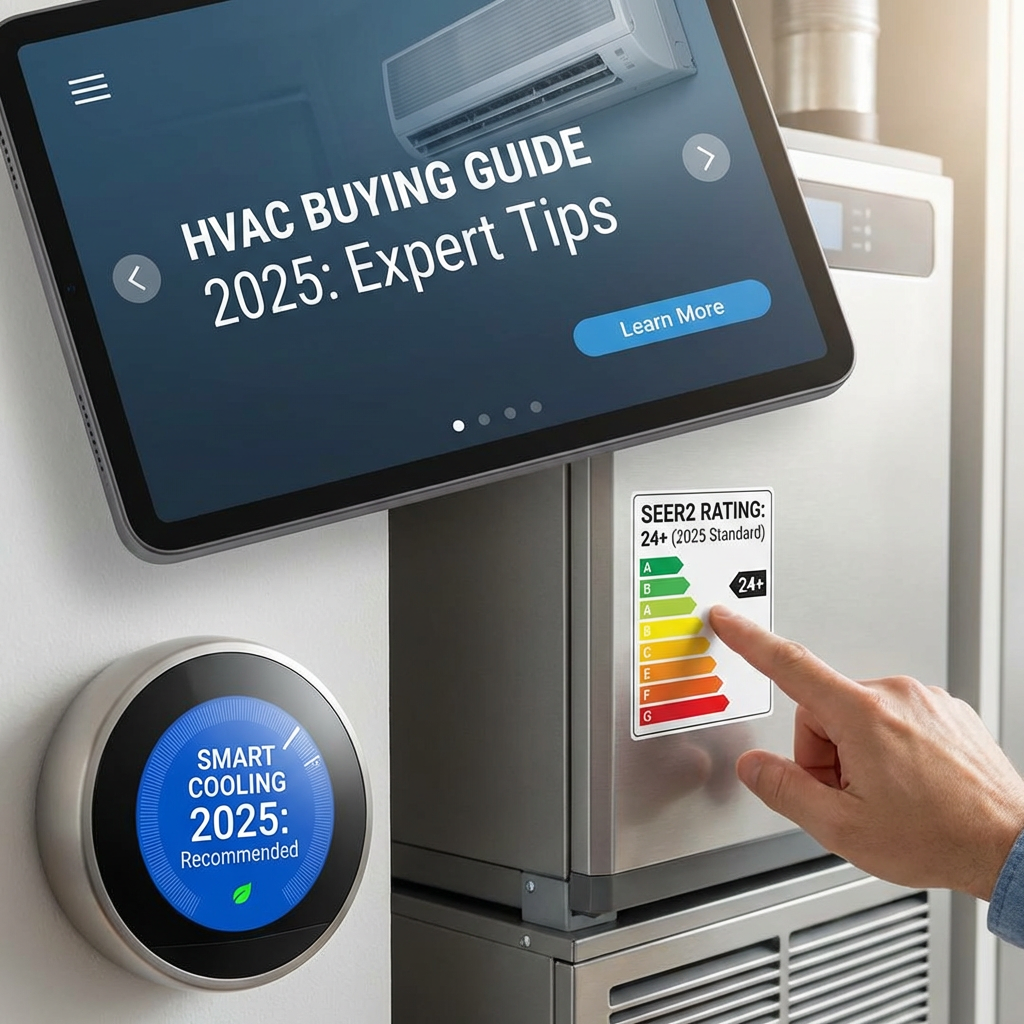
Detailed illustration of key concepts
Visual Guide
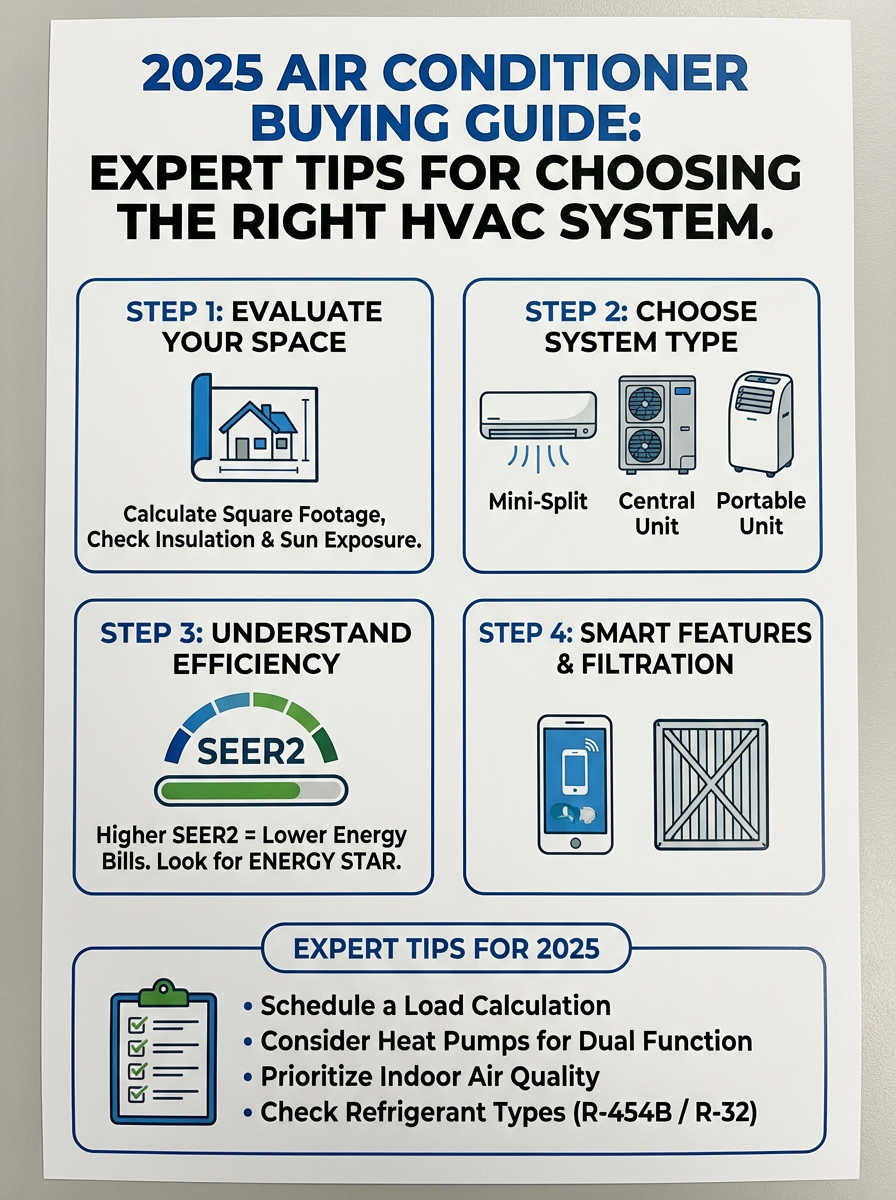
Infographic illustration for this topic
Sources & References
- The HVAC Buyer's Guide - High Performance Heating & Air
- HVAC Buying Guide: What to Know When You're Shopping - CNET
- Buying an HVAC (Heating, Ventilation and Air Conditioning) Business
- Mastering HVAC Installations: Best Practices for 2025
- Top 23 Commercial HVAC Manufacturers
- Full List: Top HVAC Manufacturers and Suppliers in 2026
- 6 Best HVAC Companies | Money
- 8 Best Commercial HVAC Brands for Large Buildings
- Best Air Conditioner Brands in 2025
Frequently Asked Questions
Need Professional Help?
Find top-rated hvac businesses experts in your area