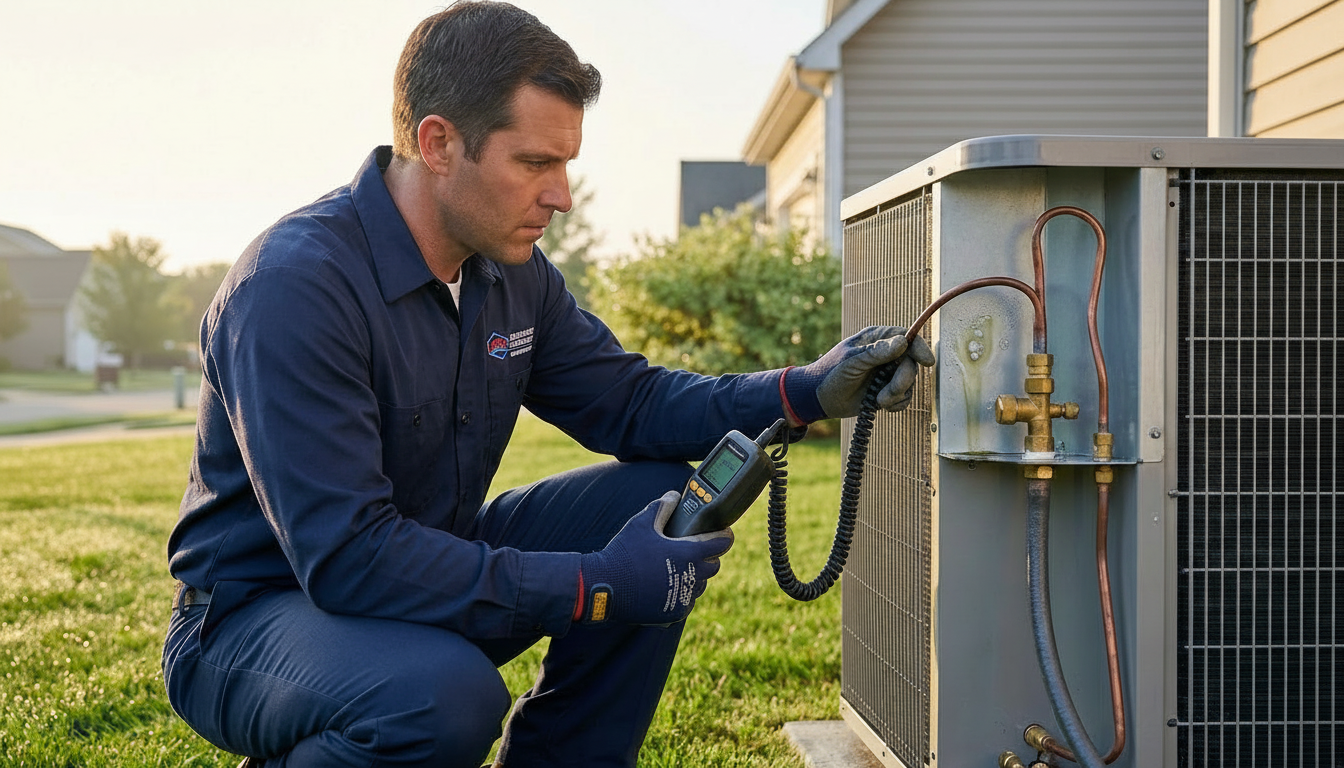
Expert HVAC gas leak detection guide from licensed pros. Learn warning signs, professional repair methods & prevention. 24/7 emergency service available!
Key Takeaways
HVAC Gas Leak Detection: Expert Emergency Guide 2024
Refrigerant leaks and gas leaks in HVAC systems demand immediate, professional attention. Understanding the critical differences between various types of leaks and knowing the appropriate response can prevent dangerous situations and costly system damage.
What to Do If You Suspect an HVAC Gas or Refrigerant Leak
If you detect anything unusual near your HVAC system, acting swiftly and safely is paramount. Follow these detailed steps:
How to Handle Suspected Leaks Safely
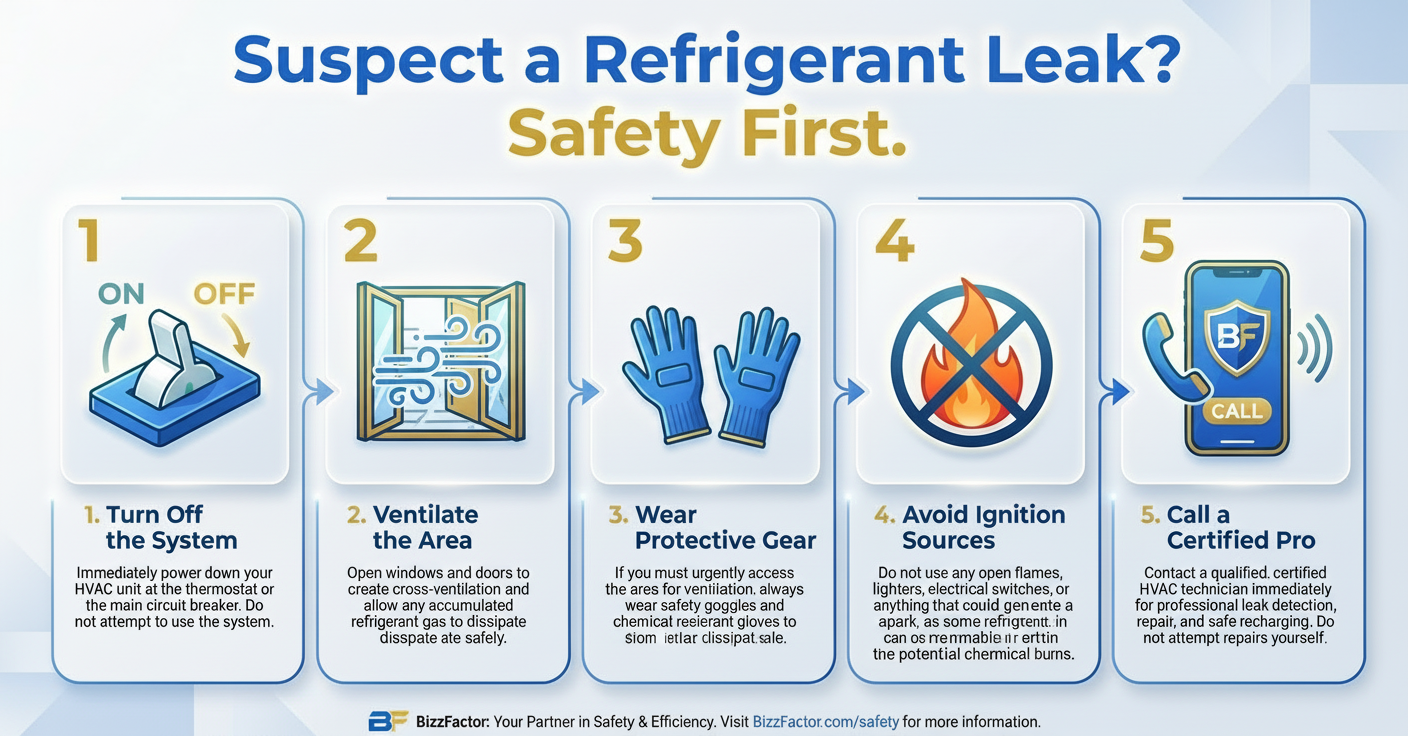
1. **Prioritize Safety & Shut Off System**: Immediately turn off your HVAC system at the thermostat and, if possible, at the main electrical breaker. This prevents the system from running and potentially exacerbating the issue or creating a fire hazard.
2. **Ventilate the Area Thoroughly**: Open all windows and doors in the vicinity of the HVAC unit to maximize air circulation. This helps dissipate any accumulating gases and reduces potential health risks.
3. **Exercise Caution & Avoid Ignition Sources**: Keep all potential ignition sources—such as open flames, smoking materials, electrical appliances, and even cell phones—far away from the suspected leak area. Gas leaks, particularly natural gas, are highly combustible.
4. **Wear Protective Gear (If Necessary)**: If you must approach the area to investigate further (e.g., to shut off a gas valve), wear appropriate personal protective equipment like gloves and safety glasses to prevent contact with refrigerants or other substances.
5. **Contact Professionals Immediately**: Do not attempt to diagnose or fix the leak yourself. **Call a certified HVAC technician** for refrigerant leaks, or **911/your gas utility's emergency line** for suspected natural gas leaks. Specify the type of leak you suspect.
Professional Inspection Requirements for Gas Lines
Beyond reactive measures, proactive professional HVAC maintenance is crucial. Certified HVAC contractors should conduct comprehensive inspections that include:
- **Gas Line Integrity Checks**: Thorough examination of all gas lines, valves, and connections for signs of wear, corrosion, rust, or physical damage.
- **Pressure Testing**: Utilizing specialized equipment to test gas line pressure and identify potential leaks that aren't visually apparent.
- **Ventilation System Clearance**: Ensuring all venting systems are clear of obstructions and properly installed to safely exhaust combustion byproducts.
Regular inspections are key to identifying problems before they escalate into emergencies, protecting both your property and well-being. For more information on preventative measures, refer to our guide on [AC problems and repair](/guides/hvac-businesses/ac-problems-repair-guide).
Maintenance and Prevention Strategies
Maintaining your HVAC system goes a long way in preventing dangerous gas and refrigerant leaks. Regularly check all gas appliances for visual signs of wear and tear, and ensure all connections are secure. Scheduling professional inspections periodically helps catch potential issues early, averting costly repairs and ensuring system safety and efficiency. Proactive maintenance is always preferable to crisis management.
⚠️ Critical Distinction: Refrigerant vs. Natural Gas Leaks
The most dangerous misconception is confusing a refrigerant leak with a natural gas leak. They are fundamentally different and demand distinct emergency responses:
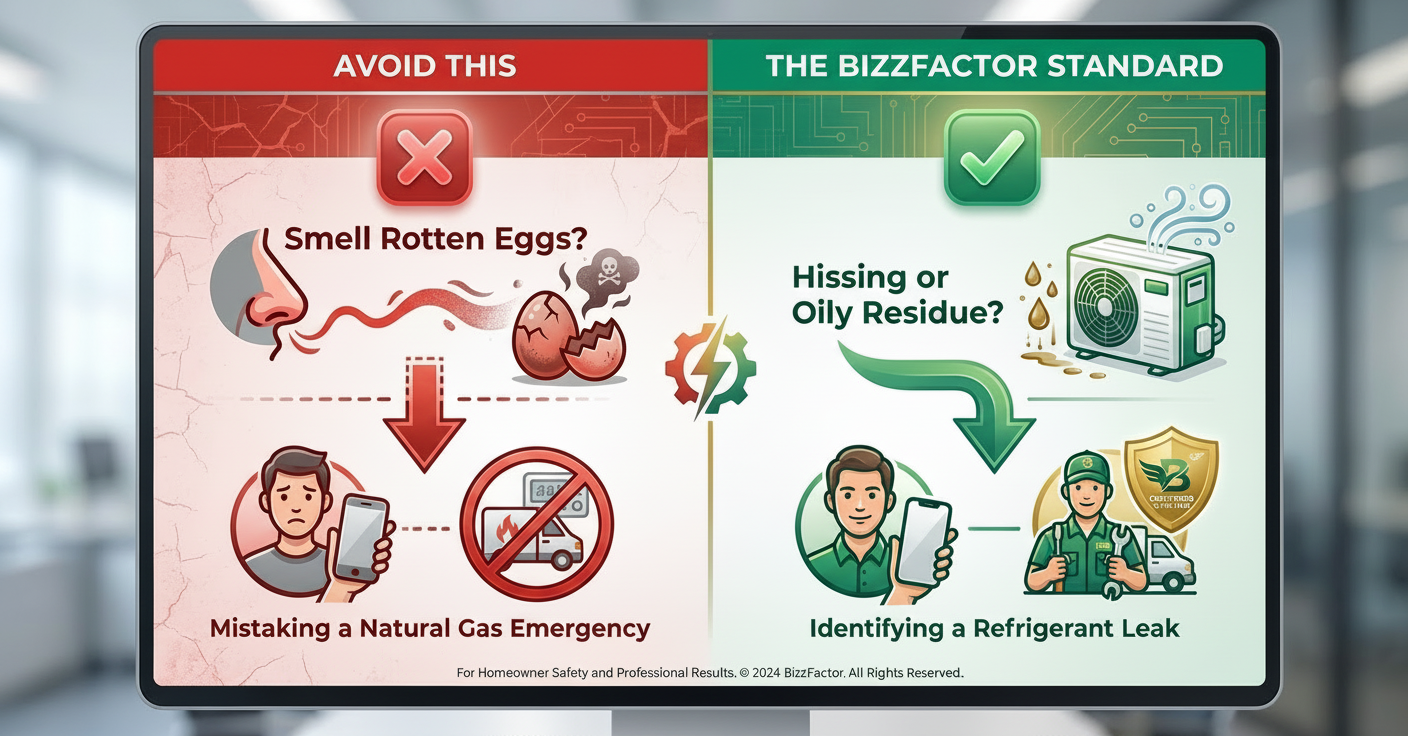
- **Refrigerant Leak**: Often characterized by an oily residue, a hissing sound, reduced cooling performance, or ice accumulation on evaporator coils. While harmful if inhaled in high concentrations, primarily an urgent *repair* issue for your HVAC system. (e.g., R-22, R-410a)
- **Natural Gas Leak**: Typically identified by a distinctive "rotten egg" odor (an odorant, mercaptan, is added for detection), a hissing sound, or dead vegetation near outdoor gas lines. This is an **immediate, life-threatening emergency** requiring evacuation.
**If you smell rotten eggs or suspect a natural gas leak, do NOT call an HVAC company first. Evacuate everyone from the building immediately, then call 911 or your local gas utility’s emergency line from a safe distance.** This distinction is life-saving.
Our Pro Recommendation: Advanced Leak Detectors
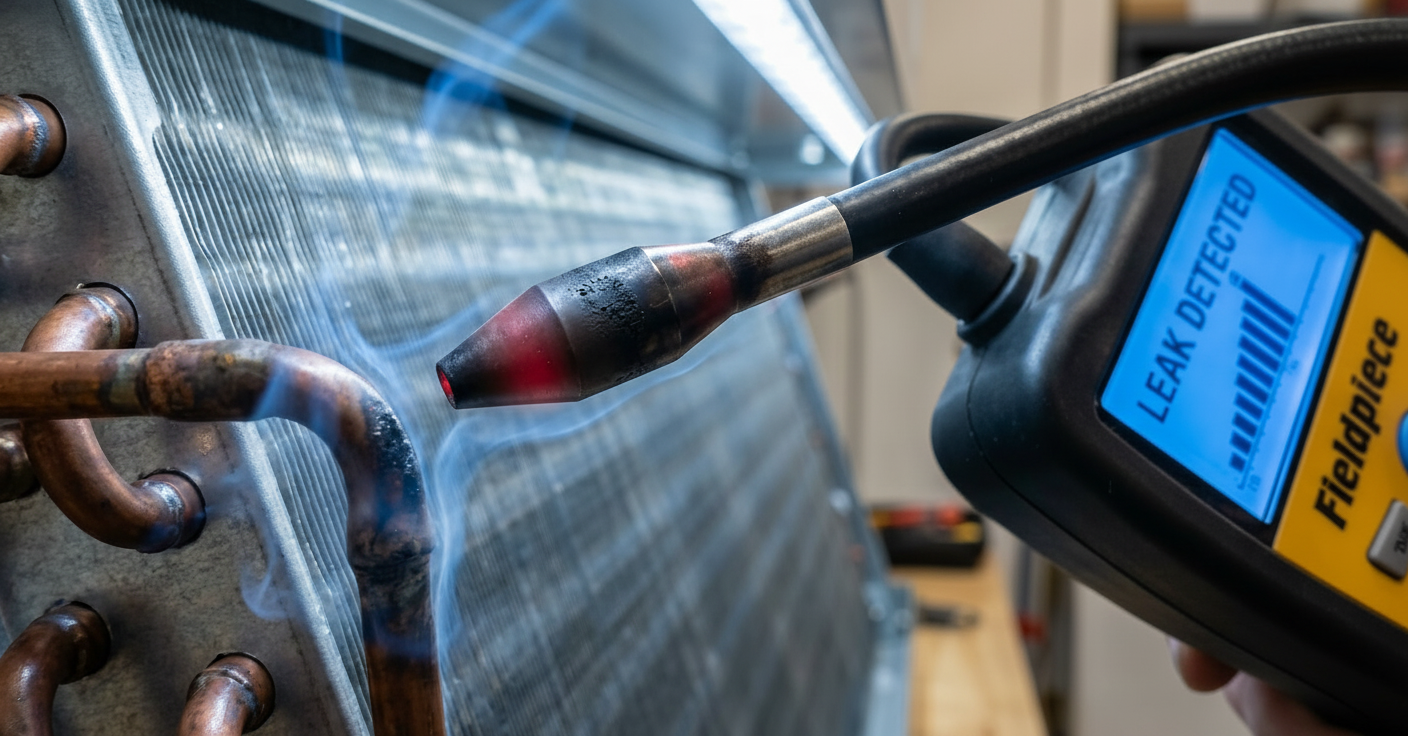
For professional electronic refrigerant leak detection, the **Fieldpiece DR82 Infrared detector** is our top recommendation. It consistently outperforms other popular models, including the Inficon D-TEK Stratus. The DR82's heated infrared sensor offers superior sensitivity (detecting leaks as small as <0.03 oz/yr) and is significantly less prone to false positives caused by background chemicals or oils. While a more substantial investment, for HVAC professionals, accurately locating leaks on the first visit without false alarms is invaluable and justifies the cost.
An HVAC Technician's Secret: Utilizing System Pressure
Conventional advice often states to immediately shut off your HVAC system upon suspecting any leak. However, for a slow, elusive *refrigerant* leak, keeping the system running until the technician arrives can sometimes be advantageous. Once the professional is on-site, ask them if briefly running the AC unit would aid in detection. The operating pressure often makes tiny leaks more pronounced, allowing specialized electronic detectors to pinpoint the source more efficiently. Be aware, this applies specifically to refrigerant leaks, not natural gas.
When to Call a Professional HVAC Technician Immediately
Do not hesitate to contact a certified HVAC professional if you:
- **Suspect any type of gas or refrigerant leak.**
- **Notice unusual or foul odors (other than rotten eggs, which indicates natural gas) emanating from your HVAC system.**
- **Observe ice formation on the refrigerant lines or evaporator coil.**
- **Hear distinct hissing, bubbling, or gurgling sounds from the unit.**
- **Experience unexplained spikes in energy bills, indicating a potential loss of efficiency due to a leak.**
- **Feel warm air instead of cool air from your AC unit, or vice-versa for a heat pump.**
Professional HVAC contractors possess the specialized training, tools, and certifications required to safely and effectively diagnose and repair complex gas and refrigerant leaks. Attempting DIY repairs on these critical systems can be extremely dangerous and risks further damage or personal injury. For more on unusual system noises, consult our guide on [AC noise solutions](/guides/hvac-businesses/ac-noise-expert-solutions).
In-Depth Look
Detailed illustration of key concepts
Visual Guide
Infographic illustration for this topic
Side-by-Side Comparison
Visual comparison of options and alternatives
Sources & References
- What to Do If You Suspect an HVAC Gas Leak: A Safety Guide
- How to Handle HVAC Refrigerant Leaks Safely and Effectively
- Here's Your Step-By-Step Guide On Handling Gas Leaks
- HVAC Inspections: A Guide for HVAC Businesses - Workyard
- 5 HVAC Emergencies And How to Avoid Them - Grainger KnowHow
- Top 23 Commercial HVAC Manufacturers - Metalphoto of Cincinnati
- Full List: Top HVAC Manufacturers and Suppliers in 2026 - FieldPulse
- 6 Best HVAC Companies | Money
- Best Air Conditioner Brands in 2025
- Key HVAC Regulations and Requirements for 2025 and Beyond
Frequently Asked Questions
Need Professional Help?
Find top-rated hvac businesses experts in your area