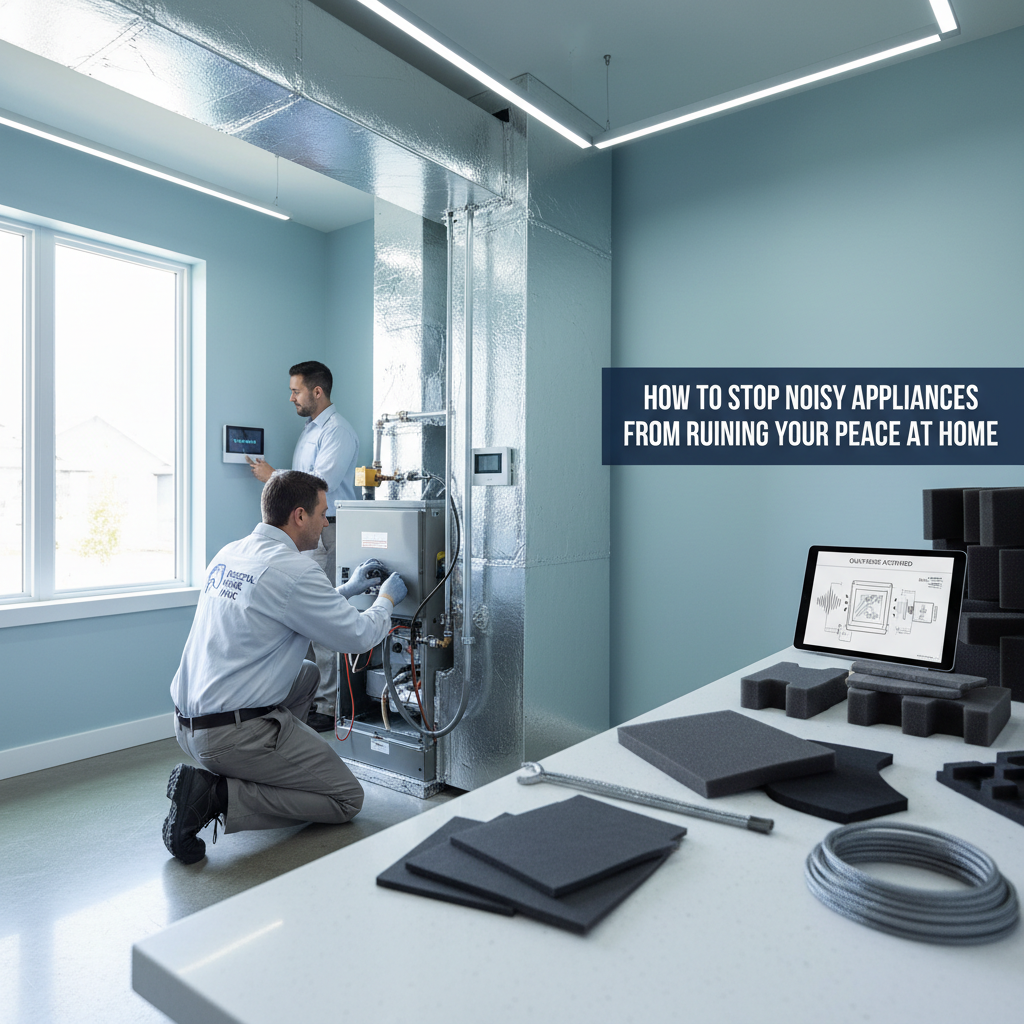
Stop noisy appliances from disrupting your home. Professional solutions for HVAC, refrigerator & computer noise problems. Get expert repair tips today.
Key Takeaways
- Professional diagnosis prevents costly appliance replacements by identifying simple noise fixes
- Regular maintenance schedules eliminate most noise problems before they require emergency repairs
- Quality technicians address root causes rather than temporary solutions for lasting quiet operation
BizzFactor Quick Guide
The BizzFactor Standard: Always use certified professionals for appliance noise diagnosis to prevent costly mistakes and ensure safety compliance
Key Takeaways
The BizzFactor Standard
3 Non-Negotiable Requirements for Elite Workmanship
Licensed & Certified Technicians
Proper certifications ensure safe handling of refrigerants, electrical systems, and warranty-compliant repairs that protect your investment.
Comprehensive Noise Assessment
Quality professionals diagnose root causes rather than symptoms, preventing recurring problems and unnecessary component replacements.
Written Service Documentation
Professional service includes detailed reports documenting findings, repairs performed, and maintenance recommendations for future reference.
How to Stop Noisy Appliances From Ruining Your Peace at Home
Is your home starting to sound like a symphony of clunks, hums, and rattles? Noisy household appliances can absolutely wreck your zen. Nobody wants their peace shattered by a groaning refrigerator or a howling AC unit.
Here's the good news: you don't need a massive renovation or pricey soundproofing. We're talking proper **maintenance**, timely professional **repairs**, or strategic **replacements** to get things quiet again.
Simple fixes often make the biggest difference.
Why Are Your Home Appliances Suddenly So Loud?
What's the deal with all this racket?
Most weird noises from your appliances—like your HVAC system, refrigerator, or even your computer—boil down to worn-out parts, shoddy installation, or just plain old neglect. Think about it—those critical machines are working hard for you every single day. They're bound to complain eventually.
From what I've seen, catching these problems early is huge. It stops a minor buzz from becoming a major breakdown—and a much bigger bill.
Don't wait until it's screaming for help.
When an appliance starts cranking out more noise than usual, it's basically shouting, "Hey! Something's wrong here!" That air conditioning unit might have loose mounting brackets. Could be anything, really. Your fridge? Its compressor motor could be giving up the ghost. And those computer fans? Probably choked with dust or just on their last legs.
Real talk: excessive noise isn't just annoying. It's a warning sign. Your stuff needs attention, and fast.
Diagnosing and Fixing Noisy HVAC Systems
**HVAC noise**—that's a common one. Most of the time, the racket comes from either the indoor unit (the air handler) or the outdoor unit (the condenser). Usually, it's mechanical issues, not electrical. We're talking loose bits, debris jamming things up, or motor bearings that are just plain worn out.
Little things can make a big noise, you know?
Common HVAC Noise Sources: The Usual Suspects
Let's start outside. Those external HVAC units get noisy from wobbly mounting systems. Say you've got a top-tier brand like Rheem — they're typically anchored down super tight during installation. That prevents vibes from shaking your whole house.
But over time? House settling or just loose bolts can create a rattling that reverberates right through your walls. It's truly uncanny how far sound travels.
You'll definitely need a pro HVAC technician to poke around and figure out what's what. That's not a DIY job.
Now, for the indoor unit, here's where we often hear trouble:
- **Flapping or vibrating access panels:** They weren't secured properly. Simple as that.
- **Wind tunnel sounds:** Your fan settings might be cranked too high, pushing too much air, too fast.
- **Buzzing:** Could be loose electrical connections. Not good.
- **Clicking:** Those dampers might be malfunctioning, constantly opening and closing.
I once heard about a homeowner in Northridge who swore his whole house sounded like a train coming through when the AC kicked on. Sounded like a major issue, right?
Turned out, a single access panel on his air handler was barely latched, vibrating like crazy.
A quick snap-shut and a few new screws solved it instantly. Cost him maybe $85 for the service call. That's it.
People try to fix these things themselves, which is understandable. But guess what? They often make it worse. Professional HVAC specialists have the tools and the know-how to pinpoint if it's a simple tweak or a full-on component swap.
For reliable service, connect with a qualified [HVAC contractor](https://bizzfactor.com/categories/hvac-businesses) in your area. They'll save you headaches and probably money.
Professional Solutions for HVAC Noise: Getting it Fixed Right
When you work with a reputable company—someone like AC's Heating & Air, for example—they won't just throw a band-aid on it. They'll give your system a thorough once-over. Quality technicians will check everything: mounting stability, fan assemblies, and every last electrical connection.
It's a systematic approach.
Look — following the BizzFactor Standard, HVAC pros don't just solve today's noise. They'll offer up a full noise assessment, hitting both the immediate issues and anything that might go wrong down the line. That's how you get long-term quiet.
This almost always includes a rundown of routine [HVAC maintenance](https://bizzfactor.com/blog/hvac-maintenance-checklist) to keep those future problems at bay. Listen to them when they recommend this stuff—it's not a sales pitch.
Stopping Refrigerator Noise Problems
**Refrigerator noise issues** are tricky because they can mean a few different things. Is it unlevel? Are internal parts struggling?
Or is the whole cooling system on the fritz?
The fix depends entirely on the root cause. Sometimes a little adjustment works wonders; other times, you're looking at a component failure. That means a pro needs to step in.
Case Study: Refrigerator Noise, A Thousand Bucks Saved
Look — a technician I know in Pasadena got a call about a five-year-old refrigerator making increasingly awful noises. The homeowner was convinced it was dying and was already budgeting for a new one. Had picked out the model and everything.
But the evaluation?
Totally different story.
The appliance had shifted slightly, maybe from natural house settling, making it unlevel. That subtle tilt put insane stress on the compressor motor. It was working overtime, and you could hear it! After adjusting the leveling legs, then clearing out all the dust and gunk from the condenser coils, that fridge went back to being whisper-quiet.
This simple $150 service call saved the homeowner from dropping $2,000 on a brand-new appliance. Think that's unusual? I'd say half the fridge noise complaints I hear about end up being something similarly straightforward.
See?
A professional diagnosis can really prevent you from making some big, costly mistakes.
Identifying Refrigerator Noise Types: What That Sound Means
Different sounds from your fridge are like secret codes, each pointing to a specific issue:
- **Rattling:** Loose bits inside or, more simply, it's not level. Check that first.
- **Humming (gets louder and louder):** Your compressor is probably straining. Not a good sign.
- **Clicking:** Oftentimes, that's your defrost system acting up. Could be the timer or the defrost heater.
- **Grinding:** Oh, man. That usually means a fan motor bearing is shot.
That's definitely a 'call a pro' sound.
Here's the thing: now, you can do some basic stuff yourself, like leveling the unit or cleaning accessible coils (just unplug it first!). But anything beyond that—internal component swaps or tinkering with the refrigerant system?
That's strictly technician territory.
Refrigerant system work, particularly, requires certified technicians. It's not just about proper tools; it's about environmental regulations and safety. Don't mess around with that stuff. You could get slapped with some serious fines.
Computer Noise Troubleshooting and Solutions
**Computer noise** is almost always down to one thing: moving parts under pressure. The biggest offenders?
Cooling fans, hard drives, and sometimes optical drives.
Most of these issues are preventable with regular maintenance. But if a part mechanically fails, you're looking at a replacement. Simple as that.
Fan-Related Computer Noise: The Whirring, Clicking Beast
Now, those cooling fans get noisy when their bearings wear out, when dust turns them into furry monsters, or when your computer is just too darn hot for its own good. Modern computers are fan cities—fans for the CPU, fans for the case, fans for your graphics card.
It's a lot of spinning parts.
Want to prevent fan noise?
Clean out the dust!
When your intake filters get clogged, those fans have to work twice as hard to push air through. More work means more noise, and crucially, less effective cooling.
Setting up a regular cleaning schedule? That's the best way to prevent this whole mess.
Just remember to use compressed air, and hold the fan blades when you clean 'em, so they don't spin too fast and break. I'd do this every three months if you've got pets, every six months otherwise.
For any newer systems still under warranty, don't play hero. Let the manufacturer or an authorized service provider handle fan noise. Trying to fix it yourself often voids your warranty.
Trust me, I've seen it happen. It's not pretty, and it's expensive.
Hard Drive and Storage Noise: The Clicking Time Bomb
Traditional mechanical hard drives make noise. It's just what they do, all that seeking and spinning.
But if the noise gets *louder*, or you start hearing clicks, or worse, grinding sounds?
That's a massive red flag.
Here's the thing: your hard drive is probably on its way out. Stop what you're doing, back up your data ASAP, and get it to a pro. You don't want to lose everything—photos, documents, that novel you've been working on for three years.
Now, here's some good news: Solid-state drives (SSDs) are completely silent. No moving parts! If your noisy hard drive is driving you nuts, upgrading to an SSD won't just kill the noise; it'll make your computer feel lightning-fast.
It's a win-win, really.
When to Call Professional Help: Don't Be a Hero
Sometimes, you hit a wall.
DIY troubleshooting just isn't cutting it.
Or maybe your appliance is still under warranty. Or, more importantly, maybe there are safety concerns—electrical issues, refrigerant leaks. That's when you call in the pros.
So — trying to tackle complex repairs without the right training or tools? That's a recipe for bigger problems and, often, a dangerous situation. Don't risk it for a few bucks. Your family's safety is worth way more.
Recognizing Professional-Only Situations: Know Your Limits
Some jobs are just for the experts:
- **Refrigerant systems:** You *must* have an EPA-certified technician. It's the law.
- **Electrical troubleshooting:** Huge shock and fire hazards here. Leave it to the licensed electricians.
- **Computer warranty repairs:** Follow the manufacturer's rules to the letter. Don't void your coverage.
- **HVAC gas lines:** Any work on these needs licensed pros with special qualifications.
Gas leaks are no joke.
Using platforms like BizzFactor is smart. We connect homeowners with pre-screened, qualified technicians who meet all the professional standards and have the right insurance.
That gives you peace of mind.
You're not just hiring "a guy"; you're getting a vetted expert who won't disappear if something goes wrong.
Cost-Benefit Analysis: Repair or Replace?
It's a classic homeowner dilemma: fix it or get a new one?
The age of the appliance, its current energy efficiency, and how much the repair will cost all play a role. Pros can help you crunch these numbers, looking at both the upfront repair bill and what it'll cost you to run that old dog in the long term.
Say your appliance is over ten years old. Replacing it might actually be the smarter move. Newer models often have killer energy efficiency and are way more reliable.
Technology moves fast, right?
But if it's a newer unit with just a minor noise issue, a professional repair can often extend its life significantly, saving you real cash. A contractor in Alpharetta told me he sees homeowners agonize over this all the time—usually spending $300-400 to fix a three-year-old appliance beats dropping $1,500-2,000 on a replacement.
It's all about weighing your options carefully.
Preventive Maintenance for Quiet Operation: An Ounce of Prevention...
Setting up regular **preventive maintenance schedules** is the absolute best way to keep your appliances quiet. It'll also make them last longer and keep your manufacturer warranties valid.
Most homeowners just can't do the in-depth check-ups that a pro can. That's where maintenance programs shine.
Think about it — would you rather spend $150-200 a year on scheduled maintenance or get hit with a $1,200 emergency repair bill in the middle of summer?
Yeah, I thought so.
Regular maintenance catches the small stuff before it becomes loud stuff. Worn belts, dirty filters, loose connections — all easily fixable during a routine visit. And honestly? Most HVAC companies offer maintenance plans that include priority service and discounts on repairs.
Worth every penny.
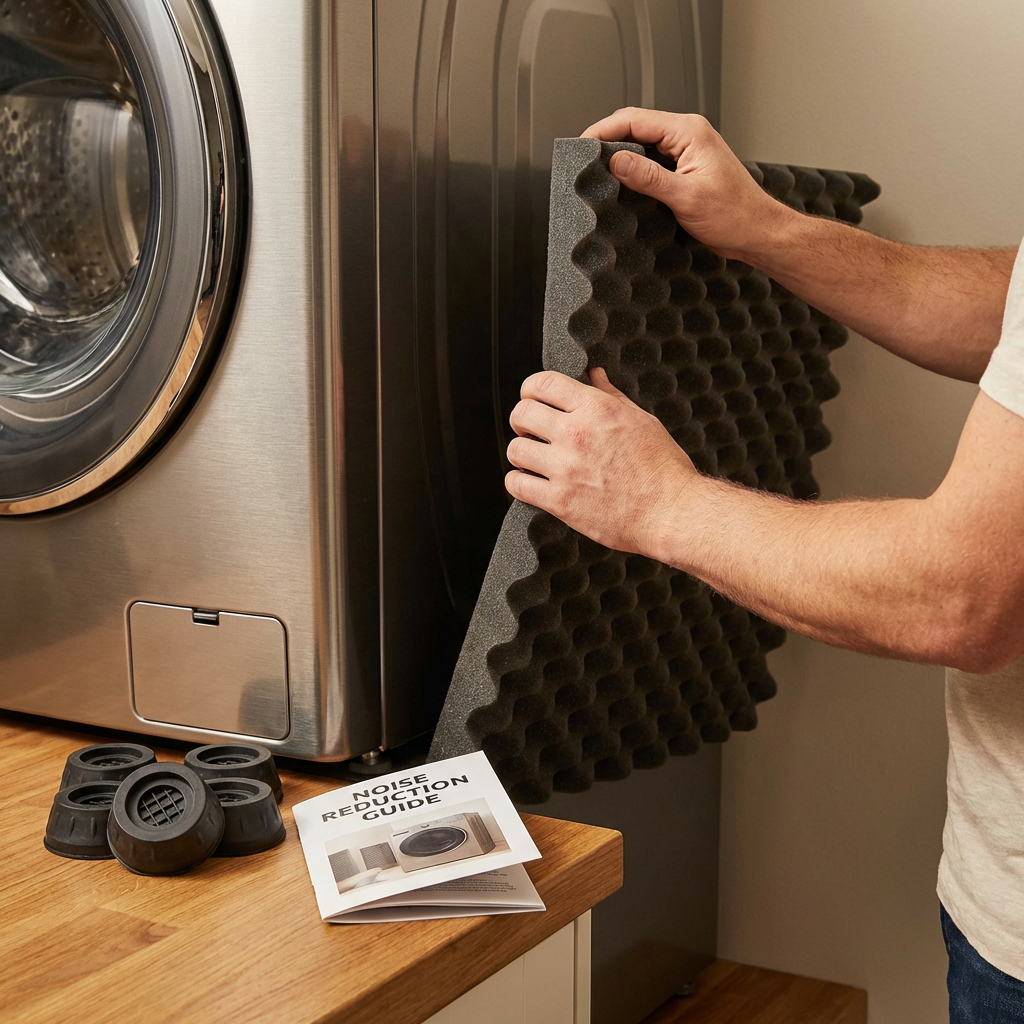
In-Depth Look
Detailed illustration of key concepts
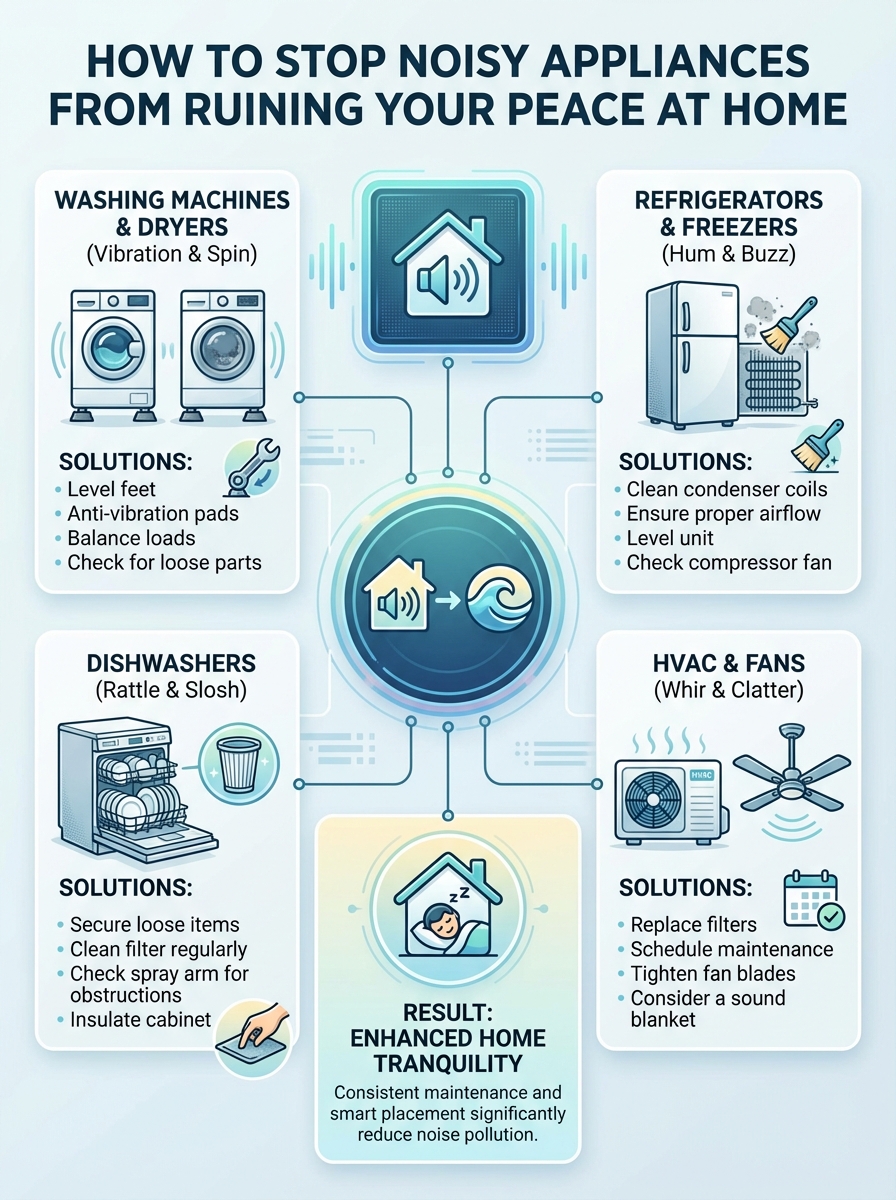
Visual Guide
Infographic illustration for this topic
Sources & References
- Quiet Your HVAC System: Practical Noise Reduction Tips
- Reducing HVAC Noise: Tips for a Quieter, More Peaceful Home
- Soundproof Solutions and Sound-Deadening Ideas for Your Home
- How To Reduce HVAC Noise: Common Causes & Effective Solutions
- How to Reduce HVAC Noise: Effective Air Handler Noise Reduction ...
- Top 23 Commercial HVAC Manufacturers - Metalphoto of Cincinnati
- 6 Best HVAC Companies | Money
- Full List: Top HVAC Manufacturers and Suppliers in 2026 - FieldPulse
- Best Air Conditioner Brands in 2025
- 8 Best Commercial HVAC Brands for Large Buildings (Reviewed)
Frequently Asked Questions
Need Professional Help?
Find top-rated hvac businesses experts in your area