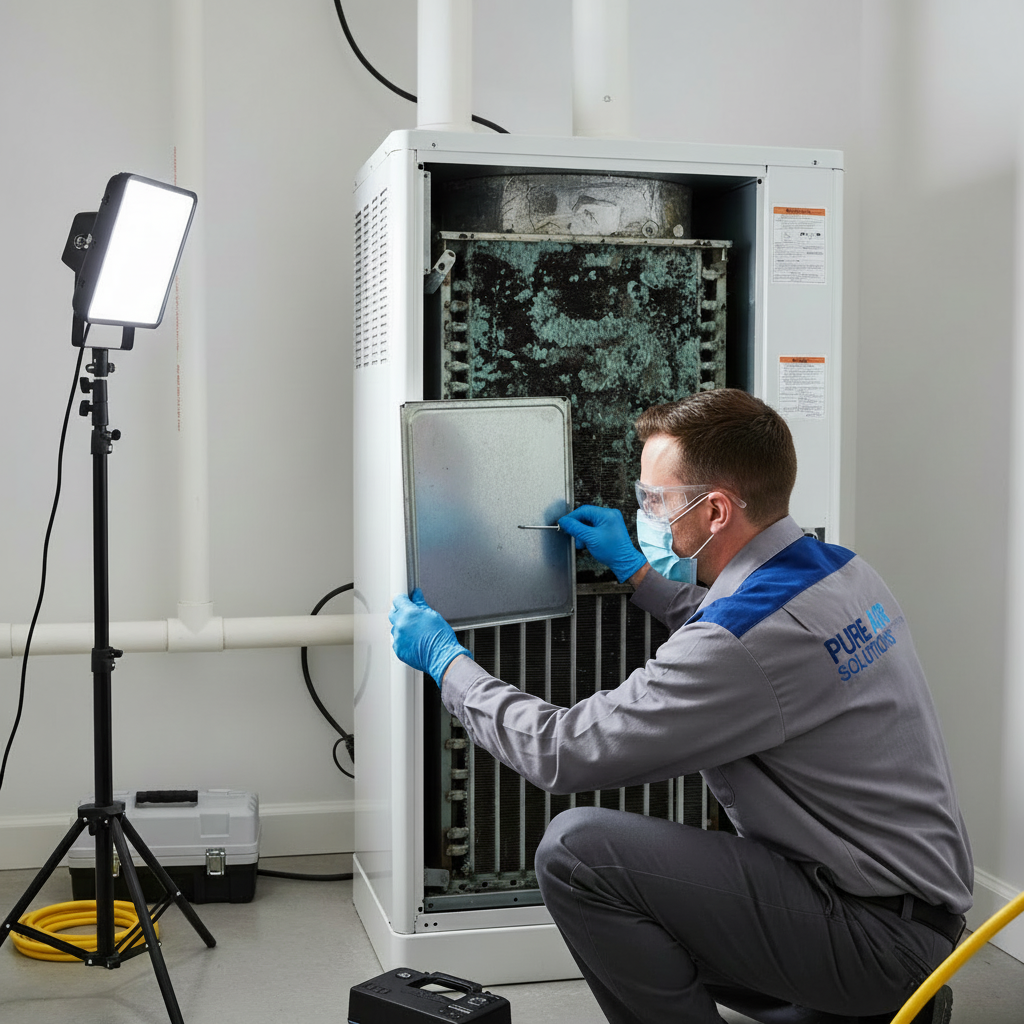
Professional AC mold removal costs $300-2000+. Get expert help for safe HVAC cleaning, health risk elimination & prevention. Licensed techs, guaranteed results.
Key Takeaways
- Our certified pros eliminate health risks and get your AC working properly again - we guarantee safe, effective results every time
- ## What Causes Mold in Your Air Conditioner
- Look, excessive moisture is the main culprit
- When water sits too long
Key Takeaways
AC Mold Removal Cost & Guide 2025 - Professional Help
Mold removal from air conditioners means taking apart your unit, treating it with special cleaners, and sanitizing everything. Our certified pros eliminate health risks and get your AC working properly again - we guarantee safe, effective results every time.
What Causes Mold in Your Air Conditioner?
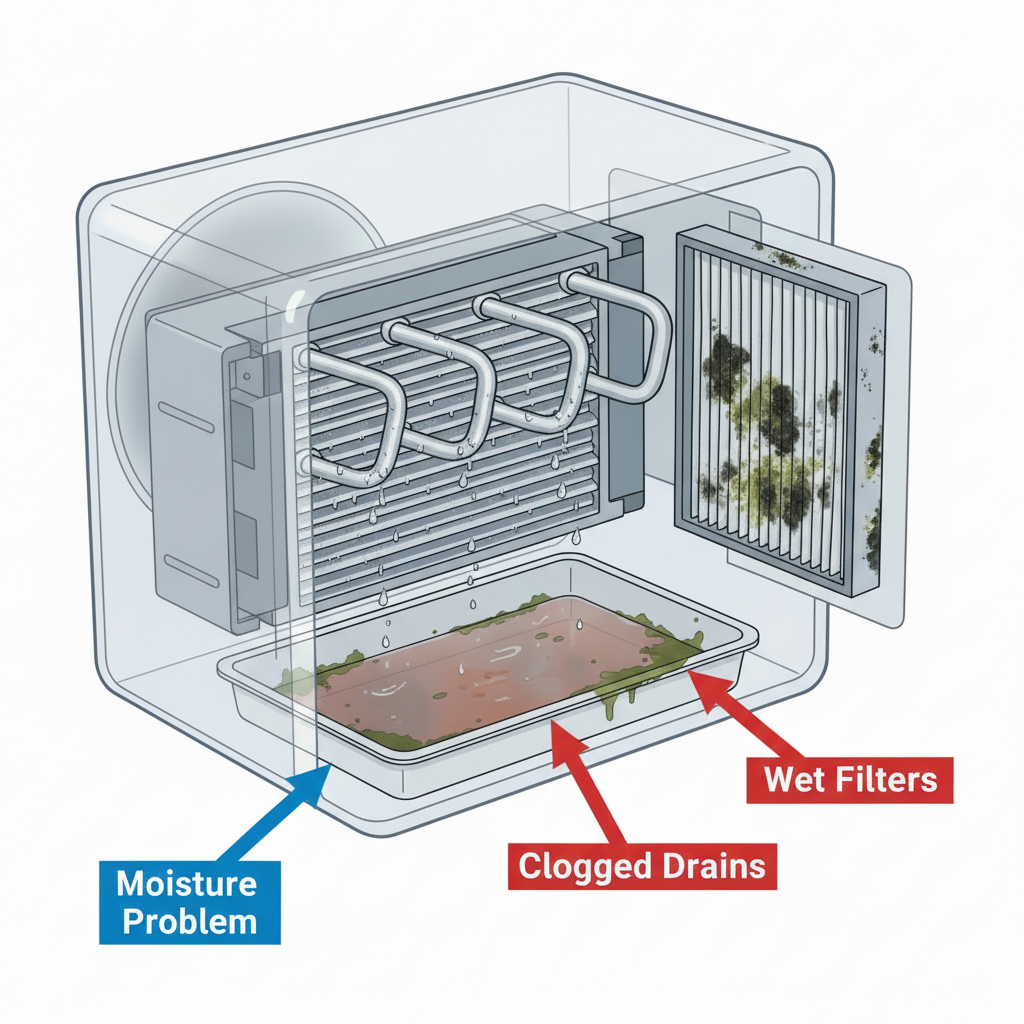
Mold grows in AC units when moisture gets trapped in coils and drains, creating perfect breeding spots for harmful fungi that spread through your home's air via forced circulation.
Look, excessive moisture is the main culprit. When water sits too long? Mold takes hold fast.
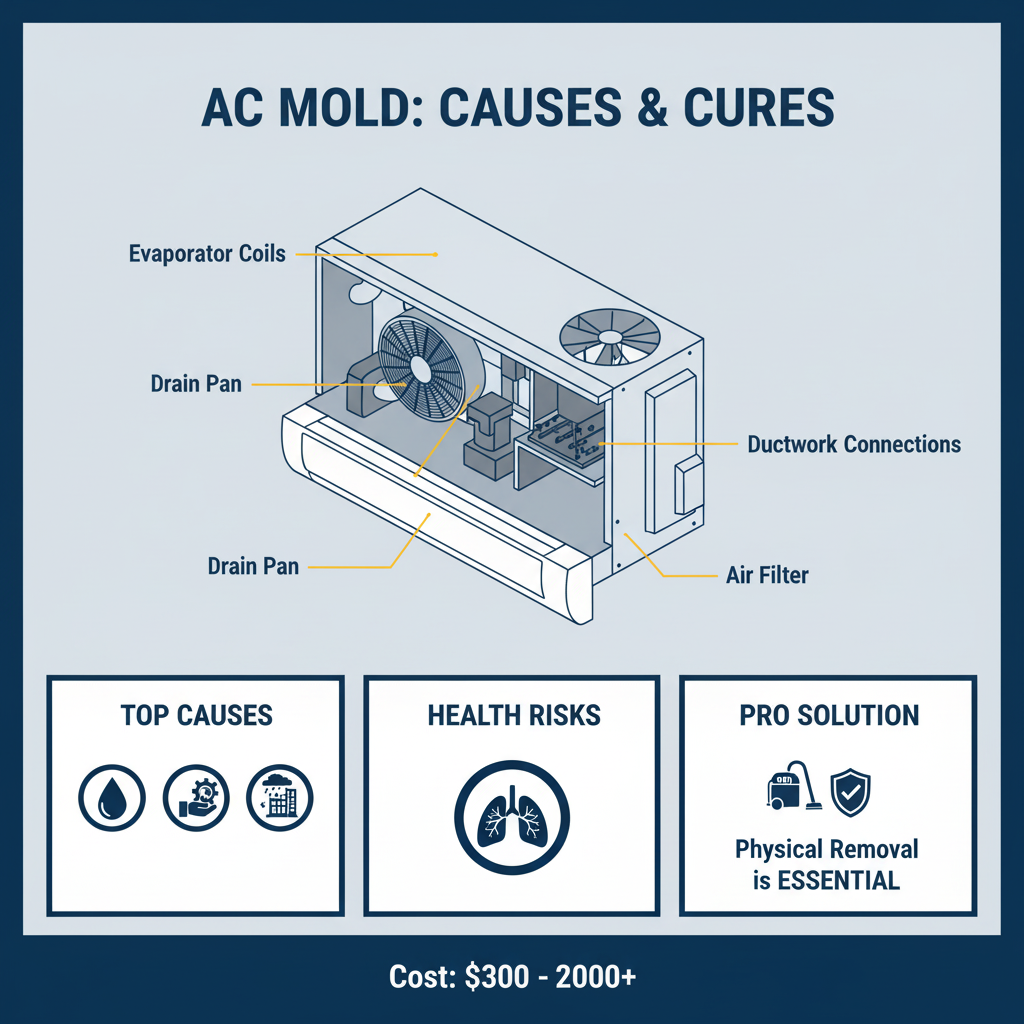
**Where Mold Hides in Your AC:**
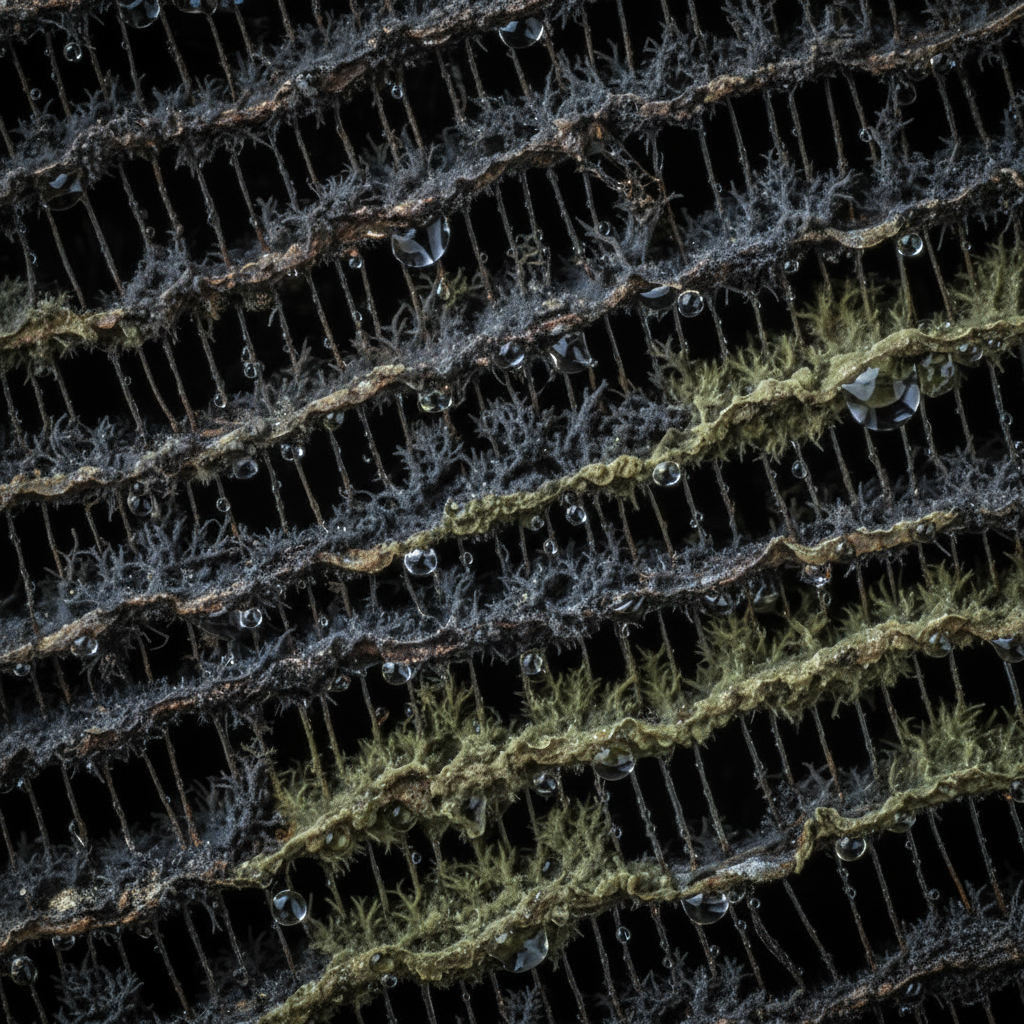
• Evaporator coils (most common spot we find)
• Drain pans and lines
• Air filters and housing
• Ductwork connections
• Blower assemblies
**The Moisture Problem** - We've inspected countless homes where condensation pools around indoor coils. Standing water becomes a breeding ground. Honestly, it's worse than most people think.
**Clogged Drains** - Poor drainage causes water backups. Our team recently found a Rheum unit with three inches of standing water. The mold was everywhere - absolutely everywhere.
**Wet Filters** - Installing damp filters after cleaning? Don't do it. Ever. Wet filters are mold magnets that'll contaminate your whole system.
**System Spread** - Here's the scary part: airborne spores travel through ducts. One moldy unit can contaminate your entire HVAC system within days.
The 'Clean Unit' Mistake Most Pros Make
Here's what happens with inexperienced technicians. They clean the air handler perfectly. Then they ignore the first 10-15 feet of supply ducts.
Big mistake. That's where the highest concentration of spores lives.
Those spores will re-contaminate your freshly cleaned unit instantly. We've seen it happen countless times over our 20+ years in business.
Insist on camera inspection of initial ductwork. Not just the unit itself. Our verified technicians always check both.
Why Specialists Beat Big-Box Companies
Sears Home Services subcontracts most work. Quality varies wildly between crews.
Specialized companies like Williams Carpet Care focus on one thing. They're way better at HVAC cleaning.
Look for NADCA or IICRC certified techs. These guys live and breathe HVAC cleaning every single day.
Generalists? HVAC is just one service among dozens. You want experts who guarantee their work.
Dead Mold Is Still Dangerous
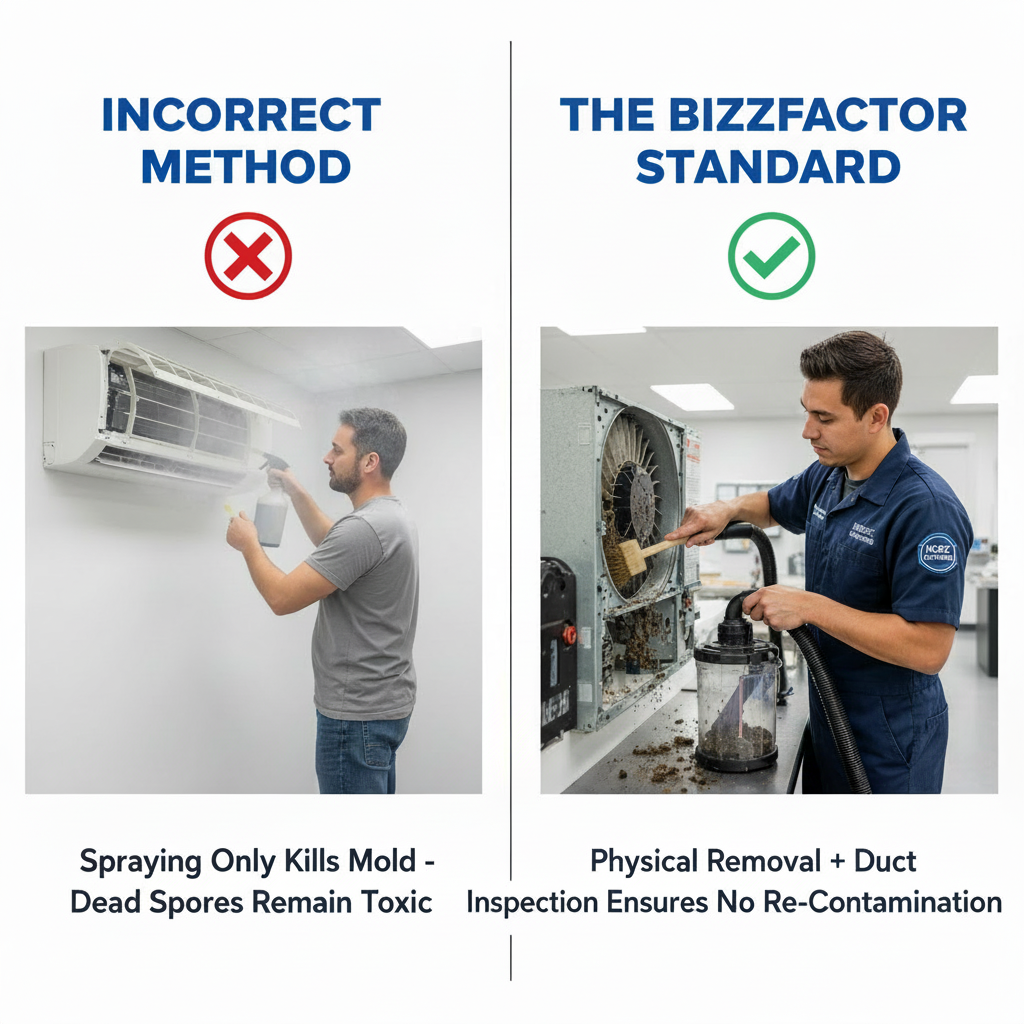
Stop asking if companies 'kill' mold. Dead spores are just as toxic as living ones - that's a scientific fact.
Aggressive chemicals alone won't cut it. That's lazy work from untrained crews.
Physical removal is the best method. Our pros use high-powered HEPA vacuums and thorough flushing with EPA-approved solutions.
Health Risks from Moldy AC Systems
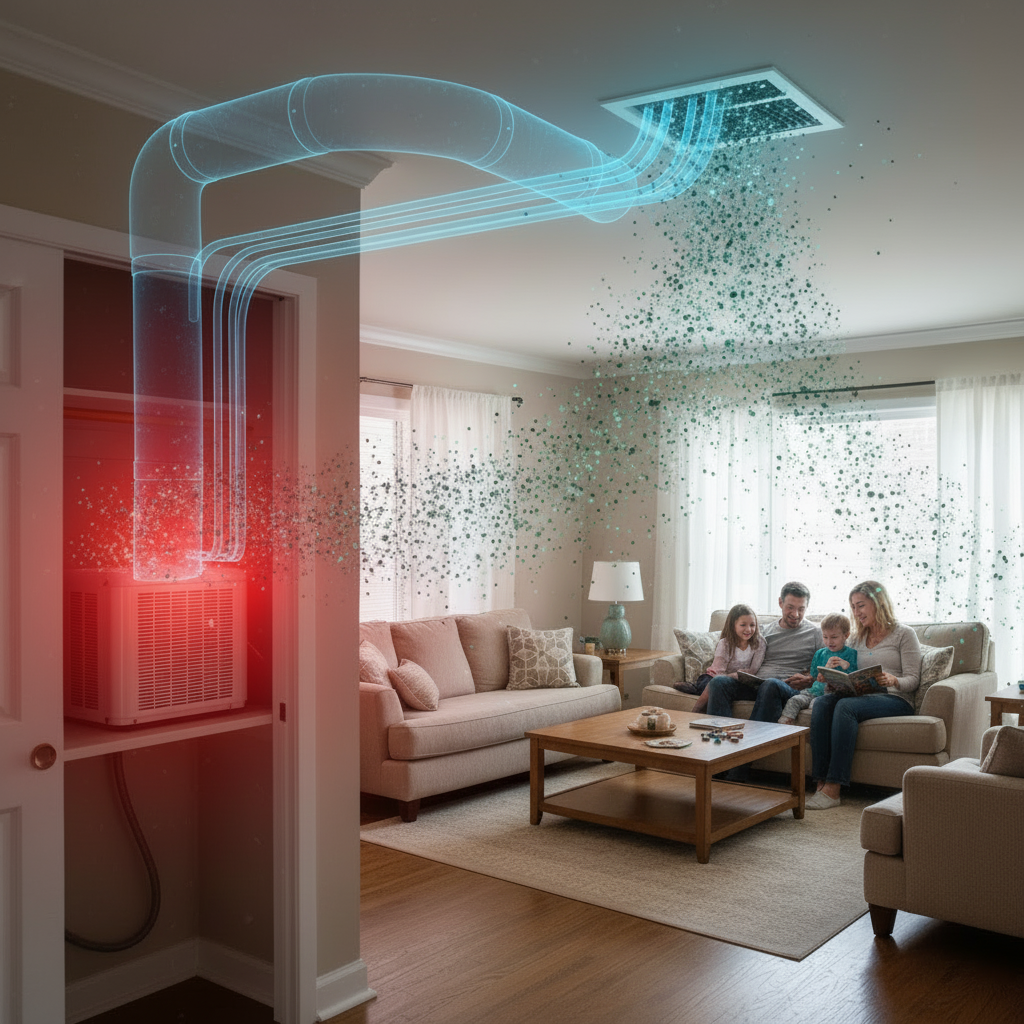
Moldy air conditioners spread toxins through your entire home via contaminated air that circulates continuously, exposing everyone to concentrated harmful spores that cause serious health issues.
In our experience, the health impacts are more serious than most people realize. Respiratory problems, chronic fatigue, and neurological symptoms are common complaints we hear from clients.
Children and pregnant women face higher risks. So do people with compromised immune systems or existing respiratory conditions.
Forced air circulation makes HVAC mold especially dangerous. It's not like mold in a basement corner - this stuff gets pumped everywhere.
**What Our Licensed Team Sees:**
• Persistent coughing and wheezing
• Headaches and brain fog
• Skin irritation and rashes
• Worsening asthma attacks
• Sleep disruption
We inspected a home last month where a family dealt with mysterious health issues for six months. The cause? Extensive mold in their Trane central air system. Within two weeks of our professional treatment, symptoms improved dramatically.
How to Spot Mold in Your AC
Mold identification requires checking multiple warning signs including musty odors, visible growth, and performance problems that indicate contamination throughout your HVAC system.
Musty smells from vents mean active mold growth. Don't ignore this red flag - ever.
**Visual Signs to Check:**
• Black or green spots on accessible surfaces
• Discoloration around vents and registers
• Dark patches on filter housings
• Slimy buildup on visible coils
• White or gray fuzzy growth
**Performance Red Flags:**
• Reduced airflow from registers
• Strange noises during operation
• Persistent moisture issues
• Higher energy bills without explanation
• Weak cooling performance
Sound familiar? Your system needs professional attention from certified technicians.
**The Smell Test** - Trust your nose completely. Earthy, stale odors aren't normal. They indicate active microbial growth that's spreading.
**Performance Drop** - Mold blocks airflow and damages expensive components. Your system works harder but cools less effectively.
What's the real problem here? Most homeowners wait too long to call for help.
What You Can Do Before Calling Pros
Safe DIY preparation helps professionals work more efficiently, but don't go deep into your system - that requires specialized equipment and training from licensed technicians.
Simple preparation is the answer, not full remediation attempts.
**Safe Steps You Can Take:**
1. **Turn Off Power** - Flip the breaker completely. No shortcuts here for safety.
2. **Check Filters** - Remove and inspect them carefully. Clean reusable ones with water only.
3. **Dry Everything** - Wet filters are mold food. Wait until bone dry before reinstalling.
4. **Surface Cleaning** - Use EPA-approved cleaners on accessible areas only.
5. **Test System** - After everything's completely dry, turn it back on.
**Critical Warning:** Never use bleach on HVAC parts. It damages sensitive components and creates dangerous chemical reactions.
Our certified technicians see bleach damage regularly. Don't risk voiding your warranty with improper chemicals.
Honestly? Leave the deep cleaning to verified professionals. We've got the right tools and safety training.
Professional Mold Removal Process
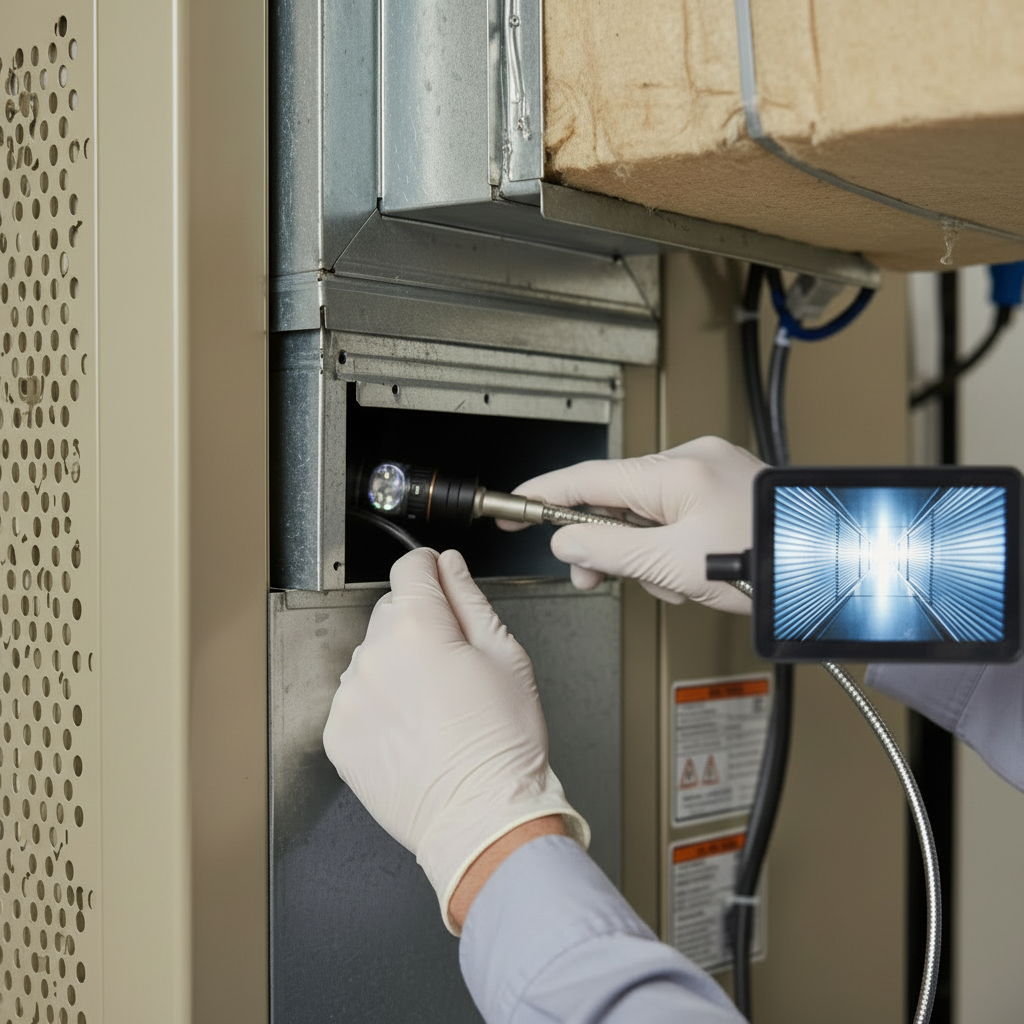
Certified HVAC specialists follow strict EPA protocols for safe, effective mold elimination using specialized equipment and approved treatments to restore your system completely with guaranteed results.
Complete disassembly, component cleaning, and thorough sanitization - that's exactly what we do:
**Our Standard Split System Treatment:**
• **Complete Disassembly** - We remove evaporator coils, blower assemblies, and drain components
• **Immersion Cleaning** - Components get washed in antimicrobial solutions
• **Chemical Sanitization** - Professional biocides eliminate remaining spores
• **Pressure Washing** - High-pressure water removes all debris and chemicals
• **Complete Drying** - Everything must be bone dry before reassembly
• **Quality Testing** - We verify complete spore elimination
**Central Air System Work:**
Ducted systems need more extensive treatment. Contamination spreads through the entire network of supply and return ducts.
Some jobs require accessing components behind drywall. We coordinate with qualified contractors to minimize property damage.
What's the catch? Central systems take longer and cost more. But thorough treatment is the only way to guarantee results.
Our team recently completed a whole-house system cleanup that took three days. Air quality testing showed zero detectable spores afterward.
How Much Does Professional Mold Removal Cost?
Professional mold removal costs range from $300-2000+ depending on system type, contamination severity, and access difficulty, with our licensed technicians providing upfront pricing and warranty protection.
Simple jobs cost less. Complex situations cost significantly more.
**Typical Price Ranges:**
• Basic Split System: $300-600
• Central Air System: $500-1200
• Severe Contamination: $800-2000+
• Ductwork Treatment: Add $200-800
**Cost Factors That Matter Most:**
• Contamination severity and spread
• System accessibility challenges
• Component replacement needs
• Ductwork extent and condition
• Additional ventilation systems
• Geographic location
We recently quoted $1,400 for a central system with extensive ductwork contamination. The homeowner got three similar quotes from other certified companies.
Honestly? Don't shop on price alone. Quality work prevents recurring problems and protects your family's health.
What about DIY costs? You'll spend $100-300 on supplies but won't achieve professional results.
Real Case: Complete System Cleanup
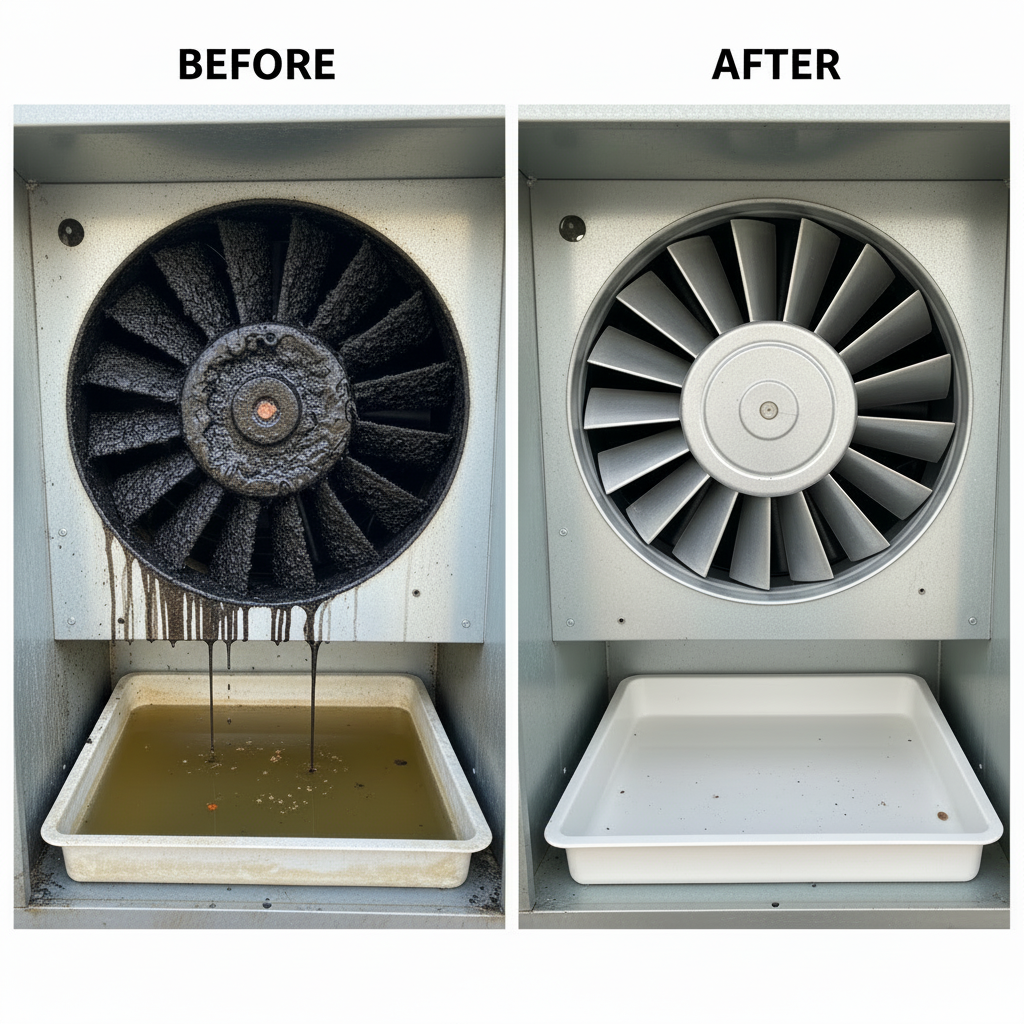
Our certified team recently tackled a challenging residential project in a 2,800 square foot home. The family reported persistent respiratory issues and strong musty odors throughout their house.
Initial inspection revealed extensive fungal colonization in their Carrier central air system. Contamination had spread from a clogged drain pan to multiple supply ducts.
This comprehensive job required:
• Removing contaminated insulation
• Treating all ductwork with specialized antimicrobials
• Installing upgraded MERV 13 filtration
• Air quality testing for verification
• Two-year warranty on all work
Companies like Sears and Filterbuy handle similar projects. But we focus exclusively on HVAC hygiene with guaranteed results.
After our three-day treatment, independent air testing confirmed complete spore elimination. The family reported immediate symptom improvement within one week.
Cases like this show why DIY doesn't work for extensive contamination. You'd miss hidden growth and systemic issues that require professional equipment.
How Often Should You Clean Your AC?
Regular professional cleaning extends system life and maintains healthy indoor air quality, with most residential homes needing annual service from certified technicians.
Once yearly works for most residential systems with normal usage patterns.
**Annual Service Works For:**
• Standard residential use patterns
• Normal humidity levels (30-50%)
• Good filtration maintenance habits
• Healthy occupants without respiratory issues
• Properly functioning drainage systems
**You Need More Frequent Service If:**
• You live in humid climates (Florida, Gulf Coast)
• Someone has respiratory issues or allergies
• Your system runs constantly in summer
• You're near construction or dusty areas
• You've had previous mold problems
We recommend bi-annual cleaning for vulnerable occupants or heavy-use systems. Usage matters more than calendar dates.
Extended operating periods accelerate contamination buildup. Our certified technicians see this pattern repeatedly.
Preventing Future Mold Problems
Prevention beats costly remediation every time through simple maintenance steps that keep mold from taking hold in your AC system, saving thousands in professional cleanup costs.
Consistent maintenance is the best solution, not reactive cleanup after problems develop.
**Monthly Must-Dos:**
• Replace filters regularly (every 30-90 days)
• Check for standing water in drain pans
• Keep vents unblocked and clean
• Monitor humidity levels with a hygrometer
• Run system fan periodically
**Humidity Control** - Maintain 30-50% relative humidity year-round. Higher levels encourage rapid mold growth.
**Ventilation Cycling** - Run fan-only mode for 10-15 minutes after cooling cycles. This dries internal components thoroughly.
**Professional Inspections** - Schedule regular check-ups with certified technicians. We catch problems early before they spread.
Modern Rheem and Trane systems include automatic drying cycles. But manual operation gives better long-term protection.
**Drain Maintenance** - Keep condensate drains clear and properly sloped. Our pros clean them during every service visit.
Why does this matter so much? Because prevention costs way less than remediation - we're talking hundreds versus thousands.
Follow these steps consistently. Your system will stay clean and healthy for years with proper maintenance.
In-Depth Look
Detailed illustration of key concepts
Visual Guide
Infographic illustration for this topic
Side-by-Side Comparison
Visual comparison of options and alternatives
Sources & References
- How To Clean Mold From Your Air Conditioner - This Old House
- How to Clean Mold from an Air Conditioner: 2025 Guide
- How to Clean Mold from A.C. Ducts - Williams Carpet Care
- Guide to Cleaning Mold from HVAC Systems | Daytona Beach, FL
- How To Remove Mold From Your Air Ducts - Filterbuy HVAC Solutions
- Best HVAC System Brands To Look At In 2025 - Invoice Fly
- Top 23 Commercial HVAC Manufacturers - Metalphoto of Cincinnati
- Best Air Conditioner Brands in 2025
- 6 Best HVAC Companies | Money
- Key HVAC Regulations and Requirements for 2025 and Beyond
Need Professional Help?
Find top-rated hvac services experts in your area