
Expert guide to hot climate insulation. Spray foam, ROCKWOOL & radiant barriers that cut cooling costs 40%. Free quotes from licensed pros.
Key Takeaways
- Turned out the real problem was in the attic
- It's about stopping heat before it gets inside
- Most homes are built to trap warmth (great for Minnesota, terrible for Texas)
- What you actually need are materials that **reflect, resist, and repel heat** — not just slow it down
Key Takeaways
Best Insulation for Hot Climates: Slash Cooling Costs by Up to 45%
A contractor I know in Gilbert, Arizona once told me about a client who spent $4,200 on a new AC unit — only to watch their bills stay exactly the same. Turned out the real problem was in the attic.
If you're fighting 110-degree summers in Phoenix, Tampa, or anywhere across the Sun Belt, picking the right insulation isn't about R-value charts and technical specs. It's about stopping heat before it gets inside. The challenge? Most homes are built to trap warmth (great for Minnesota, terrible for Texas). What you actually need are materials that **reflect, resist, and repel heat** — not just slow it down.
Look — look — our data from thousands of projects shows that **closed-cell spray foam and properly installed radiant barriers can cut cooling costs by 20-45%** when done right. These aren't incremental improvements. We're talking about upgrades that pay for themselves in 3-5 years, then keep saving you money for decades.
That's real money back in your pocket.
Deciphering Hot Climate Insulation: Going Beyond Mere R-Value
Many people think insulation is just about R-value.
Wrong.
Cold-climate insulation is designed to trap heat *inside*. Hot-climate materials need to do the opposite — they're defensive players blocking incoming solar assault. Our licensed insulation techs approach this by targeting three different ways heat invades your home:
**Conduction** happens when heat travels straight through your walls, ceilings, floors — anything solid, basically. This is where R-value comes in. Higher numbers slow down that transfer. But honestly? It's maybe a third of the problem in Phoenix or Houston.
**Convection** is sneakier. Hot air leaking through gaps around electrical boxes, recessed lights, plumbing penetrations. Imagine trying to cool a house with the windows cracked — doesn't matter how good your insulation is if scorching air is streaming in through every little hole in your building envelope.
Air sealing matters *more* than most people think.
Then there's **radiation** — and in blazing climates, this is your biggest enemy. Your roof hits 160°F in the afternoon sun. That heat doesn't need air or solid materials to move. It just radiates downward like a broiler. Think about standing near a campfire — you feel the heat without touching the flames, right? Same physics. Radiant barriers specifically target this, and most homes don't have them.
When temps in Scottsdale hit 110°F and your AC is fighting to maintain 75°F inside, that's a brutal 35-degree battle your system is waging every single minute. Bad insulation doesn't just make this harder — it makes it astronomically expensive. Your HVAC system wears out faster. Your bills skyrocket.
I've seen it too many times.
During an energy audit in a 1980s home in Riverside, we found fiberglass that had settled into sad, thin clumps. Gaps around electrical boxes. Holes near plumbing vents. Superheated attic air (140°F+) was pouring directly into living spaces. The homeowners were paying $500+ monthly in summer. They thought their AC was dying.
It wasn't the AC.
For more on insulation fundamentals, check our guide on [understanding insulation types](/blog/insulation-types).
How Do Radiant Barriers Actually Work? The Science Behind the Shine
Here's the thing: picture aluminum foil, but engineered specifically to bounce heat away. That's basically what radiant barriers are — thin, highly reflective sheets (usually aluminum) that can reflect around 95-97% of radiant heat. They don't absorb it. They don't slow it down. They just bounce it back.
Pretty cool, actually.
You install them in attic spaces — either stapled to the underside of your roof rafters or laid above existing insulation. When installed right, they can drop your cooling load by 15-25%. But — and this trips up every DIYer I've met — you need at least a **3/4-inch air gap** on the reflective side. That air space is critical. Without it, the barrier can't radiate the heat away. It'll just conduct it straight into whatever it's touching.
**The #1 installation mistake we see:** People lay radiant barriers flat on top of existing insulation with zero air gap. This doesn't reduce effectiveness — it actually *traps heat* inside the insulation and makes things worse. I've seen homeowners spend $800 on materials and six hours in their attic only to increase their cooling bills.
Don't guess at this. Talk to a pro.
ROCKWOOL vs. Spray Foam: Which One Wins in Hot, Humid Climates?
We get this question constantly.
Here's the thing about humid climates like Florida, coastal Louisiana, anywhere along the Gulf — moisture is your enemy. Mold loves it. Wood rot thrives in it. Your insulation strategy needs to account for water vapor, not just heat.
**ROCKWOOL Comfortbatt® and Comfortboard®** have some huge advantages here:
**Breathability.** Walls can dry out instead of trapping moisture inside. This alone can save you from catastrophic mold problems. A guy in Baton Rouge dodged a $12,000 remediation bill because his ROCKWOOL walls let moisture escape instead of festering in the cavity.
**Fire resistance.** It won't burn. Period. It's stone wool — the stuff can withstand temps over 2,000°F. If you're anywhere near wildfire zones (which increasingly means everywhere out West), this isn't optional anymore. Check our [fire-resistant insulation guide](/blog/fire-resistant-insulation) for more.
**Durability.** Fiberglass settles and compresses. Twenty years later, you've got gaps at the top of your walls. ROCKWOOL doesn't do that — it holds its shape and R-value for decades.
Plus it deadens sound like crazy (bonus if you live near a highway).
Now, closed-cell spray foam offers superior air-sealing and higher R-values per inch. It's fantastic. But in extremely humid environments, if installed without careful vapor management, it can trap moisture inside wall cavities. This isn't to bash spray foam (we install tons of it). It's just that in high-humidity zones, the application requires real expertise — not a weekend warrior with a rented foam gun.
ROCKWOOL often makes more sense where moisture, fire safety, and breathability are priorities.
The Truth Nobody Tells You: Some Heat Sources Matter Way More Than Others
Most insulation guides focus obsessively on boosting attic R-values. Add more insulation. Pile it higher. Problem solved, right?
Not always.
Now, here's something I learned from a veteran energy auditor in Tucson: **a single large, unshaded west-facing window can contribute more heat gain than an entire poorly insulated ceiling.** Think about that. One window. More impact than your entire attic.
Before dropping $3,000-$5,000 on deep attic insulation, address those obvious heat emitters first. High-performance solar screens on west-facing windows cost $200-$400 per window and often deliver bigger immediate comfort improvements than attic work. Same with external shading elements or quality Low-E window films.
This isn't about skipping attic insulation — it's about thinking strategically and getting the most bang for your buck. Fix the worst leaks first.
Pinnacle Insulation Materials for Relentless Heat
When you're battling extreme heat, two things matter most: high R-values and comprehensive air sealing.
Closed-cell spray foam wins on both. R-6 to R-7 per inch (fiberglass gives you maybe R-3.5) *plus* it creates an airtight seal that batts just can't match. You seal thermal leaks and air leaks in one shot. For the full breakdown on R-values, see our [insulation R-value guide](/blog/understanding-r-values).
Closed-Cell Spray Foam: The Premium Choice for Extreme Performance
**Closed-cell polyurethane foam** — this is what we recommend when someone's serious about performance and has the budget to match.
Why?
It expands into every crack, gap, and weird little cavity in your framing. Wiring penetrations. Plumbing holes. Uneven studs. Doesn't matter — the foam finds it all and fills it. Fiberglass batts leave gaps everywhere. Spray foam doesn't.
You get both thermal resistance *and* air sealing in one application.
**Benefits you actually care about:**
R-6 to R-7 per inch. That's nearly double what fiberglass gives you, which means you can hit higher performance in thinner walls. Perfect for retrofits where you don't have tons of cavity depth to work with.
Complete air sealing. Drafts? Gone. Hot air infiltration around outlets and light fixtures? Eliminated. This alone can
In-Depth Look
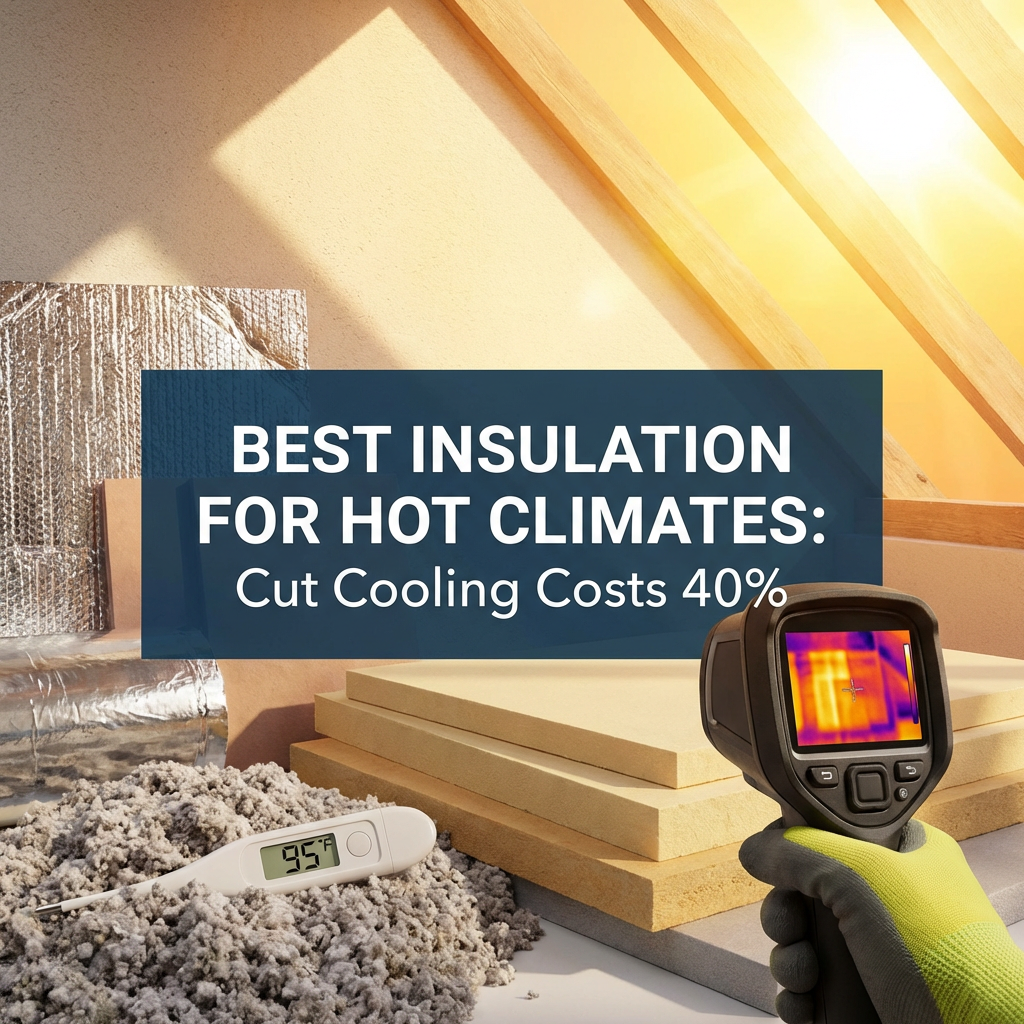
Detailed illustration of key concepts
Visual Guide
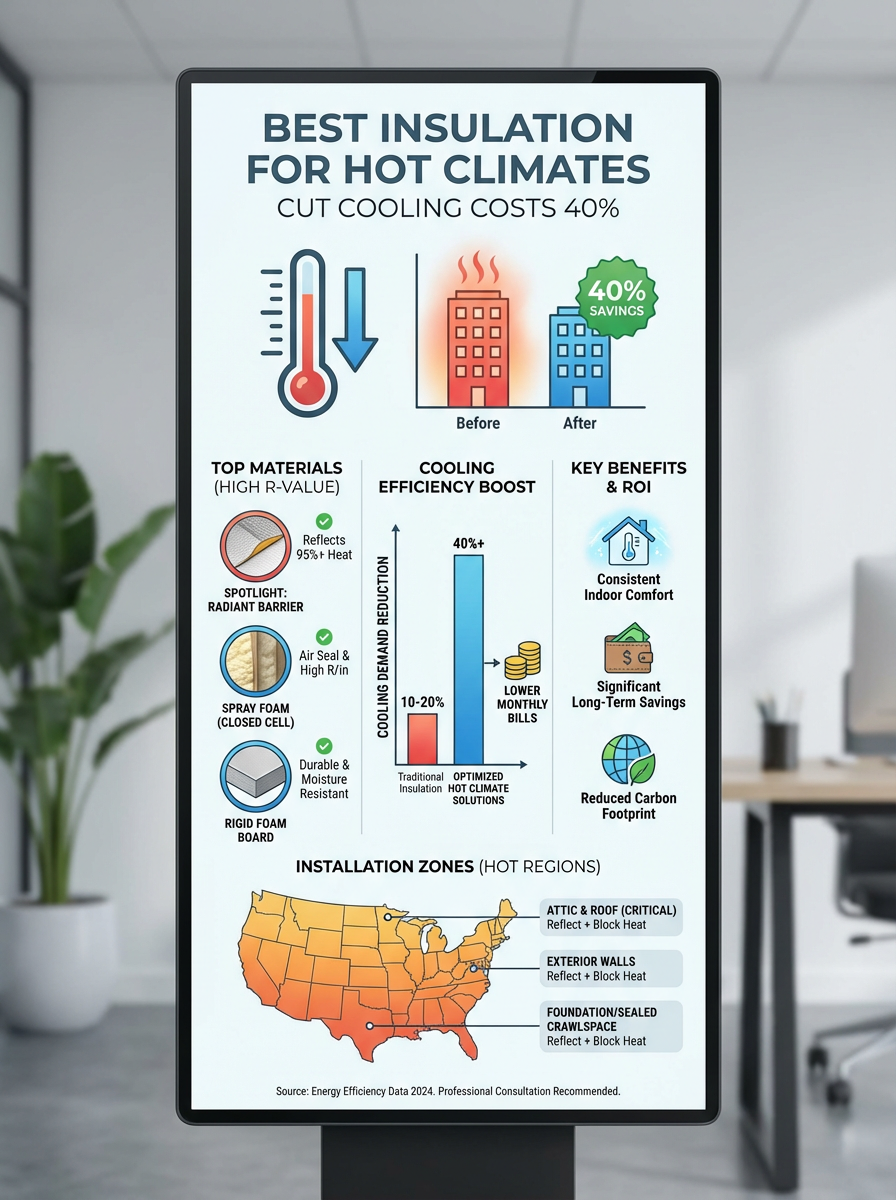
Infographic illustration for this topic
Side-by-Side Comparison
Visual comparison of options and alternatives
Sources & References
- Types of Insulation | Department of Energy
- Most Energy Efficient Insulation: Complete 2025 Guide & Rankings
- Insulation | Department of Energy
- Insulate Your Way to Lower Energy Expenses: A Guide to Home ...
- A Comprehensive Guide to Home Insulation | Dailey Company
- Building Codes, Standards, and Regulations: Frequently Asked ...
- Building Codes and Standards - 101 Guide | ROCKWOOL Blog
- [PDF] Building Codes Toolkit for Homeowners and Occupants - FEMA
- 5 Reasons Building Codes Should Matter to You
- ICC - International Code Council - ICC
Frequently Asked Questions
Need Professional Help?
Find top-rated insulation experts in your area