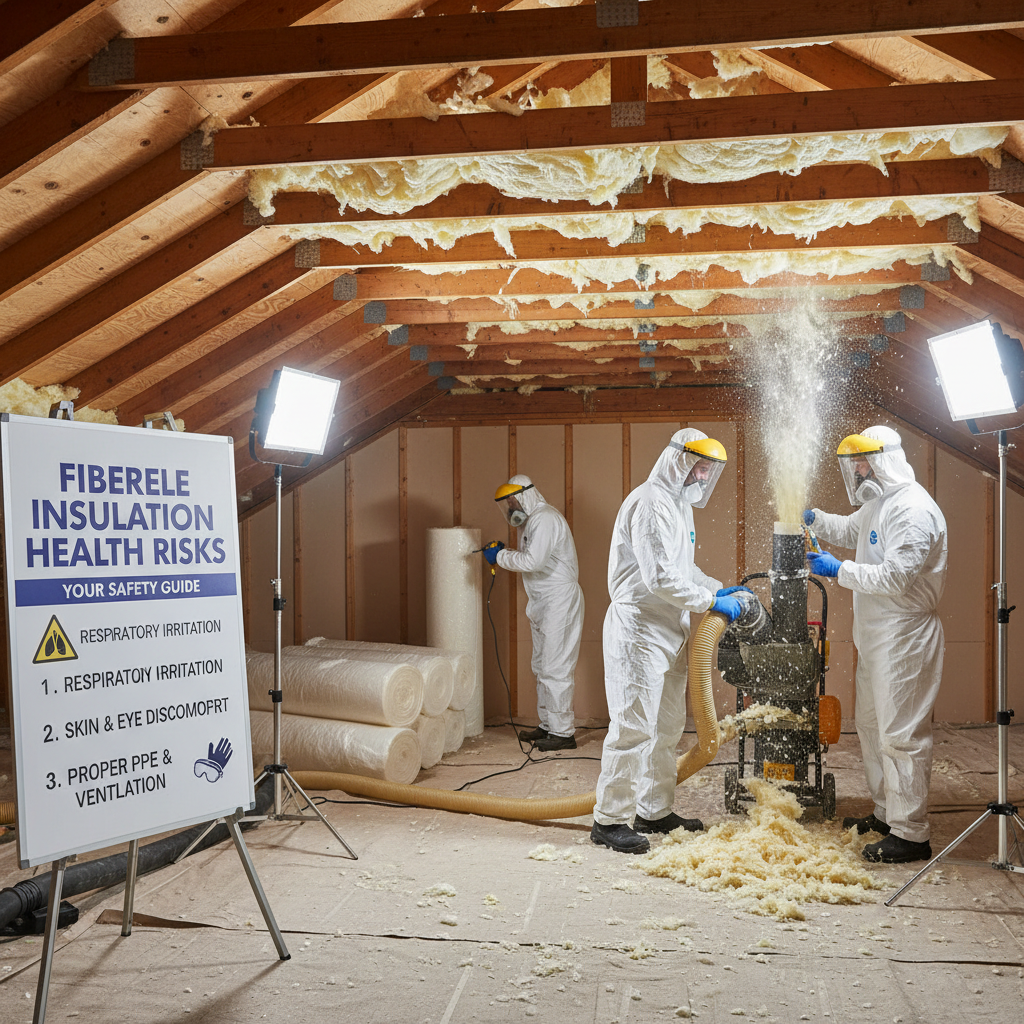
Expert guide to fiberglass insulation health risks. Learn safe removal, better alternatives, and when to hire certified pros for your family's safety.
Key Takeaways
- Started with a Saturday morning attic project
- Ended with urgent care bills pushing $1,400
- Those tiny glass fibers nobody warned him about
- Walk into any Northern California home built before 2010, and there's probably fiberglass insulation overhead
Key Takeaways
Fiberglass Insulation Health Risks: Your Critical Safety Guide and Prevention Strategy for Northern California Homes
A guy in Buckhead spent three weeks coughing up stuff he couldn't identify. Started with a Saturday morning attic project. Ended with urgent care bills pushing $1,400. The culprit? Those tiny glass fibers nobody warned him about.
Walk into any Northern California home built before 2010, and there's probably fiberglass insulation overhead. It's in maybe 80% of attics around here — Sacramento, Bay Area, Central Valley, all of it. But here's what nobody mentions when they're selling this stuff: those pink batts break down into microscopic glass shards when you touch them. You breathe them in. They lodge in lung tissue, cut into skin, scratch corneas. At BizzFactor, we've seen this play out hundreds of times. It's not rare. It's physics meeting biology, and biology usually loses.
This isn't fear-mongering. It's pattern recognition from two decades of cleanup calls.
Unpacking the Primary Health Risks of Fiberglass Insulation: Beyond Surface Irritation
Look, fiberglass insulation keeps heat where you want it. I've seen it work in thousands of homes. That's not the question.
But let's talk about what you're actually handling: spun glass. Microscopic strands (think spider silk thickness) with edges like broken beer bottles. Every fiber has sharp points you can't see with your naked eye.
Move it around during renovation? You've just released millions of particles into the air. These fibers are tiny — 3 to 20 micrometers across, shaped like skinny little needles with a 3:1 length ratio. They cruise right past all your body's natural defenses. Nose hairs do nothing. Mucous membranes might as well not exist. They go deep.
That's what separates this from regular dust. Your lungs know how to handle normal dirt (cough it up, trap it in mucus, done). These glass fragments? Different story. They stick. They embed. They'll irritate tissue for weeks after one bad afternoon in the attic.
Our certified guys see it constantly. Last month — nice family in Oakland trying to save maybe $600 by doing their own attic work. Sunday afternoon project. Thursday they're hacking up stuff, exhausted, struggling to breathe right. Three weeks later? Still dealing with symptoms. The "savings" disappeared the second they walked through the urgent care doors.
Medical bills plus our professional remediation ran them about $3,200. You tell me if that sounds like money well spent.
Look — so yeah — EPA research shows indoor air pollution already runs 2 to 5 times higher than outdoor levels in most homes. Now add millions of jagged glass fragments to that mix. And it doesn't stay contained — your central HVAC system cheerfully distributes contamination everywhere. Bedrooms. Kitchen. Wherever air moves. That multiplier effect? YouTube tutorials don't mention it.
For actual solutions to air quality problems, check our guide on [Maintaining Healthy Indoor Air Quality](/blog/maintaining-healthy-indoor-air-quality). You'll need it if you ignore the warnings here.
Those glass particles? They work their way deep into lung tissue. NIOSH documented this years ago — it's not some internet theory. Unlike alternatives like [ROCKWOOL stone wool insulation](/products/rockwool-insulation-benefits) (fibers too large to reach deep lung tissue), traditional fiberglass demands serious protective protocols. The technical term is *bio-persistence* — these fibers don't dissolve, don't get cleared by your body's natural processes. That's the real issue. Fiberglass fibers are both "respirable" (small enough to enter the deep lung) and "bio-persistent" (your body can't break them down or flush them out). ASTM Standard E2181 measures how fast man-made fibers dissolve in the body — fiberglass does it slowly. Real slowly. Fibers under 3 µm in diameter and longer than 5 µm? Those are the troublemakers. Your body struggles to clear them, which triggers chronic inflammation.
Don't skip these steps. Your alveoli can't cough out what they can't reach.
Here's what nobody tells you: insulation degrades. Temperature swings (and California sees plenty), mechanical stress, simple aging — all make fibers brittle. That 15-year-old attic insulation? It's probably shedding particles just from seasonal expansion and contraction. Touch it wrong during an inspection or storage project, and you've released a cloud that affects every occupant. The degradation can be accelerated by moisture intrusion as well, causing the binders to break down faster. Seriously. This is particularly relevant in older homes where roof leaks or inadequate attic ventilation (addressed by standards like ASHRAE 62.2 for residential ventilation) can introduce moisture.
Yes, even pets.
⚠️ Critical Mistake Most Homeowners Make: The Deceptively Dangerous Regular Vacuum
Don't touch fiberglass debris with your regular shop vac or household vacuum. Just don't.
Here's the thing: standard vacuums blow exhaust air. That's the problem. The air carries the smallest, most dangerous particles (the ones that reach deep lung tissue) right back into your house. We've responded to calls in San Jose, Fresno, and Sacramento where someone tried to "clean up properly" and instead contaminated their entire home. They literally weaponized their vacuum, turning it into an aerosolizer for glass shards.
The subsequent professional cleanup? Usually $2,500–$4,500. Way more than hiring us from the start.
**HEPA-certified vacuums only** — the kind that capture 99.97% of particles down to 0.3 microns without recirculation, adhering to standards like IEST-RP-CC001 for HEPA filter performance. Look for vacuums specifically rated for hazardous materials or for use in cleanrooms. Better yet, damp-wipe surfaces with disposable cloths, bag everything in heavy-duty puncture-resistant bags (at least 6-mil thick), and work in a sealed, contained area. When sealing off the area, use 4-mil or 6-mil polyethylene sheeting, taped securely with professional-grade duct tape (e.g., Nashua 398) to create an airtight seal at doorways and vents.
Anything else just moves the problem around (while making it worse).
For proper cleanup protocols, see our article on [Post-Renovation Cleanup Essentials](/blog/post-renovation-cleanup-essentials). This isn't optional reading if you're already exposed.
Our Pro Team's Preferred Solution: ROCKWOOL Stone Wool Insulation
Look — bizzFactor recommends ROCKWOOL stone wool over fiberglass in probably 85% of residential projects. It's naturally water-resistant (mold inhibition built in). Fire-resistant to an impressive degree — this stuff won't burn. And crucially: the fiber structure doesn't create respirable particles like glass fiber does. The fibers of stone wool are generally thicker and less biologically persistent than fiberglass fibers, making them less likely to reach the deep lung and, if they do, they dissolve more readily. This is often documented by certifications from organizations like the North American Insulation Manufacturers Association (NAIMA) or independent labs using ISO 9917-1 for bio-solubility testing.
We've installed ROCKWOOL in homes from Redding to Bakersfield over the past twenty years. Pattern's pretty clear: homeowners who go with stone wool don't call us back complaining about breathing problems or irritated skin. The ones who went cheap with fiberglass? Different story. I've got callback logs that prove it.
It costs maybe 15–20% more upfront. Pays for itself in reduced health incidents and longer lifespan. Simple math.
Explore specifics in our [ROCKWOOL Insulation Benefits Guide](/products/rockwool-insulation-benefits). We're not affiliated — just experienced.
The Expert Tip Most Guides Overlook: The Power of Negative Air Pressure
Create negative air pressure when working with any fibrous insulation.
Place a box fan in an open window (seal around it with plastic sheeting and duct tape). Orient the fan to blow *out* of the room. This draws airborne particles away from living spaces instead of letting them migrate through your house. Air moves from high pressure to low pressure — that's just physics. By constantly exhausting air, you ensure any leaks (around taped seams, door gaps, whatever) result in air flowing *into* the contained area, not out. For more professional setups, contractors use dedicated negative air machines (air scrubbers) equipped with HEPA filters that draw air from the work zone and exhaust it outside, creating a continuous negative pressure environment relative to adjacent areas. This is usually specified in containment protocols for hazardous material removal.
Game-changer for containment. Costs maybe $35 in materials.
Homeowners skip this constantly. Then they wonder why family members in different rooms start showing symptoms. The answer? Particles followed air currents through the HVAC system or hallway drafts.
For more advanced approaches, see our article on [Advanced Home Ventilation Strategies](/blog/advanced-hvac-ventilation-strategies). Worth reading before you start any insulation work.
How Does Fiberglass Affect Your Respiratory System? A Deeper Dive Into Inhalation Risks
Breathe in glass fibers and your throat gets irritated. You cough. You sneeze. Nose runs like a faucet. Uncomfortable for everyone — downright dangerous if you've already got asthma, COPD, or serious allergies working against you.
We've seen Sacramento homeowners with managed asthma — the kind that's been stable for years — end up in legitimate respiratory distress after what they thought was routine attic work. It goes sideways fast when your airways are already compromised.
The size of these fibers matters more than you'd think. Fibers under 5–7 micrometers across? They reach your lower respiratory tract — we're talking about the alveoli deep in your lungs, the little sacs where oxygen actually enters your bloodstream. Your body's defenses never even saw them coming. Bigger, chunkier fibers get stuck in your throat and nose (still annoying, sure, but your body can usually cough them back out). It's all about where they land. The term "respirable fraction" is used by industrial hygienists to describe these smaller, more dangerous particles. Fibers typically need to have a diameter less than 3.5 µm and a length greater than 5 µm to be considered truly respirable and capable of reaching the alveolar region.
Mayo Clinic research backs this up — prolonged exposure to irritants like fiberglass can trigger acute asthma attacks and make chronic conditions way worse. Our licensed professionals wear NIOSH-approved N95 respirators minimum (P100 or PAPR systems when exposure looks heavy) during every single insulation project. An N95 respirator filters at least 95% of airborne particles, while a P100 filters 99.97% and is oil-resistant, crucial for many construction environments. A Powered Air-Purifying Respirator (PAPR) adds another layer of protection by actively supplying purified air. No exceptions. Ever.
A contractor I know in San Francisco told me about a homeowner in the Richmond District who insisted on helping with cleanup. Skipped respiratory protection because they "felt fine." Three days later? Urgent care visit, acute bronchitis diagnosis, struggling to get a full breath. He ended up paying $1,800 for the doctor and medications, plus another $950 for his portion of the remediation that he thought he was saving money on.
The particles floating around don't send you a warning text. Your family could be breathing this stuff right now without feeling anything immediately. Long-term damage stacks up silently.
Understanding proper PPE is non-negotiable — see our guide on [Essential Safety Gear for Home Projects](/blog/essential-safety-gear-for-home-projects). Could save you significant medical bills.
Real talk — professional insulation workers face serious risks even with training. Chronic exposure c
In-Depth Look
Detailed illustration of key concepts
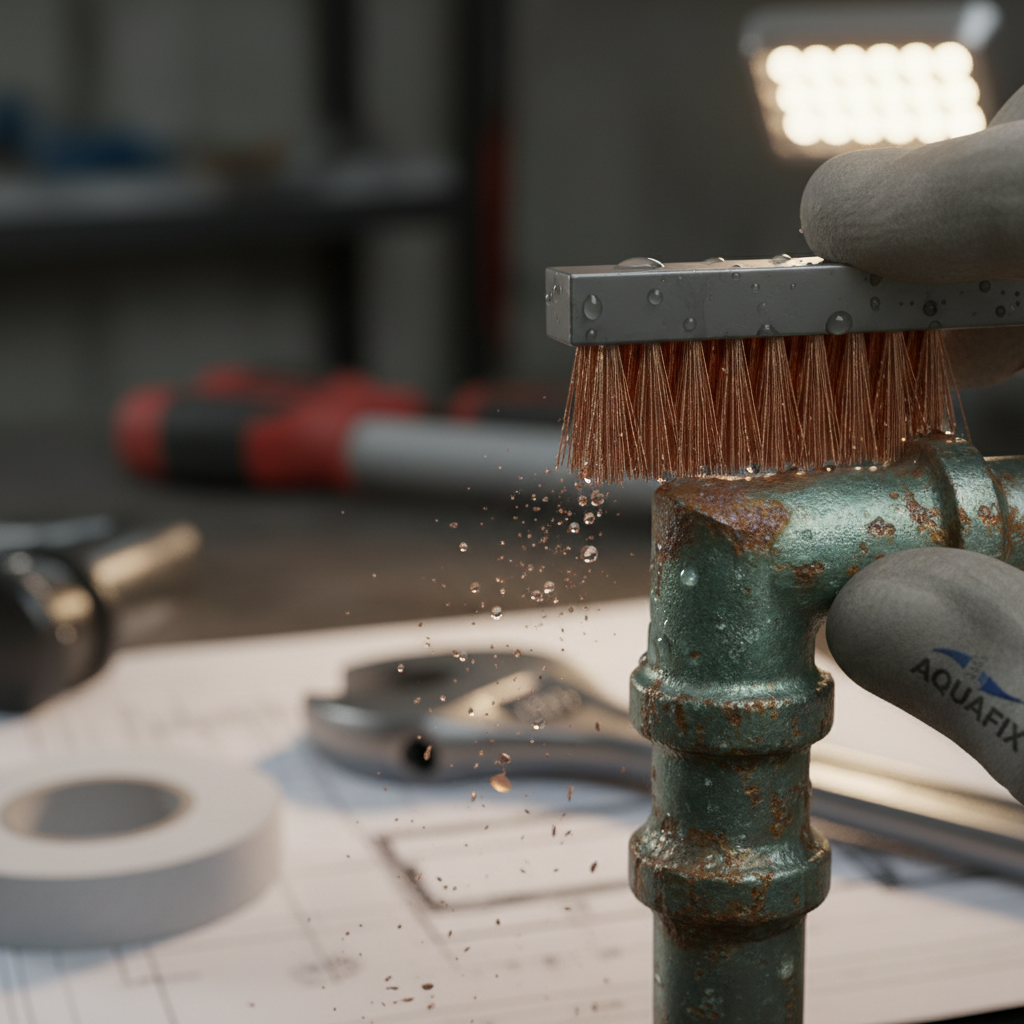
Visual Guide
Infographic illustration for this topic
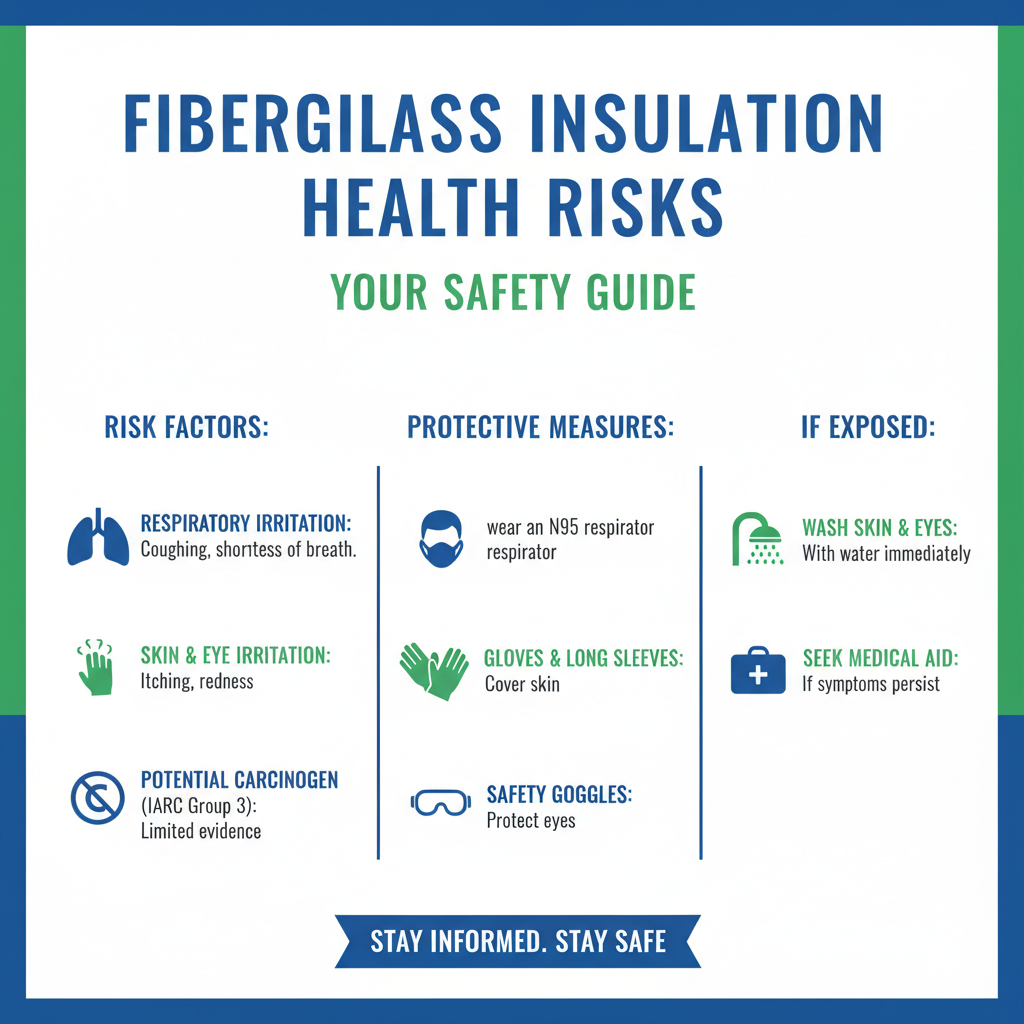
Side-by-Side Comparison
Visual comparison of options and alternatives
Sources & References
- [PDF] Fiberglass Insulation
- How to Safely Handle Fiberglass Insulation in Petaluma, CA
- The Safety Risks of Uncovered or Exposed Insulation
- Fiberglass | Washington State Department of Health
- Anyone heard of how harmful fiberglass insulation is to our lungs?
- Building Codes, Standards, and Regulations: Frequently Asked ...
- Building Codes and Standards - 101 Guide | ROCKWOOL Blog
- [PDF] Building Codes Toolkit for Homeowners and Occupants - FEMA
- What Are the Current Building Codes and Regulations for Home ...
- ICC - International Code Council - ICC
Frequently Asked Questions
Need Professional Help?
Find top-rated insulation experts in your area