Garage insulation costs $800-$3,000 but cuts energy bills 10-20% for attached garages. Learn when the investment pays off and what pros actually recommend.
Key Takeaways
Garage Insulation ROI: When It Actually Pays Off (Expert Guide)
Investing in garage insulation is a home improvement project widely recognized for its potential to enhance comfort, reduce noise, and create a more functional workspace. However, a common question among homeowners is, "Does garage insulation truly provide a substantial return on investment (ROI) through measurable energy savings?" The answer is multifaceted, heavily reliant on specific factors often overlooked.
Understanding Energy Savings: Attached vs. Detached Garages
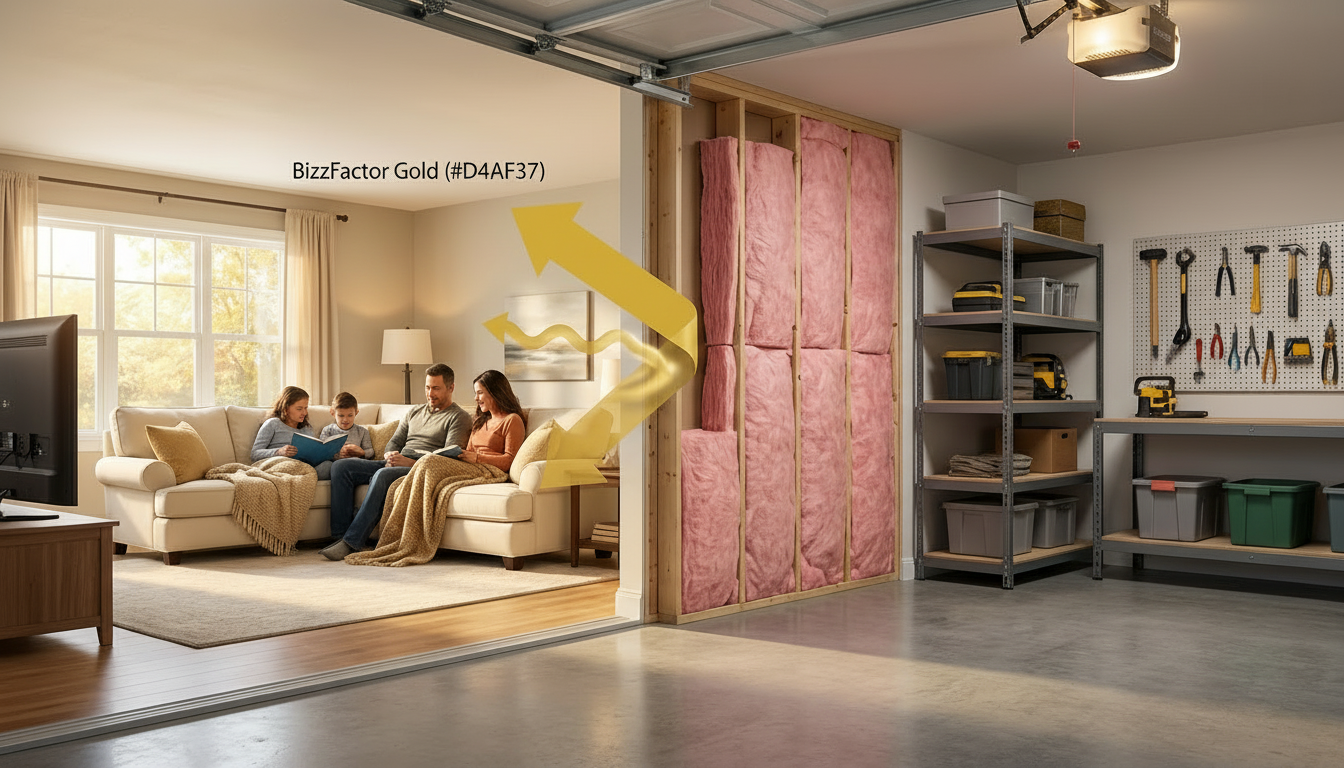
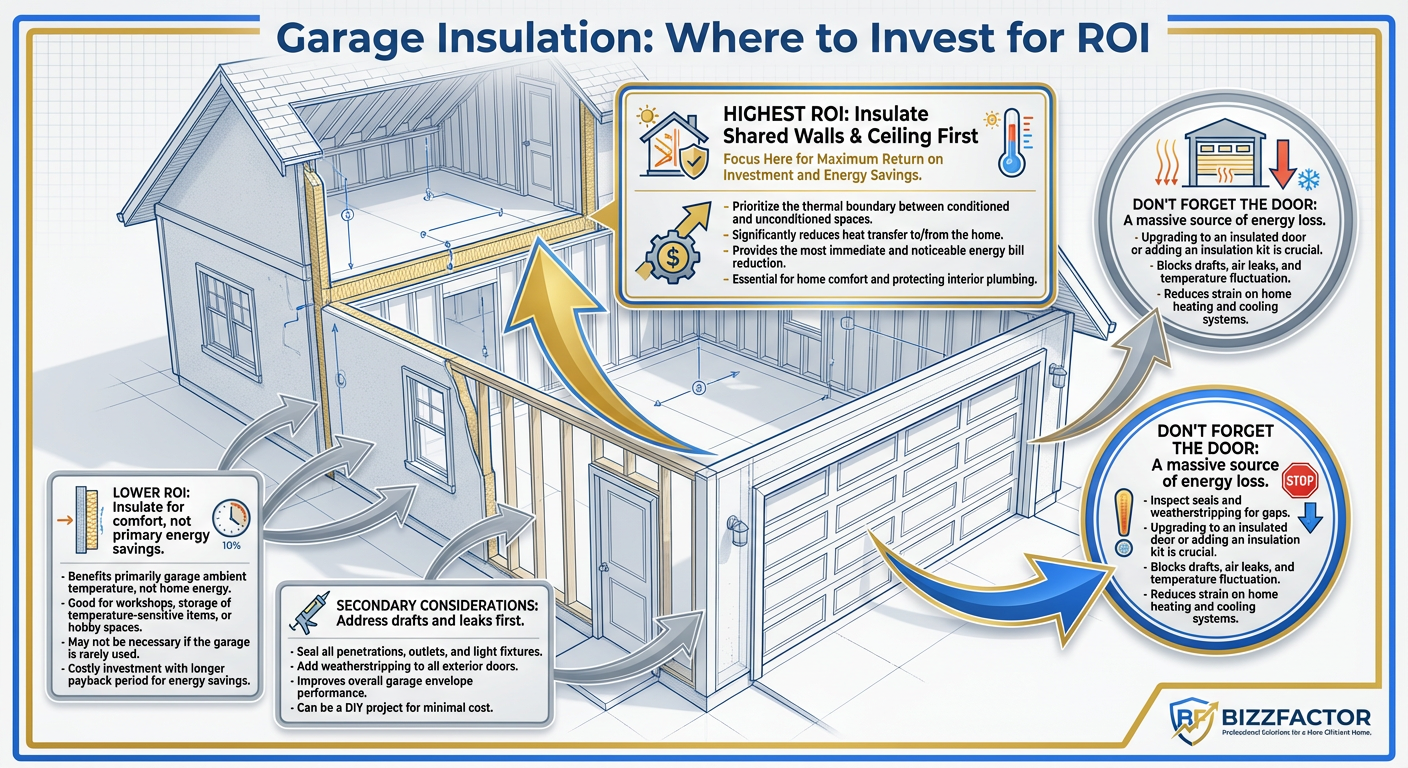
For **attached garages**, which share one or more walls with your primary living areas, strategic insulation can yield significant and measurable energy savings for your entire home. By insulating these shared walls and, crucially, the ceiling if there's an occupied room directly above, you establish a more effective thermal barrier. This significantly reduces unwanted heat transfer between the unconditioned garage and your conditioned living space, preventing your HVAC system from overworking. The direct result is often lower energy bills and notably improved thermal comfort throughout your house.
An additional, frequently observed benefit is enhanced sound dampening, which substantially reduces noise transmission from garage activities into your primary residence, improving indoor living quality.
Conversely, for **detached garages**, the energy-saving equation differs considerably. Lacking shared walls or direct thermal connections to your primary home, insulating a detached garage primarily benefits its internal environment. While it will make the garage itself significantly more comfortable and better protect stored items from temperature extremes, it will *not* directly impact your home's energy consumption. This distinction is crucial for managing expectations regarding ROI.
The Critical Oversight: Your Garage Door's Thermal Breach
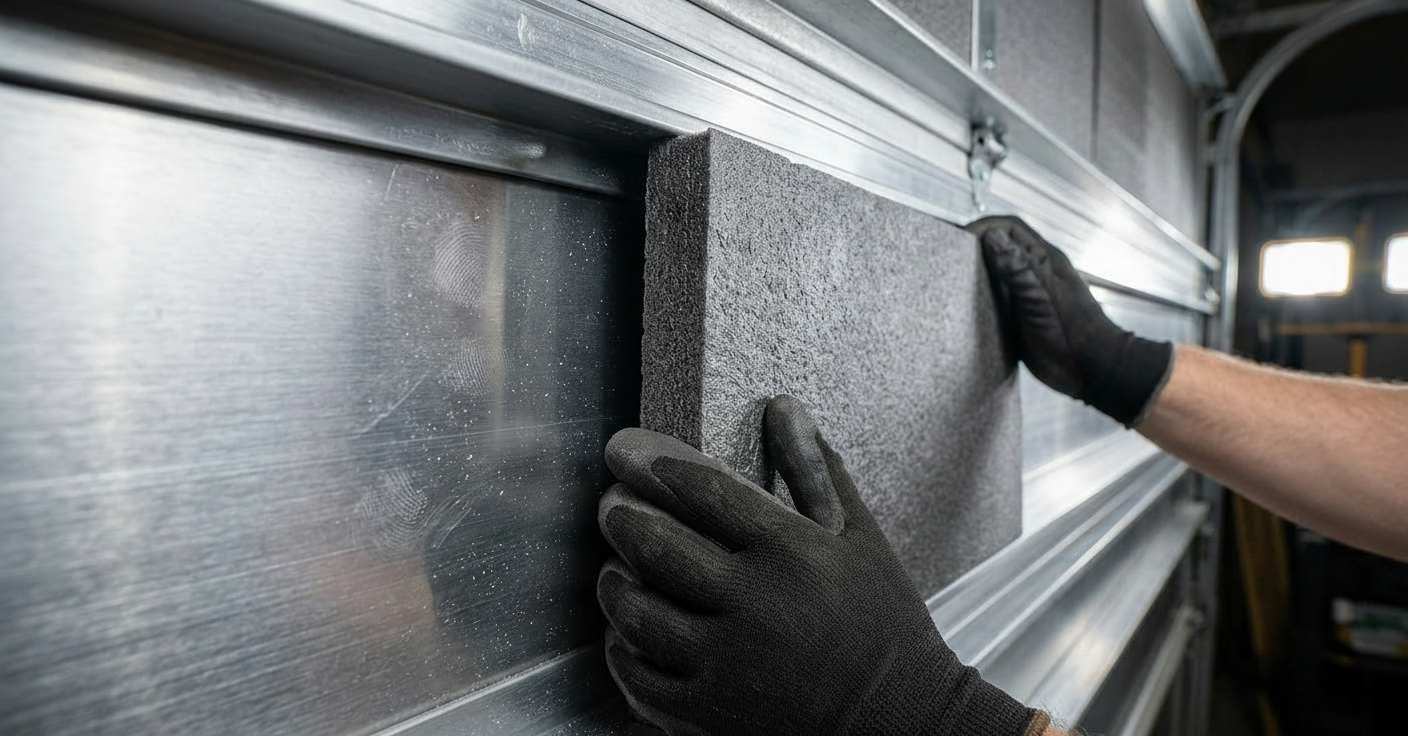
Homeowners frequently overlook the largest uninsulated surface in their garage: the garage door. Often spanning 150 square feet or more, a typical garage door acts as a monumental thermal weak point. Even with meticulously insulated walls and expertly air-sealed perimeters, an uninsulated garage door can severely compromise the entire thermal envelope. This leads to substantial heat loss in winter and significant heat gain in summer, rendering other insulation efforts considerably less effective. It's akin to leaving a large window open in extreme weather conditions.
Integrating high-quality garage door insulation into your project budget from the outset is paramount for maximizing overall energy efficiency and achieving true ROI. Prioritizing this element can prevent costly revisions and ongoing discomfort. This is often the most impactful single insulation upgrade for a garage, especially if it's attached.
Selecting the Right Insulation for Garage Environments
Garages are uniquely demanding environments. They are exposed to extreme temperature fluctuations, potential moisture intrusion from wet vehicles or humidity, and physical impacts from daily activities, tools, or stored items. Therefore, simply using standard residential insulation might not suffice or adequately perform over time.
Selecting insulation materials specifically engineered to withstand these harsh conditions is critical. Materials not suited for garage environments can degrade prematurely, losing effectiveness and requiring early replacement, thus negating your initial investment. Durability, high R-value, and moisture resistance are key considerations to ensure long-term performance and a sustainable ROI. Consult our comprehensive guide on [types of home insulation](/guides/insulation/types-of-home-insulation) for suitable, garage-specific options.
Maximizing ROI: Strategic Insulation Efforts
For **attached garages**, the most cost-effective approach to achieve significant energy savings for your *home* is to aggressively insulate the **shared walls** and, most importantly, any **ceiling area** that serves as the floor for an occupied room above. This strategy directly targets the interfaces where thermal exchange with your conditioned living space occurs, leading to the most substantial energy bill reductions and improved comfort in adjacent living areas.
While insulating the entire garage will significantly enhance its internal comfort and better protect stored items, the direct impact on your home's energy bills is primarily driven by insulating these critical shared boundaries. For deeper insights into home energy efficiency, consider an [understanding home energy audits](/guides/home-improvement/understanding-home-energy-audits) to identify your home's specific energy weaknesses and prioritize improvements effectively.
The Unsung Hero: Quality of Installation
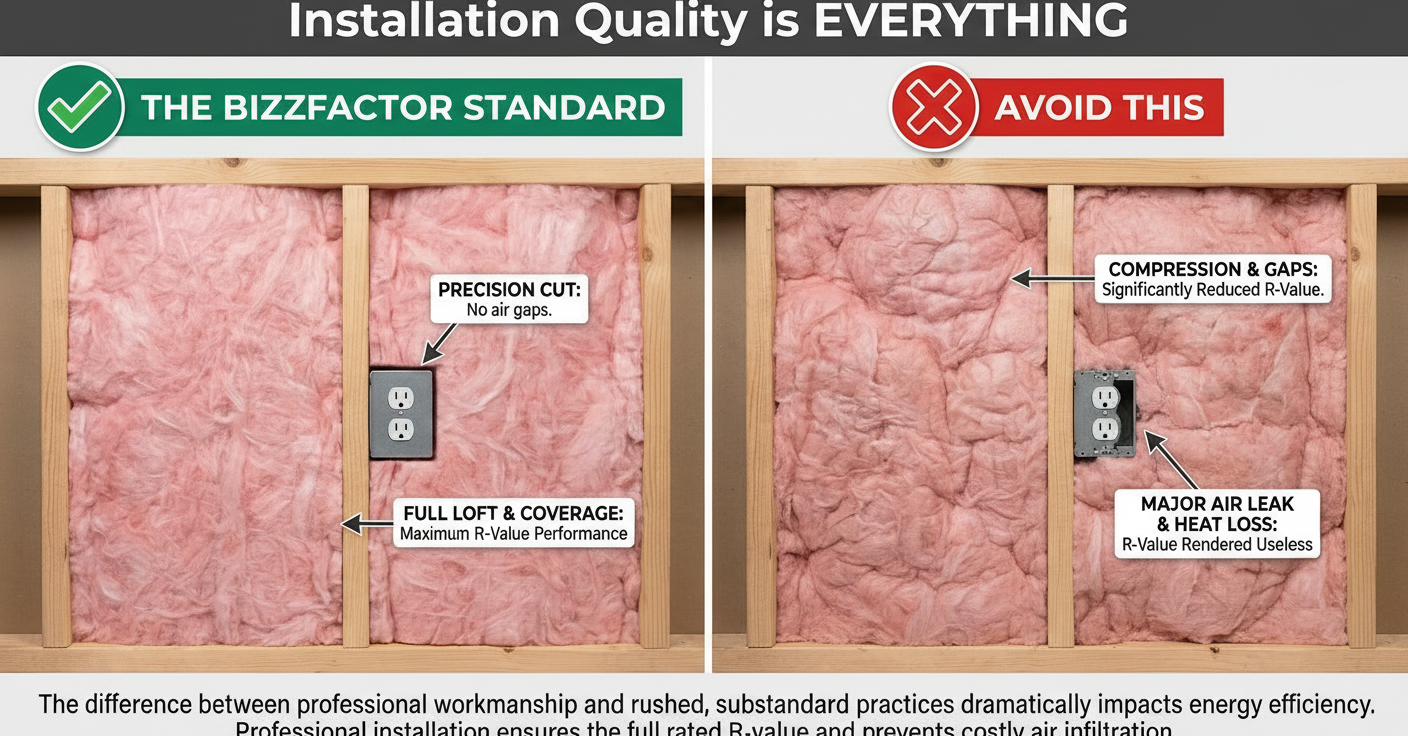
Many homeowners overemphasize R-values while critically underestimating the profound impact of professional and meticulous installation. An R-value quantifies a material's thermal resistance, but its real-world performance is profoundly contingent on the quality of its installation. Poor installation—manifesting as gaps, compressed insulation batts, or inadequate air sealing—can drastically reduce the effective R-value, causing even premium materials to perform suboptimally. This leads to wasted investment and continued energy loss.
Therefore, **installation quality** frequently outweighs the specific R-value rating alone. Insulation functions correctly only when installed precisely according to manufacturer specifications and all relevant building codes. Ensuring meticulous air sealing around electrical outlets, wiring penetrations, and other potential leakage points is equally vital for preventing air leakage and achieving maximum thermal performance and overall ROI.
Beyond Walls: Prioritizing the Garage Ceiling Under Living Space
While insulating shared walls is undeniably vital for energy savings, a common and critical oversight occurs when a bedroom, bonus room, or any other conditioned living space is situated directly above the garage. In these scenarios, the **garage ceiling** becomes the paramount insulation priority. This surface acts as the floor for the rooms above, and any inadequate insulation here can lead to significant, uncomfortable heat transfer, directly impacting the comfort, usable square footage, and energy efficiency of those living areas.
Prioritizing robust, high-performance insulation in the garage ceiling directly beneath living spaces can yield dramatic improvements in upstairs comfort and deliver substantial energy savings compared to solely focusing on the perimeter walls. Understanding the primary pathways of heat transfer—often through the largest, least insulated surfaces—is key to devising more effective, targeted, and ROI-driven insulation strategies.
Why Garage-Specific Materials Are Essential for Longevity
Garages are not climate-controlled living rooms; their unique challenges demand specialized insulation. Extreme temperature swings, higher potential for moisture accumulation, and physical stressors mean that standard residential insulation might quickly degrade under such conditions, losing its efficacy and necessitating premature replacement. This directly impacts your long-term ROI and overall project cost.
Selecting materials specifically designed for garage environments ensures they can withstand the rigors of daily use and maintain their thermal performance over many years. Consulting with certified insulation professionals is crucial to choose the most appropriate, durable, and cost-effective options for your specific garage needs, ensuring your investment pays off. For a broader perspective on ensuring your home's energy systems are efficient, consider exploring insights on [duct cleaning benefits](/guides/home-services/new-home-duct-cleaning-guide).
Internal Linking Suggestions
- **Improve Home Energy Efficiency:** Discover comprehensive strategies beyond insulation by reading our expert guide on [understanding home energy audits](/guides/home-improvement/understanding-home-energy-audits).
- **Upgrade for Energy Savings:** For other impactful energy-saving renovations that complement garage insulation, explore tips on [upgrading windows for energy efficiency](/guides/home-improvement/upgrading-windows-for-energy-efficiency).
- **HVAC System Optimization:** Considering a broader home energy project? Our article on [duct cleaning benefits](/guides/home-services/new-home-duct-cleaning-guide) might also be relevant for optimizing overall HVAC performance and indoor air quality.
- **Choosing the Right Materials:** Dive deeper into material selection for various home areas with our detailed guide on [types of home insulation](/guides/insulation/types-of-home-insulation).
- **Exterior Enhancements:** Learn how exterior elements contribute to your home's complete thermal envelope in our comprehensive guide on [home siding options and their benefits](/guides/home-improvement/home-siding-options-benefits).
- **Professional Installation:** Understand why expert installation is crucial for maximizing your insulation's effectiveness and ROI in our article on [choosing a reliable insulation contractor](/guides/insulation/choosing-a-reliable-insulation-contractor).
- **Air Sealing Importance:** Learn more about the critical role of air sealing in conjunction with insulation to prevent drafts and maximize energy savings by exploring our guide on [effective home air sealing techniques](/guides/home-improvement/effective-home-air-sealing-techniques).
In-Depth Look
Detailed illustration of key concepts
Visual Guide
Infographic illustration for this topic
Side-by-Side Comparison
Visual comparison of options and alternatives
Sources & References
- 2026 Garage Insulation Guide to Costs, Benefits, and Types
- Pros and cons of insulating your garage: Should you do it? | Sealed
- Ultimate Garage Insulation Guide for Energy Efficiency
- [PDF] Volume 12. Energy Renovations-Insulation: A Guide for Contractors ...
- What is best strategy for insulating a garage - DoItYourself.com
- Building Codes and Standards - 101 Guide | ROCKWOOL Blog
- Building Codes, Standards, and Regulations: Frequently Asked ...
- [PDF] Building Codes Toolkit for Homeowners and Occupants - FEMA
- Building Standards and Codes - New York State Department of State
- ICC - International Code Council - ICC
Frequently Asked Questions
Need Professional Help?
Find top-rated insulation experts in your area