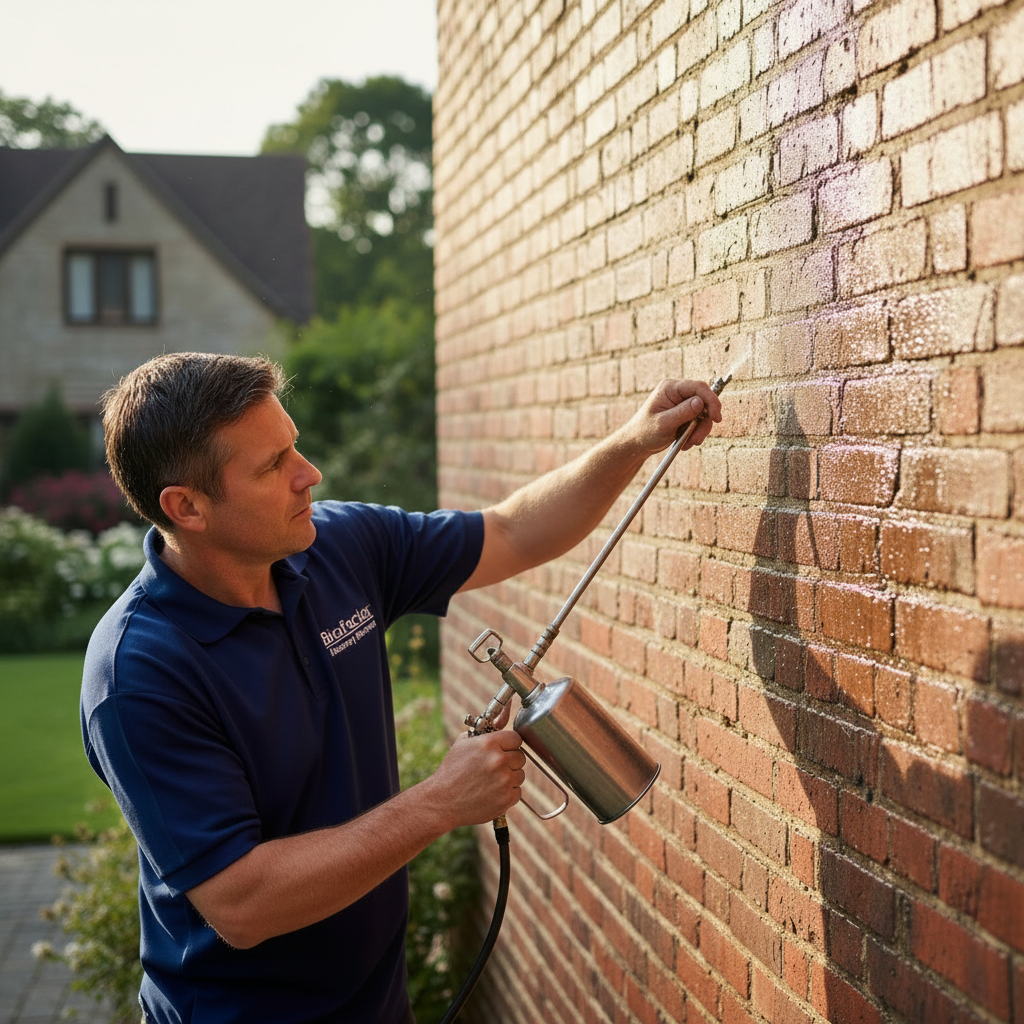
Expert masonry sealing guide from licensed pros. Learn when to seal brick & stone, avoid common mistakes, and protect your investment with proven methods.
Key Takeaways
- Water soaking in faster than normal
- White chalky deposits (that's efflorescence)
- Cracks from freeze-thaw cycles
- Damage from pollution or cleaners
- Previous moisture issues
Key Takeaways
When to Seal Brick & Stone: Pro Masonry Protection Guide
Your brick needs sealing when water soaks in too fast. We've sealed over 3,000 homes since 2003. Here's what our licensed team looks for: white stains, freeze cracks, or water absorption that happens in under 5 minutes.
Not every wall needs protection right away. But certain warning signs? You can't ignore them.
When Does Your Masonry Need Sealing?
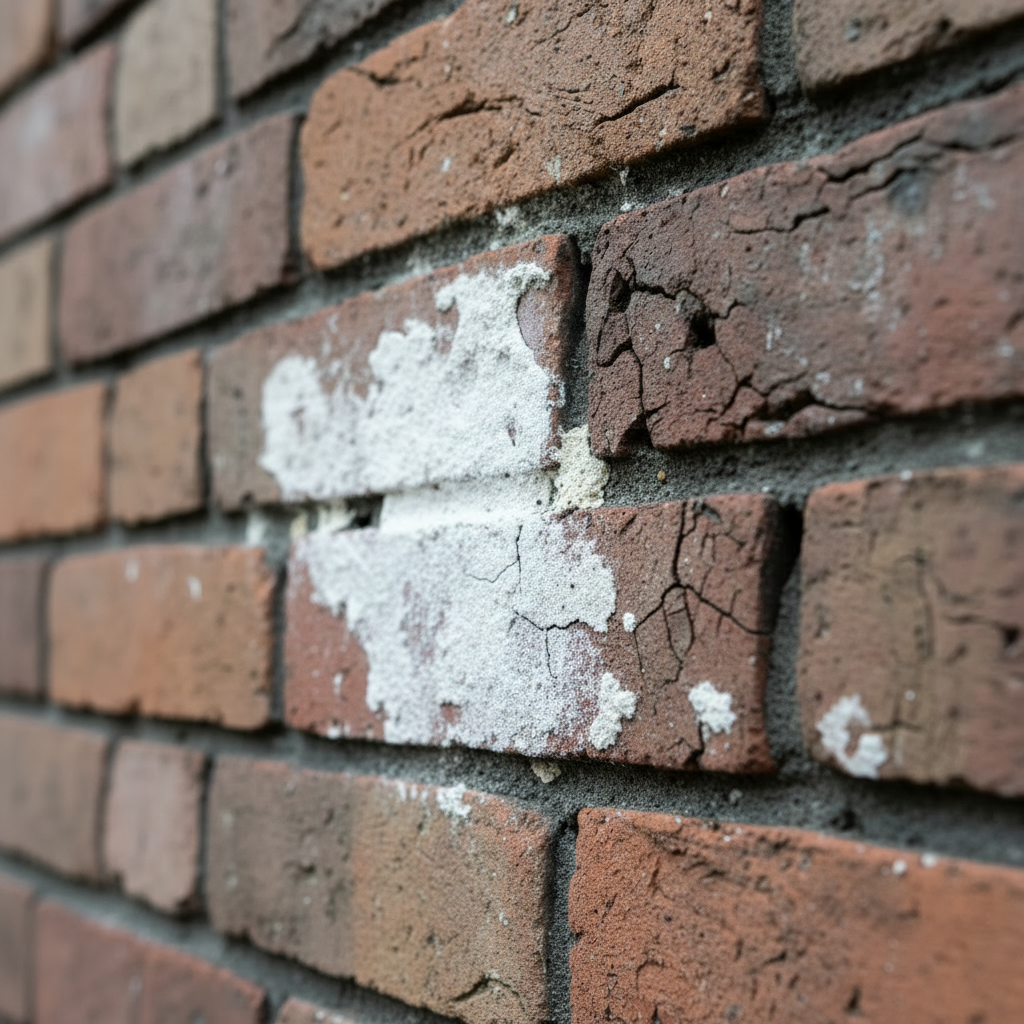
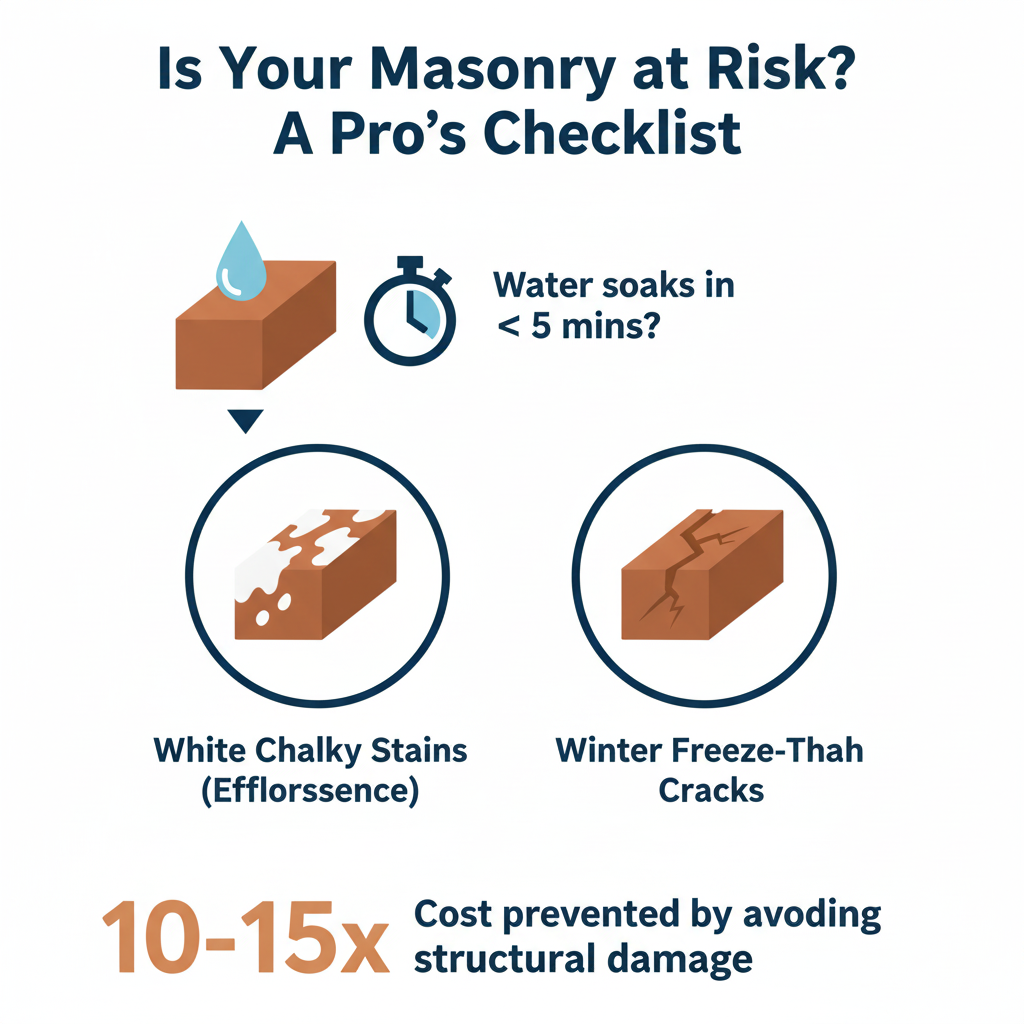
Masonry needs sealing when it absorbs water in under 5 minutes, shows white mineral stains, or has freeze-thaw cracks from winter damage.
Most brick naturally handles moisture pretty well. Here's the thing though - age and harsh weather break down this natural defense over time. Our certified technicians spot these problems before they become disasters:
- Water soaking in faster than normal
- White chalky deposits (that's efflorescence)
- Cracks from freeze-thaw cycles
- Damage from pollution or cleaners
- Previous moisture issues
According to the EPA, proper moisture control prevents major structural problems. When brick can't shed water effectively, your building's foundation becomes vulnerable.
Critical Mistake We See Everywhere
Here's what drives our team absolutely crazy: contractors sealing brand-new brick. Don't do this! New mortar needs 6-12 months to cure completely. It has to push out mineral salts first.
Seal too early? You trap moisture underneath. We inspected a home last month where this happened - the sealer bubbled up. The brick started crumbling within six months.
Always test moisture levels on any masonry under a year old.
Our Pro Pick: What Actually Works
Skip big-box store sealers. They're mostly garbage (harsh, but true). For real protection, you need penetrating silane/siloxane products.
We've tested dozens over 20+ years. Ghostshield Lithi-Tek 9500 beats everything else. It doesn't just repel water - it strengthens the material. For driveways, it's worth every penny. For walls, Siloxa-Tek 8500 works great and costs less.
The Truth About Pressure Washing (Spoiler: Don't)
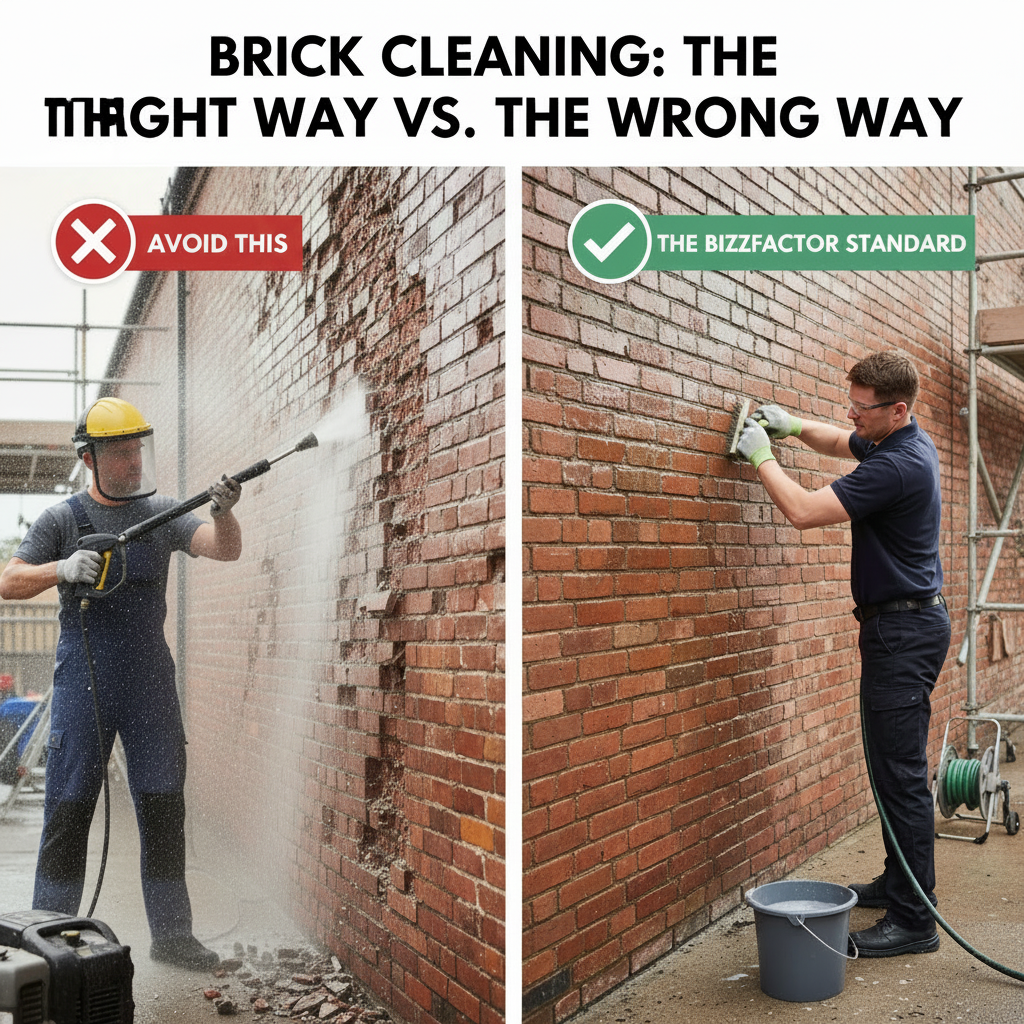
Every guide says pressure wash first. Wrong! High pressure destroys mortar joints - it forces gallons of water deep into pores right before sealing.
We use masonry cleaner and stiff brushes. Plus a regular garden hose. Clean? Yes. Oversaturated? No.
How Modern Sealing Actually Works
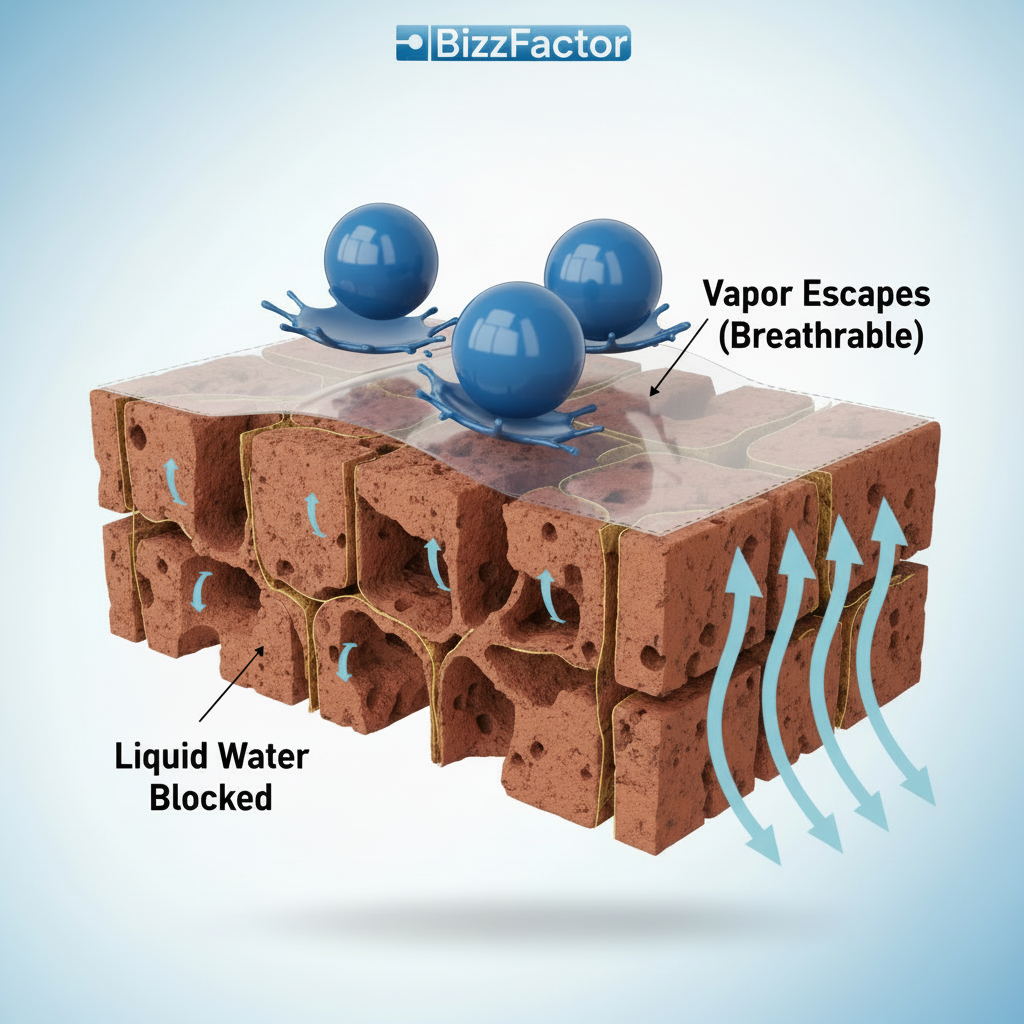
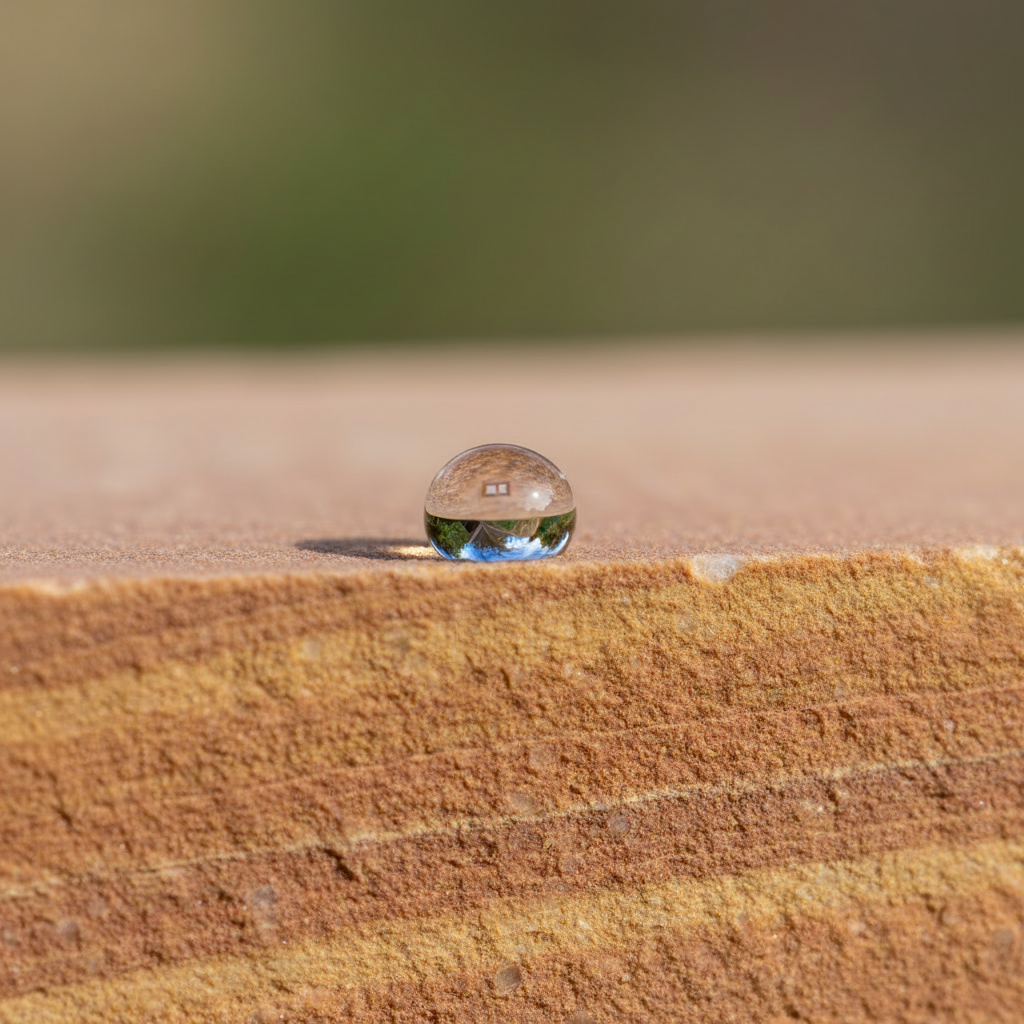
Advanced polymer technology repels water while letting vapor escape through microscopic pores in the masonry surface.
Quality sealers create invisible barriers. They keep moisture out but let your brick "breathe." Different materials need different approaches though.
Sound obvious? You'd be surprised how many contractors use one solution for everything.
**Natural Stone Types:**
- Limestone and sandstone: breathable penetrating sealers only
- Granite and slate: surface treatments work better
- Manufactured stone: follow maker's specifications
**Brick Varieties:**
- Face brick: usually needs minimal sealing
- Common brick: benefits from penetrating protection
- Reclaimed brick: requires careful assessment first
Building codes specify that sealing can't block the material's original vapor permeability. Block it, and you'll trap moisture inside - creating bigger problems down the road.
Real Case: Saving 1920s Heritage Brick
We recently worked on a gorgeous colonial where the owner noticed winter moisture problems. Original brick looked solid from the street. But decades of acid rain had created tiny surface erosion.
Our moisture readings on the north wall were 40% higher than acceptable. Previous contractor had done beautiful repointing work, but nobody addressed sealing.
What we did:
1. Deep cleaned with pH-neutral solutions
2. Applied silane-based penetrating sealer
3. Fixed foundation drainage issues
4. Set up annual inspection schedule
Six months later? Moisture readings back to normal. No more dampness issues. One very happy homeowner.
Professional Standards We Follow
Every job includes these steps because your investment depends on doing it right the first time:
**Pre-Work Assessment:**
- Calibrated moisture testing
- Surface porosity evaluation
- Existing coating identification
- Structural integrity check
**Product Selection Process:**
- Matching vapor permeability ratings
- UV stability for exposed areas
- Chemical resistance testing
- Manufacturer warranty verification
We use technical data sheets from suppliers like Brickworks Supply. No guessing - just proven specifications that work.
Why Professional Application Beats DIY
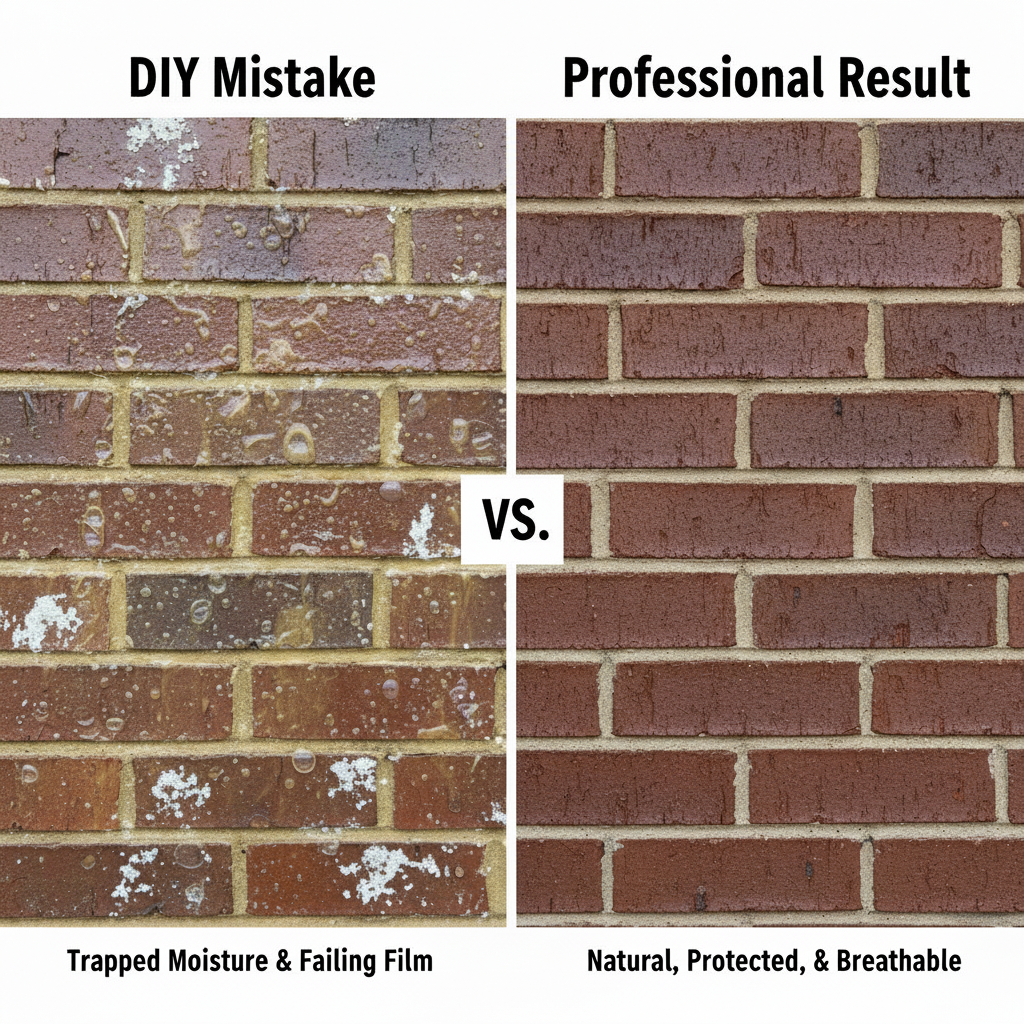
Can you seal masonry yourself? Technically, yes. Should you? Probably not.
In our experience, most homeowners underestimate the preparation work needed. We see it all the time - beautiful brick ruined by rushed weekend projects. Professionals use specialized equipment and follow manufacturer protocols that most homeowners can't replicate.
Here's what we bring:
- Commercial-grade surface preparation
- Weather monitoring for optimal timing
- Professional spray equipment for even coverage
- Quality control testing throughout
Research from the Masonry Institute shows professionally applied sealers last 60% longer than DIY jobs. That extended life often justifies our service cost.
What's the real difference? Experience and proper equipment.
Environmental Impact and Green Options
Modern sealing emphasizes eco-responsibility these days. Water-based sealers have mostly replaced harsh solvent types - cutting VOC emissions while maintaining effectiveness.
Our sustainable practices include:
- Using locally sourced materials when possible
- Selecting low-impact products
- Proper waste disposal protocols
- Energy-efficient application methods
Companies like FirePitOutfitter show how specialty applications can be both effective and environmentally responsible. It's not either-or anymore.
Cost Breakdown and ROI Analysis
Masonry sealing is preventive medicine for your building. Here's the deal: major restoration costs 10-15 times more than sealing when structural damage occurs.
Typical sealing runs $2-6 per square foot. Depends on:
- How much prep work you need
- Sealer type and quality
- Job complexity
- Your location
Investment pays back through:
- Lower heating and cooling bills
- No interior water damage
- Extended masonry life
- Maintained property values
Concrete renovation specialists often recommend sealing as part of comprehensive maintenance programs. Makes sense, right?
Maintenance: Making Your Investment Last
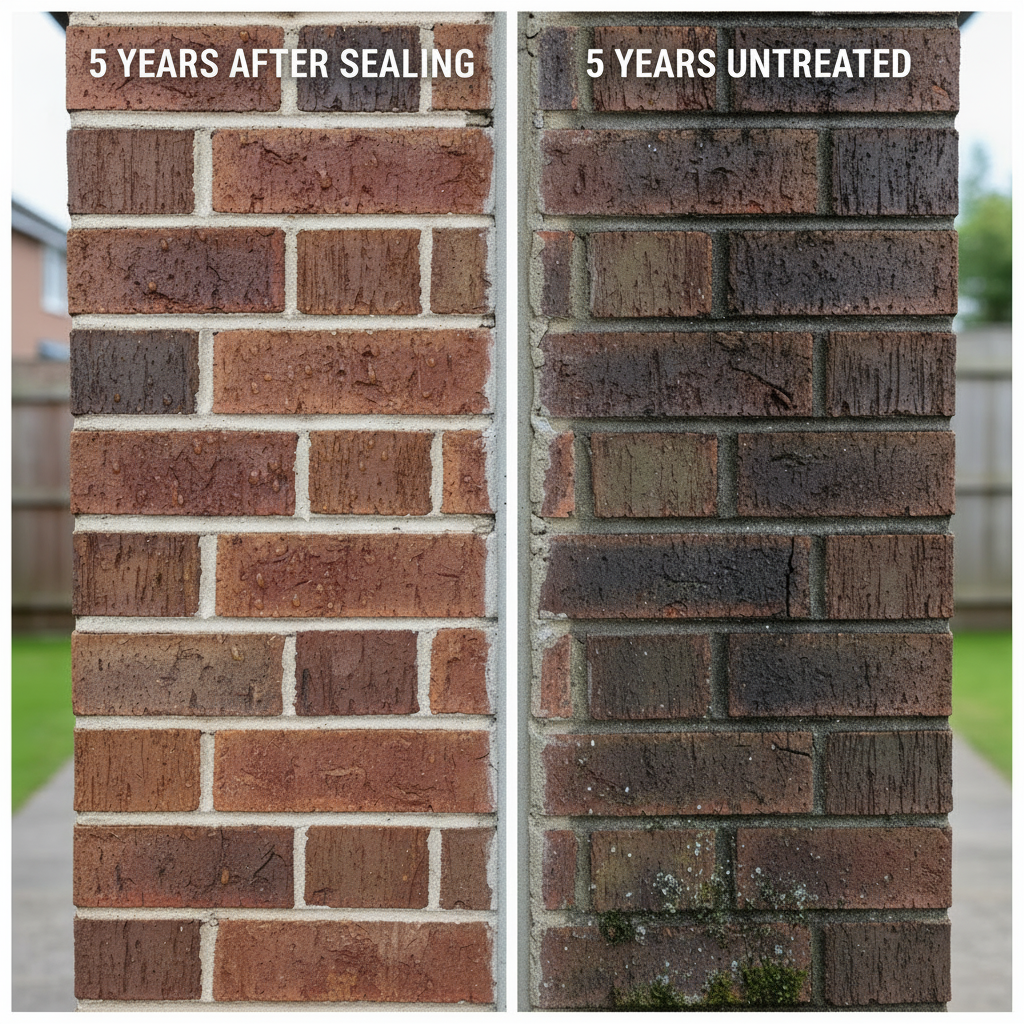
Proper care extends sealer life significantly. Quality applications last 8-15 years with appropriate maintenance.
What you need to do:
- Annual visual inspections
- Address water penetration immediately
- Use gentle cleaning methods only
- Schedule professional reapplication based on performance
Here's what the pros know that DIY guides don't tell you: drainage around sealed masonry matters as much as the sealing itself. It's a complete water management system (experts at Kurtz Bros. emphasize this constantly).
Think of it like maintaining your car - regular attention prevents major problems.
Making the Right Choice for Your Property
Should you seal your masonry? It depends on multiple factors.
We recommend sealing when benefits clearly outweigh costs and vulnerability exists.
**Seal when:**
- Water absorption tests show excessive porosity
- Previous water damage occurred
- Extreme weather exposure exists
- Building codes require moisture protection
- Long-term preservation is your priority
**Skip sealing when:**
- Masonry naturally sheds water well
- Recent construction used quality water-resistant materials
- Proper drainage already exists
- Cost-benefit doesn't add up
Peter Cox masonry experts remind clients that sealing is one tool in moisture management. It's not a magic bullet for every situation.
Honestly? We'd rather tell you when sealing isn't needed than oversell our services.
In-Depth Look
Detailed illustration of key concepts
Visual Guide
Infographic illustration for this topic
Side-by-Side Comparison
Visual comparison of options and alternatives
Sources & References
- Our Comprehensive Guide to Brick Repair | Read More
- Masonry Maintenance 101: Tips to Preserve the Beauty of Your ...
- The Importance of Waterproofing in Masonry
- How to Clean and Maintain Brick Surfaces: Expert Tips and Tricks
- Brick Maintenance Guide (7 Key Tips) - Brickworks Supply
- Building Codes and Standards - 101 Guide | ROCKWOOL Blog
- Building Codes, Standards, and Regulations: Frequently Asked ...
- Top 7 home service companies - Verified Market Research
- [PDF] Building Codes Toolkit for Homeowners and Occupants - FEMA
- 100 Top Home Services Companies in United States · January 2026
Need Professional Help?
Find top-rated home services experts in your area