
Ready to move without the mountain of trash? Learn how to slash moving waste by 80% and save hundreds using reusable boxes, smart donation hacks, and eco-friendly movers. Our expert tips make it easy.
Key Takeaways
- # Green Moving: How to Save Money & Cut Waste — Your Definitive Guide to a Smarter Relocation Moving day
- It's often pictured as a logistical nightmare, a mountain of cardboard, and a chaotic symphony of tape guns
- The common wisdom says relocation inherently produces a staggering amount of waste
- But what if that conventional wisdom is flat-out wrong
Key Takeaways
Green Moving: How to Save Money & Cut Waste — Your Definitive Guide to a Smarter Relocation
Moving day. It's often pictured as a logistical nightmare, a mountain of cardboard, and a chaotic symphony of tape guns. The common wisdom says relocation inherently produces a staggering amount of waste. But what if that conventional wisdom is flat-out wrong? What if you could slash that waste—by 80% or even more—and, get this, simultaneously **pad your wallet** in the process?
Look — sustainable moving used to be something only hardcore environmentalists bothered with. Now? It's just smart money. We're talking reusable crates that cost less than cardboard, donation strategies that put cash in your pocket, and efficient routes that shave hours off your move. Your bank account wins. The planet wins.
Look — now, adopting a green moving strategy? It's way more straightforward than you're probably imagining. It truly boils down to a solid, well-thought-out plan and a commitment to making conscious choices. That's the real killer. Don't skip this step.
What Defines a Truly Green Move? Beyond Just Recycling
So what does "green" actually mean when we're talking about moving?
Forget the recycling bin lecture. Green moving means three things: less garbage, fewer resources burned, smaller carbon footprint. Period. You want [moving companies](/movers) using rental crates instead of single-use cardboard. Trucks that don't guzzle gas like it's 1974. And — this is huge — movers who'll actually route your decent furniture to Goodwill instead of a landfill where it'll sit for two centuries.
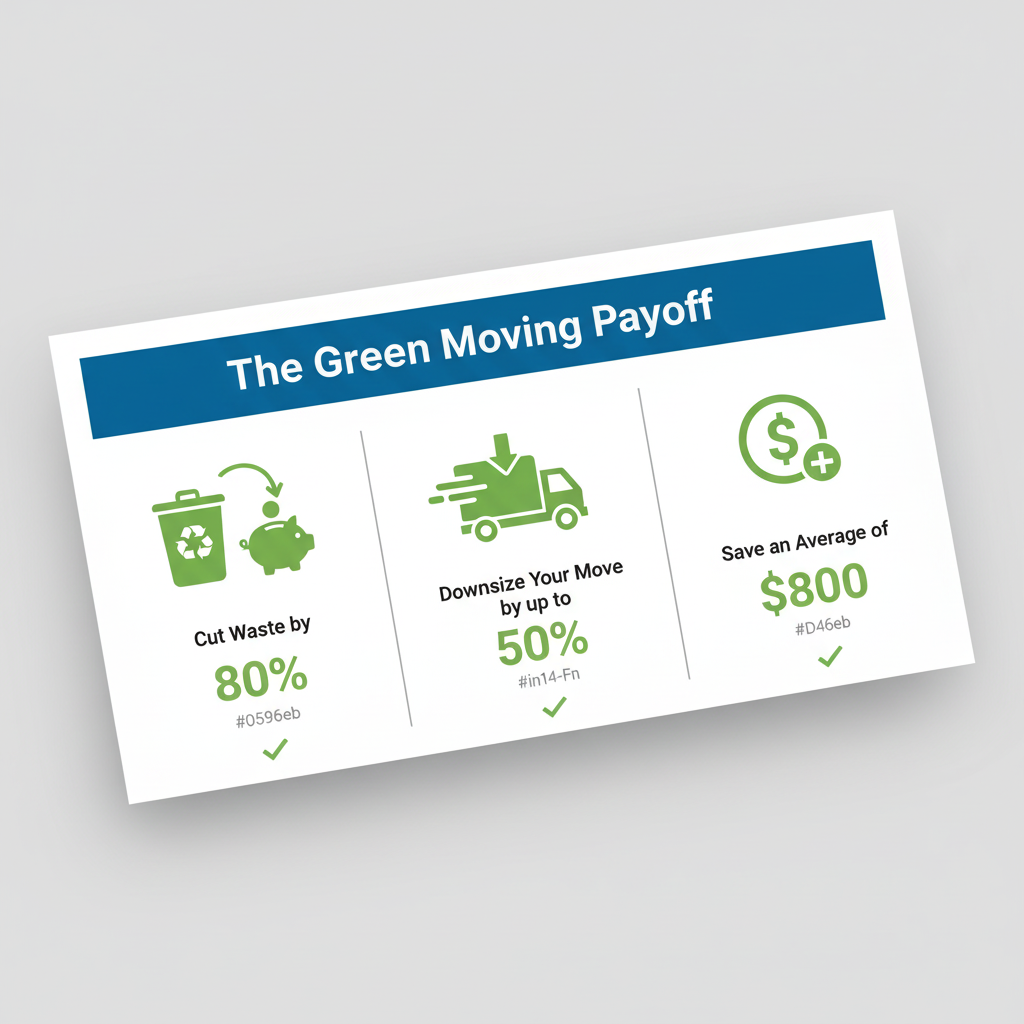
Want to know something wild? The EPA estimates the average household generates 15-20 pounds of waste *per person* during a move. Per person. That's basically your entire living room ending up in a landfill — cardboard boxes, miles of plastic wrap, packing peanuts that'll outlive your grandkids. But here's where it gets interesting: every green move we've tracked at BizzFactor has cut that waste by 70-85%. Some disciplined families? They've hit 90%. This isn't voodoo. It's just switching from disposable junk to reusable systems — and refusing to treat moving like an excuse to trash everything you own.
The 'Feel-Good' Donation Fallacy (and How to Avoid It)
Here's where good intentions go sideways.
You pile up stuff you don't want. Load it in your car. Drop it at Goodwill. Feel virtuous. Done, right?
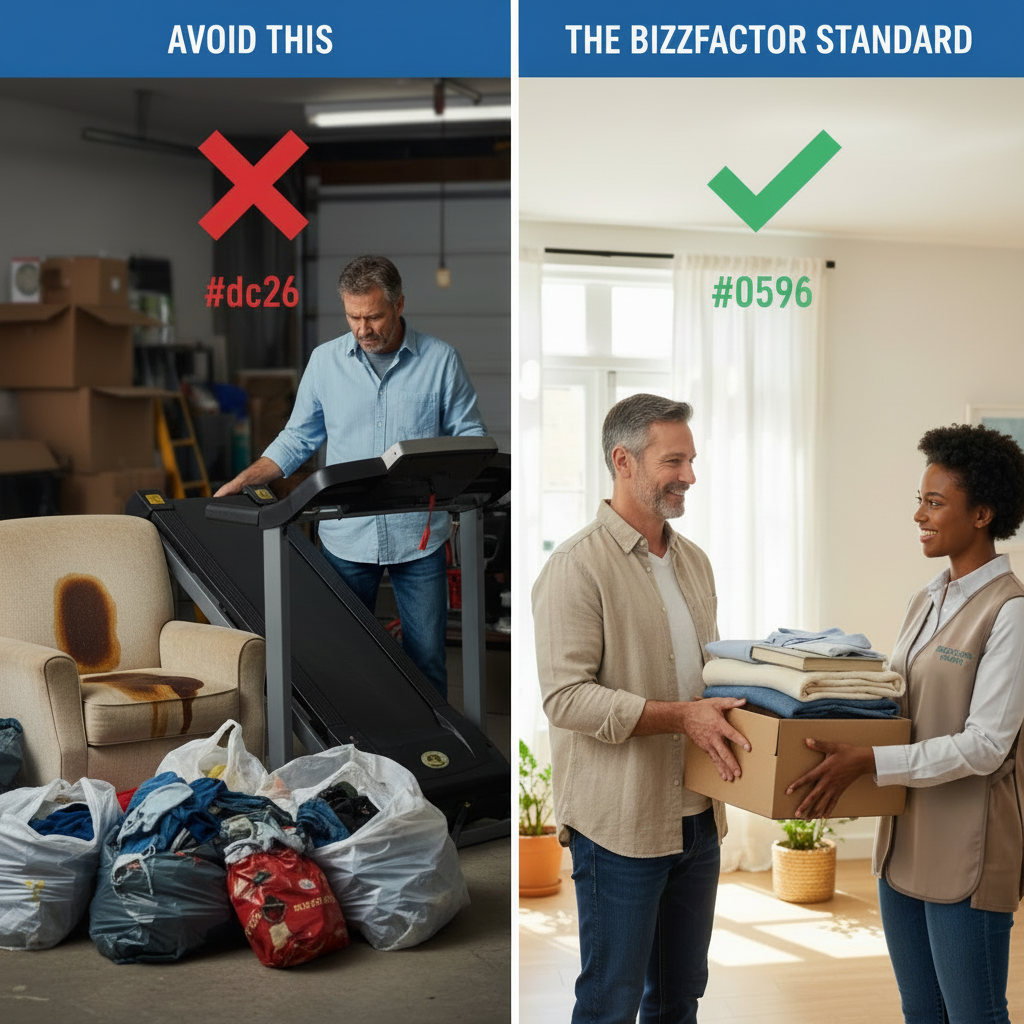
Here's the thing: wrong. So, so wrong. Look — charities aren't free dumping grounds with unlimited warehouse space. They need stuff people will actually *buy*. That busted treadmill with the frayed belt? The couch with mystery stains? Goodwill will turn you away (ask me how I know). Then you're stuck paying $120-200 for junk removal anyway, except now you've wasted an afternoon and a tank of gas.
What actually works? Clean clothes without holes or stains. Working appliances you've tested in the last 48 hours. Books with intact spines. Non-expired pantry staples. Solid furniture that doesn't wobble or smell weird. That's it. If you wouldn't give it to your cousin, don't dump it on a nonprofit operating on a shoestring budget. Call ahead — literally five minutes on the phone saves everyone a massive headache. That's the real issue. [Learn more about responsible donation practices here](/blog/responsible-donation-practices) before you load up that SUV.
The stuff that's actually trash? Find your local electronics recycling center. Pay for proper disposal if you need to. Own it. Shifting your problem onto charities isn't sustainable — it's just lazy with extra steps.
Smart Pre-Move Downsizing: Your First Major Achievement (and Savings Catalyst)

Start three weeks out. Minimum.
Go room by room — and I mean *every* room, including that junk drawer you haven't opened since 2019. Make three piles: keep it, donate/sell it, trash/recycle it. You'll be shocked. Most people cut their moving load by 20-30% just by being honest about what they actually use. Bigger homes? I've seen reductions hit 50%. A client in Decatur got rid of 18 boxes' worth of stuff she forgot she owned. She literally said, "I don't even remember buying half of this."
**Week 3 — the stuff you ignore:**
Guest bedroom. Attic. Basement. Those boxes marked "misc" from your last move (yeah, those). Be ruthless. If you haven't touched it in a year, it's probably gone. The "one year rule" cuts through all the "but what if I need it someday" nonsense. For clothes, if you haven't worn it in 12 months (and it's not a specialty item like a wedding dress), someone else should get use from it. Kitchen gadgets gathering dust? Same deal.
**Week 2 — lock it in:**
Schedule donation pickups from Salvation Army or Habitat for Humanity right away — their calendars fill up weeks in advance, especially during summer moving season. List decent stuff on Facebook Marketplace or Craigslist. You'd be amazed what sells. An old IKEA bookshelf went for $40 in my neighborhood last month. Took 15 minutes to post. Consider a yard sale for the small stuff — it's surprisingly effective. [Check out our guide on selling pre-owned items before a move](/articles/selling-items-before-moving)—it's packed with tips.
**Week 1 — confirmation and packing mode:**
Double-check your electronics recycling appointment. Verify hazardous waste drop-off hours (old paint, batteries, cleaning products). Pack only what you're keeping — ideally in reusable containers, not cardboard. This focused approach cuts down the last-minute panic by probably 60%.
So what should you donate? Stuff charities can actually sell: clean clothes, working small appliances (test them — seriously), books, unopened food that's nowhere near expiring, solid furniture. Not complicated. And here's the weird part nobody talks about — decluttering hits different emotionally. You feel lighter. My sister got rid of 12 garbage bags of stuff before her Denver move and said it was better than therapy. Cheaper too.
Case Study: The Smith Family's Brooklyn Triumph — $800 Saved & 250 lbs of Waste Vanished
The Smiths were moving from a cramped two-bedroom in Park Slope to New Jersey. Standard Brooklyn setup — five flights up, narrow stairwell, ancient radiators they'd miss for exactly one winter. Sarah Smith called us three weeks before move day, stressed about the cost and drowning in stuff they'd accumulated over six years.
We connected them with GreenPath Moving through our BizzFactor network. They went all-in on the green approach — rented heavy-duty plastic crates instead of buying cardboard, followed the 3-week downsizing plan we laid out, donated almost 40% of their belongings (clothes, books, that Peloton knockoff gathering dust). They picked a mover with newer fuel-efficient trucks instead of going with the cheapest option they found on Craigslist.
Three weeks later? Sarah sent us photos of their new place and a breakdown that made my whole month:
**The money part:** Crate rentals cost around $280. Way cheaper than buying 60+ boxes plus all the tape and bubble wrap. Smaller load meant they needed a smaller truck — saved $200 right there. They sold furniture for $350 on Facebook Marketplace. No junk removal fees because they'd handled donations properly upfront. Total saved? $827.
**The waste part:** 254 pounds avoided the landfill. We weighed it. Furniture, textiles, packing materials — all diverted. That's roughly equivalent to 2,000 plastic grocery bags just... not existing in a dump.
**The sanity part:** Zero disposable packaging. None. The crates have built-in locking lids. No tape. No cardboard mountains to break down. No bubble wrap ending up in storm drains. Their packing time got cut by a third because standardized crate sizes stack like Tetris.
**The logistics:** Crates delivered Thursday. Packed over the weekend. Movers loaded Monday morning. GreenPath picked up empties on Wednesday. Done. Sarah said the hand grips alone made it worth it — she's 5'2" and could carry full crates without throwing out her back.
Real talk — this is what a dialed-in green move looks like. Cheaper, cleaner, faster, less stressful. That's the blueprint.
The Best Eco-Friendly Packing Materials: Beyond Cardboard
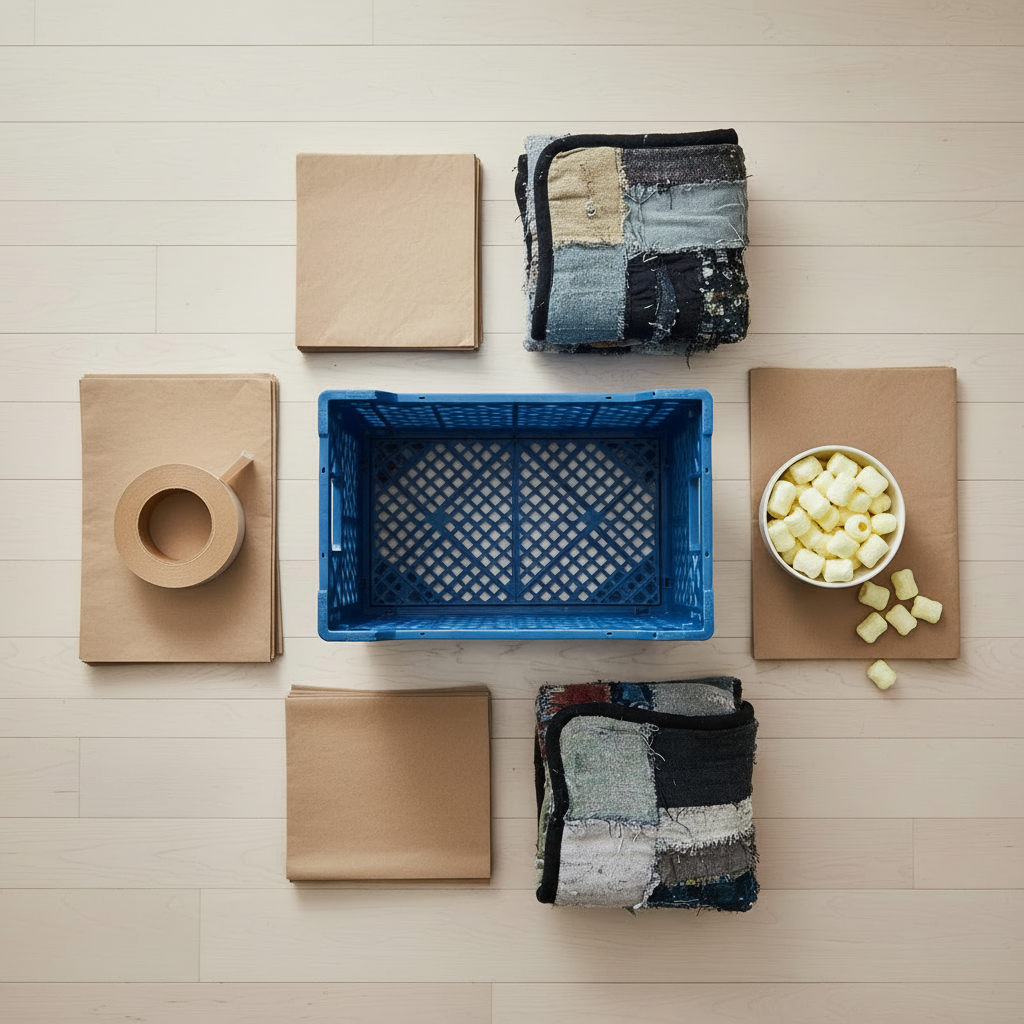
Plastic crates you can rent — that's your nuclear option. Not the flimsy storage bins from Target. Commercial-grade moving crates that could probably survive a small earthquake.
Now, u-Haul rents them (their "Ready-To-Go" line). So does Rentacrate and Frogbox in most cities. You're looking at maybe $200-400 to pack a 3-bedroom house. Which honestly beats buying cardboard when you add up the tape, bubble wrap, and that 4am Target run you'll definitely make.
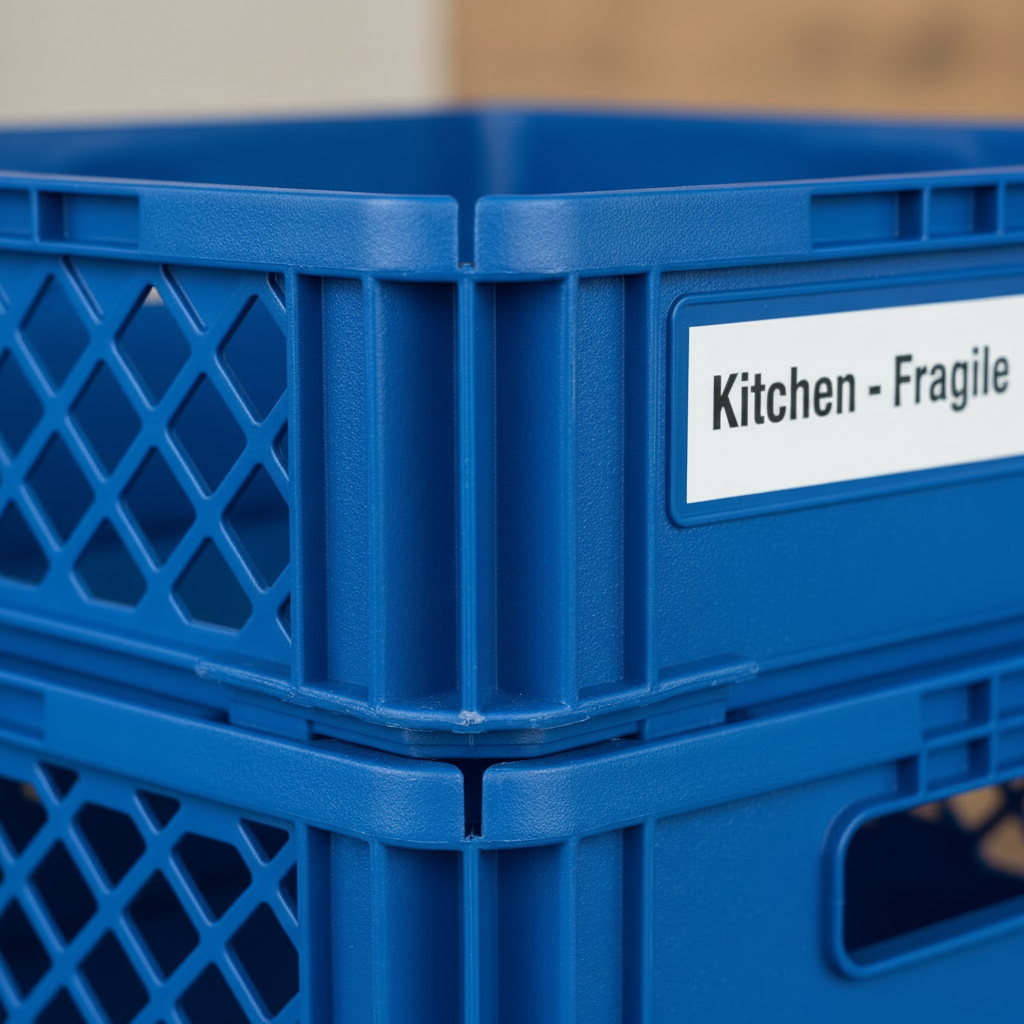
Why they work: They don't collapse when you stack them. Rain doesn't turn them into soggy mush. The lids lock — no tape needed. And you can reuse the same crate hundreds of times instead of tossing it after one move. A contractor I know in Buckhead rented crates three different times for around $850 total. That's the real issue. Buying equivalent cardboard would've cost him over $1,200 and filled a commercial dumpster.
In-Depth Look
Detailed illustration of key concepts
Visual Guide
Infographic illustration for this topic
Side-by-Side Comparison
Visual comparison of options and alternatives
Sources & References
- Eco Friendly Moving Tips For A Greener, Cleaner Move [2025]
- Essential Apartment Moving Tips for a Smooth Experience
- The Best Tips For Moving the Eco Friendly Way - Going Zero Waste
- Moving Tips from a Professional Moving Company
- How to Find a Zero-Waste and Environmentally Friendly Moving ...
- The Best Moving Companies - This Old House
- Best Moving Companies of 2025 | U.S. News - Real Estate
- Best Moving Companies in Virginia Of 2025 - Forbes
- Types of Moving Companies & Services | Freightwaves Checkpoint
- How to Choose a Reliable Moving Company - Consumer Reports
Frequently Asked Questions
Need Professional Help?
Find top-rated moving companies experts in your area