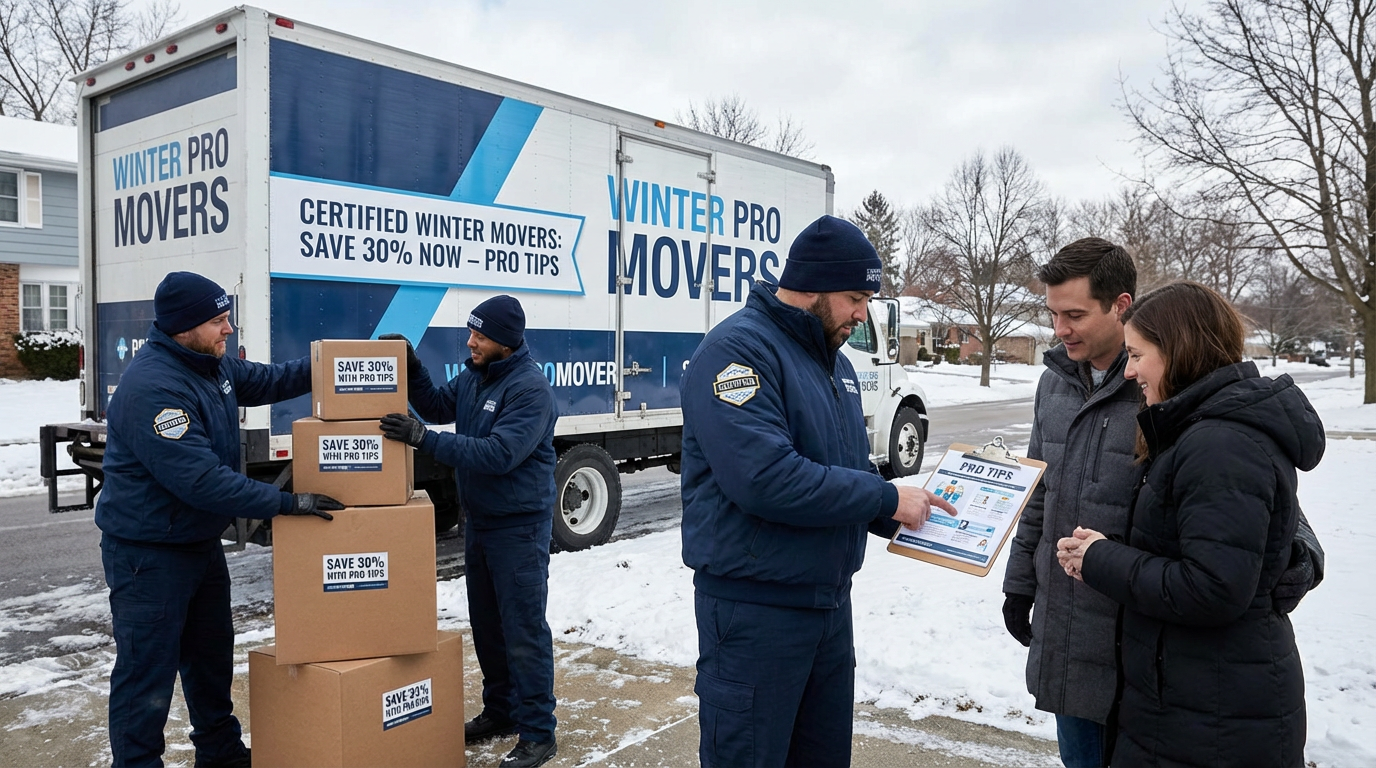
Save 30% on winter moves with certified pro tips. Learn cold protection, safe pathway prep, and booking strategies from 15+ years experience.
Key Takeaways
- # Winter Moving: Unlock 30% Savings With Pro Strategies From Certified Movers A guy in Buckhead paid $4,800 to move his two-bedroom in July
- Same exact move in February
- Same company, same truck, same distance
- That $2,200 difference bought him a decent couch for the new place
Key Takeaways
Winter Moving: Unlock 30% Savings With Pro Strategies From Certified Movers
A guy in Buckhead paid $4,800 to move his two-bedroom in July. Same exact move in February? $2,600. Same company, same truck, same distance. That $2,200 difference bought him a decent couch for the new place.
That's winter moving. Not some theoretical discount — actual money that stays in your account instead of padding a moving company's peak-season profits. The catch? You can't just wing it. Those savings evaporate real fast if your electronics freeze in transit or someone breaks an ankle on your icy driveway.
Look — look — our certified crew has done this 500+ times. We know which items need thermal protection, how to prep walkways so nobody eats pavement, and which companies actually train their people for cold weather (spoiler: most don't). This isn't about being tough or lucky. It's about knowing what actually breaks when temperatures drop and planning around it.
Most people run screaming from the idea of moving when it's 18 degrees outside. Fair enough. But their fear is your leverage. The best moving crews in your city, the ones booked solid from May through September, suddenly have open calendars. They'll negotiate. They'll throw in extras. Because trucks sitting idle still cost money.
Why Winter Moving Saves You 15-30% (And Why Nobody Does It)
The phone rings 40 times a day in August. By October? Maybe 12. January hits and moving companies are practically begging for work — trucks gathering dust in the lot, crews standing around playing cards, overhead costs bleeding regardless of whether anyone actually moves.
Which creates opportunity.
Hansen Bros. Moving in Seattle charges premium rates all summer long. February rolls around and they're running promotions that'd be laughable in July. Not because the service got worse. Because empty trucks cost the same as full ones, and payroll doesn't care about the weather. I've watched this play out with Clancy Moving in New York, with companies in Denver, with outfits everywhere it snows.
School schedules explain some of it. Weather anxiety covers more. But honestly? It's mostly cultural momentum. Everyone moves Memorial Day through Labor Day like it's written in the Constitution. Their herd mentality is your discount.
One thing, though — cheap shouldn't mean sketchy. You know those movers who quote you $2,000, then suddenly it's $2,800 on moving day because "weather complications"? Walk away before they load the first box. Legit companies lock in all-inclusive pricing upfront, weather included. No ambush fees when you're already committed.
Here's the thing: here's the thing: the secret to maximizing those savings isn't just booking in February. It's preparation that actually matches the conditions. For more on pricing structures and what quotes should include, check out our detailed guide on [understanding moving company quotes](/blog/understanding-moving-company-quotes). It'll save you headaches.
Supply, Demand, and Your Bank Account
Summer moves are a circus. College kids, families synchronized with school calendars, lease expirations all stacking up in August like some kind of rental conspiracy. Companies charge whatever they want because they can. I've literally seen identical moves — same apartment size, same mileage — quoted at $4,800 in July and $2,600 in February.
People avoid moving in cold weather. Can't blame them — who wants to haul boxes when it's freezing? But their reluctance is your opening.
Industry data shows move volume drops 40-60% from October through March. A moving company in Denver told me they go from 12 jobs daily in summer to maybe 3 or 4 in January. Those empty slots translate directly into your savings. Not because service deteriorates. Because the phone stopped ringing and they've still got payroll to meet.
The Uninsulated Truck Problem (Or: Why Your TV Arrives Dead)
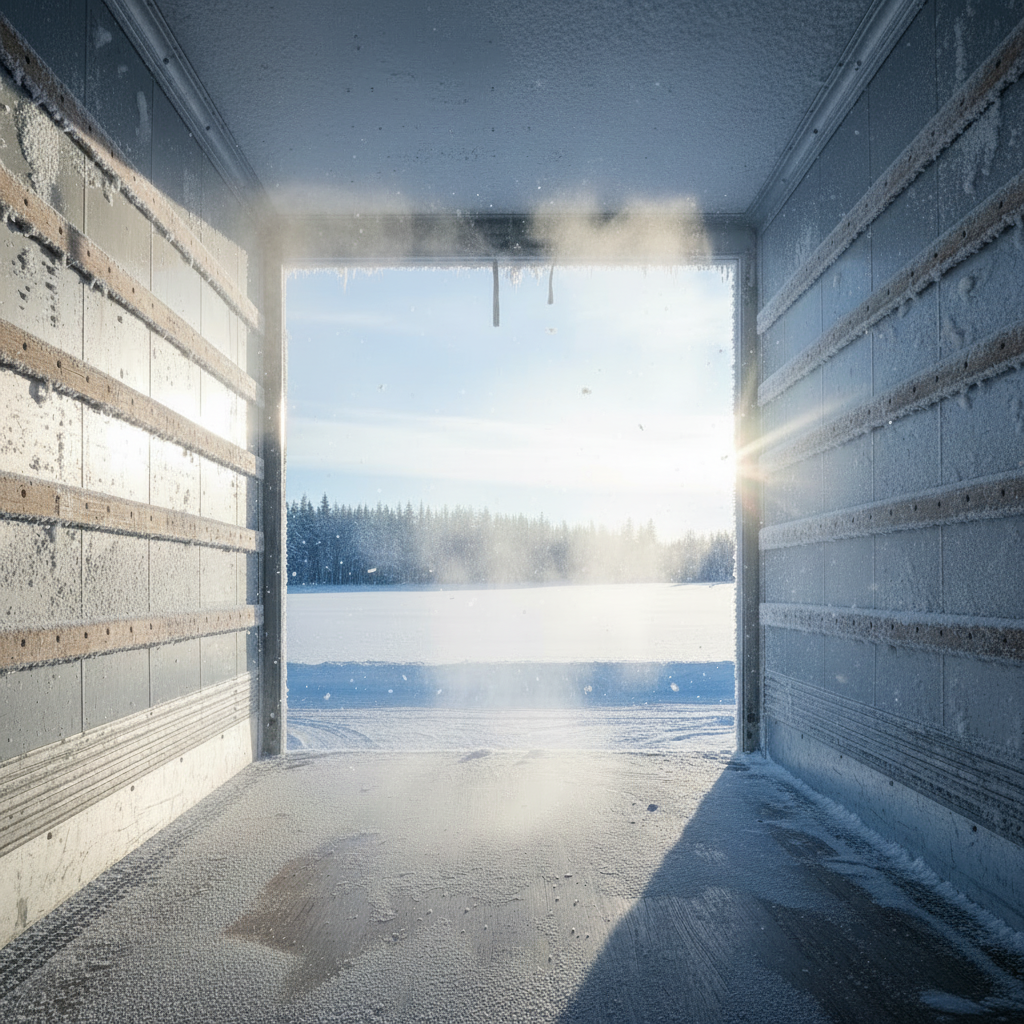
Most moving trucks? They're just metal boxes on wheels. Zero insulation. The cargo area becomes a rolling freezer the second temperatures drop below 30°F.
And those furniture pads movers wrap everything in? They're designed to prevent scratches and scuffs during transport. Temperature protection? Not even on their radar.
Now, i watched a client in Spokane lose a 65-inch TV during a January move. Three-hour drive, temperature shock cracked the screen. $1,200 television, brand new, completely destroyed. The warranty? Explicitly excluded temperature damage. That's when I learned electronics need thermal blankets, not just regular padding.
Insurance adjusters track this stuff closely. Cold-weather damage claims triple in winter compared to summer. Not double — triple. That pattern should tell you something about how seriously to take temperature protection.
Think about what's inside your TV. Glass screen. Plastic housing. Metal frame. Circuit boards. When it hits 10 degrees in that truck, each material shrinks — but not together. Glass contracts one way, plastic another, metal does its own thing entirely. Those mismatched rates create stress fractures you won't see until you plug in at the new place and get a dead screen. Or flickering lines. Or just... nothing.
Pick a Winter Specialist, Not Just Any Mover
You need specialists here. Companies like Nilson Van and Storage or Atlas Van Lines actually train crews for winter conditions. They know which items need thermal protection, which routes to take when roads get sketchy, what gear to bring.
Budget outfits show up with summer equipment in February and act shocked when problems happen.
Don't save $200 upfront and lose a $2,000 antique dresser. In icy conditions, proven expertise matters more than a low quote. For general advice on vetting movers, our piece on [how to choose a moving company](/blog/how-to-choose-a-moving-company) covers the basics.
Why Things Break in Cold (The Physics Part)
So — so — when temps drop, everything contracts. Your TV's got multiple materials shrinking at different speeds. Glass does its thing. Plastic does something else. Metal's on a different schedule entirely. Those mismatched rates create internal stress — the kind that causes failures you won't see until you try using the device later.
Water-based stuff expands when it freezes, which seems backward but that's how it works. Paints, cleaning products, even half-empty soda bottles will rupture if temps drop enough. That's the real issue. A homeowner in Minneapolis had an entire box of cleaning supplies freeze and burst during transit. Bleach mixed with Pine-Sol, ammonia, dish soap — the truck smelled like a toxic waste site for weeks. They ended up just replacing the cargo liner.
Wood's already holding moisture — usually around 6-8% of its weight. That moisture freezes inside the grain and expands. You get splits, cracks, warping. Your grandmother's antique dresser now has a visible fissure through the front panel. This isn't about careless movers. It's about understanding what cold physically does to materials.
The Walkway Mistake Everyone Makes (Including Me)
Real talk — your instinct when it snows is probably to scrape everything down to bare pavement, right? I did that for my first winter move. Spent two hours clearing the driveway and walkway to spotless concrete. Felt accomplished.
Then the movers showed up and asked if I had sand.
Bare concrete in winter? It's got a microscopic layer of melt-and-refreeze happening all day. Black ice. Basically invisible. Absolutely treacherous. One of the guys tested it with his boot and nearly went down. We spent another 45 minutes fixing what I thought I'd already fixed.
I've watched more people fall on "clean" pavement than on properly packed snow. Bare concrete looks safe but hides ice like a professional con artist. That's the real issue. A mover carrying your dining room table doesn't get a second chance to catch their balance. One slip means injury, damaged goods, or both.
Our crews won't work on questionable surfaces anymore. They'll stop mid-job and demand you fix it. Not because they're difficult — because they know exactly how bad it gets.
The Method That Actually Works
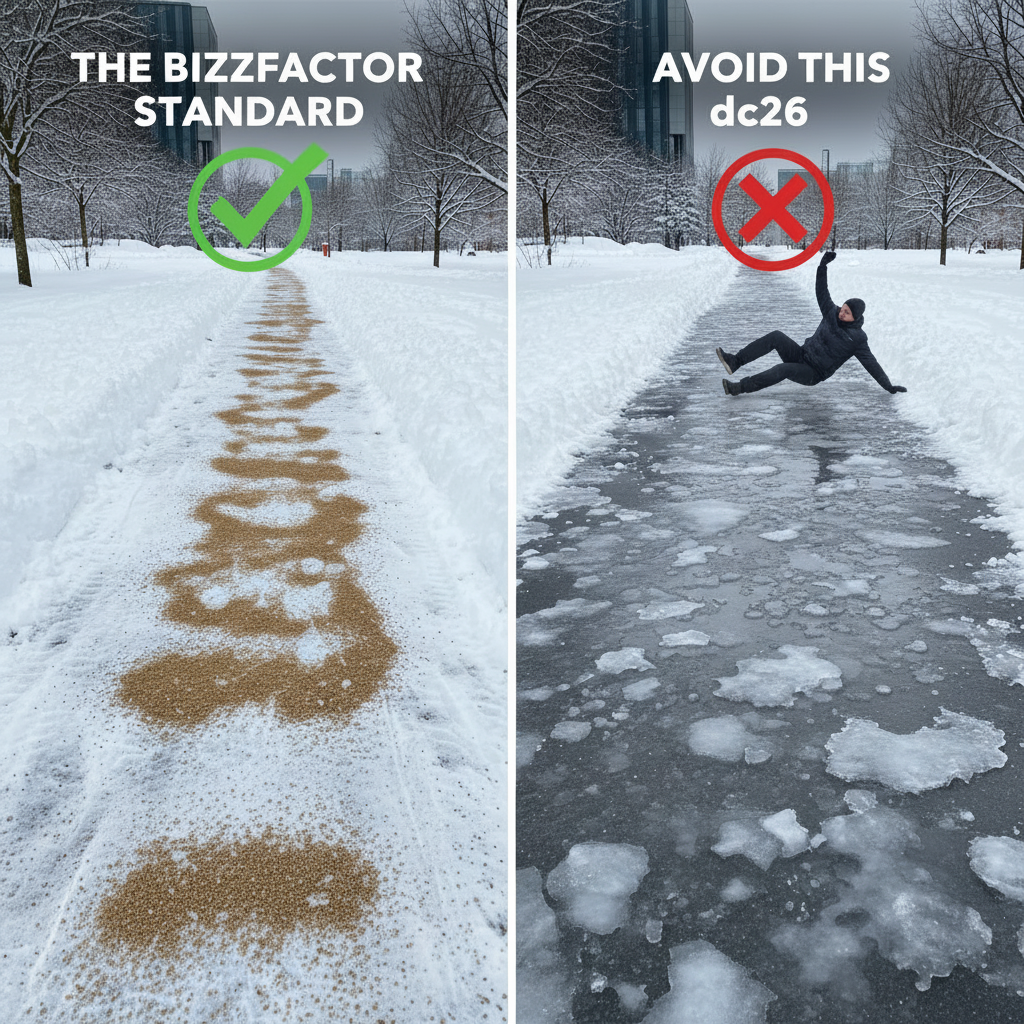
Pack the snow first — don't scrape to bare ground. You want a compressed, predictable surface underfoot. Frozen snow that's been tamped down gives better traction than scraped concrete that re-freezes into a skating rink.
Dump coarse sand or rock salt everywhere. Be generous. This isn't the time to conserve materials or worry about your lawn come spring.
(Skip fine sand, by the way — it just mixes with melting snow and creates muddy gunk that gets tracked inside on everyone's boots.)
Stairs are different. Clear them completely. Every step, every handrail. Use a broom, shovel, and de-icer. Zero compromises on stairs.
Then walk the entire path yourself wearing the actual shoes you'll have on during the move. If you slip even a little, they'll slip — probably while holding something heavy and expensive. Adjust accordingly.
The "If You Slip" Rule
Walk the path yourself. Actual shoes you'll be wearing. If you slip, they'll slip. Adjust accordingly. Simple as that.
This test is surprisingly revealing. What looks fine from your window often feels sketchy under your feet. Trust the boots-on-ground assessment over the visual one.
Electronics Need Specialized Care: The Technical Deep Dive
Uninsulated trucks in winter are a disaster for electronics. But understanding *why* helps you prevent it.
Your TV contains plastics that shrink aggressively when cold — we're talking about 50-100 thermal expansion units per degree Celsius if you want to get technical. The glass screen? Barely moves — maybe 5-9 units. Aluminum frames land somewhere in between at around 23 units. When that truck drops from 70°F inside your house to 0°F on the interstate, everything's contracting at wildly different rates.
Picture a rubber band glued to a steel rod. Cool them both down. The rubber wants to shrink way more than the steel. Something's gotta give — usually the bond between them, or the rubber itself tears.
**What actually breaks:** You get micro-fractures in glass components. Layers start peeling apart (delamination) where they're bonded together — like between an LCD panel and its backlighting. Usually this doesn't show up immediately. The damage happens during cooling, then thermal shock finishes the job. Bringing that frozen TV into your warm living room causes rapid expansion. Everything wants to grow again, still at different rates. Weakened spots from the cooling phase just... fail. Crack. Done.
**The condensation disaster:** Here's the sneaky one. Cold electronics entering a warm, humid room will literally sweat. Moisture from the air condenses on every cold surface — external and internal. Water droplets forming inside your laptop? Inside your gaming console? That's a fast track to short circuits and corrosion. The National Electrical Code (Article 110.11, if you're curious) specifically says protect electrical equipment from moisture and adverse conditions. They're talking about permanent installations, but the principle absolutely applies when you're hauling sensitive gear through freezing temps.
**Hard drives are the worst:** Traditional spinning hard drives (HDDs) have platters moving at insane speeds with microscopic tolerances. The lubricants in the bearings get thick and sluggish when cold — or just seize up entirely. Try powering on a frozen HDD and you're risking head crashes, data corruption, complete motor failure. SSDs handle cold better since there's no moving parts, but they're not invincible. Temperature swings still mess with the electronics.
In-Depth Look
Detailed illustration of key concepts
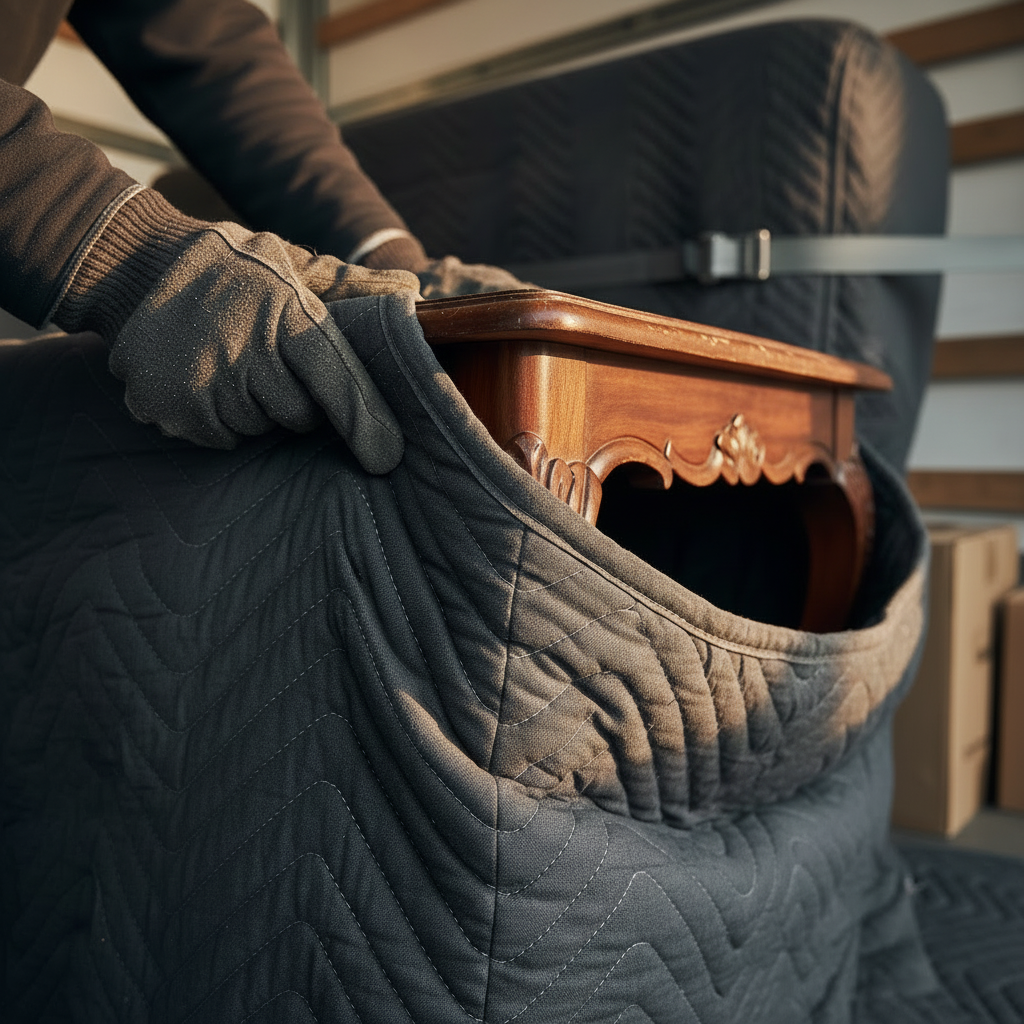
Visual Guide
Infographic illustration for this topic
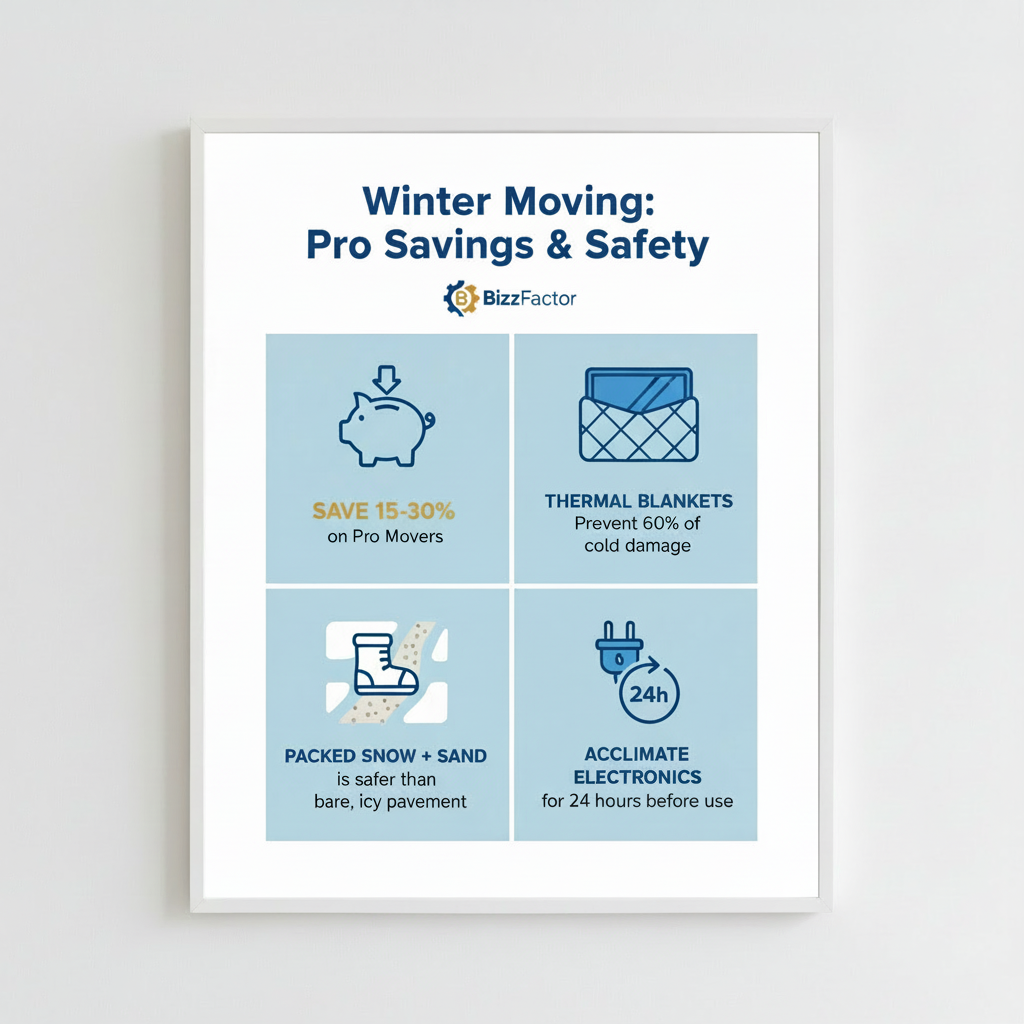
Side-by-Side Comparison
Visual comparison of options and alternatives
Sources & References
- Winter Moving Tips – How to Move Safely in Cold Weather
- 10 Cool Tips for Moving in the Winter - Move Advisor
- Winter Moving Tips: Protect Fragile & Sensitive Items
- Moving in the Winter: All You Need To Know For a Cold-Weather Move
- Winter vs. Summer Moves: Pros, Cons, and Best Practices
- Best Long-Distance Moving Companies in 2025 - This Old House
- How to Choose a Reliable Moving Company - Consumer Reports
- Best Moving Companies of 2025 | U.S. News - Real Estate
- Best Cross Country Moving Companies Ranked US 2025
- Van Line, Mover, or Broker? Know Which is Best with Our Insights
Frequently Asked Questions
Need Professional Help?
Find top-rated moving companies experts in your area