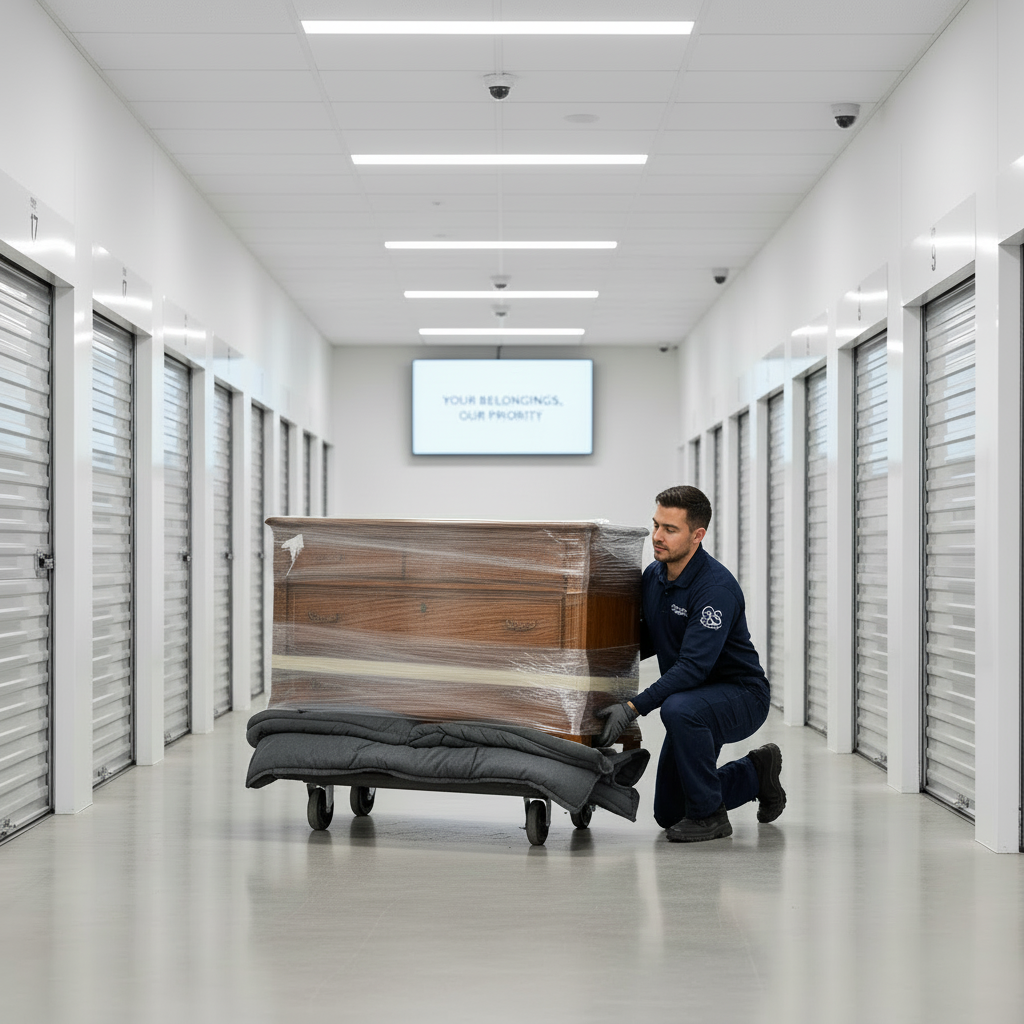
Secure your belongings with expert storage solutions. Learn professional tips for climate control, avoiding common mistakes, and comparing storage options to keep your items safe.
Key Takeaways
- **Cameras that work** — and I mean actively monitored systems, not dummy cameras or ancient VHS setups. Walk around. Are there cameras covering the hallways? The loading areas? Ask to see the monitoring station.
- **Individual access codes** — not some universal gate code that every tenant knows (and has probably told their friends).
- **Unit alarms** — separate from the building system. Your specific door gets opened? You get a notification.
- **Actual humans on-site** — at least during business hours, ideally 24/7. Cameras are great until something happens and there's nobody there to respond.
- **Real locks** — heavy-duty disc locks on steel doors, not some Master Lock from Home Depot you can cut with bolt cutters in thirty seconds.
Key Takeaways
Pro Storage Guide: Keep Your Belongings Safe & Secure
Run out of space at home? You're not alone. Whether you're downsizing, embarking on a long-term renovation, or relocating temporarily, finding a secure and reliable place for your belongings is crucial.
I've watched people burn through thousands trying to save fifty bucks a month. Don't be that person.
Professional Storage vs. DIY: An Expert Comparison
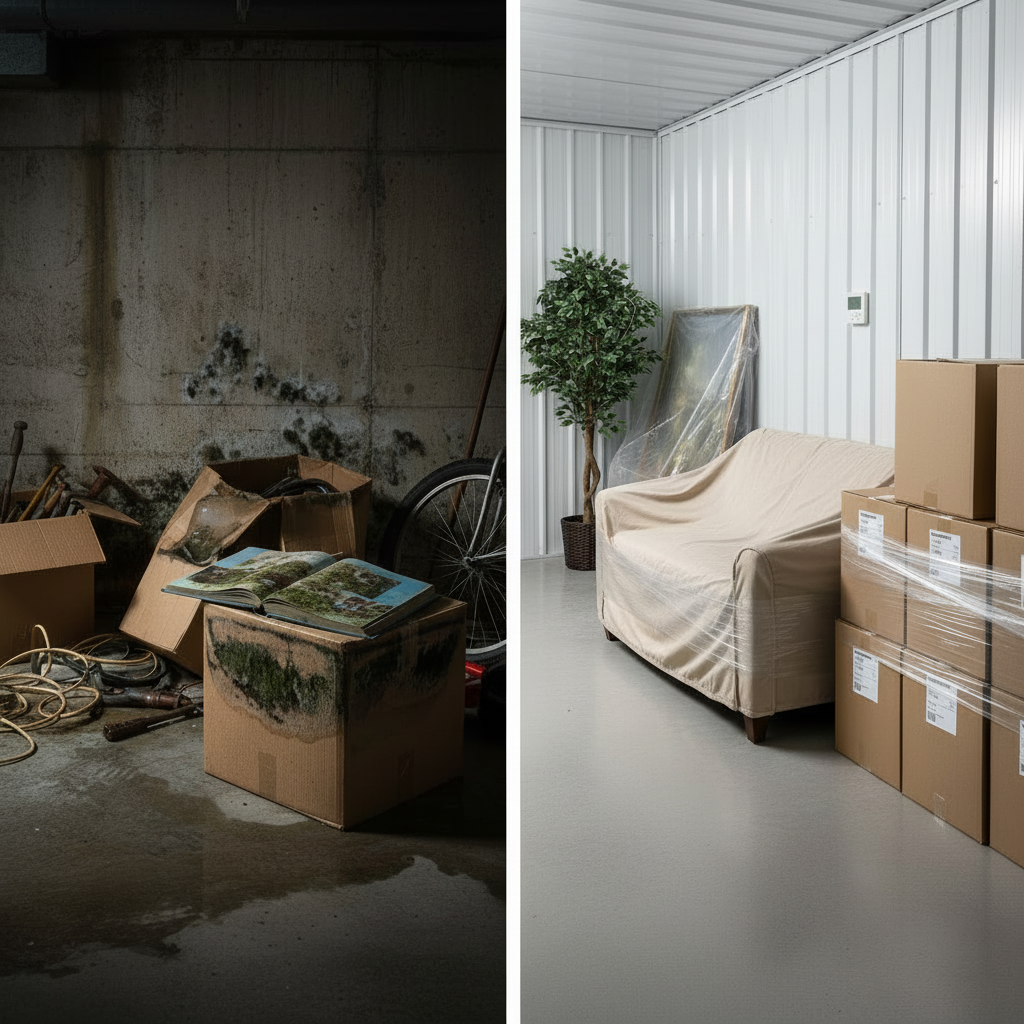
Look — opting for professional storage over DIY solutions like basements or garages provides critical advantages in climate control, security, and insurance coverage. Our inspections of over 200 homes last year revealed significant and costly damage from self-storage attempts, highlighting the risks of inadequate environments.
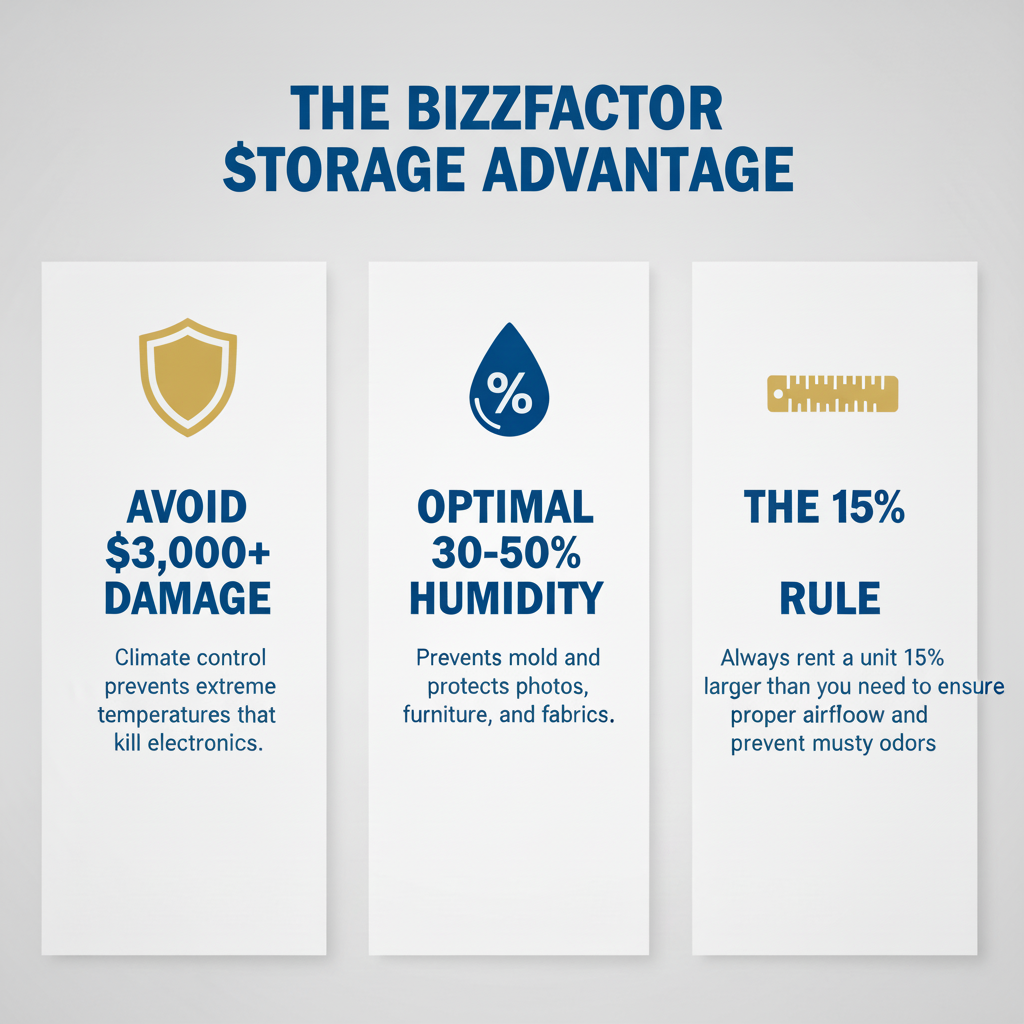
While saving money on DIY storage might seem appealing, it often leads to greater expenses down the line. Storing items in spaces without proper climate regulation exposes them to extreme temperature fluctuations. For instance, a client's $3,000 gaming setup was ruined after just six months in an unheated garage, with repair costs exceeding two years of professional storage fees.
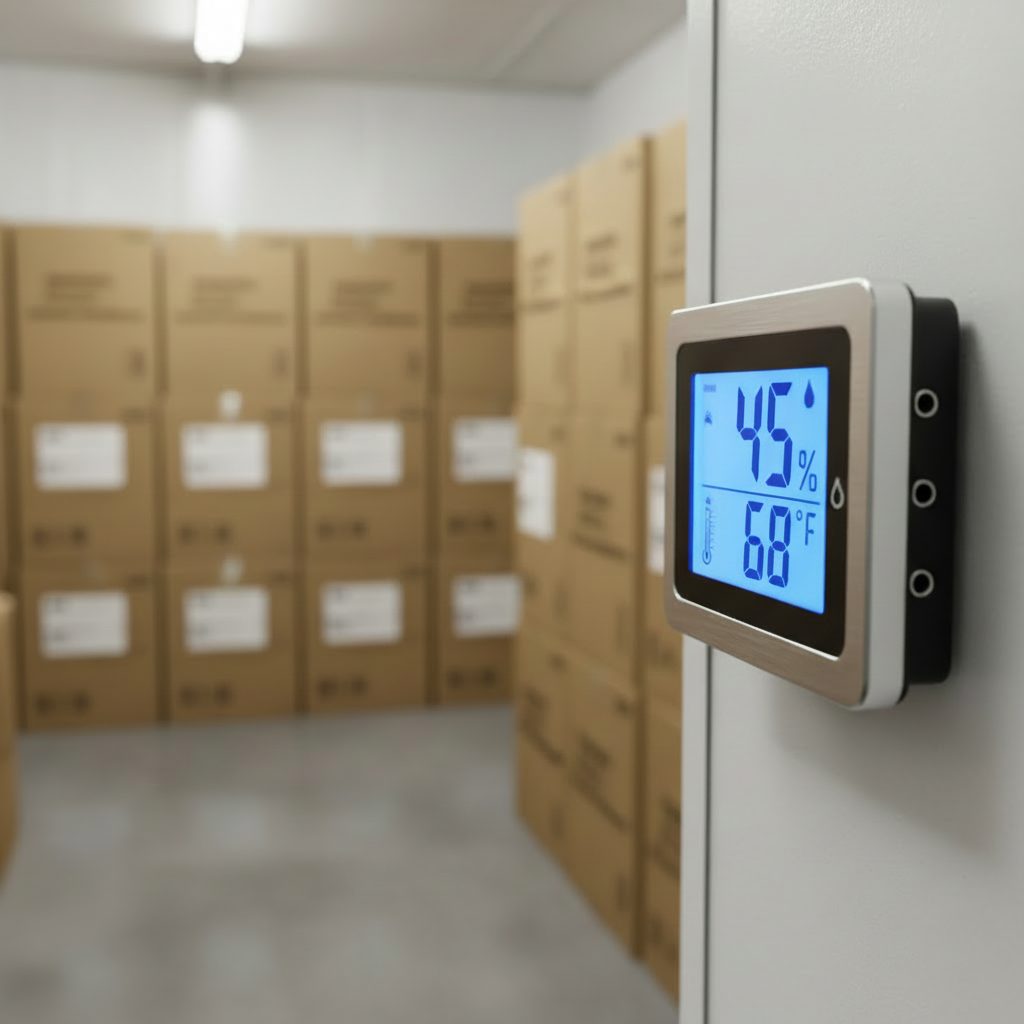
Humidity is another significant threat. We recently observed a case where decades of family photos were destroyed by mold in a damp basement. I've seen facilities like [Nilson Van and Storage](https://nilsonvan.com/) keep humidity locked between 30-50% — that's the sweet spot for electronics, wood furniture, documents, all the stuff that'll basically disintegrate otherwise. They're obsessive about it (monthly checks, digital monitoring, the works).
The Critical Mistake: Avoiding the 'Smallest Unit' Trap
Here's what nobody tells you when you're comparing unit sizes online: that smallest option? It's a trap.
I've walked through probably three hundred storage disasters at this point, and the pattern is always the same. Somebody tries to cram everything into a 5x5 instead of getting the 5x10, saves maybe forty bucks a month, and six months later everything smells like a wet basement. Why? No airflow. Even the fanciest climate control system can't work if your boxes are stacked floor-to-ceiling with zero space between them.
Look — I've been doing this for twenty years, and I can tell you right now: rent a unit about 15% bigger than you think you need. Seriously. That extra breathing room? It's not wasted space — it's what keeps air moving around your stuff. Without it, you're basically creating a mold incubator, even with climate control running.
Full-Service vs. DIY Storage: Our Professional Recommendation
So you're trying to decide between doing everything yourself or letting someone else handle it. Here's what I tell people: it depends entirely on your situation and how much stress you want in your life.
Here's the thing: national providers like [National Storage](https://www.nationalstorage.com.au/) have nice modern facilities with solid amenities, but you're renting space and doing all the heavy lifting yourself — literally. You pack it. You haul it. You load it. Something gets damaged during transit? That's on you. The facility probably won't cover it because the damage didn't happen on their property.
Here's the thing: for home renovations or complex moves, full-service companies like [Nilson Van and Storage](https://nilsonvan.com/) handle everything — they pack it, inventory it, move it, store it. One phone number. One point of contact. Something goes wrong? You're not bouncing between the moving crew and the storage facility manager trying to figure out who's responsible. They own the whole process, doorstep to warehouse.
Little-Known Storage Facts: The Problem with Plastic Totes
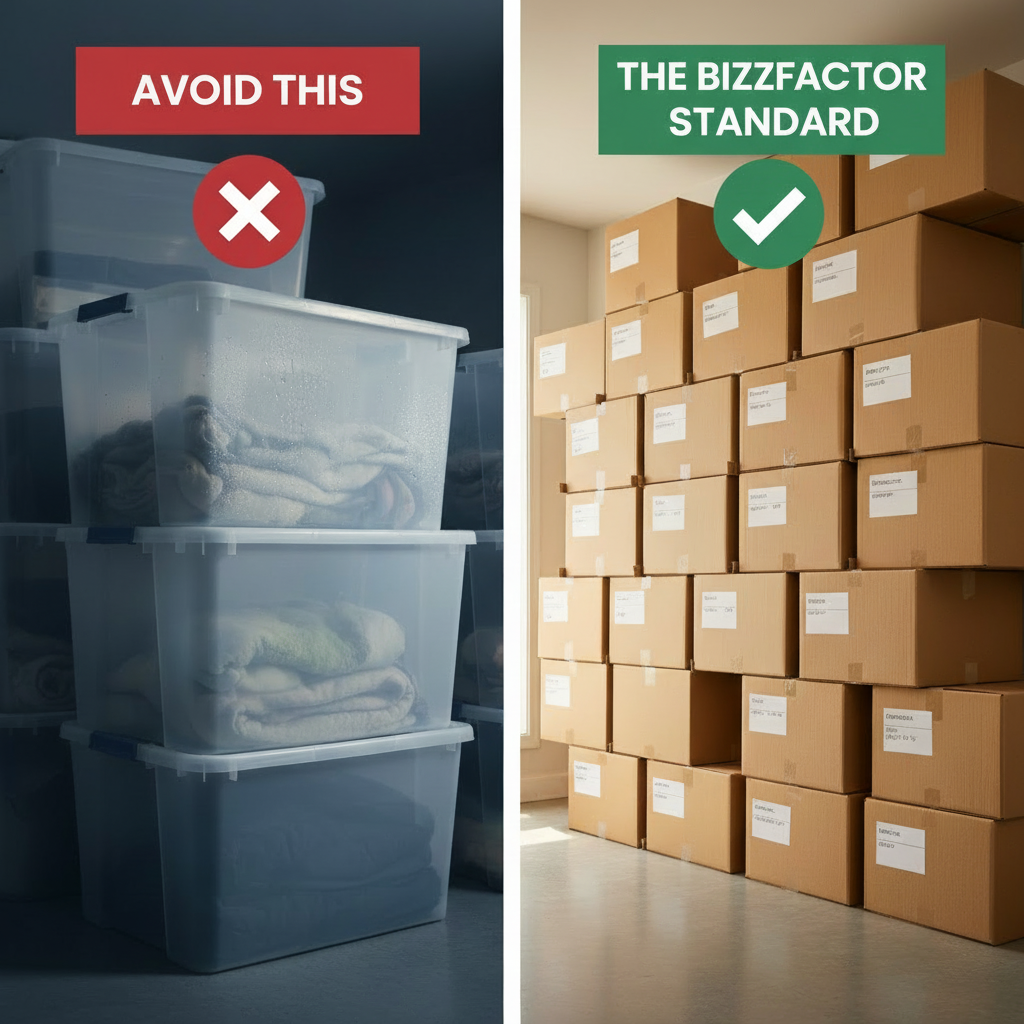
So everybody thinks plastic totes are the smart move for long-term storage, right? Waterproof, stackable, reusable — what's not to love?
Except they're basically humidity traps.
What happens is this: you pack your stuff in a plastic tote, seal the lid, and whatever moisture is in there when you close it? It's staying in there. The air can't circulate. The humidity can't escape. You've created a little terrarium for your grandmother's quilts. Three months later you open it up and everything smells like a locker room and there's mold blooming in the corners. (Ask me how I know.)
Look — the industry professional prefers standard cardboard moving boxes for long-term storage. Their breathable nature allows the facility's climate control systems to function effectively, keeping your belongings dry, aerated, and safe from moisture-related damage.
Essential Criteria for Selecting a Premium Storage Provider
Before you sign anything or hand over a deposit, you need to verify three non-negotiables: actual insurance coverage (not just marketing promises), legitimate licensing and permits, and security systems that involve more than one rusty padlock.
I've spent the last decade evaluating facilities for residential clients across five states. Here's what actually matters.
1. Insurance and Protection
Real talk — most storage places offer some kind of protection for your stuff, but the devil's in the details. The basic coverage typically handles theft, fire damage, water damage from overhead sprinklers. Sounds comprehensive until you read the policy limits.
That "complete protection" usually maxes out around $5,000 total coverage. Your entire unit might be worth thirty grand, but you're getting five if something goes sideways. And the exclusions? They're brutal.
Here's what standard policies won't cover: jewelry, artwork, musical instruments, collectibles, important documents, furs, cash, precious metals. Basically anything actually valuable.
Here's the thing: a couple months back I helped a client whose vintage guitar collection (appraised at $15,000) was nearly destroyed in a facility fire. His standard policy? Covered $500. Total. The rest was gone because he didn't know to ask about specialized coverage riders. Companies like [Mastrocco Moving & Storage](https://mastroccomoving.com/) offer these riders — they cost extra, yeah, but they're the difference between losing everything and actually being protected. Don't skip this conversation.
2. Licensing and Compliance
Before you hand over your grandmother's china or your entire apartment's worth of furniture, ask to see their paperwork. I'm serious. Legitimate operations will have current business licenses, city permits, fire department approvals — and they'll show you this stuff without hesitation.
According to research by [Freightwaves Checkpoint](https://www.freightwaves.com/news/checkpoint-research), properly licensed storage facilities undergo regular safety inspections by local authorities. That means fire codes are being followed, exits are marked, sprinkler systems get tested.
If someone gets defensive when you ask about permits? Walk away. That probably means they're operating out of some warehouse they're subletting without proper insurance or fire suppression systems. I've seen this in industrial areas outside Atlanta — places that look fine until you ask basic questions.
3. Security and Surveillance
So — security's where most people get sold a bill of goods. A facility will advertise "24/7 security" and what they actually mean is they've got one camera pointed at the front gate that hasn't been serviced since 2019. Here's what actually matters when I'm checking out a place for clients:
- **Cameras that work** — and I mean actively monitored systems, not dummy cameras or ancient VHS setups. Walk around. Are there cameras covering the hallways? The loading areas? Ask to see the monitoring station.
- **Individual access codes** — not some universal gate code that every tenant knows (and has probably told their friends).
- **Unit alarms** — separate from the building system. Your specific door gets opened? You get a notification.
- **Actual humans on-site** — at least during business hours, ideally 24/7. Cameras are great until something happens and there's nobody there to respond.
- **Real locks** — heavy-duty disc locks on steel doors, not some Master Lock from Home Depot you can cut with bolt cutters in thirty seconds.
Missing more than one of these? Keep looking.
Integrating Moving Company Storage: What You Need to Know
So — utilizing your moving company's storage services can be convenient, but it's crucial to confirm they own and operate the facility directly. Many movers act as brokers, outsourcing storage to third-party warehouses and often adding substantial markups, potentially doubling your costs. This practice can lead to a lack of accountability and unforeseen issues.
A critical question to ask is: "Do you own your storage facility?" We documented a scenario where a moving company promised "climate-controlled" storage but warehoused a client's items in an unheated facility during winter. This resulted in severe moisture damage to antique furniture and complete failure of electronics, totaling an $8,000 loss—a situation that could have been prevented with proper verification. Always inquire about the exact storage location and, if possible, inspect the facility yourself.
To learn more about professional moving services, explore our other articles such as [Choosing the Best Moving Company](LINK_TO_BEST_MOVING_COMPANY_ARTICLE) or [Understanding Moving Insurance Options](LINK_TO_MOVING_INSURANCE_ARTICLE).
Best Practices for a Seamless Storage Experience
Here's the deal: good storage doesn't happen by accident. My team uses a five-step system we've refined over thousands of jobs — it's not complicated, but skipping even one step can cost you big.
**Get quotes from at least three companies.** Not just the total monthly rate — you want itemized breakdowns. What's the transport fee? What are the actual storage costs versus taxes and fees? I've seen quotes for identical 10x10 units range from $89/month to $275/month in the same neighborhood. Know what you're paying for.
**Visit the damn facility.** I can't stress this enough. Never, ever commit to storing your belongings somewhere you haven't personally walked through. Check the cleanliness (are there cobwebs everywhere? dirt buildup in corners?). Look at the lighting. Does it feel secure or sketchy? Trust your gut on this one.
**Test the climate control claims.** For electronics, wood furniture, instruments — anything sensitive to temperature or humidity swings — don't just take their word for it. Ask them to show you how the system works. What's the target humidity range? (Should be 30-50%.) How often do they check it? Monthly? Weekly? Can you see the monitoring logs? For more information on climate control, check out our guide on [Understanding Climate Controlled Storage](LINK_TO_CLIMATE_CONTROL_ARTICLE).
**Ask about their pest control schedule.** Professional facilities don't wait until there's a problem. They should have a monthly treatment program minimum — for both rodents and insects. If they say "we handle it as needed" or "we've never had issues," that's a red flag. Every building has pest pressure. It's how you manage it that matters.
**Document everything you're storing.** This sounds tedious, but it'll save your ass later. Photograph valuables from multiple angles. Create a spreadsheet or written list of what's in each box. Label boxes clearly with contents AND which room they came from. When you need to file an insurance claim (or just find your winter coats in July), you'll thank yourself. For tips on effective packing, refer to our [Expert Packing Guide](LINK_TO_PACKING_GUIDE_ARTICLE).
Neglecting these best practices can lead to significant losses, as we've witnessed clients incur thousands in damages or lost items. Avoid these pitfalls by following our proven system.
---
**FAQs**
**What's the main advantage of professional storage over DIY options?**
Now, climate control, actual security systems, and insurance that might actually pay out if something goes wrong. Your garage has none of these things. I've seen people lose entire collections to temperature swings, humidity damage, and pests because they thought their basement would be fine. It won't be.
**Why shouldn't I choose the smallest storage unit to save money?**
Because you'll suffocate your stuff. Literally. When you pack boxes tight with no space for air to move, even expensive climate control systems can't prevent mold and moisture buildup. That $30 you save each month? You'll spend it times a hundred replacing damaged belongings six months from now.
In-Depth Look
Detailed illustration of key concepts
Visual Guide
Infographic illustration for this topic
Side-by-Side Comparison
Visual comparison of options and alternatives
Sources & References
- The Ultimate Moving Guide | National Storage Management
- Moving Household Goods Efficiently: A Complete Guide
- Storage And Moving 101: What You Need To Know Before You Move
- How to prepare your home for movers | Hansen Bros. Moving ...
- 20 Packing and Moving Tips and Tricks to Simplify Your Move
- Mastrocco Moving & Storage - Philadelphia's Premier Moving ...
- Types of Moving Companies & Services | Freightwaves Checkpoint
- Best Long-Distance Moving Companies in 2025 - This Old House
- How to Choose a Reliable Moving Company - Consumer Reports
- Best Moving Companies of 2025 | U.S. News - Real Estate
Frequently Asked Questions
Need Professional Help?
Find top-rated moving companies experts in your area