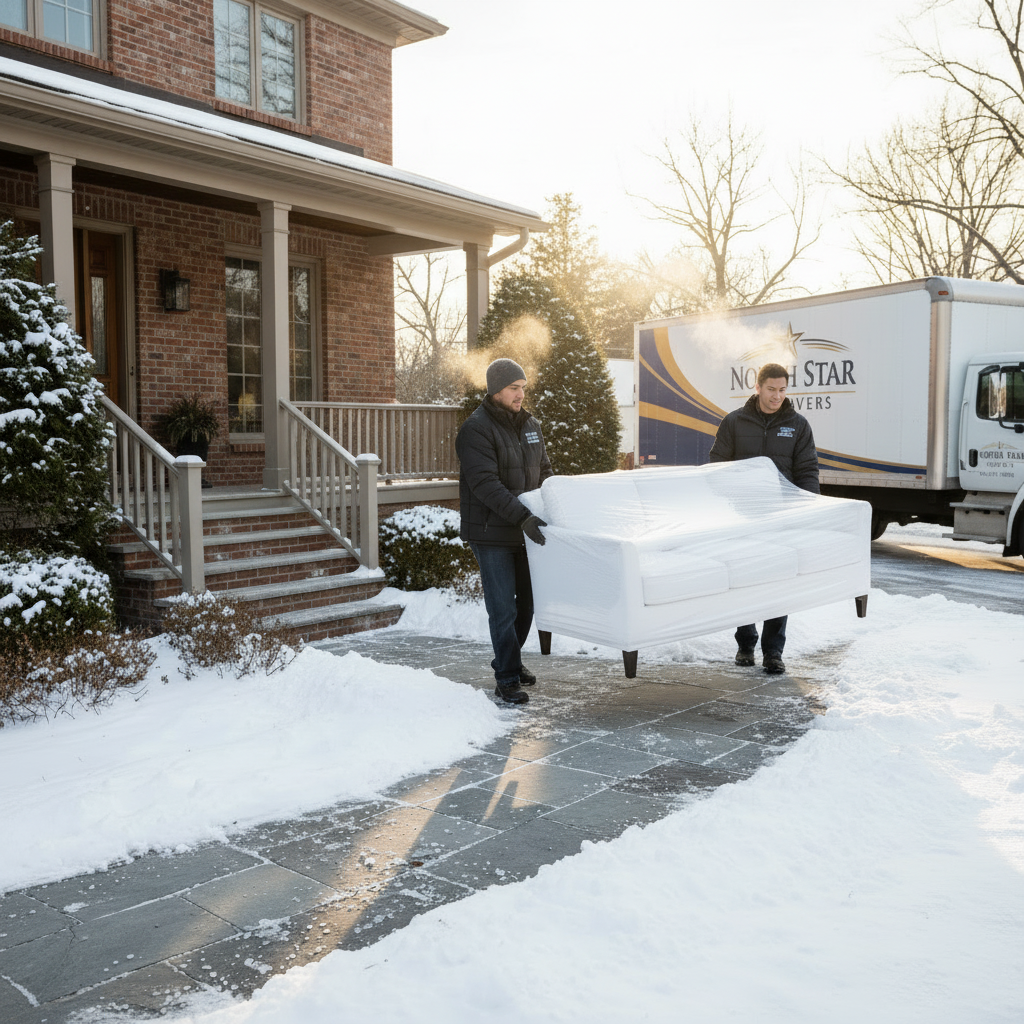
Moving in winter? Save up to 40% on moving costs but beware of critical pitfalls. Learn expert tips for a smooth, disaster-free winter relocation.
Key Takeaways
- **Electronics:** TVs, computers, consoles — all susceptible to condensation damage
- **Musical Instruments:** Guitars and pianos literally crack from temperature shock (seriously)
- **Artwork & Photos:** Cold makes paint brittle, warps prints
- **Live Plants:** They'll die in freezing temps — give them to friends
- **Wood & Leather Furniture:** Both crack, warp, or discolor when exposed to moisture and temp swings
Key Takeaways
Winter Moving Secrets: Save 40% & Avoid Disaster
Moving in winter can slash your costs by 40%, but it's a high-stakes gamble that demands serious planning. The cold introduces risks most people don't see coming. Our team has pulled off over 500 winter relocations — we know what works and what ends in disaster.
Why Opt for a Winter Relocation?
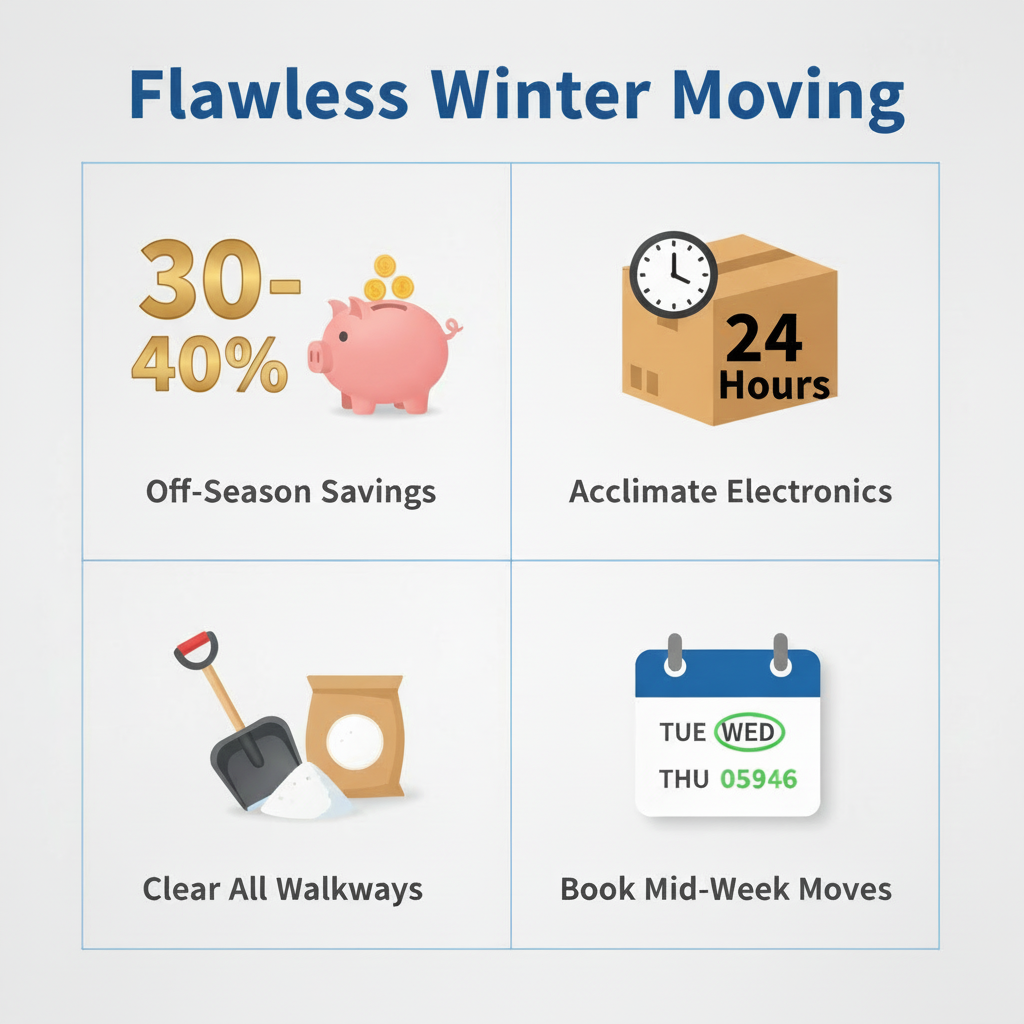
Look — the primary advantage? Massive cost savings. December through February is when moving companies get desperate for business. National Van Lines, Hansen Bros., and the other big players will drop their rates 30-40% just to keep trucks on the road. Supply and demand working in your favor.
We've watched clients pocket thousands just by picking a January move date instead of June. Beyond the money, you actually get better service. Your moving crew isn't exhausted from back-to-back jobs — they can focus on *your* stuff without rushing to the next appointment.
Our best crews prefer winter work. Less hectic. More careful. But yeah, there are downsides.
Critical Mistake: Unpacking Electronics Too Soon
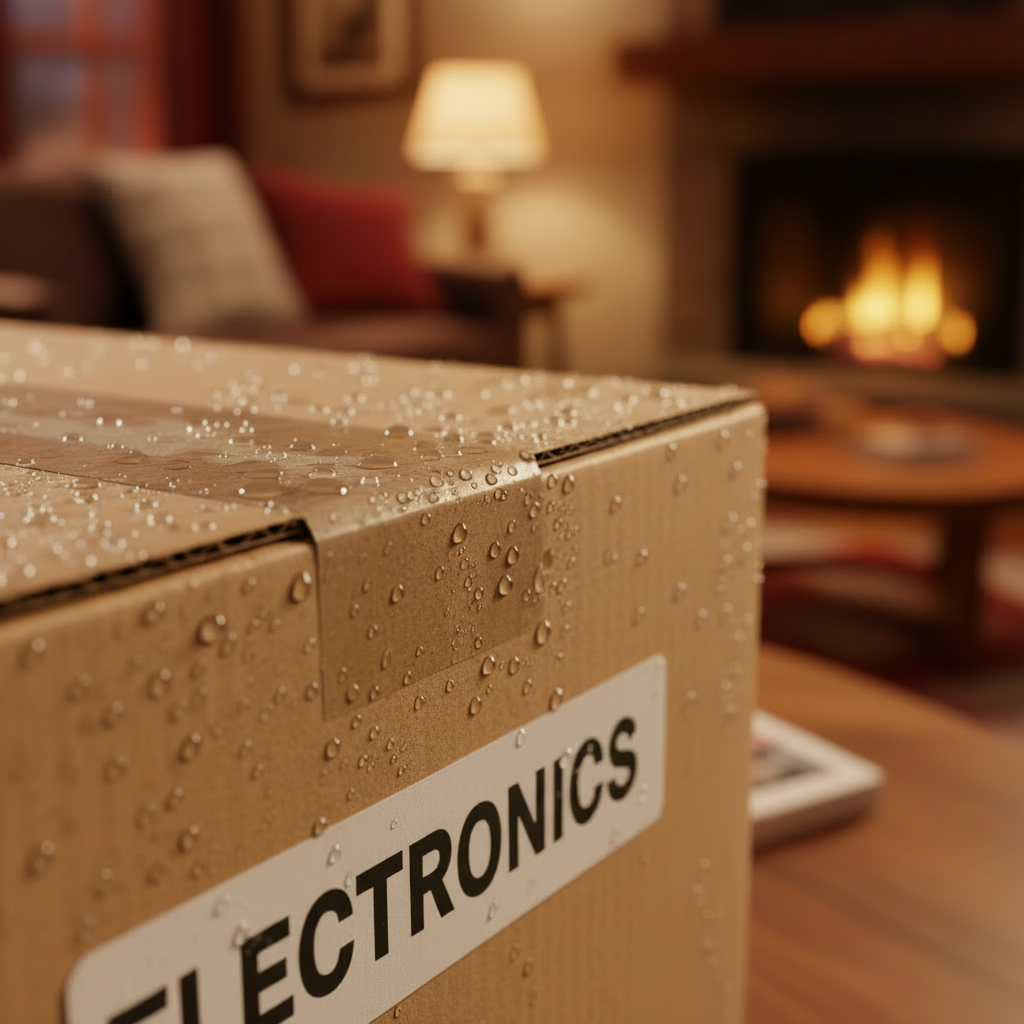
If you remember one thing, make it this: **don't plug in your electronics right away.** Last month a guy in Alpharetta unboxed his new OLED TV the second it came off the freezing truck. Plugged it straight in. $2,000 paperweight.
Condensation kills. Cold object + warm room = instant moisture. We call it "box sweat," and it destroys electronics, guitars, even wood furniture (causes warping). Let everything sit in the box for 12-24 hours minimum to reach room temp. Learn this lesson from someone else's mistake, not yours.
National vs. Local Movers in Inclement Weather
Picture this: February blizzard, local moving company, one truck. I-80 shuts down. Our client's entire household sat in an unheated truck for three days in a random parking lot. Nobody monitoring it. Complete nightmare.
Here's the thing: this is exactly why we push people toward national outfits like Nilson Van and Storage for winter moves. They've got networks. If a storm hits Denver, they reroute through Kansas City. They have climate-controlled storage facilities scattered everywhere. They can pivot. That scrappy local company charging 10% less? They've got one truck and a prayer. When things go sideways (and in winter, they do), you want options.
Planning Your Flawless Winter Relocation
Two things make or break a winter move: flexibility and backup plans. Period. We've managed hundreds of these, and the smooth ones always have a Plan B. Winter weather doesn't care about your schedule.
Flexibility is your insurance policy. Companies like ER Logistics offer 48-hour no-fee rescheduling during winter because — real talk — nobody can fight a blizzard.
Here's the scheduling strategy that actually works:
1. **Book Three Dates:** Lock in your ideal date, plus a backup later that week, plus one more the following week.
2. **Clear Your Calendar:** Winter moves take about 30% longer (weather, safety protocols, the works). Don't schedule anything critical right after.
3. **Avoid Fridays:** Bad weather hits Friday? You're waiting all weekend. Tuesday-Thursday moves give you flexibility and usually better rates.
4. **Confirm Extensively:** Call your mover a week out. Re-confirm everything. Discuss their weather contingency plans specifically.
Safeguarding Your Belongings from Winter's Bite
Some stuff just can't handle extreme cold, and cheap packing is how you lose thousands of dollars. We've documented so many losses from people who thought old towels would do the trick. (They won't.)
Professional-grade protection isn't optional — thermal blankets, moisture absorbers, heavy-duty plastic wrap. If your mover shows up with just tape and newspaper, that's a red flag.
What needs special attention:
- **Electronics:** TVs, computers, consoles — all susceptible to condensation damage
- **Musical Instruments:** Guitars and pianos literally crack from temperature shock (seriously)
- **Artwork & Photos:** Cold makes paint brittle, warps prints
- **Live Plants:** They'll die in freezing temps — give them to friends
- **Wood & Leather Furniture:** Both crack, warp, or discolor when exposed to moisture and temp swings
A Rescue Mission: The $15,000 Piano
We moved a family's baby grand last February. Outside temp was -5°F. The soundboard cracking? Real possibility. So we wrapped it in multiple thermal blankets and used one of our climate-controlled trucks (kept at 55°F the whole trip). Piano arrived perfectly in tune. They cried. Good tears.
Case Study: The Cost of a Poor Winter Move
This actually happened. Minneapolis office move, last winter. Company hired cheap movers who showed up with a standard unheated truck. Loaded servers in -20°F weather. Get to the new office, movers plug everything in immediately.
Every. Single. Server. Destroyed by condensation. $15,000 down the drain. Two-day business shutdown. A pro team (Five College Movers, Clancy Moving — we work with both) would've insisted on climate control and a 24-hour acclimation period. Expensive lesson about corner-cutting.
Selecting a Winter-Ready Mover
Here's the thing: most moving companies aren't equipped for serious winter conditions. You need specialists. Before we recommend any mover for cold-weather work, they have to pass our checklist.
What you're looking for:
- **Proper Licensing:** FMCSA certified with a valid USDOT number (non-negotiable)
- **Comprehensive Insurance:** Proof of cargo protection insurance, not just vehicle liability
- **Climate-Control Options:** They should have heated trucks available
- **Winter Equipment:** Ice melt, floor coverings, thermal blankets — the whole setup
- **Proven Experience:** Ask for references from previous winter moves they've done
A Crucial Note on Insurance
Listen — we've seen families get hit with thousands in damages only to find out their "fully insured" move only covered the truck itself. Not the antiques inside. Get everything in writing. Know your coverage limits. Don't trust verbal promises.
Winter Moving Costs: Understanding the Real Investment
Yeah, FreightWaves confirms you'll save 30-40% on the base rate. But a properly executed winter move isn't always cheaper overall. Those savings should get reinvested into protective services. Think of it as reallocating your budget, not cutting it.
Here's what the extras actually cost:
- **Base Move:** 30-40% off-peak discount
- **Climate-Controlled Truck:** Adds around 15-25%
- **Enhanced Insurance:** Adds maybe 5-10%
- **Specialized Packing:** Another 10-15%
Even with all that, most people still save money. More importantly? Their stuff arrives undamaged. We tell clients to budget about 15% over the initial quote for winter moves — gives you breathing room.
Preparing Your New Home for Winter Arrival
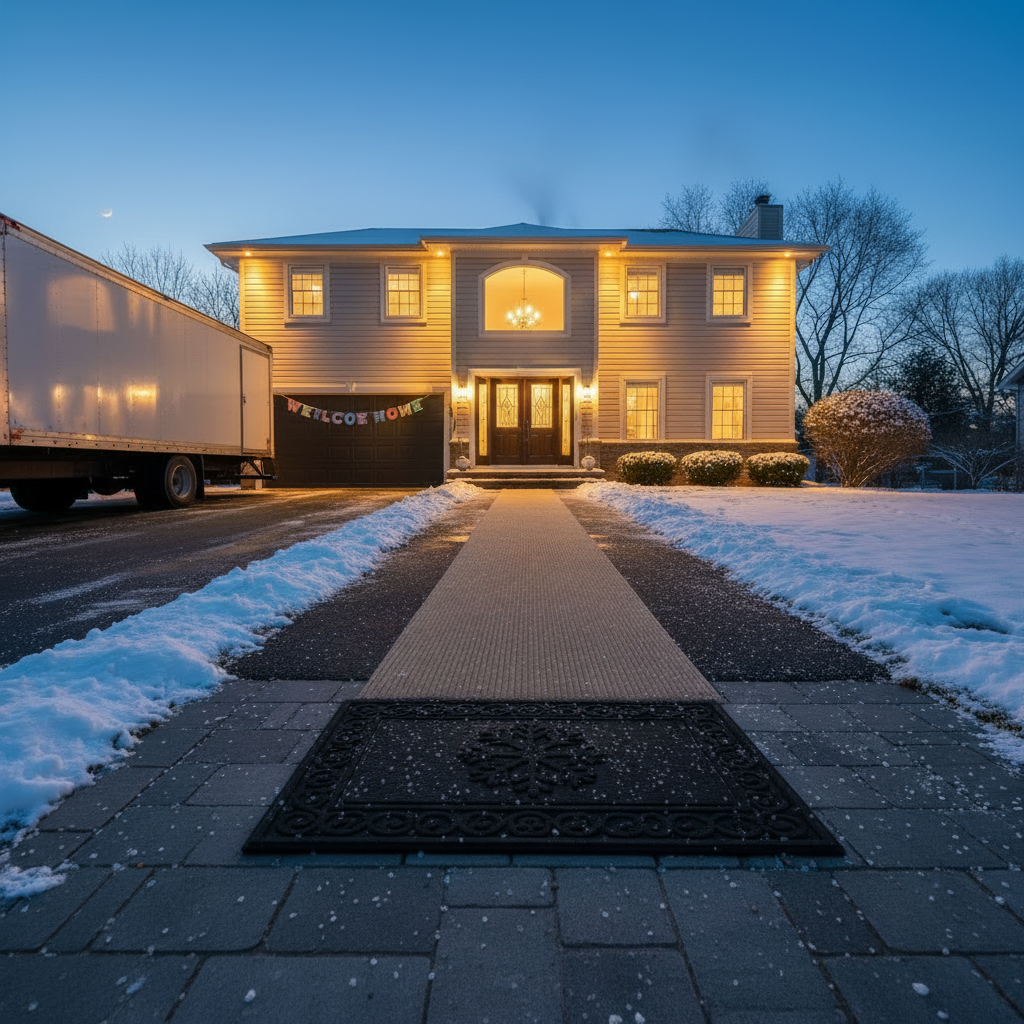
Your job doesn't end when the truck gets loaded. Your new place needs to be ready *before* movers arrive. Can't tell you how many delays happen because the destination is freezing, dark, or covered in ice.
Pre-arrival checklist:
1. **Activate Heating:** Heat needs to run for 24 hours before movers show up. Our crews can't (won't) move electronics into a freezing house — liability issue.
2. **Clear Pathways:** Shovel and salt the walkways, driveway, stairs. Icy paths = injuries and damaged items. Your crew will have salt, but they shouldn't clear your whole property.
3. **Ensure Adequate Lighting:** Winter days are short. Make sure all lights work — inside and out.
4. **Confirm Utilities:** Power and water should be active. Moving without utilities is brutal.
---
**Can movers really work in heavy snow?**
Professional crews can handle most snow. A full-blown blizzard or ice storm? That usually means rescheduling for safety. Keep talking to your coordinator — communication matters.
**Should I tip more for a winter move?**
Totally optional, but an extra $10-20 per person is classy when they're working in freezing temps and snow. They'll remember it.
**What if my stuff freezes in the truck anyway?**
Here's what most people don't get: extreme cold itself rarely damages things. It's the *rapid warm-up* that creates condensation and wrecks stuff. Let everything acclimate slowly for 12-24 hours before unpacking or powering on. Even if it got cold in transit, slow warming keeps it safe.
**How much can I actually save by moving in winter?**
Expect 30-40% off the base rate compared to summer. But factor in climate control and specialized packing — that'll eat some savings. You'll still come out ahead, though, and your belongings will actually survive the trip.
In-Depth Look
Detailed illustration of key concepts
Visual Guide
Infographic illustration for this topic
Side-by-Side Comparison
Visual comparison of options and alternatives

Sources & References
- Moving in the Winter: All You Need To Know For a Cold-Weather Move
- 10 Cool Tips for Moving in the Winter - Move Advisor
- Preparing for Winter: Top Tips for a Smooth Office Move
- Winter vs. Summer Moves: Pros, Cons, and Best Practices
- How to Prepare to Move During Winter: Comprehensive Tips for a ...
- Types of Moving Companies & Services | Freightwaves Checkpoint
- Best Long-Distance Moving Companies in 2025 - This Old House
- How to Choose a Reliable Moving Company - Consumer Reports
- Best Moving Companies of 2025 | U.S. News - Real Estate
- Best Cross Country Moving Companies Ranked US 2025
Frequently Asked Questions
Need Professional Help?
Find top-rated moving companies experts in your area