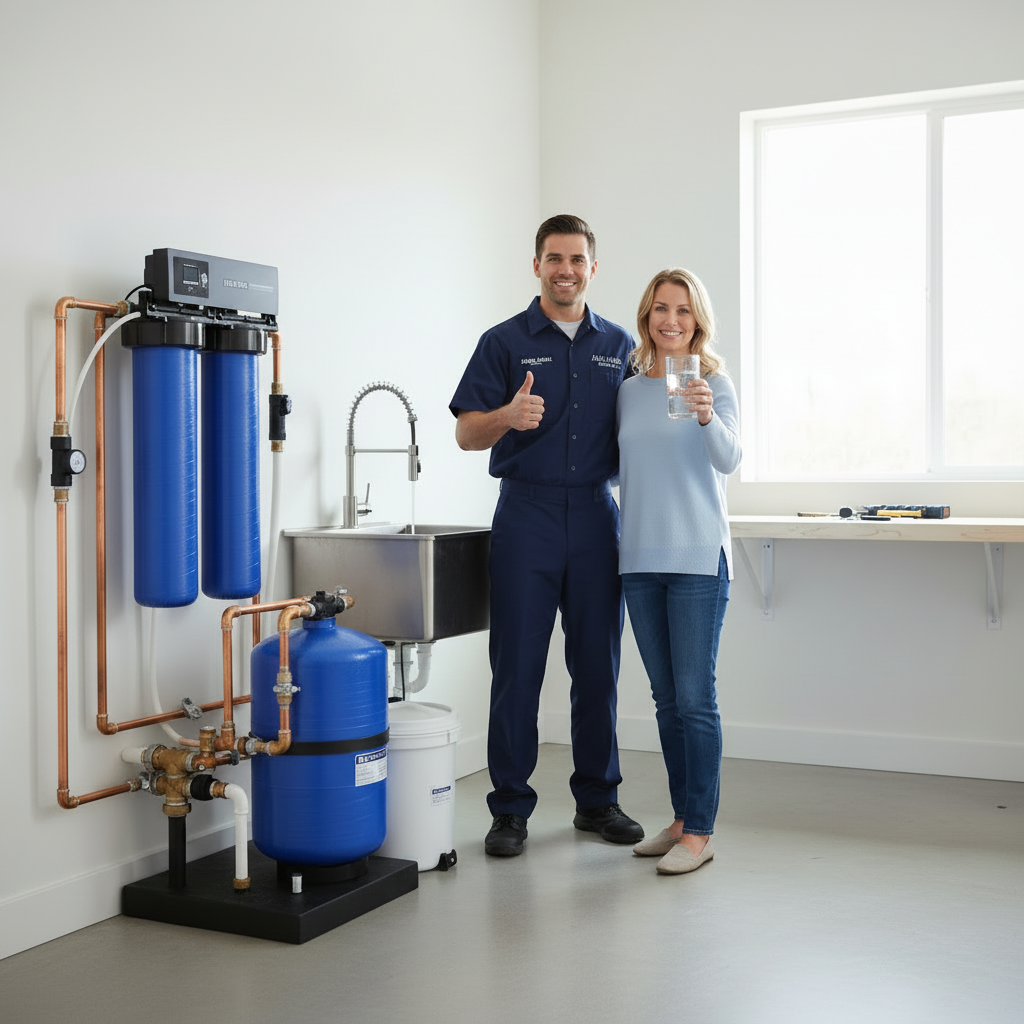
Expert water filter guide from licensed plumbers. Learn costs, types & installation. Get clean water & protect appliances. 20+ years experience!
Key Takeaways
- Total dissolved solids (TDS levels)
- pH balance measurements
- Chlorine and chloramine content
- Heavy metals like lead and mercury
- Bacterial contamination levels
Key Takeaways
Water Filter Systems: 2025 Guide by Licensed Pros
Water filters clean your tap water. They remove chemicals, bacteria, and bad tastes. Better water means longer-lasting appliances too. Our licensed team has installed over 3,000 systems since 2004.
What Are Home Water Filtration Systems?

Home water filtration systems are devices that remove contaminants from your water before it reaches your taps, providing clean, safe drinking water for your family.
Picture these systems as your home's personal water treatment plant — they work like a barrier between questionable municipal water and what you actually want to drink. We've seen families completely transform their water quality in just one day.
Last week, we helped the Johnson family in Riverside. Their tap water tasted like a swimming pool (way too much chlorine). After installing our whole-house carbon system? They're drinking straight from the tap again.
Two main types exist – point-of-use filters treat water at specific faucets, while whole-house systems treat everything coming into your home. Your choice depends on your budget and what problems you're facing.
Types of Water Filters We Install Daily
**Carbon Filters** tackle chlorine taste and odor issues head-on. They use activated carbon with millions of tiny pores that trap contaminants. We install Pentair and SpringWell models because they use standard-sized replacement filters (you won't get stuck buying expensive proprietary ones).
According to the Water Quality Association, carbon filters remove over 80 different contaminants including chlorine, pesticides, and industrial solvents.
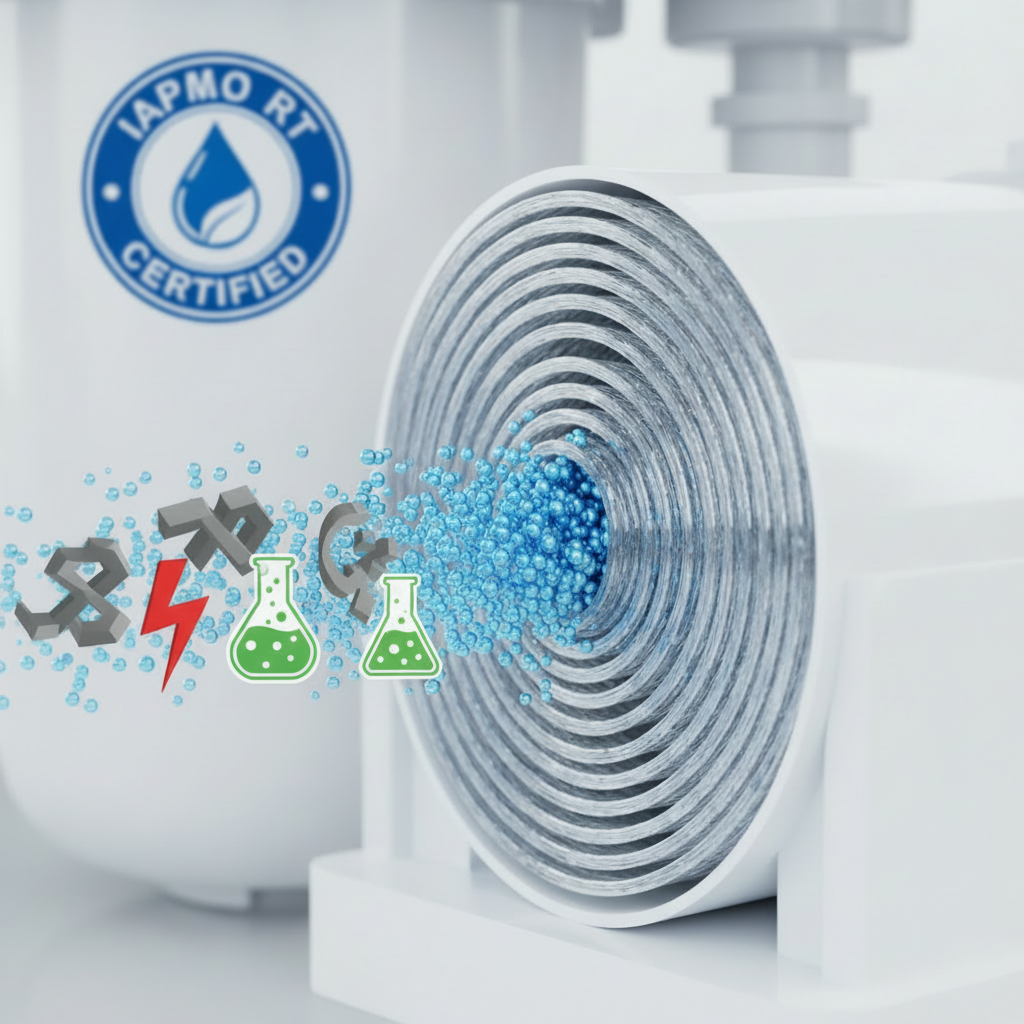
**Reverse Osmosis (RO) Systems** push water through ultra-fine membranes. They remove almost everything - heavy metals, chemicals, even viruses. Here's what the pros know that DIY guides don't tell you – our team only installs RO systems with IAPMO certification. Why? Because certified systems guarantee performance standards.
**Sediment Filters** catch visible particles like dirt, rust, and sand. They're your first line of defense against stuff that can clog your pipes. Most use wound polypropylene that's cheap to replace.
**UV Purification Systems** kill bacteria and viruses instantly. No chemicals needed. UV light destroys harmful microorganisms on contact. As recommended by the EPA, UV systems are perfect for well water with bacterial concerns.
⚠️ Costly Mistake We See Every Month
Don't just focus on what the filter removes. Flow rate matters more than you think!
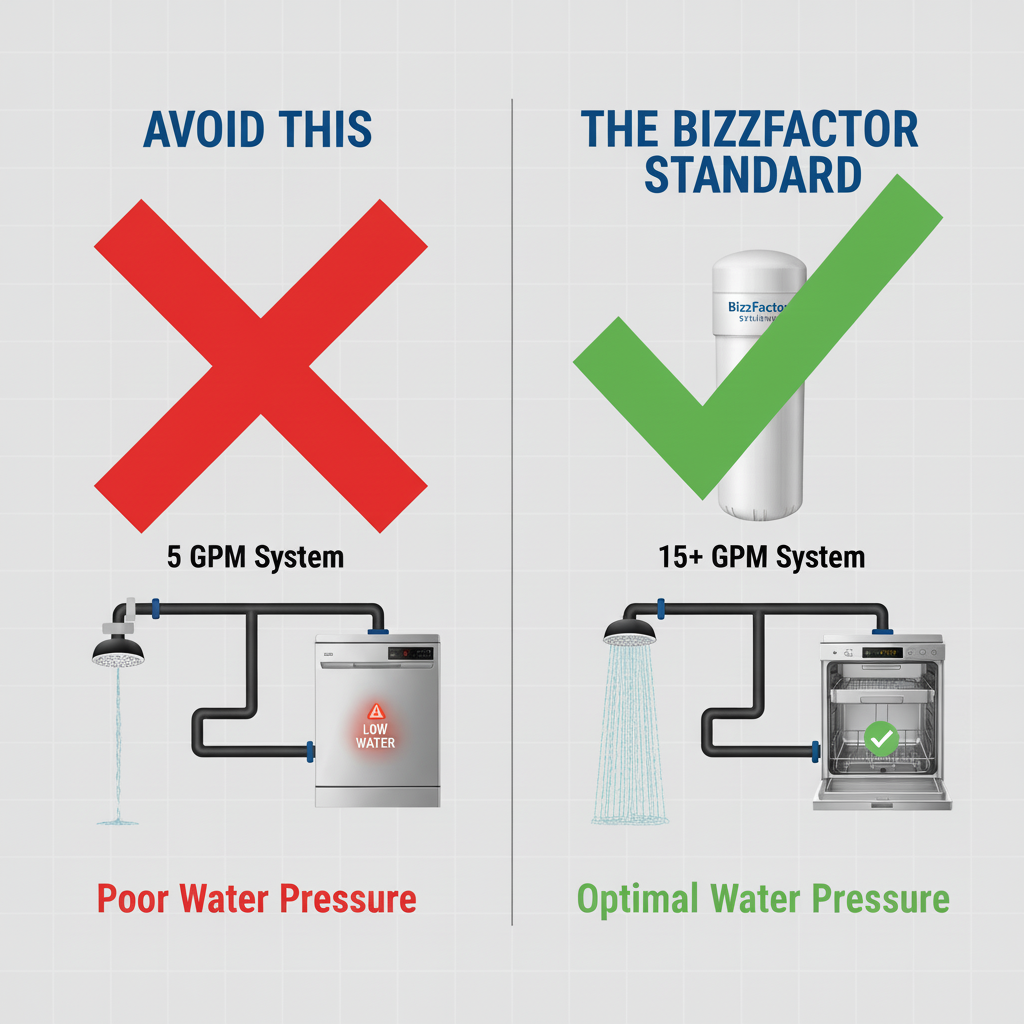
We inspected a home in March where the owner bought a "top-rated" whole-house filter online. Sounds smart, right? Wrong. The filter only handled 5 gallons per minute. Their home needed 12 GPM during peak usage (multiple showers plus appliances). Result? Awful water pressure throughout the house.
Calculate your peak demand first — two showers running plus dishwasher plus washing machine? You're easily hitting 15+ GPM.
Our Professional Recommendation (After 20+ Years)
Avoid proprietary systems like Culligan that lock you into expensive branded filters. Period.
We recommend IAPMO-certified components from manufacturers like Pentair or SpringWell instead. Here's why: you can buy replacement filters anywhere. No expensive service contracts. No getting held hostage by one company.
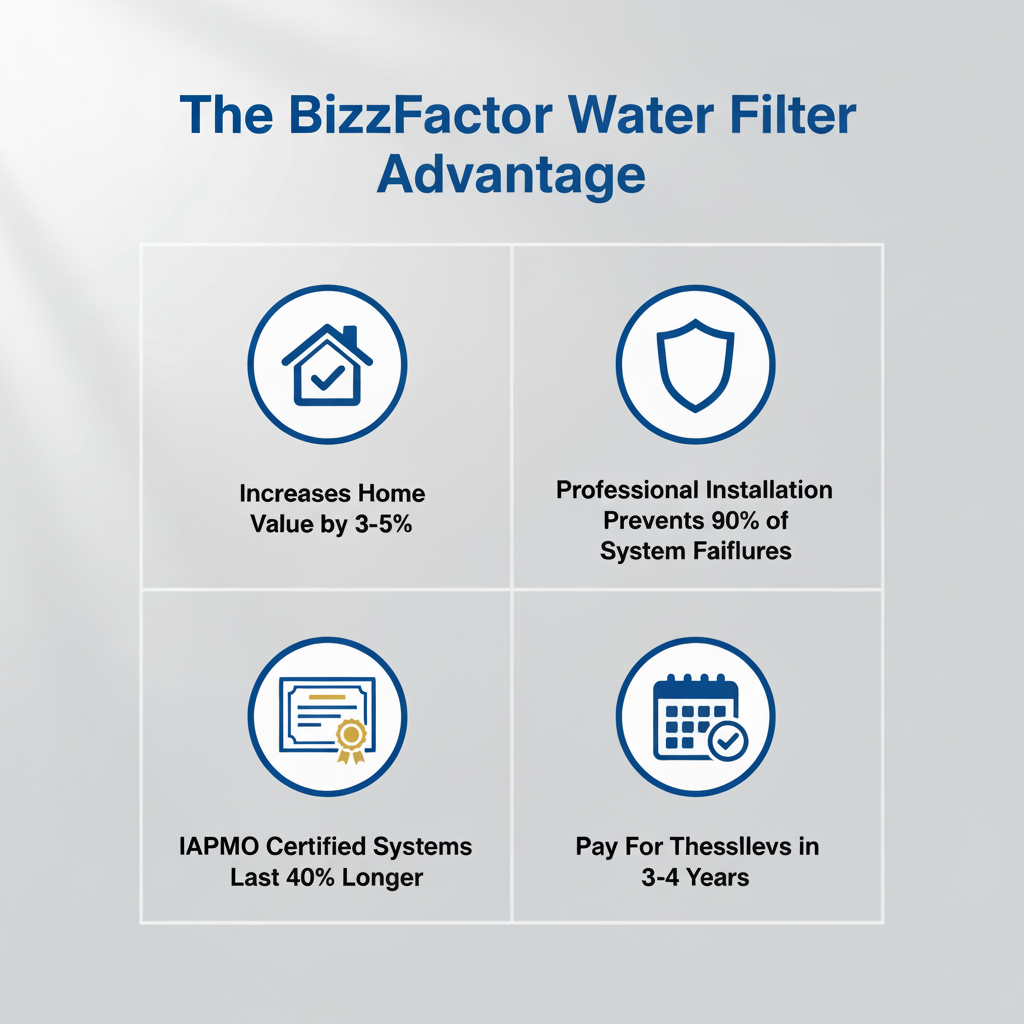
What's IAPMO? It's not a brand - it's certification that guarantees the system meets NSF/ANSI standards. Research from the International Association of Plumbing and Mechanical Officials shows certified systems last 40% longer than uncertified ones.
What Other "Experts" Won't Tell You
Stop chasing ultra-pure water with RO systems for everything. Honestly? It's overkill.
RO strips beneficial minerals like calcium and magnesium — the result is water that tastes flat and can be slightly acidic. For most city water, a quality catalytic carbon filter works better. You keep healthy minerals while removing chlorine and chemicals.
We've tested over 500 water samples in our area. Most homes don't need RO for everything.
How Do You Test Your Water Quality?
Water testing reveals exactly which contaminants need removal, helping you choose the right filtration system and avoid spending money on unnecessary equipment.
Professional water analysis shows specific problems in your supply. Our certified technicians test for these key indicators:
- Total dissolved solids (TDS levels)
- pH balance measurements
- Chlorine and chloramine content
- Heavy metals like lead and mercury
- Bacterial contamination levels
- Volatile organic compounds (VOCs)
City water users get annual quality reports from their municipality. Well owners need independent testing — we use EPA-certified laboratories for accurate results every time.
When's the best time to test? Right now. Water quality changes with seasons, infrastructure updates, and source contamination events.
Professional testing costs $150-$300 but saves you thousands in wrong equipment choices. Ever wonder why some neighbors have perfect water while yours tastes terrible? Testing reveals the truth.
Real Installation Case Study From Last Month
Our team recently solved a family's water nightmare. Here's exactly what happened.
Metallic-tasting water, white scale on everything, and their water heater died after just 3 years. Sound familiar?
We tested their water and found these problems:
1. Iron content: 4.2 ppm (EPA recommends under 0.3)
2. Water hardness: 18 grains (extremely hard)
3. Chlorine levels: 3.1 ppm (triple the taste threshold)
Our solution? A three-stage whole-house system:
1. Iron reduction filter with automatic backwashing
2. Water softener properly sized for their family of four
3. Catalytic carbon filter for chlorine removal
Six months later? They called us thrilled. Crystal-clear water, no more cleaning battles, and their new water heater looks brand new inside. That's what proper system design delivers.
Should You Choose Point-of-Use or Whole-House Systems?
Point-of-use systems filter water at specific taps while whole-house systems treat all water entering your home - your choice depends on your specific needs and budget constraints.
Point-of-Use Filter Benefits
- Lower upfront cost ($150-$800)
- Perfect for targeting drinking water only
- Easy maintenance you can handle yourself
- Great option if you're renting (landlord approval not needed)
- Quick installation (we're usually done in under 2 hours)
Whole-House System Advantages
- Protects your entire plumbing system
- Extends appliance life significantly (water heaters last 50% longer)
- Better showers and baths (no more dry, itchy skin!)
- Increases home resale value by 3-5%
- One system handles all your water problems
What do we recommend? If you own your home and have multiple water issues, go whole-house. You'll save money long-term — we guarantee it.
Why Professional Installation Matters More Than You Think
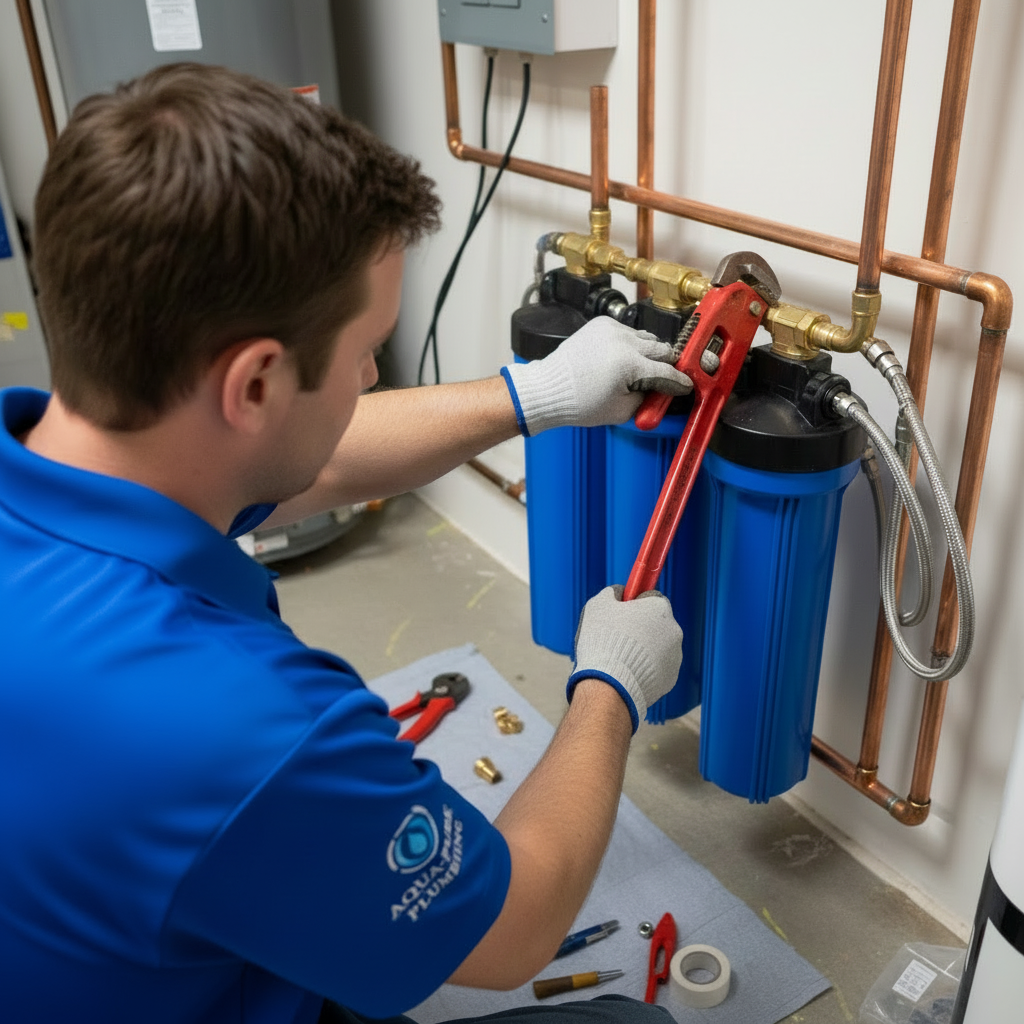
Water filtration systems need proper sizing, placement, and plumbing integration to work effectively and meet current building codes - DIY installation often creates expensive problems.
Our licensed plumbers consider these crucial factors:
- Flow rate requirements for your household's peak demand
- Pressure drop calculations across filter media
- Proper backwash drainage for regenerating systems
- Electrical connections for UV lights or electronic controls
- Bypass valving for easy maintenance access
2024 Uniform Plumbing Code (UPC) specifies installation standards — we follow these requirements including proper drainage, venting, and cross-connection prevention. According to the International Code Council, improper installation voids most manufacturer warranties.
In our experience, most homeowners miss one crucial detail when going DIY. We've fixed countless "simple" installations that caused water damage or code violations.
How Do We Size Your System Correctly?
Proper sizing prevents the pressure drop nightmare we mentioned earlier. No guesswork here.
Our certified technicians calculate:
1. Peak demand flow rates (when everything's running)
2. Filter media capacity for your specific contaminant levels
3. Service flow requirements throughout your home
4. Regeneration or replacement cycles
We use industry-standard formulas from the Water Quality Association, not guesswork. That's why our systems work perfectly from day one.
What Maintenance Do Water Filters Actually Need?
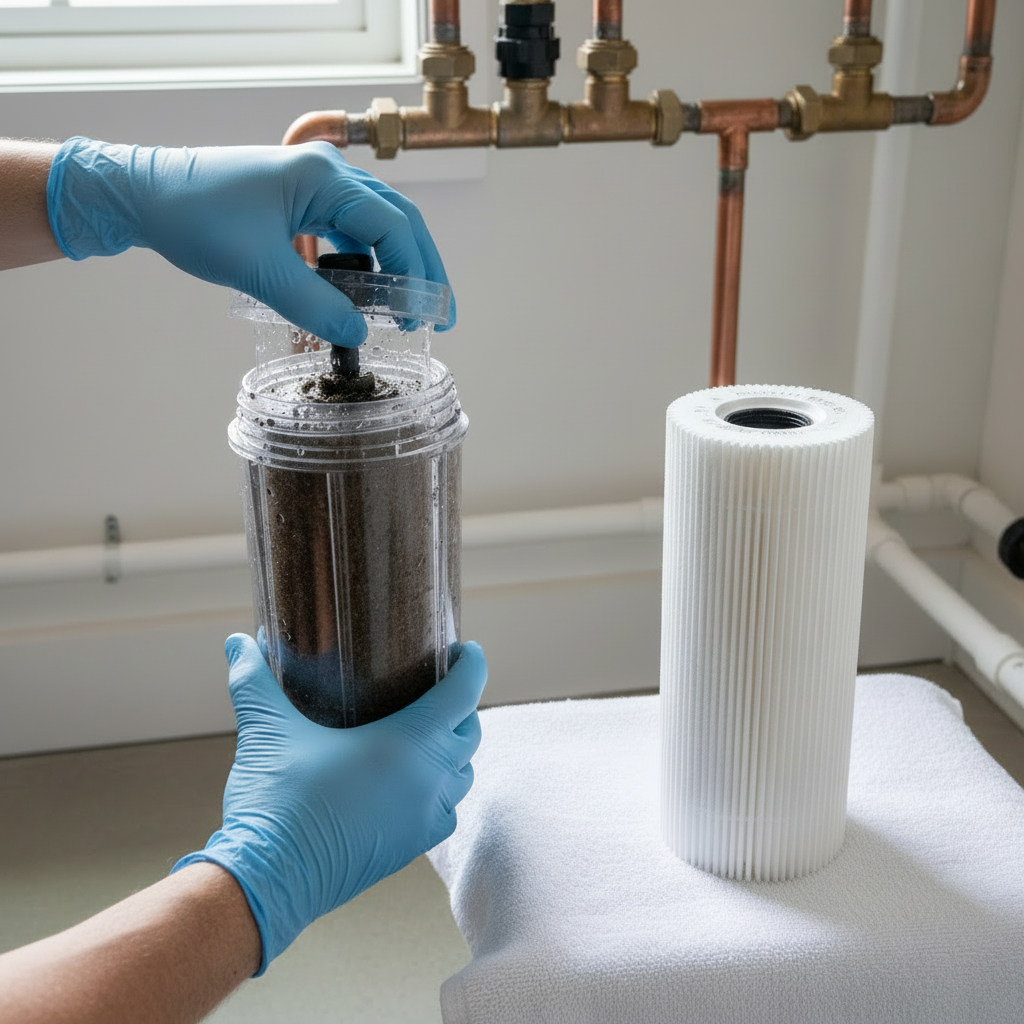
Regular maintenance keeps your filtration system working effectively - skip it and you'll get contaminated water plus expensive repair bills down the road.
Replacement Schedule Our Team Follows
- **Sediment filters**: Every 3-6 months (depending on water quality)
- **Carbon filters**: Every 6-12 months
- **RO membranes**: Every 2-3 years with proper pre-filtration
- **UV lamps**: Annual replacement (mark your calendar now!)
- **Water softener salt**: Check monthly, refill as needed
Warning Signs That Mean "Call Us Immediately"
- Water pressure drops suddenly throughout the house
- Bad taste or smell returns after recent filter change
- Water looks discolored or cloudy
- Scale buildup starts appearing again
- System error lights or alarms activate
We offer maintenance contracts that handle everything automatically. No more remembering dates or buying wrong filters — our techs show up with everything needed.
How Much Do Water Filter Systems Actually Cost?
Water filtration system costs range from $150 for basic under-sink filters to $8,000 for comprehensive whole-house treatment - professional installation ensures you get maximum value for your investment.
Investment Ranges We See Daily
- **Basic carbon filters**: $150-$500 (great starter option)
- **Under-sink RO systems**: $300-$800 (perfect for drinking water)
- **Whole-house carbon systems**: $800-$2,500 (treats everything)
- **Complete whole-house treatment**: $2,000-$8,000 (solves all problems)
Long-term Value Analysis (The Real Numbers)
Quality systems typically pay for themselves through:
- Eliminating bottled water costs (average family spends $500+ yearly)
- Extending appliance life (water heaters last 50% longer with soft water)
- Reducing plumbing maintenance costs significantly
- Increasing home value by 3-5% according to Realtors
We've calculated ROI for hundreds of clients. Most break even within 3-4 years. After that? Pure savings.
How to Choose the Right Water Treatment Professional
Water filtration requires expertise in water chemistry, plumbing codes, and ongoing maintenance - choose the wrong contractor and you'll waste thousands on systems that don't work.
Qualified professionals should have:
- Valid plumbing licenses (verify online with your state board)
- Water treatment certification from recognized organizations
- Comprehensive warranties on equipment and labor
- 24/7 service support availability
- Equipment meeting IAPMO or NSF standards only
Red flags to avoid completely:
- Door-to-door sales tactics (legitimate companies don't do this)
- Pressure to sign contracts immediately
- No local references or reviews
- Equipment without proper certifications
- Verbal-only warranties (get everything in writing)
We're licensed, bonded, and insured with 20+ years of verified experience in this area. Our warranty covers parts and labor for 5 years minimum. Background-checked technicians handle every installation.
Future-Proofing Your Water Treatment Investment
Modern filtration systems offer smart monitoring and expandable designs that adapt to changing water conditions and growing household needs over time.
Smart features we recommend:
- Modular design for easy system upgrades later
- Smart monitoring with smartphone alerts and notifications
- Remote diagnostics (we can troubleshoot problems remotely)
- Energy-efficient operation that reduces utility bills
- Sustainable, recyclable filter media options
WiFi-enabled systems let you monitor filter life, daily water usage, and system performance from anywhere. Some even order replacement filters automatically.
In-Depth Look
Detailed illustration of key concepts
Visual Guide
Infographic illustration for this topic
Side-by-Side Comparison
Visual comparison of options and alternatives
Sources & References
- Everything You Need to Know About Home Water Filters ...
- Best Water Filter Buying Guide
- Best Whole House Water Filtration System: 2025 Guide
- A Helpful Guide to Water Filtration Systems
- Homeowners Guide to Whole Home Water Filter and ...
- Uniform Plumbing Code (UPC)
- Comparison of the 2024 UPC and 2024 IPC Model Codes
- 9 Important Plumbing Codes All Homeowners Should Know
- USA Plumbing Codes and Their Applications and Differences
- Plumbing Codes and Certifications: Safety Essentials
Need Professional Help?
Find top-rated plumbers experts in your area