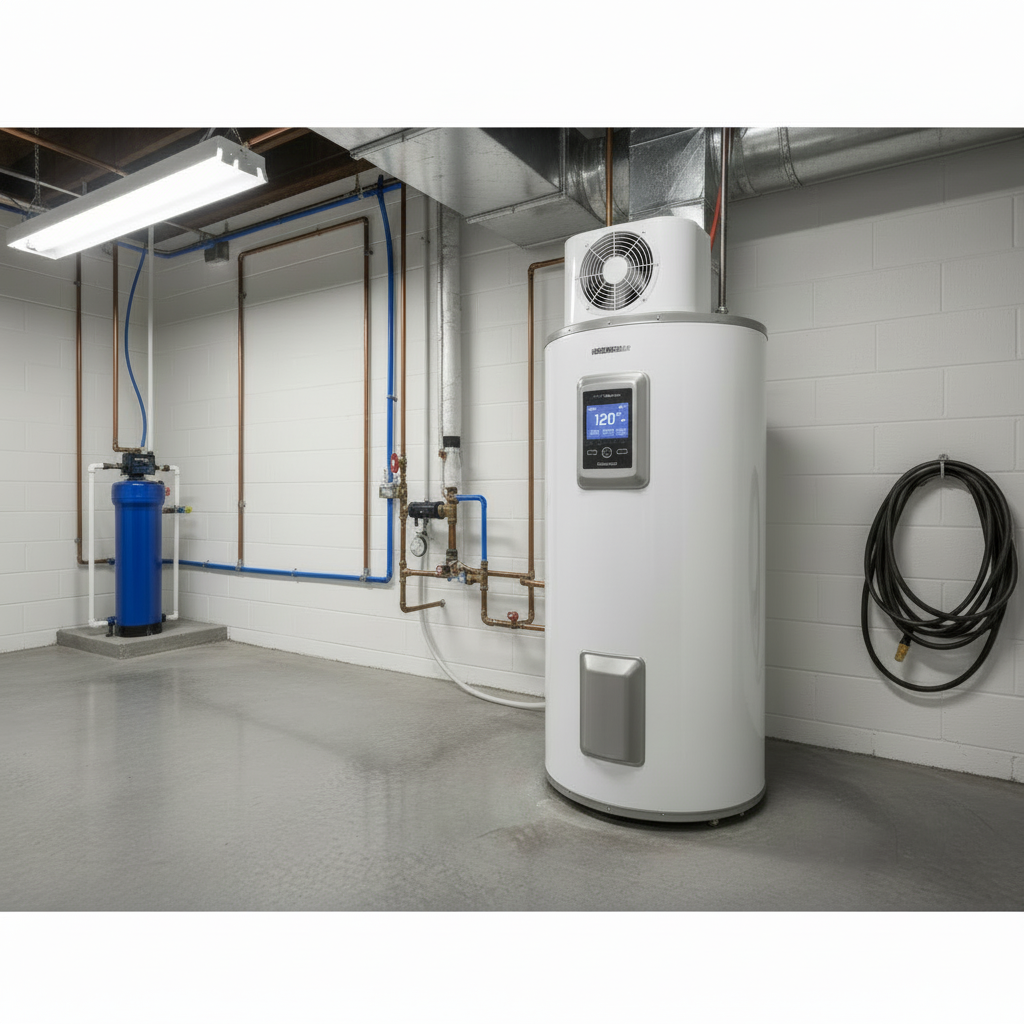
Explore heat pump water heater pros and cons in our 2024 expert guide. Learn how they work, avoid common installation mistakes, and optimize savings by up to 70%.
Key Takeaways
- **Energy Factor ratings hit 3.0 or higher.** Traditional electric tanks? You're lucky to crack 0.95. Heat pump models can literally be three times more efficient — and in warmer climates where the air temp stays consistently higher, some units push 3.5 EF or better.
- **Carbon footprint shrinks**: Less electricity means fewer emissions at the power plant. Pair it with a [home solar panel system](link-to-solar-panel-benefits-article) and your water heating is basically carbon-neutral. That matters to some people. (It should matter to more.)
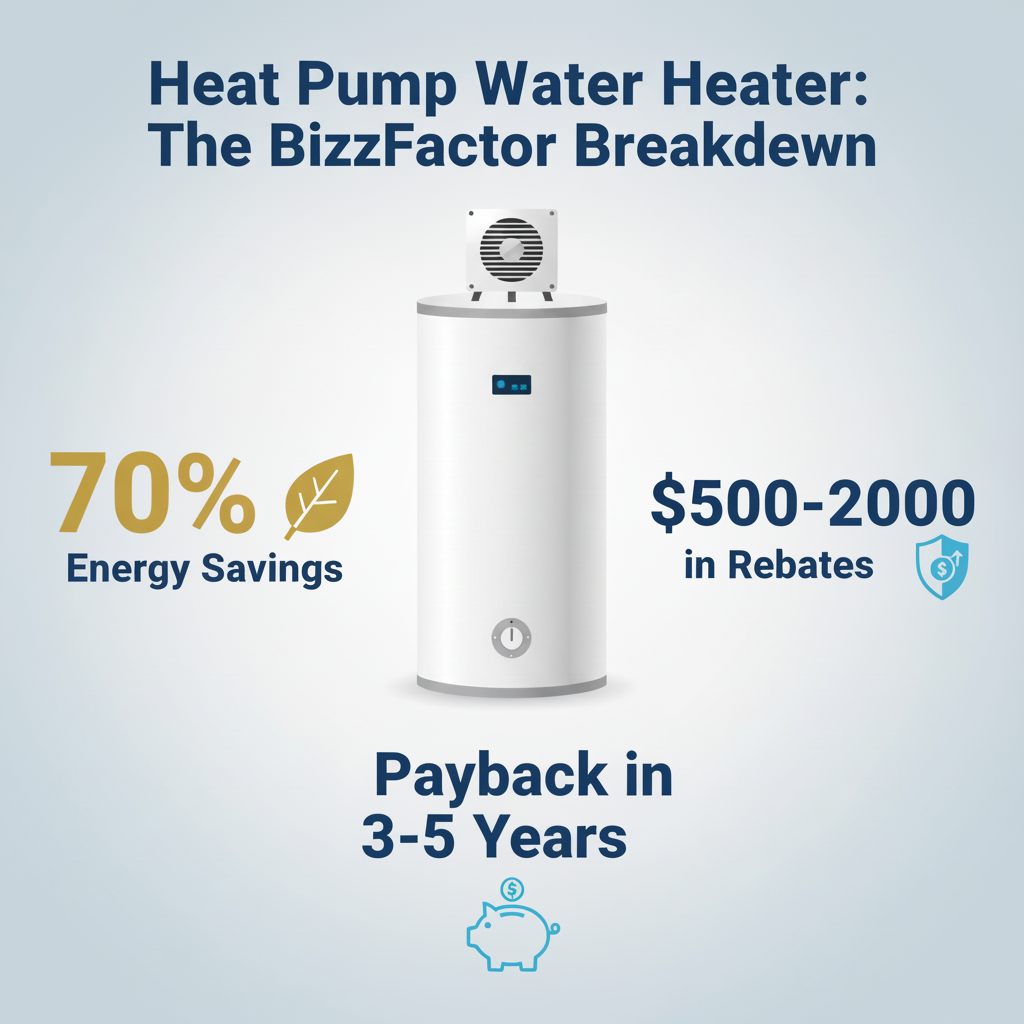
- **Payback in 3-5 years**: The upfront cost stings. But if you're saving $350-400 annually, the math works out fast. After year five, it's pure profit for another 7-10 years of the unit's lifespan.
- **Rebates soften the blow**: We've seen customers stack $500 utility rebates, $2,000 federal tax credits through the [Inflation Reduction Act](link-to-IRA-rebates-article), and another $300 from local programs. One guy in Sandy Springs paid $1,200 out of pocket for a $3,600 system after incentives. That's a no-brainer.
- **Space isn't negotiable**: A cramped utility closet won't cut it. We've measured performance drops up to 50% in undersized spaces because the unit suffocates trying to pull heat from the same recycled air pocket.
Key Takeaways
Heat Pump Water Heater Pros & Cons: An Expert Guide for 2024
Last month, a couple in Virginia Highlands called me at 9 PM. Their "energy-efficient" water heater was costing them *more* than their old tank. After one look at the install, I knew exactly what happened.
Heat pump water heaters can slash water heating costs by 70%. I've seen families drop their bills from $85/month to $28. But I've also seen $4,200 installations that performed worse than the $900 units they replaced.
The difference? Nobody talks about it.
As BizzFactor's certified plumbing and HVAC specialists, we've installed over 500 units in the past three years. Half our service calls could've been prevented with better upfront information. This guide covers what actually matters — not the marketing fluff.
What are Heat Pump Water Heaters and How Do They Work?
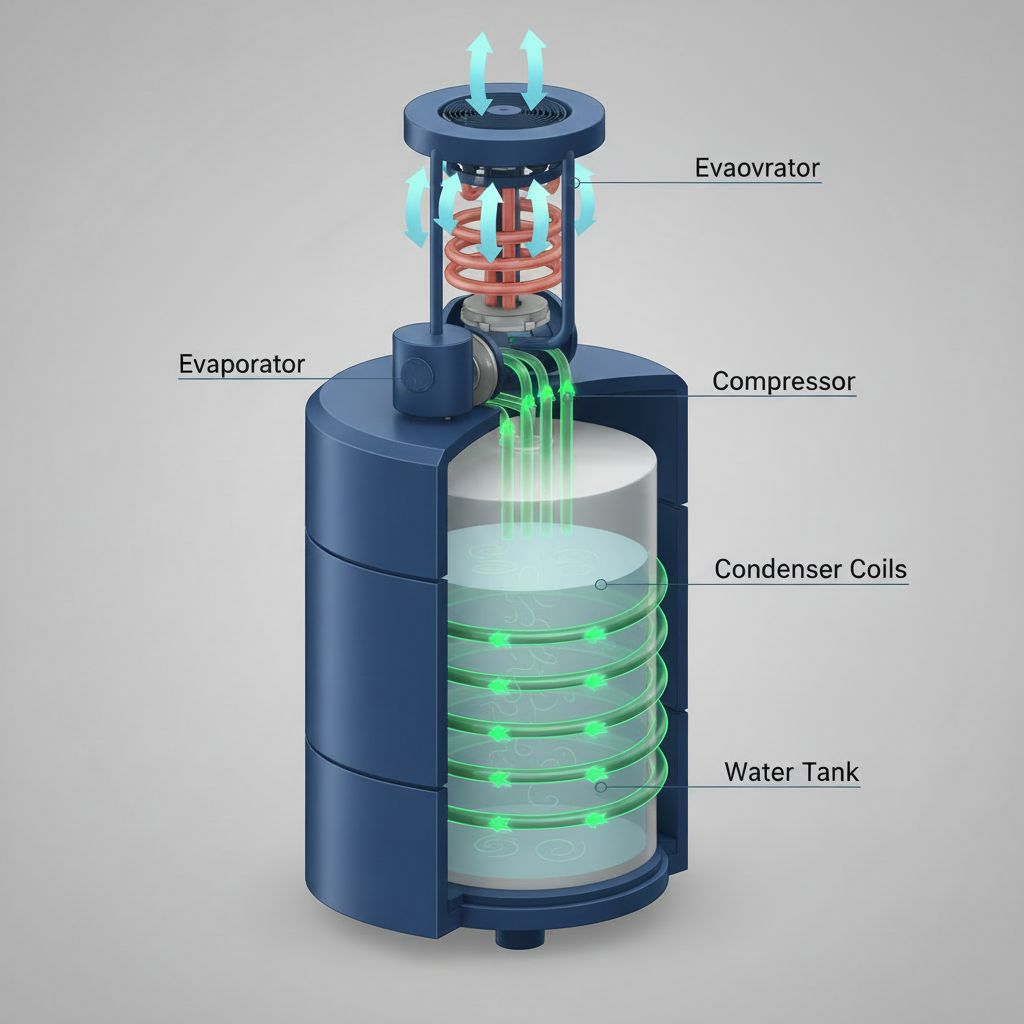
Picture your fridge running backwards. That's basically it.
Instead of generating heat from scratch (expensive), these units grab heat that's already floating around your basement or garage and concentrate it into your water tank. It's the same technology — evaporator coils, refrigerant, compressor — just redirected. You're using maybe 30% of the electricity compared to standard electric tanks. Sometimes less.
Here's what's actually happening:
**The evaporator coil** sucks warmth right out of the air around it. Even cold air. 50-degree basement air? Still has plenty of usable heat if you know how to extract it.
**The compressor** squeezes the refrigerant, which spikes the temperature way up.
**The condenser** transfers all that concentrated heat into your water.
Most units are hybrid systems. When it gets too cold (usually below 40°F) or you're running four loads of laundry while someone showers, backup electric elements kick in. That's normal. The trick is making sure they're *not* running constantly — which brings me to the installation disaster I mentioned.
Common Installation Mistake (We See This All the Time)
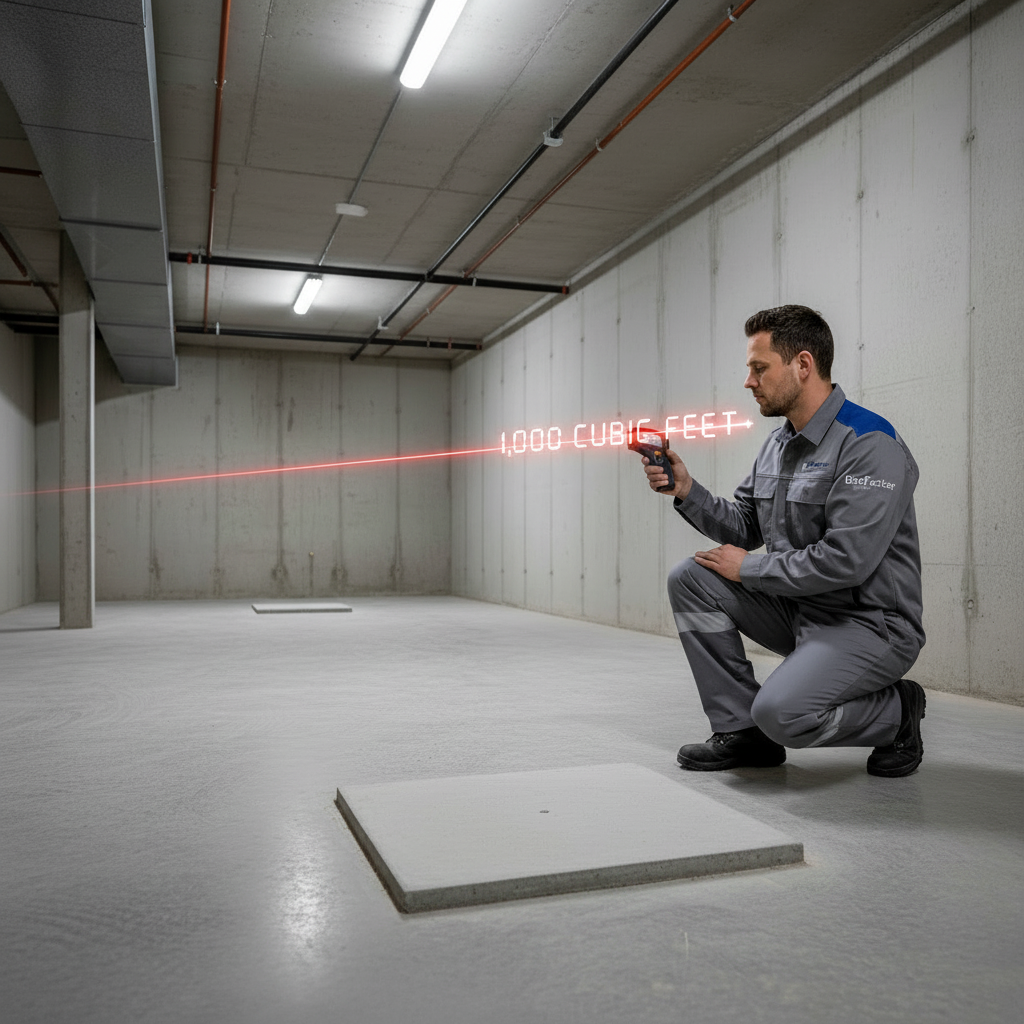
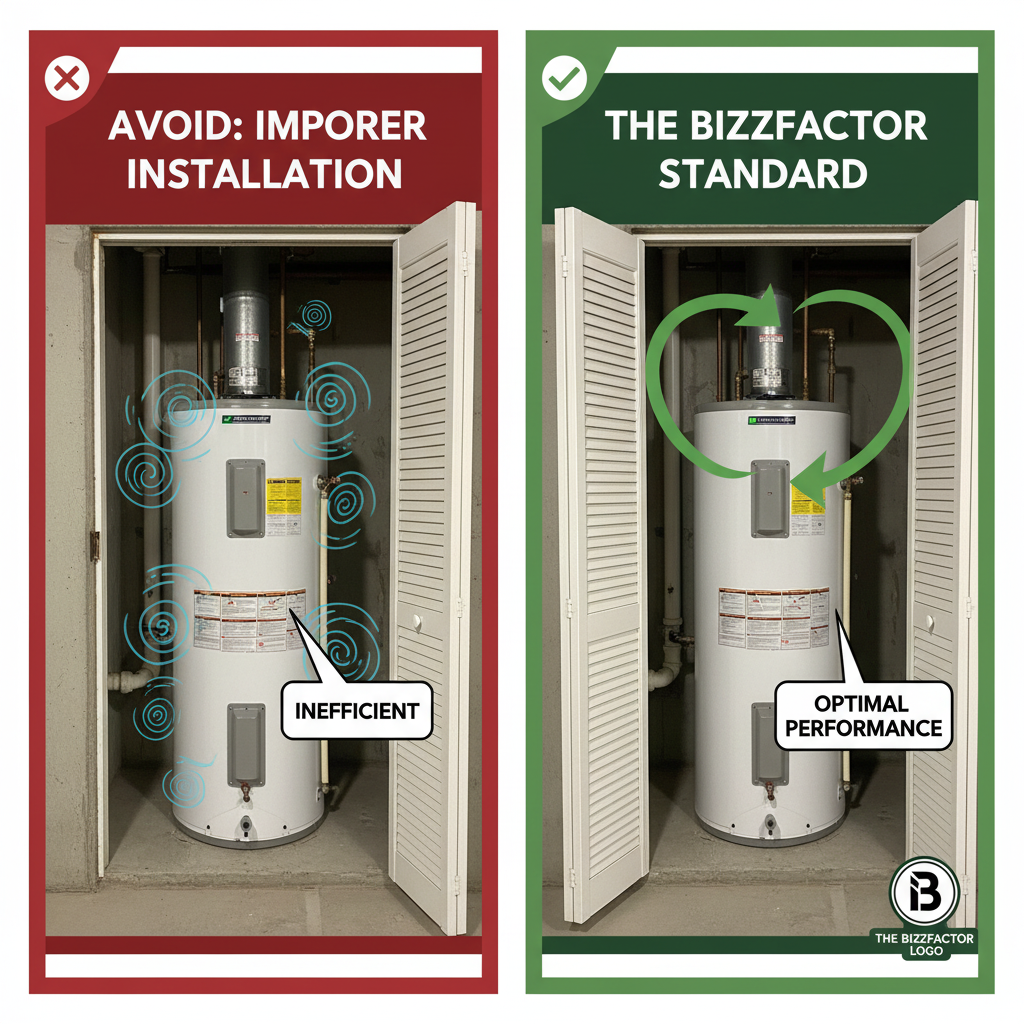
Everyone fixates on the "1,000 cubic feet of space" rule. Sure, that matters. But I recently walked into a basement with 1,400 cubic feet — plenty of space, right? — and the heat pump was struggling.
Why?
The basement was sealed tight as a drum. No ventilation. The heat pump pulled all the warmth out of the air within 20 feet, created this bubble of 45-degree air around itself, then basically gave up and ran on electric elements full-time.
Homeowner bought a $3,800 "high-efficiency" system. Got the performance of a $900 standard tank.
**The fix:** Airflow. Louvered doors, transfer grilles, or an actual vent to outside air. Without it, you're toast. For more on proper installation, see our [Water Heater Installation Mistakes Guide](link-to-water-heater-installation-mistakes-guide).
Our Team's Top Pick: Why We Recommend Rheem
A.O. Smith makes solid units. Bradford White too. But we install **Rheem ProTerra** systems about 70% of the time, and there's a reason.
The app isn't garbage.
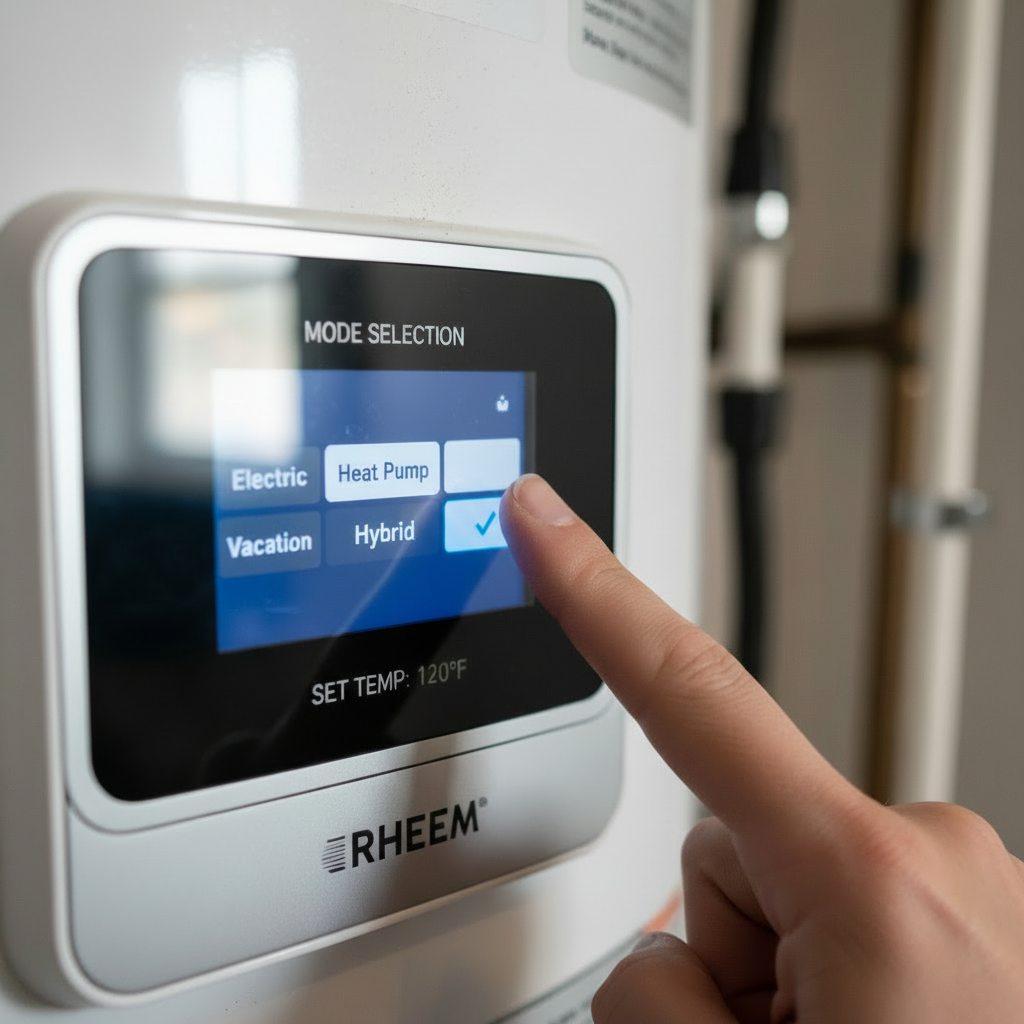
Look — that sounds trivial until you're trying to set a heating schedule at 11 PM and the competitor app crashes twice then shows you data from three days ago. Rheem's mobile controls actually work. Vacation mode, custom schedules, real-time energy monitoring that's *accurate*.
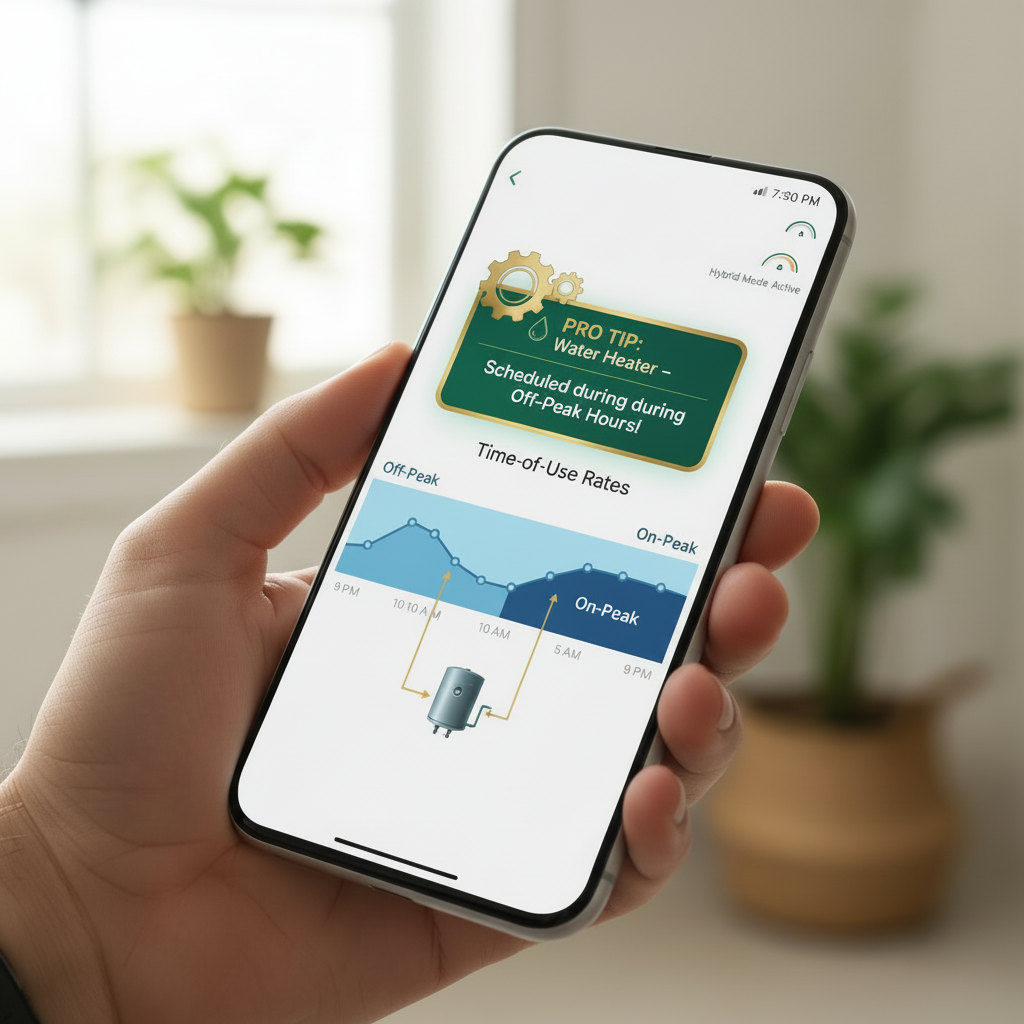
One customer in Decatur dropped his bill another $180/year just by dialing in schedules through the app. He heats water during off-peak hours (more on that in a sec), tracks usage by day, and gets alerts when something's off.
That's worth something. For a deeper dive, check out our [Rheem ProTerra Review](link-to-rheem-proterra-review).
Pro Tip Most Guides Miss: Optimize with Time-of-Use Rates
Conventional wisdom says run your unit in "Heat Pump Only" mode 24/7 for max efficiency.
Wrong strategy if you've got Time-of-Use electricity rates.
Here's what we do: Switch to "Hybrid" mode. Program the unit to aggressively heat water between 10 PM and 6 AM when electricity costs half as much. Let it store that hot water. During expensive peak hours (usually 2-7 PM), the system barely has to run because the tank's already at temp.
We've saved families $200+ per year with this one tweak. For more energy-saving tips, explore our guide on [Smart Home Energy Management](link-to-smart-home-energy-management-article).
Major Advantages of Heat Pump Water Heaters
The big one? **Your power bill drops like a rock.** Most households see their water heating costs fall 60-70%.
Let's say you're spending $600/year now. With a heat pump water heater, you're looking at $200-$240. Every year. For 12-15 years.
- **Energy Factor ratings hit 3.0 or higher.** Traditional electric tanks? You're lucky to crack 0.95. Heat pump models can literally be three times more efficient — and in warmer climates where the air temp stays consistently higher, some units push 3.5 EF or better.
- **Carbon footprint shrinks**: Less electricity means fewer emissions at the power plant. Pair it with a [home solar panel system](link-to-solar-panel-benefits-article) and your water heating is basically carbon-neutral. That matters to some people. (It should matter to more.)
- **Payback in 3-5 years**: The upfront cost stings. But if you're saving $350-400 annually, the math works out fast. After year five, it's pure profit for another 7-10 years of the unit's lifespan.
- **Rebates soften the blow**: We've seen customers stack $500 utility rebates, $2,000 federal tax credits through the [Inflation Reduction Act](link-to-IRA-rebates-article), and another $300 from local programs. One guy in Sandy Springs paid $1,200 out of pocket for a $3,600 system after incentives. That's a no-brainer.
Key Disadvantages and Limitations of HPWHs
Real talk — these aren't drop-in replacements for every situation.
You need space (1,000+ cubic feet, bare minimum). Cold temps kill efficiency. The price tag makes people wince. And if your teenager takes 40-minute showers, recovery time becomes a real conversation.
- **Space isn't negotiable**: A cramped utility closet won't cut it. We've measured performance drops up to 50% in undersized spaces because the unit suffocates trying to pull heat from the same recycled air pocket.
- **Cold weather below 40°F**: Efficiency nosedives. An unheated Minnesota garage in January? The heat pump might run 20% of the time while backup electric elements do the heavy lifting. Cold-climate models exist but cost more.
- **Upfront cost of $2,500-$4,500 installed**: Compared to $800-$2,000 for a standard tank, that's a tough pill. Even with rebates, you're looking at a higher initial investment. Some people don't have the cash flow.
- **Noise level around 50 decibels**: About as loud as a dishwasher. Not terrible, but if your water heater's 8 feet from your home office, you'll notice. Sound dampening helps. Read more in our [Quiet Home Solutions Guide](link-to-quiet-home-solutions-guide).
- **Slower recovery time**: Large families sometimes notice this. The heat pump takes longer to reheat a full tank compared to screaming-hot electric elements. Solution? Bigger tank or smarter scheduling.
Real-World Performance: What We Found with HPWH Installations
Here's what nobody tells you: installation quality matters more than the brand name on the label.
Way more.
A homeowner in Marietta called us last spring. New 50-gallon heat pump unit. Expected 60% savings. Getting 20%.
I went over. The unit was in a finished basement — seemed fine on paper. But here's what I found:
- Only 18 inches of clearance (need 36")
- Basement temp averaging 55°F
- Electric backup elements running constantly
- Zero ventilation
The unit was basically a very expensive standard electric tank at that point.
We relocated it to the garage, installed a cold-climate model rated for lower temps, ensured proper clearances, added ventilation.
Result? Savings jumped to 65%. Their monthly bill dropped $45.
**That's why installation matters more than brand.** For more insights on proper installation, read our [Water Heater Installation Checklist](link-to-installation-checklist-article).
Installation Requirements You Can't Skip for a HPWH
Don't let a handyman touch this. Seriously.
You need **240V electrical service** (most units pull 30 amps), proper **clearances** around the unit (usually 36" minimum so air can circulate), reliable **condensate drainage** (these things drip like an AC unit), and someone who actually knows how to assess your space.
- **Electrical upgrades**: Older homes sometimes need panel work. Budget another $500-$1,200 if your existing service can't handle it.
In-Depth Look
Detailed illustration of key concepts
Visual Guide
Infographic illustration for this topic
Side-by-Side Comparison
Visual comparison of options and alternatives
Sources & References
- Heat Pump Water Heater Guide | ENERGY STAR
- [PDF] Best Practices for the Retrofit Installation of Heat Pump Water Heaters
- 2024 Heat Pump Water Heater Buyers Guide - YouTube
- Heat Pump Water Heater Installation Best Practices | ENERGY STAR
- Heat Pump Pros & Cons: A Guide For Homeowners
- Building Codes, Standards, and Regulations: Frequently Asked ...
- Building Codes and Standards - 101 Guide | ROCKWOOL Blog
- ICC - International Code Council - ICC
- Navigating California Building Codes: Best Practices for Facilities ...
- [PDF] Introduction to Model Codes
Frequently Asked Questions
Need Professional Help?
Find top-rated plumbing experts in your area