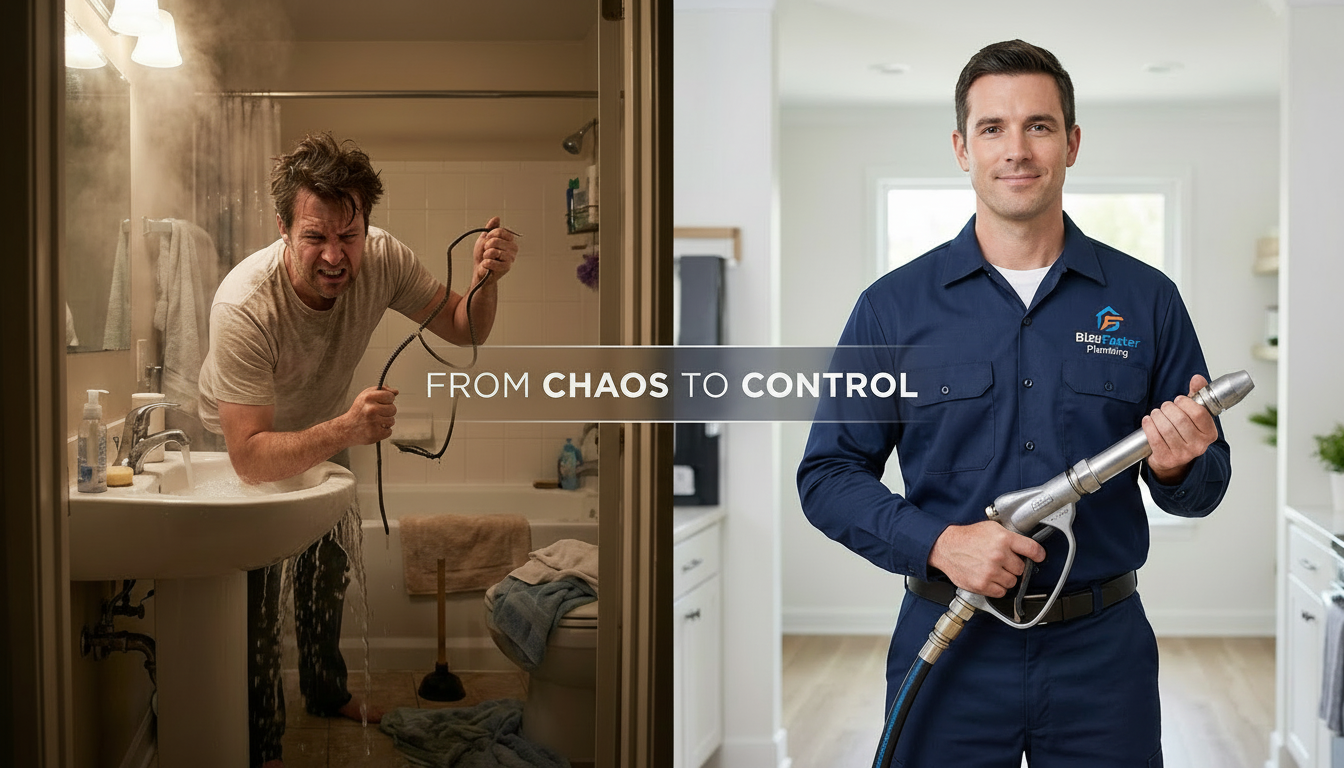
Learn when DIY drain cleaning works vs calling professional plumbers. Expert guide covers safe methods, warning signs, costs, and real disaster stories.
Key Takeaways
- **Multiple Drains Backing Up**: This indicates a shared blockage, usually in the main sewer line. That's a major problem.
- **Raw Sewage Odors**: Strong sewage smell from any drain signals a serious breach or significant blockage. It's a health risk. Methane and hydrogen sulfide are toxic.
- **Gurgling Toilets**: Toilets that gurgle when you run other fixtures? Trapped air from a main line obstruction. The system's trying to vent where it shouldn't.
- **Persistent Standing Water**: Water that drains slowly or reappears within hours means a deep-seated clog you can't reach. It's deeper than you think.
- **Visible Tree Roots**: Roots in exterior cleanouts indicate potential underground pipe intrusion. Roots will bust through pipes to reach water. Incredibly destructive.
Key Takeaways
DIY vs. Professional Plumber: When to Call the Experts
Ever stare at a slow-draining sink, plunger in hand, wondering if you're about to save a fortune or just make things catastrophically worse? We've all been there.
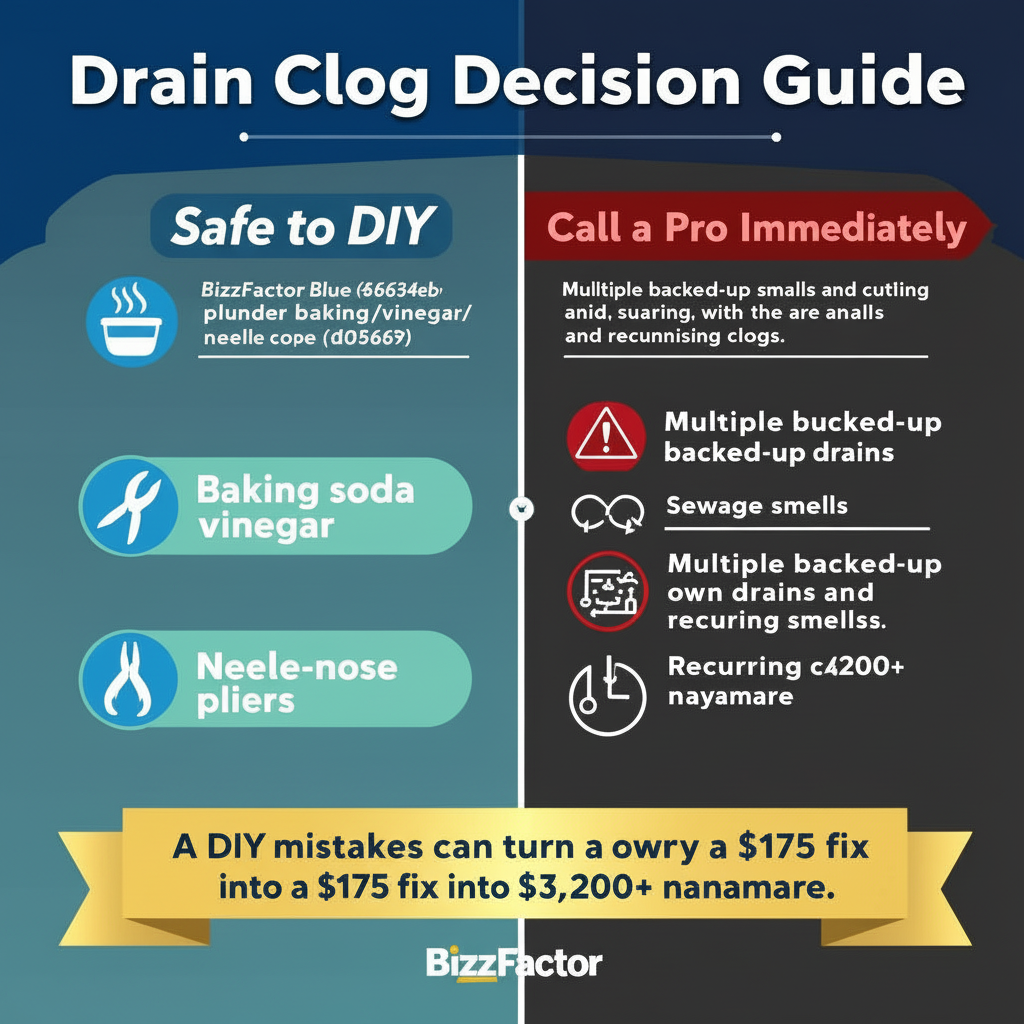
Facing a simple clog? A DIY approach might be your first thought. Makes sense, right? But here's the deal: for stubborn blockages buried deep in your plumbing system – the ones that laugh at your amateur efforts – you need a pro. At BizzFactor, we've watched countless homeowners turn basic $175 fixes into $3,200+ disasters. Don't be that person.
Your plumbing system's way more complicated than it looks.
When DIY Drain Cleaning is Effective
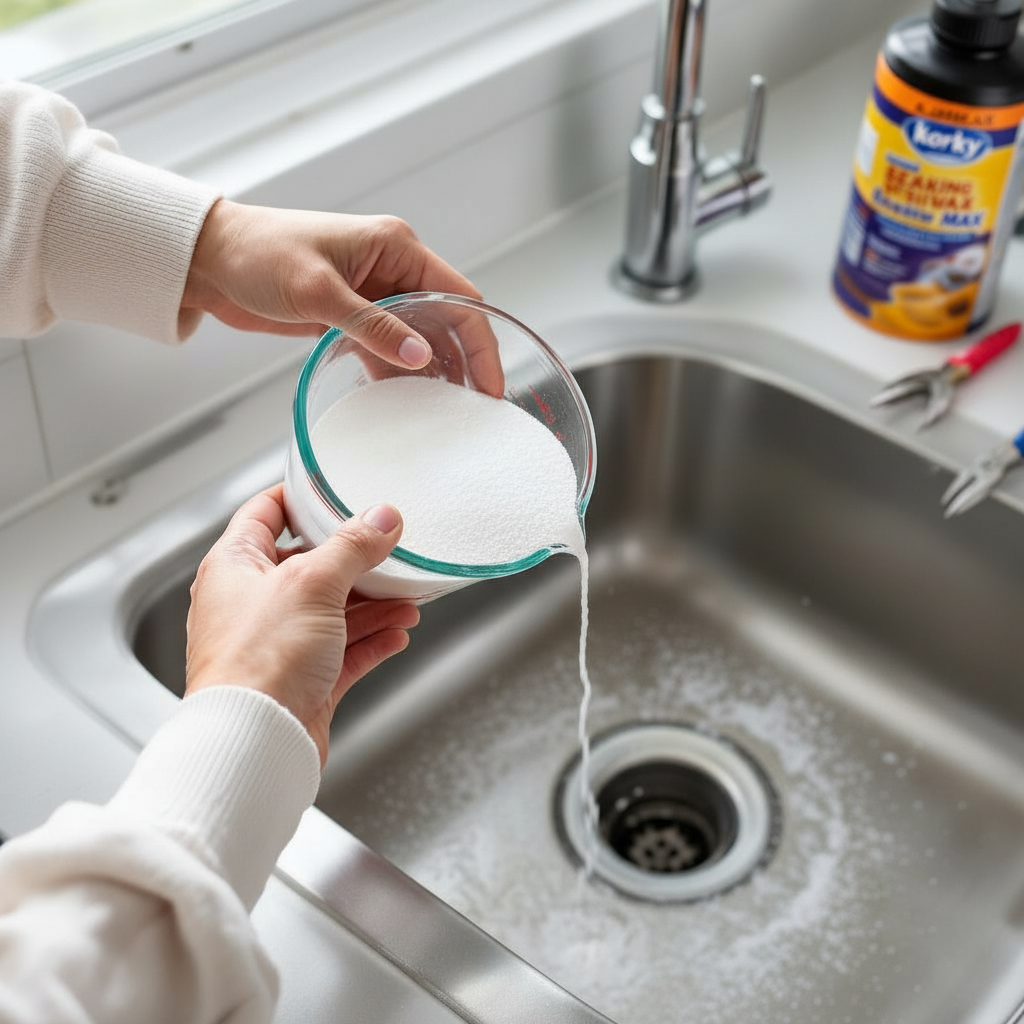
Look — DIY drain cleaning works great for surface-level clogs in sinks, tubs, and toilets. Provided you use safe methods. Key word: safe. These small, accessible issues? That's where you can shine and skip the service call fee. Who doesn't love that?
Every homeowner needs basic tools. Seriously. A quality plunger like the Korky BeehiveMAX is a lifesaver for most toilet clogs — creates a way better seal. Got kitchen sink grease buildup? Hot water, baking soda, and white vinegar usually does the trick. Old-school, but it works.
Hair clogs are annoying as hell. But you can usually yank them out with needle-nose pliers or a basic 25-foot drain snake from the hardware store. Under thirty bucks. These straightforward techniques keep water flowing without breaking the bank.
That's a win.
If these scenarios sound familiar, you're probably dealing with manageable stuff. Go for it! For more plumbing insights, check out our [[Guide to Home Plumbing Maintenance]]. Just know your limits.
Safe and Effective DIY Methods
Look — 1. **Hot Water Flush**: Once a week, pour hot (not boiling!) tap water down drains to prevent grease buildup. Around 140°F is perfect. Keeps fats from solidifying.
2. **Baking Soda & Vinegar Treatment**: Mix 1/2 cup baking soda with 1/2 cup white vinegar. Let it fizz for 20-30 minutes, then flush with hot water. Simple chemistry in action.
3. **Manual Hair Removal**: Use needle-nose pliers or a drain snagging tool to pull out visible hair clogs. Sometimes you just gotta get in there. Gross but effective.
4. **Proper Plunging Technique**: Make sure you've got a complete seal around the drain. Use steady, forceful pressure. Think piston action, not just random jiggling.
5. **Enzyme Drain Cleaners**: For organic buildup, enzyme-based cleaners use biological cultures to break down waste. Slower than chemicals, but way safer for your pipes.
The Pitfalls of Cheap Drain Snakes
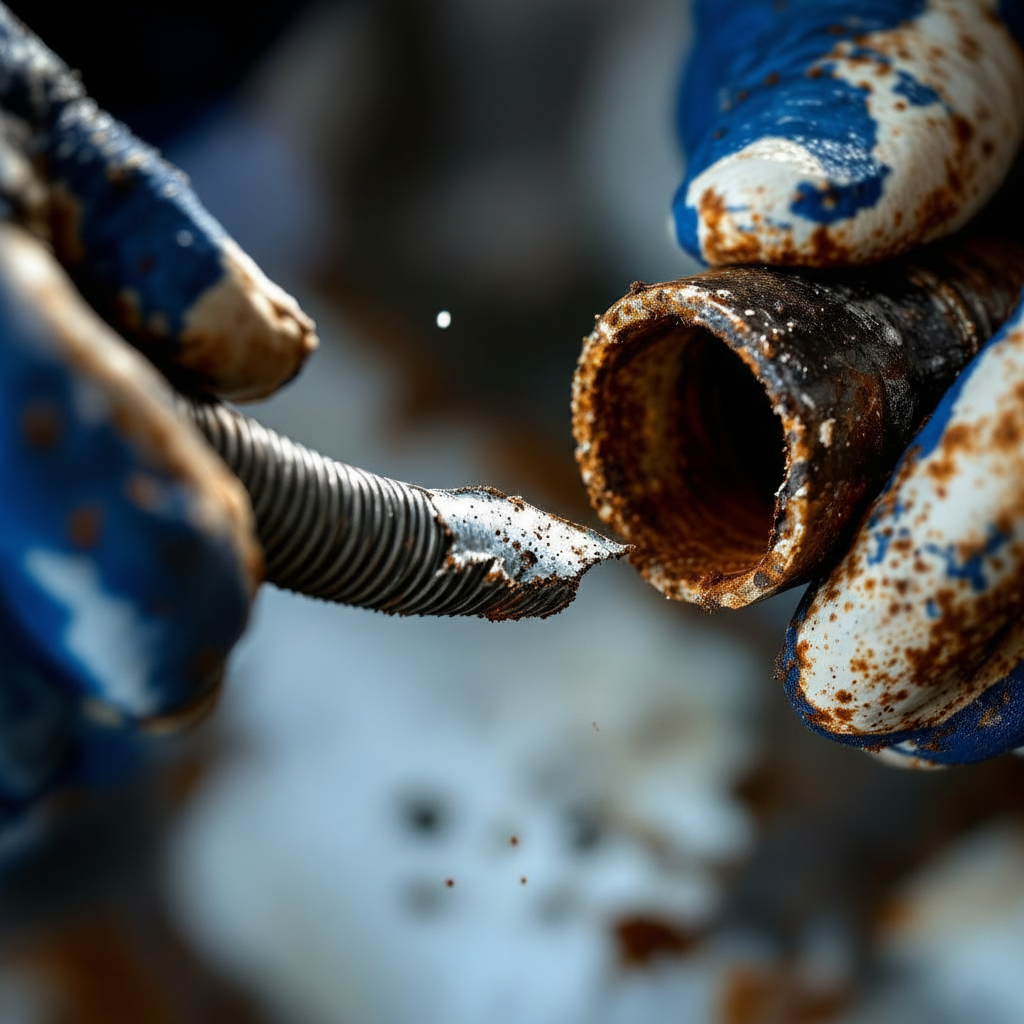
Here's what those DIY guides don't tell you: cheap hardware store drain snakes can absolutely wreck your pipes. Licensed plumbers find broken snake pieces stuck in pipes all the time. These flimsy tools bend, snap, or puncture older cast iron lines.
Big mistake.
A contractor in Carmichael, California told me about a 1960s ranch where the homeowner tried saving $175 with a bent Ridgid snake. Ended up with a $2,875 pipe replacement under a concrete slab. Think about that — trying to save less than two hundred bucks created a nearly three-thousand-dollar excavation nightmare. The ground had to be jackhammered.
That's the real killer.
Our Recommended Products: Safe for Your Pipes
Forget Drano and Liquid-Plumr. They're pipe destroyers, especially for PVC joints and older metal systems. We're talking liquid demolition in a bottle.
Here's the thing: we recommend **Green Gobbler Dissolve** instead. Uses natural enzymes to break down organic matter without corroding your pipes or creating toxic fumes. Your lungs and your plumbing will thank you. Sure, it works slower – maybe 30 minutes instead of five – but certified techs trust it for emergency calls precisely because it won't damage anything.
Think long-term.
Check out our [[Reviews of Eco-Friendly Plumbing Products]] for more options.
The "Boiling Water" Myth: A Dangerous Practice
Stop pouring boiling water down your drains. Right now. This isn't a suggestion.
The extreme heat – we're talking 212°F – can soften PVC pipes and weaken joints. Worse? It pushes grease further into your system where it solidifies into bigger clogs downstream. From what I've seen in our service records, this practice has created worse blockages over 200 times.
You're just relocating the problem.
Instead, use very hot tap water (around 140°F, hot enough to feel but not scalding) with a squirt of Dawn dish soap. The soap emulsifies the grease so it flows freely. Two decades of experience confirm this approach actually works.
And it won't melt your pipes.
Red Flags: When to Call a Professional Plumber
Recurring clogs? Multiple drain backups? Sewage smells? These are screaming indicators of main line issues that need immediate professional attention. Your health and your home's structure are at stake here.
Don't gamble with these signs.
Is sewage backing up through multiple drains at once? That's a main line blockage — a situation where DIY isn't only useless but potentially hazardous. Seriously, raw sewage is a biohazard. Not something you want to mess with. Learn more about [[Identifying Main Sewer Line Problems]].
Water showing up in weird places? Like your washing machine overflow causing your kitchen sink to bubble? That points to complex pipe configuration problems. Not simple fixes. Our background-checked technicians deal with these intricate issues constantly.
They've seen it all.
Unmistakable Danger Signs
- **Multiple Drains Backing Up**: This indicates a shared blockage, usually in the main sewer line. That's a major problem.
- **Raw Sewage Odors**: Strong sewage smell from any drain signals a serious breach or significant blockage. It's a health risk. Methane and hydrogen sulfide are toxic.
- **Gurgling Toilets**: Toilets that gurgle when you run other fixtures? Trapped air from a main line obstruction. The system's trying to vent where it shouldn't.
- **Persistent Standing Water**: Water that drains slowly or reappears within hours means a deep-seated clog you can't reach. It's deeper than you think.
- **Visible Tree Roots**: Roots in exterior cleanouts indicate potential underground pipe intrusion. Roots will bust through pipes to reach water. Incredibly destructive.
- **Slow Basement Floor Drains**: Basement drains connect directly to the main line. Slow drainage here is often the first warning sign. Don't ignore your basement.
- **Sudden Water Pressure Drop**: Unexplained pressure drops across multiple fixtures can signal a major clog or pipe breach. System-wide issue.
- **Mystery Puddles**: Unexplained damp spots in your yard, especially over the sewer line? Underground leak or rupture. Call a pro immediately.
Real-World Disasters: When DIY Fails Spectacularly
What happens when DIY goes catastrophically wrong?
A homeowner in Houston's Montrose neighborhood used commercial-grade drain cleaner for three consecutive days. Three days! The sulfuric acid – designed for industrial use – completely corroded his 1950s cast iron pipes. You could practically spoon them out.
They were mush.
A "simple" kitchen clog became a $3,425 insurance nightmare requiring full pipe replacement, cabinet restoration, and hardwood subfloor reconstruction. And honestly? His homeowner's insurance initially denied coverage because of the improper chemical use.
Talk about a costly lesson.
So — our certified teams see this constantly. Homes built before 1975 often have cast iron or galvanized steel pipes that are crazy susceptible to acid damage. We use video camera inspection to identify pipe materials before treating anything. It's about knowing what you're dealing with.
No guesswork.
That $175 professional service would've prevented a $3,250 repair bill. Penny-wise, pound-foolish doesn't even begin to cover it.
Professional Tools: The Advantage of Expertise
Licensed plumbers use advanced equipment like hydro-jetters, motorized snakes, and high-definition video cameras. These aren't your hardware store toys. These tools thoroughly clean pipes, restore optimal flow, and protect your plumbing system's integrity.
It's an investment.
Professional drain cleaning goes way beyond just pushing clogs. Reputable companies employ hydro-jetting technology that uses high-pressure water streams – up to 4,000 PSI, powerful enough to cut through solid tree roots – to completely scour away grease and debris.
It's like power washing your pipes from the inside. There's no residue left.
Motorized drain augers navigate complex pipe configurations without risking damage to joints. These powerful machines extend hundreds of feet into your main line, negotiating bends and clearing the toughest obstructions. And video inspection cameras? They provide crucial visual assessment, letting technicians identify tree root intrusion, pipe deterioration, or structural issues you'd never see otherwise.
Real talk: you can't compete with that level of technology.
Think that's overkill? Tell that to the guy whose basement flooded twice because he couldn't see the crack forming in his main line. A $300 camera inspection would've caught it before it became a $4,800 emergency excavation.
Nine times out of ten, professional intervention saves you money in the long run.
In-Depth Look
Detailed illustration of key concepts
Visual Guide
Infographic illustration for this topic
Side-by-Side Comparison
Visual comparison of options and alternatives

Sources & References
- DIY Drain Cleaner: Quick Fixes and When to Call a Plumber
- DIY Drain Cleaning vs. Professional Plumbing Service Florida
- DIY vs. Professional Drain Cleaning: Which Option Is Best for Your ...
- Plumbing Service vs. DIY: When To Call The Professionals
- DIY Drain Cleaning vs. Professional Drain Cleaning
- Building Codes, Standards, and Regulations
- Building Codes and Standards - 101 Guide
- [PDF] Building Codes Toolkit for Homeowners and Occupants
- ICC - International Code Council
- [PDF] Introduction to Model Codes
Frequently Asked Questions
Need Professional Help?
Find top-rated plumbing experts in your area