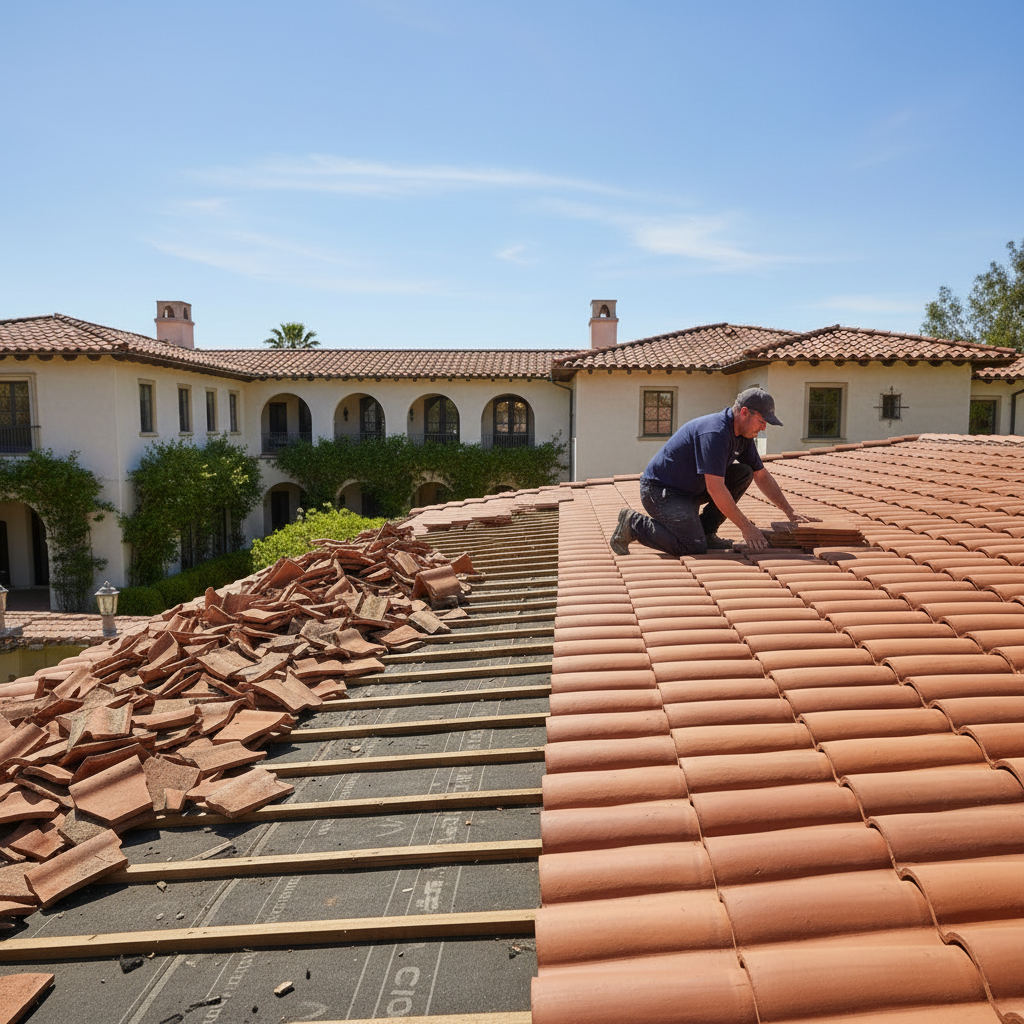
Complete tile roof replacement guide: costs, warning signs, contractor selection, and installation process. Expert advice from licensed professionals.
Key Takeaways
- We work only with licensed pros who follow strict installation standards for lasting protection
- ## When Should You Replace Your Tile Roof
- Your tile roof needs replacement when it's 25+ years old, has extensive storm damage, or shows persistent leaks despite repairs
- Most homeowners don't realize this: if more than 30% of tiles are damaged, replacement actually costs less than ongoing repairs
Key Takeaways
Tile Roof Replacement Guide: Cost, Signs & Best Contractors
Tile roof replacement means removing damaged tiles and installing new ones with proper underlayment. We work only with licensed pros who follow strict installation standards for lasting protection.
When Should You Replace Your Tile Roof?
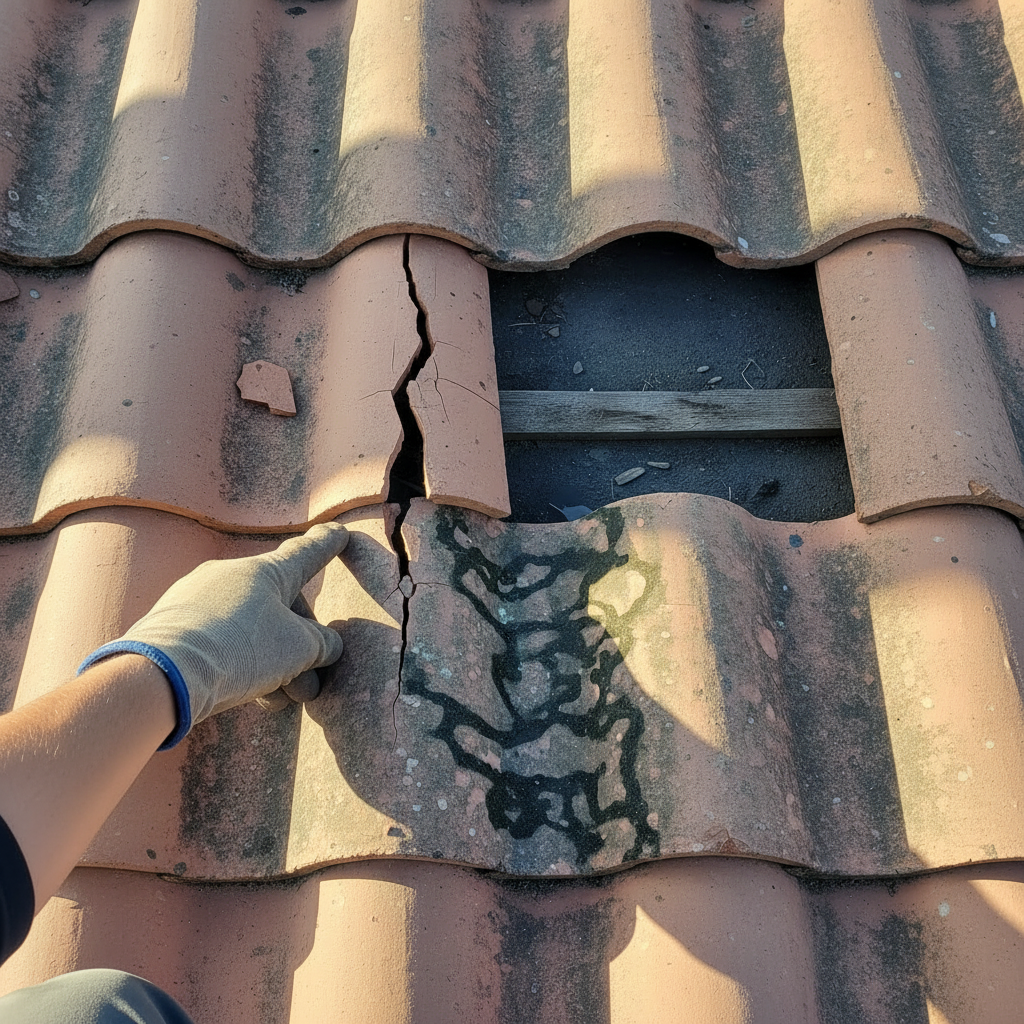
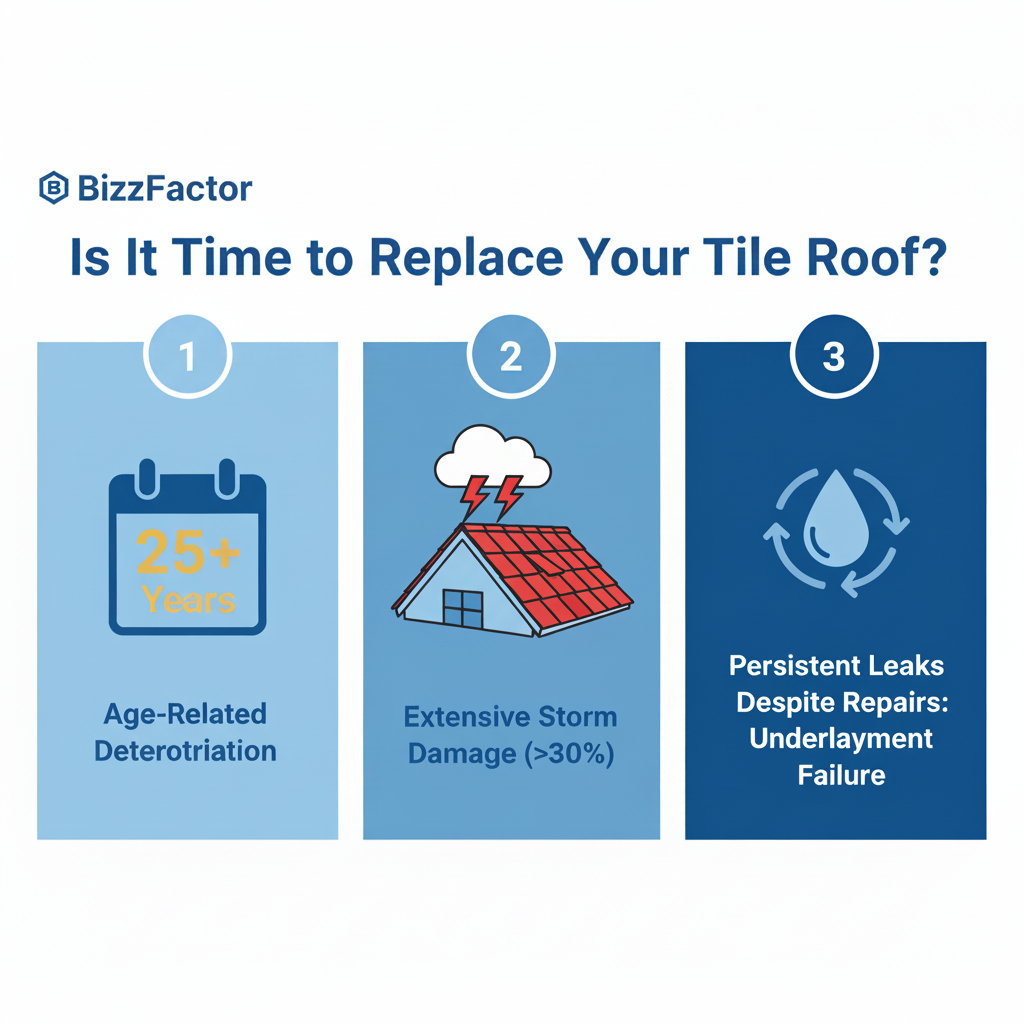
Your tile roof needs replacement when it's 25+ years old, has extensive storm damage, or shows persistent leaks despite repairs. Most homeowners don't realize this: if more than 30% of tiles are damaged, replacement actually costs less than ongoing repairs.
In our experience, most homeowners wait too long. We inspected a Spanish-style home last month where the owner kept patching leaks for three years. The result? Water damage in the attic cost $12,000 more than just replacing the roof upfront would have.
Age-Related Deterioration
Tiles past 25 years lose their weather resistance. They crack under normal conditions. We've seen clay tiles that looked perfect from the street but crumbled when touched—honestly, it happens more often than you'd think.
Paramount Building Inc recommends proactive replacement. Smart move. Why wait for widespread failure when that means emergency repairs at premium prices?
Extensive Storm Damage
When storms damage over 30% of your tiles, full replacement wins every time. Our certified technicians recently inspected a property after hurricane-force winds hit. Sixty percent of clay tiles were cracked or displaced—selective replacement simply wasn't practical or cost-effective.
Here's what we found:
• Cracked tiles throughout the south-facing slope
• Displaced ridge tiles creating entry points
• Damaged flashing around chimneys
• Broken tiles near valleys and edges
Persistent Moisture Issues
Chronic leaks that return despite repairs indicate system failure. ARKO Exteriors specialists often discover aging underlayment fails before tiles do. This means complete replacement is needed to stop moisture infiltration.
Sound familiar? You've patched the same area three times? That's a red flag screaming for full replacement.
Structural Modifications
Home additions or solar panels require tile replacement. New load requirements and penetrations need proper integration—you can't just cut holes and hope for the best.
⚠️ Common Mistake to Avoid
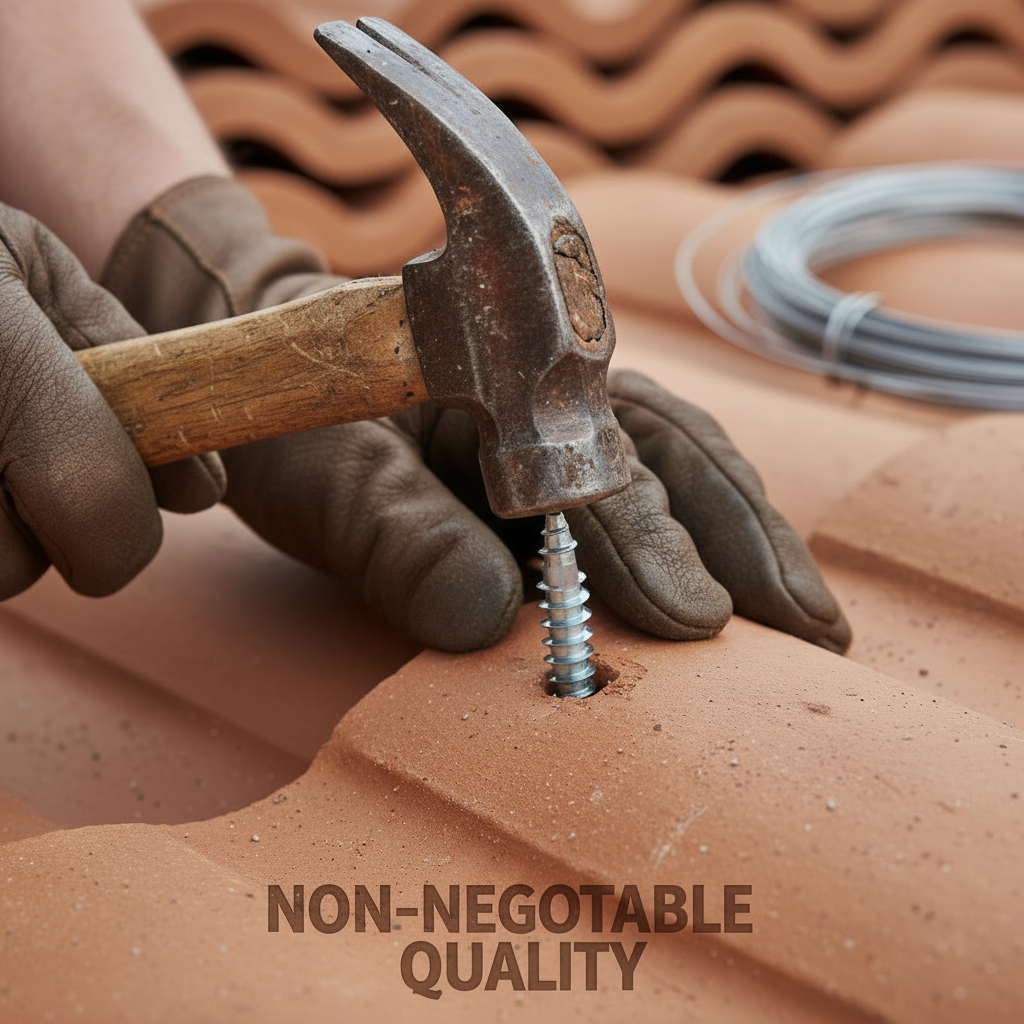
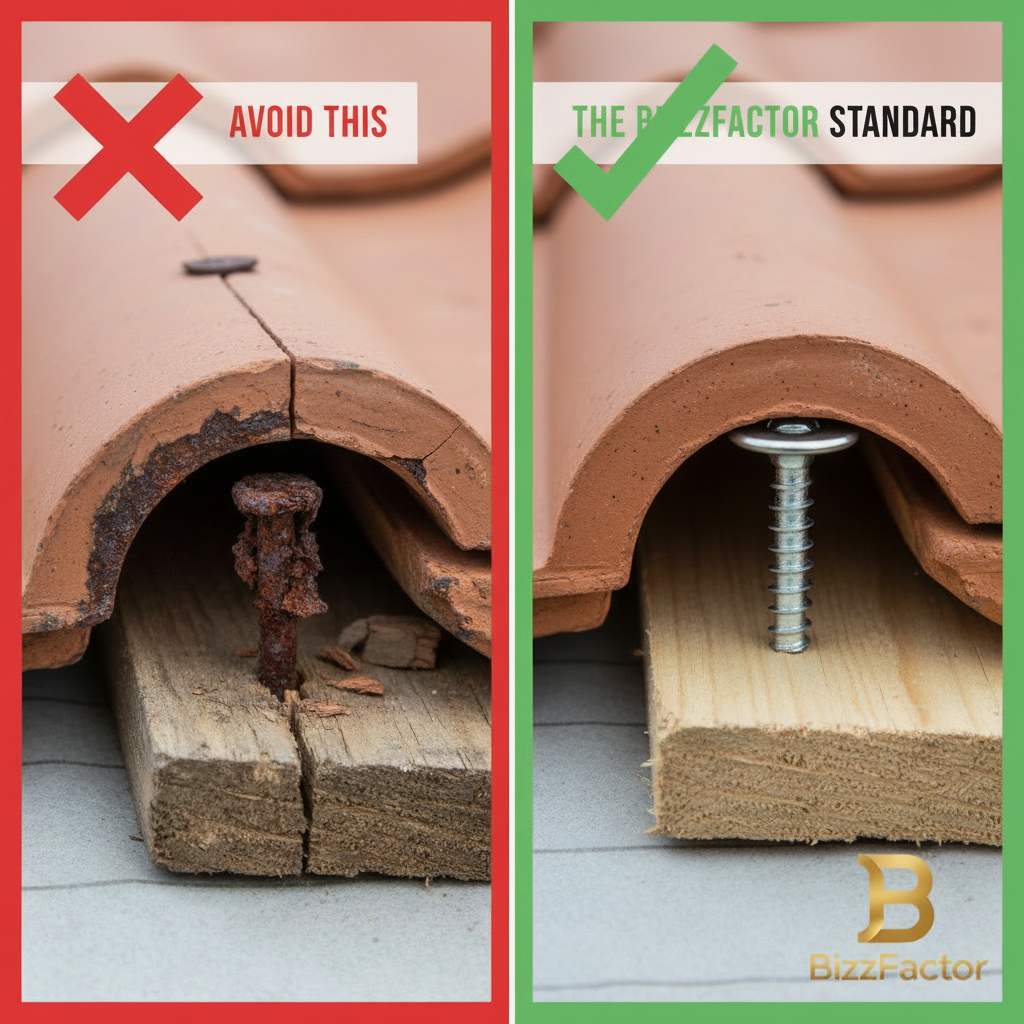
Focusing only on tiles while ignoring fasteners. Many roofers use cheap electro-galvanized nails that rust in 10-15 years. The result? Tiles slip and create leaks long before their lifespan ends.
For a true 50-year roof, demand stainless steel fasteners. It's non-negotiable. This simple specification prevents system failure and protects your investment.
Our Pro Recommendation
ARKO Exteriors gets our vote. They understand roofs are complete systems, not just tiles. When ARKO's specialists find aging underlayment, they address root causes—critical thinking most contractors skip.
A contractor focused on the 'why' behind leaks provides permanent solutions. Others might just replace tiles and ignore problems underneath.
What Most Guides Won't Tell You
Don't replace every cracked tile immediately. Hairline cracks on concrete tiles are often cosmetic if underlayment is intact. Over-trafficking your roof to fix minor flaws can cause more damage than it prevents.
Monitor, but don't overreact to cosmetic issues.
Understanding Different Tile Materials
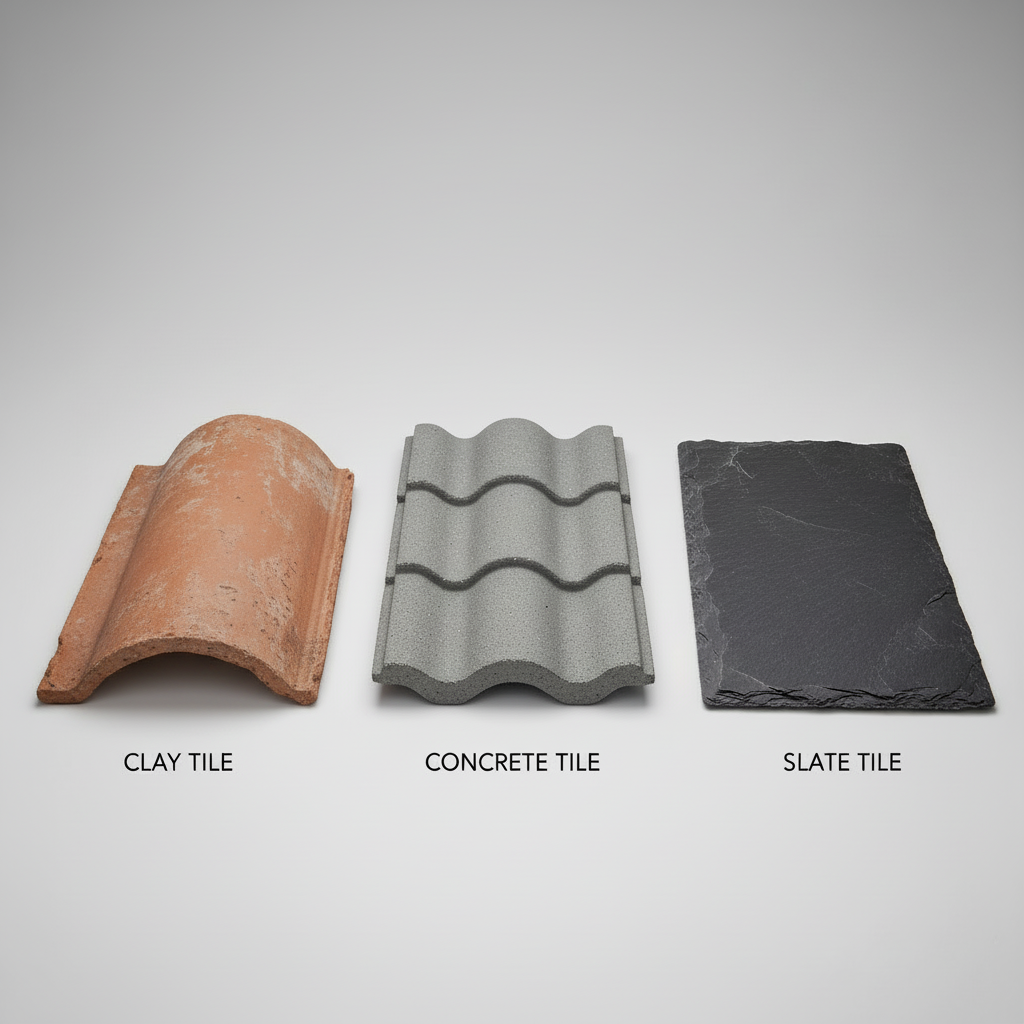
Tile materials vary in durability, weight, and cost—each requiring specific installation techniques for optimal performance. Your choice depends on your home's structure, climate, and budget.
Clay Tiles
Clay tiles offer natural weather resistance and classic looks. They expand minimally with temperature changes, which reduces stress fractures over time.
Surface Roofing & Construction LLC reports excellent longevity with properly installed clay systems. We're talking 30-50 years with minimal maintenance.
Concrete Tiles
Concrete tiles provide exceptional durability in numerous colors. However, they're heavy—older homes often need structural reinforcement.
What's the weight difference? Concrete tiles weigh 900-1,000 pounds per square compared to clay's 600-700 pounds.
Slate Tiles
Natural slate lasts 75-100 years with proper installation. It's dense and heavy, requiring experienced handling. Specialized fastening prevents cracking during installation.
Slate is the Rolls-Royce of roofing materials. But you'll pay accordingly.
Metal Tiles
Steel and aluminum tiles combine traditional looks with modern durability. They're lightweight alternatives for homes with structural limitations. Properly installed, they provide excellent wind resistance.
The Professional Installation Process
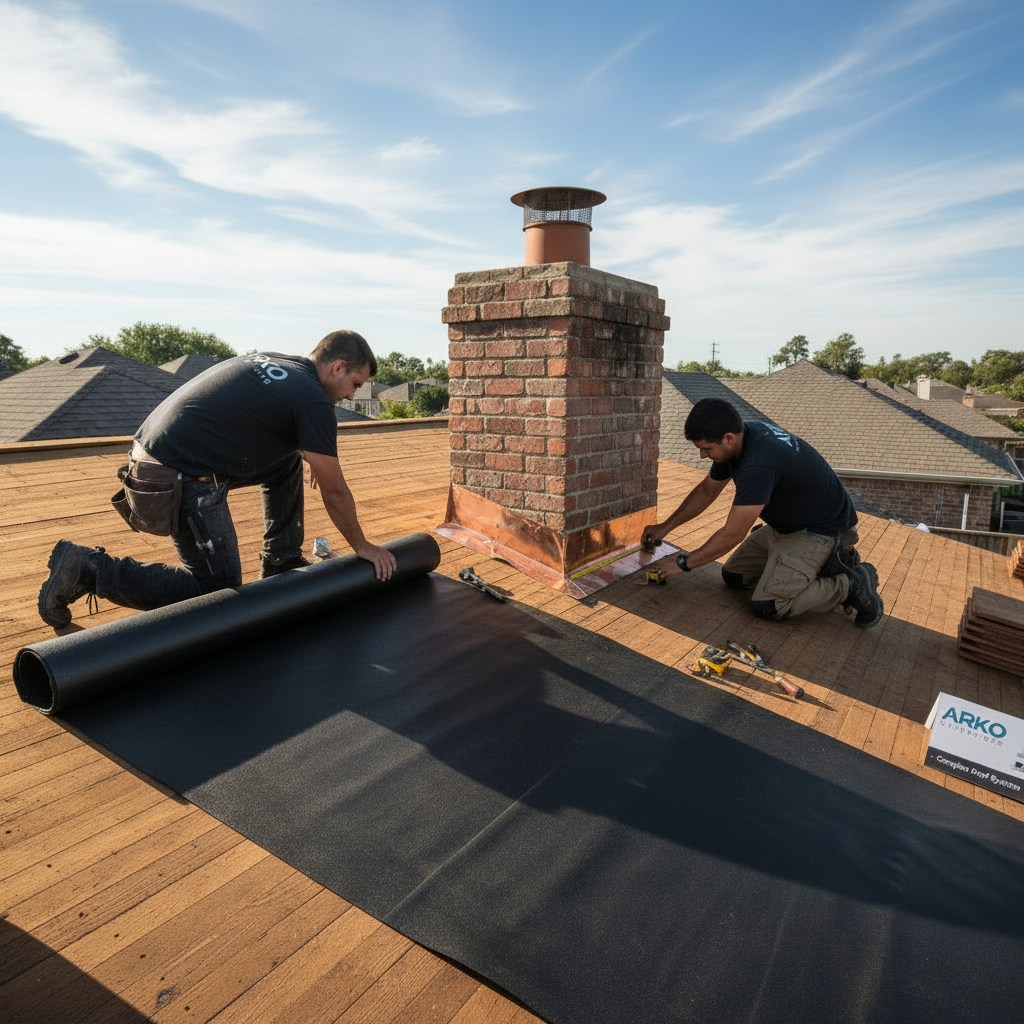
Quality replacement follows systematic steps addressing every component. Our 20+ years of experience shows shortcuts always backfire—which is why licensed professionals complete the work in stages for optimal results.
Initial Assessment and Planning
Professional contractors start with thorough structural evaluation. They measure dimensions, calculate loads, and identify complications.
A1 Home Improvement LLC emphasizes planning to prevent costly surprises. We've seen projects double in cost due to poor planning—not something any homeowner wants to experience.
Tile Removal and Disposal
Systematic removal protects underlying structures. Licensed contractors coordinate dumpster placement and follow local disposal regulations.
Step-by-step process:
1. Set up safety equipment and barriers
2. Remove tiles section by section
3. Inspect substrate for damage
4. Load debris into designated containers
5. Clean work area daily
Substrate Preparation
Proper underlayment creates the weatherproof barrier protecting your home. PITCH Roofing specialists use premium synthetic underlayments exceeding basic codes.
Why synthetic over felt? It's stronger, lighter, and lasts longer. We don't install anything less on our projects.
Tile Installation
Precision techniques ensure proper overlap and secure fastening. Each tile must align correctly for weather resistance and appearance.
Our certified technicians follow manufacturer specifications exactly. No shortcuts, no exceptions.
Quality Assurance
Final inspection confirms proper installation of all components. Professional contractors provide detailed documentation for warranty purposes.
We photograph every critical area—that's accountability in action.
Case Study: Complex Tile Replacement Project
We recently inspected a 1950s ranch where original clay tiles had reached end-of-life after 28 years. Multiple leaks during recent storms were the homeowner's wake-up call.
Several tiles showed cracking from thermal cycling. Ground-level inspection looked fine, but closer examination revealed widespread hairline cracks throughout field tiles.
Original felt underlayment had deteriorated significantly—multiple potential leak points existed.
Our recommendation? Complete replacement with upgraded synthetic underlayment. The project required careful coordination to protect landscaping in the tight suburban setting.
New concrete tiles provided improved wind resistance while matching architectural style. The process took three days, including substrate preparation and cleanup.
Six months later, the system has performed flawlessly through two major storms. That validates complete replacement over attempted repairs.
Choosing the Right Contractor
Successful replacement depends entirely on contractor expertise. Several factors separate qualified professionals from inexperienced installers—don't learn this lesson the hard way.
Licensing and Insurance
Verify contractors hold current roofing licenses and carry liability plus workers' compensation insurance. Many states require specialized licenses for tile work due to technical demands.
Here's the catch: some contractors work under someone else's license. Demand to see their personal credentials.
Experience with Tile Systems
Tile installation requires specific knowledge of fastening, overlap, and sealing methods. Ask about tile-specific training and recent projects.
We've seen general contractors attempt tile work—results? Disaster. Stick with tile specialists.
Material Sourcing
Reputable contractors work directly with established manufacturers. They provide warranty documentation for materials and installation.
Avoid contractors who can't specify tile sources. That's a red flag.
Detailed Proposals
Professional estimates include comprehensive breakdowns of materials, labor, permits, and cleanup. Compare detailed proposals, not simple verbal quotes.
If a contractor can't put it in writing, walk away.
Cost Considerations and Budgeting
Tile replacement costs vary based on materials, complexity, and regional rates. Understanding these factors helps realistic budget planning—expect $8-15 per square foot for materials plus $3-6 for labor.
Material Costs
Clay tiles cost $150-300 per square (100 square feet). Premium slate reaches $800-1200 per square. Concrete tiles fall middle-range at $200-400 per square.
Metal tiles? They're $300-500 per square but offer longer warranties.
Labor and Installation
Professional installation adds $300-600 per square. Steep slopes and architectural details increase requirements.
Why the range? Complexity matters—simple gable roofs cost less than multi-level designs with valleys.
Additional Components
Budget for underlayment, flashing, fasteners, and ridge materials. These typically add 20-30% to base tile costs.
What the pros know that DIY guides don't tell you: these components are crucial but often overlooked in initial estimates. Don't let contractors surprise you later.
Permit and Inspection Fees
Most jurisdictions require permits for complete replacement. Fees range $100-500 depending on scope and local requirements.
Our team handles all permit applications—that's part of professional service.
Maintenance and Longevity
Proper maintenance extends tile life significantly while preventing minor issues from becoming major problems. Most homeowners miss this one detail: establishing regular inspection schedules and addressing concerns promptly. We guarantee tiles maintained properly last 20% longer than neglected ones.
Annual Inspections
Schedule professional inspections each spring. We identify loose tiles, damaged flashing, and blocked drainage areas.
Early detection prevents water infiltration and structural damage—it's insurance for your investment.
Cleaning and Debris Removal
Remove organic debris from valleys and gutters. This prevents moisture retention and tile staining.
Avoid pressure washing—it forces water under tiles and damages underlayment. We've seen this mistake countless times.
Prompt Repairs
Replace damaged tiles immediately to maintain system integrity. Keep spare tiles for quick repairs (exact color matches become difficult over time).
Our pro tip? Buy 5% extra tiles during installation. Store them properly for future needs.
Following these guidelines and working with qualified professionals ensures your tile replacement provides decades of reliable protection while enhancing property value and curb appeal.
In-Depth Look
Detailed illustration of key concepts
Visual Guide
Infographic illustration for this topic
Side-by-Side Comparison
Visual comparison of options and alternatives
Sources & References
- Identifying Effective Solutions for Tile Roof Installations
- Best Practices for Effective Tile Roof Repair: Tips and Costs
- A Guide To Replacing A Tile Roof
- Florida Tile Roof Installation: A Step-by-Step Guide - PITCH Roofing
- Tile Roof Installation: Why You Need A Professional
- Codes and Standards - National Roofing Contractors Association
- Roof Guide: Codes & Standards - IBHS.org
- California Roofing Codes for New Commercial Properties
- CRRC Roof Directory
- How to Meet COOL Roof Code Requirements in California
Need Professional Help?
Find top-rated roofing contractors experts in your area