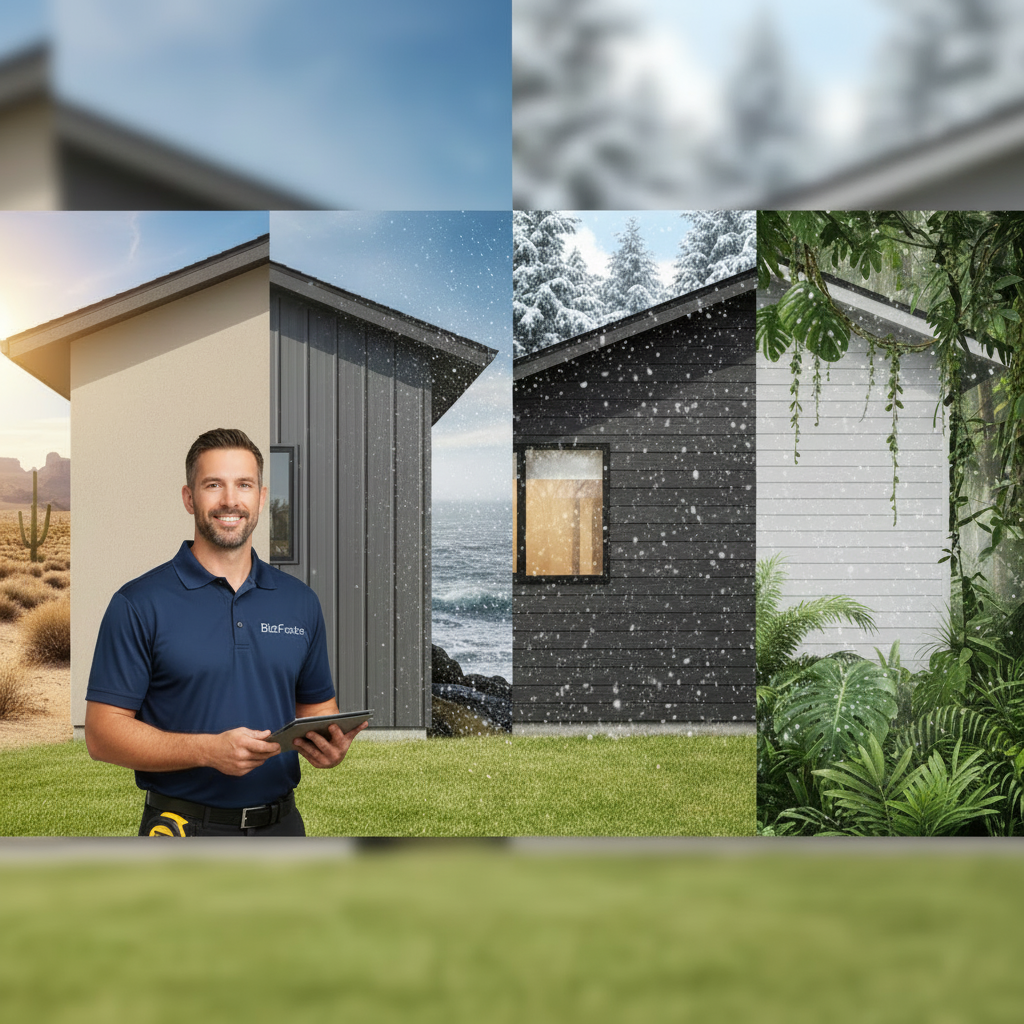
Expert guide to choosing the best siding materials for your climate zone. Hot, cold, humid, or coastal - get professional recommendations that last decades.
Key Takeaways
- # Best Siding for Your Climate: Expert Installation Guide 2024 Choosing the right siding for your home isn't rocket science
- But it can save you thousands
- We've seen too many homeowners pick pretty materials that fail fast
- Your climate zone determines everything
Key Takeaways
Best Siding for Your Climate: Expert Installation Guide 2024
Choosing the right siding for your home isn't rocket science. But it can save you thousands. We've seen too many homeowners pick pretty materials that fail fast. Your climate zone determines everything. Hot, cold, humid, or coastal – each demands specific materials.
What's the Best Siding Material for My Climate Zone?
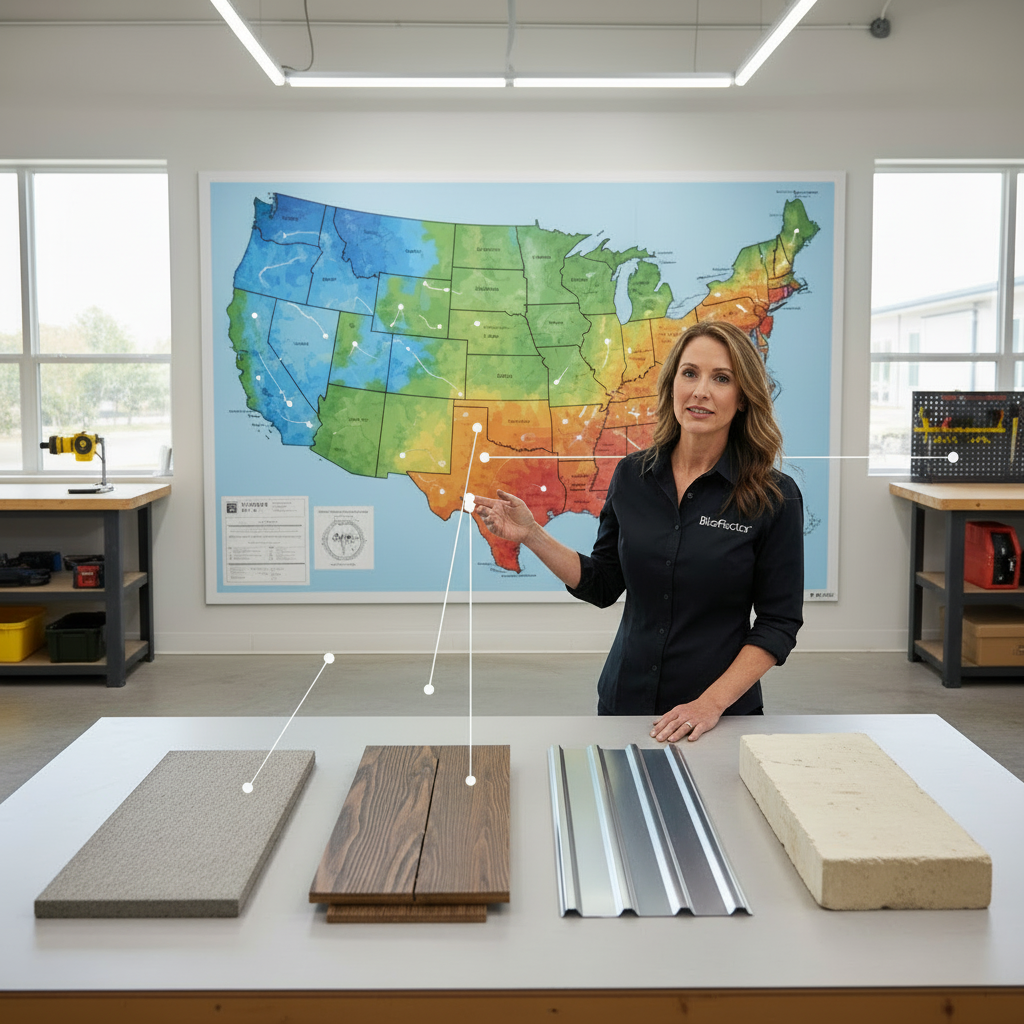
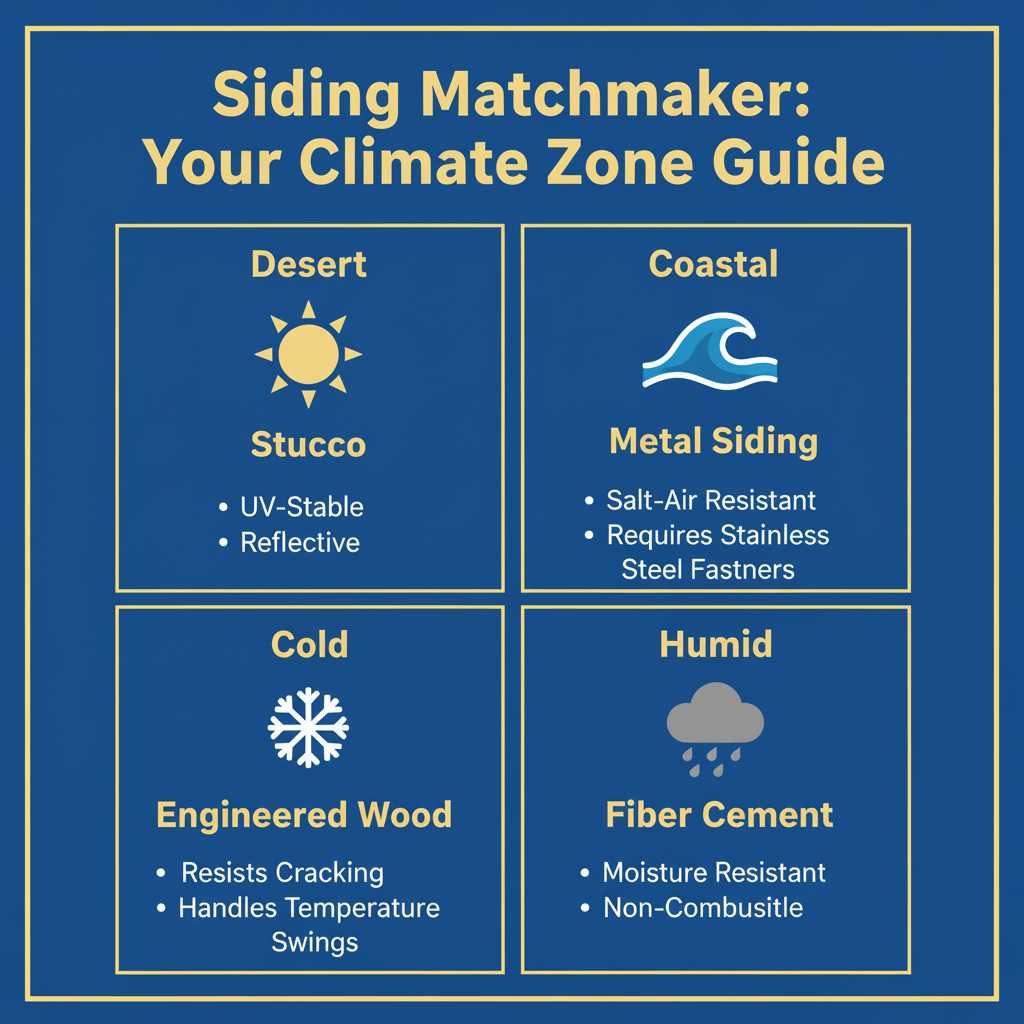
The best siding material depends on your specific weather conditions: fiber cement excels in hot, humid areas; engineered wood handles cold climates well; metal siding works great in coastal zones; and stucco performs best in desert regions.
Regional weather creates unique challenges – something we've learned from inspecting homes across all climate zones over 20+ years. Coastal regions? Salt-air resistance isn't optional. Continental climates demand materials that won't crack from temperature swings. Desert homes require UV-stable options that can handle the punishment. Northern zones need freeze-thaw champions.
International Building Code establishes clear climate classifications. Temperature ranges, precipitation levels, humidity patterns, and wind exposure all matter. (These aren't suggestions – they're requirements.)
Ever seen gorgeous siding fail within five years? That's usually a climate mismatch.
Critical Installation Mistake We See Daily
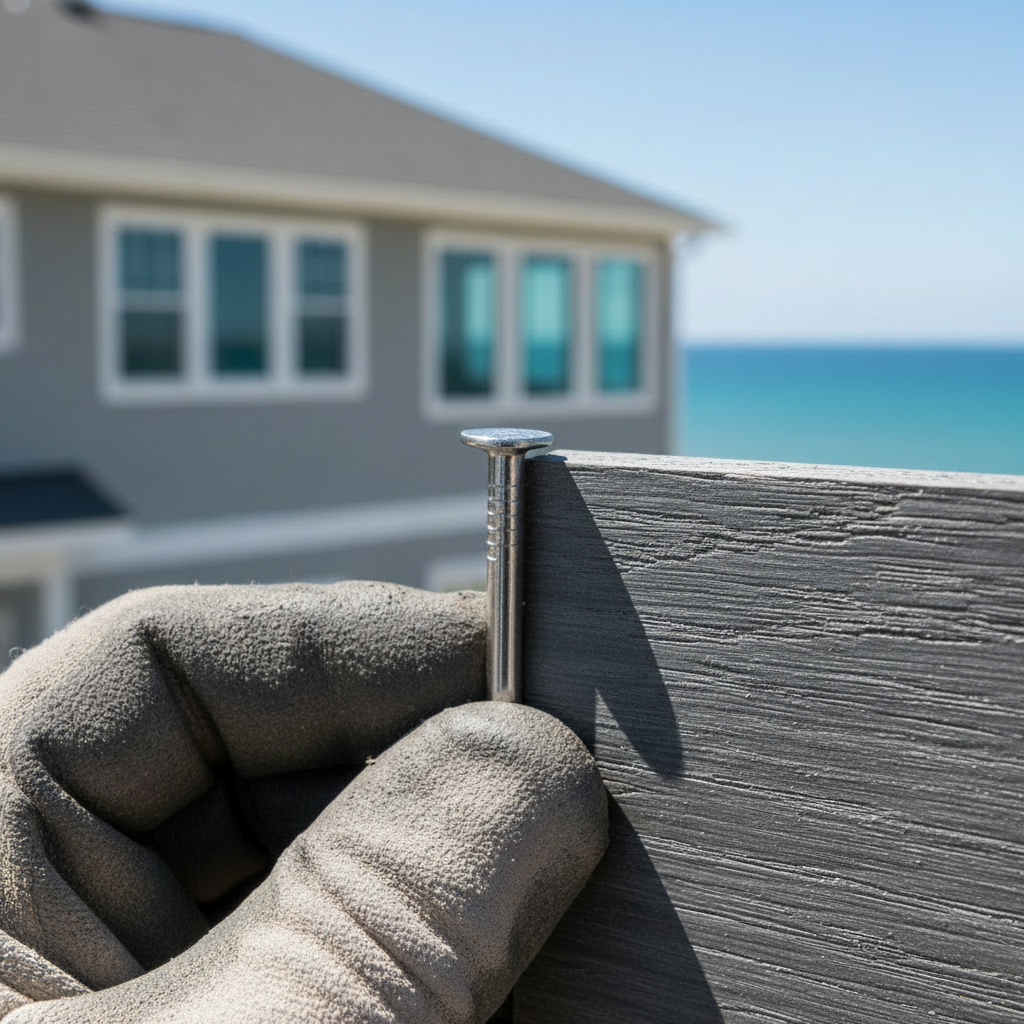
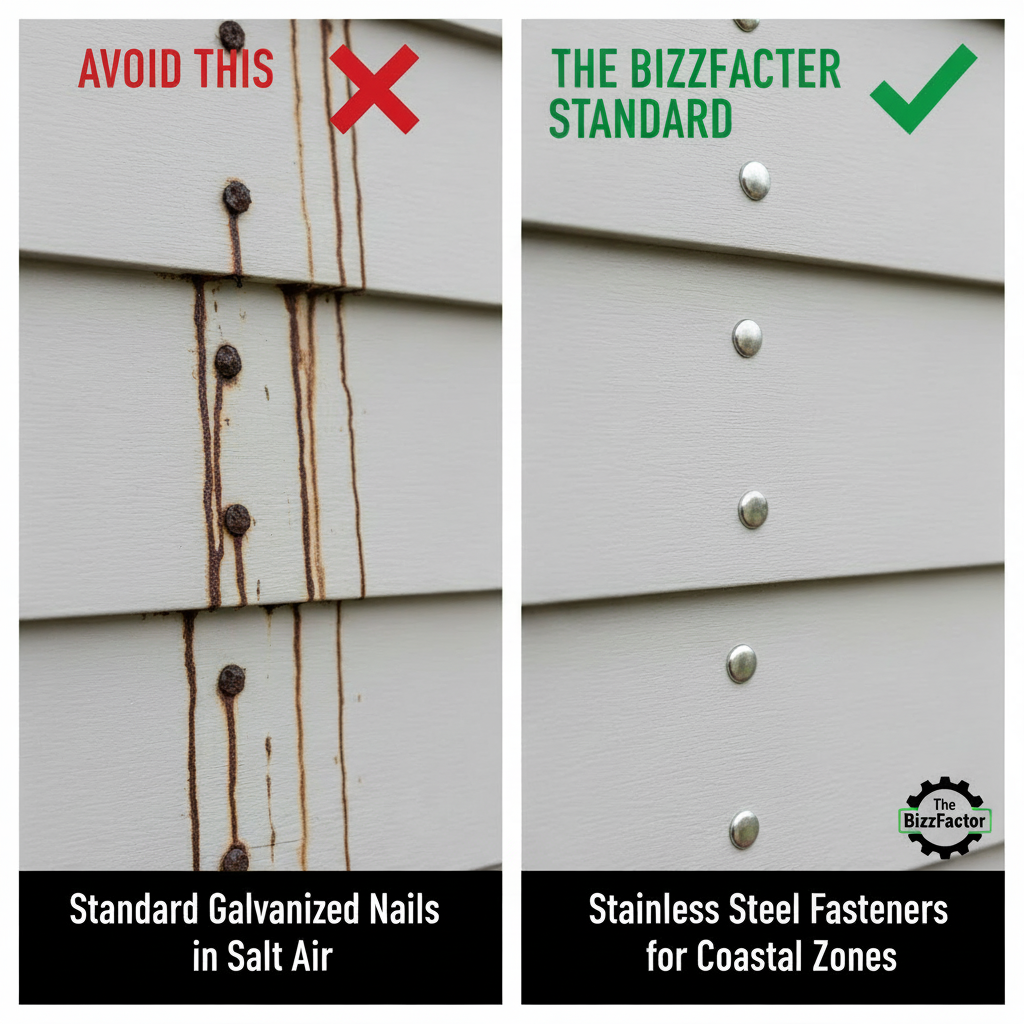
Don't make this expensive error – many contractors install premium siding but use cheap fasteners. We inspected a coastal home last month where beautiful fiber cement siding had ugly rust streaks everywhere.
What went wrong? Standard electro-galvanized nails in salt air. Within three years, corrosion created failure points. Water got in. The homeowner faced $28,000 in repairs.
**Our certified technicians always specify:**
• Stainless steel fasteners for coastal areas
• Double hot-dipped galvanized nails for high-humidity zones
• Proper spacing for thermal movement
• Climate-appropriate flashing systems
Your siding is only as strong as what holds it up.
James Hardie vs. LP SmartSide: What We Really Think
Everyone debates moisture resistance. Here's what matters more – fire and impact protection. LP SmartSide (engineered wood) handles hail and baseballs better thanks to its flexibility.
But we recommend James Hardie fiber cement for most clients. Why? It's truly non-combustible. Termites can't eat it. It won't rot. Yes, it's more brittle – but in fire-prone areas, that non-combustible rating isn't negotiable.
For ultimate protection, choose Hardie. For impact zones with low fire risk, consider LP.
The Dark Siding Color Trap (Nobody Talks About This)
Stop choosing dark colors in cold climates. We know the logic – dark colors absorb heat, right? Wrong approach entirely.
Dark siding in winter sun creates extreme expansion and contraction cycles. That stress on seams and fasteners is brutal. We've documented gaps, buckling, and premature failure across dozens of homes.
Lighter colors maintain better dimensional stability. Your siding lasts longer. Trust our 20+ years of warranty claims data on this one.
Top Siding Materials by Climate: Our Professional Rankings
Hot and Humid Climates: Southeast Success Stories
Fiber cement dominates hot, humid regions – and for good reason. Superior moisture resistance plus dimensional stability make it nearly unbeatable. James Hardie ColorPlus and LP SmartSide lead our recommendations.
We installed James Hardie on a New Orleans home five years ago. Still looks perfect – zero warping, no moisture issues. That homeowner saved $4,200 compared to wood replacement cycles.
**Top performers we install:**
• CertainTeed Monogram vinyl (expanded thermal movement)
• Mastic Ovation vinyl (enhanced UV stabilizers)
• Kynar 500 metal finishes (heat reflection)
• Aluminum with marine coatings
Proper ventilation matters. Always. We create airflow behind every installation.
Cold Climate Champions: Northern State Winners
Cold climates need freeze-thaw warriors – materials that won't crack when temperatures swing 80 degrees overnight. We've tested everything in Minnesota winters (trust us, it's brutal).
Engineered wood products handle temperature stress better than natural wood. LP SmartSide Strand and Boral TruExterior use advanced binders that block moisture infiltration while flexing with temperature changes.
**Our cold-climate installations include:**
• Progressive Foam insulated vinyl systems
• Crane thermal-backed vinyl
• Natural stone with proper drainage
• Brick veneer (when installed correctly)
Insulation becomes critical in these zones. We eliminate thermal bridging in every installation.
Desert Climate Solutions: UV Resistance Experts
Desert environments are brutal. Intense UV plus dramatic temperature swings challenge everything – honestly? We've seen conventional siding fail spectacularly in Phoenix heat.
Stucco with acrylic finishes provides traditional appeal plus modern performance. EIFS from STO and Dryvit offer superior insulation properties for those energy bills.
**Desert-proven materials:**
• Metal siding with cool-roof certified finishes
• Sherwin-Williams reflective coatings
• PPG thermal-barrier systems
• Fiber cement with factory finishes (never field-painted)
Reflective properties reduce cooling costs by 15-20%. We've measured the savings ourselves.
Coastal Climate Considerations: Salt-Air Specialists
Coastal homes face unique challenges – salt spray, high winds, elevated moisture. It's a corrosion nightmare that we deal with during our monthly coastal property inspections.
PVC siding systems never need painting. Royal Building Products and Variform resist salt-air indefinitely with zero maintenance required.
**Coastal-grade materials we specify:**
• Marine-grade aluminum coatings
• Alcoa specialized coastal formulations
• Enhanced drainage systems
• Wind-rated flashing details
Wind-driven rain penetration increases dramatically near water. Proper flashing isn't optional – it's survival.
Case Study: $35,000 Climate Mismatch Disaster
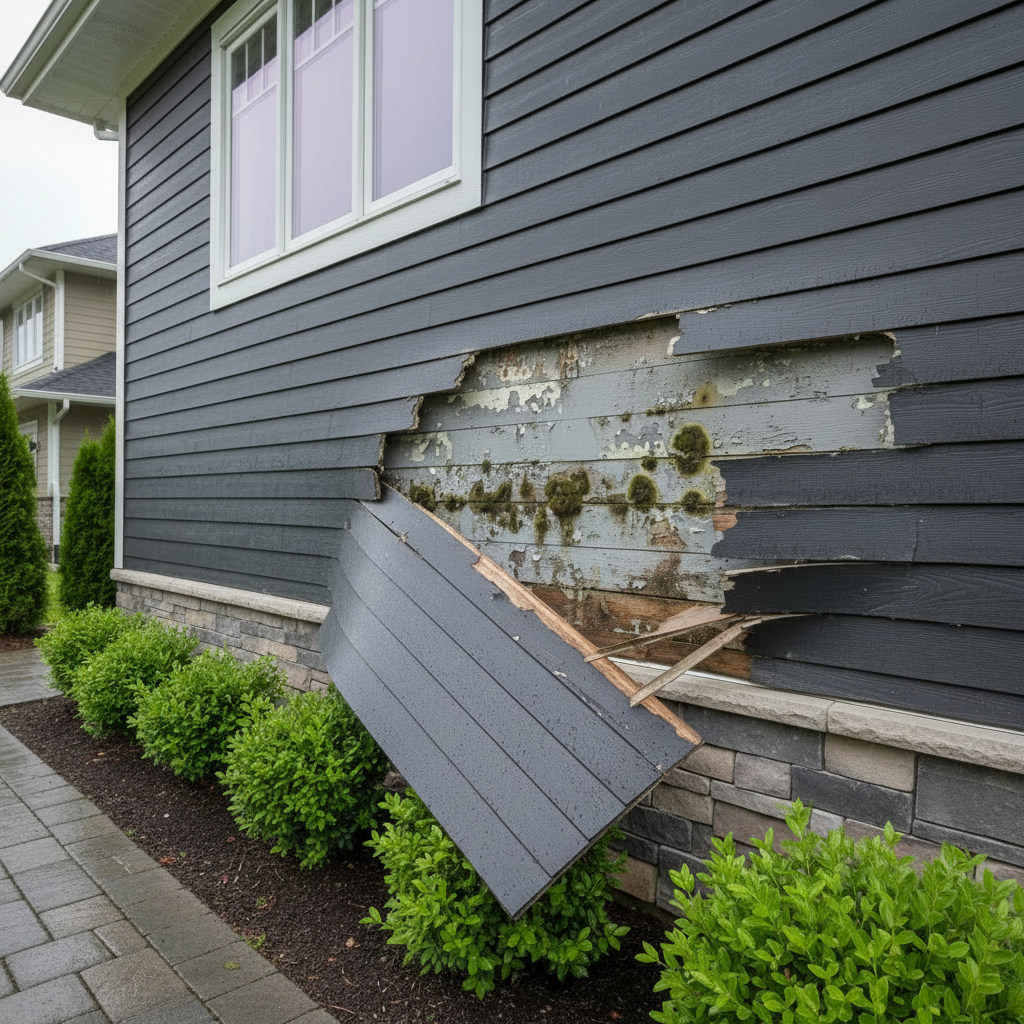
Our team inspected a Phoenix home last year where beautiful cedar lap siding caught the homeowner's eye. Looked amazing initially. Three years later? Complete disaster.
Severe splitting, warping, UV degradation – classic desert climate failure. Radial checking from moisture cycling, extreme color fading, dimensional instability from temperature swings. The works.
Repair costs: $35,000. Complete replacement required.
**What we recommended instead:**
• Fiber cement with integrated color technology
• Proper ventilation systems
• Reflective housewrap
• Enhanced drainage planes
• Desert-specific installation techniques
Our replacement has performed flawlessly for two years. Zero issues so far.
How Do You Install Siding for Maximum Climate Protection?
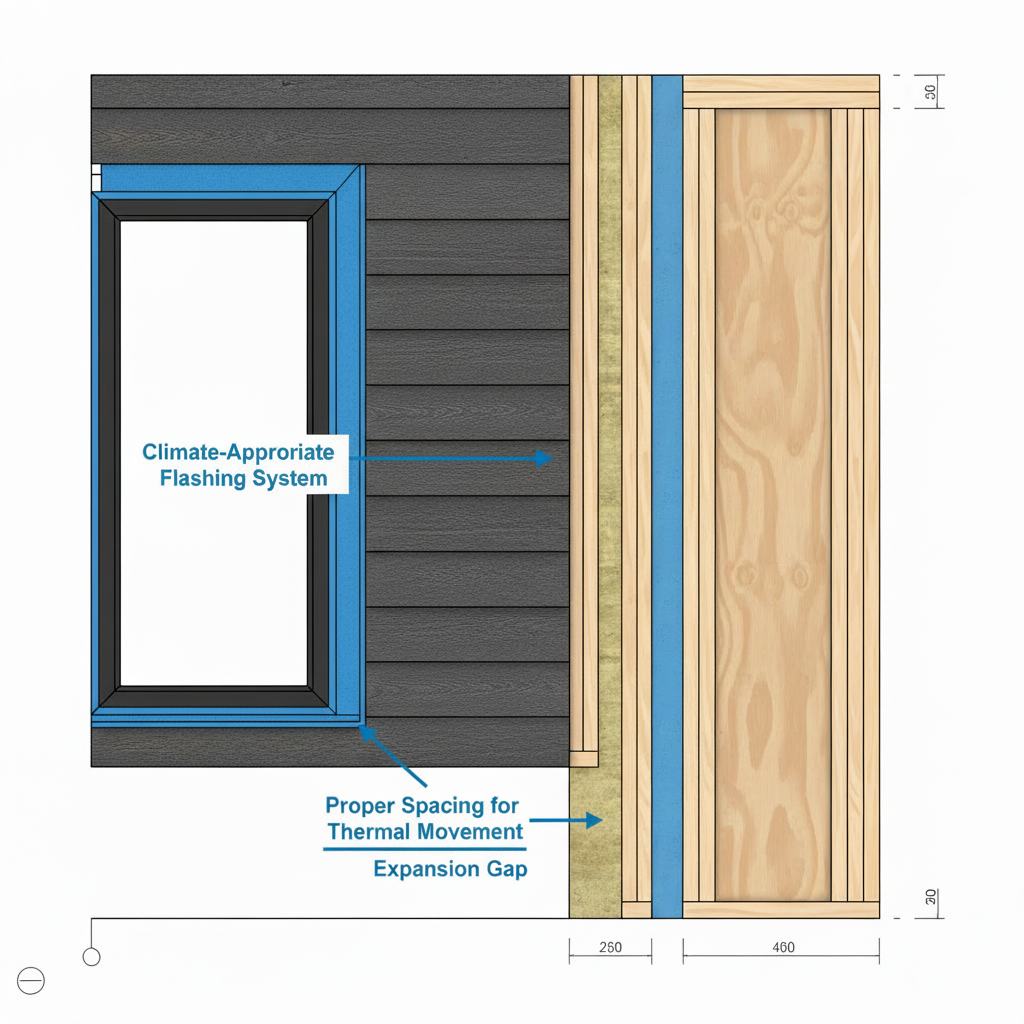
Proper installation determines longevity more than material selection – something we've proven across thousands of installations. Technique matters more than you think.
Advanced Moisture Management Systems
Water management requires integrated approaches because basic building paper isn't enough. DuPont Tyvek and Benjamin Obdyke housewraps provide superior vapor permeability while blocking liquid infiltration.
Drainage planes must accommodate thermal movement. Materials expand and contract – your drainage system can't compromise water shedding when this happens.
**Our moisture management includes:**
• Continuous drainage systems
• Vapor-permeable barriers
• Thermal-movement accommodation
• Integrated flashing networks
What Is Proper Thermal Movement Accommodation?
Thermal movement accommodation means allowing materials to expand and contract without creating stress points that cause failure.
Expansion joints become critical in extreme climates. Metal siding requires specific spacing calculations where panel length plus expected temperature range determines everything.
Fastening patterns must account for thermal cycling. Overdriven fasteners create stress concentration points – we've documented the failures this causes.
Climate-Specific Ventilation Requirements
Ventilated rainscreen systems provide essential benefits in humid climates. Air circulation behind cladding prevents condensation accumulation, so materials last longer.
Cold climate installations require continuous insulation strategies. We eliminate thermal bridging while maintaining vapor barrier integrity.
**Ventilation systems we install:**
• Rainscreen drainage systems
• Continuous airflow channels
• Vapor barrier integration
• Thermal bridge elimination
Professional Standards That Guarantee Performance
Meeting professional standards means selecting materials engineered for your climate's unique challenges – not choosing based on initial cost alone.
Licensed contractors evaluate long-term performance data, manufacturer warranties specific to climate conditions, local building code requirements. Everything matters in the big picture.
**Quality installations include:**
• Proper substrate preparation
• Climate-appropriate fastening systems
• Manufacturer-approved flashing details
• Local weather pattern consideration
What Are the Latest Advanced Material Technologies?
Emerging technologies address specific climate challenges through engineered solutions. Performance improvements over traditional materials are significant and measurable.
Composite and Engineered Options
Advanced composites from Trex and TimberTech incorporate recycled content while providing superior weather resistance compared to natural materials.
Mineral-based siding offers fire resistance plus dimensional stability – critical in wildfire-prone regions where every advantage counts.
Cool Wall Technologies
Reflective siding systems reduce cooling loads significantly. Energy Star qualified products provide measurable utility savings that we've documented at 20-30% reductions.
Radiant barrier integration behind siding enhances thermal performance beyond traditional insulation methods.
Making Your Final Selection: Our Professional Process
Successful siding selection balances multiple factors – performance requirements, aesthetic preferences, maintenance expectations, budget constraints. All within your specific climate context.
Consider total lifecycle costs, not initial prices. Premium materials often provide superior value through extended lifespans and reduced maintenance (something most homeowners overlook).
**Our selection process evaluates:**
• Climate-specific performance data
• Manufacturer warranty coverage
• Local building code requirements
• Long-term maintenance costs
• Energy efficiency impacts
Warranty coverage varies significantly by climate zone. James Hardie and CertainTeed offer enhanced warranties for approved climate applications.
Why Professional Installation Matters More Than You Think
Climate-specific installations require specialized knowledge – thermal movement, moisture management, local code compliance. DIY approaches rarely achieve this successfully.
Manufacturer warranties typically require professional installation. Installation defects void material warranties, so it doesn't matter how good your materials are if they're not installed properly.
**Professional installation includes:**
• Specialized climate knowledge
• Proper tooling and techniques
• Code compliance expertise
• Manufacturer warranty protection
• Long-term performance guarantee
In our experience, most homeowners underestimate thermal movement calculations, moisture barrier integration, and climate-specific fastening requirements. That expertise protects your investment.
We've seen too many beautiful DIY installations fail within years. Climate challenges demand professional solutions – it's really that simple.
In-Depth Look
Detailed illustration of key concepts
Visual Guide
Infographic illustration for this topic
Side-by-Side Comparison
Visual comparison of options and alternatives
Sources & References
- How to Choose the Best Siding for a House - Plum ProExteriors
- A Homeowner's Guide to 9 Types of Siding for Houses
- Top 6 Exterior Siding Options for Your Weather Climate - Renoworks
- Vinyl Siding: Costs, Quality, and Installation Tips - This Old House
- Top 5 Home Siding and Exterior Trends in 2024 | MI Remodelers
- Building Codes, Standards, and Regulations: Frequently Asked ...
- Building Codes and Standards - 101 Guide | ROCKWOOL Blog
- [PDF] Building Codes Toolkit for Homeowners and Occupants - FEMA
- ICC - International Code Council - ICC
- [PDF] Introduction to Model Codes
Need Professional Help?
Find top-rated home services experts in your area