Expert pre-cleaning assessment guide for sofas & chairs. Learn fabric codes, stain evaluation, and when to hire certified professionals for best results.
Key Takeaways
- **Protein stains** (blood, sweat, food) need different chemistry
- **Tannin stains** (wine, coffee, tea) require specific timing
- **Oil-based marks** (cosmetics, cooking oil) need specialized solvents
- Licensed and bonded technicians
- 5+ years experience minimum
Key Takeaways
Sofa & Chair Cleaning Guide: Pre-Service Assessment
Before we clean your sofa or chair, you'll need to check the fabric code, spot stains, and test products safely. Our pros recommend getting professional help if you're dealing with expensive furniture or tough stains.
What's the First Step in Assessing Your Upholstery?
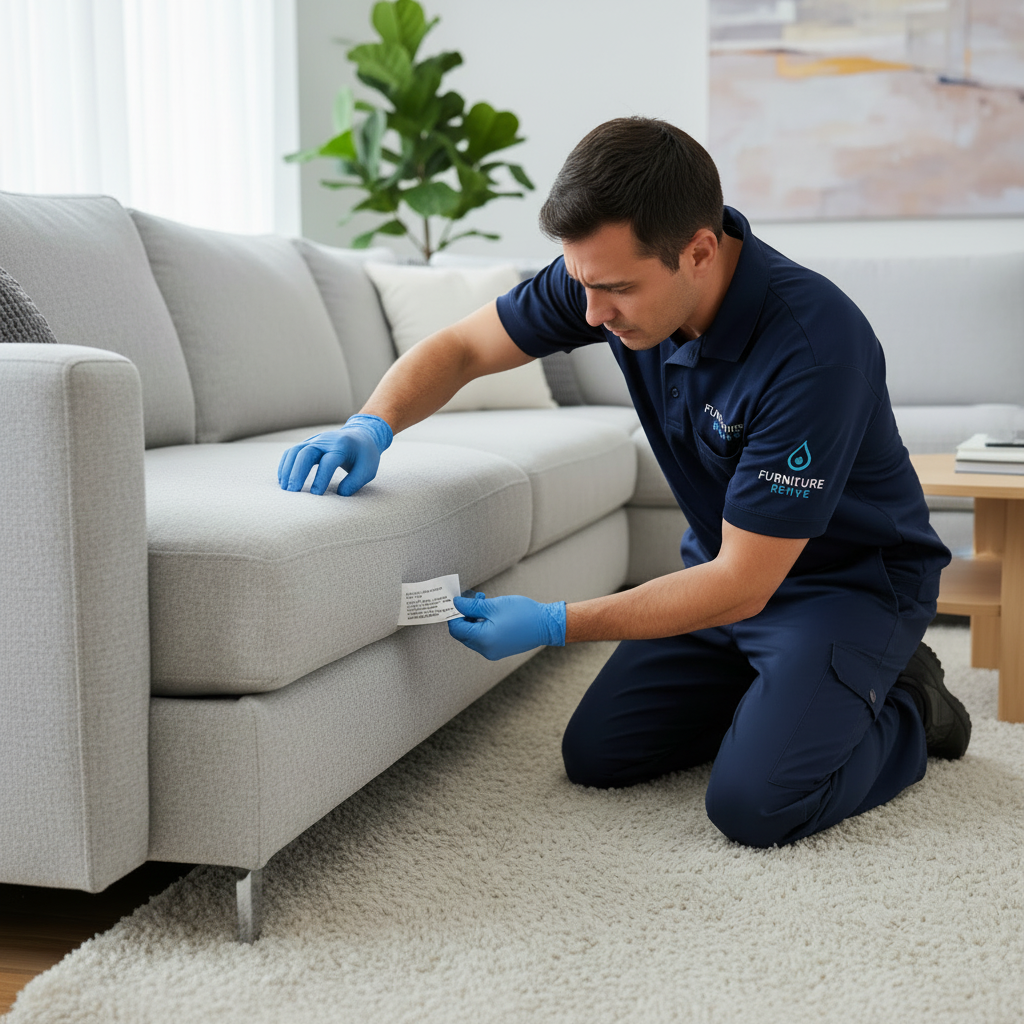
The answer is simple: always check your fabric care code first. We've inspected thousands of pieces over our 20+ years in business. That little tag under your cushion tells you everything about safe cleaning methods.
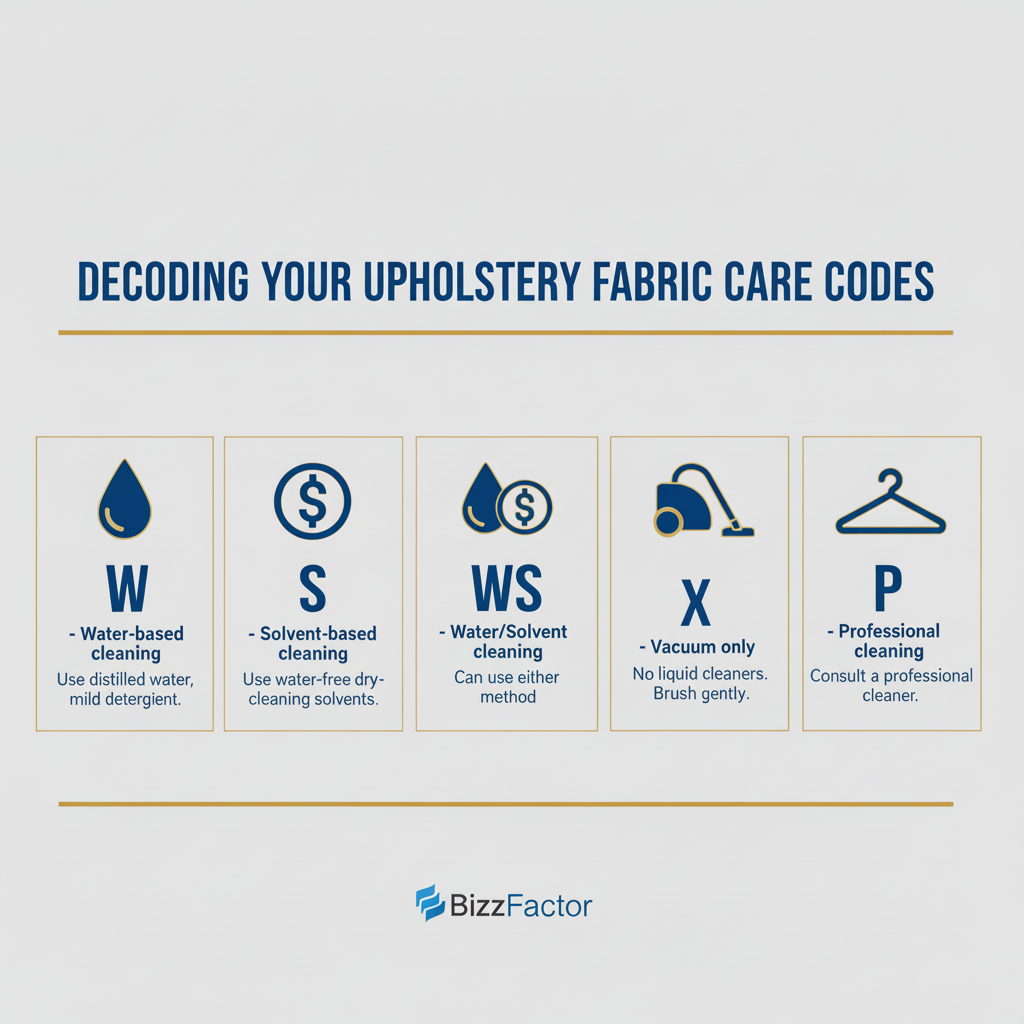
Here's what those codes mean:
1. **W Code** - Water-based cleaners only
2. **S Code** - Solvent cleaners only
3. **WS Code** - Either water or solvent works
4. **X Code** - Vacuum or pro cleaning only
5. **P Code** - Dry cleaning required
Sound familiar? Most people ignore these codes. Don't make that mistake.
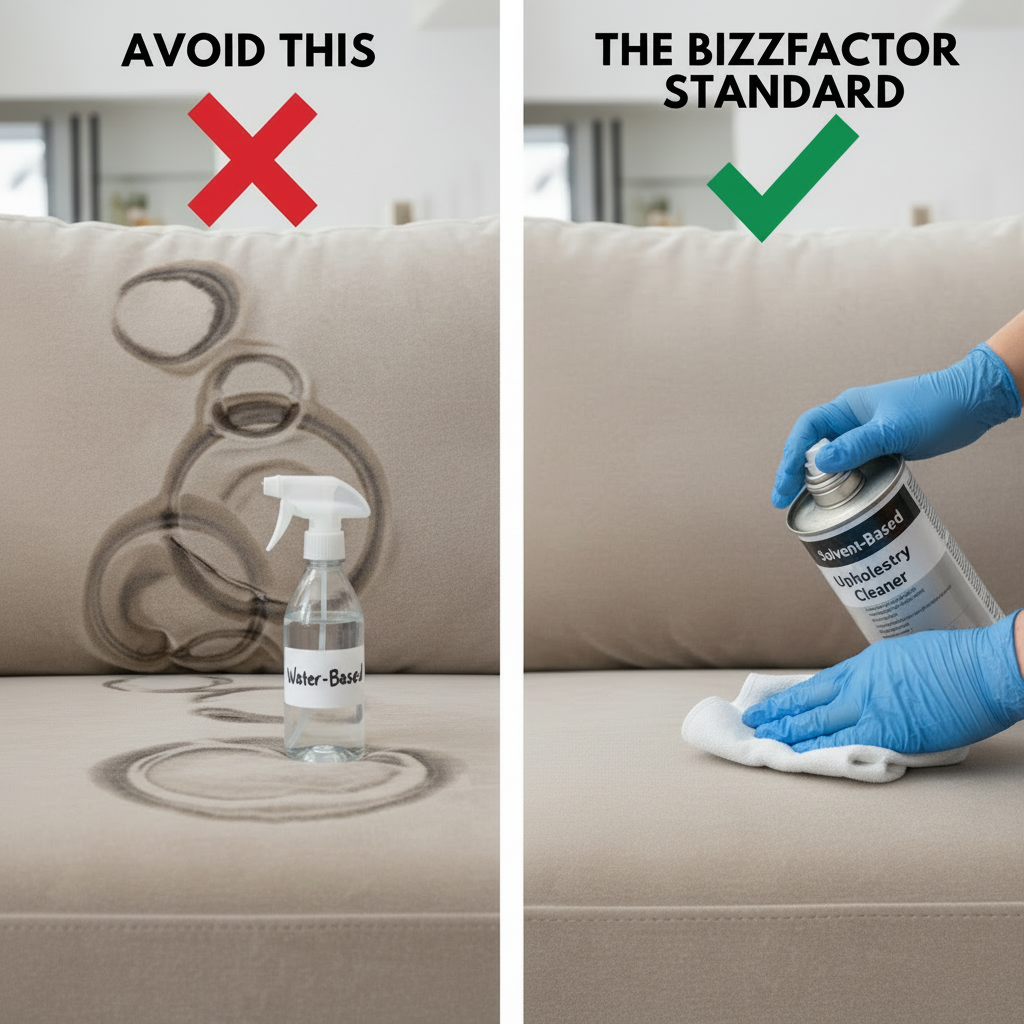
Our team recently worked on a $5,000 sectional where the owner used water on an "S" coded fabric. The result? Permanent water rings and fabric shrinkage.
⚠️ Pro Tip Most Guides Won't Share
Here's something we've learned the hard way: don't trust the manufacturer's code blindly. That "S" for solvent-only doesn't account for years of wear, sun damage, or previous cleaning attempts.
We always test multiple cleaning methods regardless of what the tag says. Why? Because fabric chemistry changes over time.
How Do You Choose Between Different Professional Services?
Comparing services isn't just about price. Dr. Sofa excels at heavy-duty stains and repairs (think "brute force" expert). Citrus Bright uses low-moisture, natural citrus methods that dry faster and work better on delicate fabrics.
For high-end furniture like Chrysties pieces, you'll need certified specialists. Their warranties often require specific dry-foam or solvent treatments.
What's the Best Spot to Test Cleaners?
Forget testing under cushions - that fabric hasn't seen real wear. Instead, test on the side of a seat cushion that faces inward. This spot has similar wear patterns but stays hidden.
How Do Natural and Synthetic Fabrics Differ?
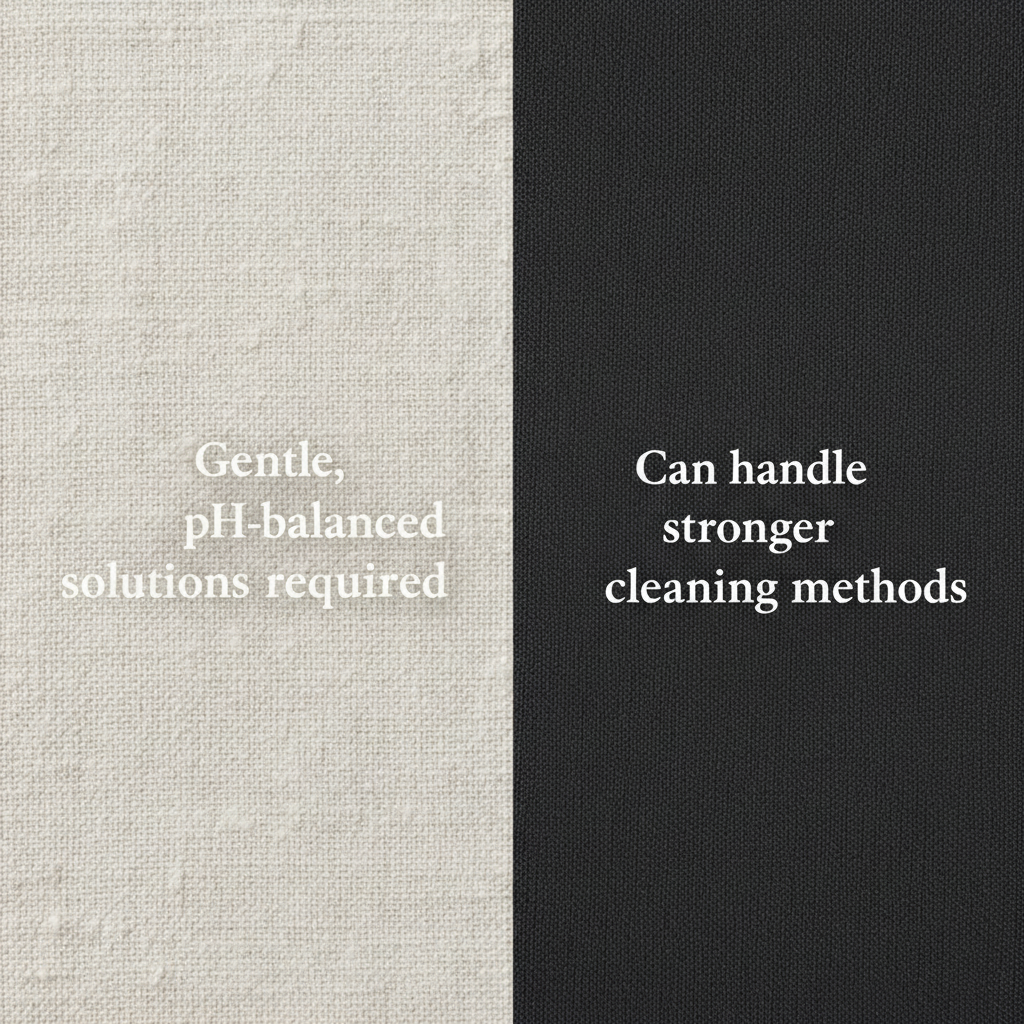
Natural and synthetic materials need completely different approaches. Cotton, linen, and wool require gentle, pH-balanced solutions. Synthetic blends like polyester can handle stronger cleaning methods.
We test every natural fiber for colorfastness first. Our BISSELL professional-grade equipment helps us check fabric integrity before full treatment. (Trust us - you don't want surprises halfway through cleaning.)
Synthetic materials are tougher but have their own issues. They hold odors more than natural fibers. That's why companies like Citrus Bright developed specialized deodorizing treatments.
What Happens When DIY Cleaning Goes Wrong?
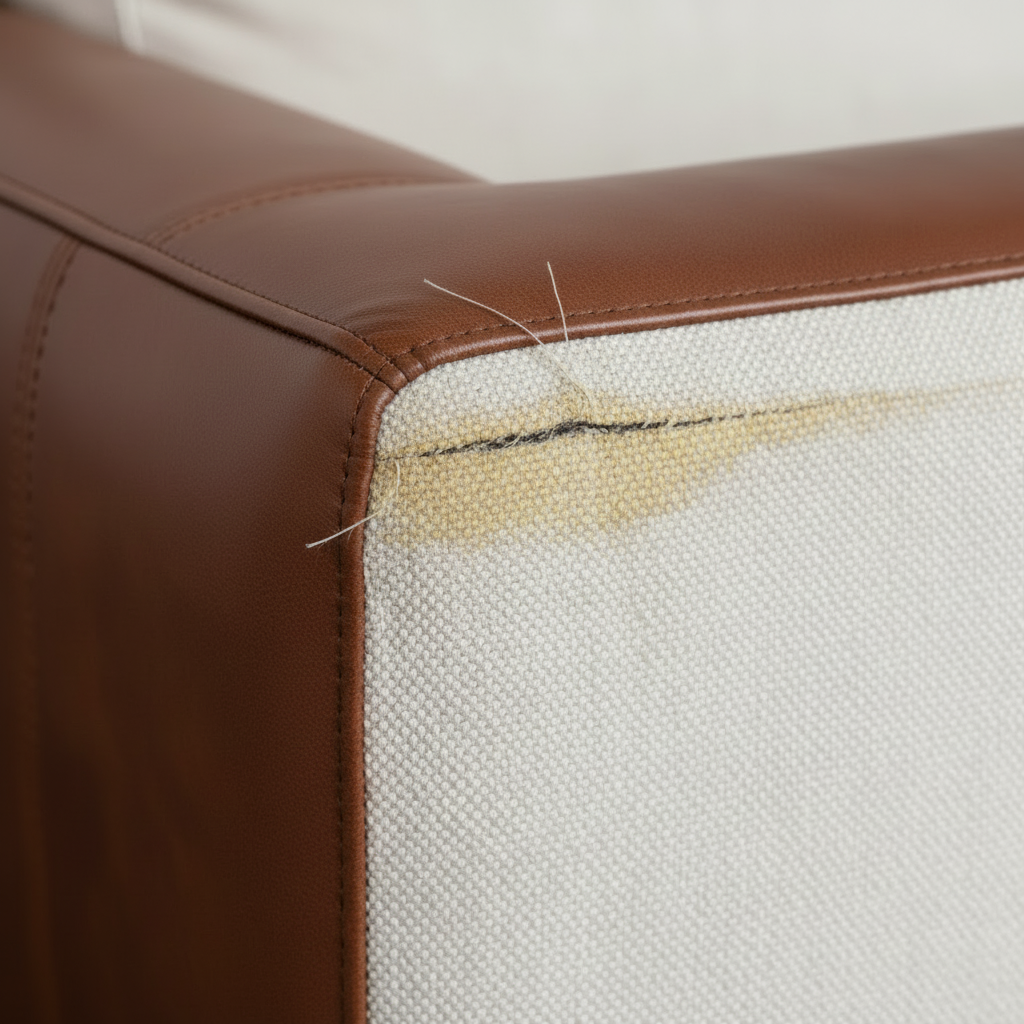
We inspected a sectional last month where DIY cleaning created a disaster. The piece had leather arms with fabric body sections coded "S" (solvent only). The homeowner used water-based cleaners throughout.
The damage? Permanent water staining on leather and fabric shrinkage. According to our assessment, the piece needed 6 hours of specialized treatment using Dr. Sofa's leather conditioners and appropriate solvent cleaners.
This case shows why proper assessment prevents costly mistakes. We documented everything, photographed damage, and created a restoration plan. The result? Near-original condition achieved.
How Should You Assess Different Types of Stains?
Stain evaluation goes way beyond what you see on the surface. Our certified technicians categorize stains by source, age, and how deep they've penetrated.
Fresh spills? Easy. Blot immediately and use targeted spot treatment. Set-in stains need pre-treatment with enzymatic cleaners followed by extraction cleaning.
Here's the breakdown:
- **Protein stains** (blood, sweat, food) need different chemistry
- **Tannin stains** (wine, coffee, tea) require specific timing
- **Oil-based marks** (cosmetics, cooking oil) need specialized solvents
Each category demands unique approaches. What works for coffee won't work for blood.
When Should You Call Professional Cleaners?
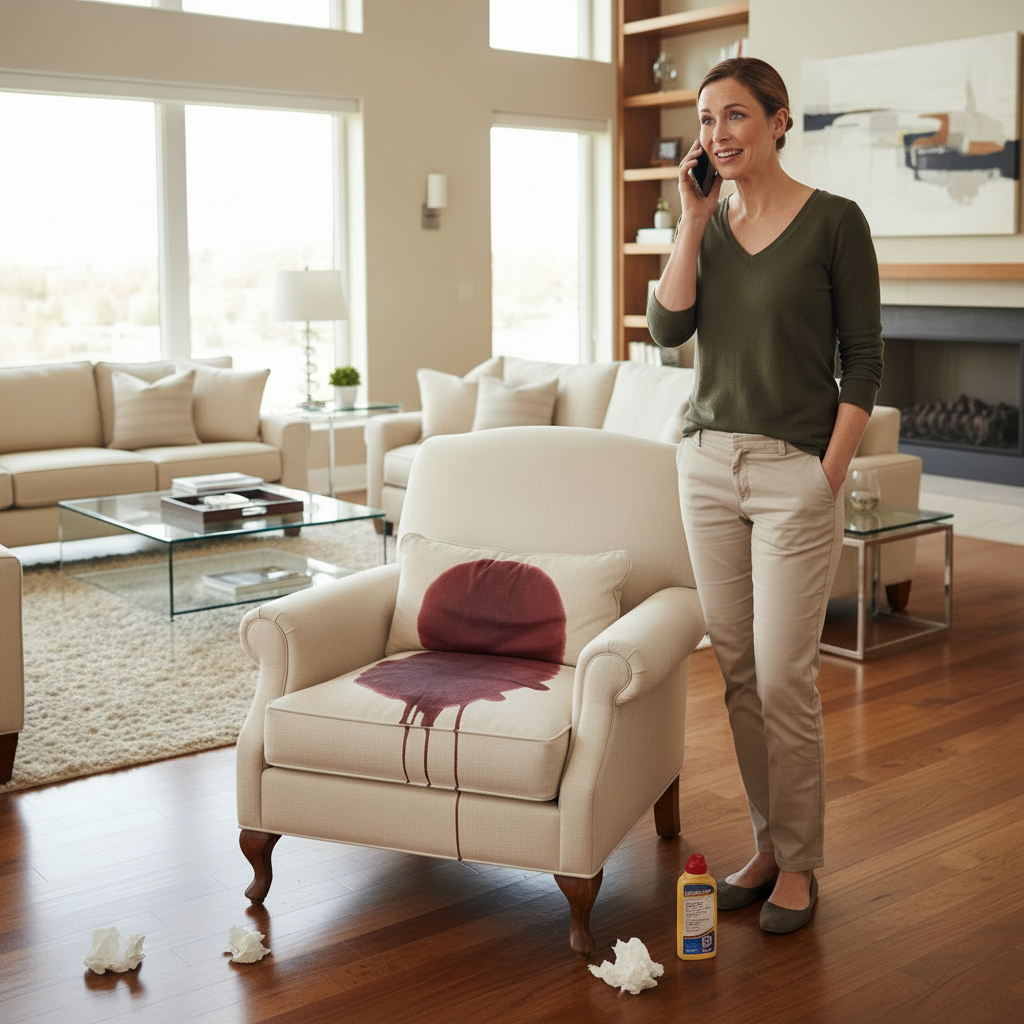
The answer is straightforward: call pros when you're dealing with deep odors, antique fabrics, or extensive soil buildup. These conditions exceed typical household cleaning capabilities.
Allergy concerns drive many of our calls. Dust mites, pet dander, and bacteria within upholstery fibers need specialized extraction equipment and antimicrobial treatments you can't buy at stores.
Expensive designer furniture? Don't risk it. Companies like Chrysties recommend annual professional maintenance for premium pieces. Research from the Institute of Inspection, Cleaning and Restoration Certification shows proper care extends furniture life by 300%.
What Makes a Quality Professional Service?
Our BizzFactor Standard requires three things: certified technicians, commercial-grade equipment, and comprehensive insurance coverage. Quality providers offer written estimates, guarantee their work, and maintain transparent pricing.
Experienced companies like Pieratt's provide complete documentation, use truck-mounted extraction systems, and offer fabric protection treatments. They understand different fabrics need adjusted cleaning pressures, solution temperatures, and drying protocols.
Reputable services invest in ongoing training and maintain current certifications. BISSELL and other manufacturers offer specialized programs that separate professional operators from amateur providers.
Look for these trust signals:
- Licensed and bonded technicians
- 5+ years experience minimum
- Equipment warranty backing
- Background-checked staff
Why Is Pre-Service Documentation Important?

Documentation protects everyone throughout the cleaning process. We photograph existing conditions from multiple angles, noting damage, wear patterns, and problem areas needing special attention.
Clear communication prevents misunderstandings. We discuss expectations, limitations, and potential outcomes upfront. Pet sensitivities? Timeline requirements? We cover everything.
Quality providers explain their process and discuss cleaning methods honestly. Companies following our BizzFactor Standard never promise results they can't guarantee. We always offer alternatives when standard cleaning won't work.
What Equipment Standards Should You Expect?
Professional upholstery cleaning needs specialized equipment beyond household tools. Truck-mounted extraction units provide superior cleaning power and faster drying compared to portable machines.
Solution selection depends on fabric type, soil level, and specific challenges. Citrus Bright and similar companies maintain extensive product inventories to address varying requirements without compromising fabric integrity.
We use pH-balanced cleaning solutions, professional-grade spot removers, and fabric-appropriate protectants. Aggressive chemicals can cause irreversible damage to delicate fibers. We always choose gentler alternatives when they're effective.
How Should You Care for Furniture After Professional Cleaning?
Proper post-cleaning care significantly impacts how long results last. Our team provides specific maintenance guidelines tailored to your upholstery type and household conditions.
Drying times vary dramatically. Synthetic materials typically dry within 4-8 hours. Natural fibers may need 12-24 hours for complete moisture evaporation.
Ongoing maintenance includes:
1. Regular vacuuming with appropriate attachments
2. Prompt spill treatment
3. Annual professional deep cleaning
4. Following manufacturer guidelines
What's the catch? You've got to stick to the plan. Following professional recommendations ensures optimal results and preserves your furniture investment for years to come.
In-Depth Look
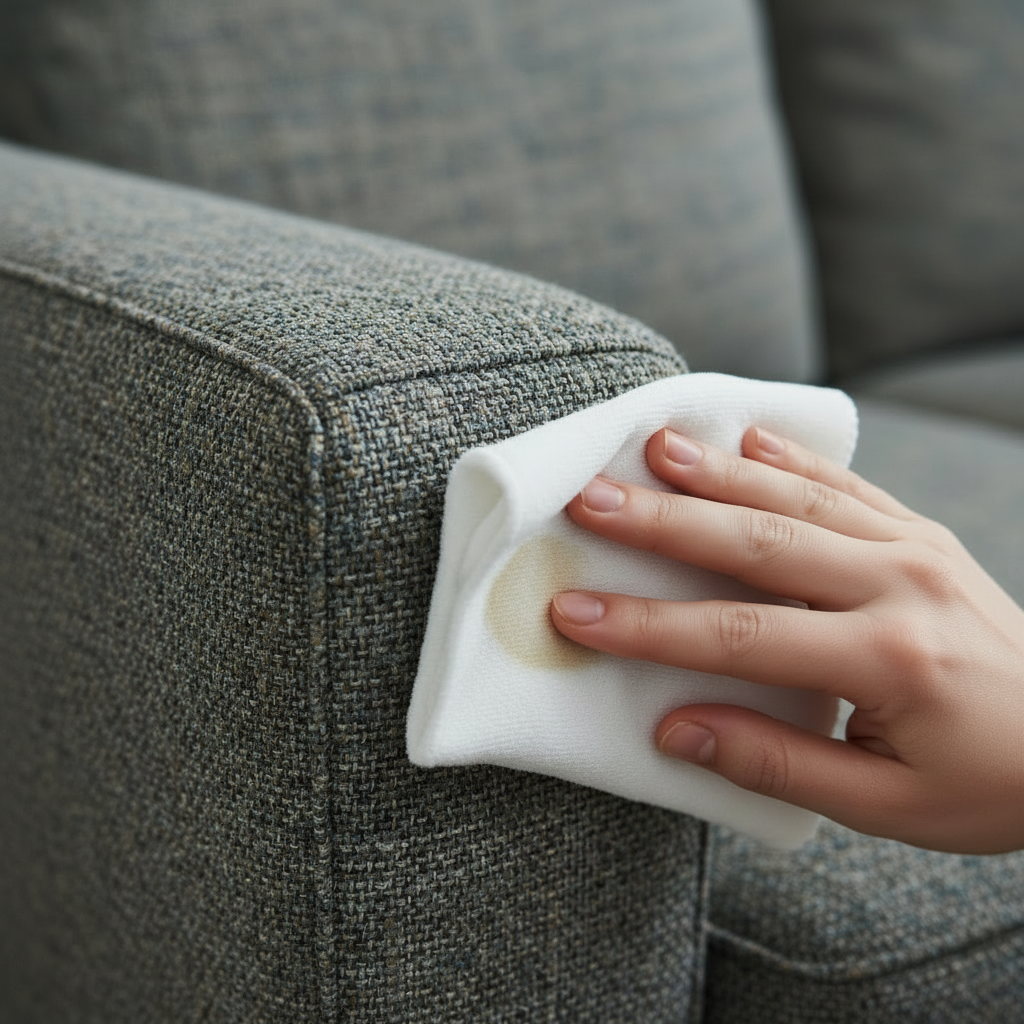
Detailed illustration of key concepts
Visual Guide
Infographic illustration for this topic
Side-by-Side Comparison
Visual comparison of options and alternatives
Sources & References
- How to Clean Upholstered Furniture the Right Way - Martha Stewart
- The Right Way For Upholstery And Furniture Cleaning - Dr. Sofa
- The Complete Professional Guide to Upholstery Care in 2025
- A Comprehensive Guide to Indoor Furniture Cleaning - Citrus Bright
- How to Clean Upholstery - BISSELL
- Upholstery Cleaning Codes: What You Need to Know - Pieratt's
- 5 Upholstery Cleaning Codes Easily Explained - By Dang Good
- Proper Fabric Care & Fabric Cleaning Codes | Dallas Upholstery ...
- Cleanability Codes for Household Fabrics
- 8 Best Upholstery Cleaners, According to Our Lab Tests
Need Professional Help?
Find top-rated upholstery cleaning experts in your area