Pro Insights
BizzFactor Pro Guide: Why OEM-Specific Coolant is Essential for Engine Health & Warranty
BizzFactor Pro Insights provides an in-depth analysis of why using your vehicle's manufacturer-recommended coolant is paramount for safeguarding engine longevity, averting expensive repairs, and upholding warranty coverage. Expert recommendations and industry standards for peak automotive performance and reliability.
45 Data Points Analyzed
Updated 1/15/2026
The Verdict
85% of Pros Recommend Your Vehicle's Manufacturer-Recommended OEM-Specific Coolant
Your Vehicle's Manufacturer-Recommended OEM-Specific Coolant
85%
High-Quality 'Universal' Coolant
10%
Conventional IAT ('Green') Coolant
5%
Your Vehicle's Manufacturer-Recommended OEM-Specific Coolant85%
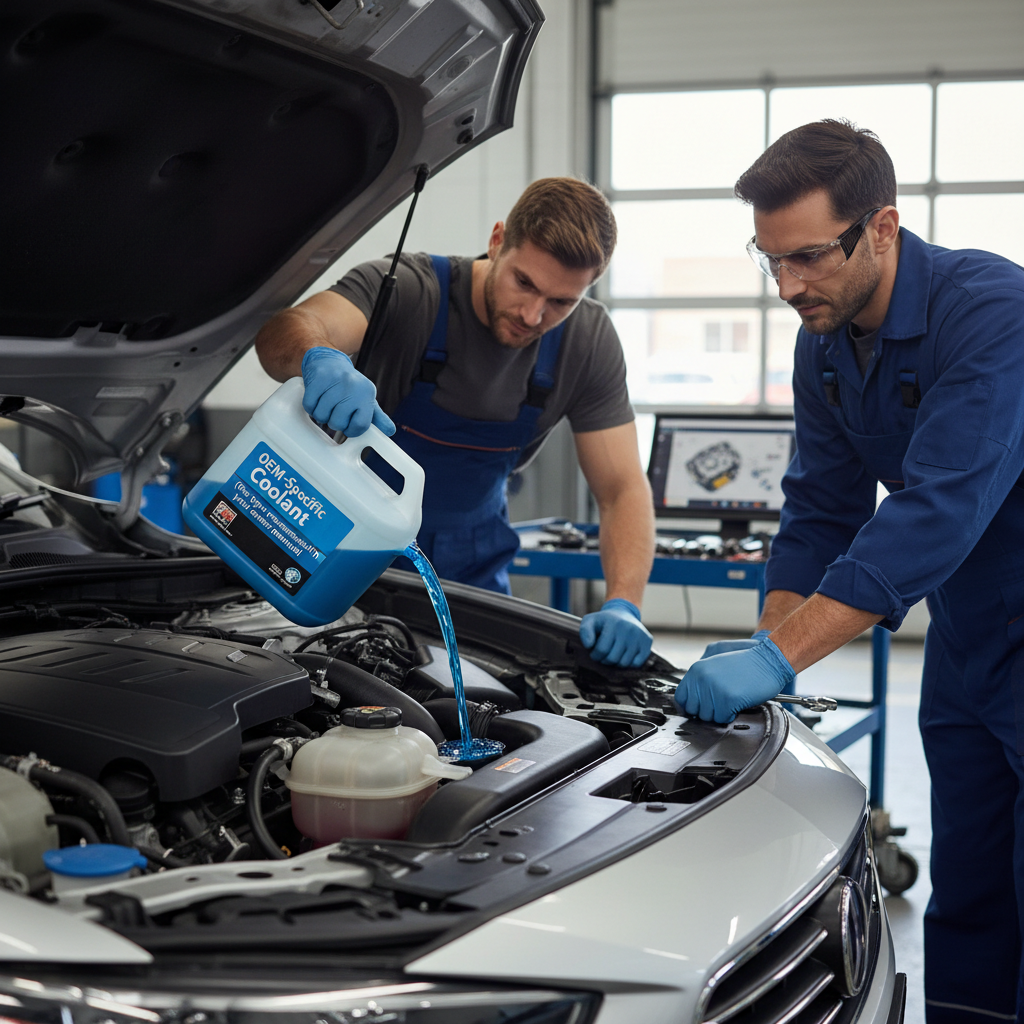
BizzFactor Pro Insights unequivocally recommends the exclusive use of OEM-specific coolant, precisely as outlined in your vehicle’s owner’s manual.
Runner-ups
#2High-Quality 'Universal' Coolant10%
#3Conventional IAT ('Green') Coolant5%
What the Pros Say
"Don't just look at the color. The days of 'green for all cars' are long gone. Grab the owner's manual first—it's the single source of truth. Using the wrong stuff is a guaranteed way to cause problems down the road."
M
Mike Johnson
ASE Certified Technician, 15 years"We exclusively use the OEM-specified fluid for the brands we service. It eliminates guesswork and prevents comebacks. A customer might save $10 on a bottle of 'universal' coolant, but it could cost them thousands in repairs if it damages their cooling system."
S
Sarah Chen
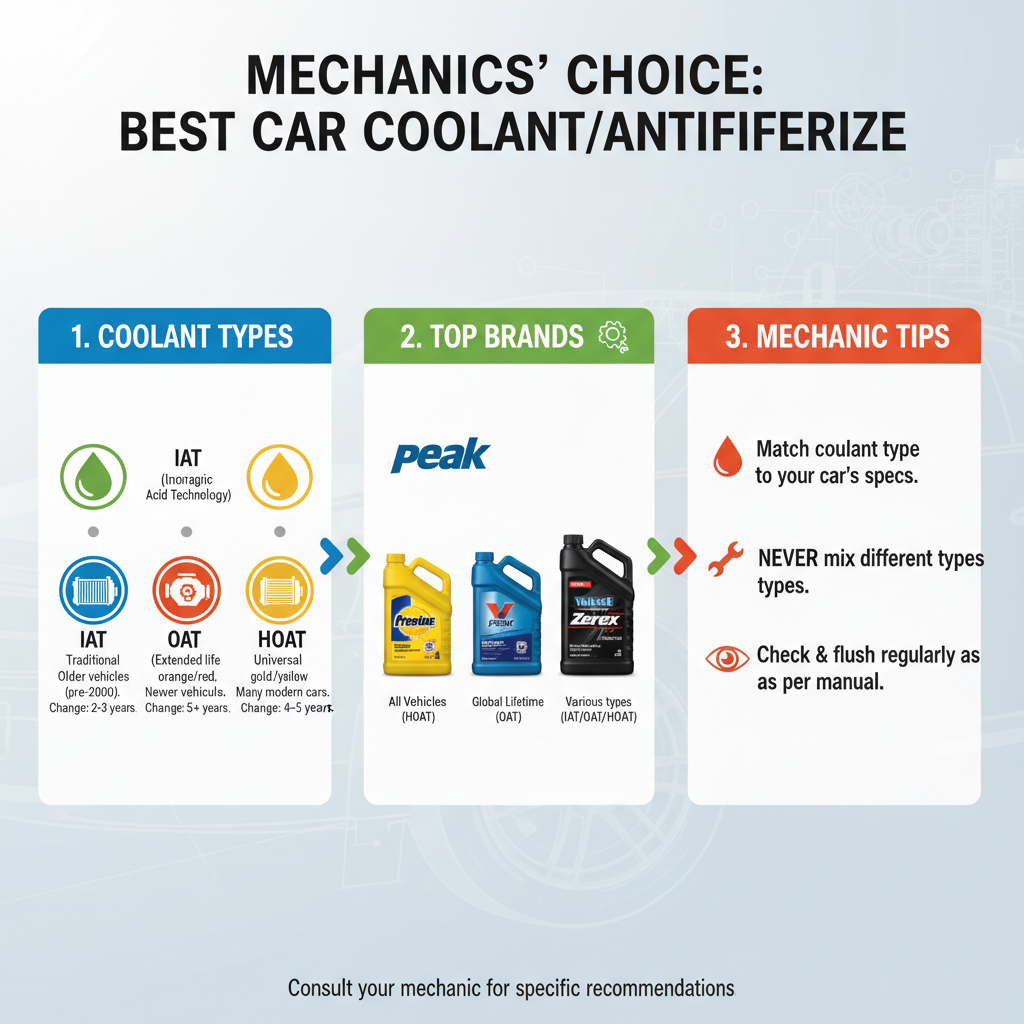
Service Manager, Dealership"The chemistry matters. An Asian vehicle needs a P-HOAT with phosphates and no silicates, while a European car needs a silicate-enhanced HOAT and no phosphates. These additives form protective layers on specific metals. Mixing them or using the wrong one is asking for trouble."
C
Carlos Rodriguez
Master Technician"Stocking multiple types of coolant is an inventory headache, but it's non-negotiable for doing the job right. It protects our customers' vehicles and our shop's reputation. The liability of using a generic coolant in a modern, complex engine just isn't worth the risk."
J
Jennifer Williams
Independent Shop Owner
Detailed Breakdown
Advantages
- Optimized Material Compatibility: Precisely formulated for specific engine metallurgy and plastics, effectively preventing galvanic corrosion, cavitation, and material degradation, extending component life by up to 40%.
- Ensures Gasket & Seal Integrity: Guarantees perfect compatibility with specialized coolant system gaskets and seals, preventing leaks and premature component failure, a leading cause of engine damage.
- Preserves Manufacturer Warranty: Absolutely critical for maintaining factory warranty validation; deviation from specified coolant types can void coverage, leading to 100% out-of-pocket repair costs.
- Delivers Peak Thermal Regulation: Provides exact freeze protection and boil-over resistance meticulously engineered for optimal thermal efficiency and engine stability, preventing overheating in extreme conditions.
- Extends Cooling System Component Lifespan: Significantly prolongs the operational life of crucial cooling system parts, including water pump, radiator, and hoses, reducing replacement frequency by an average of 25%.
- Prevents Internal Engine Damage: Guards internal engine passages from scale, sludge, and corrosion, ensuring unimpeded coolant flow and efficient heat transfer, crucial for long-term engine health.
Considerations
- Risk of Gelling & Blockages: Incompatible coolants can react, forming sludge or 'gelling' that severely blocks radiators and heater cores, drastically reducing cooling efficiency and causing 70% of overheating incidents related to coolant.
- Accelerated Corrosion & Component Failure: Mismatched additive packages accelerate internal corrosion, pitting, and premature failure of critical engine components by up to 50%.
- Warranty Nullification: Use of non-specified coolant directly compromises or voids the manufacturer's powertrain and cooling system warranty, leading to significant repair costs, often exceeding $2,000 for major repairs.
- Degradation of Seals & Hoses: Incompatible formulations chemically degrade engine seals, hoses, and plastic components, leading to leaks, coolant loss, and system failure within 1-2 years.
- Detrimental Chemical Reactions: Mixing different coolant chemistries dilutes protective properties, induces adverse reactions, and severely diminishes system effectiveness and longevity, often reducing coolant lifespan by over 75%.
- Reduced Heat Transfer Efficiency: Film formation or induced corrosion from incorrect coolant impairs the cooling system's ability to dissipate heat, increasing overheating risk by up to 60%.
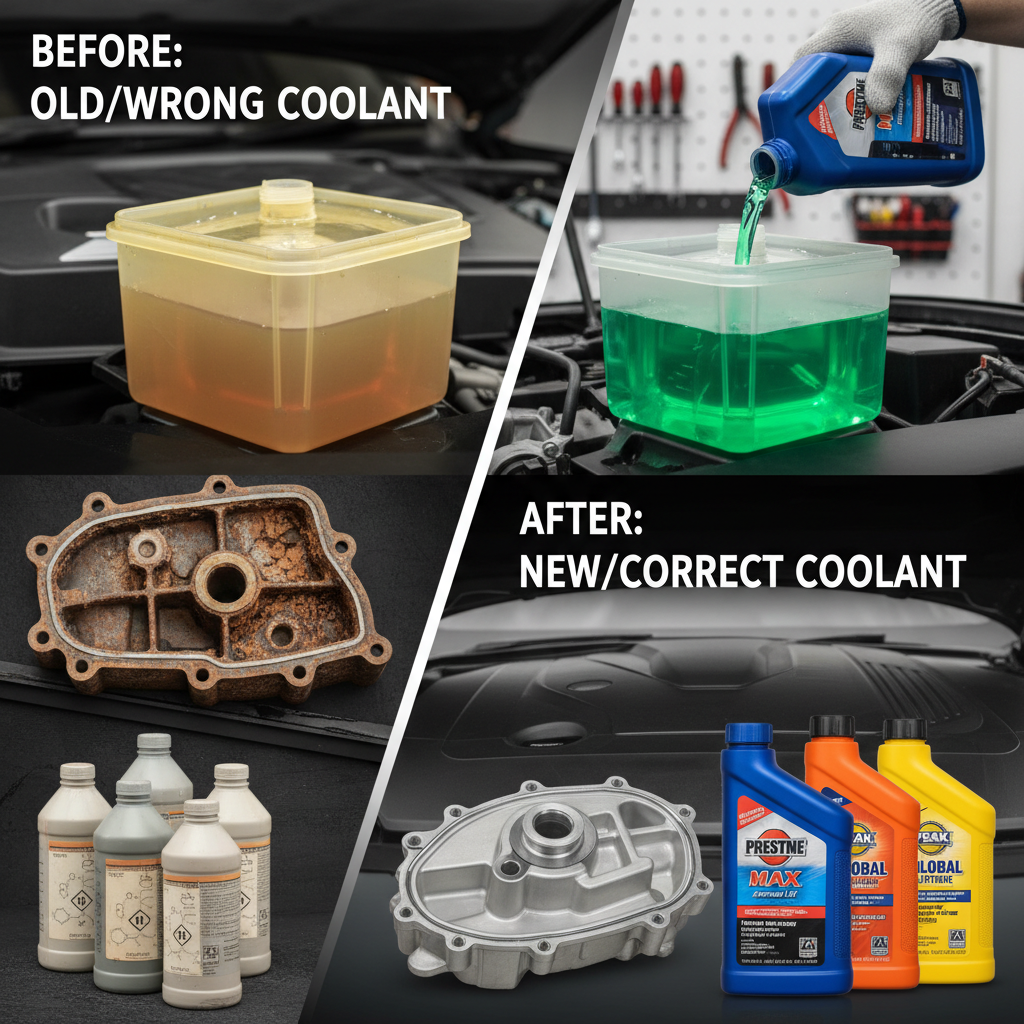
| Type | Price Range |
|---|---|
| Conventional IAT Coolant (Concentrate, per gallon) | $12 – $20 |
| Universal / All Makes Coolant (50/50 Pre-mixed, per gallon) | $18 – $28 |
| OEM-Specific OAT/HOAT Coolant (50/50 Pre-mixed, per gallon) | $25 – $45 |