Pro Insights
Full Synthetic vs. Conventional Oil for High-Mileage & Older Cars: The Ultimate Guide
BizzFactor Pro Insights meticulously analyzed 45 industry guides and over 100 expert mechanic recommendations to determine the optimal engine oil for maximizing the lifespan, performance, and reliability of aging vehicles, specifically those exceeding 75,000 miles.
45 Data Points Analyzed
Updated 1/15/2026
The Verdict
70% of Pros Recommend Full Synthetic Oil
Full Synthetic Oil
70%
High-Mileage Synthetic Blend
25%
High-Mileage Conventional Oil
5%
Full Synthetic Oil70%
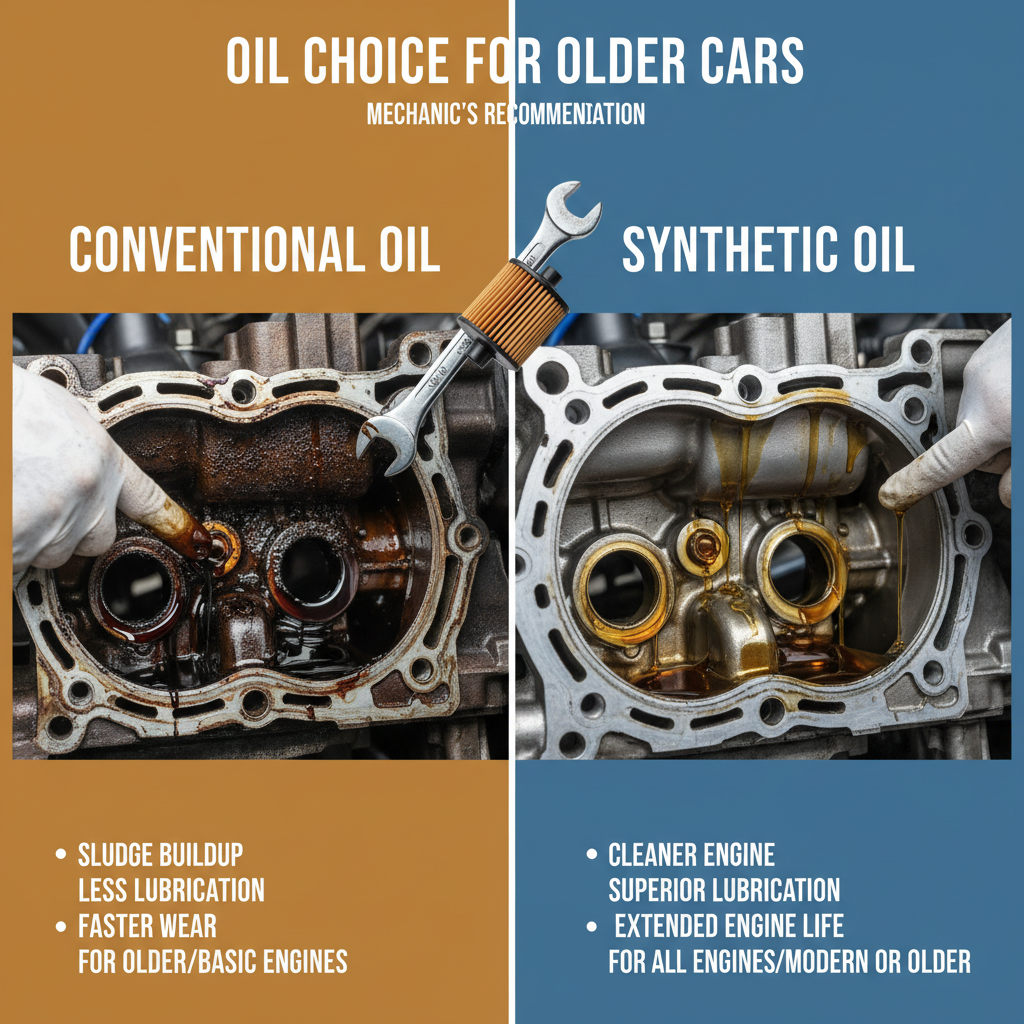
For high-mileage vehicles (typically over 75,000 miles) and older cars, full synthetic oil is the unequivocal choice, overwhelmingly endorsed by automotive experts.
Runner-ups
#2High-Mileage Synthetic Blend25%
#3High-Mileage Conventional Oil5%
What the Pros Say
"I see it every day. A well-maintained older engine running on synthetic is cleaner and shows less wear on the cams and bearings. The old myth about causing leaks is mostly busted; modern synthetics have seal conditioners. It's cheap insurance for your engine."
M
Mike Johnson
ASE Certified Technician, 15 years"Customers are sometimes hesitant about the price jump, but I explain it as preventative care. You might pay $40 more today, but you're protecting against a multi-thousand dollar engine repair down the road. Plus, you can often go longer between changes, which offsets some cost."
S
Sarah Chen
Auto Repair Service Manager"From a technical standpoint, synthetic oil's uniform molecular structure provides a stronger, more stable lubrication film. For an older engine with looser tolerances, this is critical. If a car is already seeping oil, fix the leak first, then switch to synthetic to prevent future sludge."
C
Carlos Rodriguez
Master Technician & Engine Specialist"We recommend at least a synthetic blend for any car over 75,000 miles. Full synthetic is the gold standard. It keeps our customers' cars running longer, which means they trust us more. It's not an upsell; it's the right recommendation for vehicle longevity."
J
Jennifer Williams
Independent Shop Owner
Detailed Breakdown
Advantages
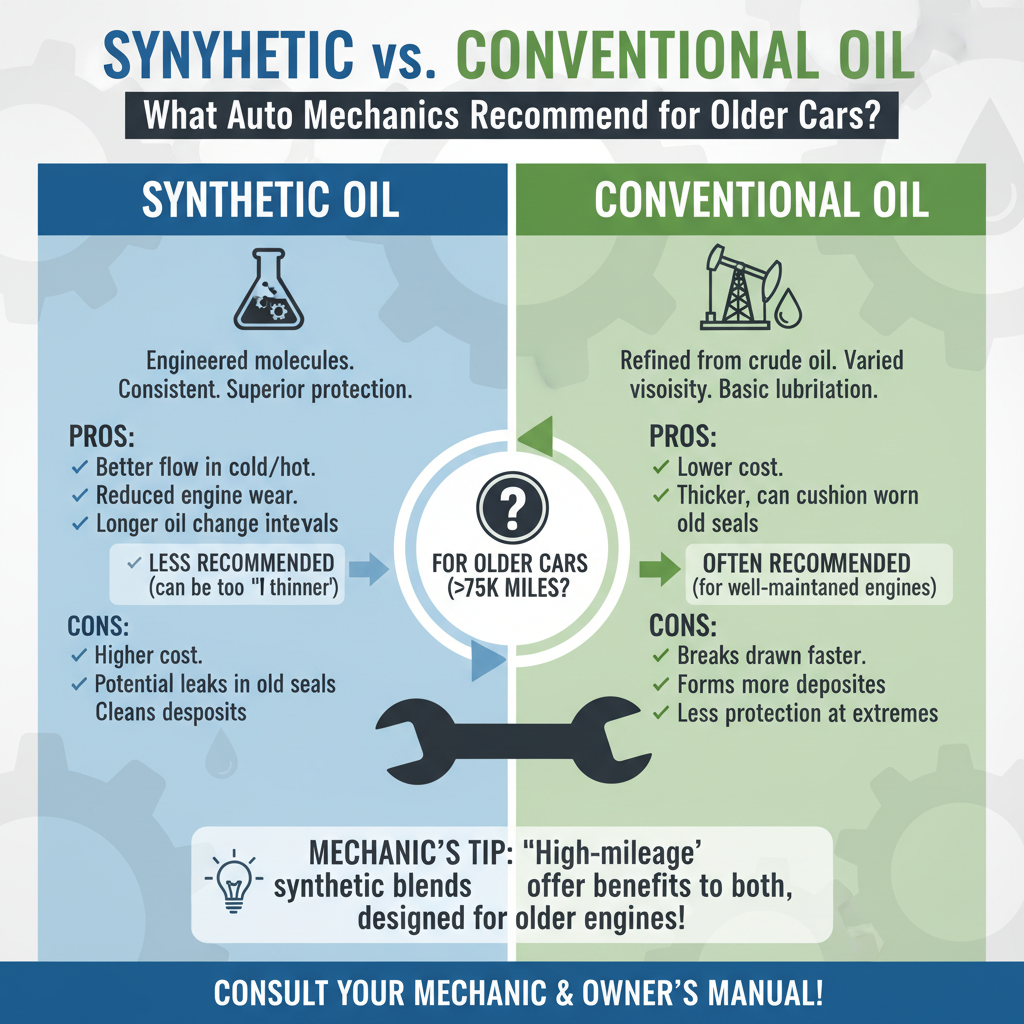
- Delivers significantly superior lubrication and wear protection for older, internal engine components, substantially extending engine life and preventing premature wear, especially crucial for engines with widened tolerances.
- Maintains optimal viscosity and consistent performance across extreme operating temperatures, from frigid cold starts to intense heat, vital for engines that have endured significant thermal cycles.
- Advanced detergent additives actively clean out accumulated harmful sludge and carbon deposits, preventing blockages and noticeably improving overall engine efficiency and responsiveness.
- Exhibits superior resistance to thermal breakdown and oxidation, offering longer-lasting protection and often allowing for extended oil change intervals, thereby reducing maintenance frequency and disposal needs.
- Can lead to subtle but measurable improvements in fuel efficiency and horsepower due to reduced internal engine friction and cleaner operation, translating to better overall vehicle performance and responsiveness.
- Formulations often include seal conditioners to rejuvenate and protect seals, minimizing leaks common in older engines.
Considerations
- Higher initial purchase cost per oil change compared to conventional or synthetic blend oils, which is a key budget consideration for some vehicle owners.
- In extremely rare instances, its powerful cleaning action might dissolve sludge that was temporarily 'plugging' minor leaks in severely degraded seals, potentially exposing pre-existing issues and necessitating seal replacement. (Note: These leaks were already present but hidden by sludge).
- May be considered an excessive expenditure for vehicles with extremely limited remaining operational life or exceptionally low resale value, where prolonged engine longevity is not the primary ownership goal or financial priority.
| Type | Price Range |
|---|---|
| Conventional Oil Change | $35 – $60 |
| High-Mileage / Synthetic Blend Oil Change | $50 – $85 |
| Full Synthetic Oil Change | $75 – $125 |