Pro Insights
Trenchless vs. Traditional Sewer Repair: The Definitive Homeowner's Guide to Cost, Disruption & Durability
BizzFactor Pro Insights presents an objective, data-driven comparison of modern trenchless technologies and conventional excavation for residential sewer line repairs. Discover the most efficient, cost-effective, and minimally disruptive plumbing solution tailored for your home.
5 Data Points Analyzed
Updated 1/22/2026
The Verdict
85% of Pros Recommend Trenchless Sewer Repair
Trenchless Sewer Repair
85%
Traditional Excavation
20%
Trenchless Sewer Repair85%
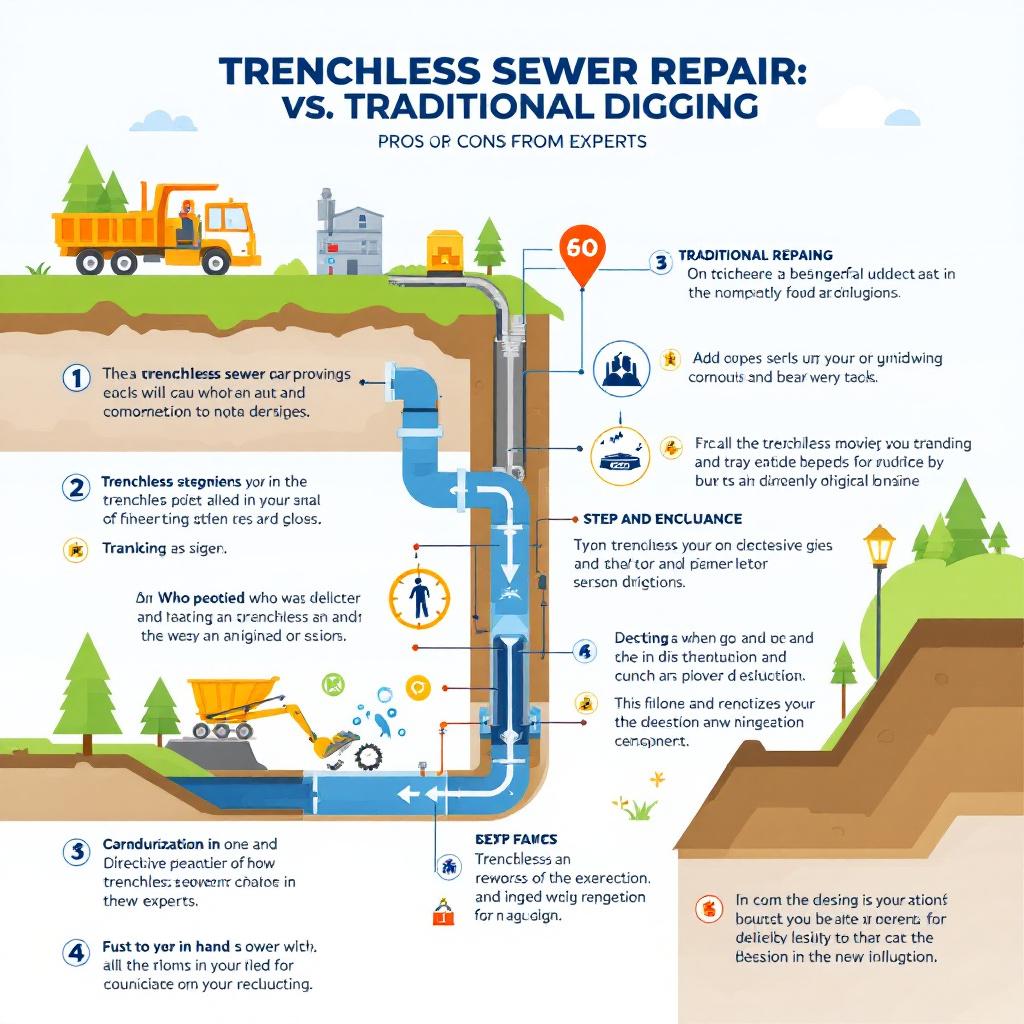
Trenchless sewer repair emerges as the preferred solution for approximately 85% of residential sewer line issues.
Runner-ups
#2Traditional Excavation20%
What the Pros Say
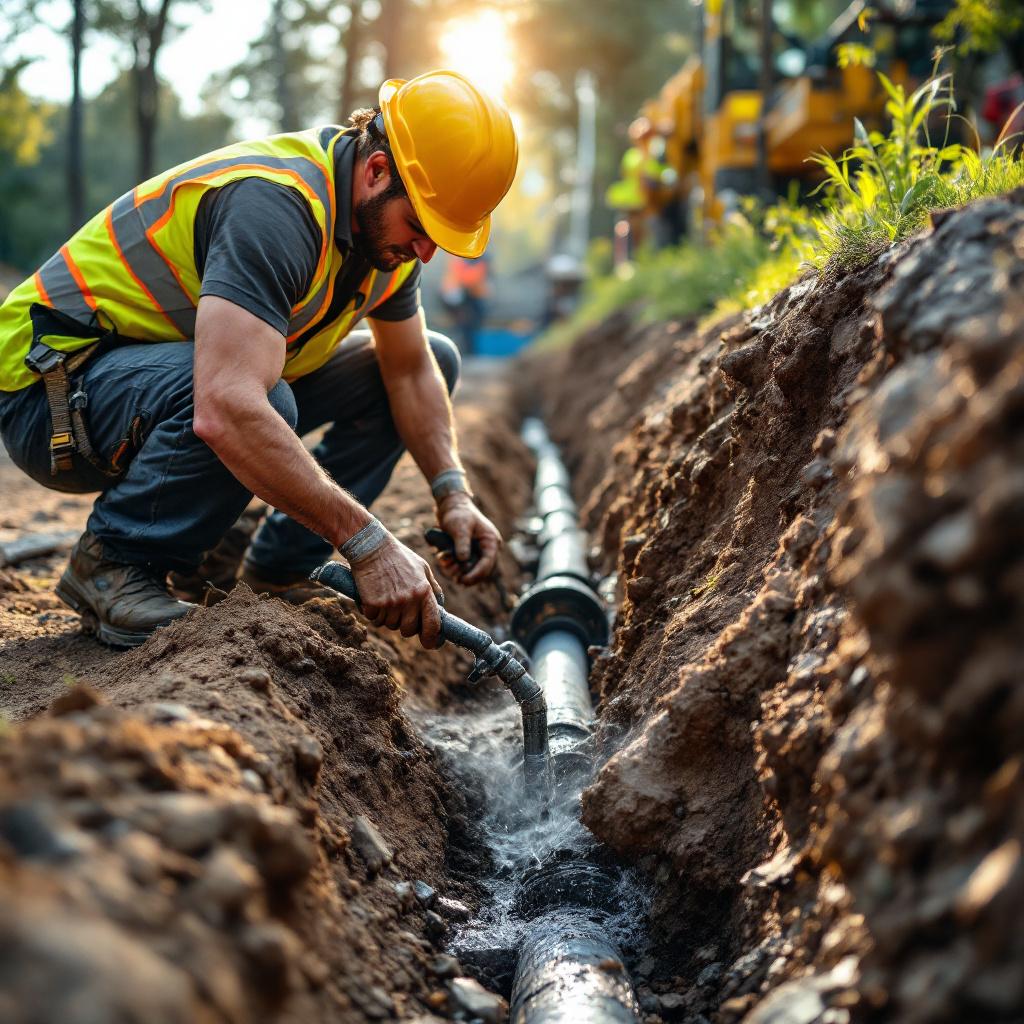
"Homeowners are always relieved when we tell them we don't have to destroy their prize-winning garden. With trenchless, we're in and out in a day, and you'd barely know we were there. It just makes for a much better customer experience."
M
Mike Johnson
Sewer & Drain Technician, 15 years"From a scheduling and logistics perspective, trenchless is far more efficient. A traditional dig can take a crew days, sometimes over a week with restoration. A trenchless job is typically done in hours, which means we can help more customers and they can get their lives back to normal faster."
S
Sarah Chen
Service Manager"The first step is always a camera inspection. If the pipe still has its basic shape, pipe lining is a fantastic, long-term solution. But if the pipe is completely crushed or has a negative slope, you have no choice but to dig it up and re-lay a new line with the proper grade."
C
Carlos Rodriguez
Master Technician"Investing in trenchless technology was a major decision, but it's what the market demands. It provides superior value by protecting the homeowner's property investment. The final product is a brand-new, seamless pipe within the old one—it's a permanent solution, not a patch."
J
Jennifer Williams
Plumbing Business Owner
Detailed Breakdown
Advantages
- Minimizes property disruption, preserving landscaping, driveways, and patios, thereby maintaining home aesthetics and value.
- Eliminates costly and time-consuming restoration of hardscapes (concrete, pavers, asphalt) and softscapes (lawns, gardens).
- Significantly faster project completion, often within one day, reducing homeowner inconvenience and property access limitations.
- Installs a durable, seamless, and joint-free pipe (e.g., Cured-In-Place Pipe or new HDPE), engineered for 50+ years of reliable, clog-resistant service.
- More cost-effective overall by negating expensive property restoration fees, leading to substantial long-term savings.
- Environmentally friendly due to reduced excavation, minimal waste generation, and a smaller carbon footprint.
- Often includes a longer contractor warranty, reflecting the quality and longevity of materials and the reduced risk of future issues.
- Enhances the structural integrity of the existing pipe, preventing future root intrusion and leaks, improving system performance.
Considerations
- Not universally applicable; unsuitable for pipes with severe collapses (>40-50%), extreme misalignments, or large missing sections.
- Higher initial per-linear-foot cost compared to just the excavation component of traditional methods.
- Requires specialized equipment and highly certified technicians, which may limit availability or increase costs in some rural areas.
- The full extent of complex pipe damage might not be completely ascertainable until the repair process begins, potentially requiring minor adjustments.
- Potential for minor reduction in pipe diameter, especially with pipe lining, though usually insignificant for flow.
| Type | Price Range |
|---|---|
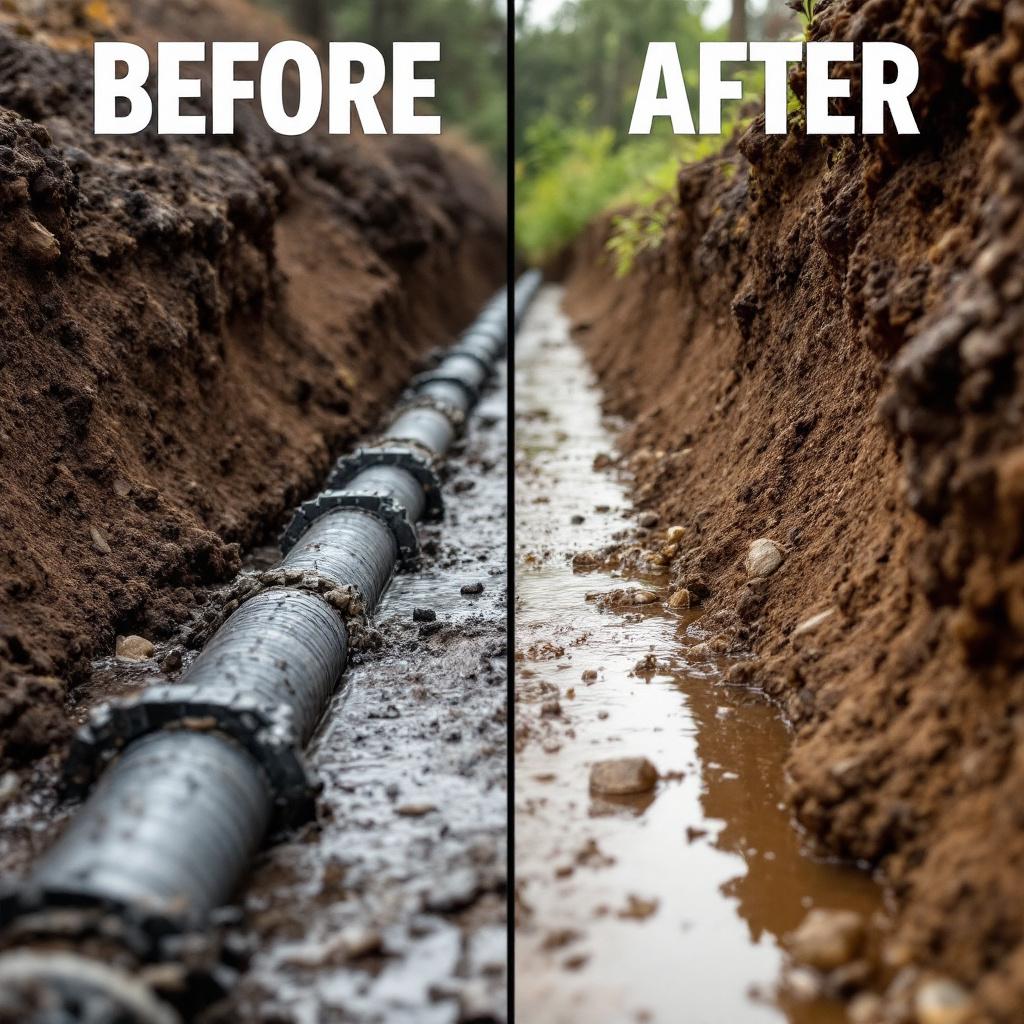
| Trenchless Pipe Lining | $80 – $250 |
| Traditional Excavation (Digging Only) | $50 – $250 |
| Landscape & Hardscape Restoration | $2,000 – $10,000 |