Pro Insights
Optimal Solar Battery Capacity for Home Backup: BizzFactor Pro's Data-Driven Guide
BizzFactor Pro Insights analyzes extensive industry data and expert evaluations to pinpoint the ideal solar battery size for maximizing home energy resilience and cost-effectiveness.
25 Data Points Analyzed
Updated 1/22/2026
The Verdict
75% of Pros Recommend Top Recommendation: 10-13 kWh Solar Battery System (Residential Single-Unit Focus)
Top Recommendation: 10-13 kWh Solar Battery System (Residential Single-Unit Focus)
75%
20+ kWh System (Stacked Batteries)
15%
5-7 kWh System (Small Battery)
10%
Top Recommendation: 10-13 kWh Solar Battery System (Residential Single-Unit Focus)75%
Our rigorous analysis consistently identifies a 10-13 kWh solar battery system as the optimal capacity for residential backup, focusing on essential loads.
Runner-ups
#220+ kWh System (Stacked Batteries)15%
#35-7 kWh System (Small Battery)10%

What the Pros Say
"We always start with an essential loads panel. Most customers need their fridge, internet, and a few lights. A 10 kWh battery covers that comfortably for 12-24 hours. It's the most practical and popular setup we install."
M
Mike Johnson
Lead Solar Installer, 15 years"The key conversation is managing expectations. A single battery won't run your central AC for days. It's about resilience and peace of mind. We size the system to keep you safe and connected, not to live like the grid never went down."
S
Sarah Chen
Energy Consultant"Don't just look at kilowatt-hours (kWh); look at the continuous power output in kilowatts (kW). A 10 kWh battery with a 5 kW output is standard. That's enough to run several things at once, but not enough to start a large appliance like an air conditioner."
C
Carlos Rodriguez
Master Electrician"Five years ago, batteries were a luxury. Today, with grid issues and incentives, they're a core part of a solar investment. We recommend starting with one battery, sized for critical loads, with the option to easily add another later if needs change."
J
Jennifer Williams
Owner, Summit Solar
Detailed Breakdown
Advantages
- Ensures continuous power for essential appliances during grid outages, significantly enhancing home safety, security, and comfort.
- Significantly boosts energy independence, allowing homeowners to efficiently store and self-consume their generated solar electricity.
- Optimizes solar energy utilization, particularly beneficial in regions without robust net metering or with variable time-of-use (TOU) utility rates.
- Facilitates substantial reductions in electricity bills through strategic 'load shifting,' deploying stored energy during peak utility demand and higher rate periods.
- Provides resilient protection against grid instabilities, power fluctuations, and severe weather events common for prolonged outages.
- Qualifies for substantial financial incentives, including the 30% federal solar Investment Tax Credit (ITC), greatly mitigating initial investment costs.
- Reduces carbon footprint by maximizing renewable energy consumption and minimizing reliance on grid-supplied fossil fuel electricity.
Considerations
- Requires a substantial upfront financial investment, frequently exceeding $10,000, not including separate solar panel installation costs.
- Battery performance naturally degrades over time, leading to a gradual reduction in usable storage capacity throughout its operational lifespan.
- Backup power capacity is finite; extended periods without adequate solar recharging or continuous high-demand consumption can deplete the battery, resulting in a loss of power.
- Mandates professional installation by licensed and certified technicians due to the complexity and potential safety risks of high-voltage electrical integration.
- The physical size and weight of battery units can be significant, potentially limiting installation locations and often requiring specific structural considerations (e.g., reinforced concrete pad).
- Overall system efficiency involves some energy loss during energy conversion, charging, and discharging cycles, reducing the net power delivered.
- Battery chemistry can pose environmental disposal challenges at end-of-life, though recycling programs are improving.
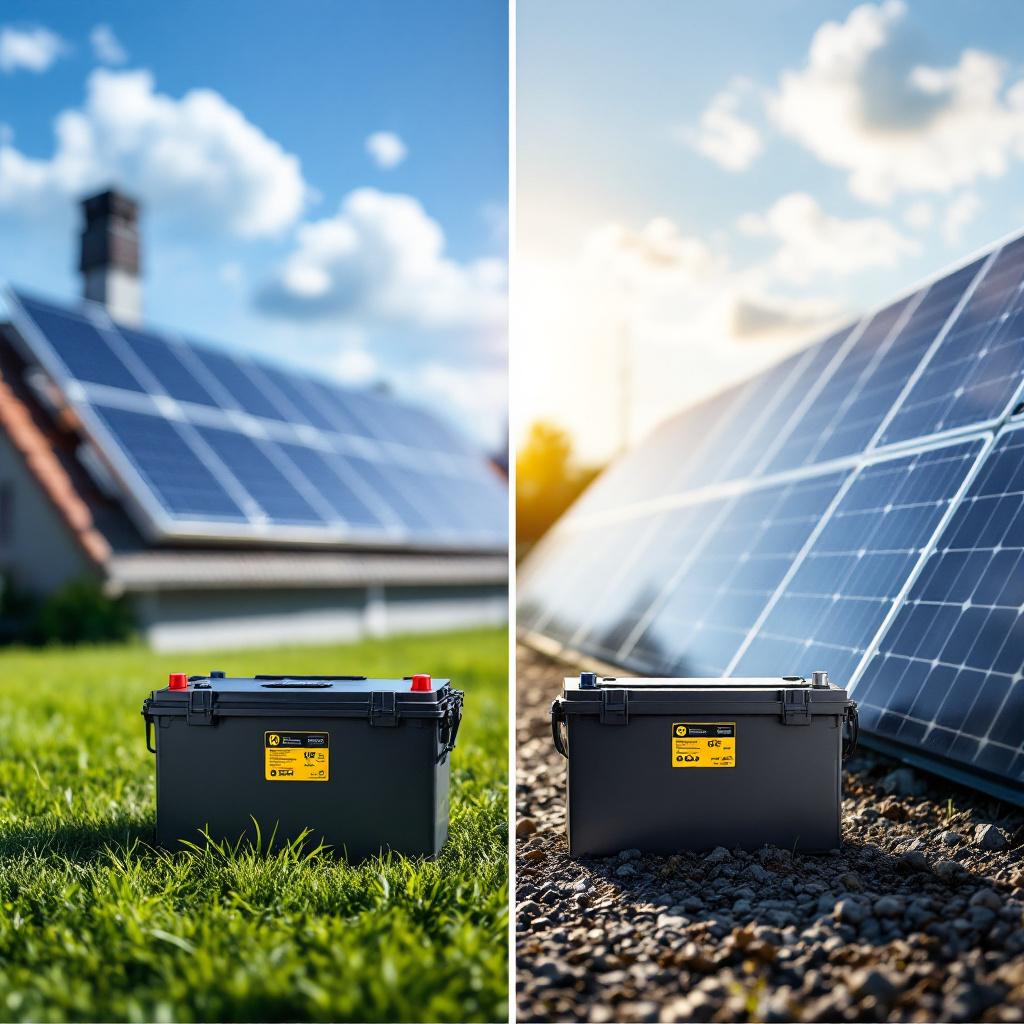
| Type | Price Range |
|---|---|
| Essential Loads Backup (5-7 kWh) | $7,000 – $11,000 |
| Standard Backup (10-13 kWh) | $12,000 – $18,000 |
| Whole-Home Backup (20+ kWh) | $20,000 – $35,000 |